
For years, Costa Rica held an almost mythical status among Americans dreaming of a warmer, slower life abroad. Its beaches, biodiversity, and “pura vida” attitude built a reputation that felt untouchable. Lately, though, a growing number of retirees have been packing their bags for a neighboring country that offers many of the same perks, plus a few advantages that Costa Rica simply cannot match.
That country is Panama, and the shift is not just anecdotal. It shows up in visa applications, retirement indexes, and the steady stream of expats trading colones for dollars.
Panama’s Climb Past Costa Rica in the Rankings
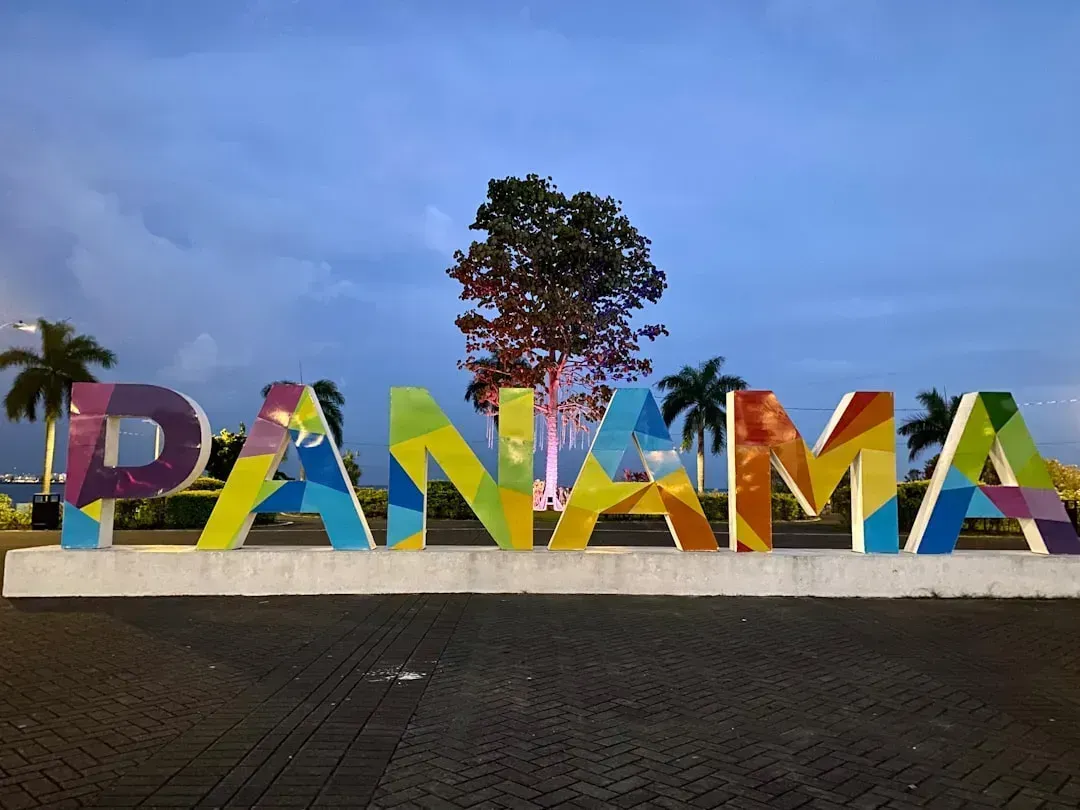
The most visible sign of this shift comes from the annual retirement indexes that expats use to compare destinations. Costa Rica has long been favored for its natural beauty and stable democracy, but it has become increasingly expensive, and Panama ranked first in International Living’s 2025 Global Retirement Index and second in the 2026 index, behind Greece, while Costa Rica ranked third. That is not a fluke. It is the continuation of a multi year trend where Panama keeps closing the gap.
Panama, Costa Rica and Mexico rank among the best countries to retire for 2026, taking the second, third and fifth spots on a widely watched global index, with Panama leading on its dollar economy and generous Pensionado visa, Costa Rica on climate and healthcare, and Mexico on proximity and cost. Greece’s rise to the top spot has reshuffled things at the very top, but among the Latin American contenders, Panama has quietly become the one retirees are choosing first.
The Pensionado Visa: A Retirement Program Hard to Beat

Panama’s retirement visa, known as the Pensionado program, has a reputation that borders on legendary among expat circles. The visa requires a verifiable lifetime pension of at least $1,000 per month, plus $250 per month for each dependent, and spouses can combine pension income to meet the minimum. That threshold is roughly what Social Security pays many retired Americans, which makes qualifying surprisingly achievable.
What sets it apart is not just the entry requirement but what comes after approval. Retiree discounts under Panama’s Pensionado program include 25% off airline tickets, 50% off entertainment, 25% off restaurants, and 15% off hospital bills, among other perks. Costa Rica offers a similar visa on paper, yet its lesser known Rentista option, aimed at retirees without a formal pension, asks for considerably more income, which narrows the pool of who can actually use it.
Living on Dollars Instead of Exchange Rates

One detail that rarely makes the glossy brochures but matters enormously to someone on a fixed income is currency. Panama uses the US dollar as its official currency, so there are no exchange rates, no currency hedging, and no watching a foreign currency plummet, meaning income arrives and spends in dollars. For a retiree drawing Social Security or a pension in dollars, that removes an entire layer of financial guesswork.
Costa Rica, by contrast, runs on the colón. Costa Rica uses the colón, and while US dollars are widely accepted in tourist areas, retirees still deal with exchange rates for everyday transactions. It is not a dealbreaker for most people, but for retirees who want their monthly budget to behave predictably, Panama’s dollarized system has real appeal.
Comparing the Real Cost of Living

Money talks, and this is where the comparison gets interesting. A retired couple in Panama City or Boquete can expect to spend $2,500 to $3,500 a month, with Panama City being significantly more expensive while Boquete and other interior towns remain more affordable, and the Pensionado discount program helps offset rather than eliminate that price difference. Costa Rica lands in a similar range overall.
Costa Rica’s Central Valley runs $2,500 to $3,500 a month for a couple, a similar range to Panama, though beach towns like Tamarindo or Manuel Antonio cost more. The takeaway is that neither country is dramatically cheaper across the board, but Panama’s smaller interior towns often stretch a modest pension further than Costa Rica’s popular beach communities.
Healthcare That Rivals Home, at a Fraction of the Price
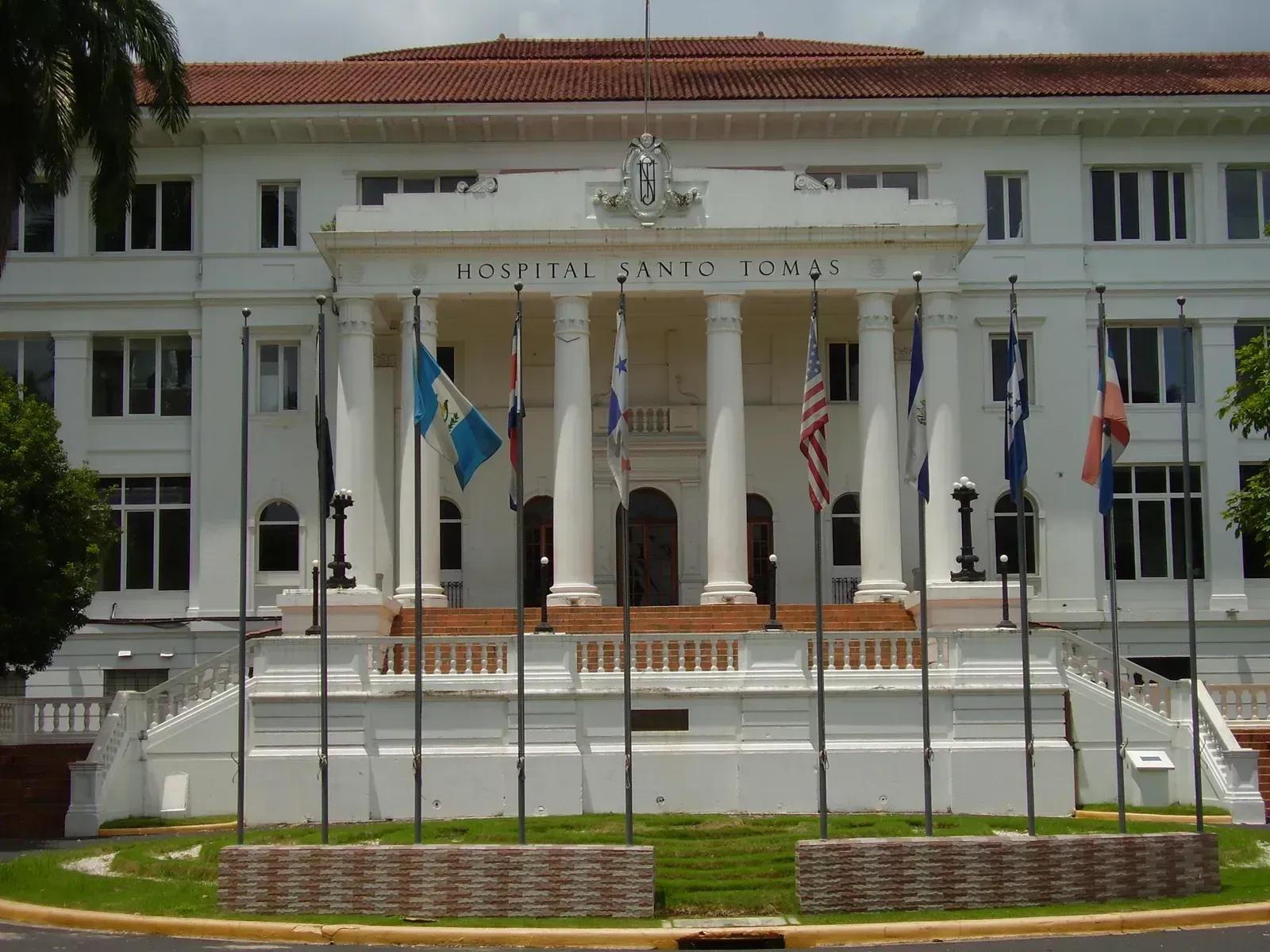
Healthcare quality is usually the deciding factor for anyone weighing a move abroad in their sixties or seventies. Panama has built a genuinely strong private healthcare system to go along with its infrastructure push. Private care in Panama City is high quality at 40 to 70 percent less than US prices.
Costa Rica’s public system still holds a slight edge on paper, since its CAJA network is often cited as one of the best public healthcare systems in Latin America. Still, most Panama retirees lean on private insurance rather than the public system, and that private tier delivers modern hospitals, English speaking specialists, and short wait times in Panama City. The pattern that emerges is that Costa Rica leads on healthcare and natural environment, while Panama leads on cost, infrastructure, currency convenience, and English accessibility.
A Tax System Built With Retirees in Mind
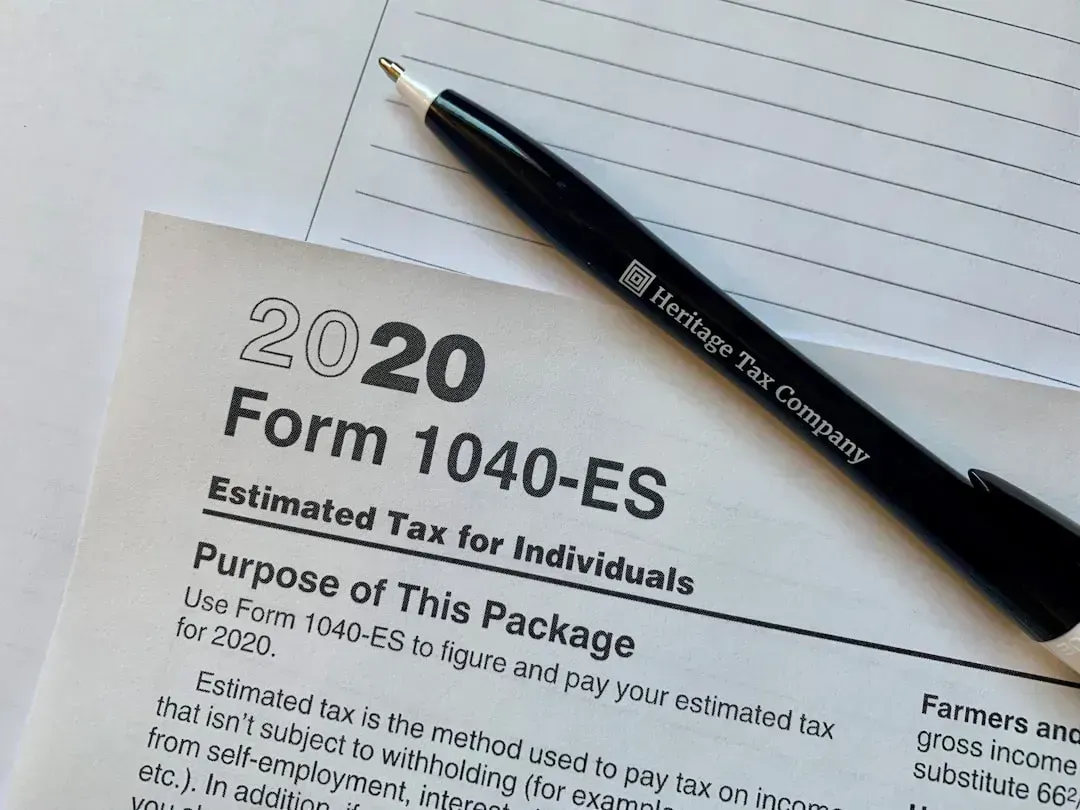
Taxes rarely make for exciting reading, but they shape a retirement budget more than almost anything else. Panama uses a territorial tax system, meaning it generally does not tax foreign source income such as US Social Security, 401(k), or IRA distributions, though Panama source rental or business income can still be taxed locally. For a retiree living entirely off US retirement accounts, that can mean owing little or nothing to the Panamanian government.
American retirees still file with the IRS no matter where they live, and Panama does not change that obligation. The Foreign Earned Income Exclusion is $130,000 for tax year 2025, rising to $132,900 for tax year 2026, according to IRS guidance. Costa Rica operates under a comparable territorial approach, so the tax gap between the two countries is smaller than the cost of living gap, but Panama’s dollarized banking system tends to simplify the paperwork side of things.
Modern Infrastructure That Feels Familiar
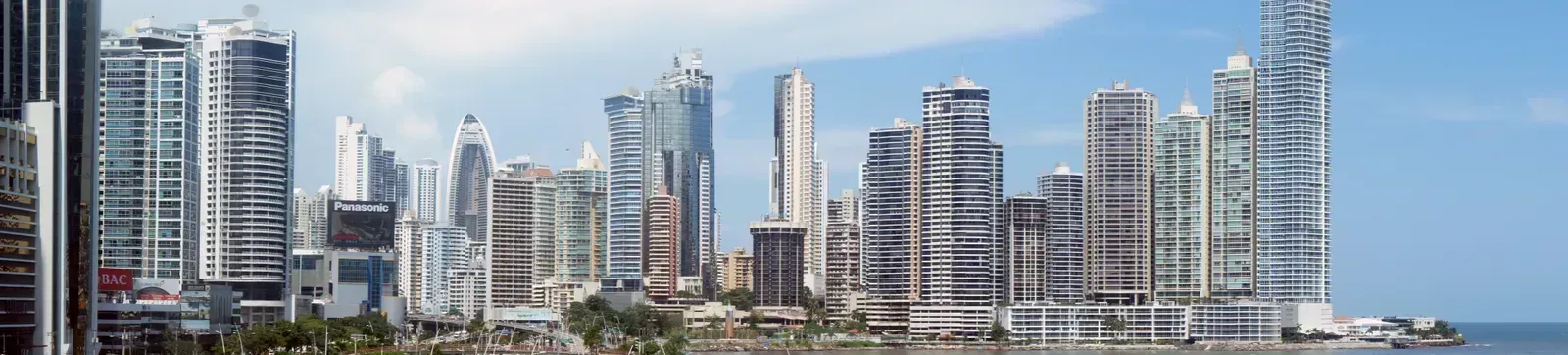
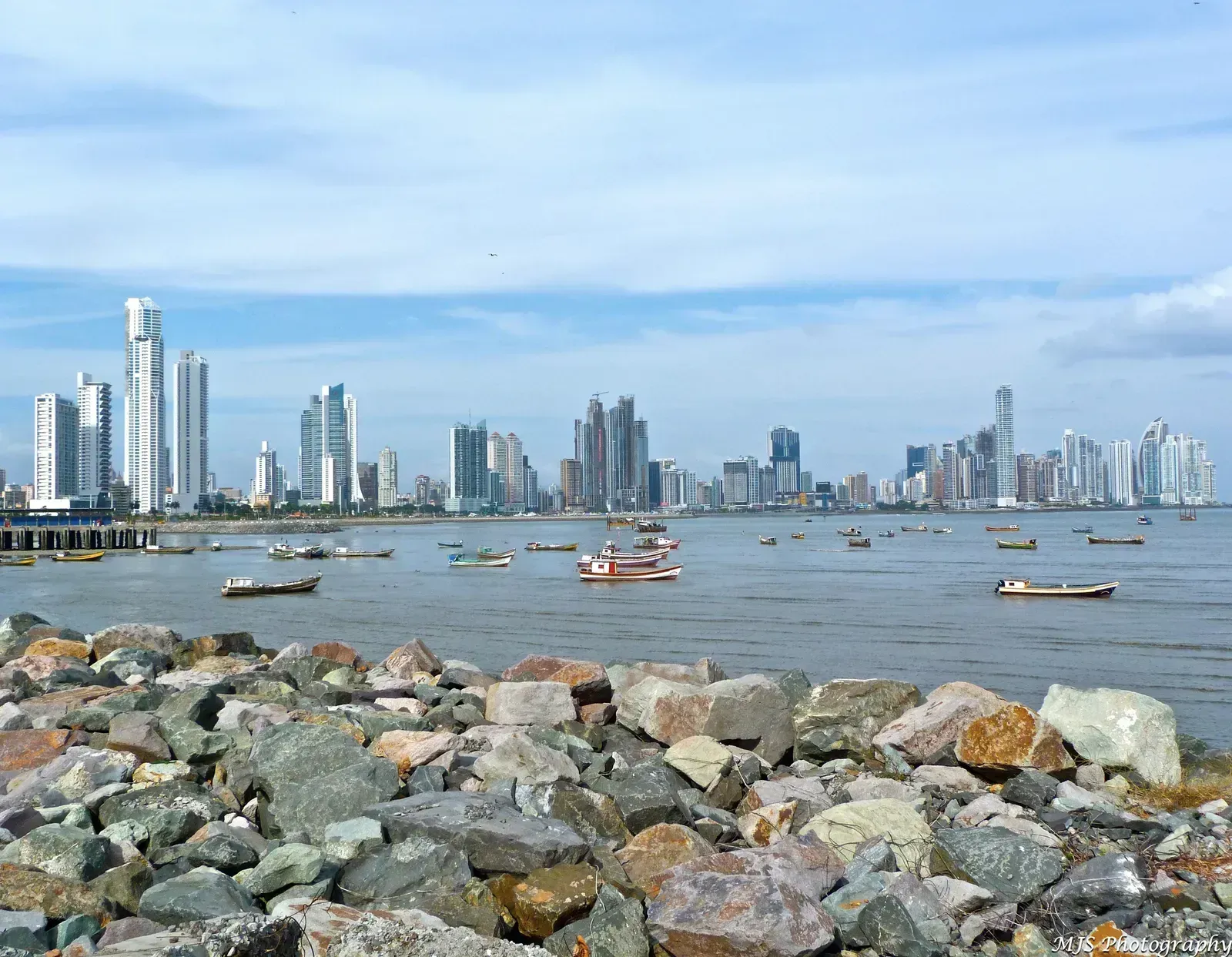
Part of Panama’s appeal is that it does not ask retirees to give up modern conveniences to enjoy a slower pace of life. Panama City has modern infrastructure, English is common in business settings, and the country uses the US dollar. That combination is rare in Latin America, where retirees often have to choose between affordability and infrastructure.
Panama’s capital also functions as a genuine international hub rather than just a retirement outpost. Panama has faster average internet speeds than Costa Rica, at 186 Mbps. For retirees who want to stay connected with family, manage finances online, or simply stream a show at night, that kind of reliable connectivity matters more than people expect before they move.
Where Retirees Are Actually Settling

Panama’s retiree map has a few clear hotspots, each with its own personality. Panama City offers high-rise condos, a modern metro, and a banking hub feel, Boquete provides eternal spring weather in the sixties and seventies year round along with coffee plantations and hiking, Coronado is a beach town with golf courses ninety minutes from the city, and Bocas del Toro delivers Caribbean islands with a bohemian, younger expat crowd. That range means a retiree who wants city life and one who wants mountain quiet can both find their fit inside the same small country.
Rental costs vary just as widely by region. A modern apartment in a prime Panama City area like Punta Pacifica or Costa del Este costs $1,200 to $2,500 per month, while rent for a comfortable furnished home in Boquete or Coronado runs $800 to $1,500 per month, and Bocas del Toro or David offer rental prices as low as $500 to $1,000 per month. That kind of price spread lets retirees dial their lifestyle up or down without leaving the country.
Costa Rica Still Has Its Loyal Following, and With Good Reason
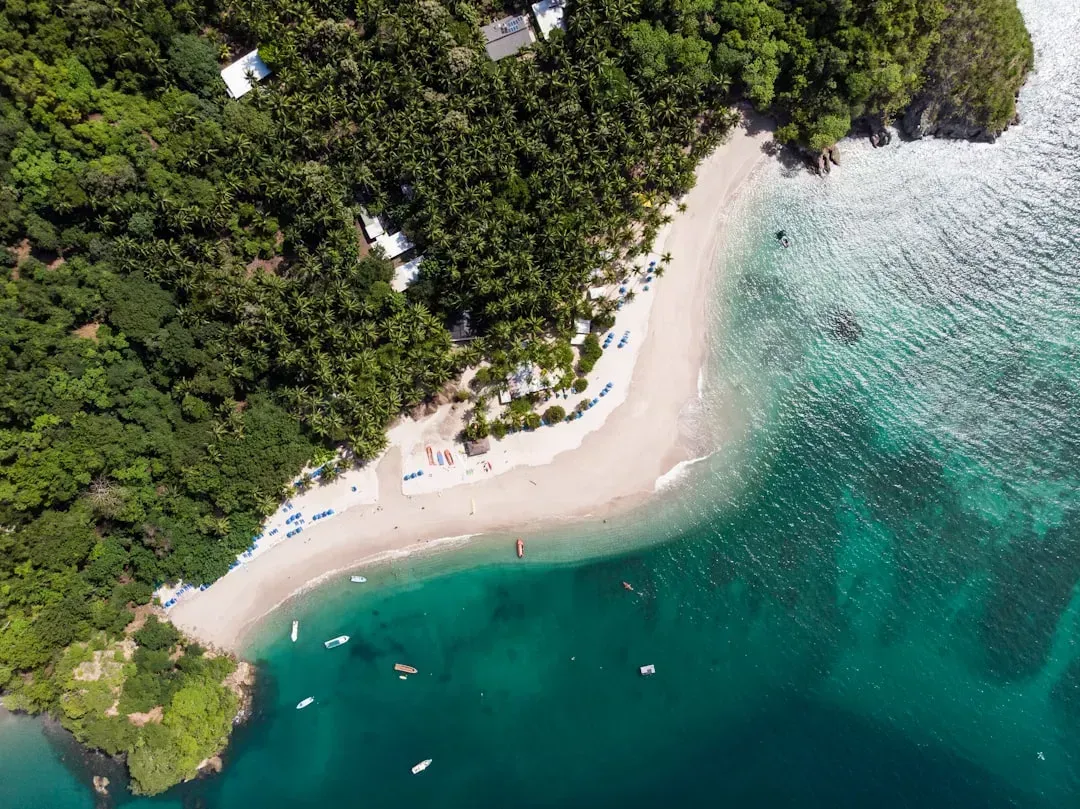
None of this means Costa Rica has lost its charm. It simply means Panama has caught up in categories that matter most to retirees on a budget. Costa Rica scores better than Panama on environmental protection and overall safety ratings, according to comparative tax and retirement guides.
For retirees who prioritize biodiversity, a slower cultural rhythm, and an established public healthcare system over discounts and dollar convenience, Costa Rica remains the right call. Costa Rica is the nature lover’s paradise with a world class public healthcare system, while Panama is the infrastructure forward, dollarized economy with a modern capital city. The two countries are not really competitors in a strict sense. They simply appeal to different versions of what a comfortable retirement looks like.
Final Thoughts
Panama has not dethroned Costa Rica so much as caught up to it, and in some categories, quietly pulled ahead. The dollar economy, the generous Pensionado visa, and the discounts built into daily life have given budget conscious retirees a reason to look twice at a country that used to sit in Costa Rica’s shadow.
Whichever direction a retiree ultimately chooses, the real lesson is that Central America now offers two mature, well tested options rather than just one obvious favorite. That competition between neighbors has quietly made retirement abroad a little more affordable and a little less complicated for everyone weighing the move.





Leave a Reply