
When most people start planning a room makeover, color is usually the first thing they think about. Paint charts, fabric swatches, and matching accessories often take centre stage. While color absolutely shapes the mood of a space, texture is what gives it depth, personality, and warmth. Without texture, even the most beautifully coordinated color palette can feel flat and lifeless.
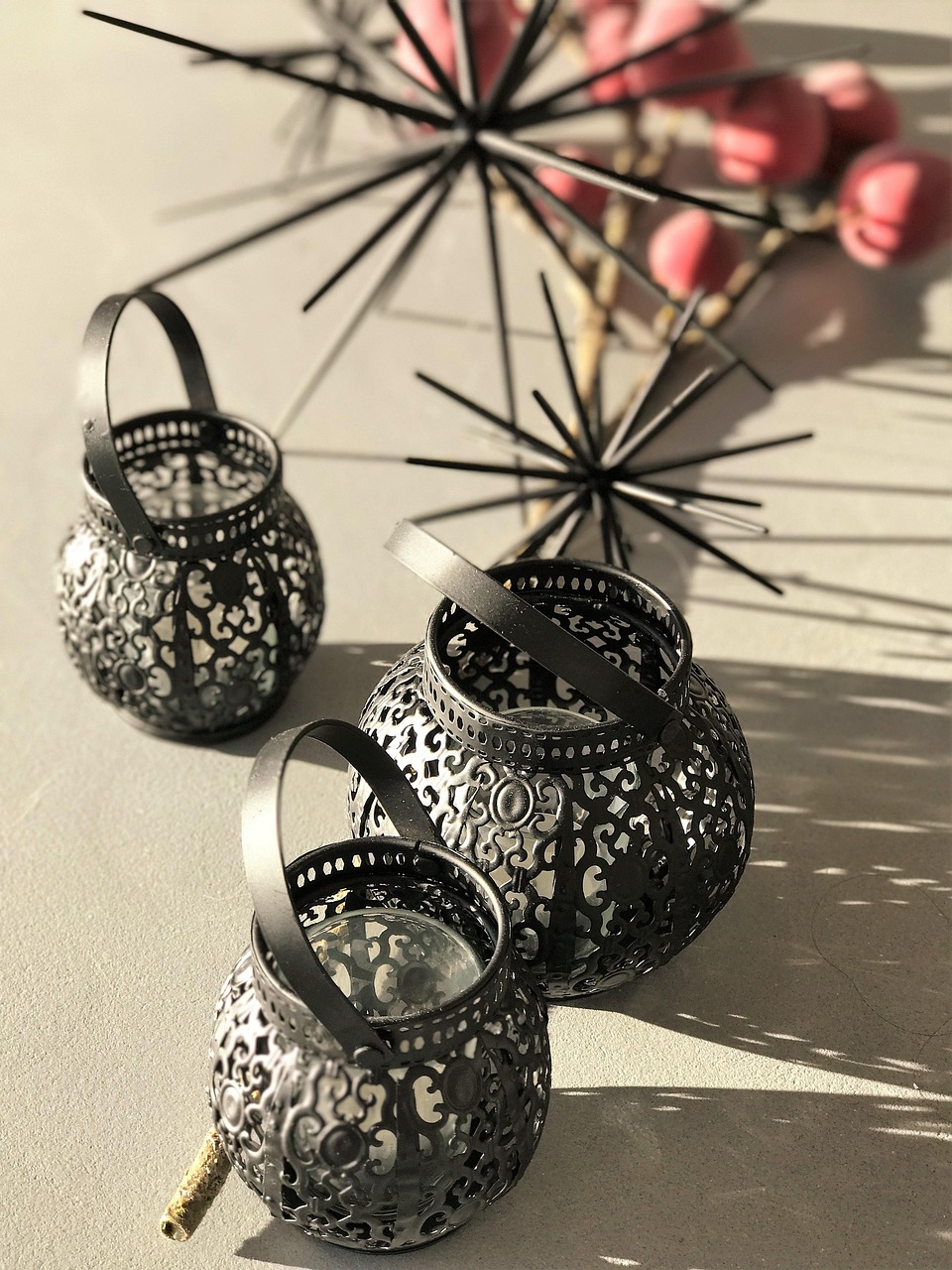
Texture works quietly in the background, but it has a huge influence on how a room feels. It affects comfort, atmosphere, and even the way light moves around a space. In many cases, texture has a greater impact on the overall design than color itself.
Texture Creates Emotional Warmth
A room filled with smooth, hard surfaces can quickly feel cold or clinical, regardless of the colors used. Texture softens interiors and makes them feel lived in and welcoming. Think about the difference between sitting on a velvet sofa versus a plastic chair, or walking barefoot across natural stone instead of shiny laminate flooring. Those sensory experiences matter.
Layering textures also helps create a sense of comfort. Soft throws, woven rugs, wooden furniture, linen curtains, and textured walls all add visual warmth without relying on bold colors. This is why many minimalist interiors still feel cosy despite using neutral palettes. The secret lies in the mix of materials and finishes.
Texture Adds Depth and Interest
Color alone cannot always create a visually engaging room. A space painted entirely in one shade can still feel dynamic if different textures are introduced throughout the design. Matte finishes, polished metals, rough woods, soft upholstery, and natural stone all interact differently with light, creating subtle contrast and movement.
This layered approach is especially important in neutral interiors. Beige, white, grey, and cream color schemes can easily become dull if texture is ignored. However, when paired with tactile surfaces and varied materials, neutral spaces suddenly feel sophisticated and luxurious.
For example, natural stone flooring from Quorn Stone can instantly introduce texture and character into a room without overwhelming the design with color. The subtle variation in the stone itself creates visual interest that paint alone could never achieve.
Texture Makes Spaces Feel More Authentic
Modern interior design trends increasingly focus on authenticity and natural living. People want homes that feel calm, grounded, and connected to nature. Texture plays a major role in achieving this.
Natural materials such as wood, stone, clay, wool, and linen bring imperfections and variation into a space. These imperfections are what make interiors feel genuine rather than overly styled or artificial. A perfectly smooth, uniform room can sometimes feel more like a showroom than a home.
Texture also helps interiors age gracefully. Trends in color come and go quickly, but tactile materials tend to remain timeless. A textured oak dining table or a stone fireplace can work across multiple design styles for years without feeling outdated.
Light Interacts With Texture Differently
One of the most overlooked benefits of texture is how it changes the way light behaves in a room. Glossy surfaces reflect light sharply, while rougher textures diffuse it softly. This can dramatically affect the mood of a space throughout the day.
Soft textures often create a calmer and more relaxing atmosphere because they absorb and scatter light more naturally. This is one reason why hotels, luxury lounges, and high-end interiors focus heavily on layered materials rather than simply adding more color.
Even subtle textural changes can transform a room. Fluted wood panels, brushed metal finishes, textured tiles, or boucle fabrics can all catch light differently and make a space feel more dynamic without needing bright shades or dramatic contrasts.
Texture Helps Balance a Room
Good interior design is all about balance. Too many smooth surfaces can feel sterile, while too many rough materials can feel chaotic. Texture allows designers to create harmony between different elements within a room.
For example, if a room contains industrial features like concrete or metal, adding softer textures through fabrics and natural materials prevents the space from feeling harsh. Likewise, heavily textured rooms can benefit from sleek surfaces that create moments of visual rest.
This balance is often what separates professionally designed interiors from spaces that feel unfinished. Texture gives rooms rhythm and variation, helping every element work together more naturally.
Final Thoughts
Color may grab attention first, but texture is what gives a room soul. It influences how a space feels physically and emotionally, creating warmth, depth, and character in ways color alone cannot achieve.
The most memorable interiors are rarely the brightest or boldest. Instead, they are the spaces that combine textures thoughtfully, allowing materials, fabrics, and finishes to work together harmoniously. Whether your style is modern, rustic, minimalist, or traditional, focusing on texture can completely transform the way your home looks and feels.



Leave a Reply