
The science behind lasting fullness
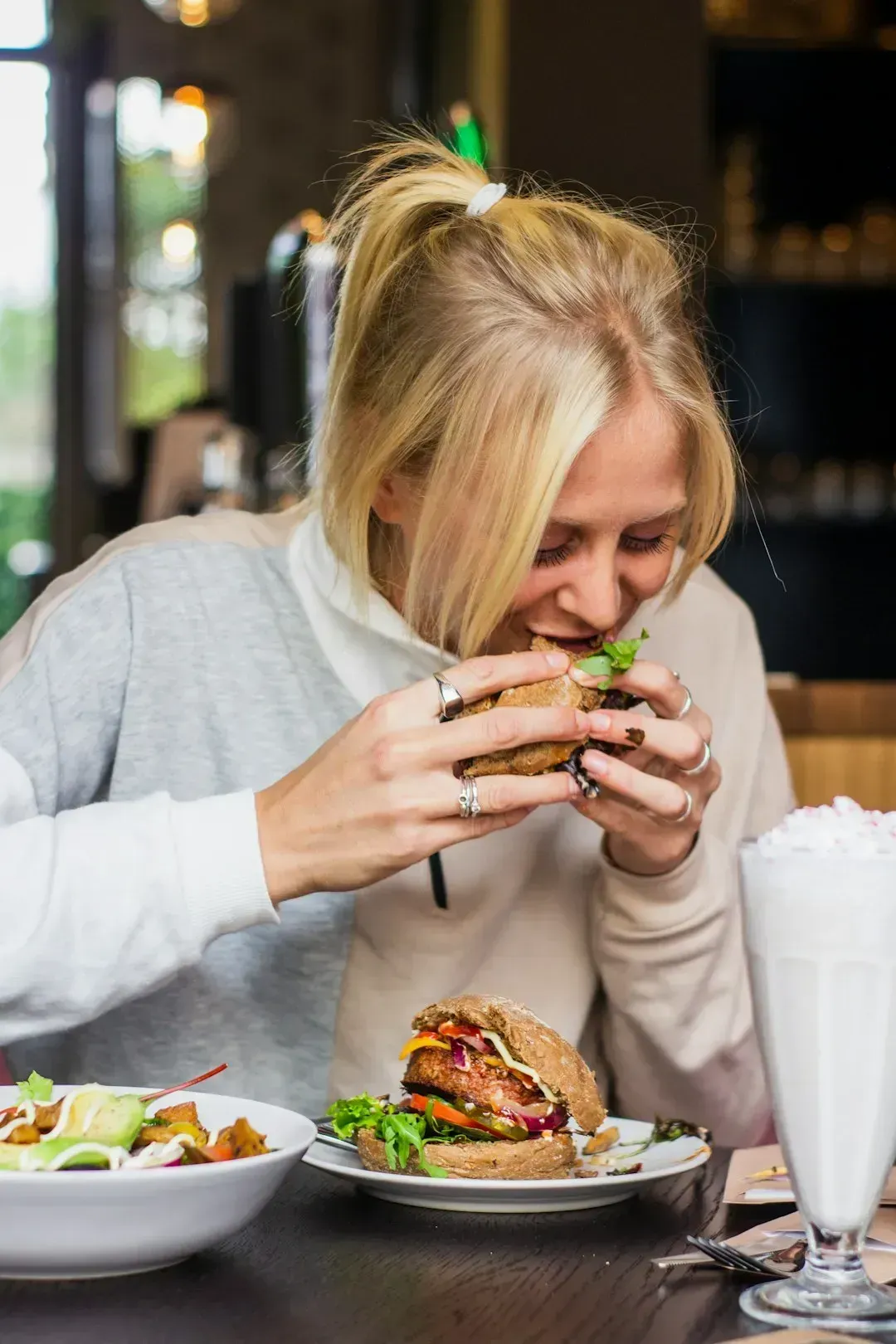
The most cited research on this topic comes from a 1995 study that fed isoenergetic 240 kcal servings of 38 foods separated into six food categories to groups of 11-13 subjects. Participants rated their hunger every fifteen minutes for two hours, then were free to eat as much as they wanted from a standard range of foods and drinks.
That single experiment became the foundation for what nutrition scientists now call the satiety index. It gave researchers a way to compare foods that have the same calorie count but leave people feeling completely different afterward, some satisfied for hours and others hungry again within thirty minutes.
The common denominator hiding in plain sight

When scientists ran the numbers on what actually predicted fullness, one factor stood out from the rest. The original analysis found that protein, fibre, and water contents of the test foods correlated positively with satiety index scores, with water showing the strongest relationship at r = 0.64, compared to r = 0.37 for protein and r = 0.46 for fibre.
Fat, meanwhile, moved in the opposite direction entirely. The same research found that fat content was negatively associated with satiety scores. In plain terms, watery foods filled people up far more reliably than protein-rich or fiber-rich ones did on their own.
Low energy density: the trait behind the trait
Water content matters mostly because of what it does to a food’s energy density, meaning how many calories are packed into each gram. A large body of research now backs this up, with one review noting that multiple studies report that lower-energy-density diets correlate with improved satiety and weight loss compared to higher-energy-density diets, and that lower-energy-density foods also tend to be higher in fiber and water, and lower in starch, sugar, and fat.
This is essentially a numbers game. A food that weighs a lot but carries few calories lets you eat a satisfying portion size without a heavy calorie cost, which is exactly the mechanism your stomach’s stretch receptors respond to.
Why water does more than just add bulk
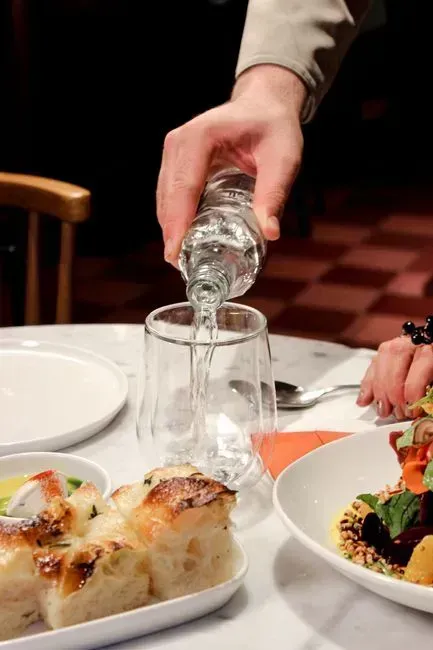
It would be easy to assume water simply takes up space and that is the end of the story, but the effect runs a bit deeper. Analysis of the original satiety data found that the strongest determinant of satiety was the weight of a serving, followed by water, fibre and fat content, with the higher the water content, the more satiating the food.
Water-rich foods also tend to slow the rate at which the stomach empties, which keeps the sensation of fullness going for longer after the meal ends. This is one reason a bowl of watery vegetable soup can feel more satisfying than a small handful of dried crackers carrying the same number of calories.
Fiber’s supporting role in the equation
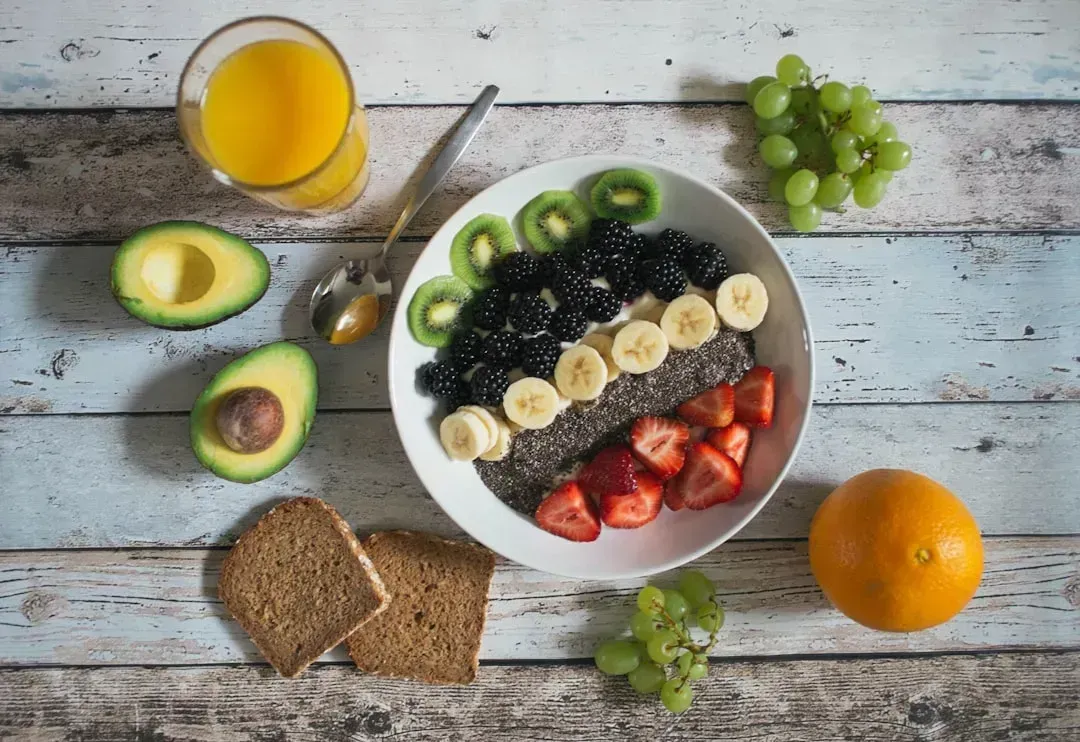
Fiber does not act alone, but it works closely alongside water to extend fullness. According to nutrition researchers, dietary fiber adds bulk to food, slowing digestion and prolonging feelings of fullness, and soluble fiber in particular can form a gel-like substance in the stomach that further delays gastric emptying.
This gel-forming effect is part of why oats, beans, and certain fruits punch above their calorie weight when it comes to keeping hunger at bay. Fiber essentially buys the water-rich portion of a food more time to do its job inside the digestive tract.
Protein still matters, just not in the way people think
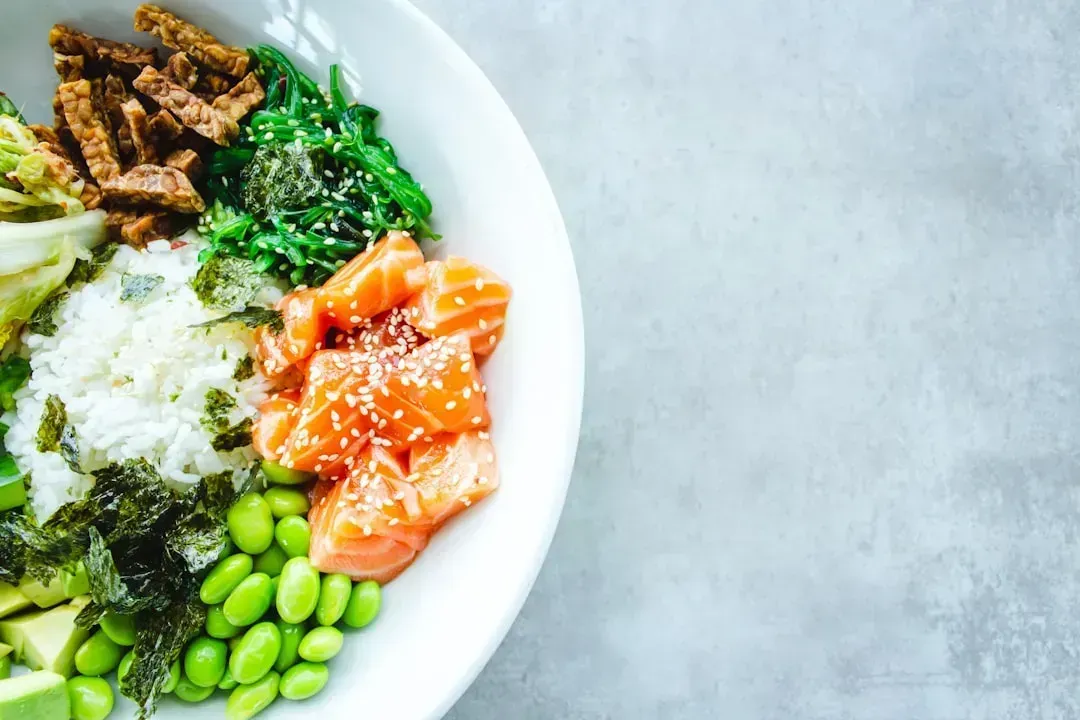
None of this means protein is irrelevant. High-protein foods carry their own satiety benefits, and researchers note that high-protein foods tend to be more satiating than those high in carbohydrates or fats, partly because protein stimulates the release of satiety hormones and has a higher thermic effect that requires more energy to digest.
The catch is that protein alone does not explain the biggest swings in the satiety index. Foods that combine decent protein with high water content, like fish, tend to score especially well, while dense but drier protein sources score more moderately by comparison.
The boiled potato problem nobody expected

If low energy density really is the defining trait, the boiled potato is the clearest proof. In the original satiety index research, the highest satiety index was reported for boiled potatoes compared to the 38 other food items grouped in six food classes.
That result surprised a lot of people at the time, since potatoes were often lumped in with “empty” starches. The explanation comes back to water weight: a potato is mostly water by mass, so a filling portion contains relatively few calories, while a croissant packs far more calories into a fraction of the volume.
Fruits and vegetables as the template
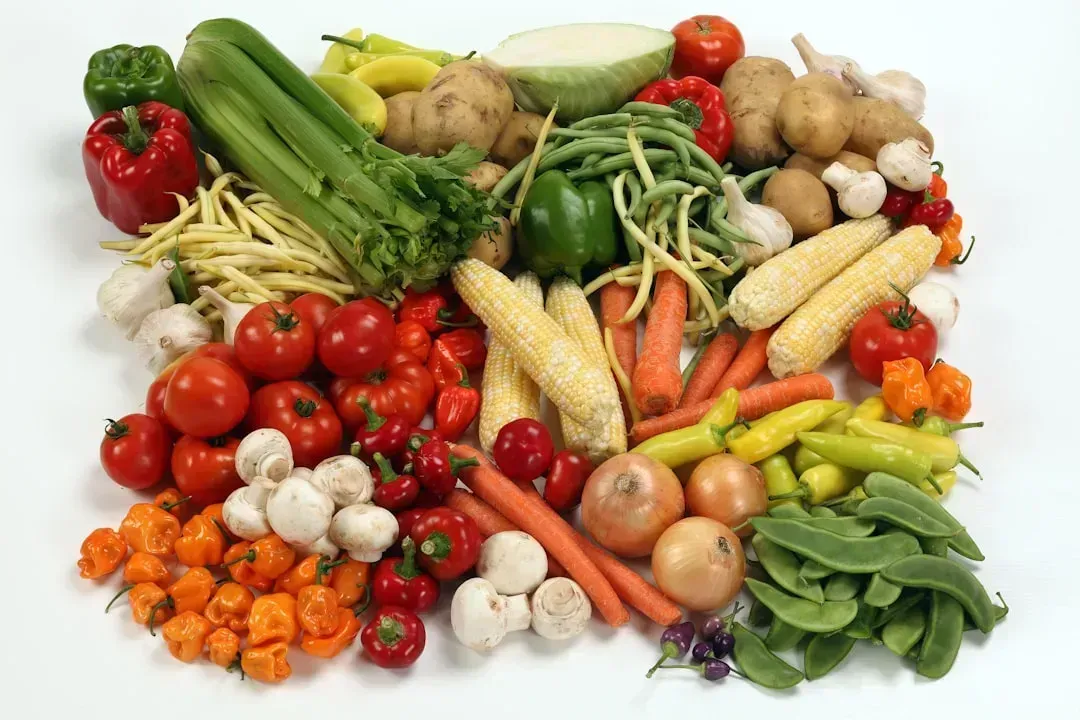
Fruits and vegetables are the most obvious real-world example of the low-energy-density principle at work. Researchers observed that foods with high water content, such as fruits and vegetables, can increase stomach volume without adding significant calories, promoting a sense of fullness.
Interestingly, even the natural sugar in fruit does not cancel out this effect. One analysis of the original data noted that most fruits, where energy comes in the form of sugars, were more satiating than bread, largely because their water content keeps the overall calorie density low despite the sugar.
Soups and the volume effect in liquid form
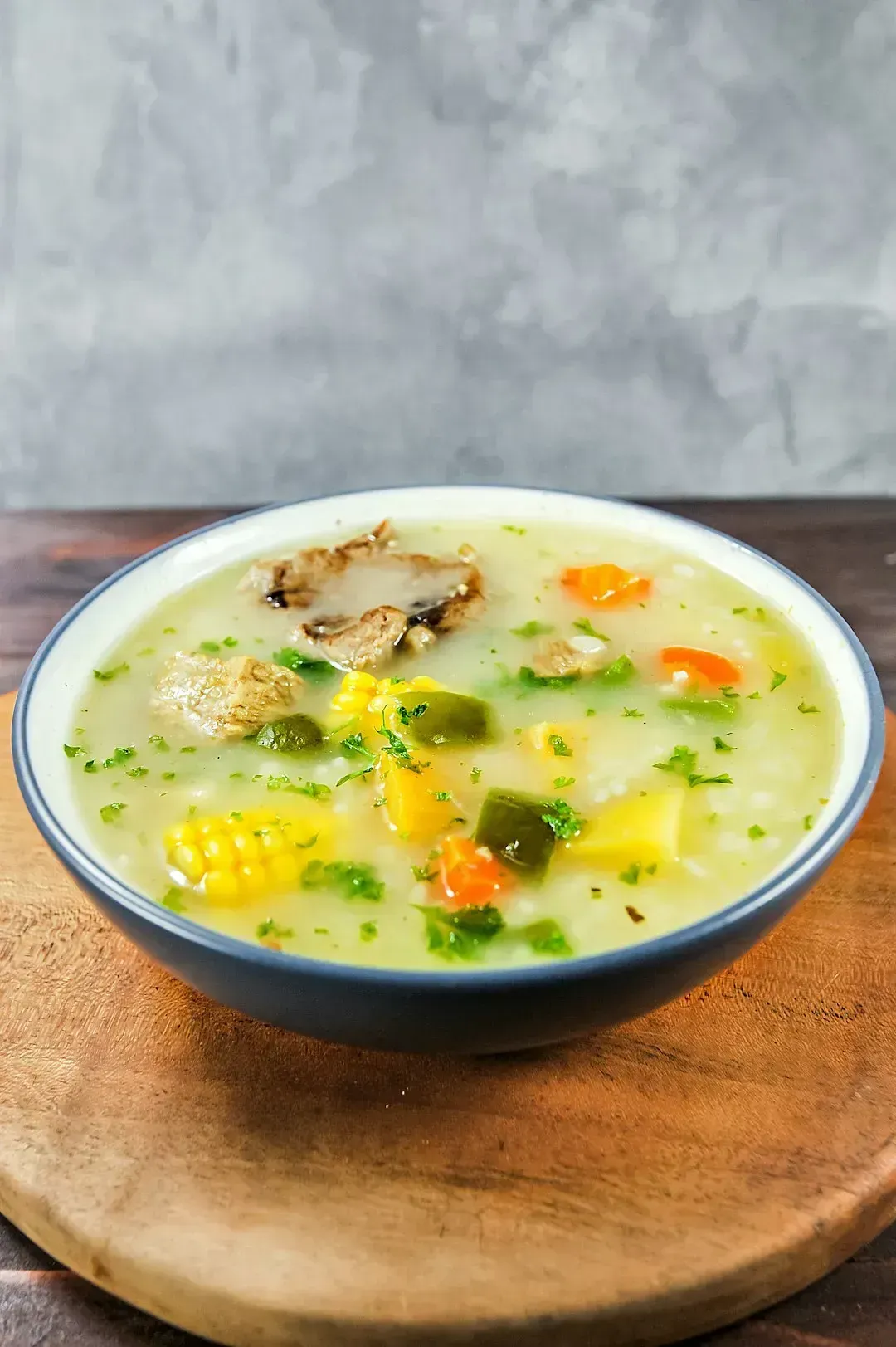
Soup deserves its own mention because it takes the water-content principle to its logical extreme. Nutrition researcher Barbara Rolls, whose decades of work at Penn State helped popularize this idea, built an entire eating framework around the concept that people who eat according to the Volumetrics plan focus on eating water- and fiber-rich foods to achieve satiety, the feeling of fullness after a meal.
Broth-based soups in particular blend water content, low energy density, and slower eating speed into one dish. That combination explains why a cup of vegetable soup before a meal tends to reduce how much food follows it, even though the soup itself contributes very few calories.
Why energy-dense processed foods fall short
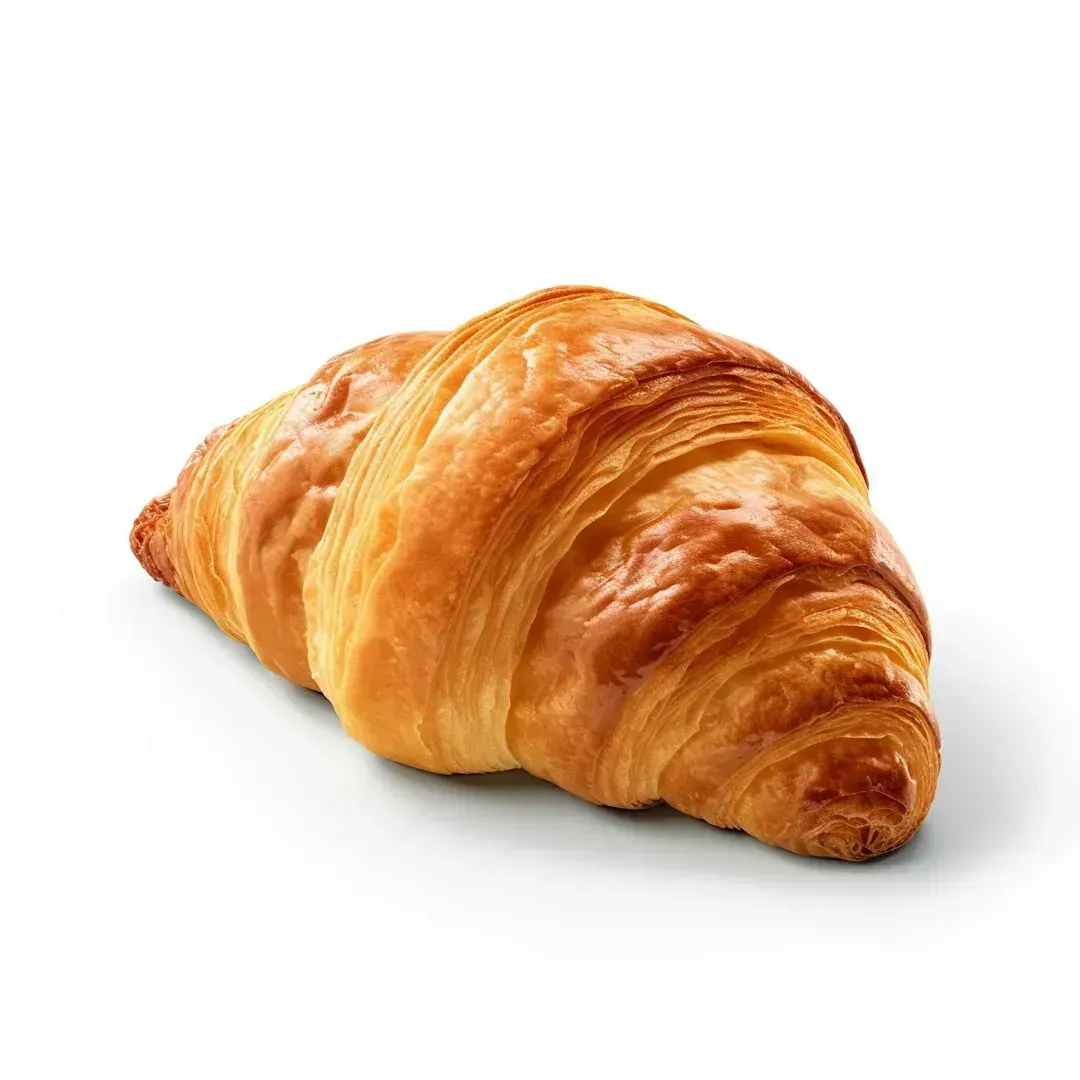
On the opposite end of the spectrum sit foods like croissants, pastries, and candy bars, which consistently underperform on satiety measures regardless of how good they taste. Data from the satiety index research showed that energy-dense, processed foods like croissants and candy bars scored low on the satiety index, indicating their limited ability to promote fullness.
The gap can be dramatic. One comparison noted that a croissant portion equal in energy to boiled potatoes weighs far less, meaning 1000 kJ in the form of croissants was only about half a croissant, but it amounted to roughly three small to medium potatoes in terms of kilojoules. That mismatch between weight and calories is exactly the low-energy-density trait working against you rather than for you.
Putting the trait to practical use




Leave a Reply