
There’s a quiet kind of magic that happens on embarkation day aboard a cruise ship. You’re barely through the gangway, your heart is buzzing with that first-day excitement, the smell of the ocean is already pulling you toward the balcony – and yet, someone has already been paying close attention. Your cabin steward. Long before you’ve cracked open your suitcase or figured out how the shower works, they’ve already formed a remarkably detailed picture of who you are and what you’ll need.
Most passengers have no idea this is happening. They think the relationship with their steward begins with a knock on the door and a friendly introduction. Honestly, it starts much earlier than that. Here are nine things your cruise steward almost certainly notices about you before you’ve even had a chance to settle in. Be surprised by what’s already on their radar.
1. Your Full Name – and They Plan to Use It

Every passenger’s name is assigned to a cabin well before boarding day, and stewards review their assigned rooms like a teacher reviewing a class roster before school starts. It’s not a small detail. That name is the foundation of the kind of personalized service that sets a great cruise apart from a forgettable hotel stay.
At the beginning of your cruise, it is customary for your stateroom attendant to introduce themselves to you – whether they see you in passing or take the time to knock on your door – and they will typically already know your name. Your cabin steward will learn your name very quickly and will usually greet you by name each time they see you. Using their name in return is a small but meaningful gesture.
2. How Many People Are Sleeping in Your Cabin

A cabin steward is typically responsible for a station of approximately twenty or more guest staterooms and suites. To manage that many rooms efficiently, they need precise occupancy information before a single bag is delivered. Knowing whether two adults, a family of four, or a solo traveler is sleeping in a given cabin shapes everything from how many towels to stock to whether a pullman or sofa bed needs to be set up.
Passengers sailing with three or four guests in a single cabin will have to utilize additional bedding in the form of a sofa bed or pullman bed, as standard cruise ship cabins cannot fit two double beds. Pullman beds either jet out from the wall or pull down from the ceiling. When they’re down, they can make the cabin feel more confined. Stewards know this ahead of time and configure the room accordingly, or stand ready to do so the moment you board.
3. Your Bed Configuration Preference

You can make certain cabin requests online before you cruise, during your online check-in or even on your reservation. Things like bed configuration are best arranged ahead of time. Do you want your cabin configured with two beds together as a queen-sized bed, or do you prefer two single beds? Both are possible. Your steward checks this information before you arrive and sets the room accordingly.
If you get to your cabin and it’s not configured the way you like it, your cabin steward can still make that change. However, doing this before you board makes their job easier from the start. Think of it this way: the more your steward knows before you step through that cabin door, the more seamless your first impression of the room will be.
4. Whether You’re Celebrating Something Special

Cruise lines are remarkably good at collecting celebratory information during the booking process – anniversaries, birthdays, honeymoons. That data flows directly to the cabin steward long before you board. On the first day, your cabin steward will likely ask if you have any preferences, such as fresh ice, extra towels, or a bathrobe (if your room doesn’t already have one). Special occasions, though, are already flagged in the system and often prompt preparations that feel like a lovely surprise.
It’s actually one of the more touching parts of cruise hospitality that rarely gets discussed. A bottle of sparkling wine, a small decoration, a personalized card – these aren’t random acts of generosity. They’re the result of information your steward received well before the ship set sail. If you want them to do something specific for a celebration, tell them early. They’re already primed for it.
5. Your Loyalty Status With the Cruise Line

According to the Cruise Lines International Association’s 2025 State of the Industry report, 34.6 million ocean cruisers sailed on member cruise lines in 2024 – nearly double the number of 18.4 million who sailed just ten years earlier in 2014. With that kind of repeat passenger volume, loyalty programs have become deeply embedded into how ships operate.
On embarkation day, stewards will ask if you have any preferences, like in-room bathrobes depending on your loyalty status and cruise line, fresh ice, wine glasses, additional hangers, or specific bed configurations. That phrase “depending on your loyalty status” is key. Initial loyalty perks might include welcome-back gifts or early access to sales, but higher tiers unlock more substantial rewards such as complimentary internet, priority embarkation, drink vouchers, and cabin upgrades. Your steward knows where you rank before you walk in.
6. The State of Your Luggage When It Arrives

As a cabin steward, you are responsible for cleaning the guest rooms and all public areas on board, and you also assist the guests on embarkation day, escorting them to their rooms and helping with their luggage. That physical proximity at arrival is no accident. It’s part of the job – and it gives them a clear, early read on the traveler in front of them.
Let’s be real: a tower of monogrammed luggage tells a different story than a single battered backpack. Stewards aren’t judging, but they’re absolutely observant. The quantity, condition, and even the type of bags you travel with can signal whether you’re a seasoned voyager, a first-timer overwhelmed by the gangway crowds, or someone who packed for a three-week stay despite booking a five-night cruise. It all feeds quietly into how they calibrate their service approach from the very start.
7. Whether Your Valuables Are Secure – or Left Out in the Open
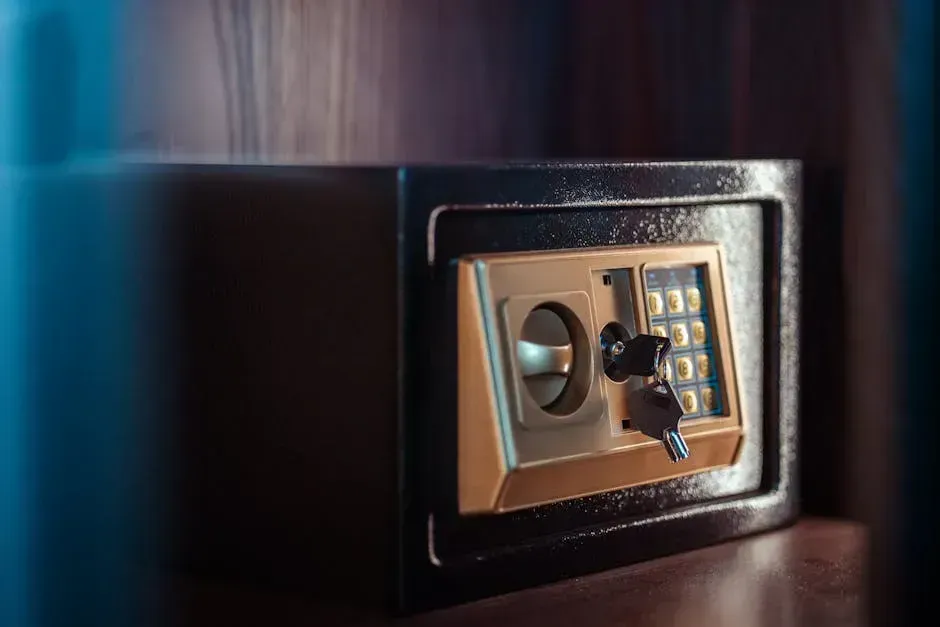
Most stewards on a cruise ship will tidy up visible surfaces, such as the floor and furniture, and they may handle personal items left out in the open. If you prefer not to have your belongings touched, storing them in the dresser, closet or in-room safe is best. A well-trained steward notices this immediately when they first enter the cabin.
Cruise lines have strict policies to prevent theft, with cabin stewards facing termination if found guilty. To ensure peace of mind, it’s recommended to store your valuables in the in-room safe, which is available in nearly every cabin. Honestly, the steward isn’t looking to touch your things – but noticing that passports, cash, or expensive electronics are sitting openly on the desk is something they register right away, often in the interest of your own protection.
8. Your Communication Style and Tone

In contrast to a hotel room housekeeper, cruise stewards make a point to introduce themselves and get to know you, which is why it’s a good idea to first ask your steward their name and how to pronounce it. Establishing this relationship on day one helps ensure your cruise is everything you dreamed of. The tone of that very first exchange tells your steward a tremendous amount.
What cabin staff remember are quick, genuine moments. It only takes thirty seconds to ask something like “What’s the best way to reach you if I need something?” – it shows you’re thinking about their day, not just your own cruise experience. Most cruise forum posts agree: using the steward’s name and being friendly from day one is the best way to stand out. Whether you’re warm or dismissive in that first interaction absolutely shapes the relationship that follows.
9. How You Use the Do Not Disturb Sign – or Don’t
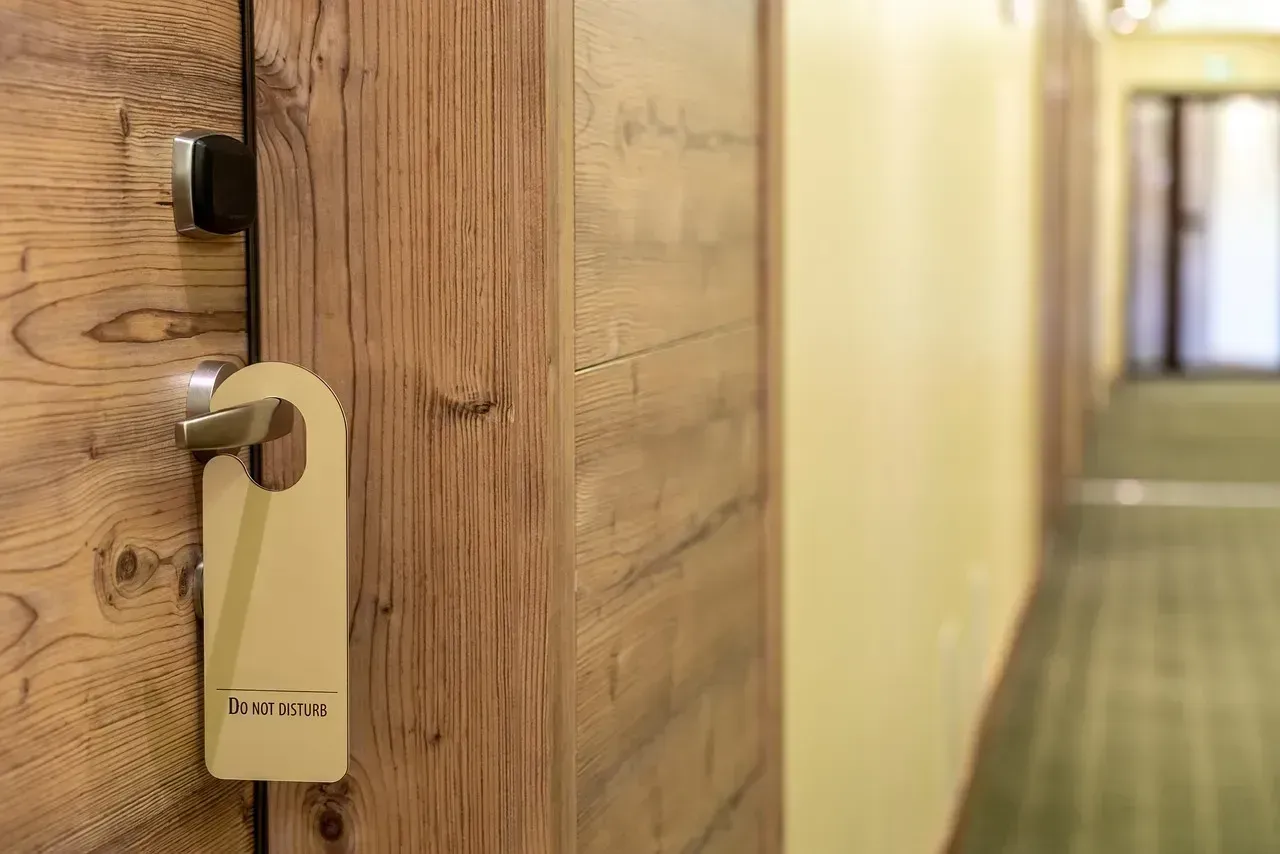
A great cabin attendant understands the rhythm of the ship, respects the privacy sign on the door, and tries to clean the room when you’re onshore, at the spa, or dining onboard. If you don’t want your cabin steward to enter your room, put the provided “do not disturb” magnet or hanging sign on your door. Some newer ships have buttons for you to push instead – these activate lights outside to tell the room steward you’d like some privacy.
These signs make life easier for cabin stewards. When the sign is hanging on the door, they do not need to check back multiple times. The Do Not Disturb sign is also important if you are napping or showering, since it prevents any accidental walk-ins. The Make Up Room sign lets them know when you would like your cabin cleaned, which keeps everyone on the same page. Whether you use the sign consistently or ignore it entirely is one of the first behavioral cues your steward picks up – and it quietly shapes how they plan the rest of their day around your cabin.
Here’s the thing most passengers never fully appreciate: your cabin steward isn’t just cleaning a room. They’re reading a situation, adapting to a person, and working within a very short window of time to get everything right. The cabin steward onboard a cruise ship is undoubtedly among the hardest working crew members and the most visible face of the crew that most guests meet – performing numerous regular duties, taking on extra challenges, and doing a great deal more to ensure that every traveler has a wonderful and relaxing vacation. The next time you step into your freshly prepared cabin, know that the person who made it that way already knew more about you than you probably expected. What do you think – does that change how you’ll greet your steward on day one? Tell us in the comments.





Leave a Reply