
Britain has given the dog world an outsized share of its best-known breeds, from hunting companions to farm workers to lapdogs once kept by royalty. Many of them are now familiar fixtures in American neighborhoods, which can make it easy to assume they’re all simple to look after.
They aren’t, quite. Each one carries traits shaped by its original job and by the damp, cool climate it was bred in, and those traits meet very different conditions in much of the United States.
Labrador Retriever
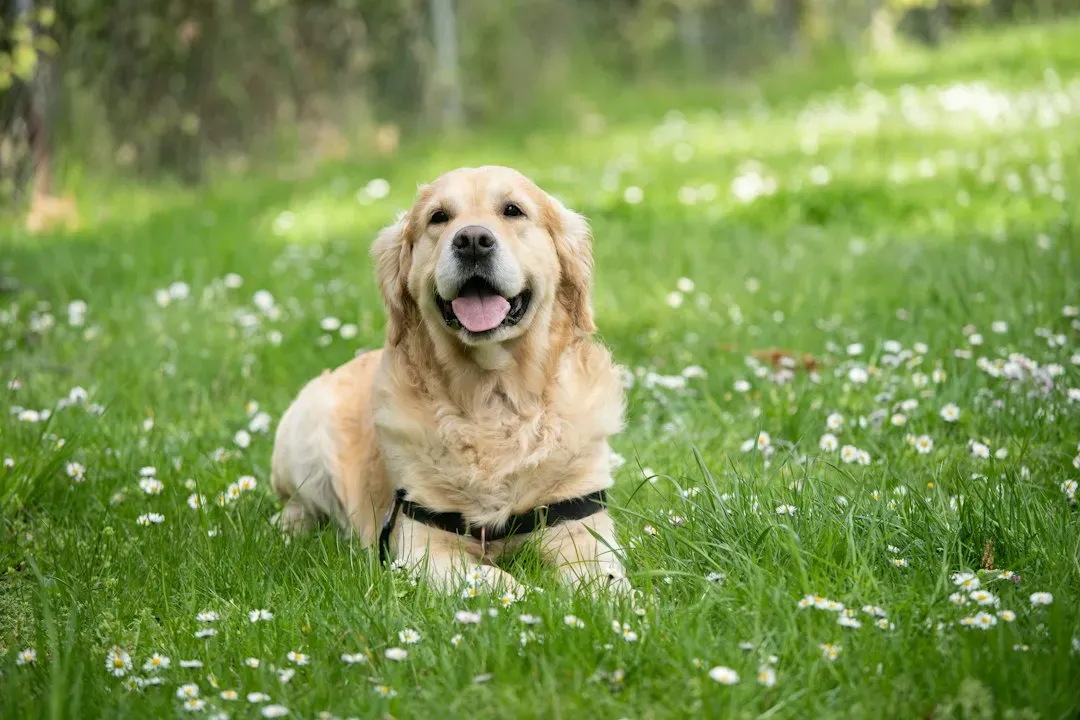
The Labrador was developed in Britain from dogs brought over from Newfoundland, and it has been among the most popular breeds in the United States for decades. Its short, dense, water-resistant coat suits wet weather, though it sheds heavily year round. Regular brushing keeps hair under control.
Weight is the main health concern. Labs are famously food motivated, and carrying extra pounds can worsen joint problems such as hip and elbow dysplasia. Measured meals, daily exercise, and mental work like retrieving games help keep them fit and settled.
Golden Retriever
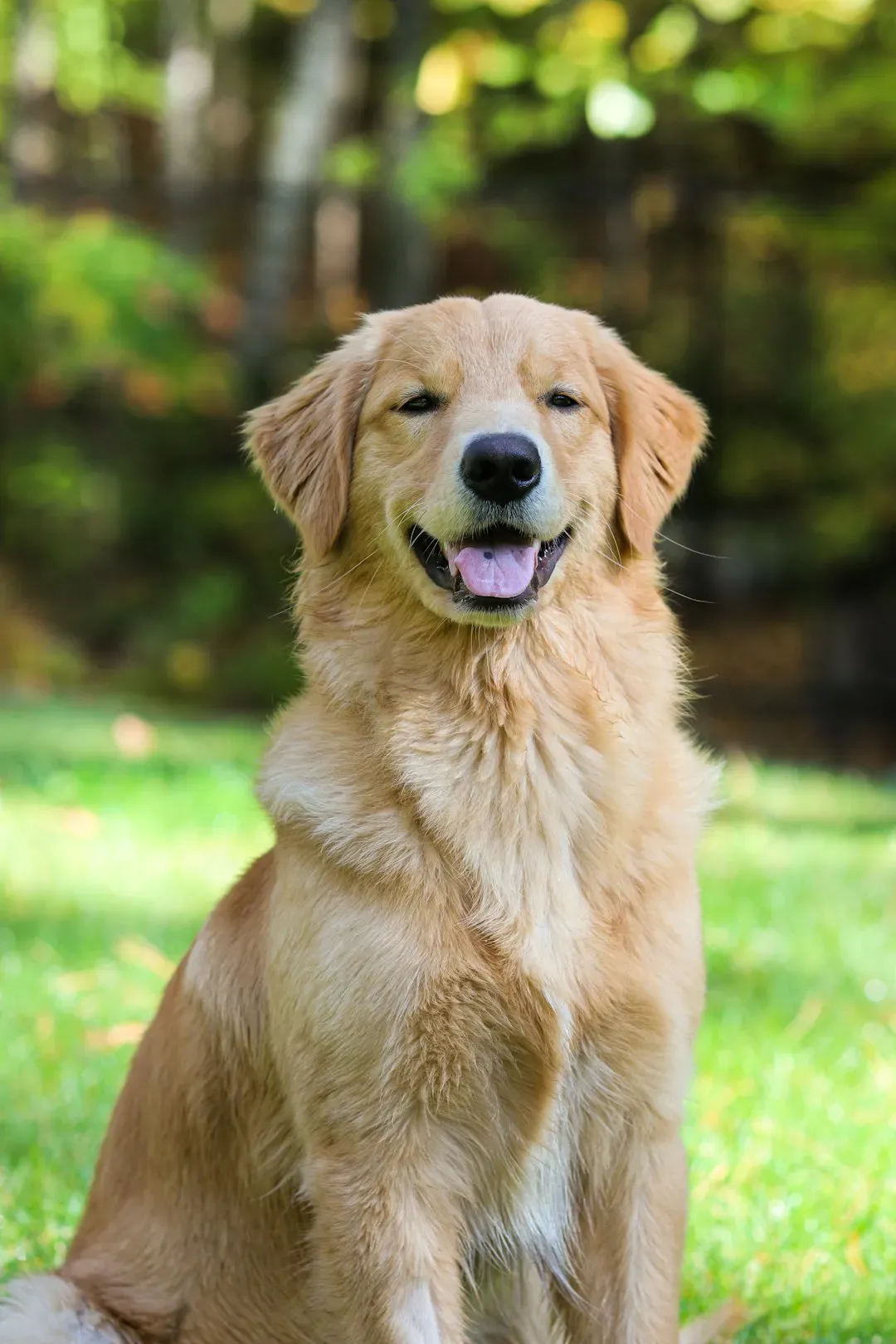
Developed in Scotland in the nineteenth century to retrieve game, the Golden Retriever is friendly, eager to please, and easy to train. Its feathered double coat needs brushing several times a week, and more often during seasonal shedding. Hot American summers call for shade, water, and avoiding midday exercise.
Owners should know that the breed has a higher cancer risk than many others. The Golden Retriever Lifetime Study, run by the Morris Animal Foundation, has followed thousands of dogs to learn more about why. Regular vet checkups and attention to new lumps are sensible habits.
English Springer Spaniel
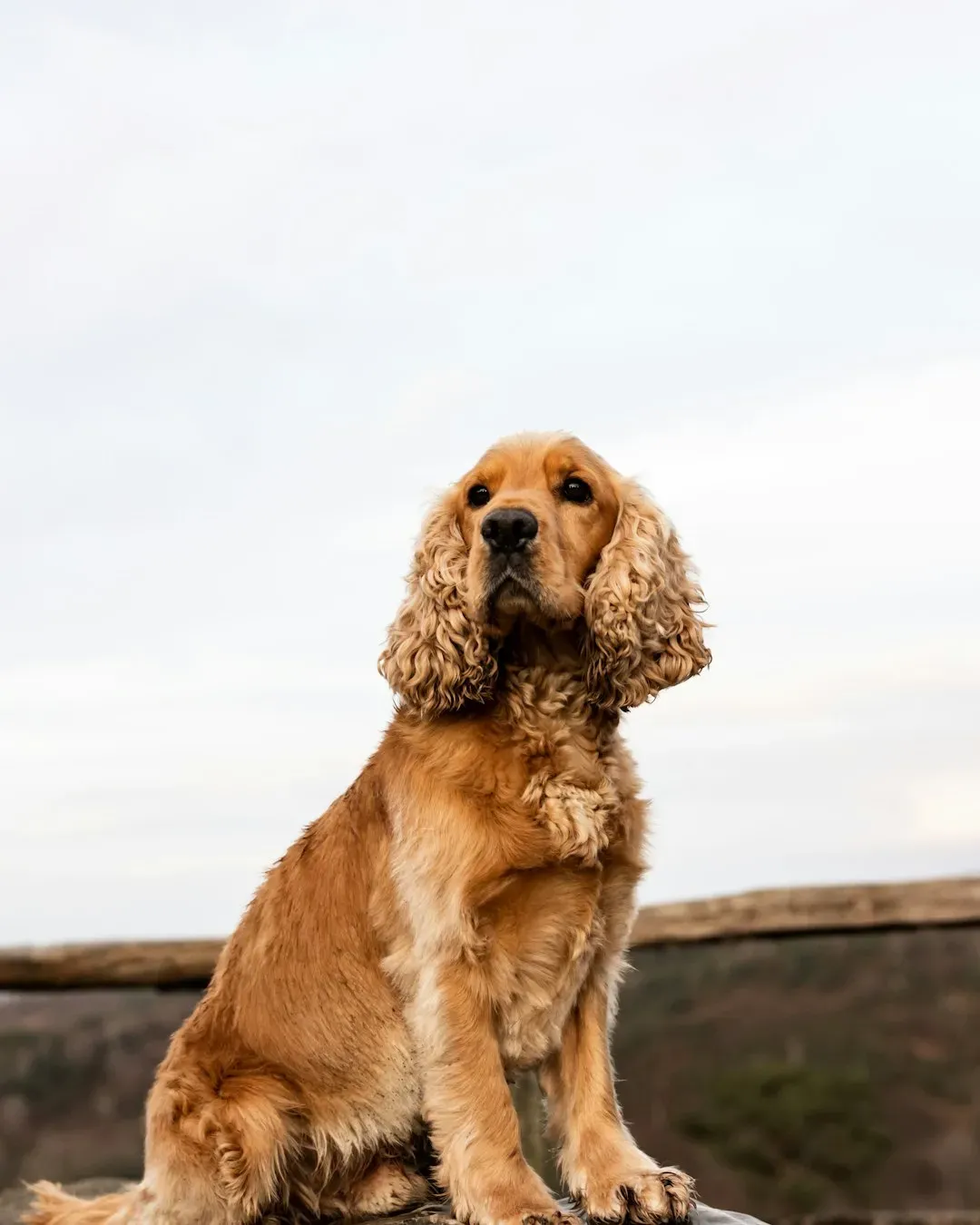
The English Springer Spaniel was bred to flush game birds from cover, and it still has plenty of stamina. It needs a real daily outlet, whether that’s long walks, fetch, or scent games. Bored springers can become noisy or destructive.
Its long, floppy ears trap moisture, so ear infections are a common complaint, especially in humid regions. Checking and cleaning the ears weekly is a good routine. Trimming and brushing the feathered coat also prevents mats and burrs after outdoor romps.
Cavalier King Charles Spaniel

This gentle toy spaniel was favored by English royalty and is a devoted lap companion. It adapts well to apartments, but it doesn’t like being left alone for long stretches. Brushing a few times a week keeps the silky coat tidy.
The breed is prone to a heart condition called mitral valve disease, which often appears earlier in Cavaliers than in most dogs. Buying from breeders who screen their breeding stock with heart exams matters a great deal. Annual cardiac checks with your vet are worth planning for.
Border Collie
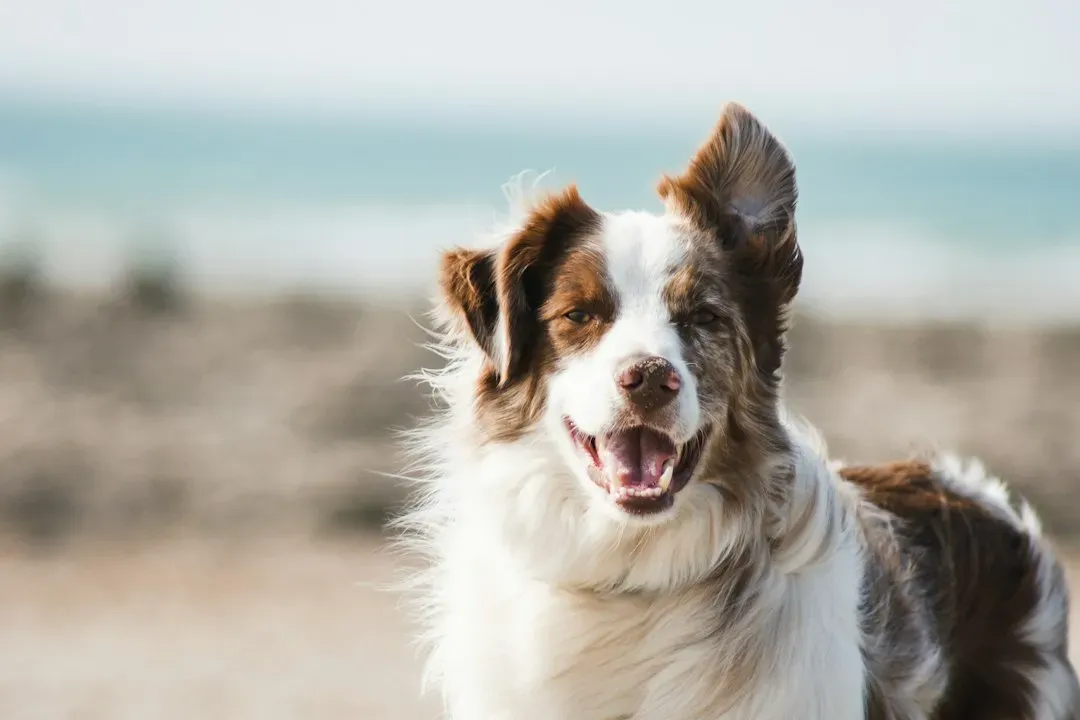
Border Collies come from the border region between England and Scotland, where they herded sheep. They’re widely regarded as one of the most intelligent breeds, and that intelligence needs a job. Without enough exercise and training, they may invent their own activities, such as chasing cars or herding children.
Many do well in agility, flyball, or obedience, which suit American owners who enjoy organized dog sports. A fenced yard helps, but it doesn’t replace structured activity. Their medium double coat needs regular brushing, with heavier shedding in spring and fall.
Corgi (Pembroke Welsh)
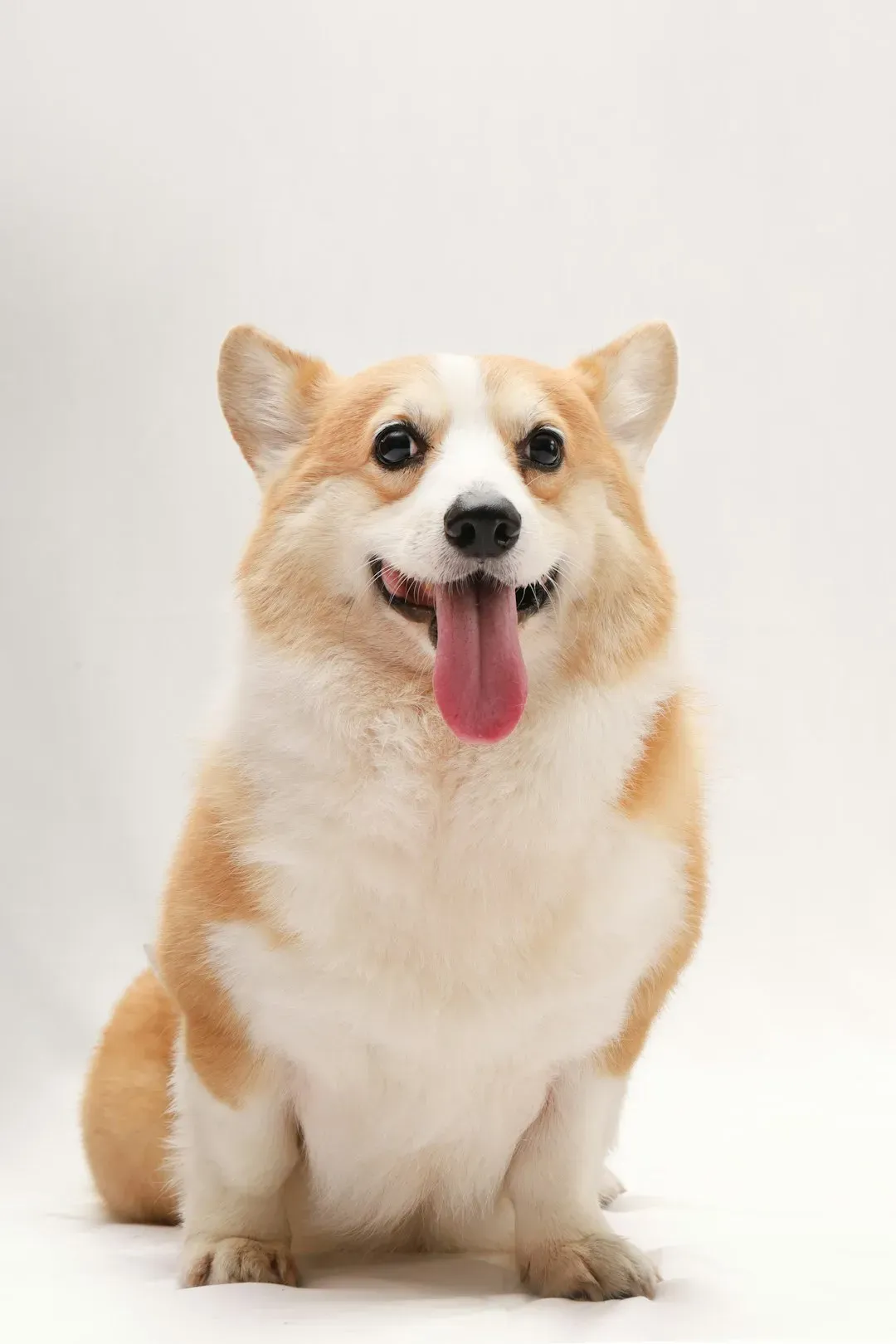
The Pembroke Welsh Corgi hails from Wales, where it herded cattle by nipping at heels. Despite short legs, it’s quick and sturdy, and it loves to be busy. Its thick double coat sheds a lot, so expect fur on everything.
Corgis are long-backed dogs, so jumping off high furniture and climbing many stairs can strain the spine. Keeping them lean is the best protection. Early training also helps curb the herding instinct to nip and bark.
Bulldog (English Bulldog)
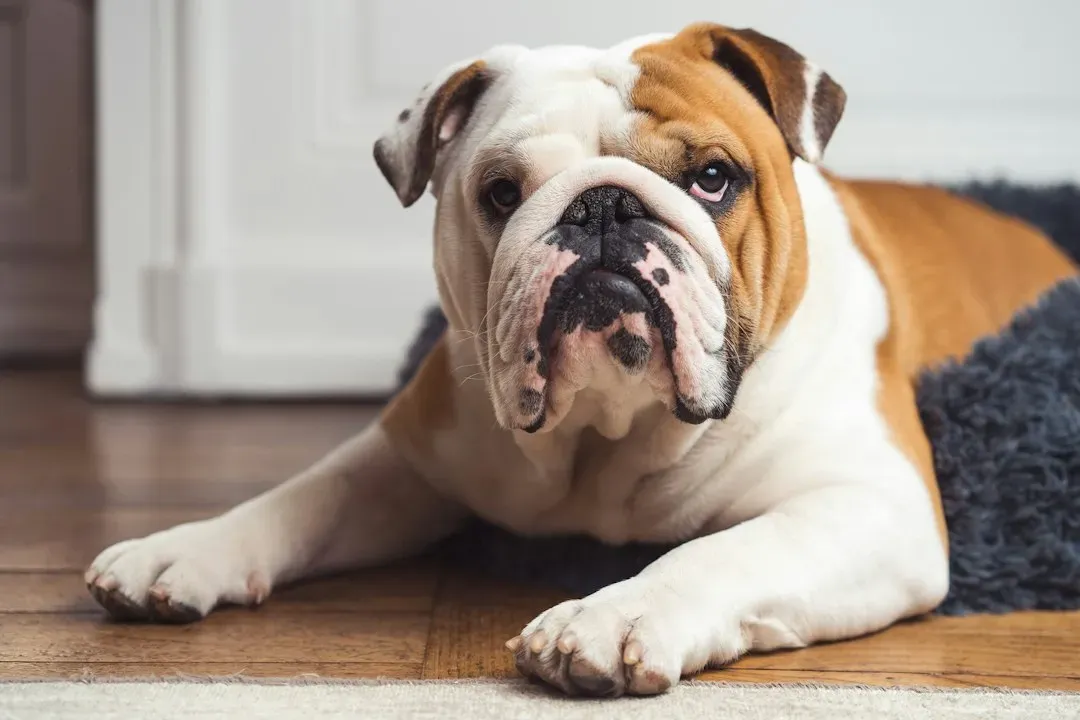
The Bulldog was once bred for bull baiting, but today’s version is a calm, affectionate companion. Its flat face makes breathing harder, and the breed overheats easily. In warm parts of the US, owners should keep these dogs in air conditioning and avoid strenuous exercise in heat.
Skin folds need regular cleaning and drying to prevent irritation. Many Bulldogs also have trouble with surgery and anesthesia because of their airways, so a vet familiar with brachycephalic breeds is a smart choice. Pet insurance is worth considering, as the breed often faces costly health issues.
Yorkshire Terrier
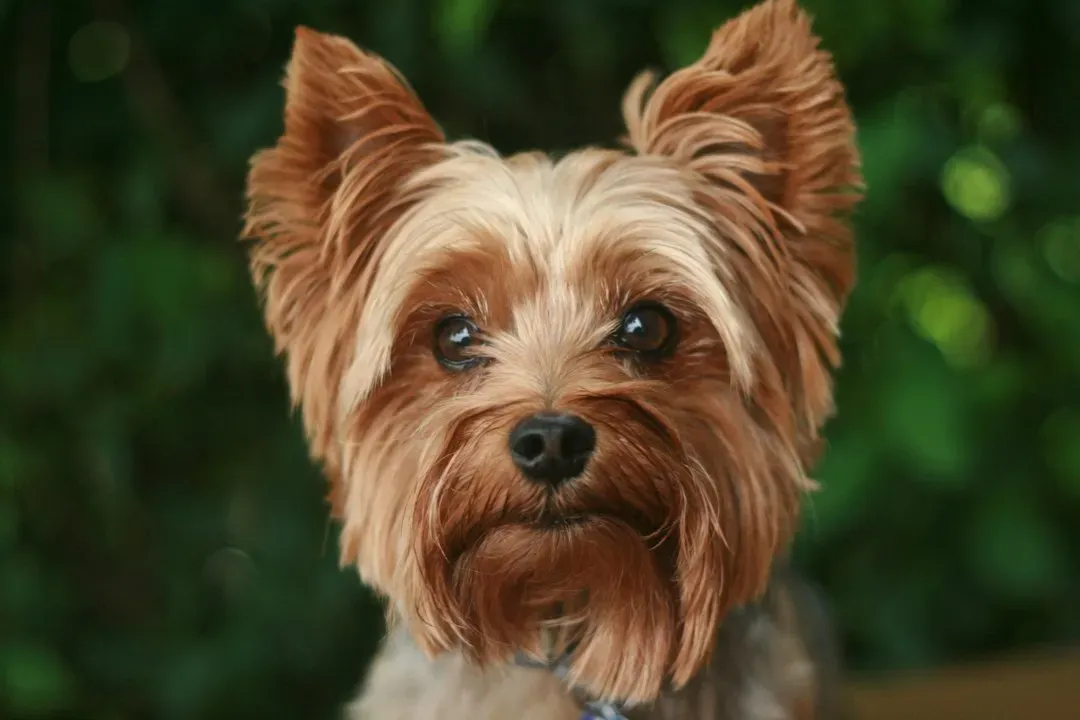
Yorkshire Terriers began in northern England, where small terriers caught rats in mills and mines. They’re tiny but bold, and they can bark at anything. Consistent training and socialization help prevent small dog habits from getting out of hand.
Their fine, silky hair grows long and needs daily brushing if kept that way, though many owners opt for a shorter trim. Dental disease is common in small breeds, so regular tooth brushing matters. Cold weather also bothers them, and a sweater helps in northern winters.
Jack Russell Terrier

Developed in England by Reverend John Russell for fox hunting, the Jack Russell is lean, athletic, and relentless. This isn’t a casual pet for a sedentary home. Without hard exercise and firm rules, it can dig, bark, and escape.
Secure fencing is important because the breed is a skilled jumper and digger. The American Kennel Club recognizes a related, longer-legged type as the Parson Russell Terrier, and a shorter-legged type as the Russell Terrier. All of them have a short, easy to groom coat and often live well into their teens.
Greyhound
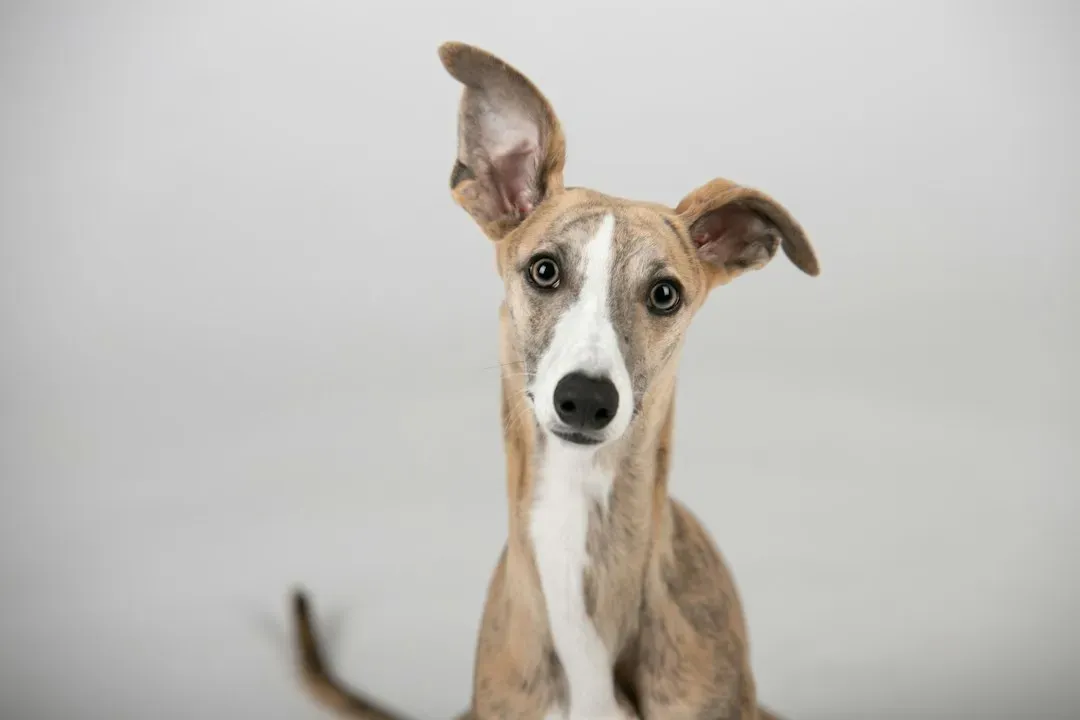
Greyhounds have ancient roots in the British Isles and are known as the fastest dogs, yet many at home are calm sofa sleepers. They need short bursts of running in a secure area rather than hours of activity. Many retired racers are available through adoption groups in the United States.
Their thin coat and low body fat make them sensitive to cold, so coats are useful in winter. Because they’re sighthounds with a strong chase drive, they should be leashed in open areas. Newly adopted racers may need time to learn about stairs, glass doors, and life indoors.
All ten breeds do best with a vet who knows their particular risks, steady training from puppyhood, and a care routine matched to local weather.

Leave a Reply