
Every year, the U.S. State Department quietly reshapes the map of where Americans can travel with a reasonable degree of confidence. In 2026, that map has shifted more sharply than it has in years. The sharpest shift is concentrated in the Middle East, where a widening conflict involving Iran, the United States, and regional partners has transformed risk calculations almost overnight. The ripple effects extend well beyond that region.
The State Department has published its updated global travel advisory map for 2026, assigning four distinct levels of caution to every destination, ranging from routine safety awareness to outright warnings against travel. Ten destinations in particular have drawn the attention of diplomats, security analysts, and the travelers who rely on both. Some have lingered on warning lists for years. Others are there for reasons that would have seemed improbable not long ago.
1. Mexico – Cartel Violence With Uneven Risk Across States
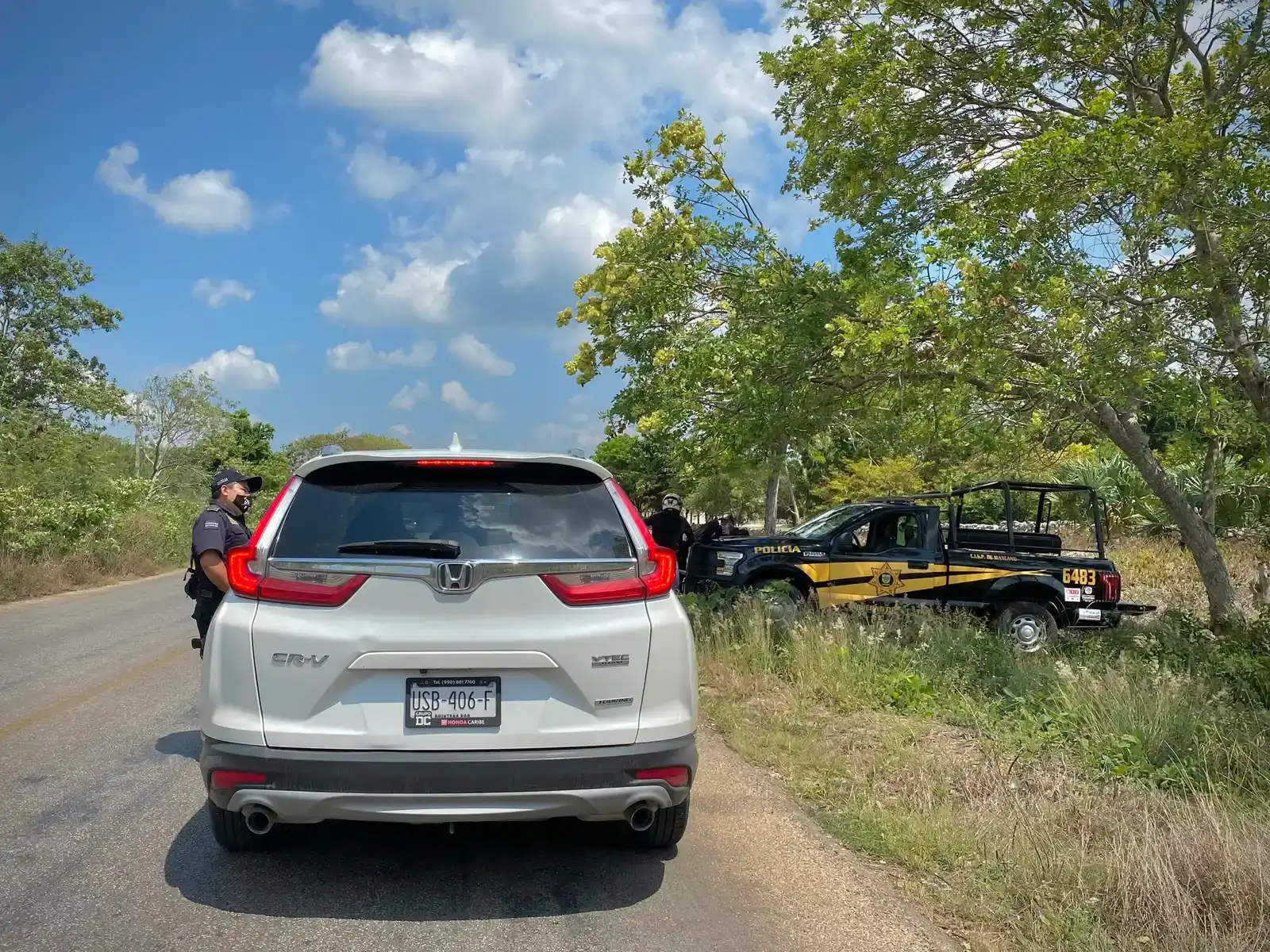
The U.S. Department of State has issued an updated travel advisory for Mexico, marking the nation at Level 2, which calls for travelers to exercise increased caution due to safety risks across the country. While Mexico remains a popular destination for tourists, this latest update highlights significant concerns about rising crime and cartel violence in certain areas. The national rating, however, doesn’t tell the whole story.
A Level 4 “Do not travel” warning applies to the states of Colima, Guerrero, Michoacán, Sinaloa, Tamaulipas, and Zacatecas. U.S. officials issued urgent shelter-in-place guidance after the killing of cartel leader Nemesio Oseguera Cervantes in Jalisco on February 22, with his death triggering road blockades, vehicle fires, and clashes across multiple states. The situation has since stabilized in most tourist corridors, but the broader pattern of risk remains.
2. Haiti – Level 4 “Do Not Travel” With Gang Dominance

Haiti remains at the center of concern with a Level 4 “Do Not Travel” warning, the highest advisory issued by the U.S. Armed gangs have increasingly taken control of major roads and urban areas, making it difficult for visitors to travel freely. Many tourists have been targeted for kidnapping, particularly in the Port-au-Prince region, where criminals often pose as police officers to conduct abductions. The lack of effective law enforcement and a deteriorating political situation have further contributed to a highly unstable environment.
Medical facilities in Haiti are also limited, and emergency services are often unavailable, further complicating the safety of those in the country. As a result, major international travel companies and cruise lines have suspended trips to Haiti. For American travelers, this is one of the clearest cases in the entire advisory system where the guidance is simply: don’t go.
3. Venezuela – Wrongful Detention and Collapsed Consular Access

The advisory, updated in early January 2026, underscores what U.S. officials describe as a “very high risk” of wrongful detention of American citizens, alongside entrenched violent crime and a lack of consular access. According to the updated guidance, Venezuelan security forces have held U.S. nationals for years without due process, and American authorities are often neither informed of arrests nor permitted to visit detainees.
The Foreign Terrorist Organizations Tren de Aragua and Cartel de los Soles started in Venezuela and continue to operate, with terrorist groups active in border areas with Colombia, Brazil, and Guyana. Venezuela’s healthcare system is recovering from a state of severe crisis, with critical shortages of medicines, broken equipment, and crumbling infrastructure in rural areas, while public hospitals in isolated areas frequently lack running water and electricity.
4. Colombia – Drug-Facilitated Crime and Street Danger

Colombia’s Level 3 advisory was reissued on March 31, 2026. Beyond street crime, the State Department has issued a specific warning about the use of sedative drugs to incapacitate tourists in bars or through dating apps. This tactic, sometimes called scopolamine drugging, has caught travelers off guard in Bogotá and Medellín. The victims often wake up hours later having been robbed or worse.
An increased number of yellow fever cases have also been reported in Colombia, adding a health dimension to an already complex risk picture. For all countries under a Level 3 advisory, Americans are advised to reconsider travel, which could be the result of a wide range of concerns like a heightened risk of crime, kidnapping, terrorism, and issues with health services. Colombia carries several of those risks simultaneously.
5. Trinidad and Tobago – State of Emergency and Rising Violence

Trinidad and Tobago, reissued on April 13, 2026, remains a “Reconsider Travel” zone at Level 3. A nationwide State of Emergency was declared in March due to a spike in violent crime. The U.S. has designated specific “no-go” areas in Port of Spain, including Laventille and Beetham. These are not fringe concerns for a destination that draws tourists primarily for its beaches and carnival culture.
Foreigners and a U.S. legal permanent resident have been recent victims of kidnapping, according to State Department advisory pages. U.S. government employees working in Trinidad and Tobago are barred from traveling to certain areas, including downtown and all beaches after dark. Among the State Department’s travel tips for Americans is advice to buy insurance before traveling, not to display signs of wealth like jewelry, and to beware of online dating scams.
6. Iran – Level 4 With Active Conflict and Zero Consular Safety Net
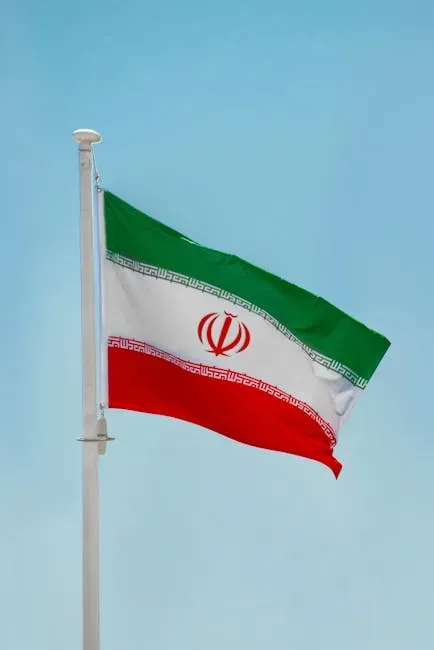
As of late March 2026, Level 4 “Do Not Travel” advisories remain in place for Iran, Iraq, Syria, and Yemen, with public advisories pointing to active conflict, terrorism threats, militia violence, and the danger of being caught near military or energy infrastructure. Iran occupies the most prominent position on that list in 2026. The worldwide caution alert was issued as U.S. and Israeli strikes against Iran entered their fourth week, with Iran responding with drone and missile strikes targeting Israel, Jordan, Iraq, and Gulf countries hosting U.S. military assets.
Iran is currently listed at Level 4 due to ongoing conflict, security threats, and instability. In such locations, the U.S. government has warned that consular support may be severely restricted or unavailable. For Americans who find themselves in trouble there, the practical reality is that there is no embassy, no standard diplomatic process, and very limited options for resolution.
7. Russia – Level 4 With War, Detention Risk, and Arbitrary Enforcement
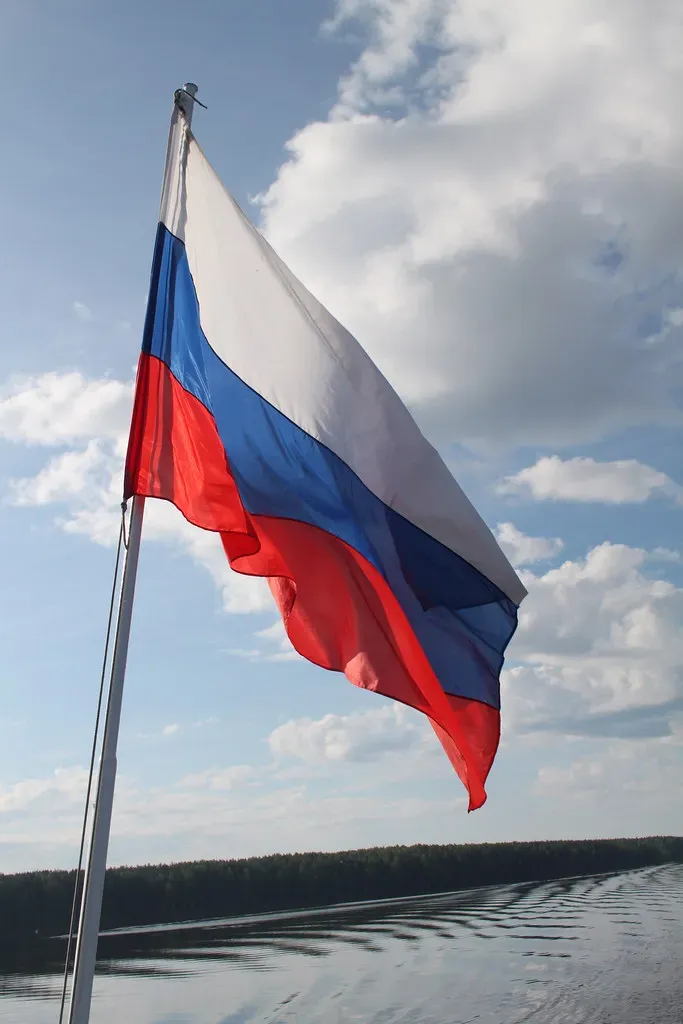
Russia remains flagged at the highest level due to the ongoing full-scale war, with media summaries of official guidance pointing to missile strikes, artillery fire, land mines, and arbitrary enforcement of local laws as major hazards. Entire regions are described as active conflict zones where foreign nationals can face detention, conscription risks, or collateral harm.
A growing number of advisories also highlight the risk of wrongful or arbitrary detention, most prominent in countries where relations with Washington are strained and where local security services hold broad powers under anti-terrorism or national security laws. Public documents from U.S. agencies describe scenarios in which individuals may be detained on vague charges, with restricted access to legal counsel or consular support, and potentially used as bargaining tools in diplomatic standoffs. Russia remains one of the clearest examples of this dynamic in 2026.
8. United Arab Emirates – Surprising Level 3 Upgrade Amid Regional Tensions
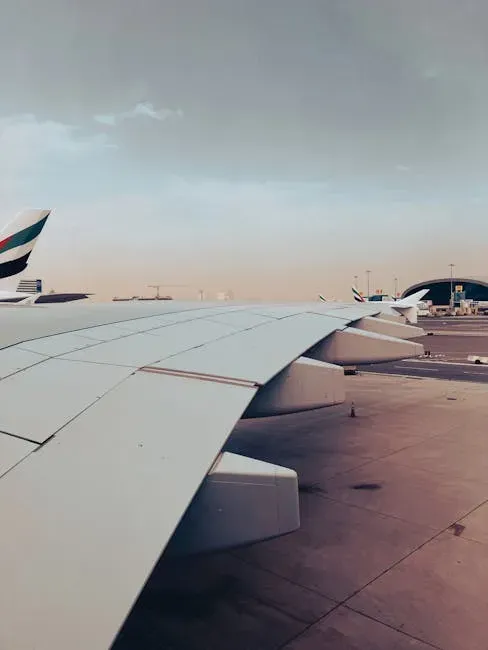
While ground safety in Dubai is widely regarded as excellent, the UAE was recently bumped to Level 3. This is due to increased regional tensions and the potential risk of drone or missile strikes targeting aviation hubs. Travelers should expect periodic, unannounced flight disruptions. For a country that handles hundreds of millions of transit passengers annually, this is a significant development.
The UAE, one of the world’s busiest aviation hubs, issued its own missile warning on the morning of March 23, with air defenses actively intercepting incoming threats. These include Saudi Arabia, Kuwait, Bahrain, Qatar, and the United Arab Emirates, where authorities have cited the threat of missile or drone attacks, regional spillover, and disruptions to civilian infrastructure. The appeal of Dubai as a stopover or vacation destination remains strong, but the risk calculus has genuinely changed.
9. Cyprus – Level 3 Following Regional Hostilities and Diplomatic Withdrawals

On March 3, 2026, Cyprus’s advisory was raised to Level 3 following regional hostilities. The U.S. even authorized the departure of diplomatic families earlier this year. That authorization, known formally as an authorized departure, is a significant diplomatic signal. It means the U.S. government considered conditions serious enough to allow family members of embassy staff to leave the country at government expense.
The U.S. authorized the departure of diplomatic families earlier this year. Travelers are strongly advised to enter only through official airports in the south, as consular help in the north is very limited. Cyprus has long been divided between its internationally recognized southern portion and the northern area controlled by Turkish forces, a division that now intersects uncomfortably with broader regional instability. Americans unfamiliar with that geography should research carefully before booking.
10. Afghanistan – Level 4 With No Embassy and Overlapping National Risks

Afghanistan remains one of the clearest examples of a country where basic travel assumptions no longer apply. The State Department’s February 20, 2026, advisory keeps Afghanistan at Level 4: Do Not Travel, citing civil unrest, crime, terrorism, wrongful detention, kidnapping, natural disasters, and limited health facilities. Each of those categories alone would be enough to prompt serious concern. Together, they create conditions that make the country effectively off-limits.
Factors driving the Afghanistan warning include the presence of multiple armed factions, targeted attacks on foreigners, and the absence of a functioning U.S. diplomatic mission that could provide routine services. For American tourists, this translates into a practical prohibition on travel, since most commercial tour operators and insurers will not support trips to a country rated Level 4 for both security and operational reasons. There is no safe corner of Afghanistan to retreat to if something goes wrong.
The State Department’s advisory system isn’t designed to keep Americans at home. Travel advisories can help Americans better plan their international travel, not only by helping them choose safer destinations, but also by helping them understand which parts of different countries pose risks and what sort of risks they should keep an eye out for. Enrolling in the Smart Traveler Enrollment Program before any international trip, especially to countries on this list, remains one of the simplest and most practical things any American traveler can do. The global picture in 2026 is genuinely more complex than it was just two years ago, and staying informed is no longer optional for anyone traveling beyond familiar borders.




Leave a Reply