
Somewhere between the dream and the departure gate, most travelers discover the same uncomfortable truth: budgeting for a trip is harder than it looks. The numbers you find online don’t always match what you spend at the airport, at the hostel check-in desk, or on that third taxi you didn’t plan to take.
The good news is that real spending data from 2024, 2025, and into 2026 paints a reasonably clear picture. Prices have risen across the board, but the gap between cheap and expensive destinations is wider than ever, which means destination choice now matters more than almost any other decision a budget traveler can make.
The Daily Budget Breakdown by Travel Style

Ultra-budget travelers spending around $20 to $35 per day are typically relying on hostels, street food, and local transport only. Step up slightly and a standard budget approach, covering budget hotels, local restaurants, and some paid activities, runs roughly $35 to $80 per day. These are in-country estimates, meaning flights and insurance are not included.
The daily budget calculation covers four main categories: accommodation in hostels or budget hotels, food from street vendors, local restaurants and some groceries, transport via local buses, trains and occasional taxis, and activities including entrance fees, tours, and entertainment. Once you understand those four buckets, the math becomes a lot easier to control.
Where Your Money Goes Furthest Right Now
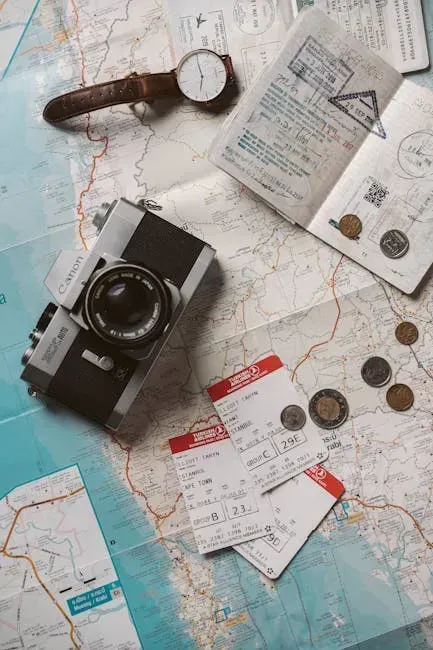
The cheapest countries for budget travel remain in Southeast Asia, where Vietnam, Laos, and Cambodia come in at roughly $22 to $32 per day, and South Asia, where Nepal and India run about $22 to $28 per day. Those figures are remarkably low for full days of food, shelter, and getting around.
Eastern Europe also offers solid value, with Bulgaria among the more affordable options running around $50 to $65 per day, while Central American destinations like Guatemala and Nicaragua tend to fall in the $45 to $55 range with the added advantage of easy access from North America. Southeast Asia and South Asia lead in overall value, followed closely by Central America and Eastern Europe.
What Accommodation Actually Costs

Hostel dormitory beds range from as little as $5 per night in parts of Southeast Asia to over $100 per night in major European cities during summer. Accommodation is likely the biggest variable in any budget traveler’s spending. Where you sleep shapes everything else about the day’s total.
A shared hostel room in a Western European city like Berlin or Barcelona typically costs roughly €17 to €45 per night. Similar lodging in Eastern European cities such as Budapest or Krakow often costs about half as much. Many hostels also include breakfast and communal kitchens, which can quietly save you another few dollars each day.
Food Spending: Street Stalls vs. Tourist Menus

Food expenses climb quickly, especially near tourist sites where restaurants charge premium prices. American travelers spend roughly $58 per day on food during domestic trips on average, and that figure can reach closer to $96 when eating three restaurant meals daily. Budget travelers in lower-cost regions can eat well for a fraction of those numbers.
Street vendors serve authentic local food at prices nowhere near restaurant rates. Many restaurants also offer lunch specials that cost roughly a third less than equivalent dinner items. Cooking your own meals in hostel kitchens is another genuine lever, especially on longer trips where grocery bills replace restaurant tabs for whole weeks at a time.
Getting Around: Transport Costs on the Ground
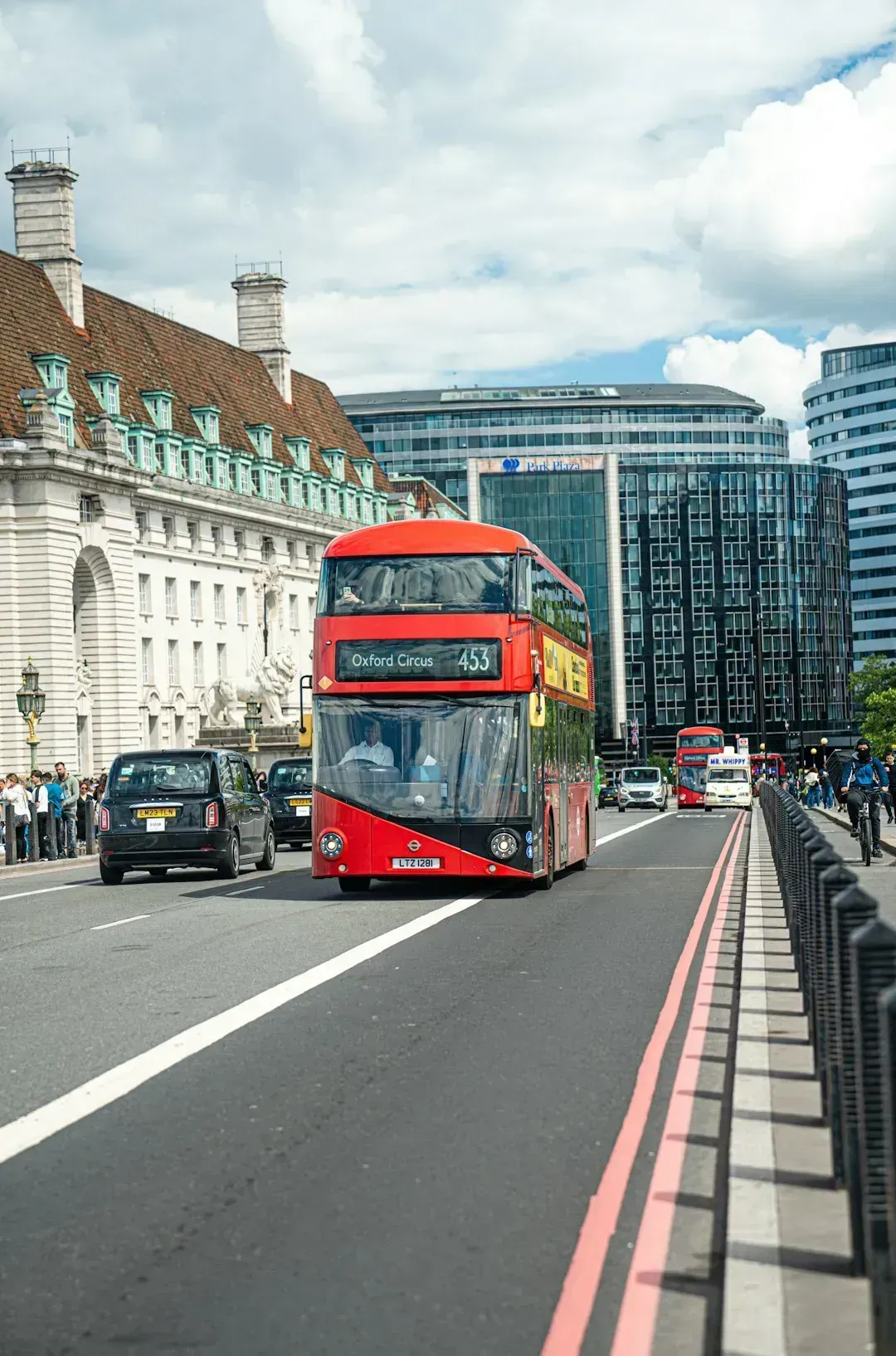
Bus travel with companies like FlixBus in Europe is often the cheapest overland option, with tickets as low as €5 to €20 between major cities. Budget airlines can also be affordable when booked well in advance and traveled light. The key phrase there is “traveled light.” Baggage fees from low-cost carriers can silently undo a cheap fare in minutes.
Your primary mode of transportation has a huge impact on your budget. Every time you transfer to a new place, transportation costs rise and daily expenditures go up. The slower you travel, the lower your daily costs. Staying put for a week in one city almost always costs less than covering the same ground in two or three days.
Flights: The Biggest Line Item Before You Even Land
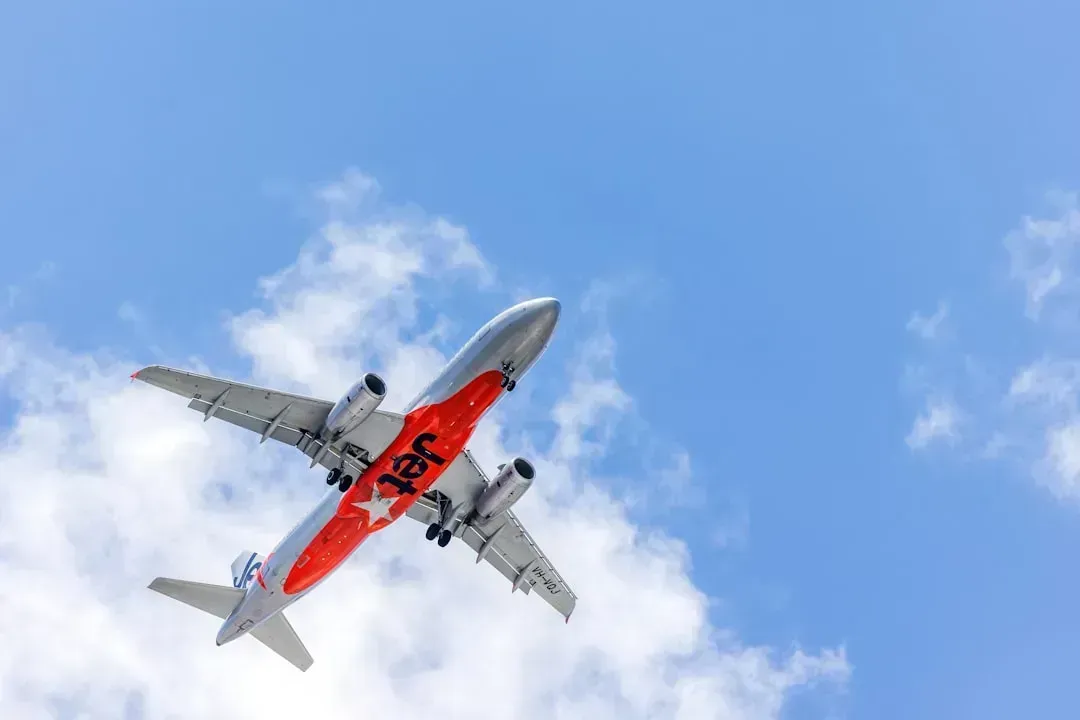
Airfare remains the single largest expense in most international trips from the United States. Average round-trip international flights now range between $800 and $1,500, depending on destination and season. That’s a significant upfront cost before a single meal or bed is booked.
Average U.S. travel costs are roughly seven percent higher compared to early 2025, according to NerdWallet’s Travel Price Index. Airfare costs in particular are up nearly fifteen percent over the past year, while the cost of eating out and entertainment have risen more modestly. That said, selective bargains still exist. Spring 2026 has been one of the better windows for booking international travel in several years, though some destinations are down significantly while a few are running more expensive than last spring.
Travel Insurance: The Cost Most Budgeters Skip

Internal sales data shows the average cost of travel insurance runs roughly $20 per day. The average premium over the past twelve months has been around $307, with an average trip length of fifteen days. It’s a line item that budget travelers frequently skip, which is a gamble that rarely pays off.
Comprehensive travel insurance typically costs between four and ten percent of a traveler’s prepaid, non-refundable trip costs. Travel insurance seems optional right up until you’re facing a potential six-figure medical evacuation bill. For a two-week trip costing around $3,000 total, a reasonable comprehensive policy adds somewhere in the range of $120 to $300 to the total.
The Hidden Costs Nobody Budgets For

Common hidden costs include visa fees ranging from $25 to $150 per country, travel insurance at roughly $2 to $5 per day, vaccinations that can total $100 to $300, ATM fees of $3 to $5 per withdrawal, and SIM cards and data running $10 to $30 per month. These are the expenses that quietly push a careful budget over the edge.
Budget airlines often advertise attractively low fares, but additional charges for baggage, seat selection, and priority boarding can quickly add up. Travelers who don’t review airline policies carefully may end up paying significantly more than the headline price suggested. Setting aside at least ten percent of your total trip budget as a contingency buffer is a widely recommended baseline.
What a Real-World Budget Trip Costs Over a Full Year

A six-month trip through Southeast Asia typically runs somewhere in the $5,000 to $8,000 range, while a year-long world trip generally costs between $15,000 and $25,000. Those figures assume genuine budget habits throughout, not just on the cheap nights.
Slowing travel pace significantly cuts costs, particularly transit expenses. Staying in one place for a month or more reduces the constant outflow of transport money. For long-term travel, adding about twenty percent to daily estimates to account for unexpected costs, visa runs, and rest days is a practical rule of thumb. The travelers who consistently come in under budget are usually the ones who resist moving too fast.
The Gap Between Cheapest and Most Expensive Destinations in 2026

The gap between cheap and expensive destinations is wider than usual right now, which means where you go matters more than when you go. Latin America and North Africa currently offer the best value, parts of Europe are cheaper than last year, and Southeast Asia is running more expensive than it has in recent seasons.
Argentina, Japan, Mexico, Brazil, and Hungary are among the destinations where the U.S. dollar stretches furthest, making activities, dining, and accommodations more budget-friendly. Japan in particular has shifted from being considered expensive to genuinely accessible for budget travelers due to favorable exchange rates. The broader lesson holds: the destination you choose can easily mean the difference between spending $30 a day and spending $120 a day on an otherwise identical trip style.




Leave a Reply