
Most travelers walk into a hotel room, drop their bags, and immediately begin to relax. It’s an understandable instinct. You’re tired, you’ve arrived, and the bed looks made. The problem is that a made bed and folded towels signal effort, not sterility. What’s underneath that polished surface can tell a very different story.
The cleanliness gap in today’s hotel industry has a structural cause. The industry is chronically understaffed, and by late 2024, roughly two thirds of hotels still reported staffing shortages, with housekeeping being the hardest position to fill. That means your room may look presentable on the surface while hiding some genuinely unsettling details underneath. These are the ten red flags that housekeepers themselves say should never be dismissed.
1. A Musty or Overly Fragrant Smell When You Walk In
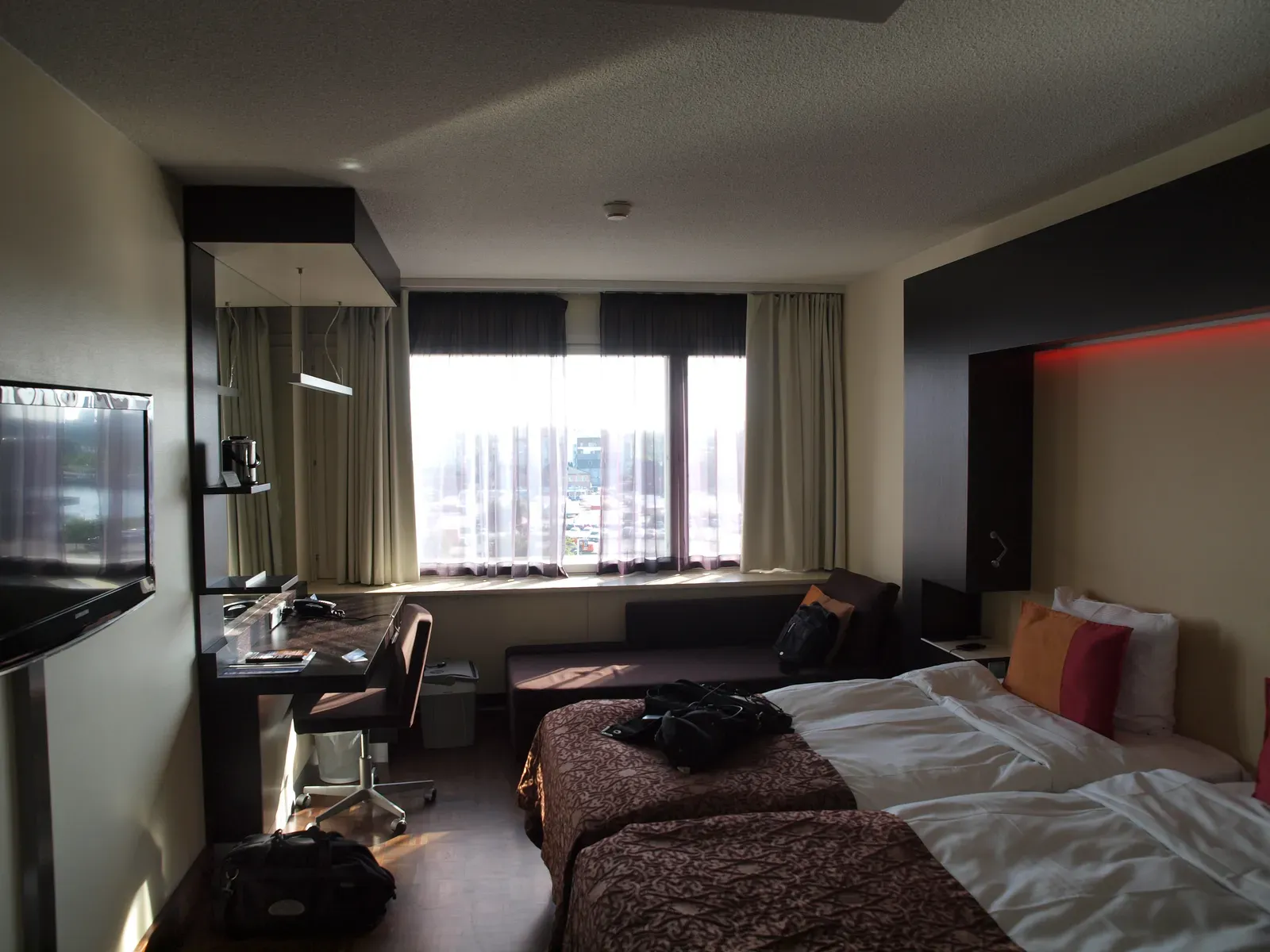
A properly cleaned hotel room should smell neutral or faintly of cleaning products. It should not smell damp, stale, or like the person who stayed there before you. A musty odor is one of the key warning signs. Mold has a distinct foul, earthy or damp smell, and if you notice a strong, unpleasant odor in your room, it could be a sign of mold growth.
If you walk in and immediately notice a heavy floral spray or something synthetic trying a little too hard, that’s also a red flag. A genuinely clean room simply smells neutral and fresh. If the bathroom smells damp, it probably means it hasn’t been cleaned properly, as the cleaning products used for hotel bathrooms are generally quite strong and have a recognizable chemical fragrance. Paradoxically, a lack of that faint cleaning product scent in the bathroom might actually be the warning sign.
Related: 10 Habits at a Hotel Breakfast Buffet That Scream “No Manners”
2. A Sloppily Made Bed With Soft or Unusually Creased Sheets
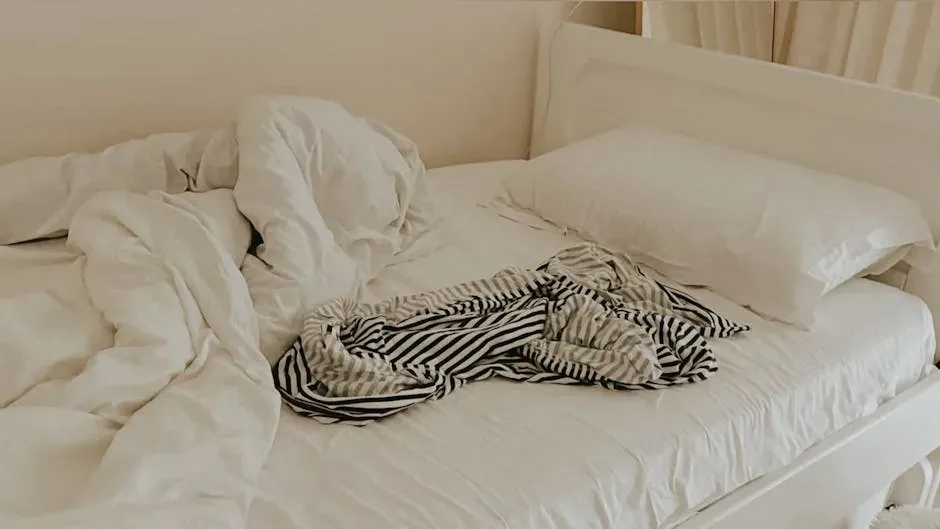
It’s essential to take a good look at your bed before you jump onto it to get an idea of the quality of housekeeping at the hotel. How the bed is made can be a huge red flag. If the bed is made sloppily with tired-looking pillows and untucked sheets, this indicates that the housekeeper did not clean the room to the best of their ability. The sheets should be tucked so you have to really pull to untuck them; if they easily come loose, the bed is made incorrectly.
Fresh laundered sheets have a certain crispness to them. Sheets that have been slept in and hastily remade do not. Pull back the top sheet to inspect the fitted sheet and mattress cover. Linens should look crisp and free of hair, stains, or excessive lint. Fresh bedding should feel dry, smell neutral, and show no visible wear beyond light wrinkles. If the bed feels damp, musty, or overly perfumed, it may indicate incomplete washing or attempts to mask odors rather than proper cleaning.
Related: 15 Things Frugal People Never Buy at the Grocery Store, According to Financial Advisors
3. Black Spots on Bathroom Grout or Visible Mold in the Shower
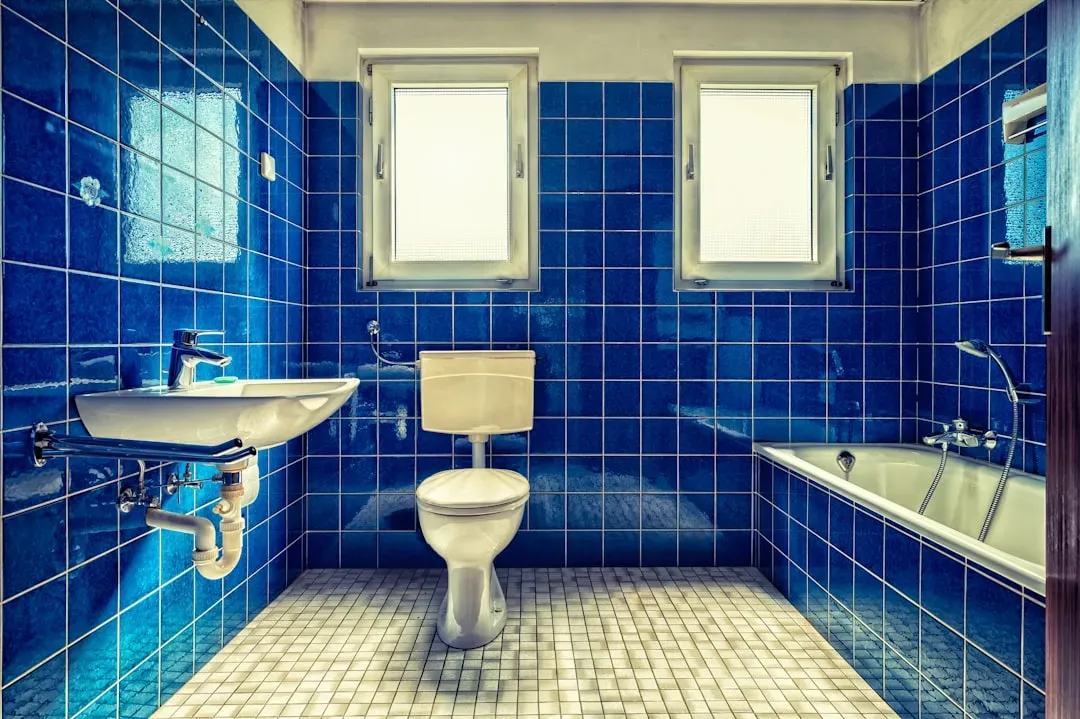
It’s worth checking corners for mold or mildew, especially in shower areas and around window frames. If you spot black spots in shower grout or caulking, experts recommend requesting a different room, as this indicates ongoing moisture issues that could affect your respiratory health. The en suite bathroom is one of the most likely locations for mold, particularly as most hotel bathrooms lack external windows or proper ventilation. Spores can flourish between the grout of tiles due to constant moisture and humidity.
According to a recent KALDEWEI study, cleanliness is an absolute must for hotel bathrooms, and nearly all respondents, roughly nineteen in twenty, said they would not book a hotel again if the bathroom was unhygienic. Extreme mold buildup often doesn’t happen overnight, so moldy walls can be indicative of repeated failures to keep the room clean. Look for peeling wallpaper or water stains on the wall, both of which are likely signs of mold growth. Also feel around for any damp sections of the rug, as there could be moisture and mold growth underneath. Then head into the bathroom and look for any black mold along the edges of the tub or around the toilet and sink.
Related: 11 Things Older Pets Quietly Start Doing That Owners Notice but Never Question
4. A Stained, Yellowed, or Suspicious Comforter
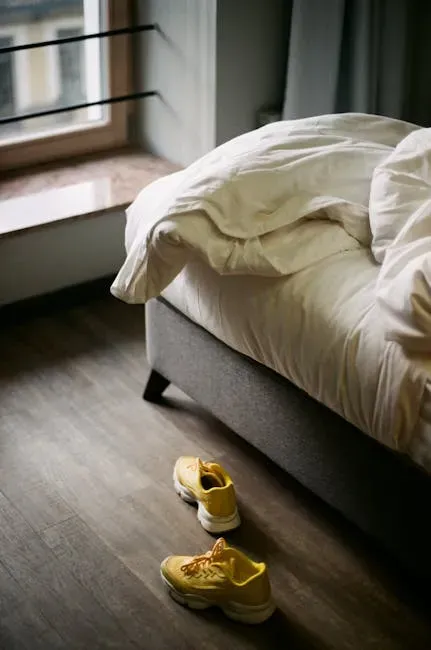
Unlike sheets, it’s rare for comforters to get washed between guest stays. Some hotel housekeepers admit that these top layers are only changed if there is a spill or a funky smell, and the primary reason is the sheer size of these pieces and the resources required to launder them daily. When it comes to decorative bedspreads, cleanliness standards may be particularly inconsistent. According to industry reports, some hotels have been found to wash decorative bedding only four times per year.
Yellowing is a sign of accumulated sweat and body oils over time. In bedrooms, the three most important factors for guests were clean linen, no evidence of previous guests, and absence of bad smells or odors. Discolored pillows tick two of those three boxes in the worst possible way. If the comforter smells off, feels damp, or shows any visible staining, pull it off the bed immediately and request a fresh one from the front desk.
Related: 6 Items From the Airport Food Court Flight Attendants Say to Avoid
5. Signs of Bed Bugs Along the Mattress Seams

According to the National Pest Management Association, three quarters of pest control companies treated bed bugs in hotels and motels during 2024. Bed bugs can be found in accommodations at any price point, from budget motels to five-star luxury hotels. A 2024 industry survey found that 89% of pest control professionals have treated bed bugs in upscale hotels.
For bed bug checks, scan mattress seams and headboard edges with your phone flashlight. Focus on corners closest to the headboard, where pest control professionals report early signs most often appear. Look for tiny dark specks, shed skins, or live insects. If you see anything suspicious, request a new room on a different floor and keep luggage off the bed. Rapid reproduction means even a small introduction can lead to significant infestation within six to eight weeks.
Related: The All-Inclusive Resort Blacklist: 8 Amenities Staff Say to Skip
6. Grimy Light Switches and Sticky Door Handles
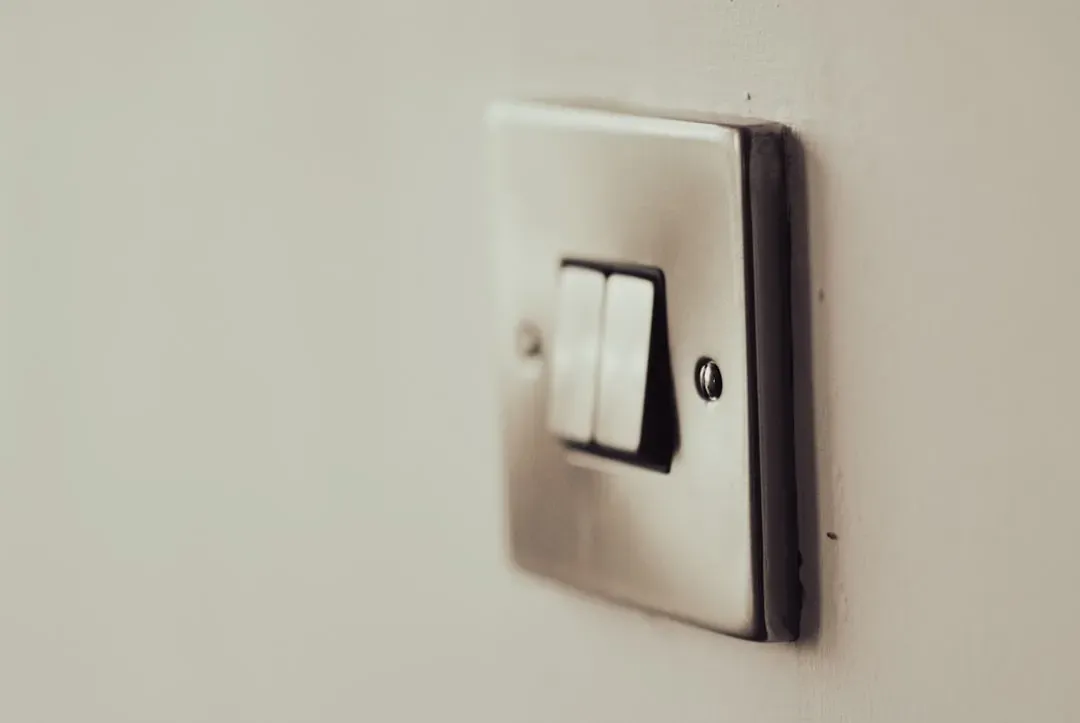
Light switches, particularly the main one and bedside lamp switches, are frequently touched by guests and are among the most contaminated surfaces in any room. Run your finger along one and you will often find a thin, tacky film of accumulated grime. Research from the University of Houston found that light switches in hotels were not being cleaned properly. In some studies, housekeepers inadvertently carried bacteria to multiple rooms by reusing the same sponge and mop, resulting in bacteria levels in hotel rooms found to be between two and ten times higher than the levels accepted in hospitals.
A smudged light switch, a sticky door handle, a phone handset with visible residue – these are all quiet signals that the room’s high-contact zones were skipped. The most common infections people pick up from hotel rooms are tummy bugs, along with respiratory viruses such as colds and pneumonia. Wiping down those surfaces yourself takes under a minute and is genuinely worth it.
Related: 12 Things Dog Owners Do That Trainers Say Confuse Their Pets
7. A Sticky or Grimy TV Remote

Some hotels claim that high-touch surfaces like TV remotes are thoroughly cleaned, but that’s not always the case. Post-COVID, many remotes are now often sealed to make them easier to sanitize, but health professionals advise washing your hands after using one. If the remote isn’t wrapped, you can minimize exposure to potential contaminants like E. coli left by previous hotel guests by placing it into a thin plastic bag to change channels.
The TV remote might seem minor at first. You pick it up, click around for a channel, and that’s that. The TV remote is one of the most touched objects in any hotel room and also one of the least cleaned. If the buttons feel tacky or there’s visible discoloration around the edges, treat that as a clear sign that the room’s cleaning was surface-level at best.
Related: 12 Wardrobe Choices That Career Coaches Say Undermine Job Interviews
8. Dirty Carpets or Gritty Floors
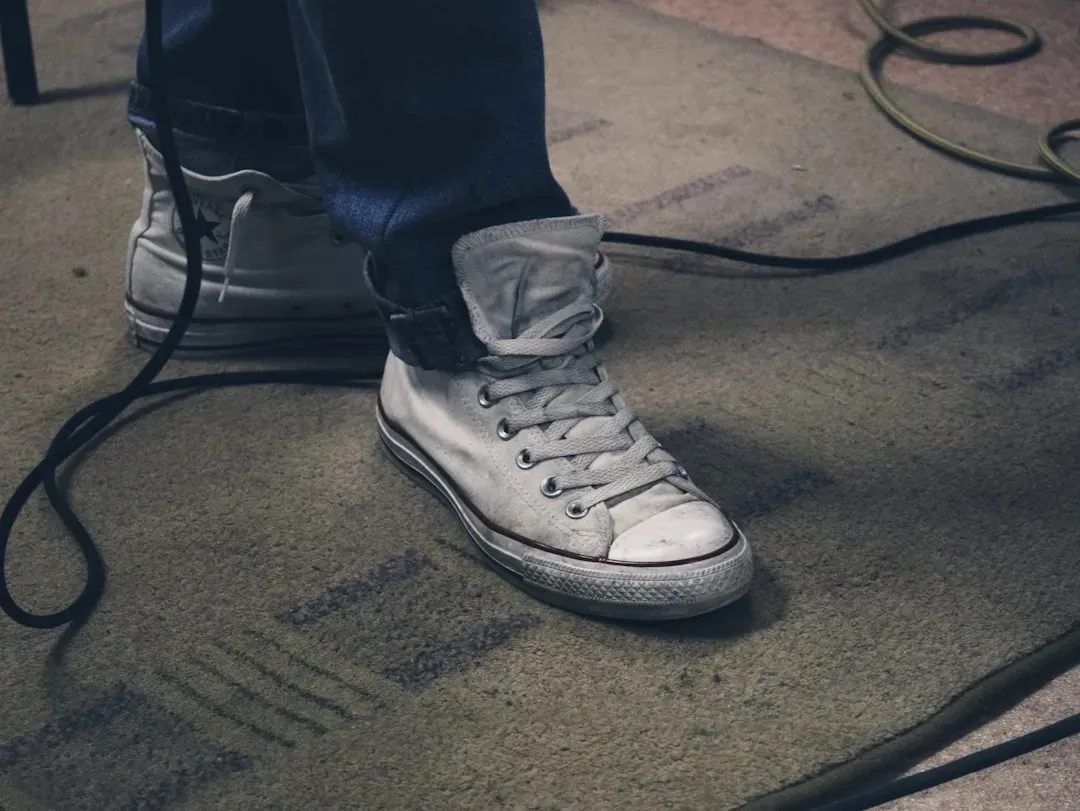
Even if housekeeping diligently vacuums between guests, the carpets are likely not actually deep-cleaned after each use. Other nastiness could be tracked in on shoes and suitcase wheels from multiple guests. Carpets, because they are rarely deep-cleaned, can be breeding grounds for bacteria and germs. Health-conscious frequent travelers know to always wear socks or slippers in a hotel room and to avoid sitting down or laying on the carpet.
A practical tip that housekeeping insiders actually use themselves: white socks can help detect a dirty carpet. Wear them for a few minutes while unpacking. If your socks come away gray or black, that tells you everything about how thoroughly the floor was vacuumed. Under furniture, check underneath bed edges and chairs where dust and debris often collect. Behind doors are areas often missed during routine cleaning, and these areas can reveal true cleaning standards.
Related: 8 Habits Boomer Parents Had That Younger Generations Say They Couldn’t Live With
9. Belongings Left Behind by Previous Guests

Open closets and drawers, peek under the bed, and check bathroom shelves for left-behind items. Forgotten belongings suggest gaps in the room cleaning procedure and raise questions about thoroughness. If you find anything, call the front desk immediately. A quick look inside a drawer or closet can confirm nothing was overlooked. Forgotten items sometimes signal that turnover was rushed.
Running your finger across the headboard and the counter can help you see how deeply the housekeepers are actually cleaning the rooms. Check the wastebaskets, too. They should be completely empty. If they aren’t, that’s a sign that the room cleaning was not thorough. A leftover receipt in a drawer or a forgotten phone charger behind the nightstand might seem trivial. They’re not. They’re evidence that the checkout process was hurried from start to finish.
Related: 8 Habits Boomer Parents Had That Younger Generations Say They Couldn’t Live With
10. Dust Buildup on Vents, Headboards, or Lampshades
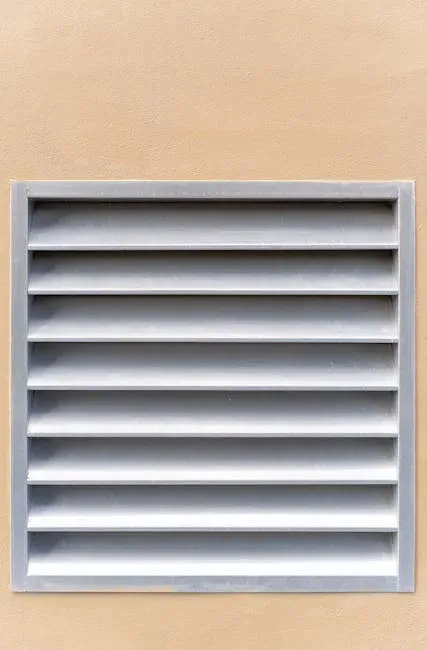
Here’s a quick test. Run your finger along the top of the headboard, or take a look at the air vent near the ceiling. Dust builds fast in hotel rooms, especially in areas that get a lot of airflow. These are spots housekeeping can easily skip under time pressure. Hotel guest rooms should take no more than 30 minutes to clean, meaning high-touch surfaces like remote controls, light switches, and bathroom fixtures are typically prioritized first.
Furniture gets dusted and polished, and air vents are checked regularly in well-run properties to maintain good air quality throughout the room. Some hotels have even upgraded their HVAC systems with advanced filtration to remove allergens and improve circulation, responding to growing guest concerns about indoor air quality. When you find a thick grey coat of dust on the lampshade or vent cover, it usually means those areas haven’t been touched in days, perhaps longer. That’s not a minor lapse; it reflects how little time was actually spent in the room.
Related: Etiquette Experts Reveal These 12 Red Flags That Show Up the Moment You Walk Into a Party
Knowing these warning signs doesn’t mean you need to treat every hotel stay like a crime scene investigation. Most hotels work hard to maintain decent standards, and a single imperfection in an otherwise clean room isn’t necessarily cause for alarm. The real concern is a pattern: multiple red flags appearing together, suggesting that corners were cut across the board. When that happens, the right move is always a calm call to the front desk or a request for a different room. You’ve paid for a clean space. You’re entitled to one.





Leave a Reply