
1. Repeating a command over and over
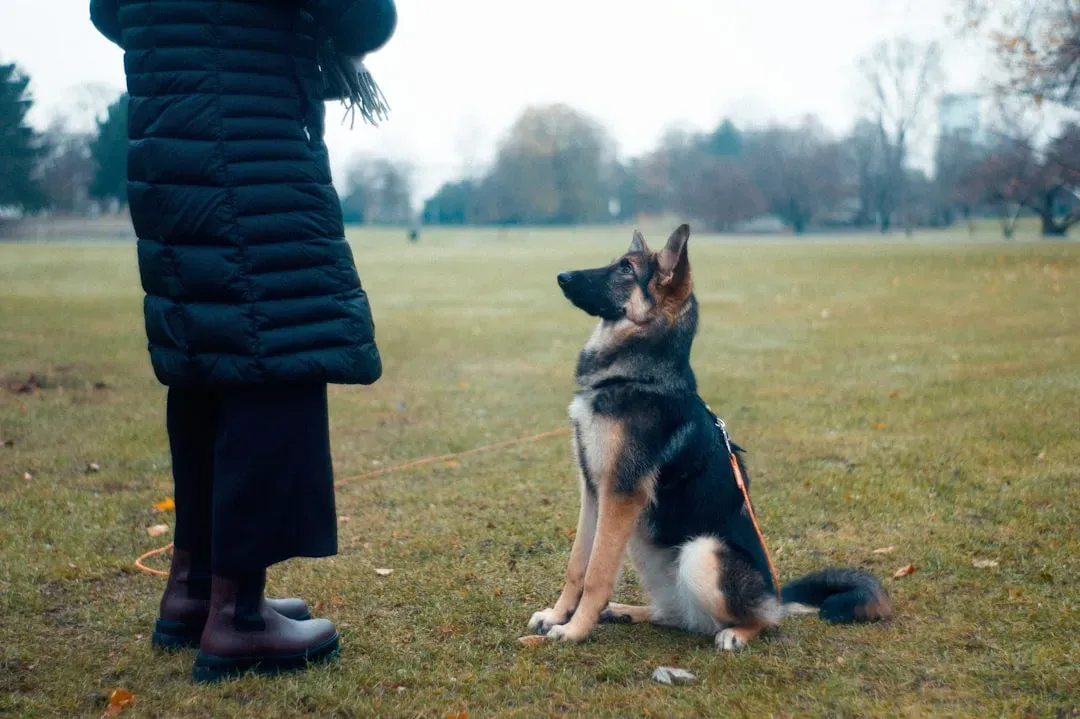
Saying “sit, sit, sit, SIT” might feel like emphasis to a human, but to a dog it can sound like an entirely new sound each time, or worse, it can teach them that the first few repetitions don’t actually require a response. Dogs don’t process language the way people do, so stacking the same word doesn’t add urgency in their minds the way it does in ours.
Trainers generally recommend giving a cue once, waiting a beat, and then helping the dog succeed if needed rather than repeating the word. This keeps the cue meaningful and prevents the dog from learning that commands are optional background noise.
2. Using different words for the same action
Some owners switch between “down,” “off,” and “get down” depending on the situation, assuming the dog will figure out the intent from context. Dogs, however, tend to learn cues as specific sound patterns tied to specific actions, not as flexible synonyms.
When the words keep changing, the dog has to relearn the association each time, which slows progress and creates hesitation. Sticking to one consistent word per behavior, and making sure everyone in the household uses the same term, tends to produce much faster and more reliable results.
3. Punishing a dog after calling them over
If a dog gets scolded right after coming when called, even for something unrelated like chewing a shoe earlier, the association can quietly shift. The dog may start connecting the recall itself with an unpleasant outcome rather than the specific behavior that triggered the correction.
Trainers often stress that recall should always feel safe and rewarding, no exceptions. Correcting a past mistake needs to happen separately from calling the dog to you, otherwise the cue “come” risks losing its appeal entirely.
4. Mixing affection with correction in the same tone
Speaking in the same warm, upbeat voice for both praise and mild scolding can leave a dog unsure of what just happened. Since dogs rely heavily on tone and body language rather than word meaning, a cheerful “no, don’t do that” can register as encouragement rather than a boundary.
A clearer distinction between the tone used for correction and the tone used for praise helps dogs actually register the difference. It doesn’t need to be harsh, just noticeably different from the voice used when things are going right.
5. Allowing a behavior sometimes and correcting it other times
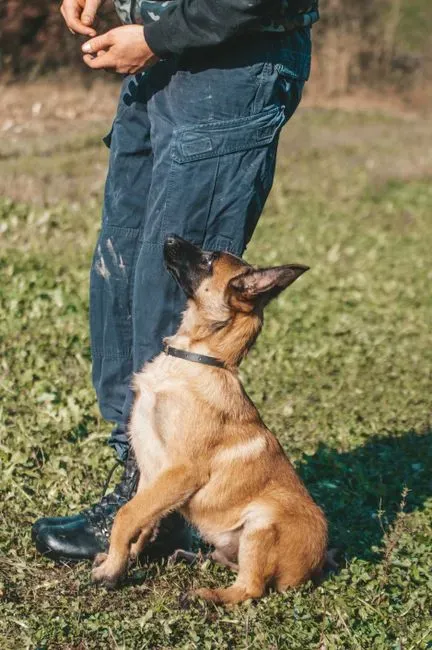
Letting a dog jump on the couch when it’s convenient but scolding them for it another day sends a genuinely confusing message about what the actual rule is. Dogs don’t reason through exceptions and context the way people assume; they mostly notice that the outcome of the same action keeps changing unpredictably.
Inconsistent rules, according to many trainers, are one of the most common sources of anxious or unpredictable behavior in dogs. Deciding on a rule and sticking to it, even when it’s inconvenient, gives dogs the stability they need to behave predictably.
6. Rewarding calm behavior only after excitement has already peaked
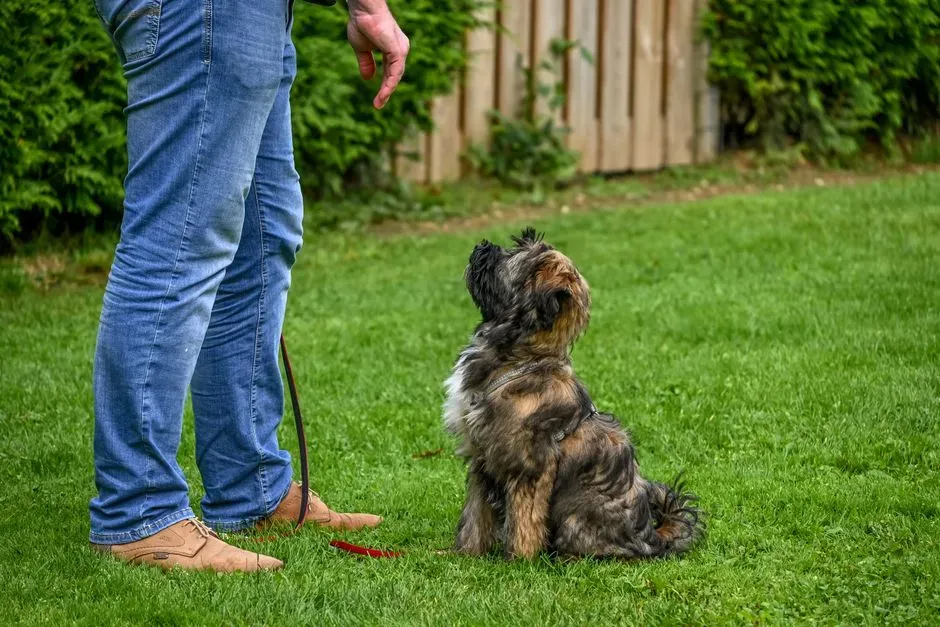
Owners often wait until a dog is fully hyped up, barking or jumping, before trying to redirect them with treats or praise. But timing rewards after the peak of excitement can accidentally reinforce that exact level of arousal rather than the calmer state that came just before it.
Trainers usually suggest catching and rewarding the moments of calm before excitement builds, not after it’s already boiling over. This shifts what the dog learns is actually valuable to repeat.
7. Using a dog’s name as a warning
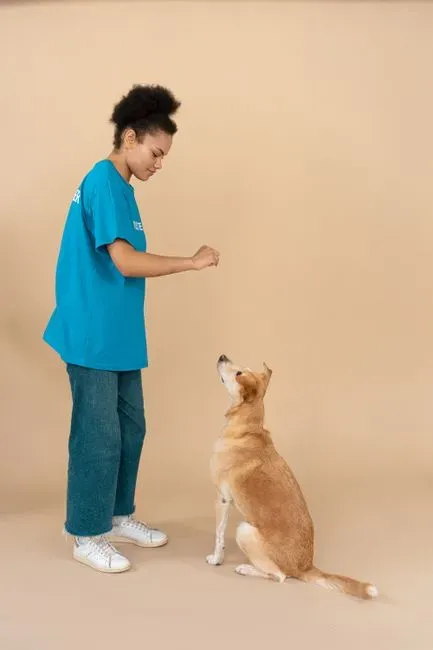
Calling out a dog’s name in a sharp tone right before a correction can turn their own name into a signal for trouble instead of a simple attention cue. Over time, some dogs start to flinch or disengage the moment they hear their name, which defeats its original purpose.
Keeping a dog’s name neutral or positive, and using a separate word or tone for corrections, helps preserve its usefulness as an attention-getter. This is a small habit that’s easy to overlook but has an outsized effect on responsiveness.
8. Comforting a dog during fearful reactions
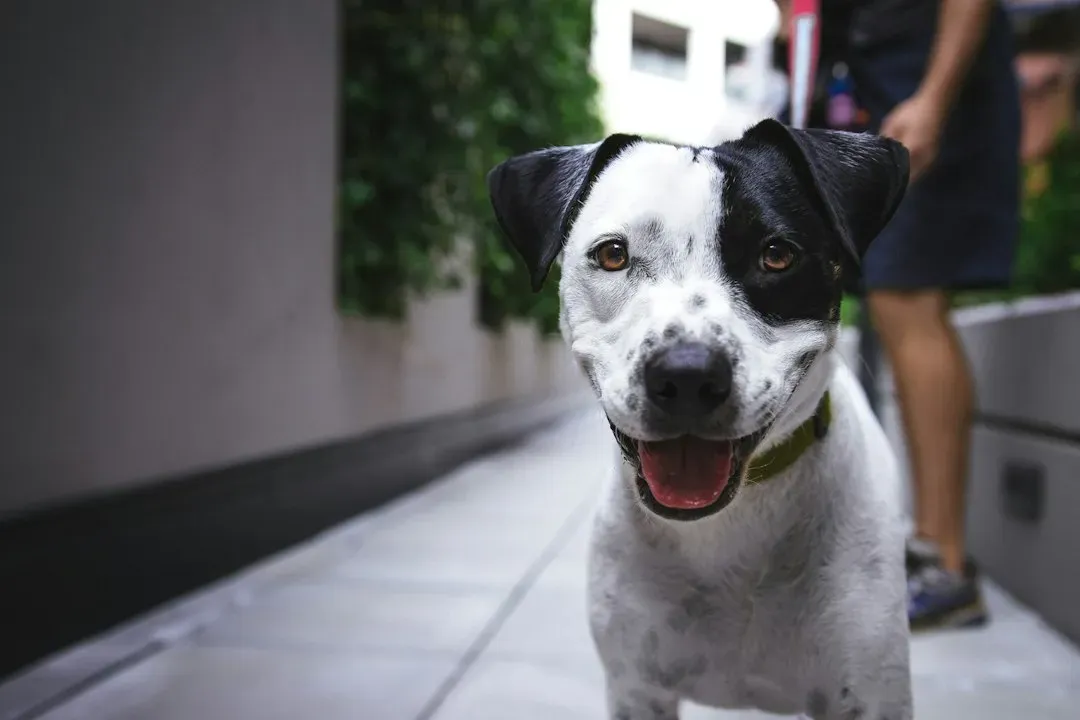
When a dog barks or reacts fearfully at something like a passing skateboard or a stranger, many owners instinctively soothe them with petting and soft words. While well-intentioned, this can sometimes be interpreted by the dog as confirmation that the reaction was appropriate, rather than reassurance that everything is fine.
Some trainers instead recommend staying calm and neutral, redirecting attention, or rewarding disengagement from the trigger. The goal is to model calm confidence rather than emotional validation of the fear itself.
9. Expecting eye contact to mean the same thing as it does for humans

Prolonged direct eye contact is a bonding cue in human relationships, but for dogs it can sometimes read as a challenge or a source of tension, especially with unfamiliar dogs or in high-stress moments. Owners who stare intently at a dog during a correction may unintentionally escalate anxiety instead of communicating authority.
Softening eye contact, blinking, or briefly looking away can actually help de-escalate tense situations. Understanding that canine body language operates on different rules than human social cues is a subtle but important shift in perspective.
10. Giving cues from inconsistent physical positions
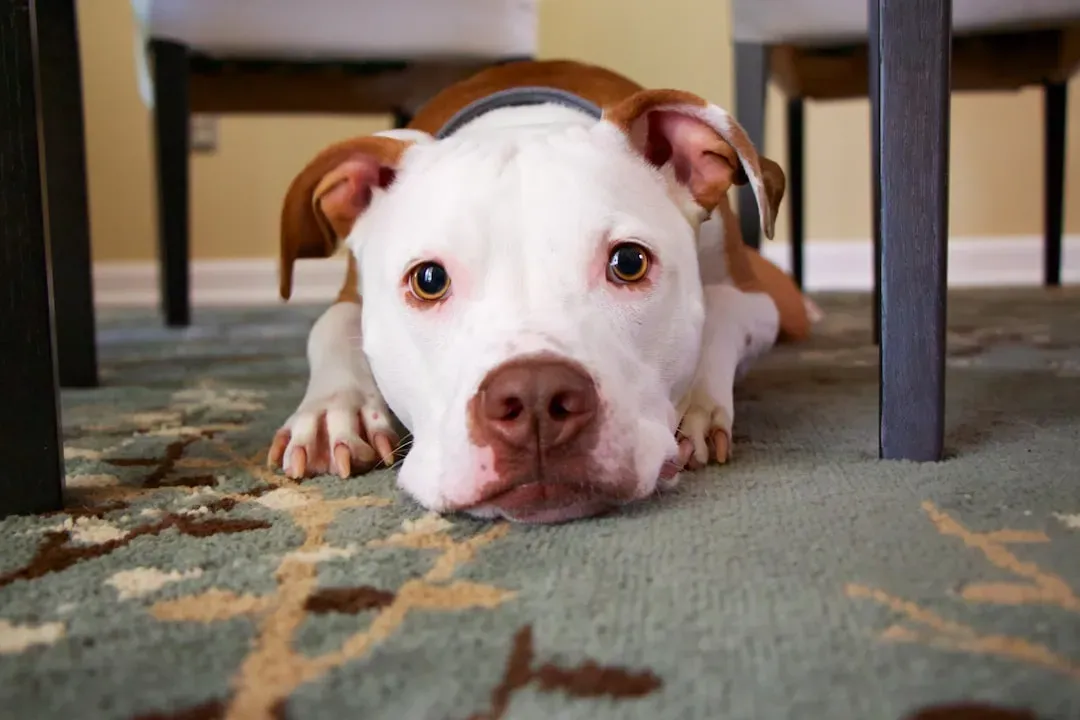
A “sit” cue given while standing directly in front of a dog can look and feel completely different to the dog than the same cue given while sitting on a couch or standing off to the side. Because dogs read body posture as part of the whole cue, changing position without retraining can make a well known command seem unfamiliar.
Trainers often practice cues from multiple positions and distances specifically to build flexibility, but this needs to be done deliberately, not by accident. Owners who assume a dog “knows” a command everywhere may be surprised when performance drops in a new context.
11. Using physical affection to interrupt unwanted behavior
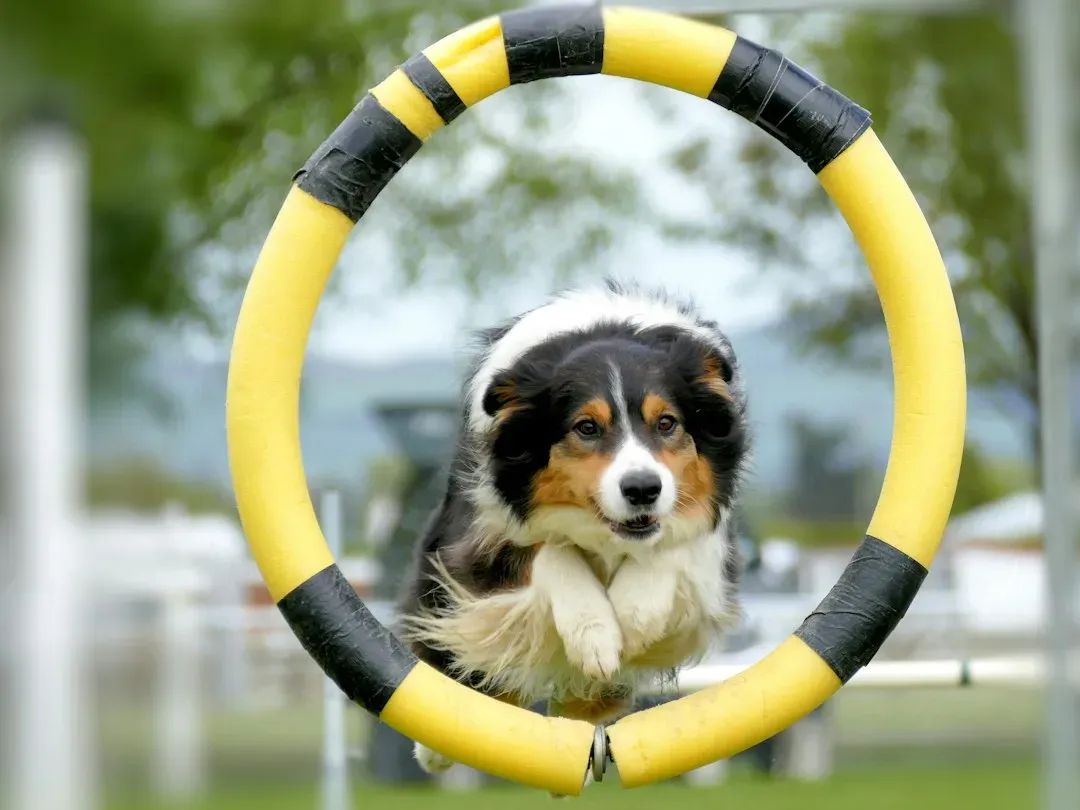
Petting a dog to distract them from barking, jumping, or lunging, while momentarily effective, can end up rewarding the very behavior an owner is trying to stop. The dog may learn that acting up leads to attention and touch, which are usually reinforcing rather than corrective.
A better approach, according to most modern training philosophies, is to withhold attention during unwanted behavior and offer it generously once the dog is calm. This keeps the reward tied to the behavior that’s actually desired.
12. Forgetting that silence can be its own confusing signal
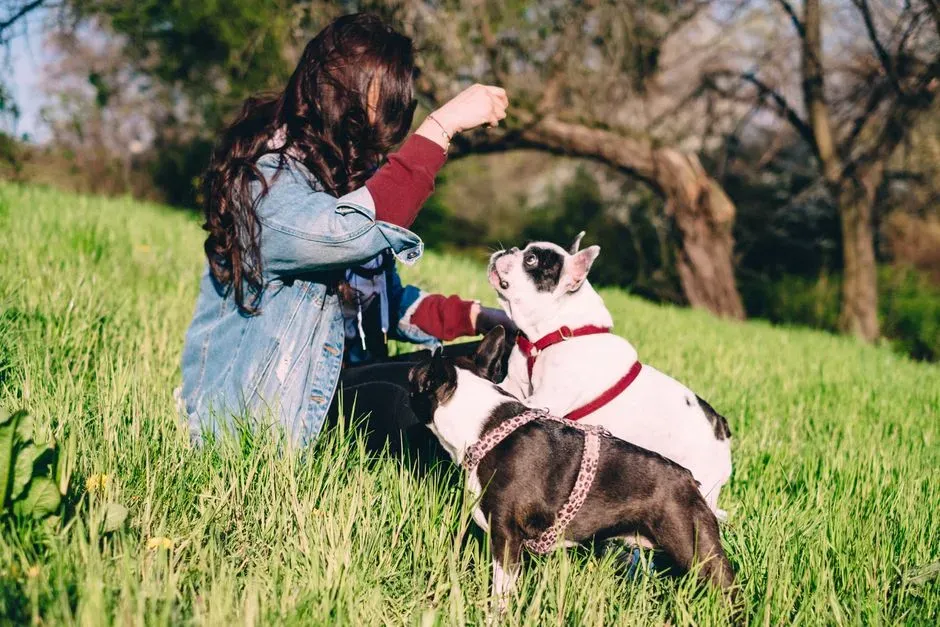
Some owners go quiet or freeze when a dog does something wrong, assuming the lack of response communicates disapproval. Dogs, however, don’t automatically interpret human silence as a correction; they may simply read it as neutral or even continue the behavior since nothing seems to be happening.
Clear, timely feedback, whether through a calm verbal marker or a brief redirection, tends to be far more informative to a dog than silence ever is. Communication with dogs works best when it’s active and consistent, not passive and assumed.
Most of these habits come from thinking about communication the way humans do rather than the way dogs actually process it. Small adjustments in timing, consistency, and tone tend to make the biggest difference in how clearly a dog understands what’s being asked of them.





Leave a Reply