
Walk into any specialty café and you’ll see a bar lined with gear that looks closer to a chemistry lab than a kitchen. At home, the same coffee can come from a drip machine, a plastic cone, or a pot that costs less than a bag of beans.
Baristas tend to agree on one thing: the method shapes the cup as much as the beans do. Here are six common home setups, weighed by what they cost to start and what they taste like in the mug.
Automatic Drip Machine
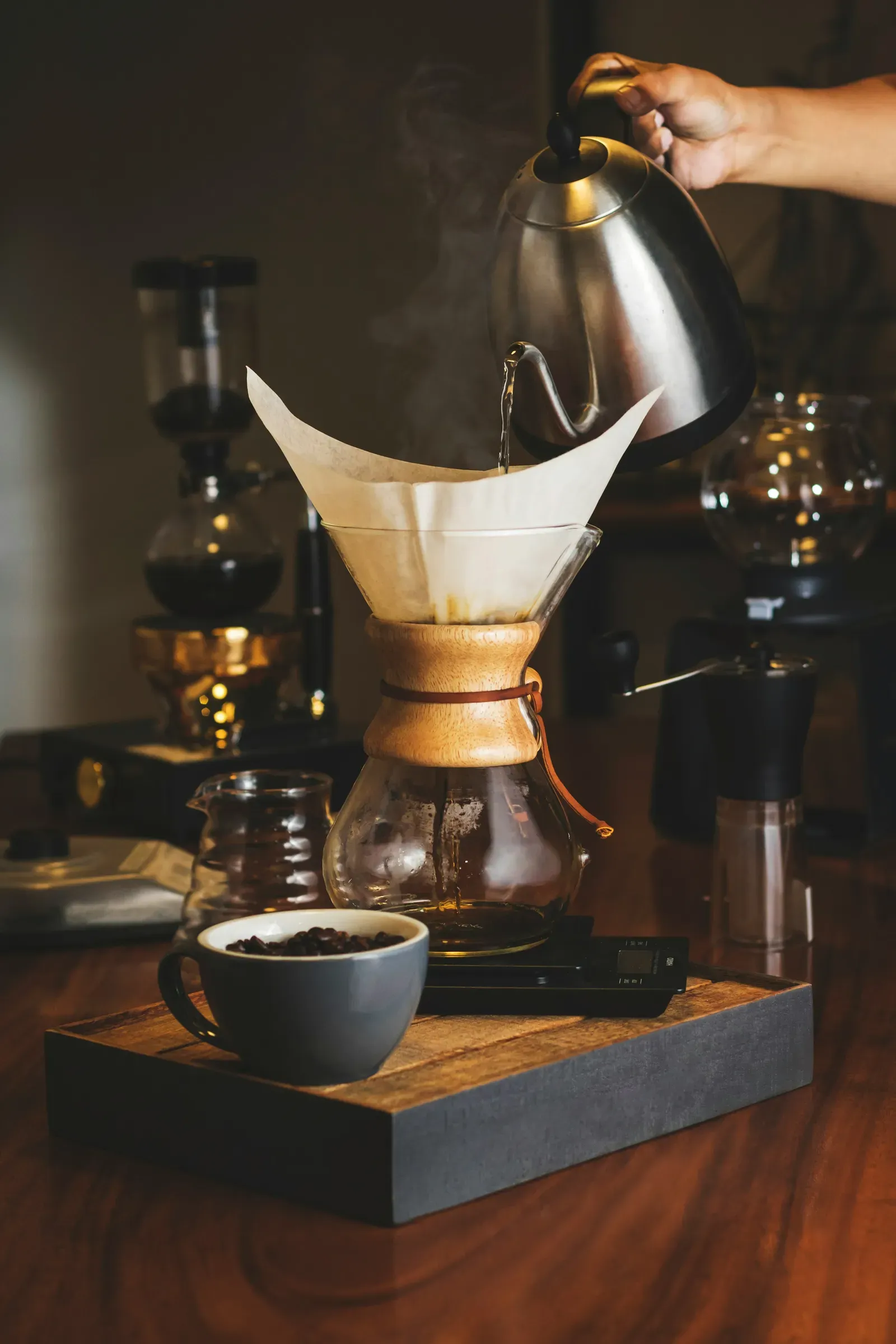
The automatic drip brewer is the workhorse of most households, and decent models start at a modest price. Better ones are certified by the Specialty Coffee Association, which tests that a machine heats water to the right temperature range and finishes a brew within a set time. That certification is a useful shortcut if you don’t want to guess.
In the cup, drip gives a clean, balanced, medium-bodied coffee. It rarely wows, but it’s consistent, and it makes a full pot while you do something else. Baristas often call it the best value for households that drink several cups each morning.
Pour Over With a Cone Dripper
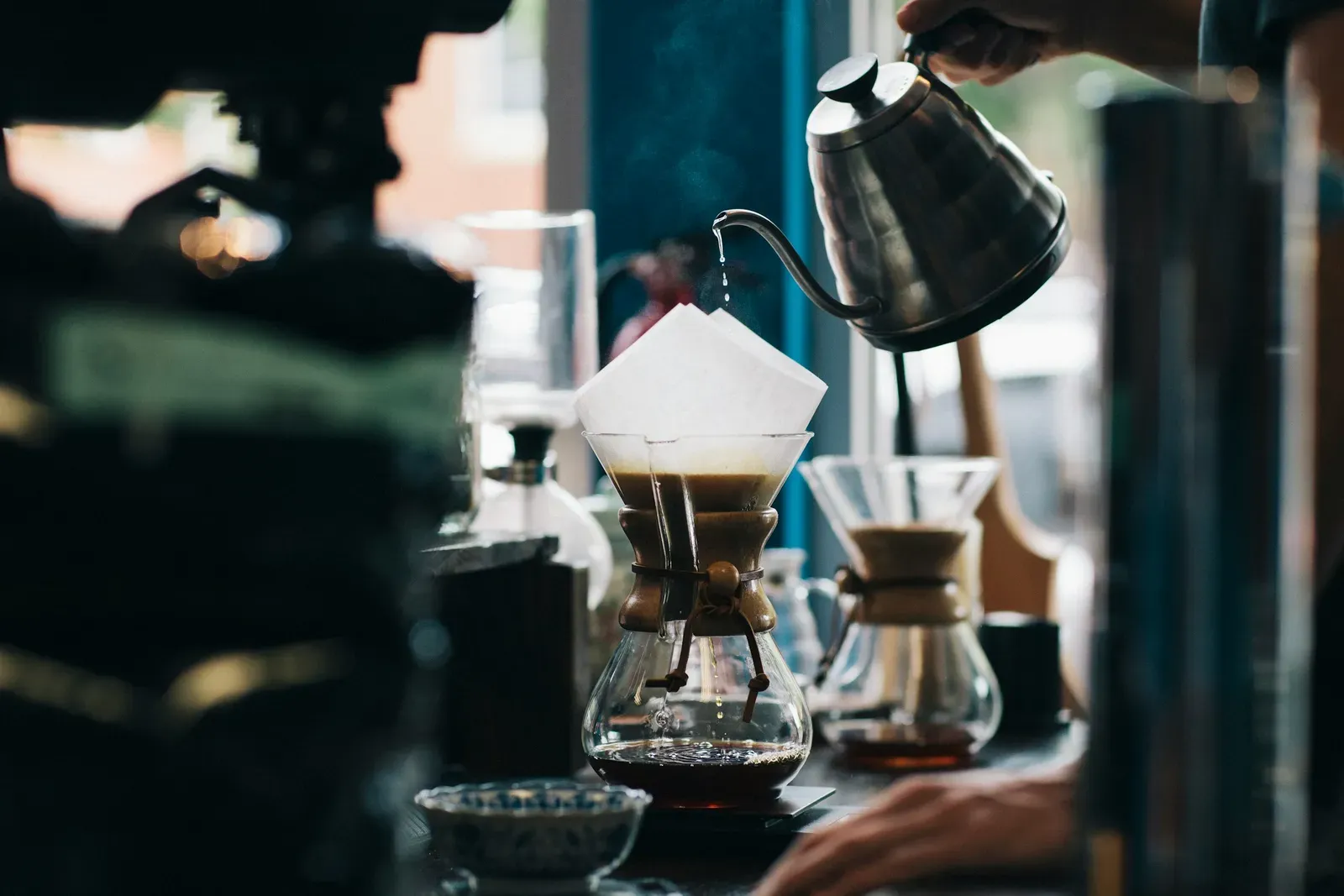
A plastic or ceramic cone, such as the Hario V60, costs very little, and paper filters are cheap. You’ll also want a gooseneck kettle and a scale, which is where the budget creeps up. Even so, the full setup usually stays well below the price of an espresso machine.
The payoff is clarity. Pour over highlights bright, fruity, and floral notes in lighter roasts, and it gives you control over water speed and timing. The tradeoff is attention, since technique changes the result from one morning to the next.
French Press
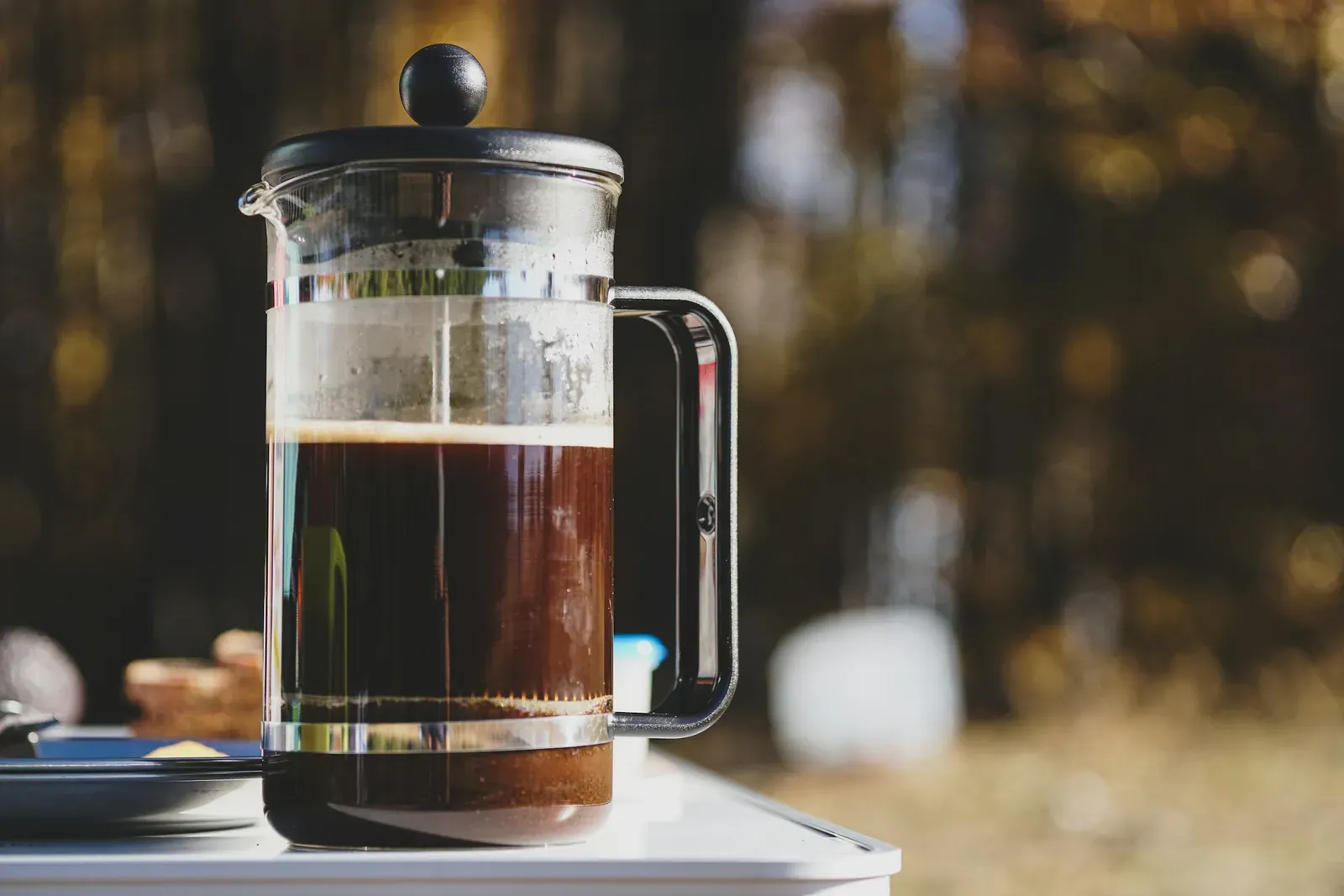
The French press is an immersion brewer. Coffee steeps in hot water, then a metal mesh plunger separates the grounds. The device is inexpensive, needs no paper filters, and lasts for years.
Because the metal mesh lets oils and fine particles through, the cup is heavy, rich, and full bodied. Some drinkers love that texture, while others find it muddy. It’s also worth knowing that unfiltered coffee contains compounds called diterpenes, which have been linked to higher cholesterol in some studies, so paper filtered methods may suit certain people better.
AeroPress
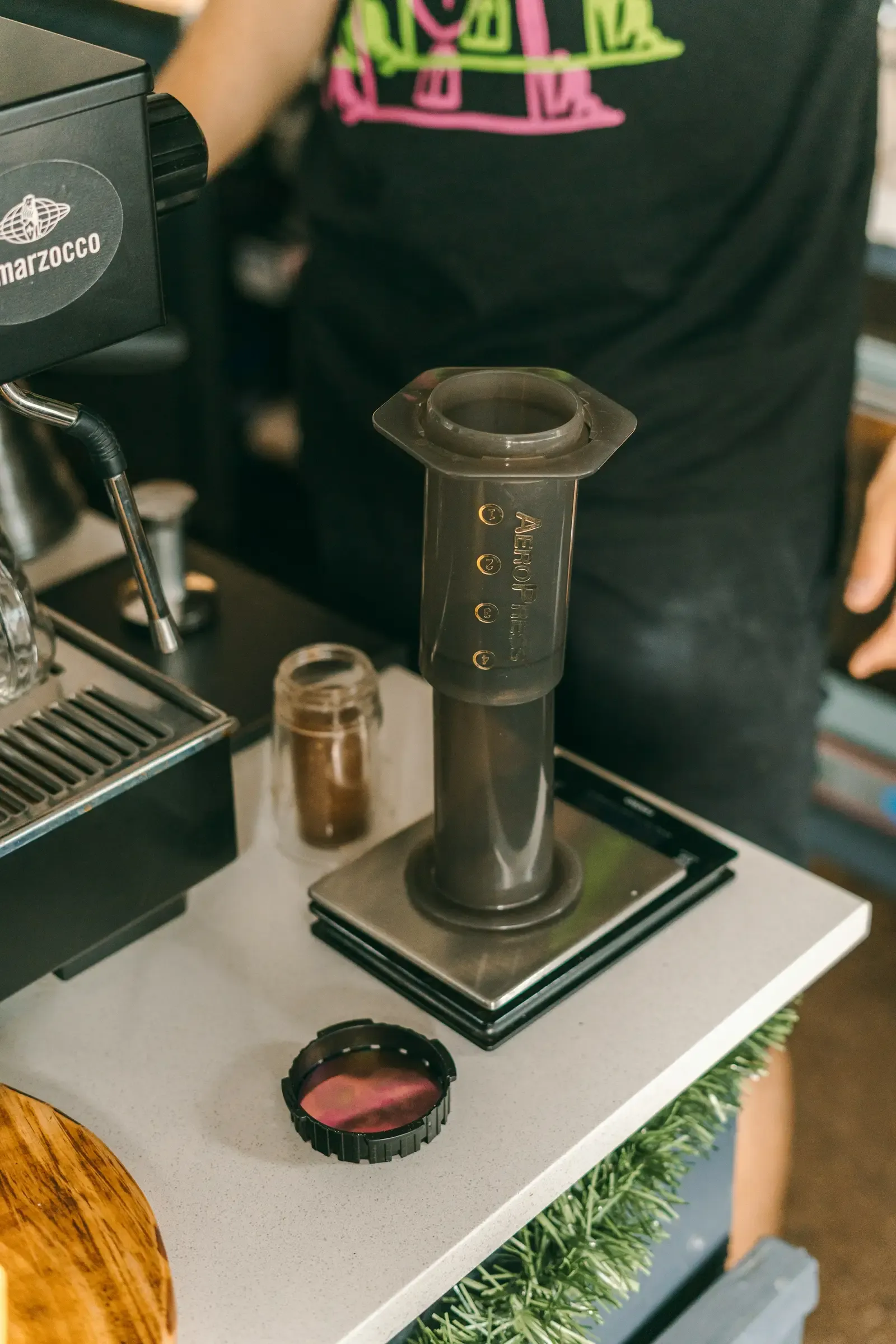
The AeroPress is a small plastic plunger brewer that sells for a modest price and is nearly unbreakable, which is why travelers love it. Paper filters are cheap, and cleanup takes seconds. It has also inspired an annual world championship, a sign of how much experimenting people do with it.
Taste sits between drip and espresso, with a smooth, low acidity cup that can be adjusted by changing grind, time, or dilution. Baristas like it for single cups and for its forgiving nature. It makes one or two servings at a time, so it isn’t ideal for a crowd.
Moka Pot
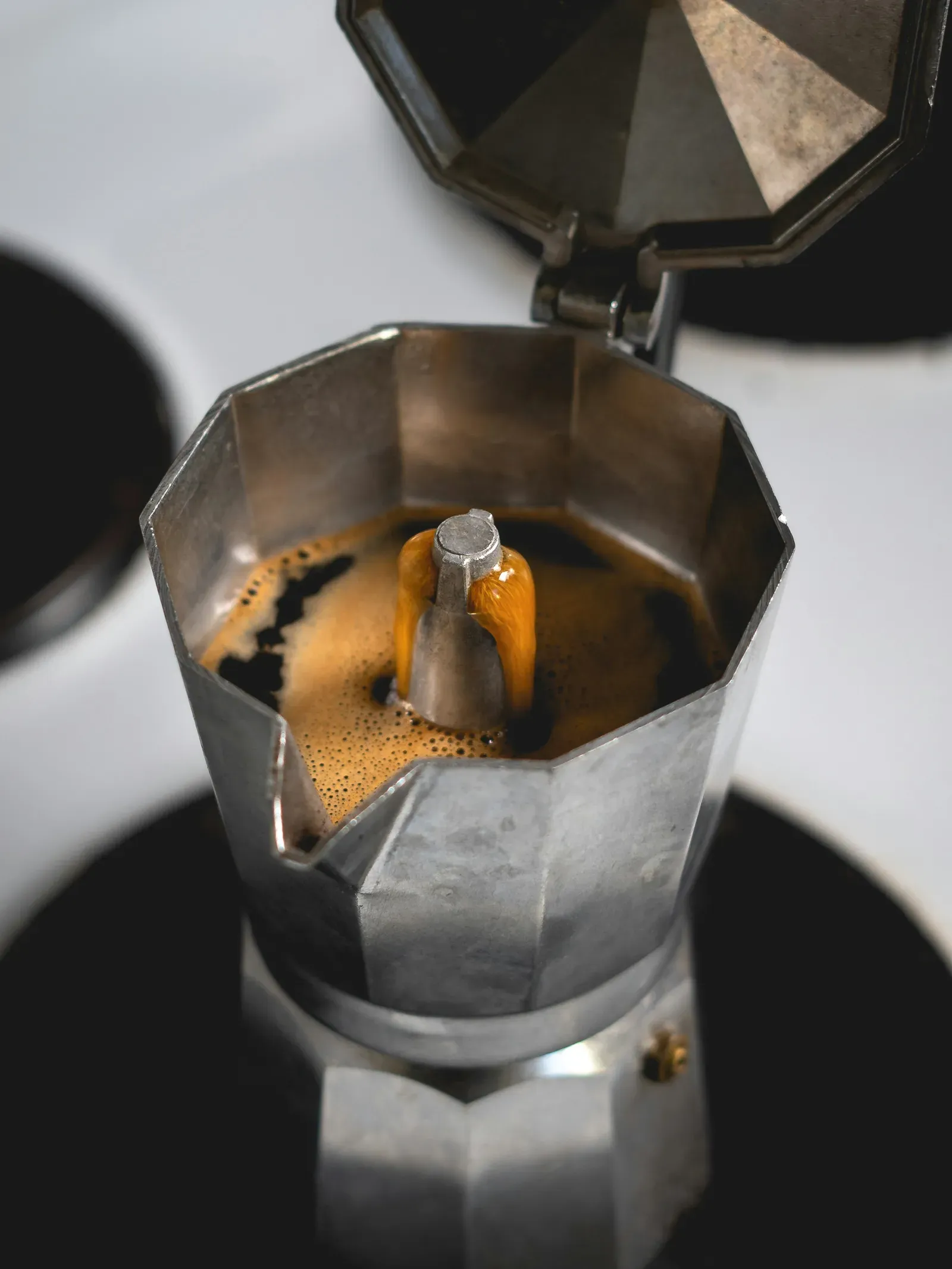
A stovetop moka pot is an Italian classic that costs about as little as a French press. It forces steam pressure through grounds, which is not true espresso, since it reaches far lower pressure than an espresso machine. Still, it produces a strong, concentrated coffee at a low price.
The flavor is bold, slightly bitter, and intense, and it works well with milk. Baristas warn that overheating can scorch the grounds, so pulling the pot off the heat once it starts to sputter helps. Practice matters more here than money.
Home Espresso Machine
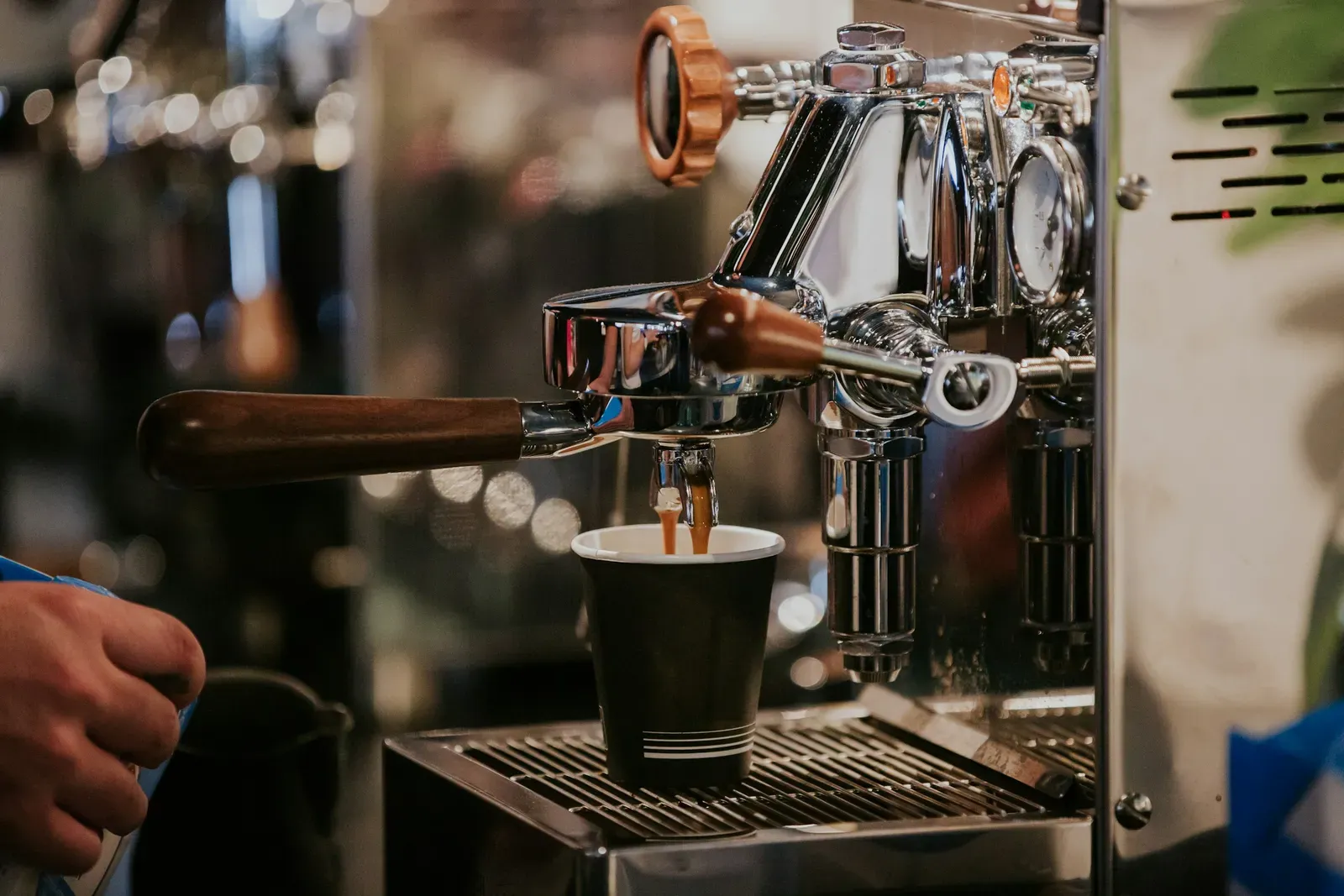
This is the expensive end of the list. Entry level machines cost a few hundred dollars, and quality models plus a good burr grinder can climb past a thousand. The grinder matters so much that many baristas suggest spending more on it than on the machine itself.
Espresso delivers the most concentrated, syrupy shot, with a layer of crema and a base for lattes and flat whites. If you drink milk drinks daily, the cost can be offset against café prices over time. For black coffee drinkers, though, the learning curve and upkeep may not justify the spend.


Leave a Reply