
Ask ten Americans to name their favorite sandwich and you’ll probably hear ten different answers. Many of those answers trace back to a single street corner, a hotel kitchen, or a lunch counter that fed hungry workers decades ago.
The origin stories are often tangled, with rival claims and tidy legends that are hard to prove. Here are eleven regional classics, along with the cities most closely tied to them and what’s reliably known about how they came to be.
Philly Cheesesteak, Philadelphia
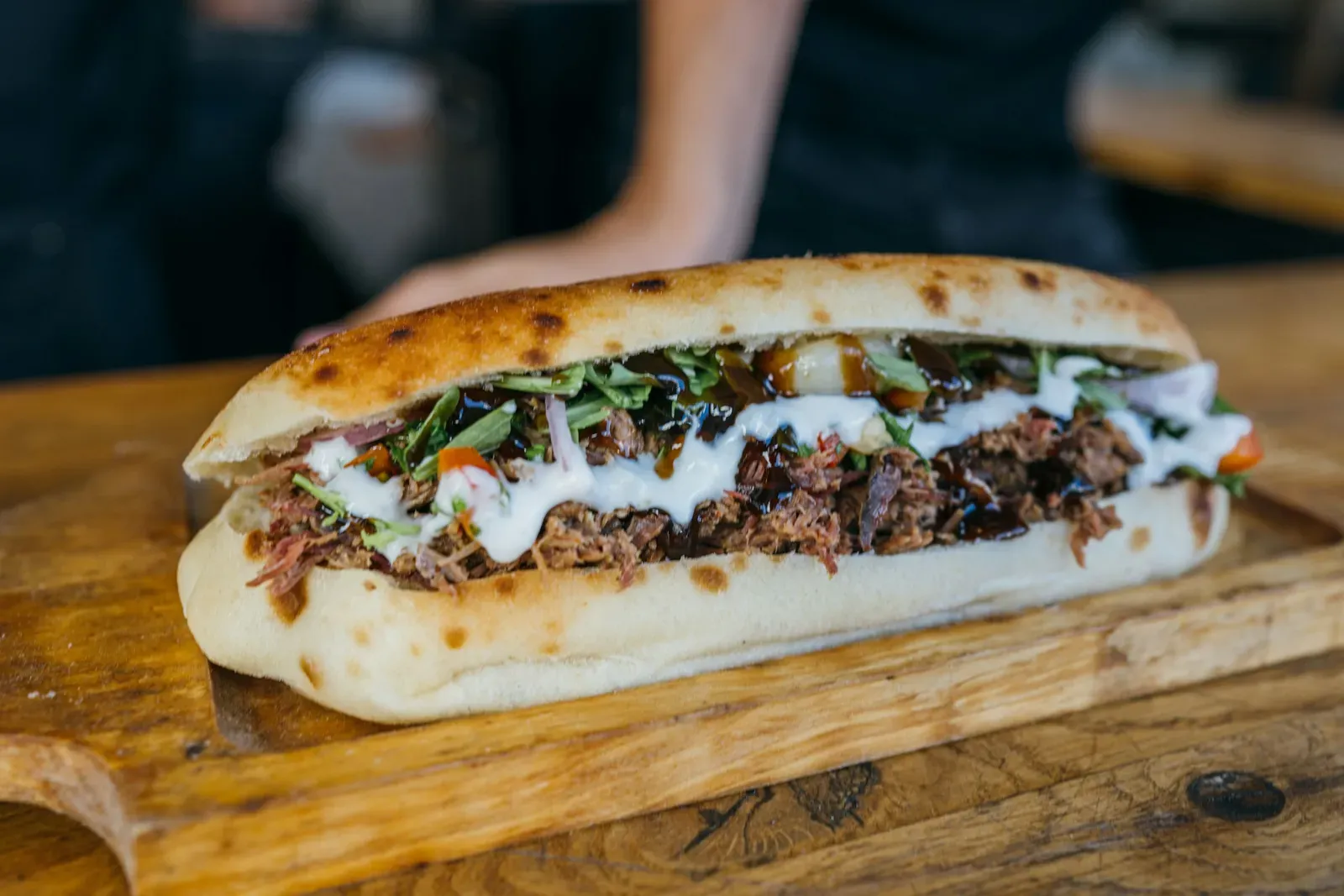
The cheesesteak is usually credited to Pat Olivieri, a hot dog vendor who is said to have started grilling chopped beef on his stand in the 1930s. The spot later grew into Pat’s King of Steaks in South Philadelphia, which is still open today.
The classic version uses thinly sliced ribeye on a long roll, topped with provolone, American cheese, or Cheez Whiz. Ordering with onions is called “wit” in local shorthand, and the rival shop Geno’s sits just across the intersection.
Italian Beef, Chicago
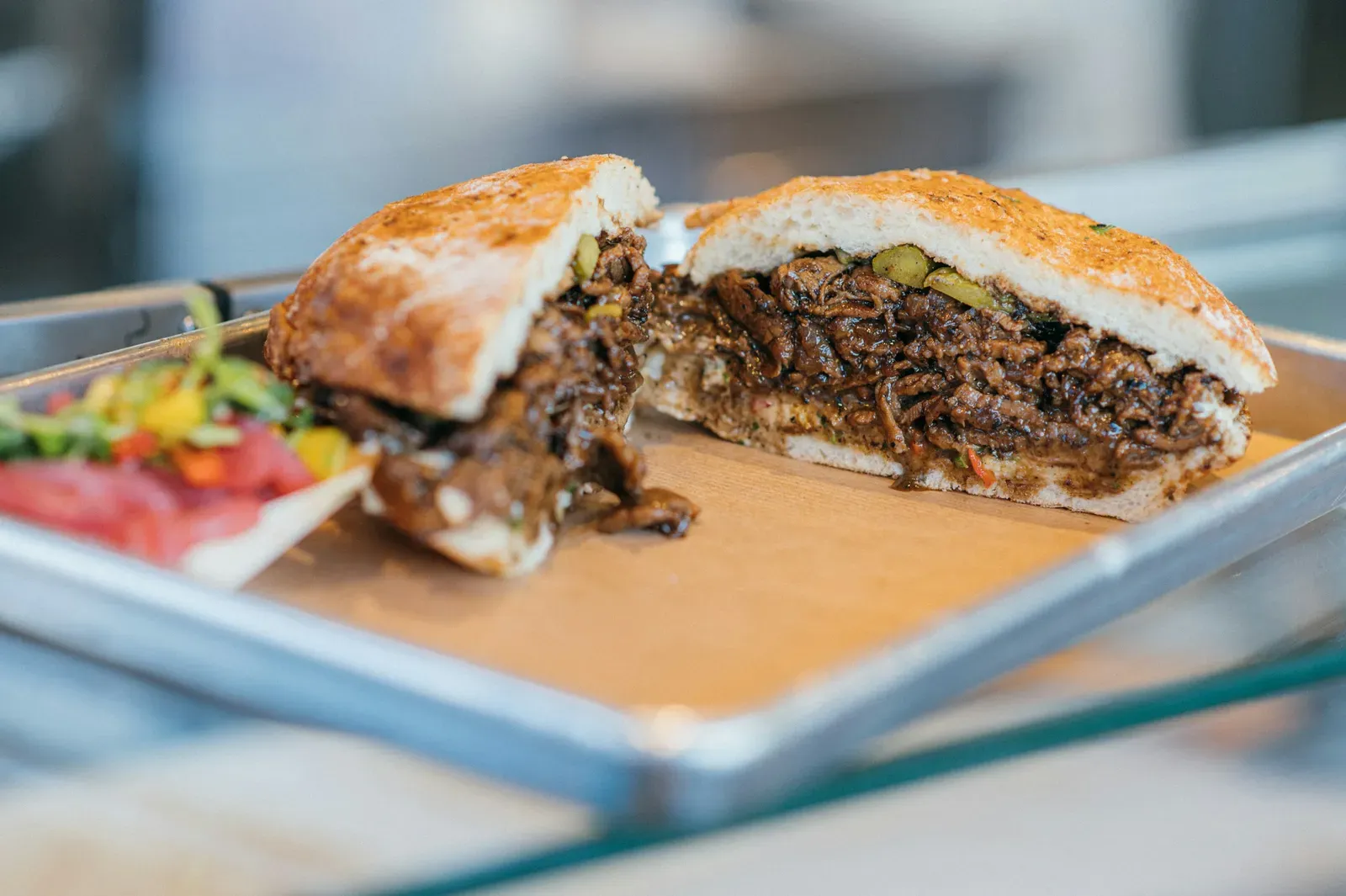
Chicago’s Italian beef is thin sliced roast beef simmered in seasoned juices and piled into a sturdy roll. Its roots are commonly traced to Italian American families in the early twentieth century, who stretched cuts of beef to feed large gatherings.
Most shops offer it dipped, meaning the whole sandwich gets a dunk in the juice. Hot giardiniera or sweet peppers are the usual toppings, and napkins are not optional.
Po’ Boy, New Orleans
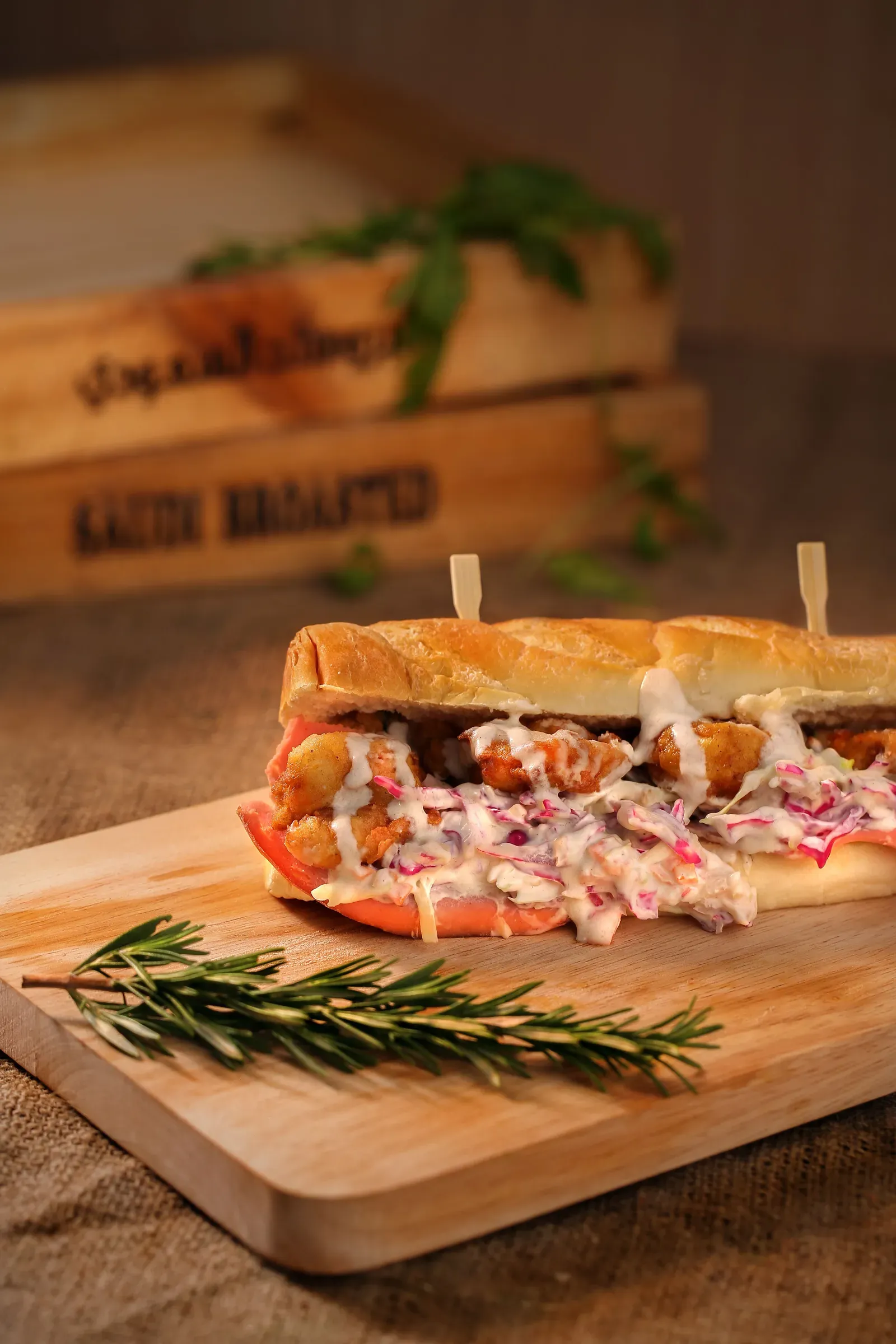
The po’ boy dates to 1929, when brothers Bennie and Clovis Martin, former streetcar conductors, fed striking transit workers from their restaurant. The name comes from the way the brothers referred to those out of work.
It’s built on crisp, light New Orleans French bread, and fillings range from fried shrimp and oysters to roast beef with gravy. Ordering one “dressed” gets you lettuce, tomato, pickles, and mayonnaise.
Muffuletta, New Orleans
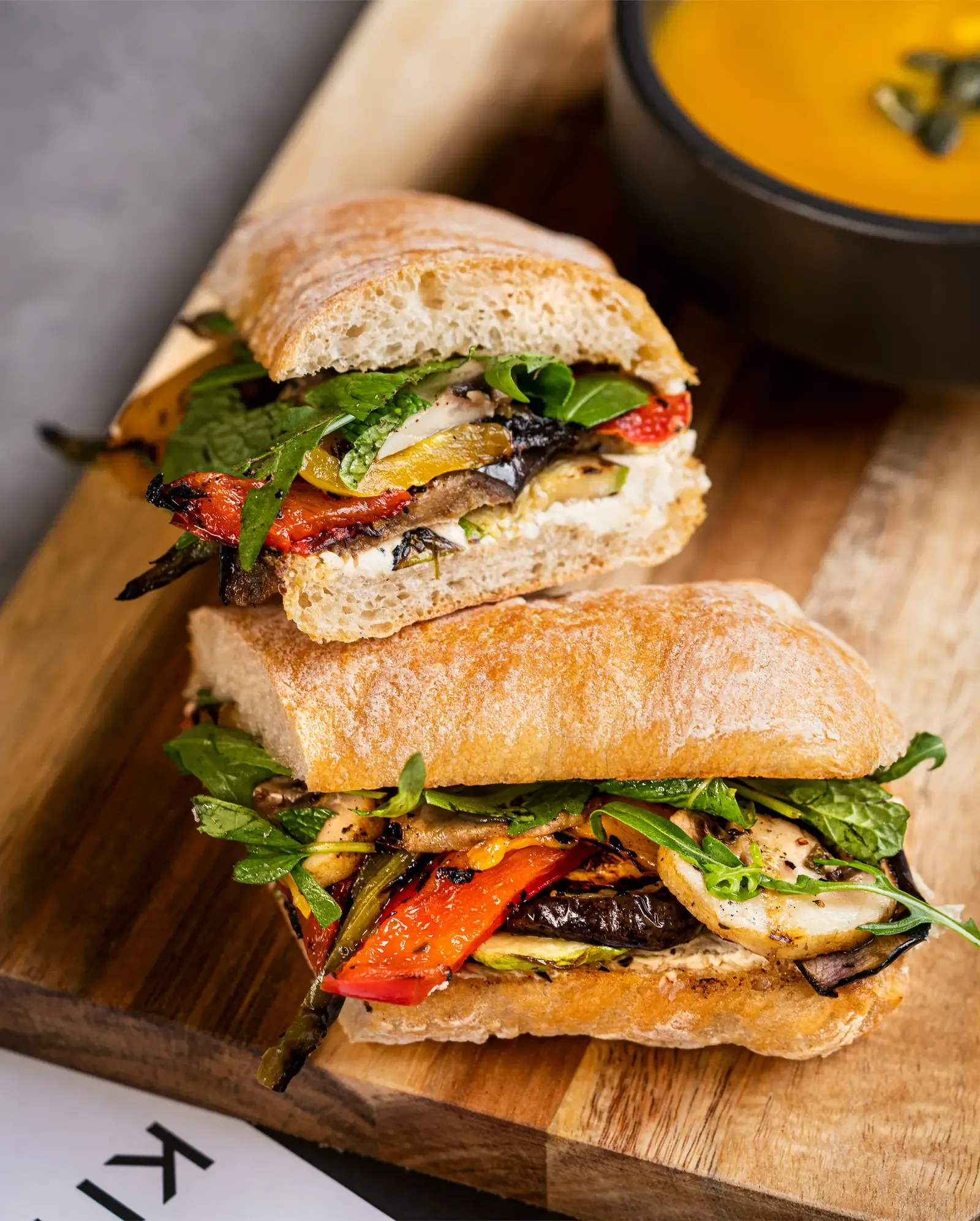
Central Grocery in the French Quarter is widely credited with creating the muffuletta in 1906. Founder Salvatore Lupo, a Sicilian immigrant, reportedly served Italian farmers a plate of meats, cheese, and olive salad that was soon stacked inside a round loaf.
The traditional filling includes salami, ham, mortadella, provolone, and a briny olive salad. The sandwich is large enough that a single one is often split between two people.
Cuban Sandwich, Tampa and Miami
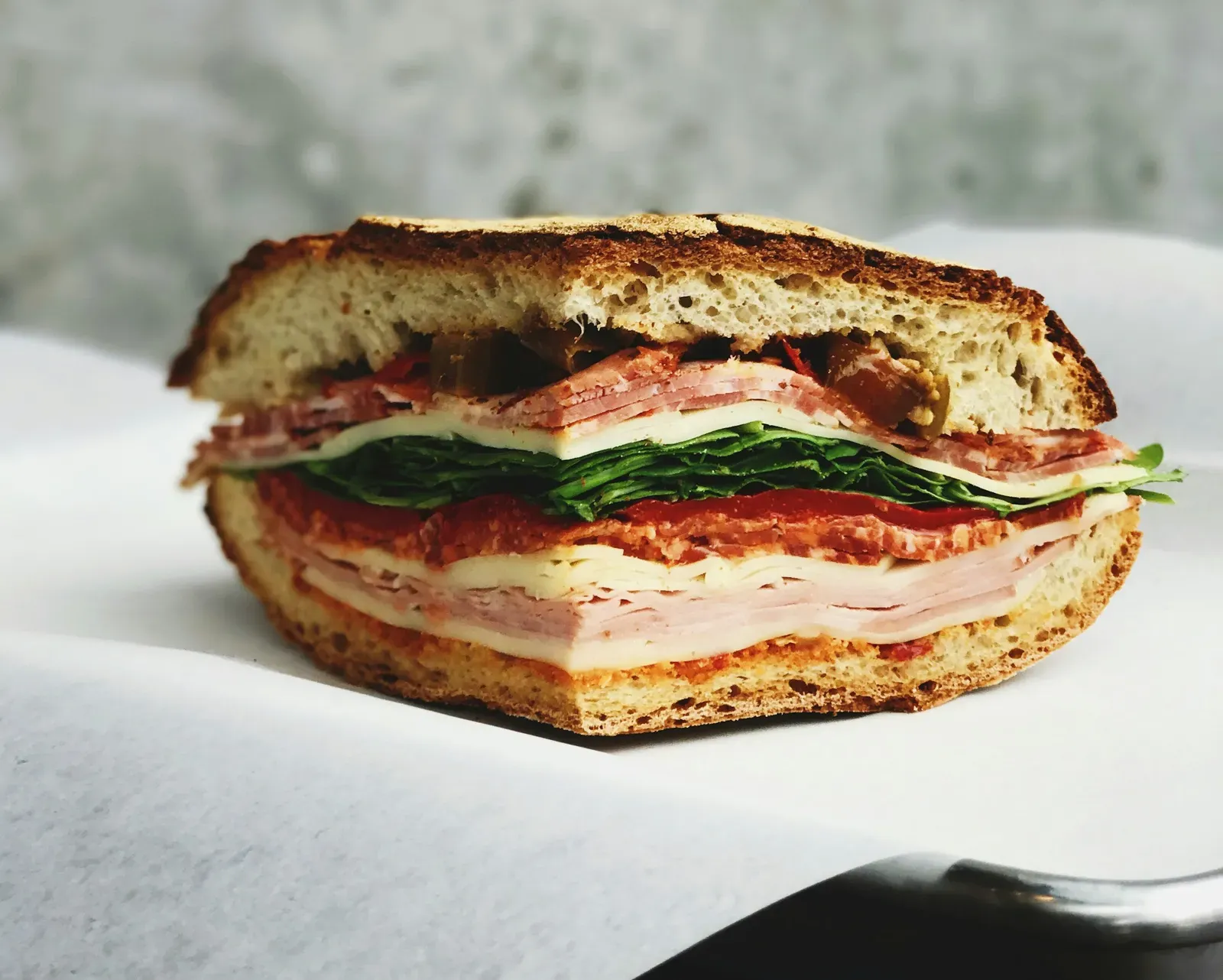
The Cuban grew out of Cuban immigrant communities in Florida, where cigar workers needed hearty, portable lunches. Tampa’s Ybor City and Miami both have strong claims to it.
The base recipe is roast pork, ham, Swiss cheese, pickles, and mustard on Cuban bread, pressed until crisp. Tampa’s version adds Genoa salami, a detail that fuels a friendly argument with Miami. Tampa’s city council went so far as to declare the salami version the city’s official historic sandwich in 2012.
Reuben, Omaha or New York
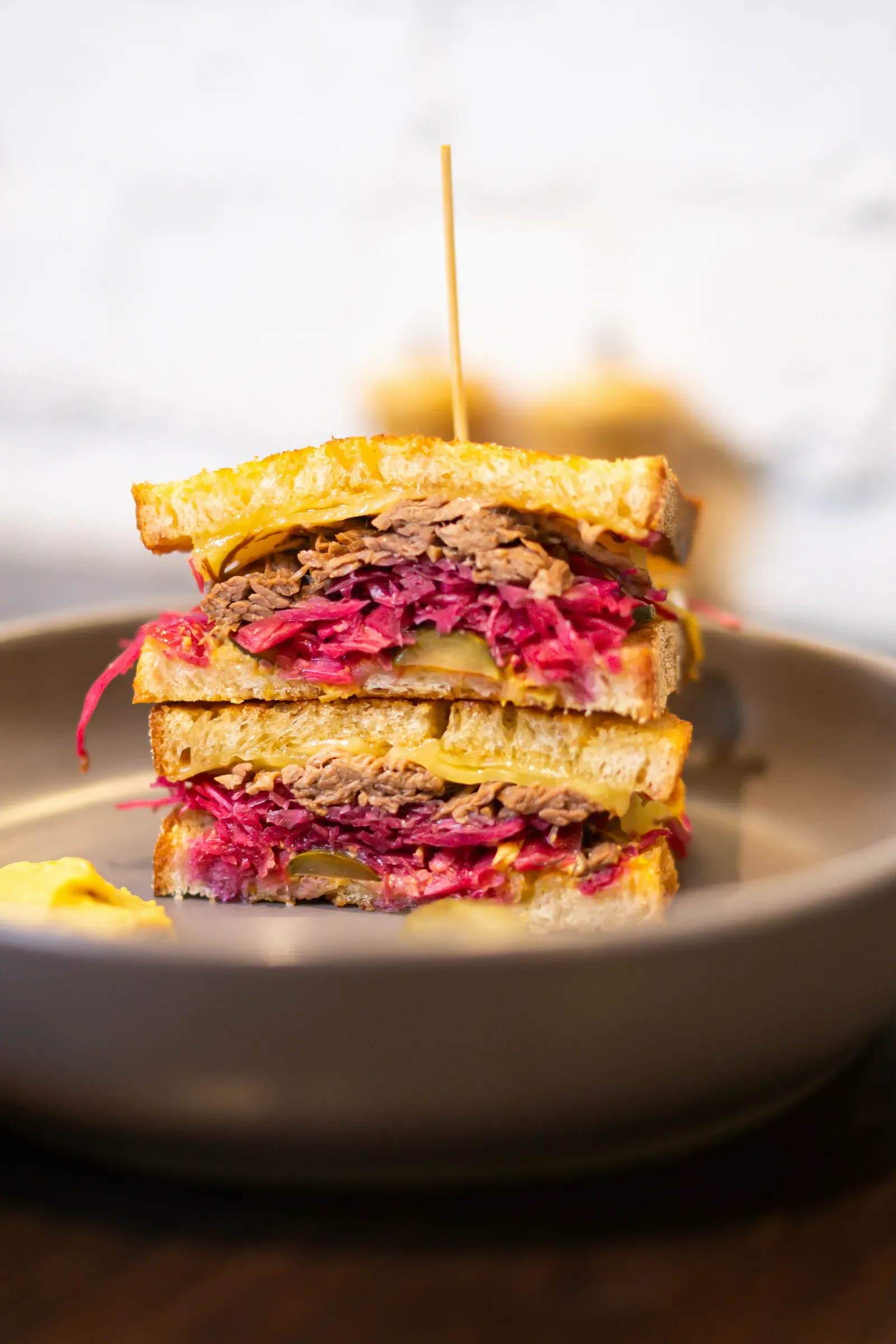
The Reuben’s birthplace is honestly disputed. One story points to Omaha, Nebraska, and a grocer named Reuben Kulakofsky, whose poker group supposedly inspired the sandwich at the Blackstone Hotel. Another credits Arnold Reuben of New York City.
No one has settled the question with firm evidence. What isn’t in doubt is the recipe: corned beef, Swiss cheese, sauerkraut, and Russian or Thousand Island dressing on grilled rye.
French Dip, Los Angeles
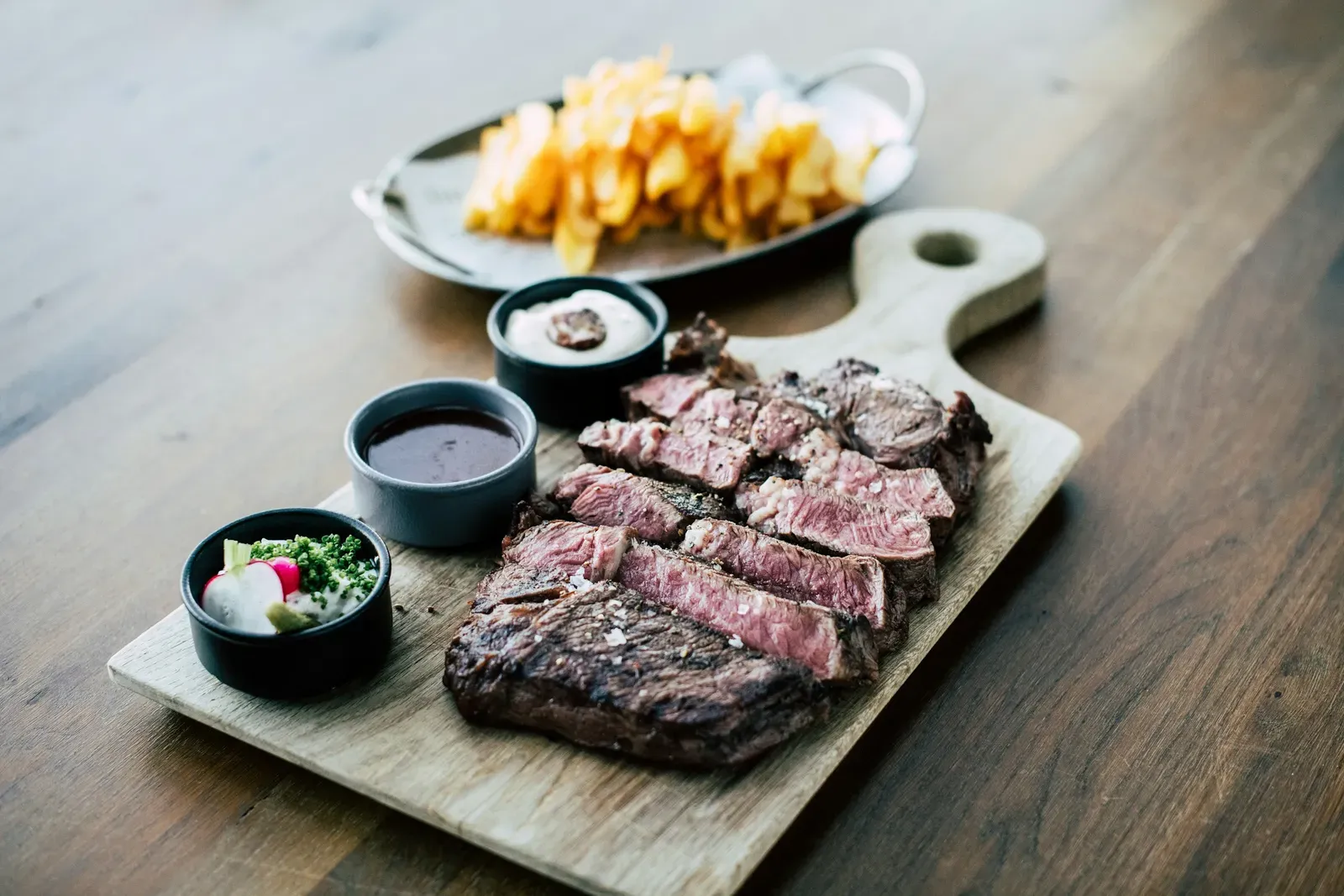
Two Los Angeles institutions, Philippe the Original and Cole’s, both say they invented the French dip in the early 1900s. Philippe’s account involves a roll accidentally dropped into a pan of roasting juices around 1918, while Cole’s claims an earlier date.
Either way, the concept is simple. Sliced roast beef goes onto a French roll, and a cup of au jus comes alongside for dipping. Both restaurants still serve it downtown.
Hot Brown, Louisville
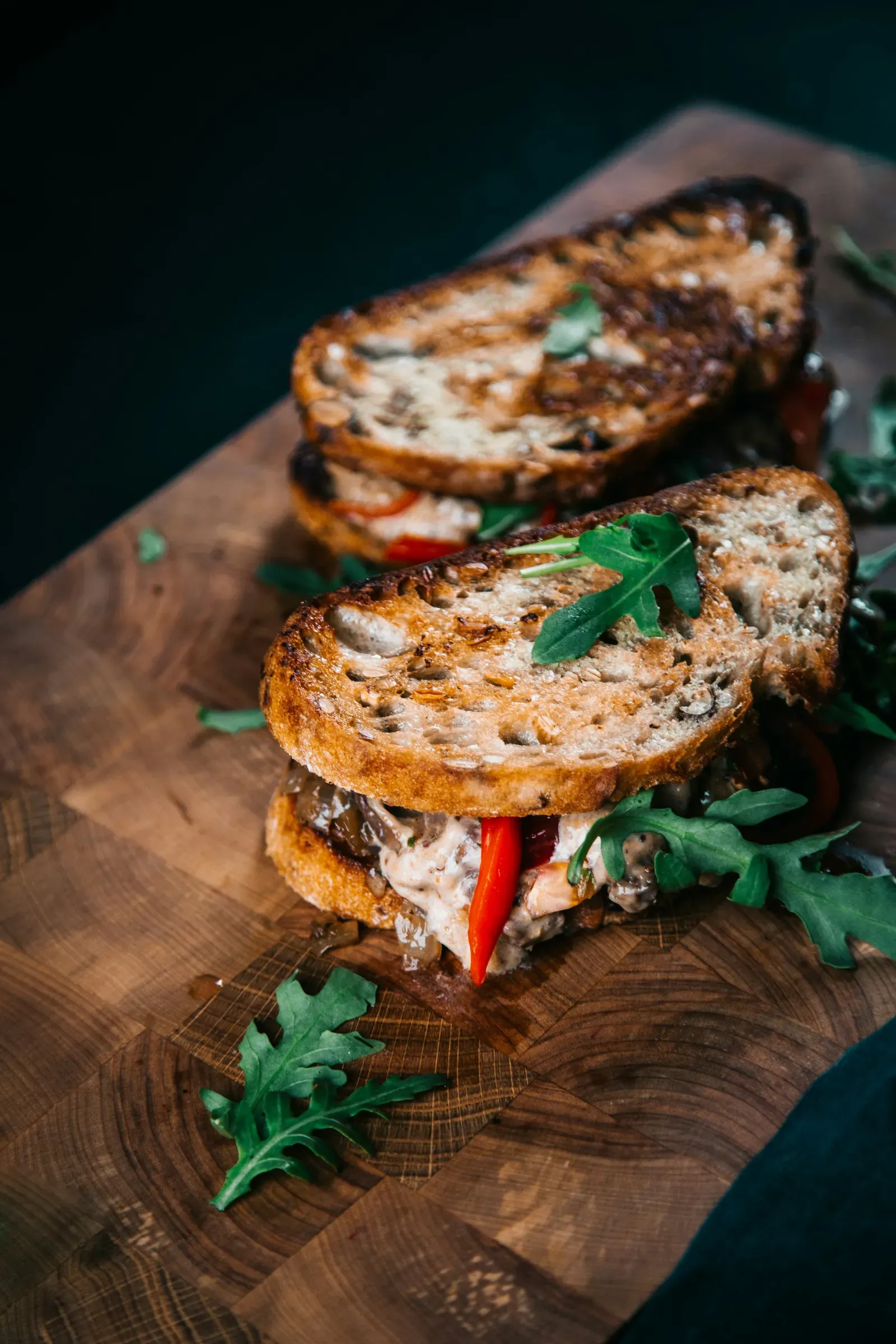
The Hot Brown was created at the Brown Hotel in Louisville in the 1920s. Chef Fred Schmidt is credited with it, as a late night alternative to the usual ham and eggs for guests leaving dances.
It’s an open faced sandwich of roasted turkey on toast, covered in Mornay sauce, then topped with bacon and tomato and browned under the broiler. You’ll want a fork and knife for this one.
Primanti Bros. Sandwich, Pittsburgh
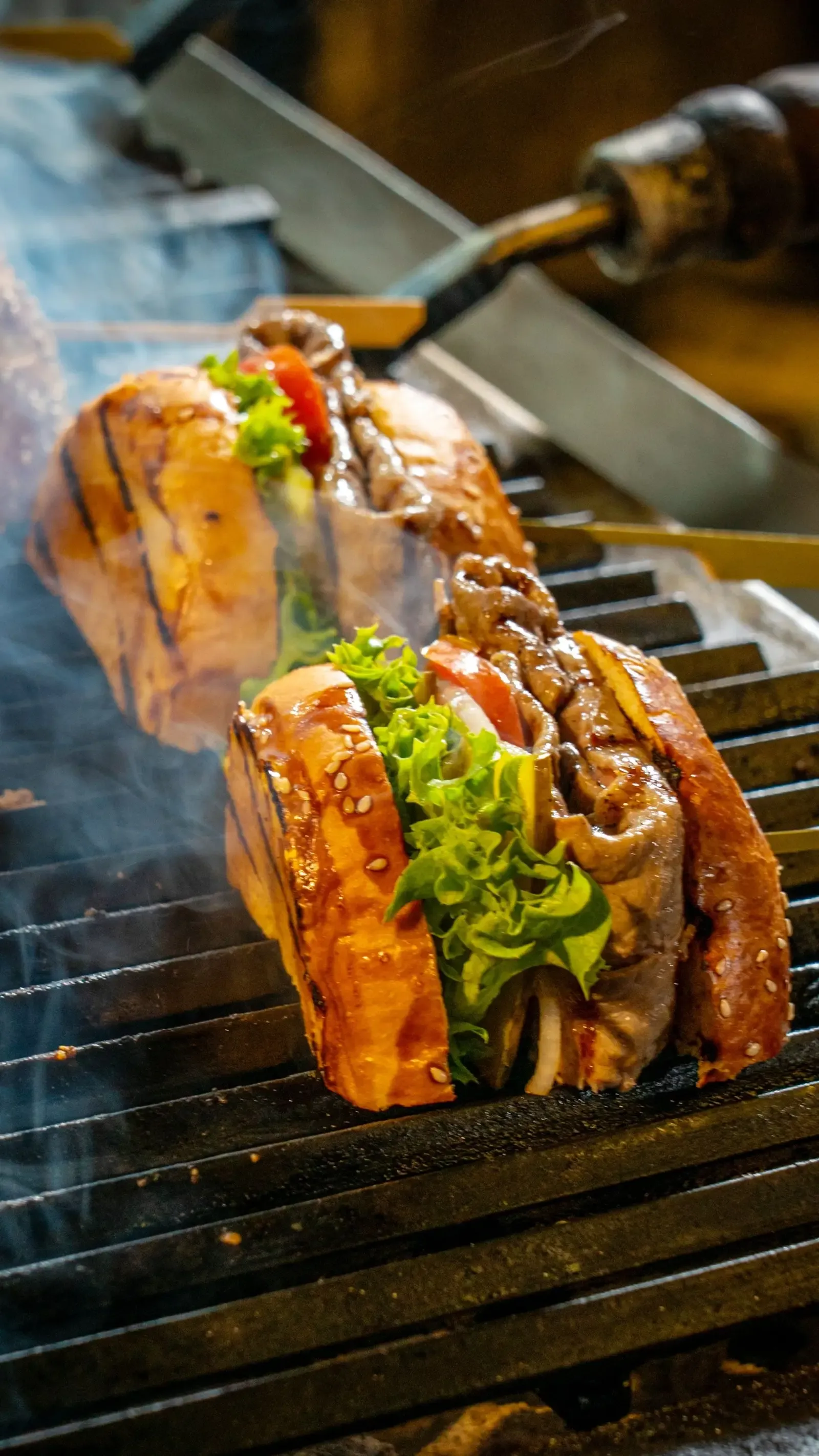
Primanti Bros. opened in Pittsburgh’s Strip District in the 1930s, serving truck drivers who needed to eat quickly with one hand. The shop began adding fries and coleslaw directly to the sandwich so drivers wouldn’t need a side dish.
That habit became the signature. Today the sandwich comes stacked with grilled meat or cheese, tomato, a pile of fries, and slaw between two thick slices of Italian bread.
Lobster Roll, Milford and Maine
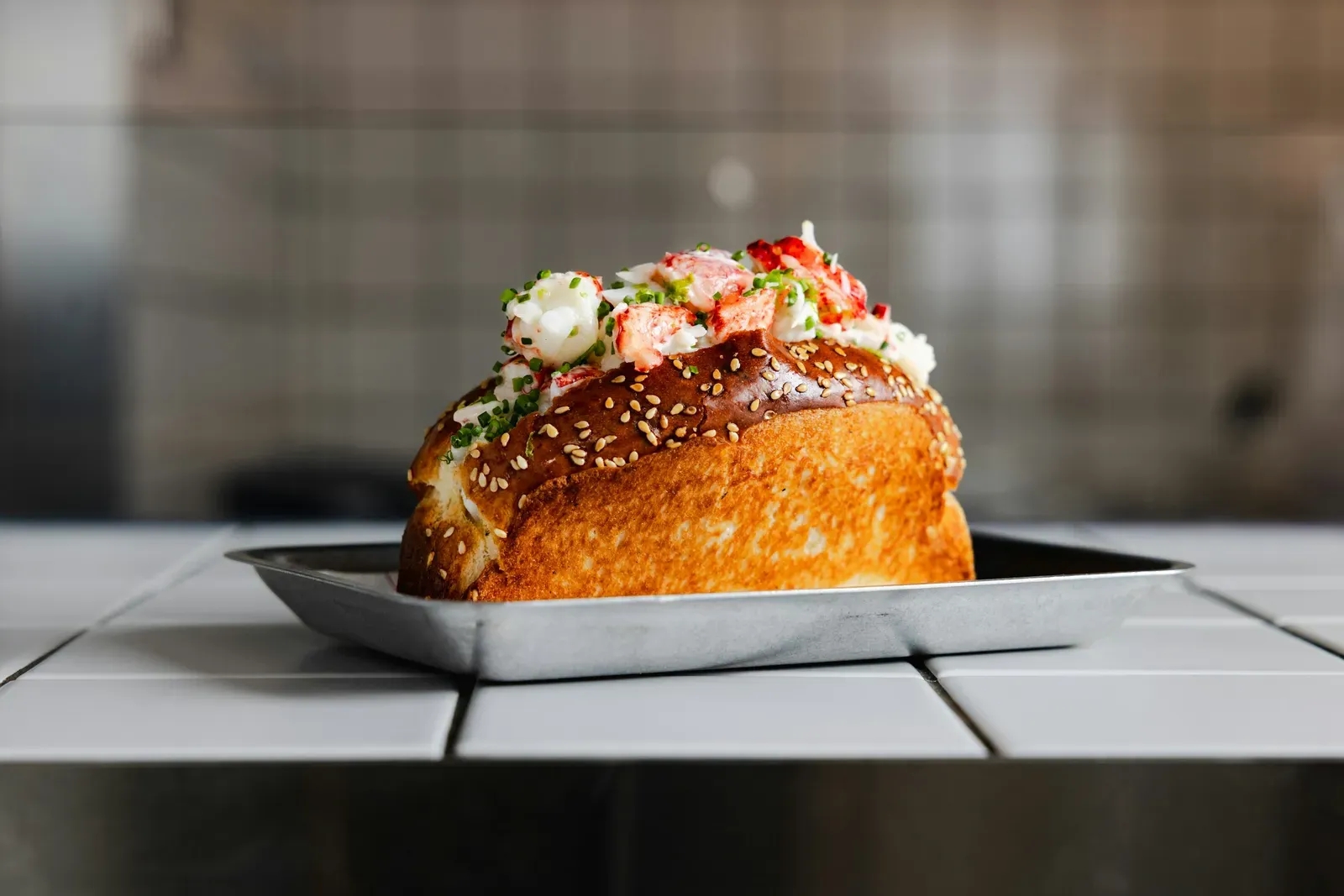
Perry’s, a restaurant in Milford, Connecticut, is often cited as the origin of the lobster roll, which it says it began serving in 1927. That original style features warm lobster meat dressed in melted butter on a toasted bun.
Maine popularized the cold version, with chilled lobster and mayonnaise, and it’s now the state’s best known sandwich. The two styles coexist, and which one is “correct” depends on where you’re standing.
Beef on Weck, Buffalo
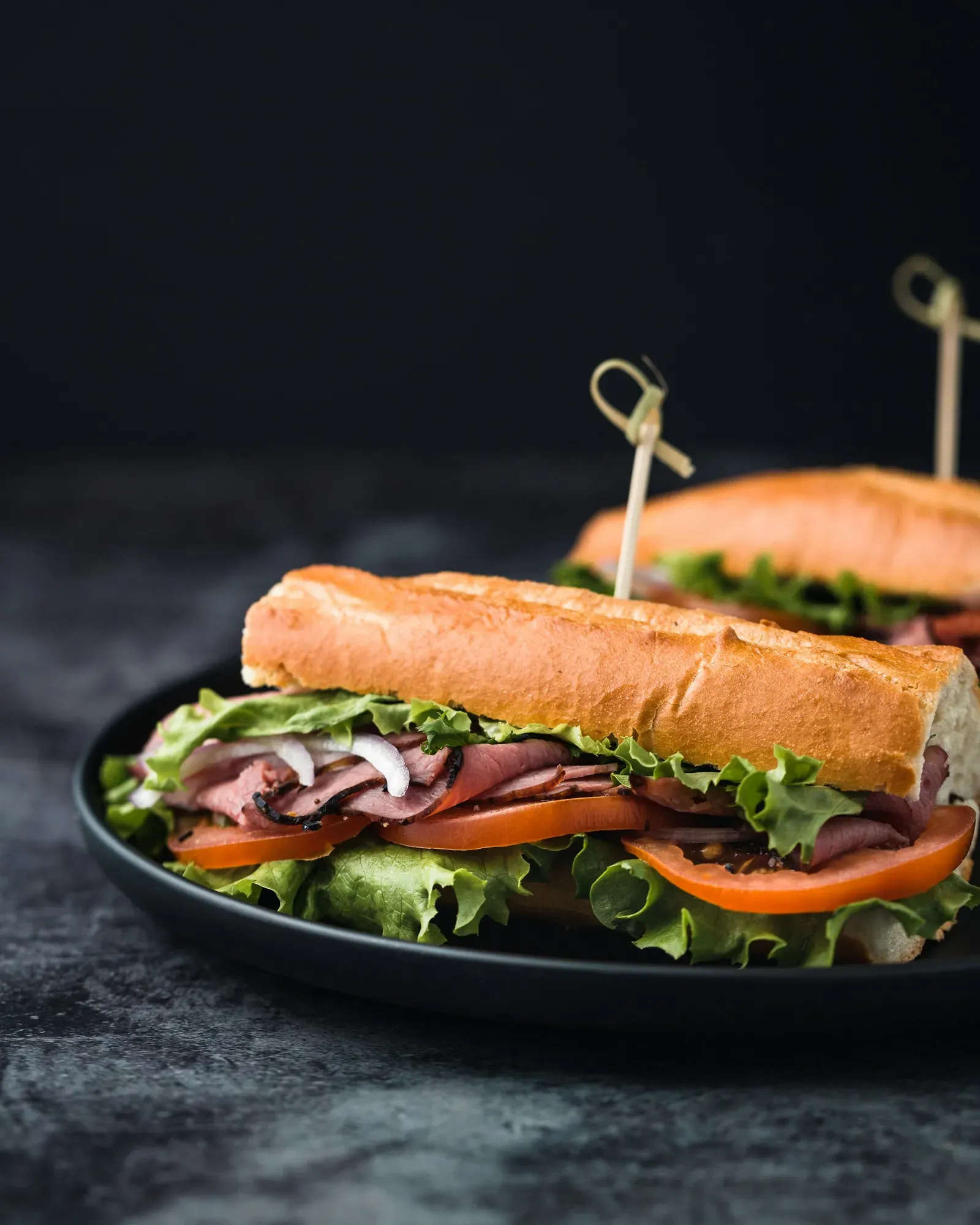
Beef on weck is a western New York specialty. It features thinly sliced roast beef piled on a kummelweck roll, a soft roll topped with coarse salt and caraway seeds.
Sharp horseradish is the standard condiment, and the roll’s salty crust balances the rich beef. It remains a staple of Buffalo taverns and is easiest to find in that region.





Leave a Reply