
1. Bottled water

Bottled water is one of the clearest examples of paying a premium for something nearly free at home. The average cost of bottled water exceeds tap water by more than 2,000 times. Even budget brands purchased in bulk still cost far more per gallon than what comes out of a kitchen faucet.
Bottled water is certainly convenient if you’re out and about, but purchasing it is not only paying for a resource you probably have for free or at a low cost in your own home, it also creates plastic waste. Frugal people fill reusable containers and bring their own water with them. A basic filter pitcher or faucet attachment pays for itself within weeks for most households.
2. Pre-made rotisserie meals and grab-and-go entrees
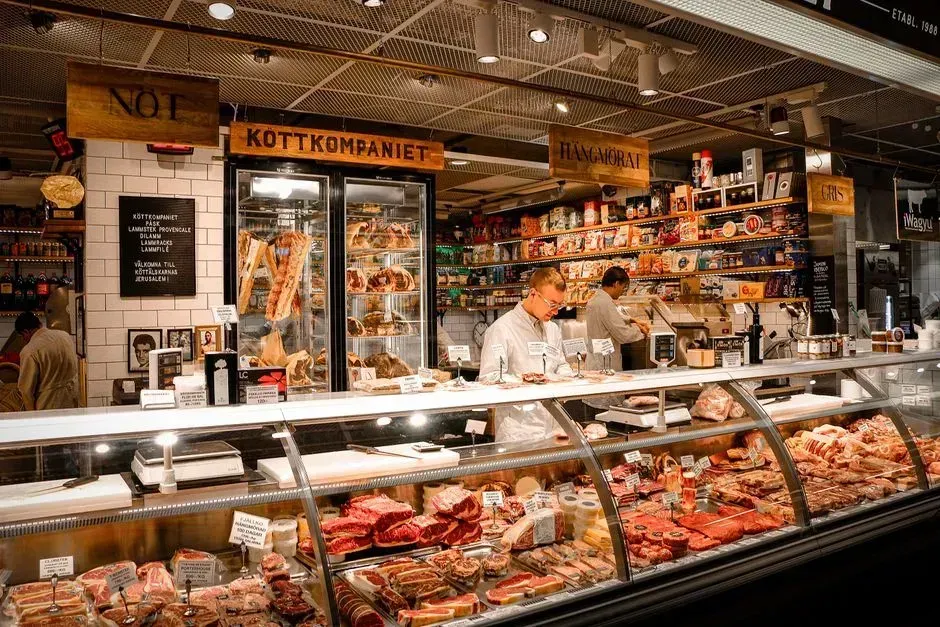
Grocery store delis are stocked with tempting shortcuts, sandwiches, salads, and full dinners ready to eat on the spot. Lots of grocery stores offer ready-to-eat foods like sandwiches, salads, and even dinner entrees that are tempting to grab, but frugal people know most of these foods are a lot more expensive than making a big batch meal with their own ingredients, so it’s better to think about meal planning for the week.
The math rarely favors convenience here. A meal that costs three or four dollars per serving to make at home can easily run twice that when someone else does the cooking, even inside a grocery store.
3. Off-season produce at full price
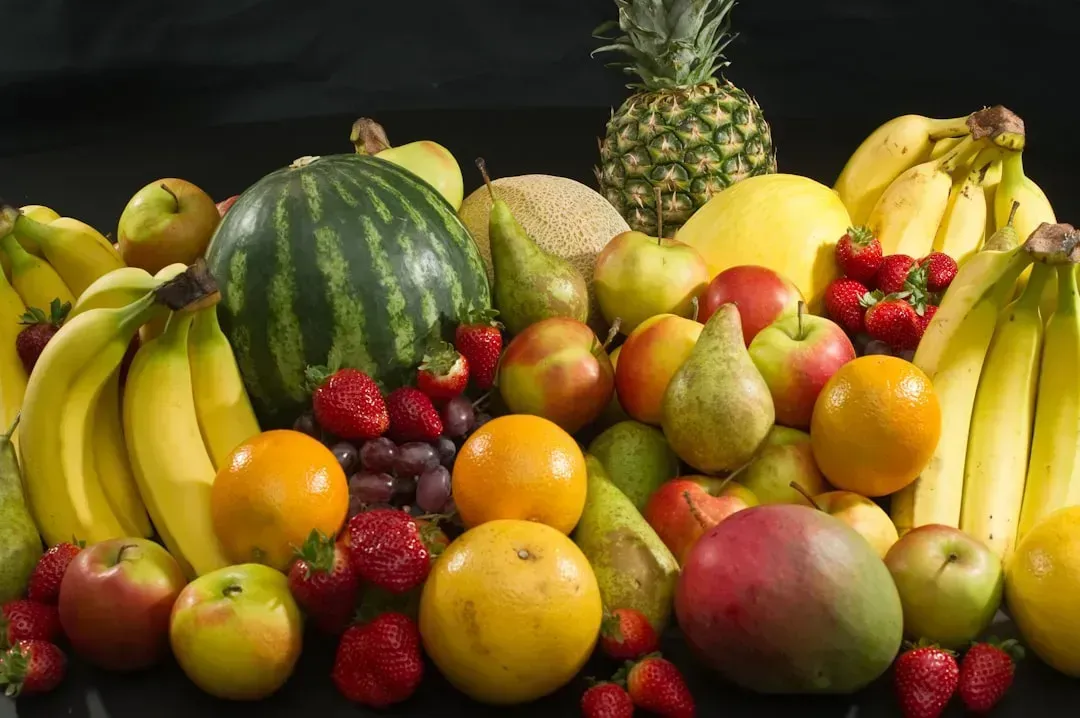
Walking past a pile of glossy berries or stone fruit in the middle of winter is tempting, but frugal shoppers know the price tag usually reflects how far that produce traveled. There’s nothing more tantalizing than a mountain of gleaming fruit when it’s a season when those fruits aren’t naturally occurring, but the problem is that off-season fruits are generally marked up quite a lot, making them too pricey to be worth the expense.
Sticking to what’s in season, or buying frozen versions of out-of-season favorites, tends to deliver similar nutrition for a fraction of the cost. Frozen fruit in particular holds its vitamin content well and works fine in smoothies and baking.
4. Individually packaged snacks
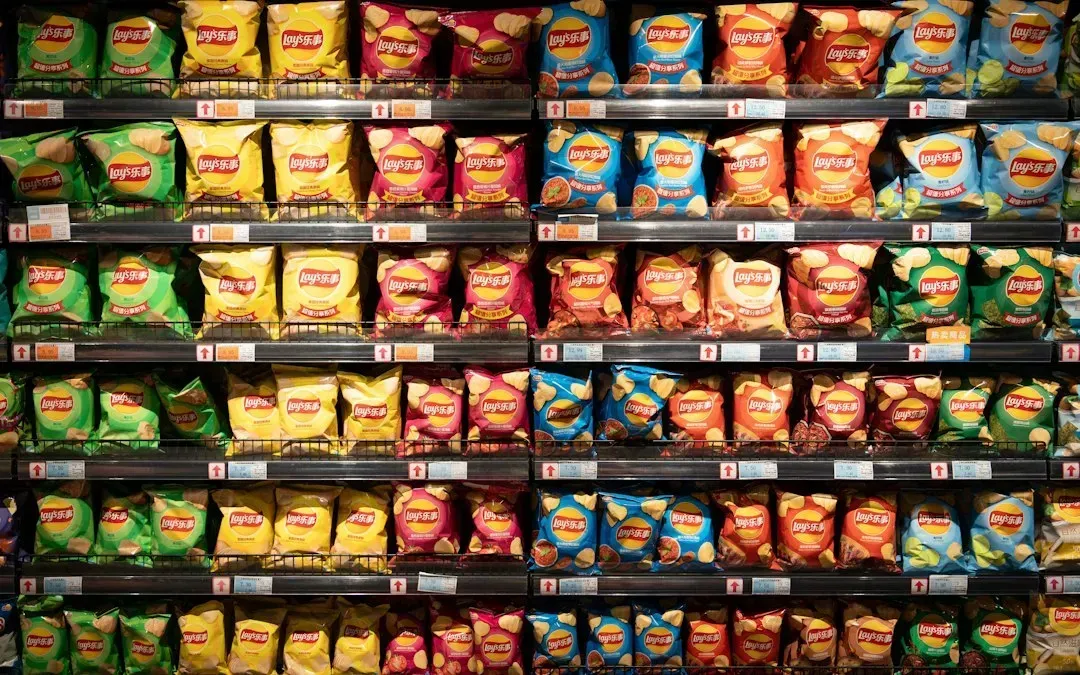
Single-serving chip bags, snack packs, and juice boxes carry a packaging tax that adds up fast over a year of shopping trips. Buying the family-size version and portioning it out at home into reusable containers accomplishes the same convenience goal for noticeably less money.
This is one of those habits that seems minor in any single trip but compounds over months. A household going through several snack packs a week can often cut that category’s cost by a third or more just by portioning bulk snacks themselves.
5. Pre-cut fruits and vegetables
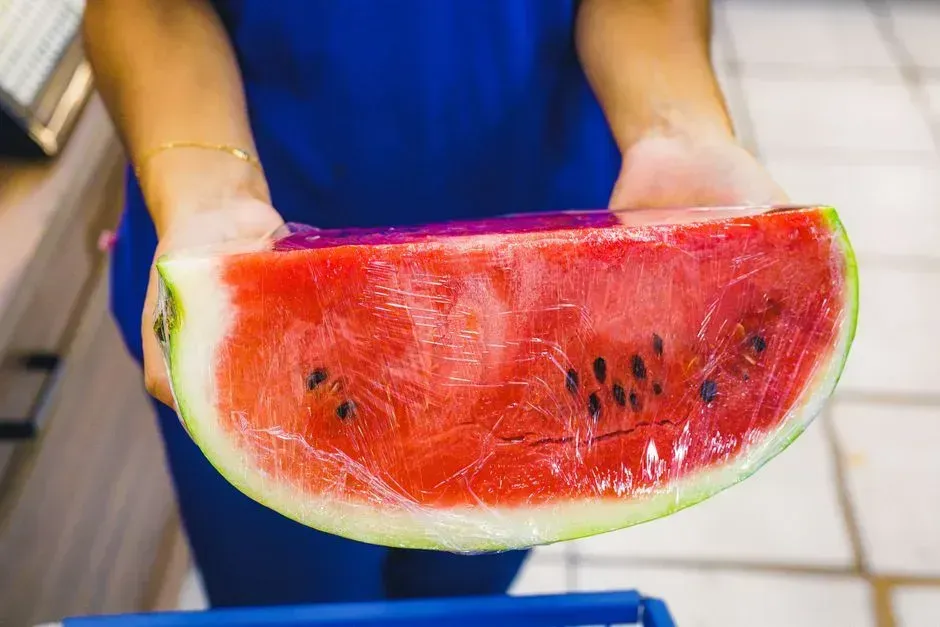
Paying extra for someone else to slice a melon or chop an onion is essentially outsourcing a five-minute task. The markup on pre-cut produce is often steep, since the convenience comes bundled with extra packaging and faster spoilage.
Frugal shoppers generally buy whole produce and do their own prep work, even if it means keeping a sharper knife on hand. The savings show up clearly when comparing the per-pound price of a whole pineapple against a container of pre-cut chunks sitting a few feet away.
6. Specialty broths and stocks
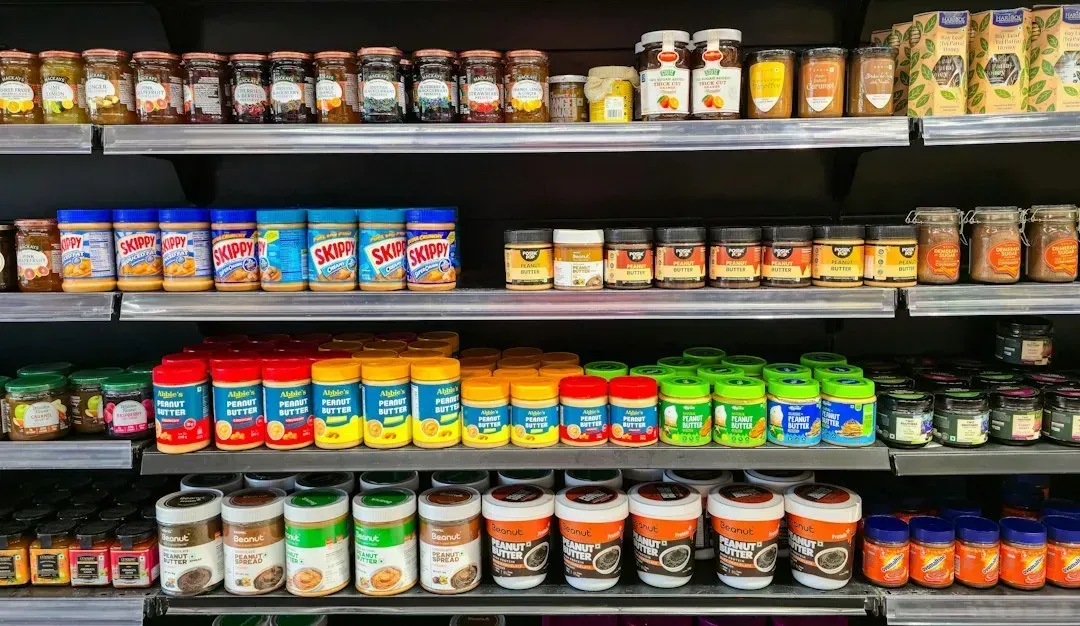
Things like chicken broth or beef broth are staples that a lot of people who enjoy cooking prefer to keep on hand for sauces, soups and sautes, but these items end up costing a lot more in the long run than simply making them at home. Saving vegetable scraps and bones from other meals and simmering them into stock costs almost nothing beyond a bit of freezer space.
This is a habit that rewards patience more than skill. A batch of homemade stock can be frozen in portions and used over several weeks, effectively turning kitchen scraps into a pantry staple.
7. Name-brand pantry staples
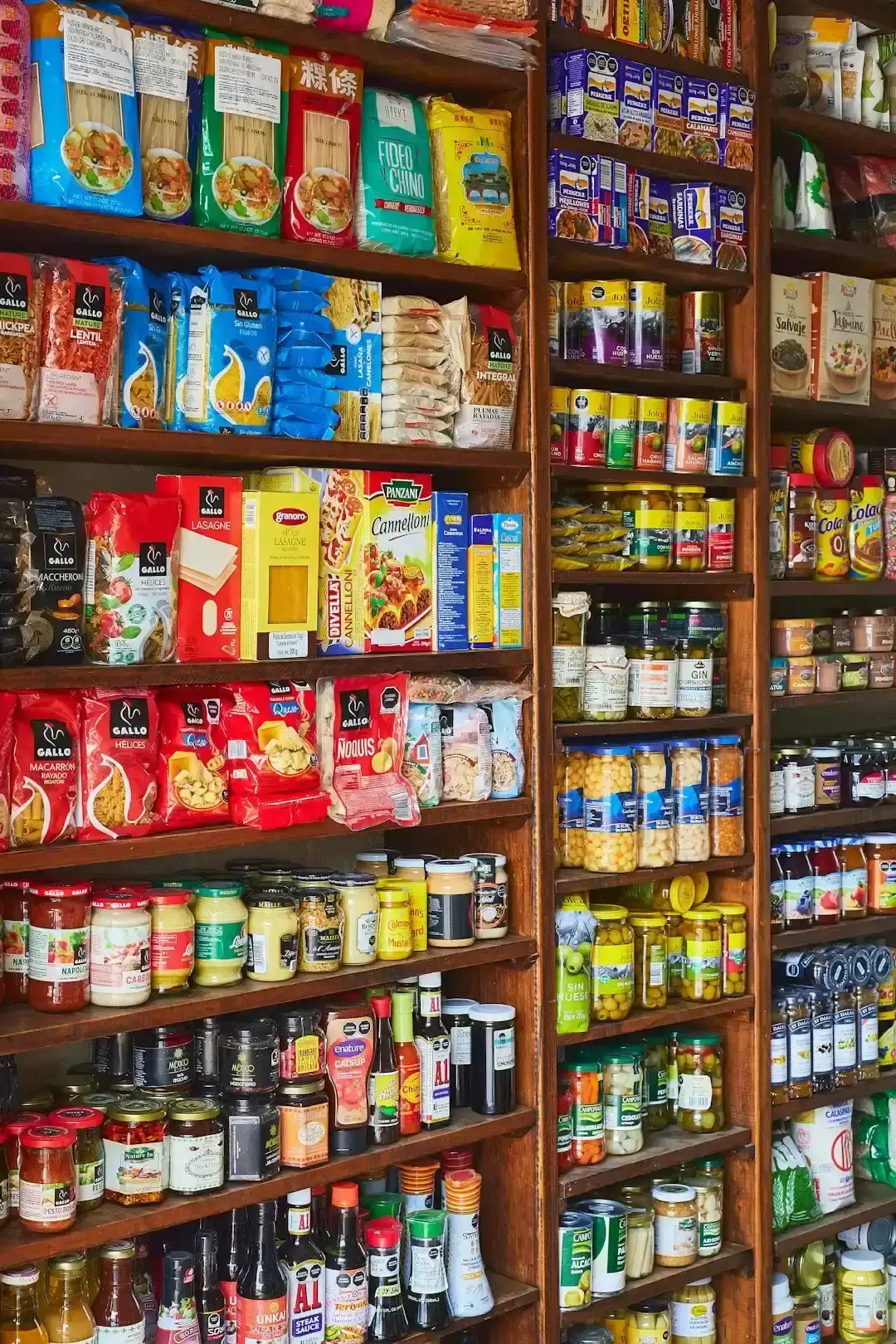
Store brands have closed the quality gap with national brands considerably over the past several years, particularly for basics like flour, canned beans, and pasta. Instead of reaching for the flashy labels at the supermarket, frugal shoppers are more likely to grab store brand or generic versions of pantry staples, since these alternatives are often made by the same manufacturers and contain nearly identical ingredients, with the difference lying in marketing and packaging rather than taste or quality.
Advisors who counsel clients on trimming grocery bills often point to this swap first, since it requires no lifestyle change at all. The savings show up automatically every single week without anyone noticing a difference at the dinner table.
8. Checkout-aisle impulse buys

The candy, gum, and gadgets lined up near the register are positioned there deliberately to catch shoppers off guard. A shopping expert noted that shoppers should skip the impulse buys at the counter, since anything at the checkout counter is there for a reason, to tap into the impulse to buy, so the advice is to immediately skip anything that’s there.
Frugal shoppers tend to treat the checkout line as a place to pay, not browse. Keeping a phone or list handy during that final wait helps resist the pull of last-second additions that rarely make it onto anyone’s actual shopping list.
9. Bulk warehouse memberships without a plan

Club stores can genuinely save money, but only for shoppers who buy exactly what they’d normally use anyway. One financial content founder cautioned not to assume you will save money by shopping at large club stores, noting that many people find they will buy larger quantities than they need, spend more, and make far more impulse purchases, so frequenting a regular grocery store instead may result in spending significantly less.
Frugal shoppers who do use warehouse clubs tend to go in with a tight list and stick to nonperishable items or things they genuinely use every week. Without that discipline, the bulk discount gets erased by food that spoils before it’s eaten.
10. Excess meat as the default protein

Meat remains one of the pricier line items in most grocery carts, and frugal households increasingly treat it as an accent rather than the centerpiece. Meat can often be one of the most expensive items on a grocery list, so reducing or cutting it out of meal planning altogether can save money in the long term.
This doesn’t necessarily mean going meatless. It often just means stretching a smaller amount of meat further with beans, lentils, or extra vegetables, a habit that echoes how earlier generations cooked before meat became a daily default.
11. Buy now, pay later plans for groceries
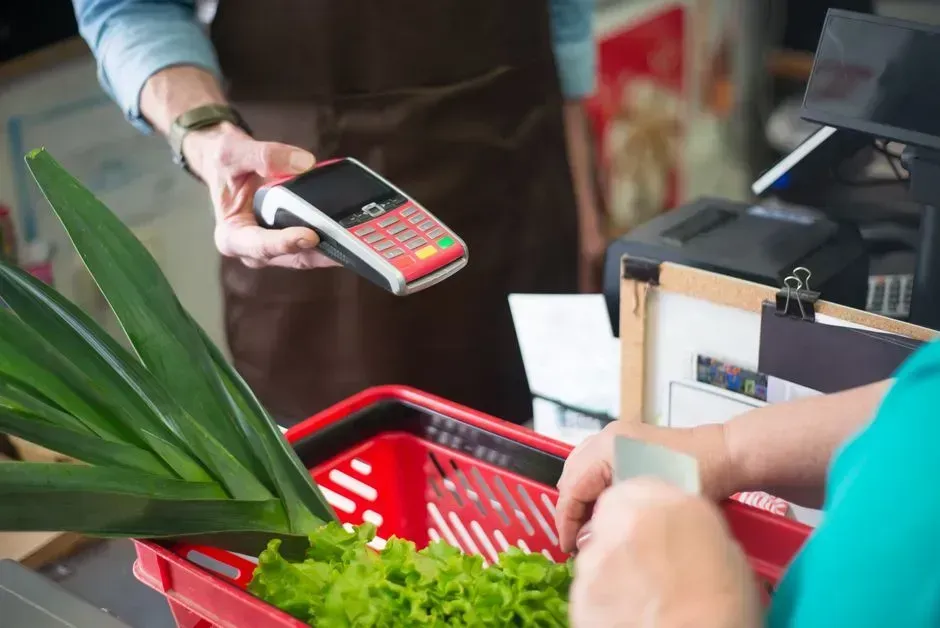
Splitting a grocery bill into installments might sound harmless, but advisors warn it trains shoppers to spend beyond what they’d normally justify paying upfront. Buy now, pay later services let shoppers split the cost of a purchase into several payments, commonly four interest-free biweekly installments according to the Consumer Financial Protection Bureau.
Returns can be complicated according to the CFPB, and shoppers may not have the same dispute protection they’d get with a credit card, and most importantly, these plans help build an instant gratification habit. Frugal shoppers generally avoid financing something as routine and recurring as food, since it blurs the real cost of a weekly shop.
12. Delivery and grocery app markups
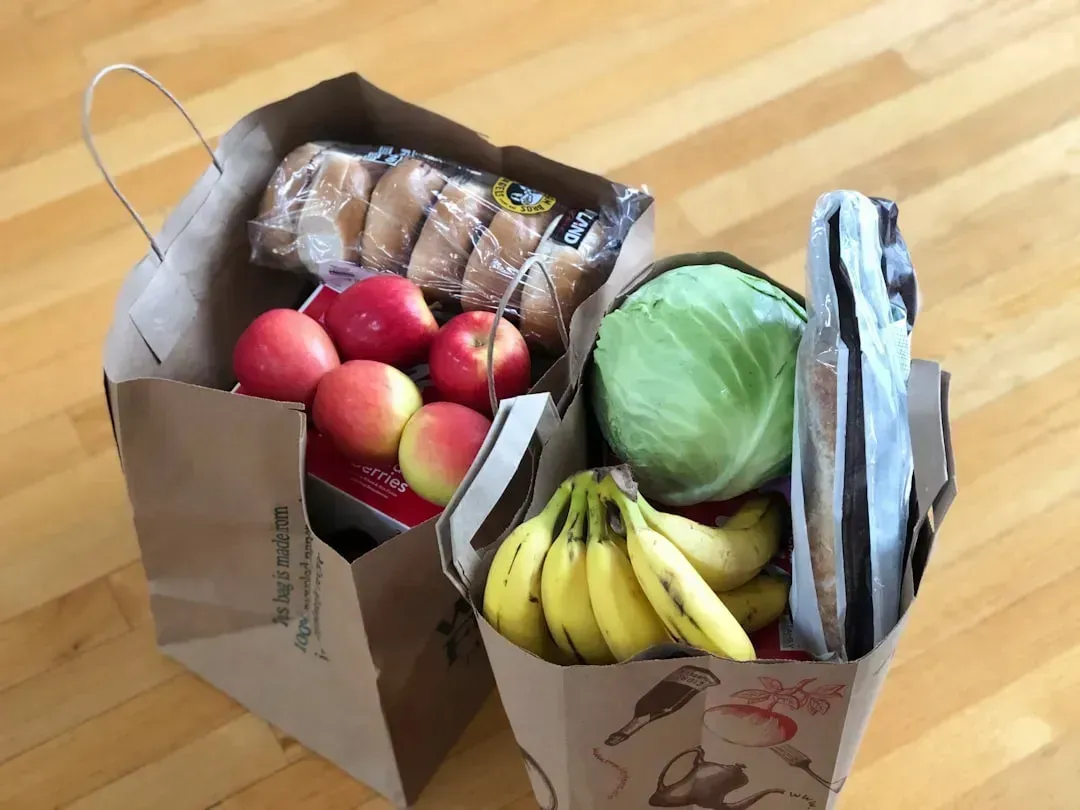
Having groceries or meals delivered feels effortless, but the price gap compared to shopping or cooking in person is significant. Ordering a meal through an app can result in an 80% markup over the in-store price, and compared to cooking at home, delivery can be over 600% more expensive.
Frugal shoppers reserve delivery for genuine emergencies rather than routine convenience. The occasional splurge is fine, but making it a weekly habit quietly drains a budget in a way that’s easy to overlook until the monthly statement arrives.
13. Brand-name basic medications sold near the checkout

Some grocery stores stock small pharmacy sections near the front, and frugal shoppers know the brand-name pain relievers there rarely outperform their generic twins. The only difference between brand-name Tylenol and generic acetaminophen is the marketing budget.
This logic extends to most over-the-counter basics found in grocery aisles, from allergy pills to antacids. Checking the active ingredient label takes a few seconds and often confirms the store brand is chemically identical for a lower price.
14. Cheap disposable cookware and single-use kitchen items
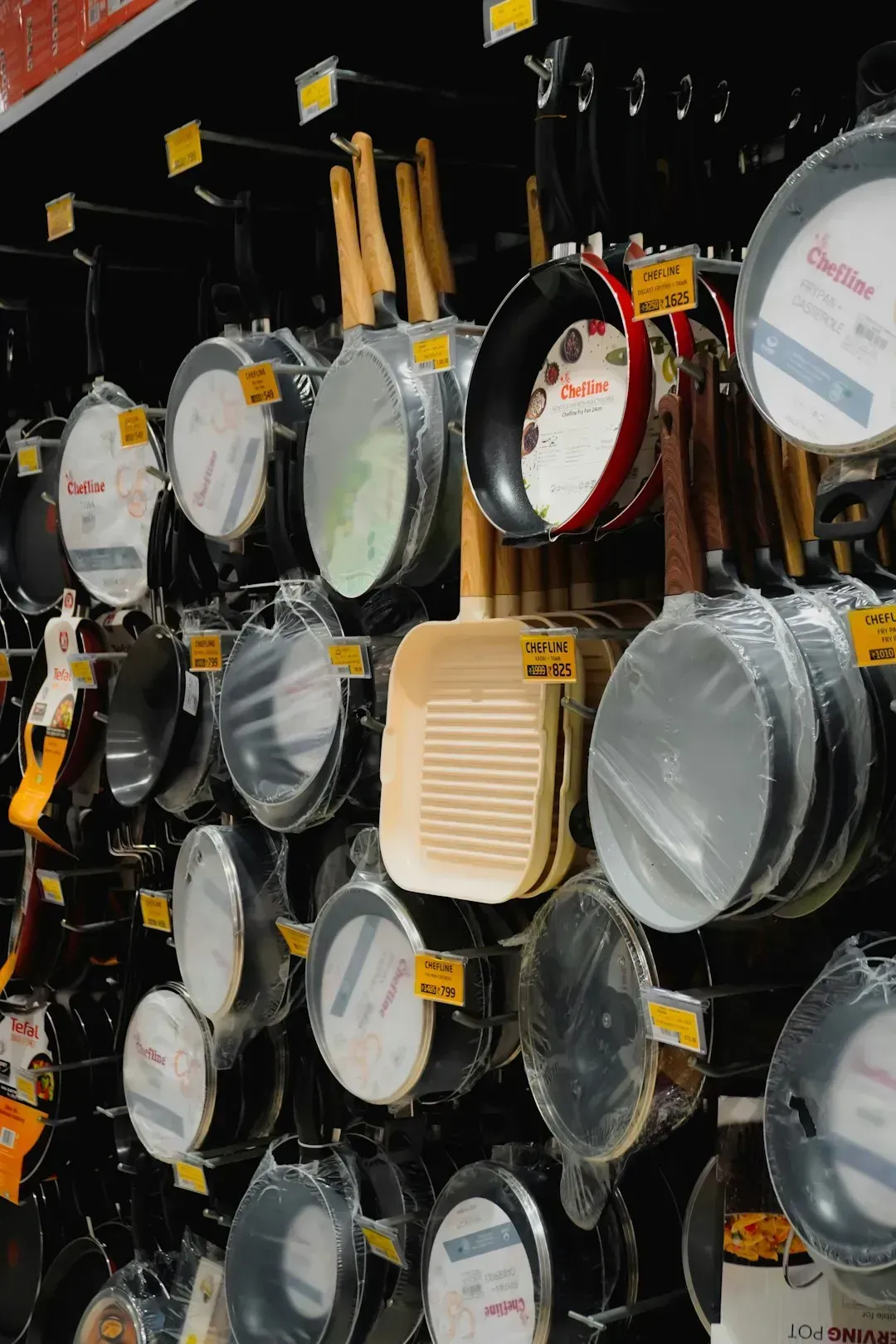
Flimsy aluminum trays, disposable cutting boards, and one-time-use containers show up in grocery aisles marketed as convenient, but they need constant replacing. Financial advisors generally favor durable staples that survive repeated washing and use over buying something new every few weeks.
The frugal fix is to buy quality used items or invest in durable staples, using the boots theory that spending more once saves more over time. The same logic that applies to clothing and tools tends to apply just as well to reusable kitchen basics.
15. Homemade-friendly snacks like granola and trail mix
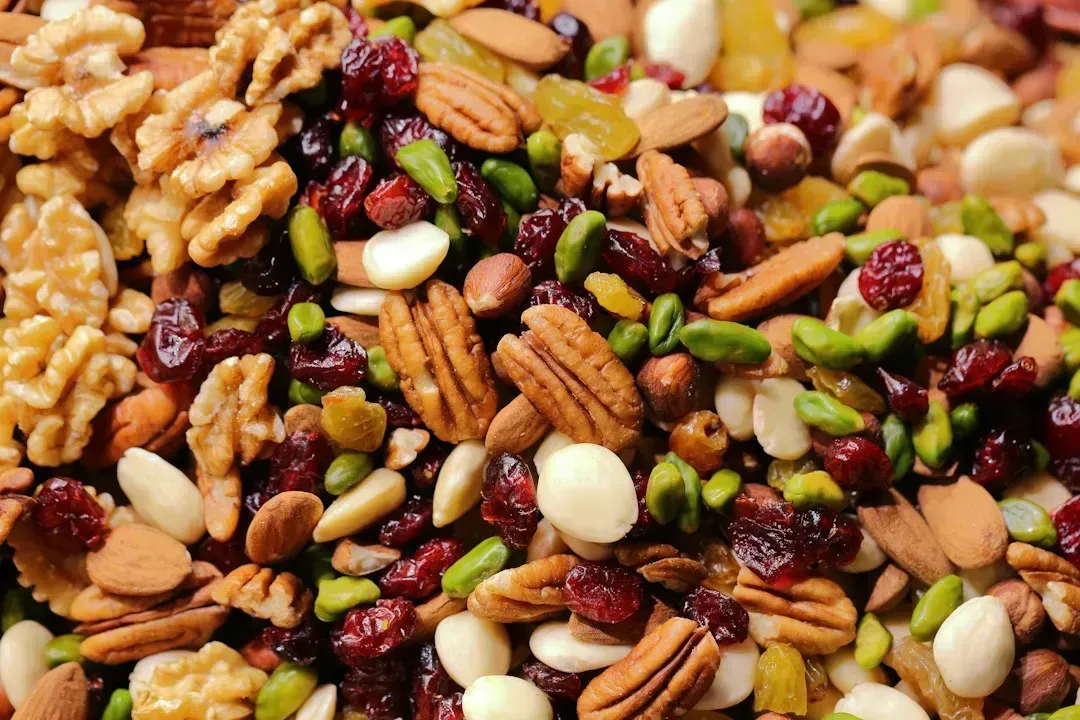
Pre-packaged granola and trail mix look harmless sitting in the snack aisle, but the per-pound price rarely reflects how cheap the raw ingredients actually are. People are told not to shop while hungry because the stomach can overrule the wallet, and it’s easy to want an easy bag of granola or trail mix full of oats, nuts, and chocolate bits, but buying these at the grocery store runs more money than buying the essential ingredients and making them at home, where bigger batches last longer and the flavor can be controlled.
Buying oats, nuts, and dried fruit separately and mixing a batch at home usually costs noticeably less per serving. It also means fewer trips to restock, since a large homemade batch tends to last longer than a small store-bought bag.
None of these fifteen habits require dramatic lifestyle changes or giving up foods people actually enjoy. They’re small, repeatable decisions that financial advisors keep coming back to because the savings, while modest on any single trip, add up meaningfully over a year of grocery runs. The households that stick with these habits tend to spend less not because they deprive themselves, but because they’ve simply stopped paying extra for convenience they can easily provide themselves.





Leave a Reply