
1. Slow blinking at you
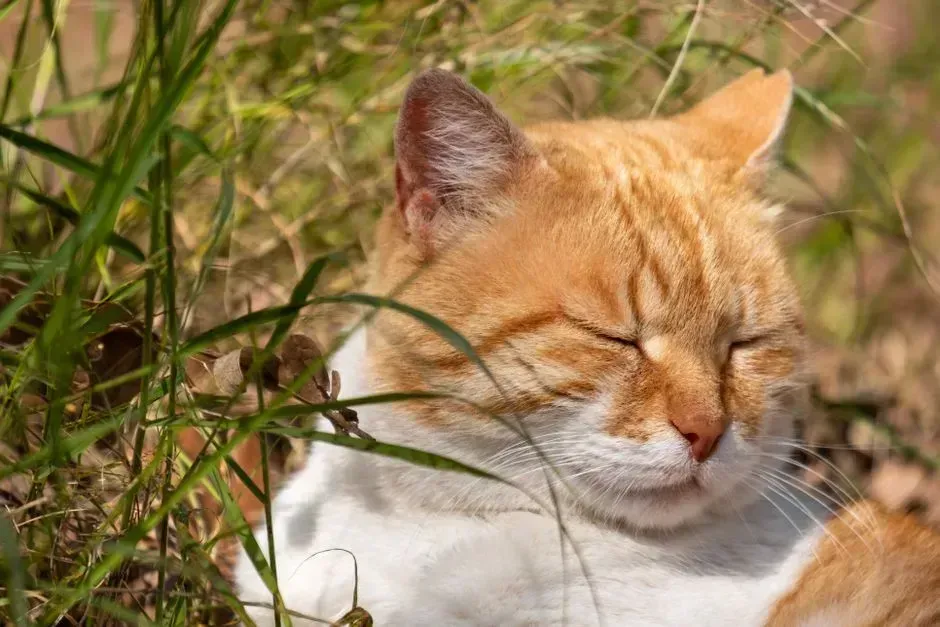
When your cat looks at you and slowly closes and opens its eyes, it’s often described by animal behaviorists as a feline version of a smile. This gesture is thought to signal trust and relaxation, since a cat wouldn’t willingly make itself vulnerable by closing its eyes around something it feared. Many cat owners find that returning the slow blink helps build rapport, almost like a quiet exchange of goodwill.
Researchers who study cat-human interaction have noted that cats are more likely to slow blink at familiar people rather than strangers. This suggests the behavior is tied to social bonding rather than being a purely reflexive action. If your cat does this regularly, it’s generally a good sign that it feels safe in your presence.
2. Kneading with their paws
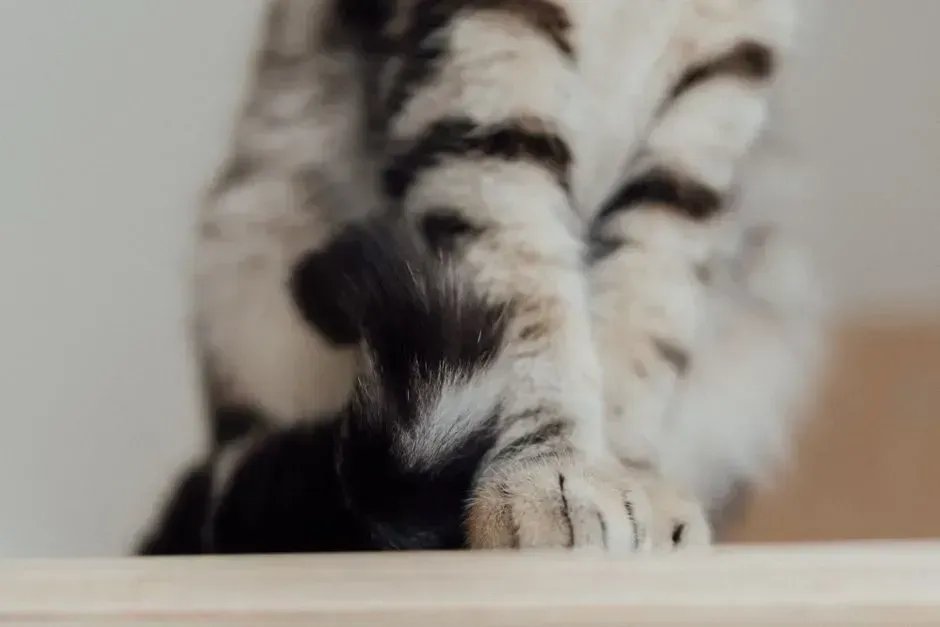
That rhythmic pressing motion, often on blankets, pillows, or your lap, traces back to kittenhood. Kittens knead their mother’s belly to stimulate milk flow, and many cats never fully outgrow the habit even as adults. It becomes a self-soothing behavior tied to comfort and contentment.
Some cats knead more intensely when they’re deeply relaxed or drifting toward sleep. Others do it before settling into a favorite spot, almost like fluffing a pillow. The behavior is generally harmless, though claws can occasionally be an issue on delicate fabrics.
3. Bringing you “gifts”
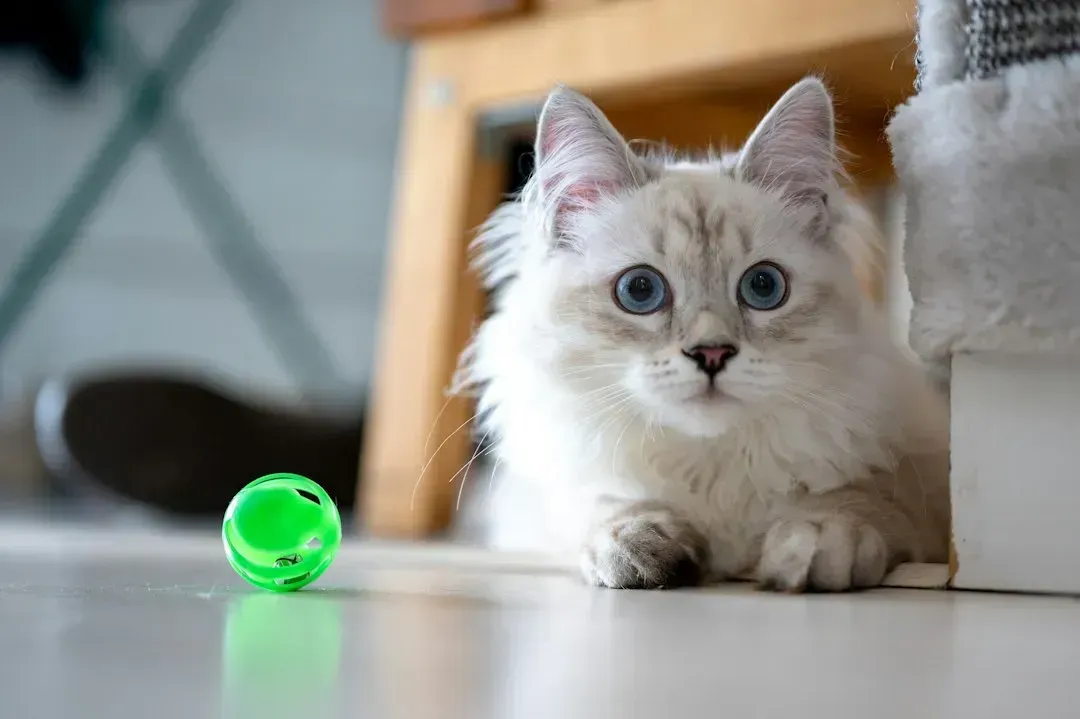
A cat that drops a toy, a leaf, or even prey at your feet isn’t just being messy. This behavior is linked to natural hunting instincts, and in multi-cat or cat-human households, it can function as a form of sharing or teaching. Outdoor cats in particular may bring home items as an extension of provisioning behavior seen in wild feline relatives.
Veterinary behaviorists suggest that indoor cats sometimes redirect this instinct toward toys since they lack access to actual prey. It’s less about impressing you and more about following an ingrained instinct to share or store resources. Accepting the “gift” calmly, even if it’s a bit odd, is usually the best response.
4. Head bunting or headbutting
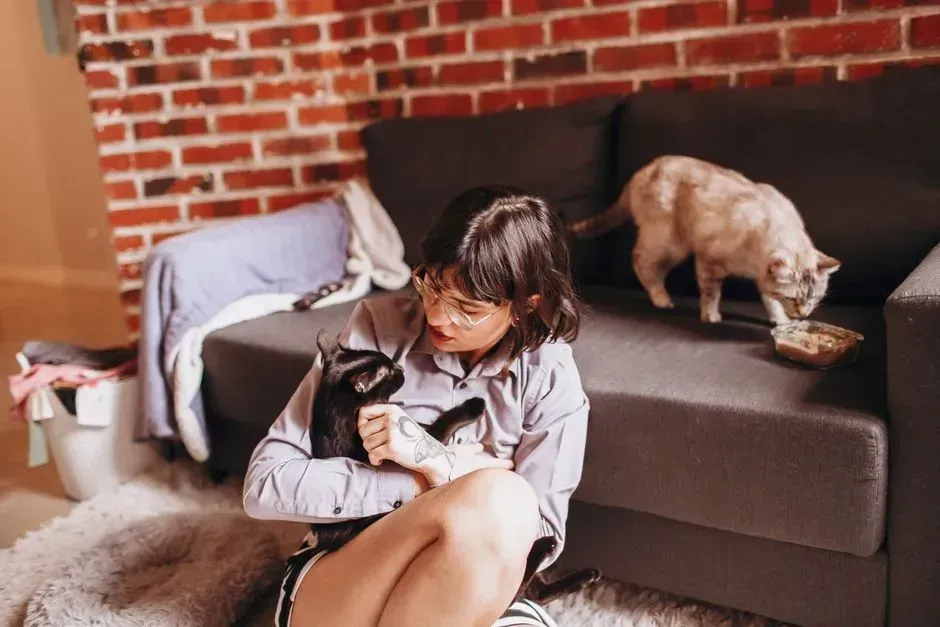
When a cat presses its head or cheek against you, it’s marking you with scent glands located around the face. This is a form of affiliative behavior, essentially claiming you as part of its social group. Cats do this with other trusted animals and humans alike.
Because scent marking is central to feline communication, head bunting is considered one of the clearer signs of affection. It’s different from rubbing against furniture purely for scratching relief, since the head bunt is usually directed intentionally at a person’s face or hand. Many owners describe it as one of the more endearing habits their cats display.
5. Chattering at birds or prey
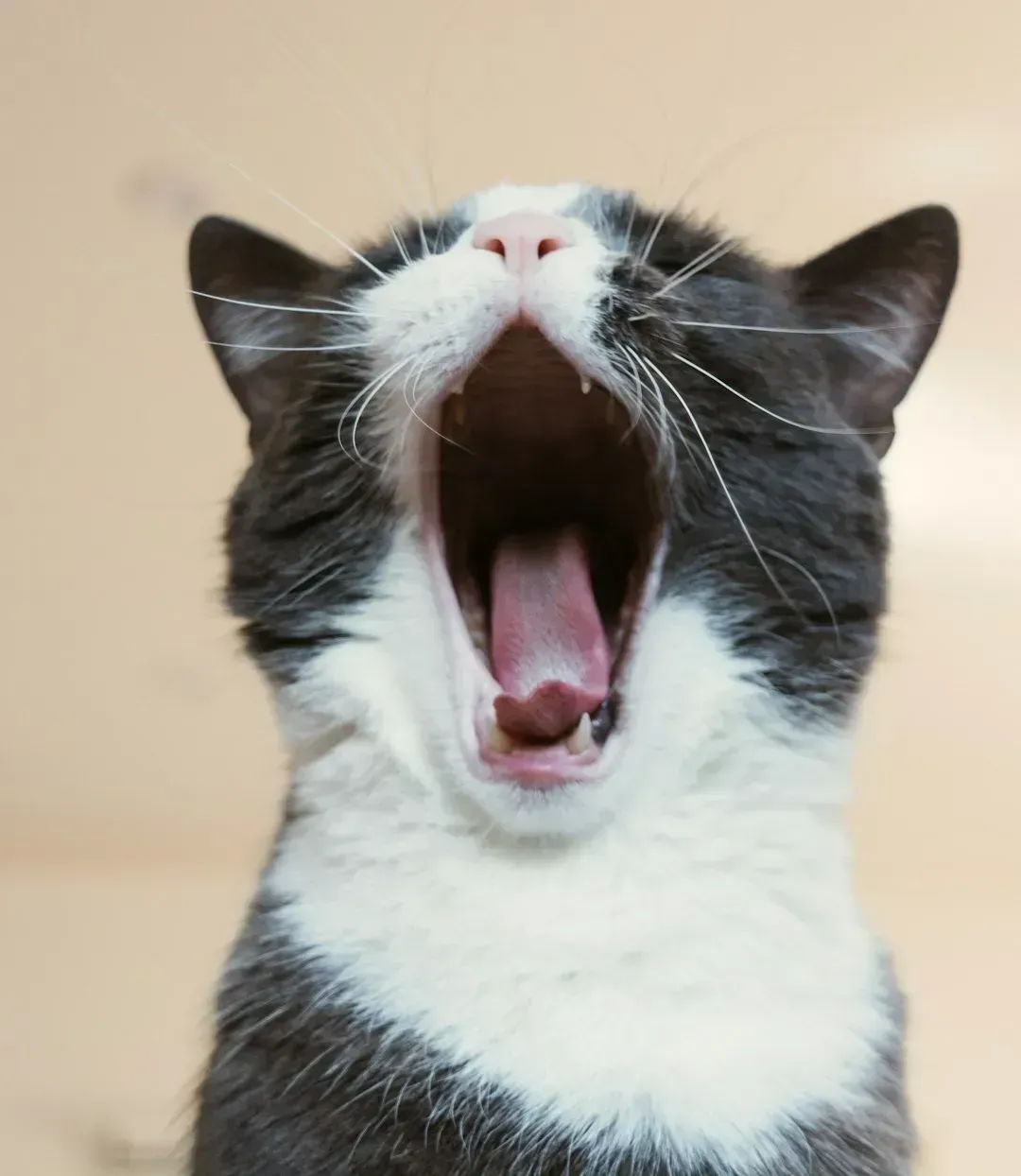
That rapid jaw movement and clicking sound cats make while watching birds through a window is often linked to frustration or heightened predatory excitement. Some researchers believe it may also be an instinctive imitation of a killing bite, refined over generations of hunting behavior. It typically happens when a cat sees prey it cannot reach.
This chattering is considered a normal and harmless behavior, though it does reveal how strong a cat’s hunting drive remains even in a fully domesticated pet. Cats that chatter frequently may benefit from more interactive play to satisfy that instinct in a controlled way. It’s a small window into how much of their wild ancestry still lingers beneath the surface.
6. Sitting in boxes or small spaces
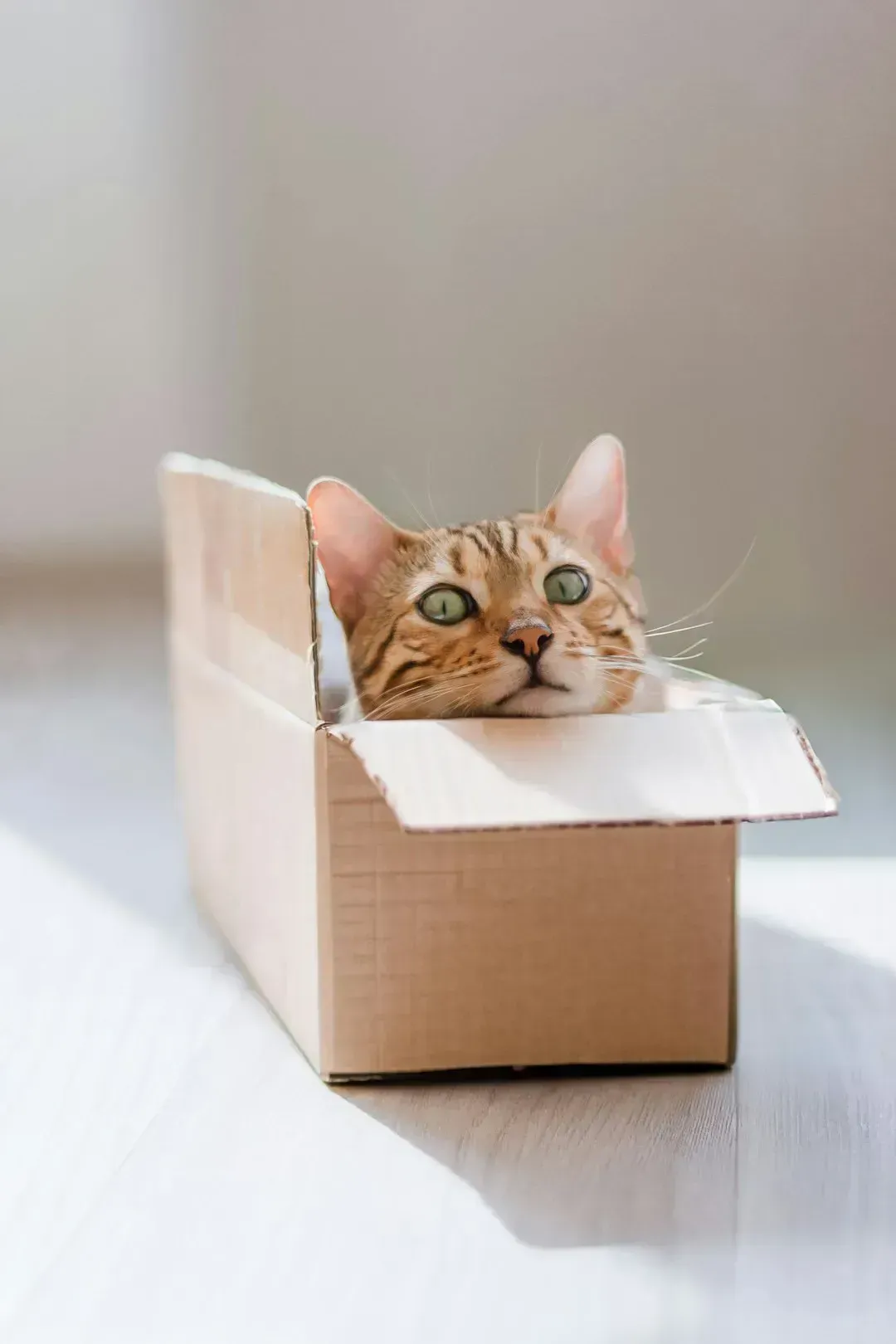
Cats gravitate toward enclosed spaces because it satisfies a deep-seated need for security. A study published by researchers in the Netherlands found that shelter cats given access to hiding boxes showed lower stress levels and adapted more quickly to new environments. Boxes offer a sense of control and protection from perceived threats.
This preference isn’t just about comfort during stressful transitions. Even relaxed, well-adjusted cats often choose boxes over open furniture, since tight spaces mimic the small dens their wild ancestors used for safety while resting or observing surroundings. It’s one of the more universally observed feline habits across breeds.
7. Tail flicking or twitching
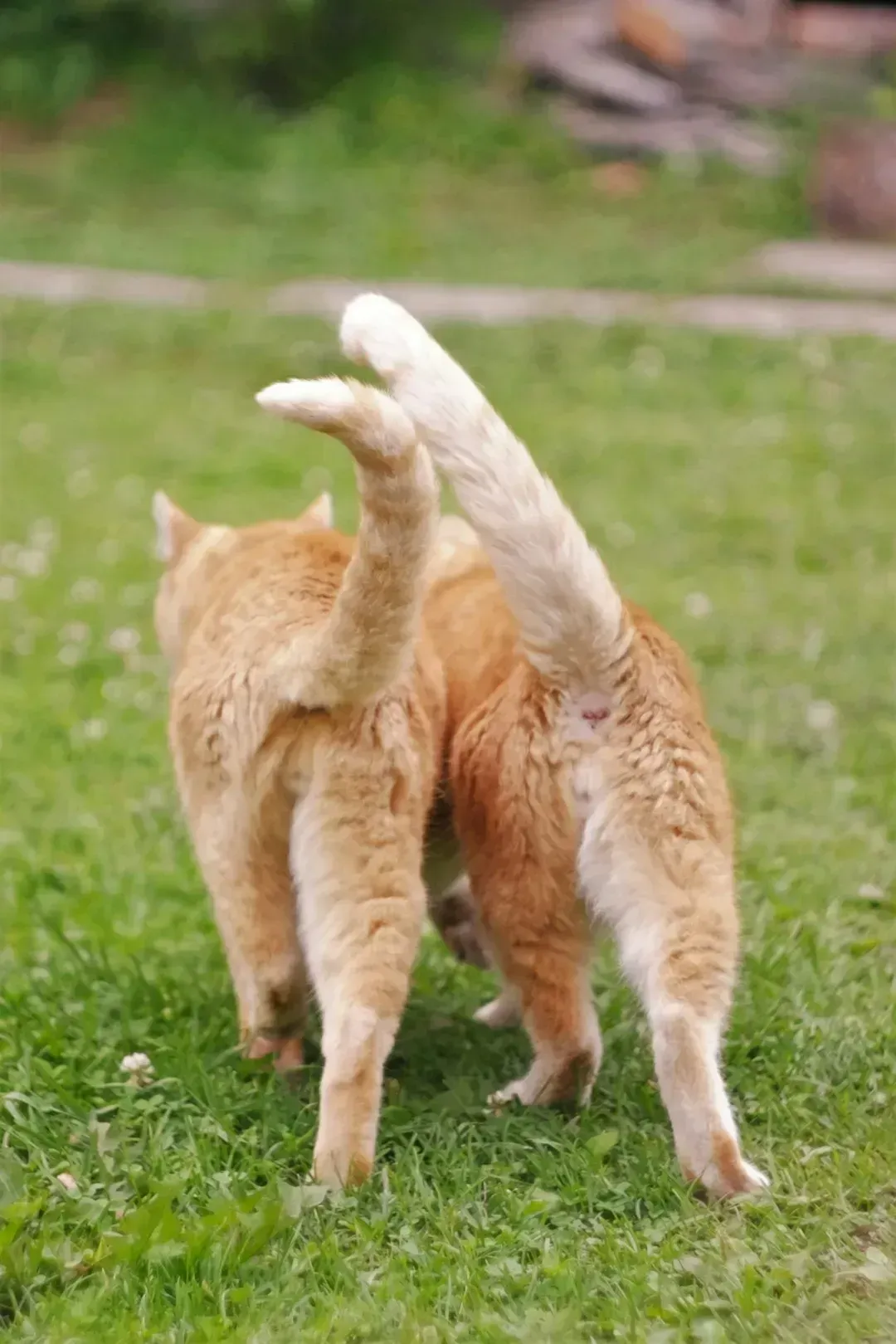
A cat’s tail is one of the most reliable indicators of its emotional state. A slow, gentle sway often signals focus or curiosity, while sharp, rapid flicking usually points to irritation or overstimulation. Learning to read tail position alongside other body language, like ear posture, gives a fuller picture of what a cat is feeling.
Sudden, aggressive tail lashing paired with flattened ears is generally a warning sign that a cat wants space. Recognizing this early can prevent scratches or bites, especially during petting sessions that have gone on too long. Tail language, in many ways, functions as a cat’s primary emotional broadcast system.
8. Excessive grooming
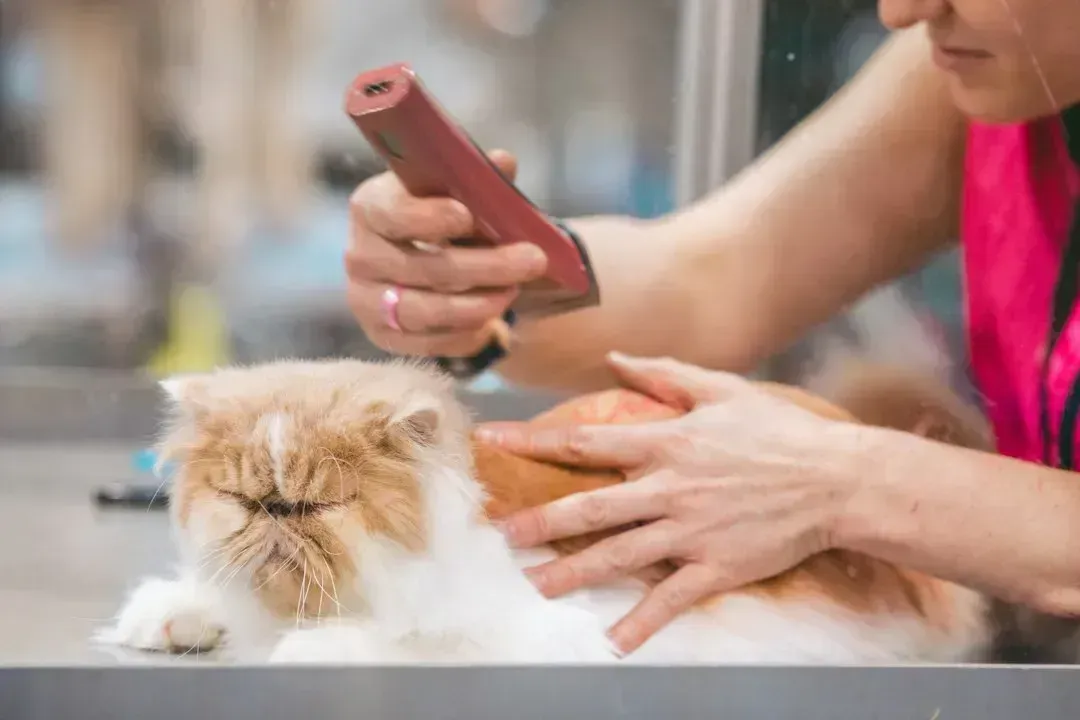
Grooming is a normal part of feline hygiene, but when it becomes constant or leads to bald patches, it often signals stress or anxiety. Veterinarians frequently point to over-grooming as a physical manifestation of psychological discomfort, sometimes triggered by changes in environment, new pets, or shifts in routine. It can also indicate underlying medical issues like allergies or skin irritation.
Behavioral specialists recommend ruling out medical causes first before addressing environmental stressors. Enrichment, consistent routines, and reducing sudden household changes can help calm cats prone to compulsive grooming. Persistent cases are worth discussing with a vet, since it can be both a behavioral and physical concern.
9. Following you from room to room
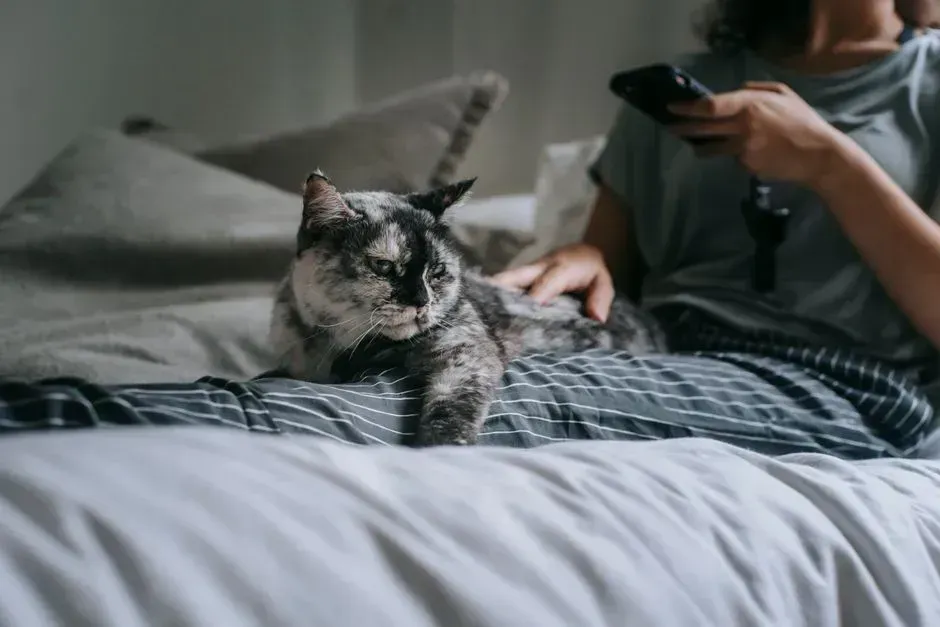
Cats that trail their owners throughout the house are typically displaying attachment behavior rather than simple curiosity. Research on cat-human bonds has increasingly challenged the outdated idea that cats are aloof, showing instead that many form strong, secure attachments to their caregivers similar to patterns seen in dogs and even young children. Following you around is often a sign of that bond in action.
This habit can also be practical. Cats may associate certain rooms with feeding time, attention, or play, so they stick close in anticipation. Either way, it’s generally read as a positive indicator of comfort and trust within the household.
10. Sleeping in unusual positions
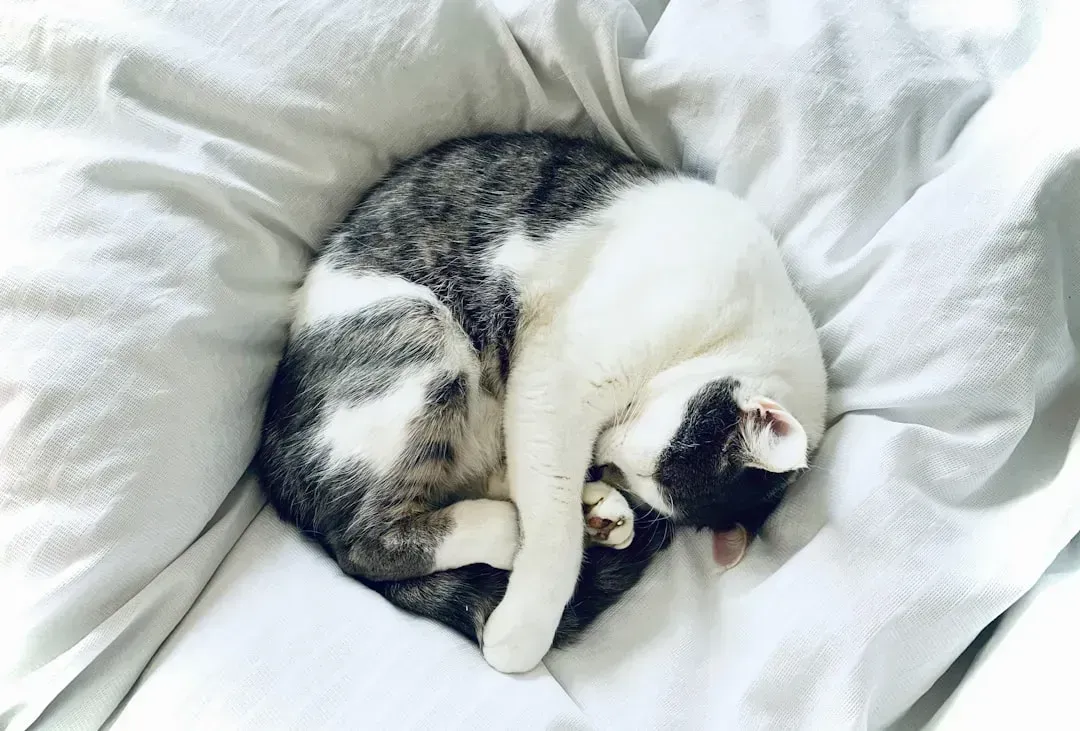
A cat sprawled on its back with its belly exposed, paws in the air, is showing a high level of trust, since the belly is a vulnerable area. This relaxed sleeping posture typically only appears when a cat feels completely safe from threats. It’s different from a defensive belly-up position used during play or confrontation, which involves claws ready to strike.
Cats also curl tightly into a ball when it’s cold or when they want extra security while resting. The variety of sleeping positions offers a rough gauge of both physical comfort and emotional state. Warmer, safer environments tend to produce looser, more exposed sleeping postures.
11. Meowing excessively
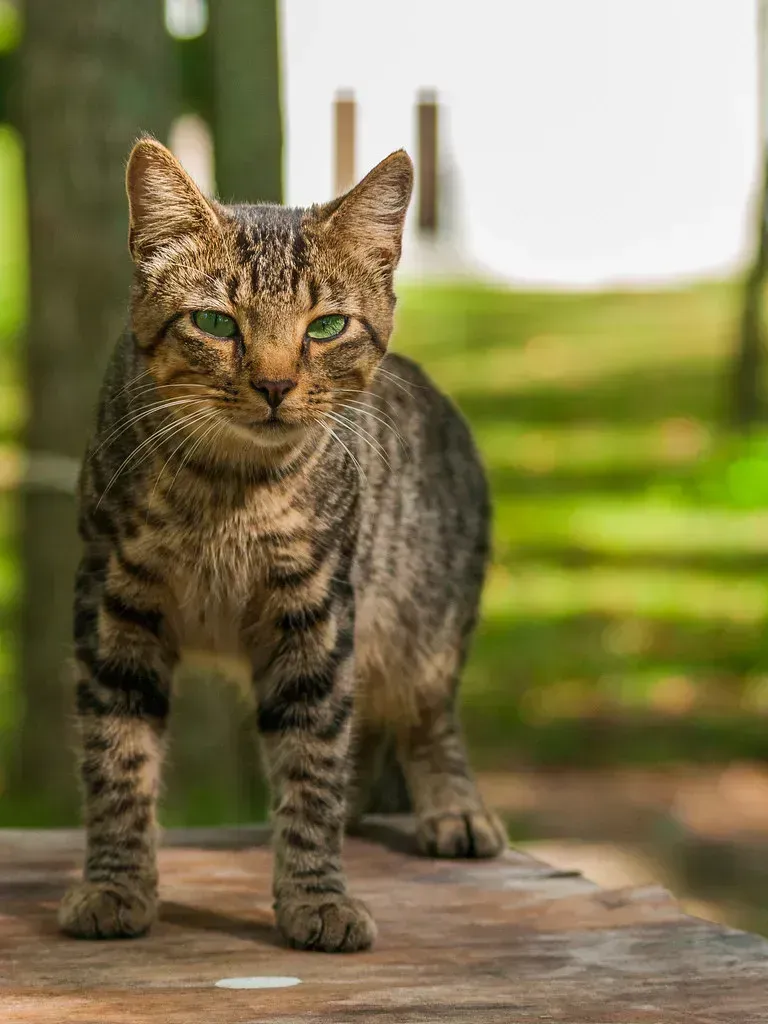
Adult cats primarily meow to communicate with humans rather than other cats, since they generally rely on scent and body language among themselves. Frequent or sudden increases in vocalization can indicate hunger, a desire for attention, or in some cases, discomfort and pain. Older cats that begin meowing more often, especially at night, are sometimes showing early signs of cognitive decline or a medical issue like hyperthyroidism.
Veterinarians often recommend a checkup if increased vocalization appears suddenly and without an obvious trigger like a new routine or environment. Some breeds, such as Siamese cats, are simply more vocal by nature, so context matters when interpreting this behavior. Paying attention to when and how a cat meows can offer useful clues about its overall wellbeing.
Each of these habits offers a small but meaningful glimpse into how cats think, feel, and communicate. Paying attention to patterns over time, rather than isolated moments, tends to give the clearest picture of a cat’s overall health and emotional state.




Leave a Reply