
1. Carbonated soft drinks
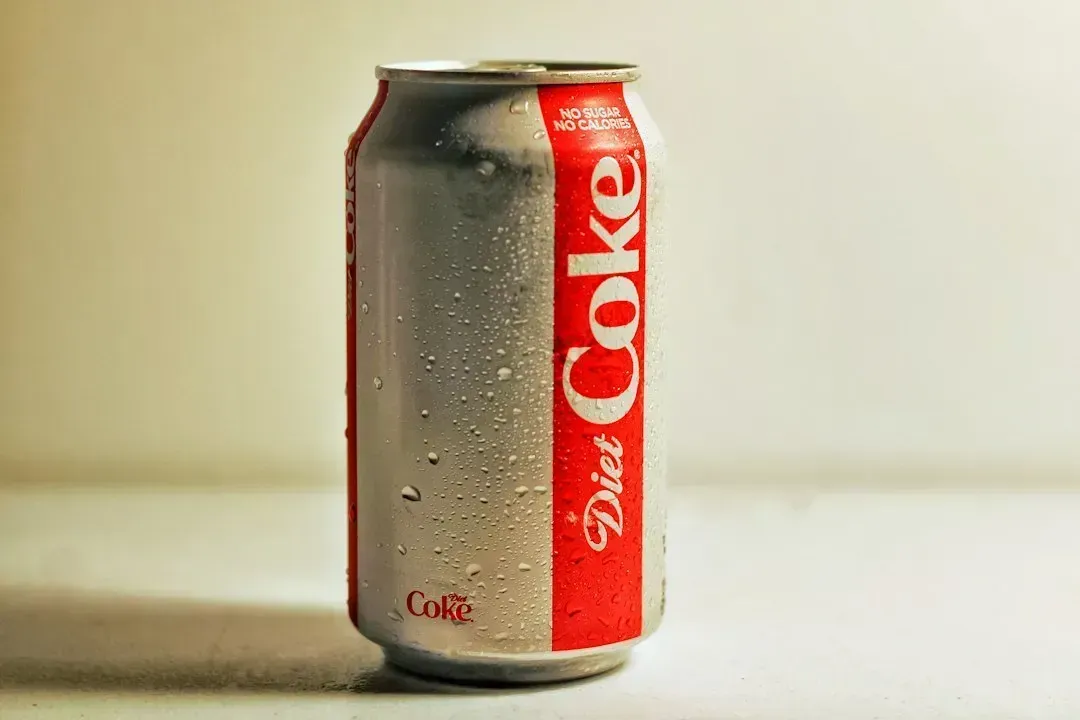
Soda fountains are everywhere in food courts, and it is easy to fill a cup before boarding without thinking twice. The problem is what happens to those bubbles once you are airborne. Fizzy drinks and sparkling water are a fast-track ticket to feeling bloated at 30,000 feet, since drinking them means swallowing air that does not go anywhere pleasant once trapped.
Cabin pressure makes this worse than it would be on the ground. Carbonated drinks contain high volumes of carbon dioxide gas, and some of that gas can get trapped in the digestive system, causing cramping and uncomfortable bloating. A flat option, or plain water, tends to sit much easier during a flight.
2. Fried chicken and greasy fast food combos
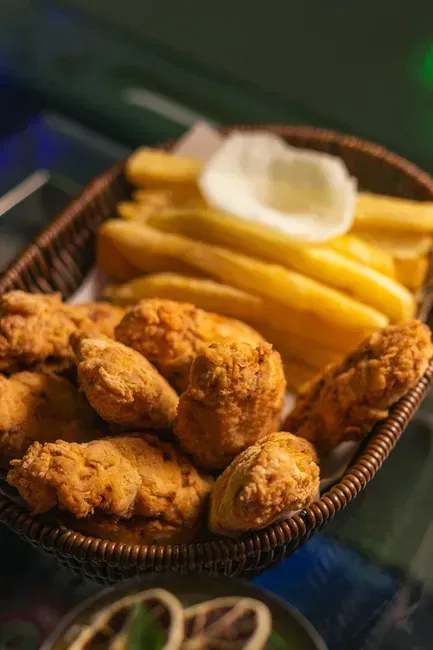
Fried chicken tenders, cheeseburgers, and loaded fries are food court fixtures, but they are not doing travelers any favors before a flight. A pre-flight meal heavy in items like a cheeseburger, chili dog, large fries, and a cherry Danish can further contribute to the constriction of blood flow during a period when the body is already sitting still for hours.
There is a secondary issue with heavy, fatty food court meals: they take longer to digest, which can leave you feeling sluggish and uncomfortable in a cramped seat. Foods that are high in salt, unhealthy fats, or heavy and fried can contribute to bloating and discomfort during the flight. A lighter option from the same food court, even a simple grain bowl or grilled protein, tends to sit far better once you are in the air.
3. Pre-packaged salty snacks and chips

Grabbing a bag of chips or pretzels on the way to boarding feels harmless, but the sodium load adds up quickly. Sodium is not the best option for your health in this environment, since airplane travel is already dehydrating and a lot of sodium can amplify thirst while excess sodium leads to water retention and bloating.
This is not limited to obvious offenders. It is not just salty nuts, pretzels, and chips worth avoiding, since soup, pasta dishes, and deli meat carry the same high sodium content and produce the same effect. If a salty snack is unavoidable, pairing it with extra water can help offset some of the swelling and thirst that follows.
4. Cruciferous vegetables and bean-based dishes
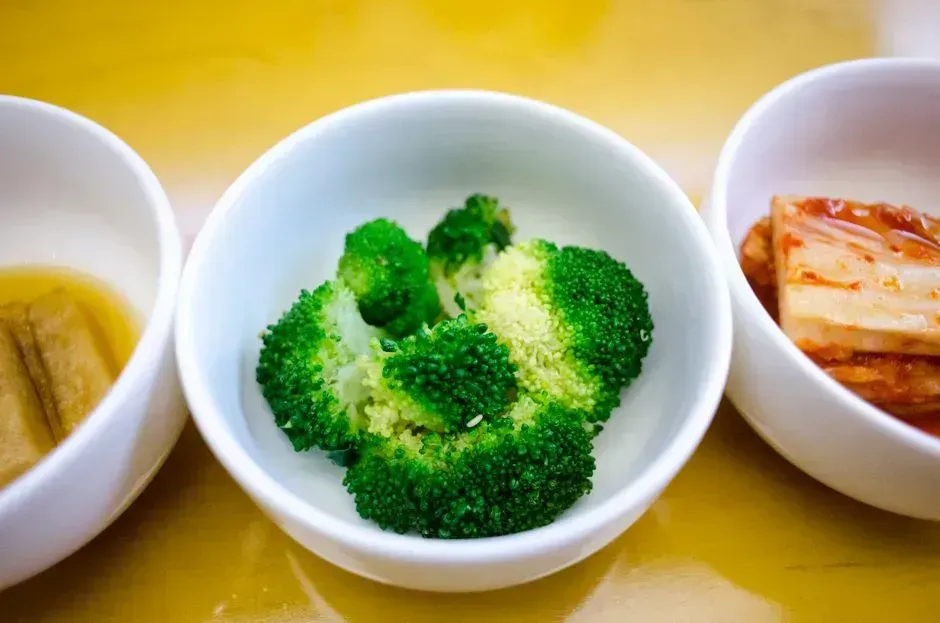
Food courts increasingly offer healthier bowls built around broccoli, cauliflower, beans, or lentils, and on paper these sound like smart pre-flight choices. In reality, they can backfire in a pressurized cabin. Lentils, chickpeas, broccoli, cauliflower, and cabbage are notorious for causing gas because these foods ferment in the gut, which can lead to uncomfortable bloating once airborne.
The mechanism behind this is well documented among gastrointestinal researchers. Foods like beans, lentils, and chickpeas can cause bloating and gas in many people thanks to their digestive process, according to the International Foundation for Gastrointestinal Disorders. Saving the veggie-heavy grain bowl for after landing is generally the safer bet.
5. Coffee and other fountain or tap-poured drinks
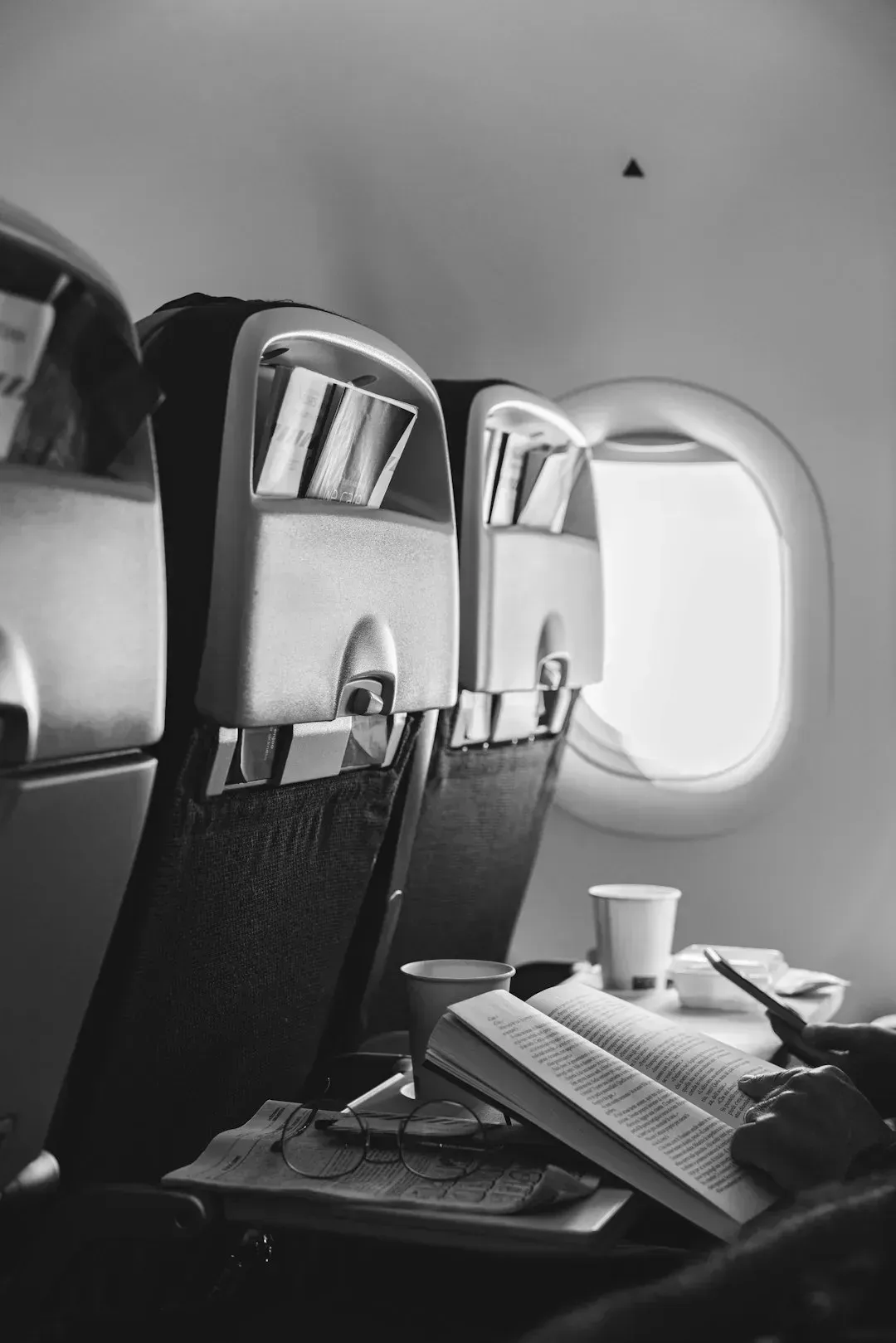
The coffee kiosk lines at most terminals are long for a reason, but flight attendants themselves are often wary of what comes out of those spouts, and the same caution extends to onboard service. Flight attendants repeatedly recommend avoiding coffee, tea, and ice, and one flight attendant warned in a viral video to never consume any liquid that is not in a can or a bottle.
Part of the concern traces back to water quality rather than the coffee itself. Bottled water is fine, but tap water should be dealt with carefully, since it all comes down to how often the pipes are cleaned, and tap water is also commonly used to brew coffee and tea on airplanes. A sealed bottle of water or a canned drink from the same food court kiosk sidesteps the issue entirely.
6. Pre-flight cocktails and beer
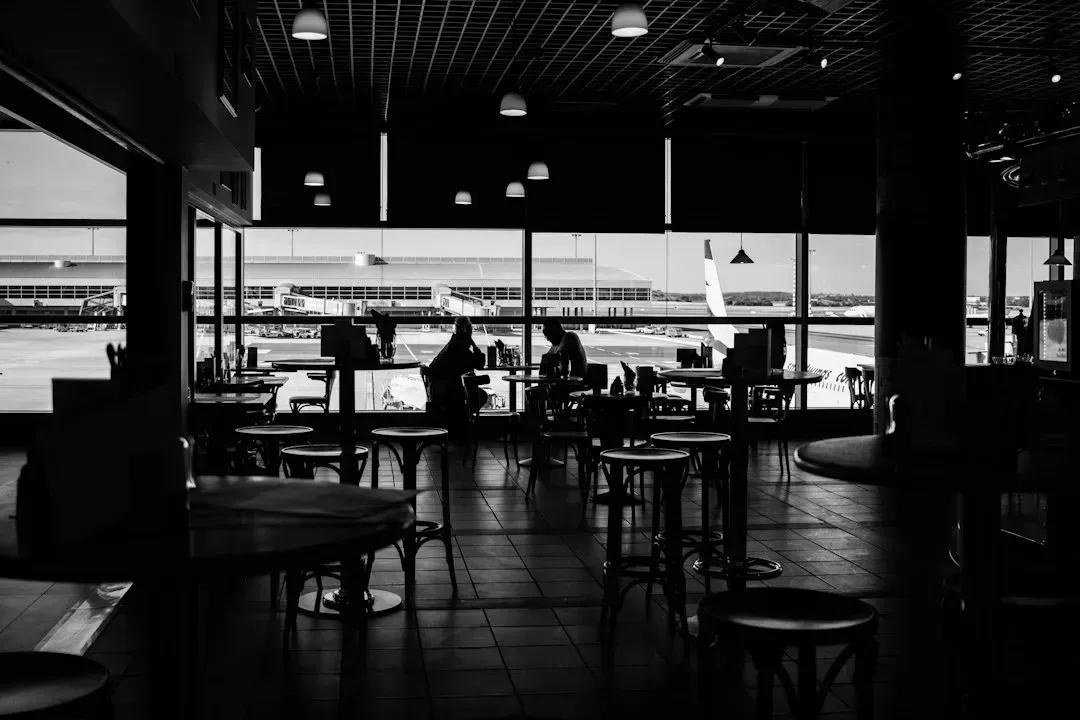
A beer or a glass of wine at the airport bar is practically a travel ritual for some flyers, but it works against the body in a dry cabin. The air on a plane is much drier than what people are used to, and combined with the dehydrating effect of alcohol, this can easily lead to headaches and other feelings of discomfort.
The dehydration risk is not minor or theoretical. Because of the change in altitude and breathing patterns, flying can cause dehydration, and alcohol will only add to that. Saving the drink for after landing, or at least pacing it with water, tends to make the arrival feel a lot less rough. Taken together, the pattern flight attendants describe has less to do with any single food and more to do with how cabin pressure and low humidity change the way the body handles digestion. Salt, carbonation, alcohol, and gas-producing vegetables all get amplified once a plane reaches cruising altitude, turning a minor discomfort on the ground into a genuine problem in the air. None of this means skipping the food court altogether. It simply means glancing at the menu with a slightly different question in mind: not what sounds good right now, but what will still feel fine three hours into the flight.



Leave a Reply