
Most of us blame the checkpoint when a line stalls. Sometimes that’s fair. A partial government shutdown affecting TSA officers caused three hour lines at airport security checkpoints the week of March 8, 2026.
Still, plenty of delays start with small, avoidable habits at the bins. While some delays are beyond your control, others happen because travelers arrive unprepared or miss simple instructions at the checkpoint. Here are nine of the most common ones.
Packing Something That Isn’t Allowed
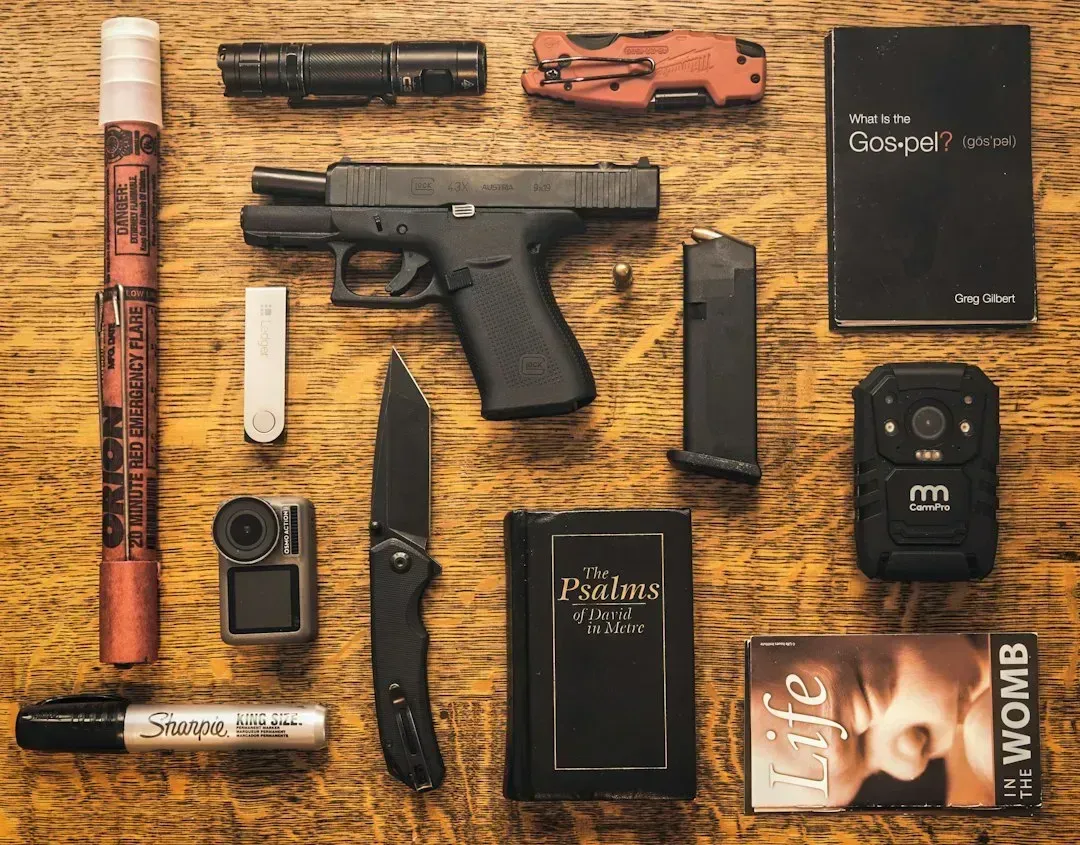
According to a TSA spokesperson, when a prohibited item is flagged during screening, officers must stop to manually search the bag and find the item. That can slow the line for everyone. One forgotten multitool or full bottle can hold up a whole lane.
The fix takes a couple of minutes at home. Travelers are encouraged to double check their bags before leaving and to use the What Can I Bring tool on TSA.gov if they’re unsure about an item.
Overstuffing Your Carry On
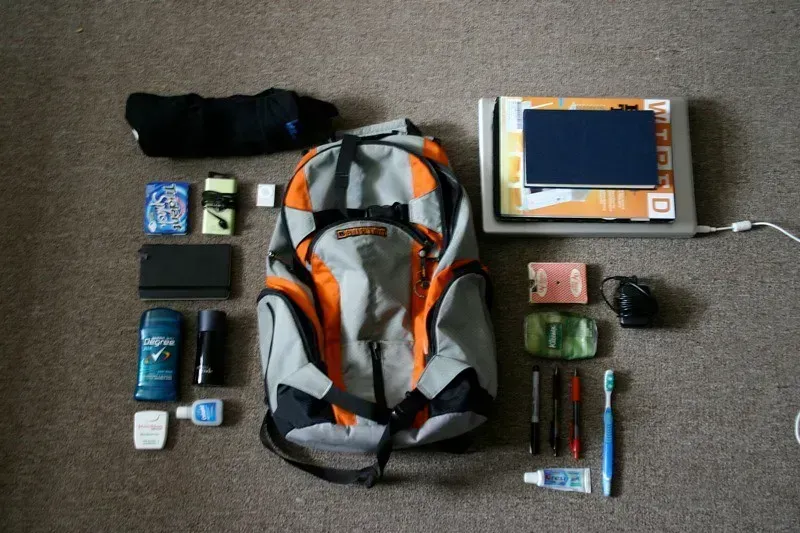
A bag crammed to its zipper’s limit is harder for officers to read on the screen, and that ambiguity often triggers a manual check. The scanner isn’t judging your packing. It just can’t tell what it’s looking at.
Once a bag gets pulled, the problem gets worse. A tightly stuffed bag makes belongings harder to inspect, which adds time to screening and contributes to longer lines. Leaving some breathing room helps you and the people behind you.
Bringing Full Size Liquids and Assuming the Rules Relaxed

You may have heard that newer scanners loosen the liquid limits. Reports in 2026 say otherwise. The liquids rule has not changed in 2026, despite the rumors.
Bringing a full size bottle because you heard newer CT scanners can see through it still means a trip to the search table. Unlabeled powders can cause similar trouble, so pack them clearly marked and in small amounts.
Showing Up Without Acceptable ID

Travelers need a REAL ID compliant license or another acceptable form of identification, such as a passport, to clear security. The rule is no longer new. Enforcement began in May 2025, and as of February 1, 2026, travelers without compliant ID face a $45 nonrefundable ConfirmID fee.
That process isn’t quick, either. It can take up to 30 minutes. Checking your license for the star marking before a trip is worth the effort.
Leaving Things in Your Pockets
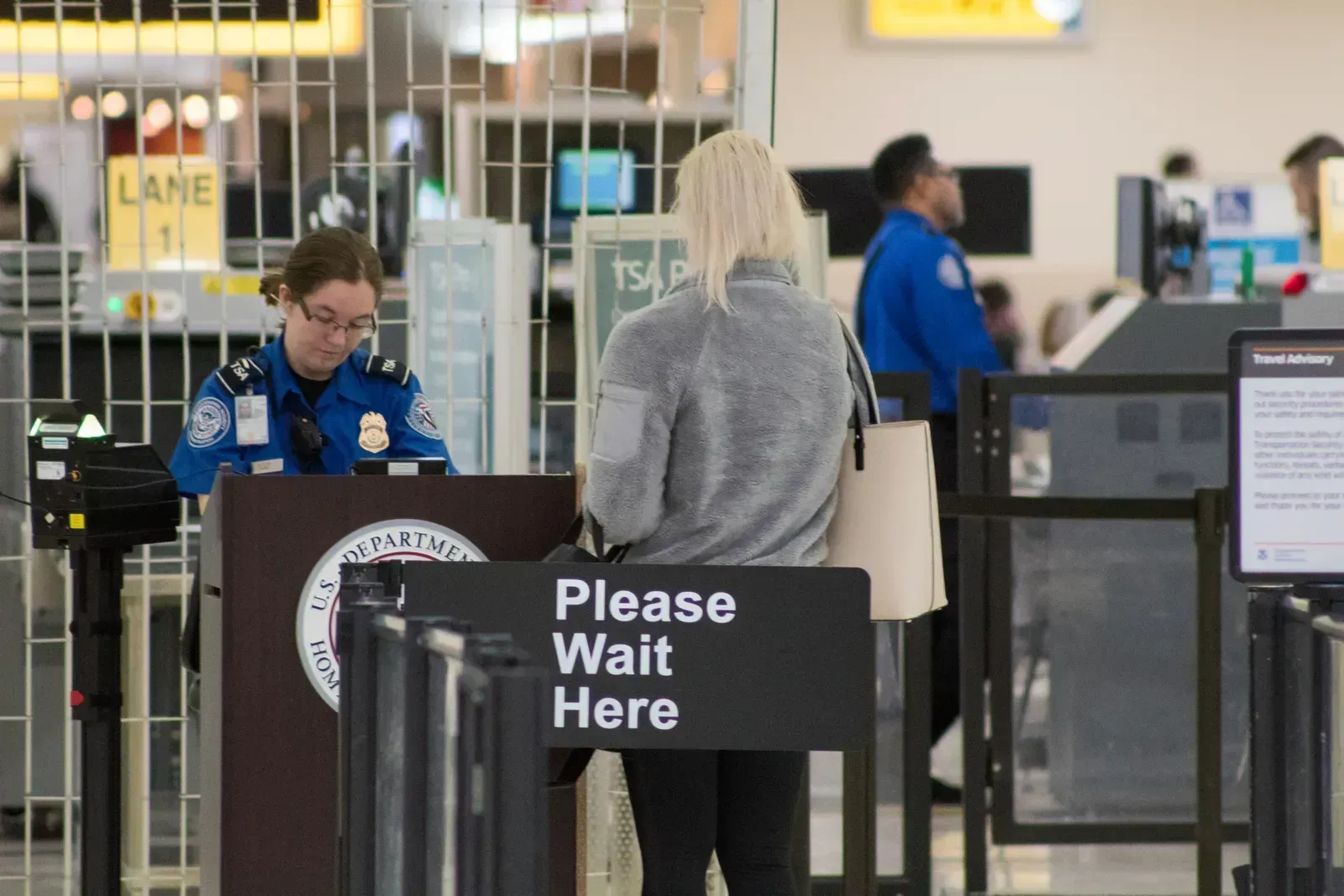
Keys, phones and loose change seem harmless until the walkthrough scanner disagrees. Not fully emptying your pockets can trigger the alarm and require a full physical screening.
The delay spreads beyond you. A pat down pulls a dedicated officer away from the main checkpoint flow, and everyone waits. Dropping everything into your bag before you reach the bins avoids the whole thing.
Forgetting the Laptop and Other Screening Steps

Rules differ by lane and airport, which trips people up. PreCheck travelers can leave shoes, belts and light jackets on, and keep laptops and liquids in their bag at airports with CT scanning. That speeds up processing per passenger.
If you’re in a standard lane, don’t assume the same applies. Even without PreCheck, remembering to pull out the laptop before reaching the bin area avoids an unnecessary rescan. Watching the signs and the officers’ instructions is the safest guide.
Joking About Bombs or Threats
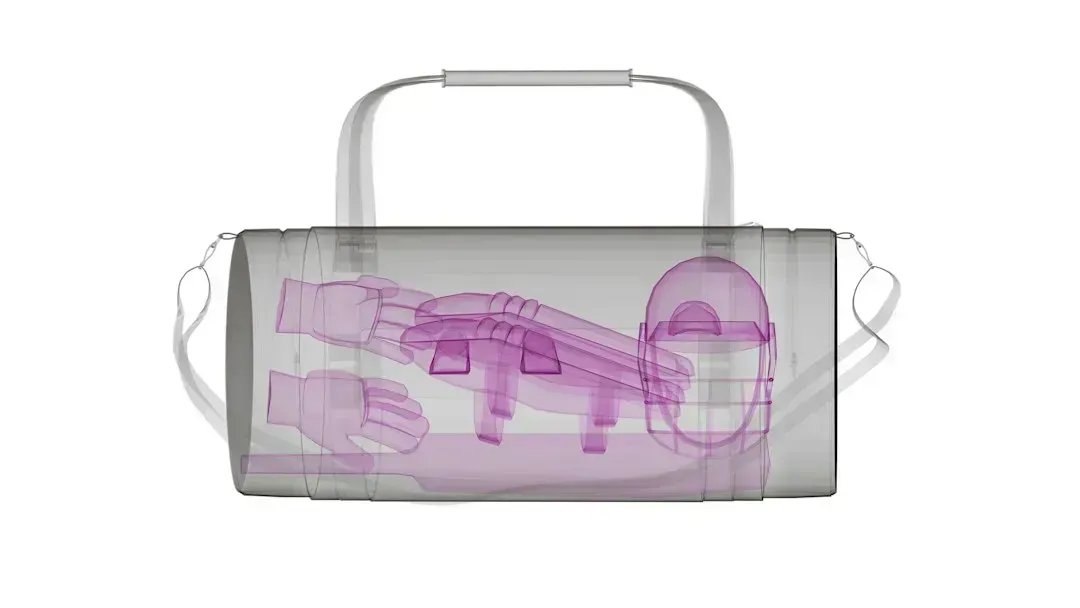
The checkpoint isn’t the place for dark humor. Jokes about explosives or threats are taken very seriously by security officers. Nobody on the other side knows you’re kidding.
Even if meant as humor, such comments can lead to additional screening, questioning and involvement of law enforcement. The result can be a missed flight, and it certainly won’t help anyone waiting behind you.
Arguing With Officers or Ignoring Instructions
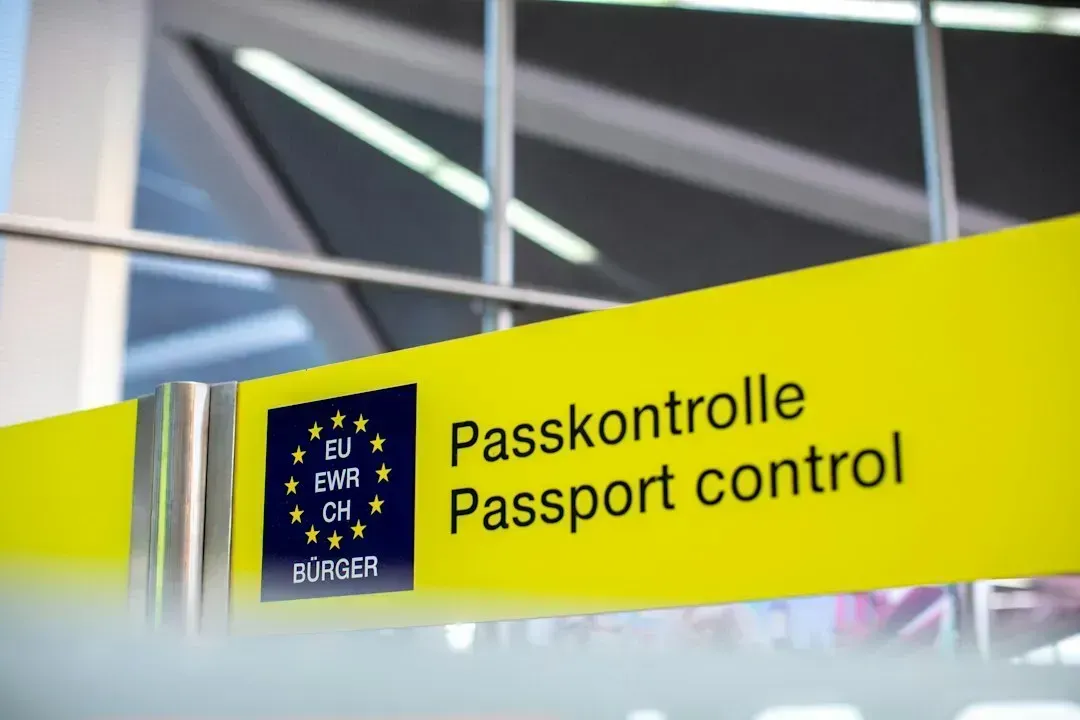
Security lines depend on rhythm. Breaking that rhythm by arguing with officers or ignoring checkpoint instructions almost always backfires. A short disagreement can stall an entire lane.
Staying calm is usually faster. Following instructions and saving commentary for after the checkpoint keeps the line moving. Officers also have full authority over how long your screening takes.
Wearing Complicated Outfits and Keeping Documents Scattered

Preparation matters even for frequent flyers. Even experienced travelers can unintentionally slow security lines by missing basic preparation steps. Layers, heavy accessories and belts with big buckles add extra work at the bins.
Wearing complicated clothing, failing to organize documents, or forgetting to empty pockets often leads to extra screening and delays. Keep your ID and boarding pass in one easy spot, and choose simple layers you can remove quickly.




Leave a Reply