
1. Lentils
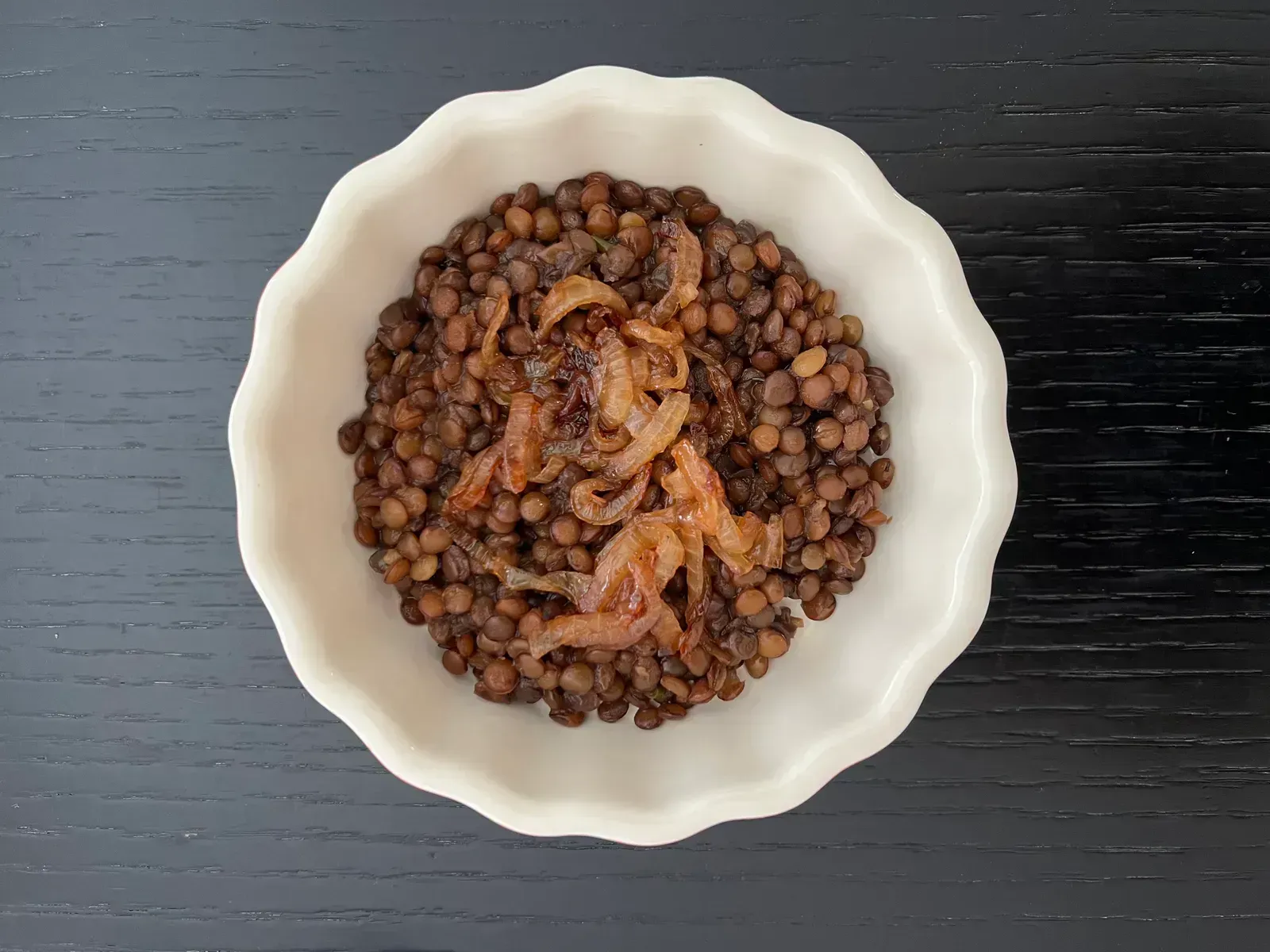
Lentils are one of the few foods that manage to pack fiber and protein into the same small package. A one-cup serving of cooked lentils provides approximately 18 grams of protein, 15 grams of fiber, and is low in fat, totaling around 230 calories. That’s a substantial chunk of a daily fiber target from a single bowl of soup or a scoop stirred into rice.
They also happen to be forgiving in the kitchen, since they cook faster than most other beans and don’t require soaking. Eating lentils is associated with an overall lower risk of heart disease, and a 2024 randomized trial found lentils lowered post-meal glucose and inflammatory markers without causing gastrointestinal issues. For anyone watching blood sugar or cholesterol, that’s a meaningful bonus on top of the fiber count.
2. Split Peas
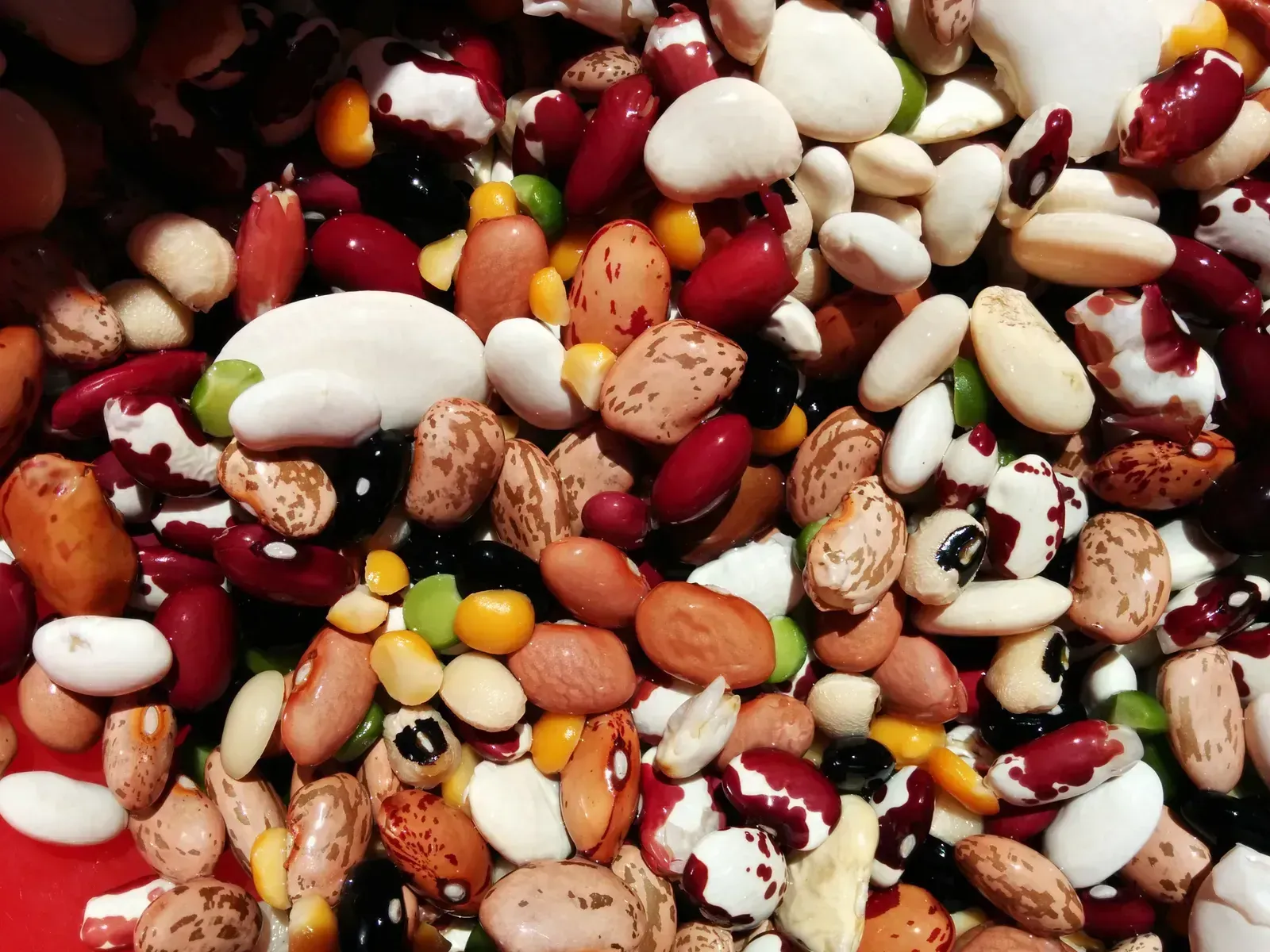
Split peas rarely get the attention lentils do, but they actually edge out most other legumes on fiber content. Split peas provide about 16 grams of fiber per cup, putting them near the top of the legume category. A pot of split pea soup can genuinely move the needle on a day when meals otherwise run light on plants.
Part of what makes split peas appealing is how neutral they taste, so they slide into soups, stews, and even purees without dominating the flavor. They’re also inexpensive and shelf stable, which matters for anyone trying to build a fiber habit without a grocery bill spike. Dietitians often suggest them as a rotation partner with lentils simply to keep meals from feeling repetitive.
3. Chickpeas
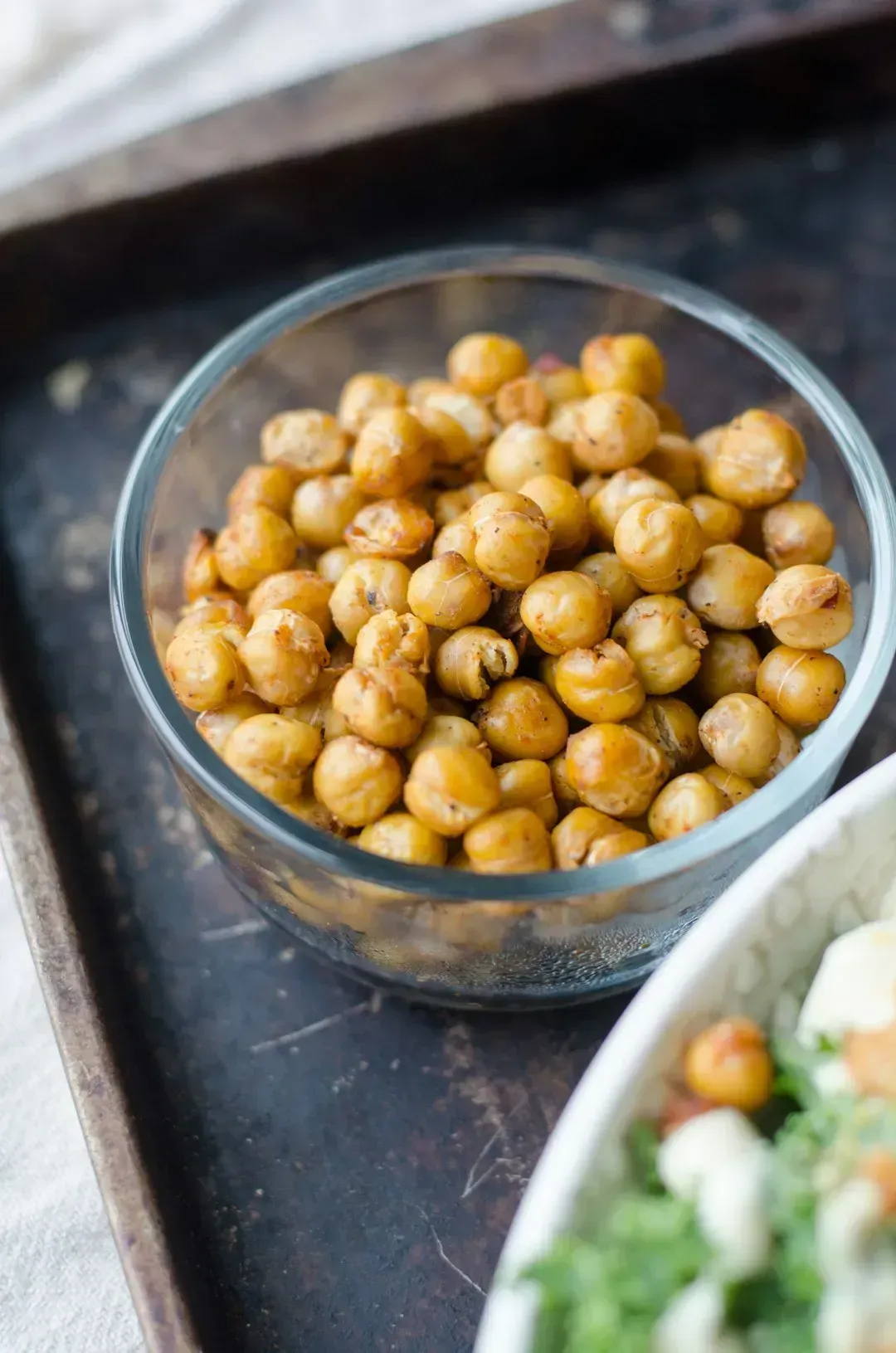
Chickpeas have become something of a pantry staple over the past few years, and the fiber numbers explain part of that popularity. A cup of chickpeas delivers roughly 12.5 grams of fiber. Whether roasted as a snack, blended into hummus, or tossed into a salad, they bring a satisfying texture along with the fiber.
Chickpeas also carry a decent amount of plant protein, which helps meals feel more complete rather than just heavier on carbohydrates. Dietitians frequently point to chickpea-based dishes as an easy swap for meat in at least one meal a week. The versatility is part of the draw, since the same can of chickpeas can become falafel one night and a curry base the next.
4. Raspberries
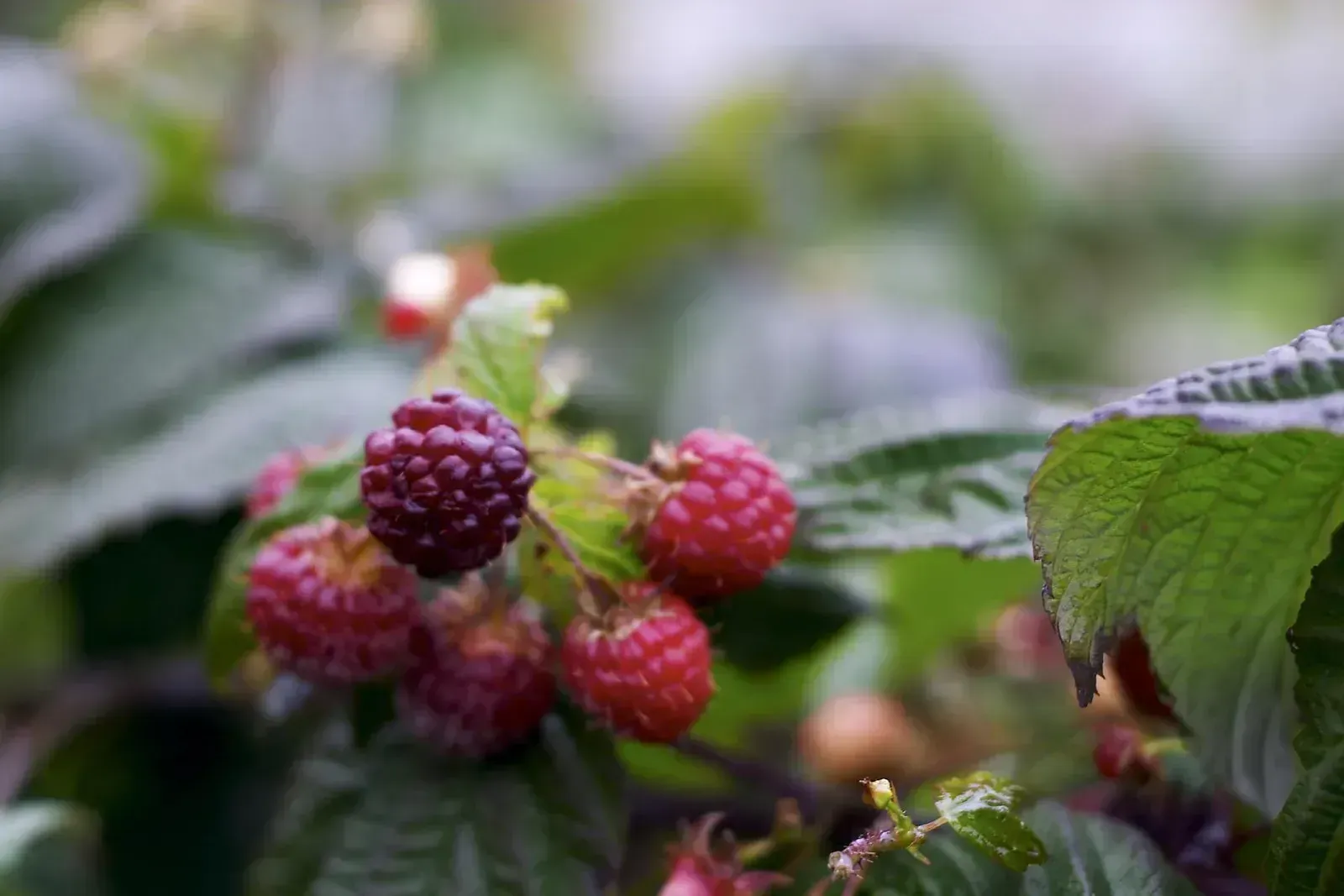
Among fruits, raspberries stand out for how much fiber they pack relative to their sugar content. A serving of raspberries contains around 8 grams of fiber. That’s notably higher than most other berries, and it comes without the heavy carbohydrate load of some sweeter fruits.
Mayo Clinic has noted a simple example of how fast that fiber adds up. A cup of raspberries added to a cup of cooked oatmeal with half a serving of almonds could provide about 13.5 grams of fiber. That single combination covers roughly half of a typical daily target before lunch even happens.
5. Chia Seeds
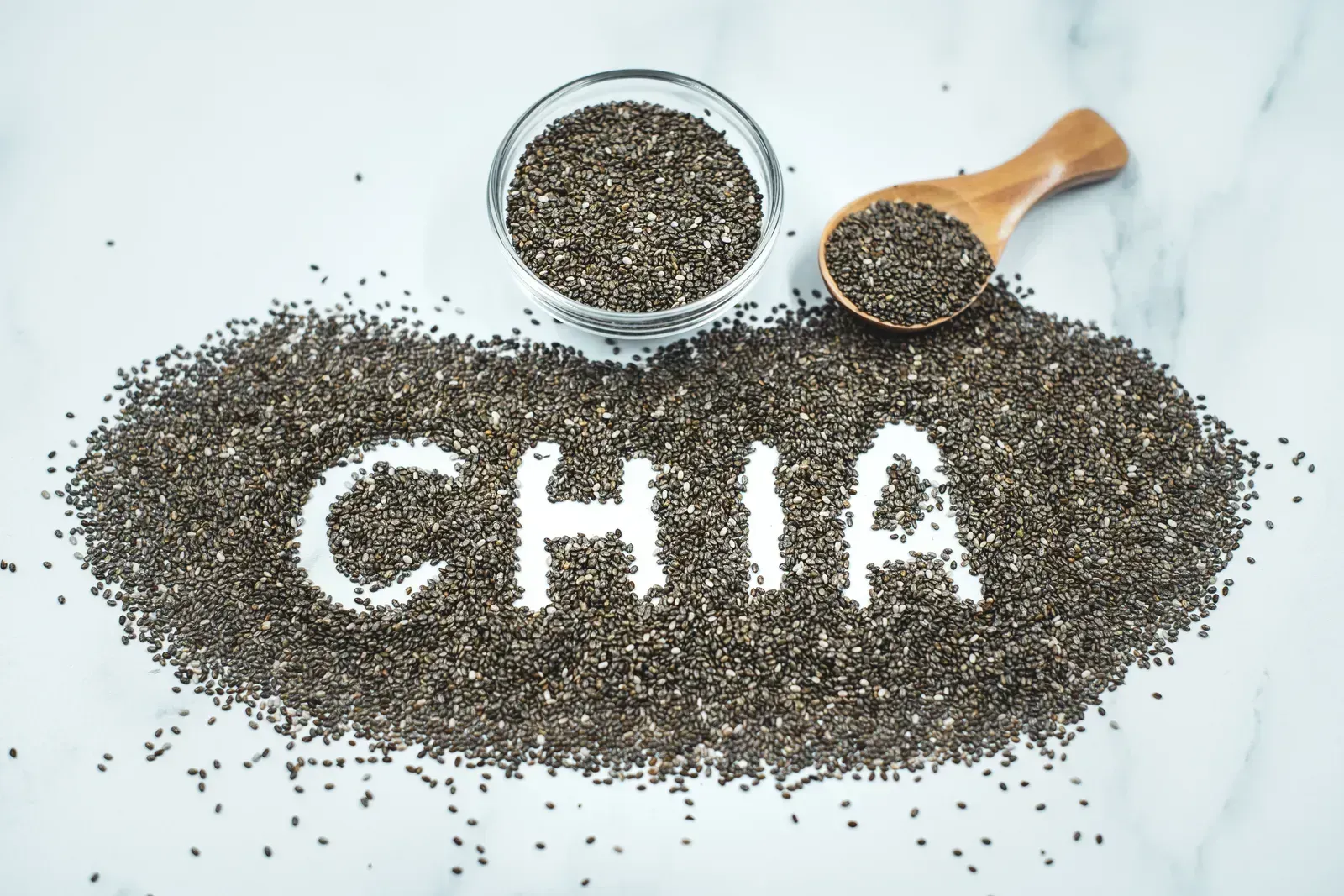
Chia seeds are small enough to disappear into almost anything, which is exactly why dietitians recommend them so often. A tablespoon of chia seeds contains about 4.1 grams of fiber. Sprinkled into yogurt, blended into a smoothie, or turned into pudding, they add bulk without changing the flavor of a dish in any noticeable way.
One sports dietitian interviewed by Food Network specifically favors chia seed pudding made with milk and topped with berries and almond butter as a go-to breakfast for hitting fiber goals. Because chia absorbs liquid and forms a gel, it also tends to help with satiety, keeping hunger at bay longer than a lower fiber breakfast might. It’s an easy add rather than a full meal on its own, which is part of the appeal.
6. Artichokes
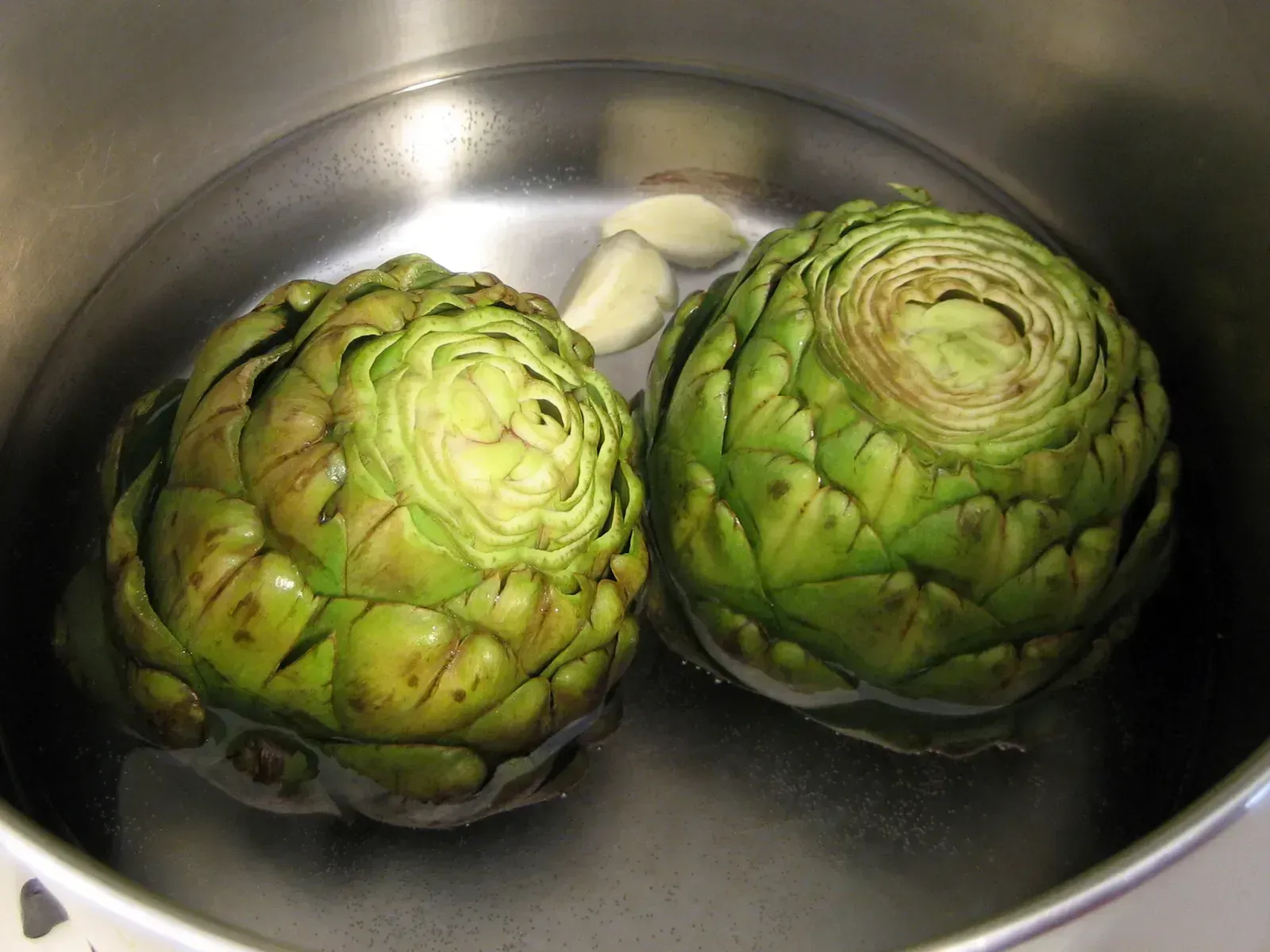
Artichokes don’t make it onto many everyday grocery lists, but they deserve more attention than they get. A single artichoke provides around 7 grams of fiber. That’s a substantial amount for a vegetable that often gets treated as a garnish or appetizer rather than a main event.
Steamed and served with a light dip, or chopped into a pasta dish, artichokes bring texture along with the fiber boost. They’re also a good source of antioxidants, which rounds out their nutritional profile beyond just the digestive benefits. For anyone bored with the usual broccoli and spinach rotation, artichokes offer a genuine change of pace.
7. Black Beans
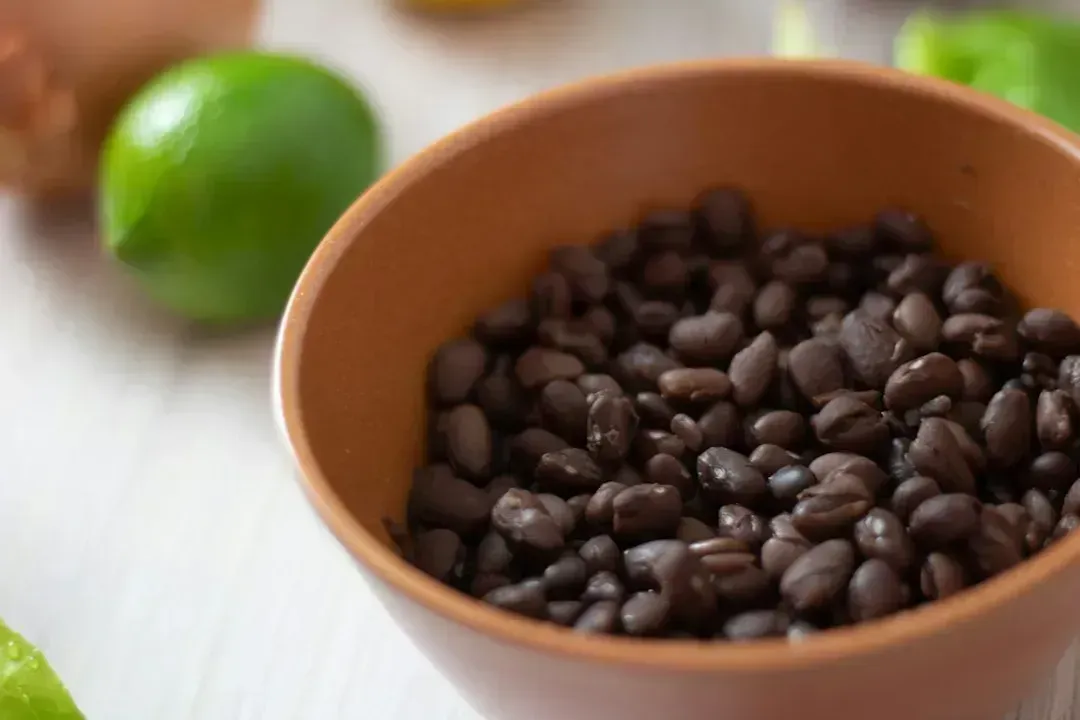
Black beans sit comfortably in that same high fiber legume category as lentils and split peas, and they bring a similar nutritional punch. Legumes as a group, including black beans, consistently rank among the highest fiber foods per cooked cup, often landing well into the double digits. Legumes like lentils, split peas, and navy beans top the list at 12 to 19 grams of fiber per cooked cup, more than most other food groups.
Black beans in particular hold up well in dishes that get reheated, which makes them a practical choice for batch cooking. A pot made on Sunday can stretch across tacos, salads, and grain bowls through the week without losing texture. That convenience factor is a big reason dietitians keep recommending beans over more delicate high fiber options.
8. Oats
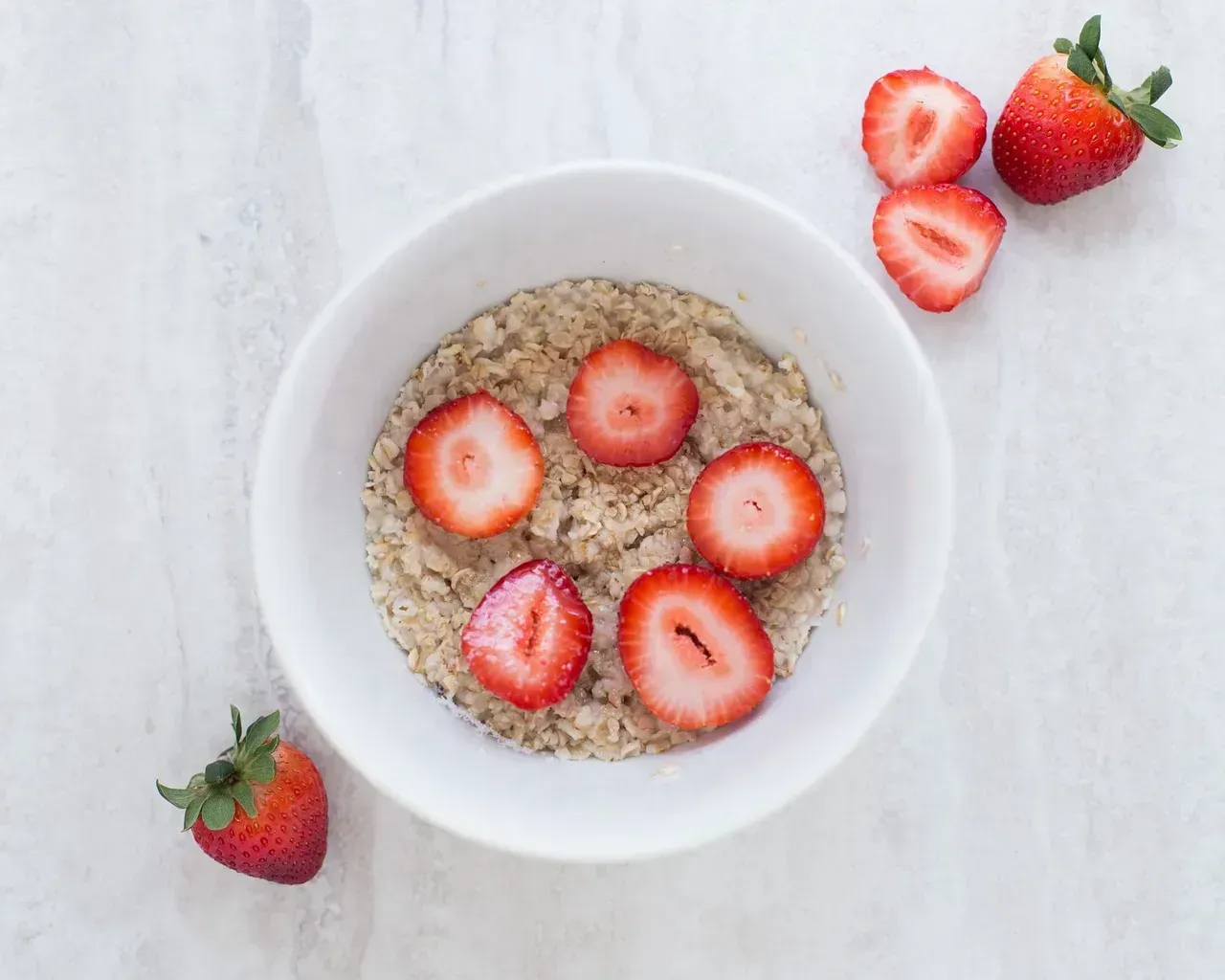
Oats occupy a slightly different fiber category than beans and berries, since much of their fiber is the soluble type known as beta glucan. This form of fiber has been specifically linked to cholesterol benefits, which is part of why oatmeal shows up so often in heart healthy meal plans. A 2020 review published in Nutrients credited eating more fiber with healthier gut bacteria, better regularity, a healthy heart, and decreased risk of type 2 diabetes.
A bowl of oatmeal on its own is a solid start, but pairing it with fruit or seeds pushes the fiber count considerably higher. The Mayo Clinic example mentioned earlier, oatmeal topped with raspberries and almonds, illustrates just how much a simple breakfast can contribute toward a daily goal. Oats are also cheap and shelf stable, which keeps them in regular rotation for a lot of households.
9. Whole Grain Bran Cereal
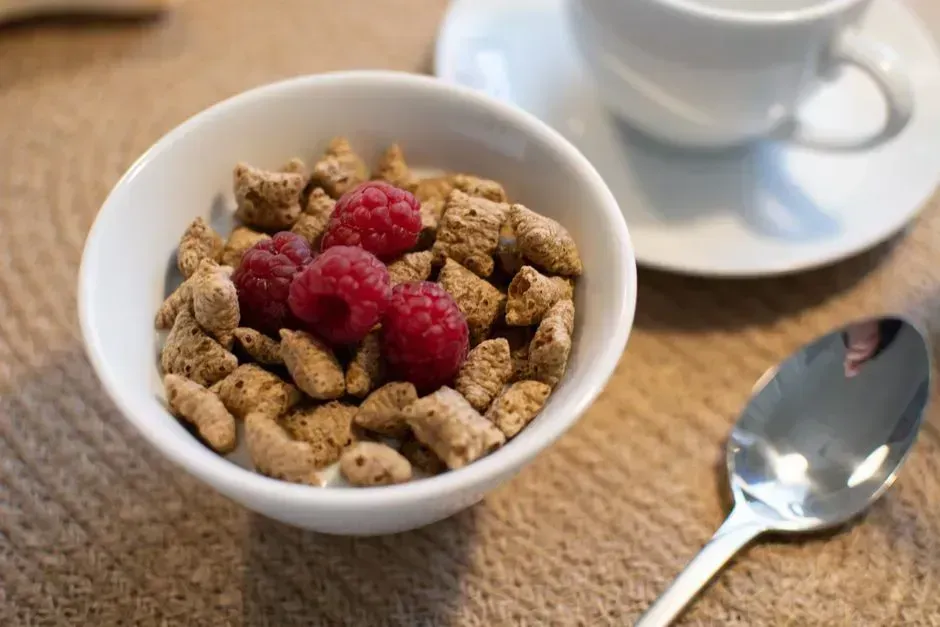
For anyone who wants a fast, no cooking way to boost fiber first thing in the morning, high fiber bran cereal is hard to beat on a gram for gram basis. A half cup serving of high fiber bran ready to eat cereal contains 14 grams of fiber. That’s close to half of the lower end daily target from one bowl.
Pairing bran cereal with milk and fruit rounds out the meal and adds even more fiber on top. It’s not the most exciting food on this list, but its consistency and convenience make it a practical anchor for a high fiber morning routine, especially on busy weekdays when a full cooked breakfast isn’t realistic. Dietitians often suggest it as a simple baseline option for people who find whole food fiber sources harder to fit into a rushed schedule.
Fiber doesn’t need to come from one dramatic dietary change. Rotating a few of these foods through breakfast, lunch, and dinner, a spoonful of chia here, a cup of lentils there, tends to close the gap between average intake and the recommended range more reliably than any single “superfood” ever could. The foods on this list share one thing in common beyond their fiber content: they’re accessible, affordable, and easy to keep stocked, which is often the real difference between a habit that sticks and one that doesn’t.





Leave a Reply