
Watch a boarding line long enough and you start to see the same small moments repeat. Someone stops mid-aisle, a bag doesn’t fit, and forty people behind them wait. None of it feels dramatic in the moment, yet it adds up fast.
Airlines have their own reasons to care. Researchers who study boarding, including physicist Jason Steffen, have pointed to the time each passenger spends stowing a bag as a leading cause of delay. Airlines earn money when the aircraft is flying, not when it sits at the gate. Here are eight habits that hold things up most.
Stopping in the Aisle to Rearrange Everything
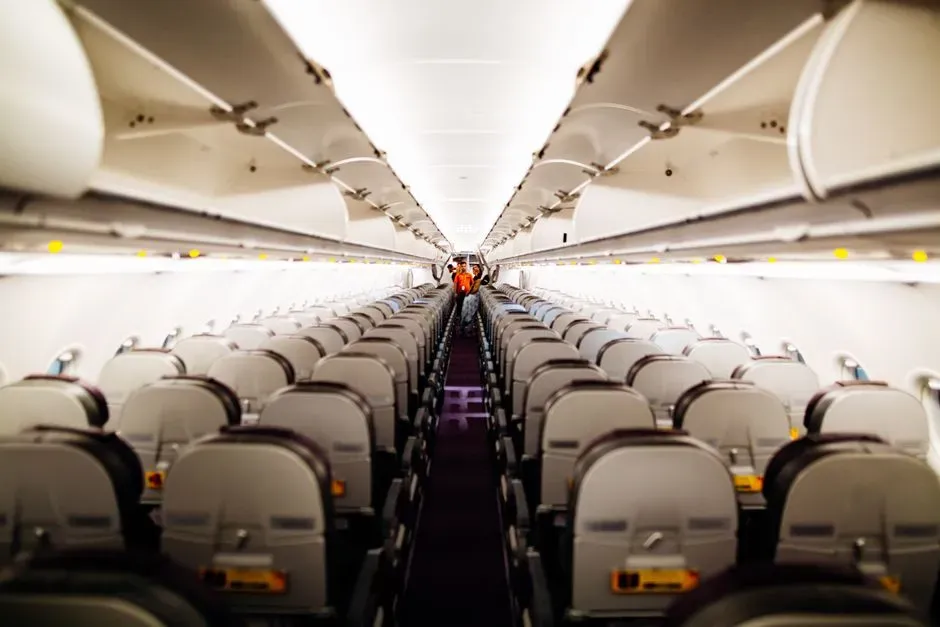
The aisle is not a packing station. Yet plenty of people reach their row and start digging for a charger, a jacket, or headphones while the line freezes behind them.
Do the sorting at the gate or in your seat once you’re settled. Pull out what you need before you board, and the whole process takes seconds instead of minutes.
Bringing a Bag Too Big for the Bin
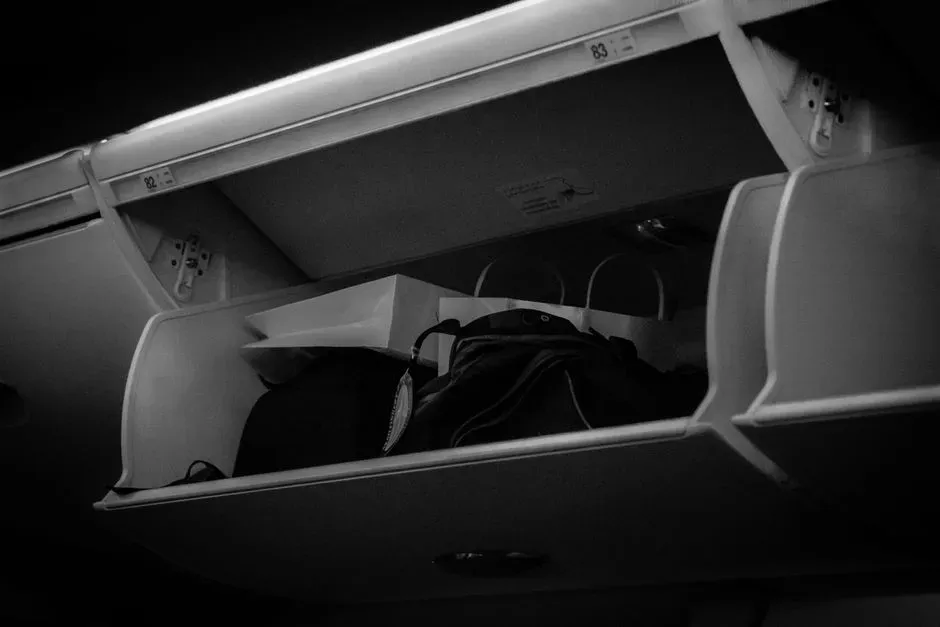
Size limits exist for a reason, and bins are not elastic. A bag that almost fits usually means several rounds of pushing, turning, and lifting, often with a flight attendant stepping in.
Check your airline’s current size rules before you pack. Some carriers are installing larger bins, and Southwest said it intended to retrofit its remaining MAX 8 and 737-800 aircraft by the end of 2026. Until your specific plane has them, though, assume standard space.
Packing Everything Because Checking a Bag Costs Money
This one is partly a policy story. In May 2025, Southwest started charging for checked bags, with a fee of thirty-five dollars for the first and forty-five for the second. Other big US carriers already charged for years.
The result is easy to predict. More passengers have a reason to bring luggage into the cabin, and full bins mean more time hunting for space or shuffling bags. I understand the savings, but a packed cabin slows everyone down.
Using a Bin Far From Your Seat
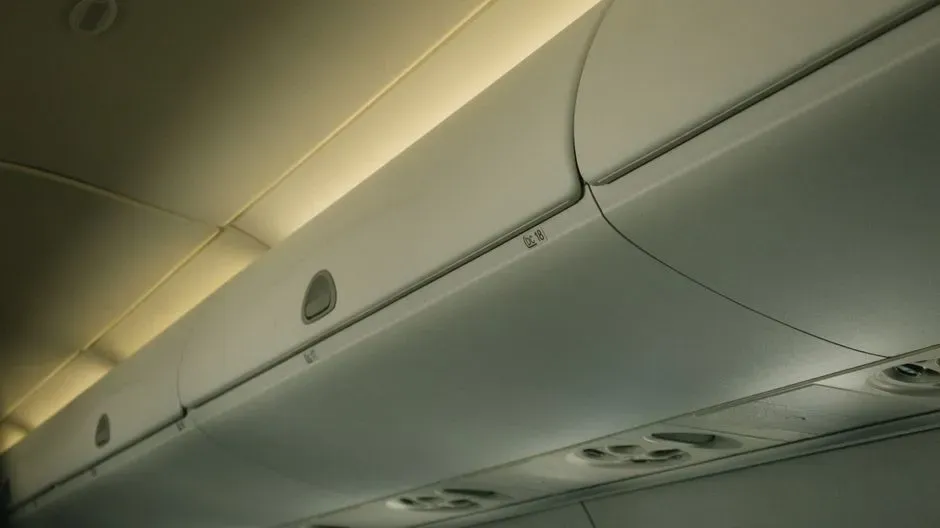
Putting your bag in the first open bin you see feels efficient. It isn’t, because you then have to fight the crowd backward at the end of the flight to retrieve it.
It also fills up the front of the cabin for people seated there. Aim for a bin near your own row, or just ahead of it, so space stays available where it’s needed.
Loading the Bin With the Wrong Orientation
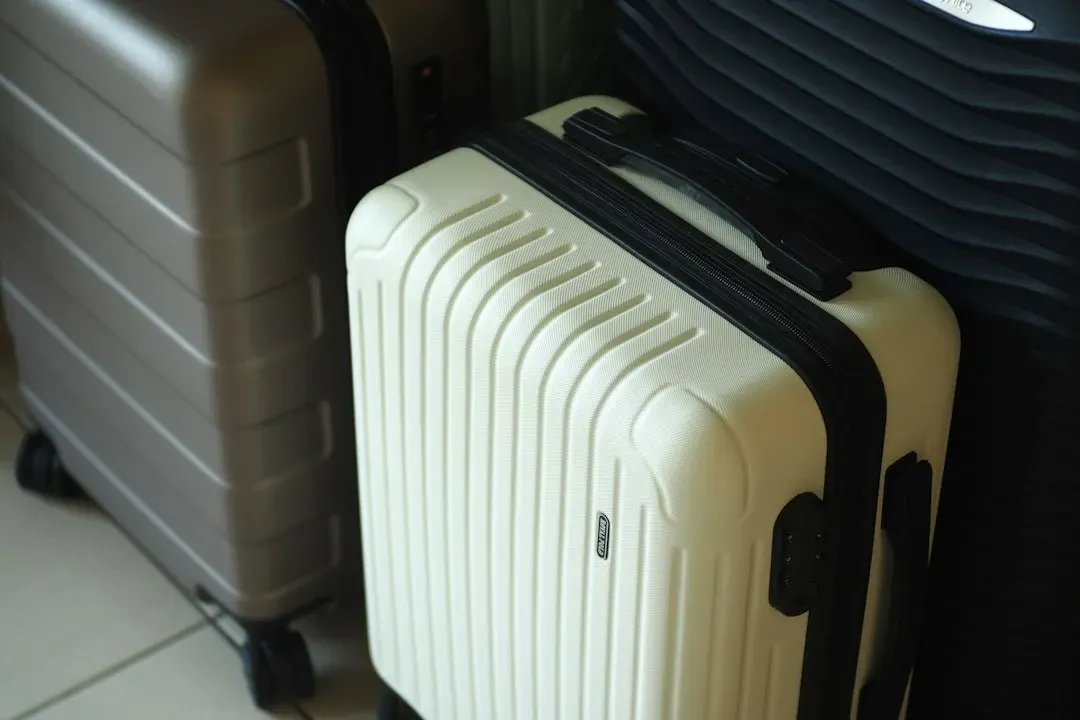
Roller bags placed flat and sideways can take up twice the room they need. Depending on the aircraft, many bags fit better on their sides, wheels first, or with the handle facing a certain way.
If you’re unsure, ask the crew. A quick correction at the start can free up room for several more bags, which reduces the number of suitcases sent to the hold later.
Standing Around in the Seat Row
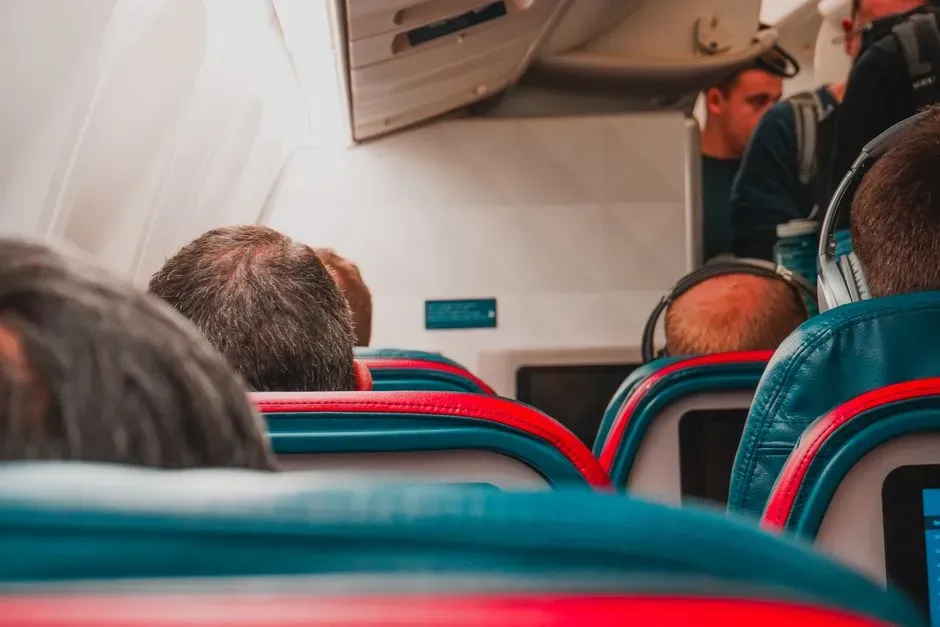
Once you reach your row, the goal is to get out of the aisle. Some passengers stand in the seat while they unpack, or wait for a companion to finish before sitting down.
Research summaries note that bags lead people to keep the seat occupied while unloading, which interferes with those who come after them. Sit down first, then handle the small stuff.
Boarding Before Your Group Is Called
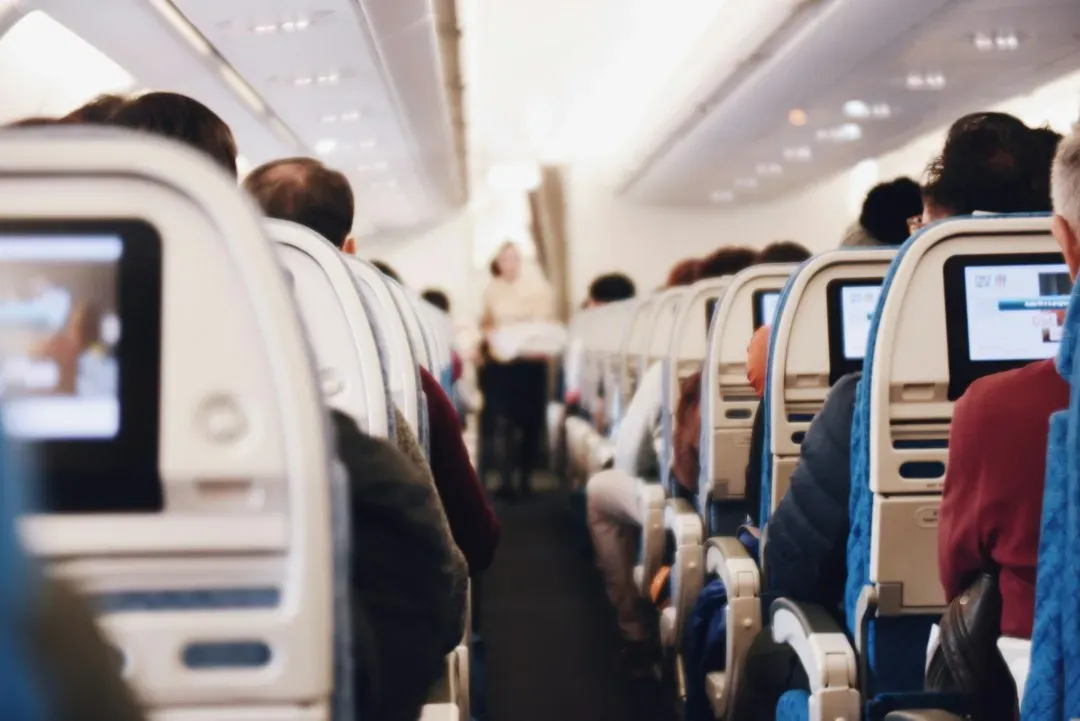
Boarding in zones is designed to spread people out. When passengers jump ahead, they bring their bags into an aisle that is already busy, and the sequence falls apart.
Airlines have also been adjusting timing. American announced earlier boarding times in 2025, partly hoping to reduce the number of bags checked at the gate. The extra minutes only help if people actually use their assigned group.
Ignoring the Gate Check Offer
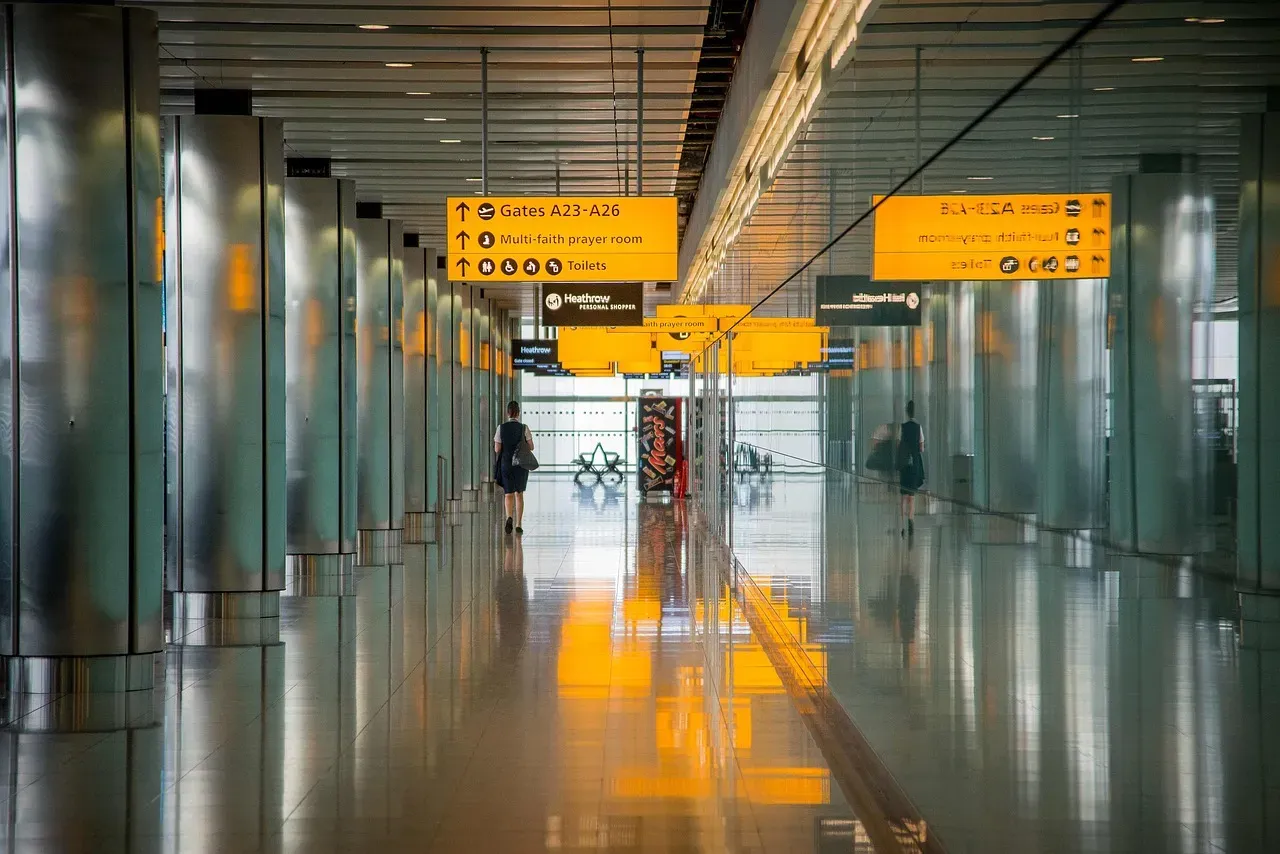
When flight attendants or gate agents say the bins are nearly full, that’s a genuine warning. Waiting to see whether your bag squeezes in can cost more time than a simple gate check.
The delay lands at the worst moment. Gate checking can slow the process further, since the aircraft can’t push back until the cargo hold is closed. Volunteering early, with a small bag of essentials kept in hand, keeps things moving.
Final Thoughts
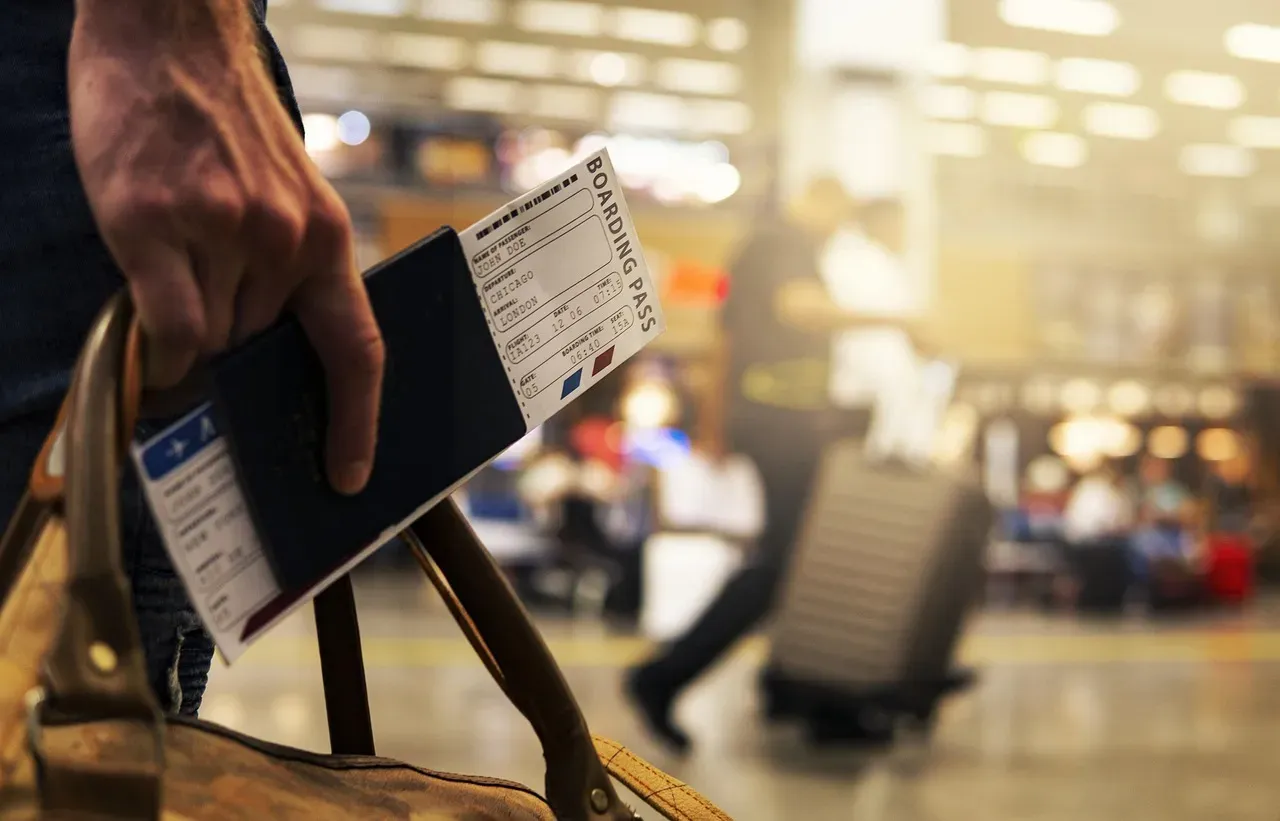
Boarding rarely slows down because of one big mistake. It slows down through many small ones happening at once, mostly tied to bags. Pack lighter, know your size limits, and step out of the aisle quickly.




Leave a Reply