
The recipe card is often incomplete on purpose
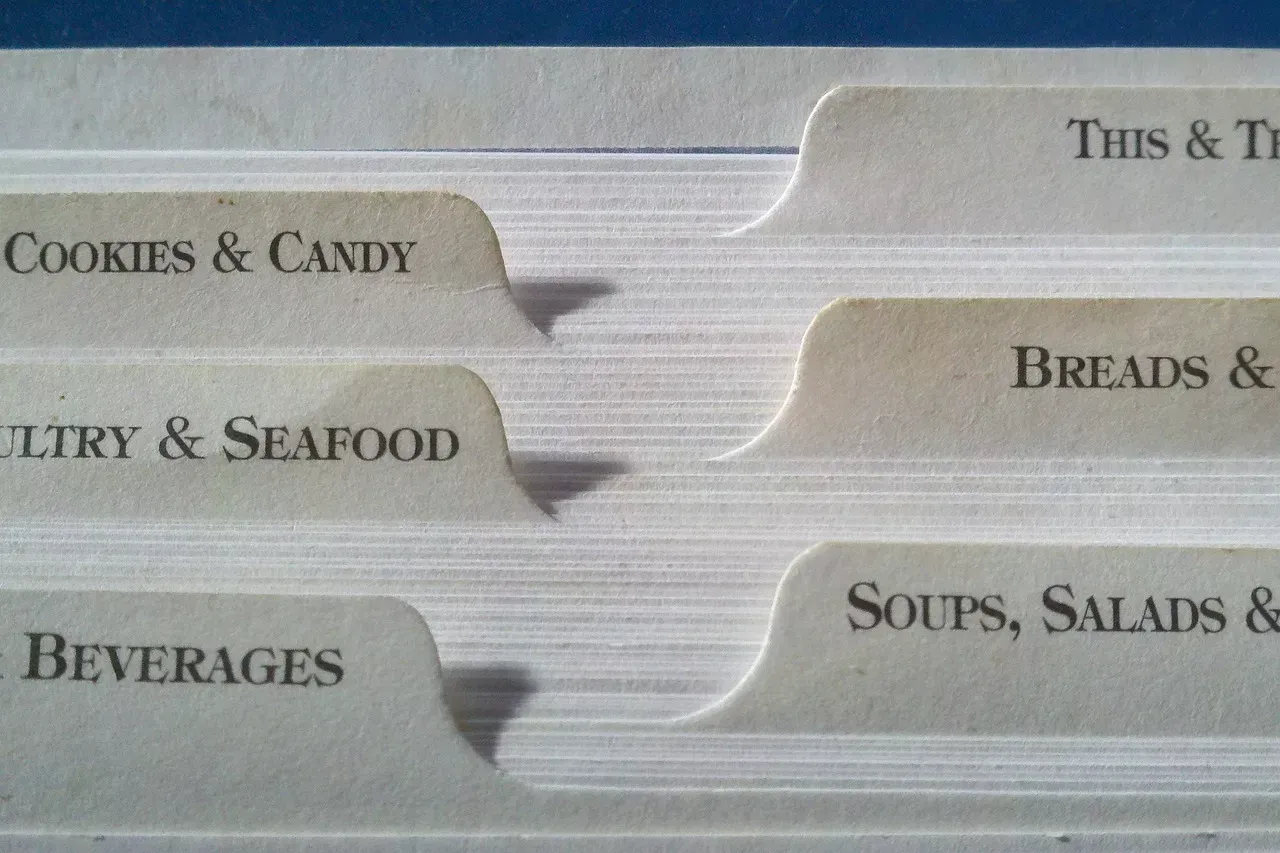
Older generations of home cooks frequently learned by watching, not measuring. Precise quantities weren’t always written down because the cook didn’t think in exact numbers, she thought in feel, texture, and smell. That means many inherited recipes are essentially shorthand notes meant for someone who already had the technique memorized.
This creates a real problem for descendants trying to recreate a dish decades later. Without the accompanying muscle memory, a card that says “enough milk to make it soft” leaves enormous room for failure. The recipe itself was never the whole recipe.
Family memory is not the same as culinary accuracy

People tend to trust family recollection as though it were a verified historical record, but memory shifts every time a story gets retold. A dish remembered as “just like grandma used to make” may have been altered slightly with each generation that passed it along, whether through substitutions, forgotten steps, or regional ingredient availability.
Food historians who study oral culinary traditions note that recipes evolve constantly, even within a single family, because cooks adapt to what’s available and what tastes good to them personally. The version you inherited might already be several steps removed from whatever your grandmother originally intended.
Ingredients have changed more than people realize
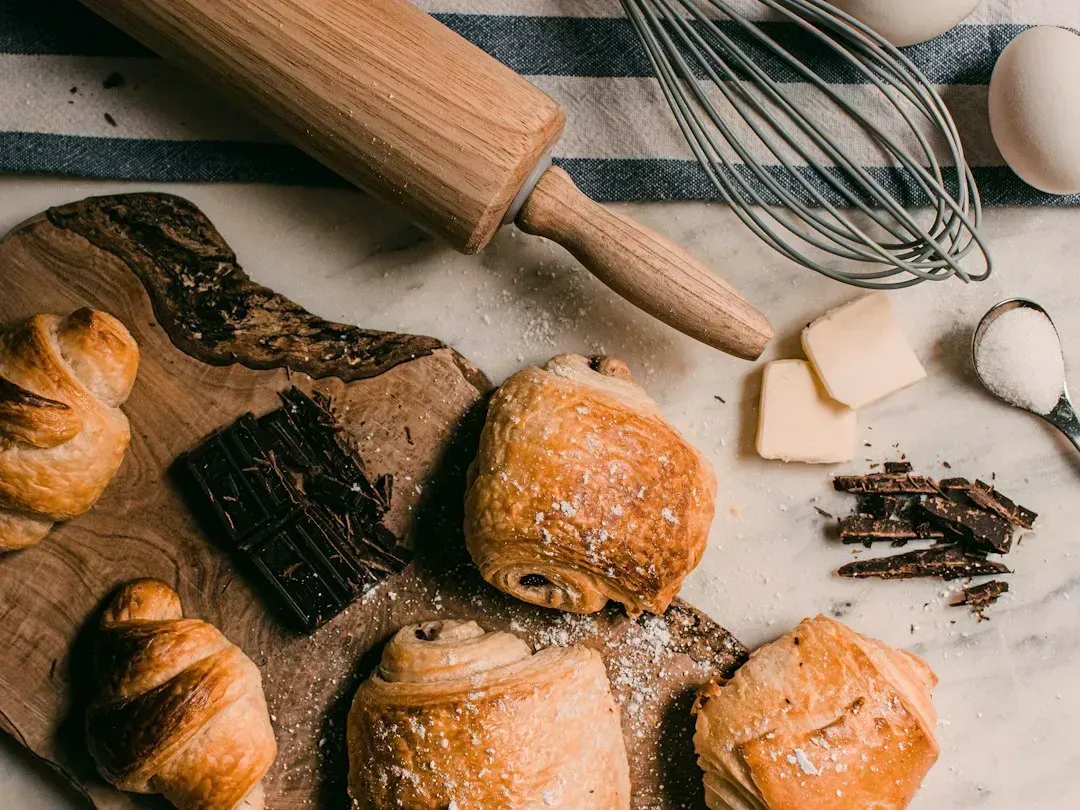
Flour milled today behaves differently than flour milled seventy years ago. Butter fat content, sugar granulation, and even the acidity of eggs have shifted due to changes in agricultural processing and food regulation over the decades. This means a recipe followed to the letter can still taste noticeably different from the original.
Home bakers who’ve tried to recreate vintage recipes often report unexpected results, from denser cakes to drier pastries, simply because the raw materials themselves are not identical. It’s not a failure of technique. It’s a quiet reminder that food is tied to its era in ways that don’t survive translation onto paper.
The emotional weight can make cooking feel like a test
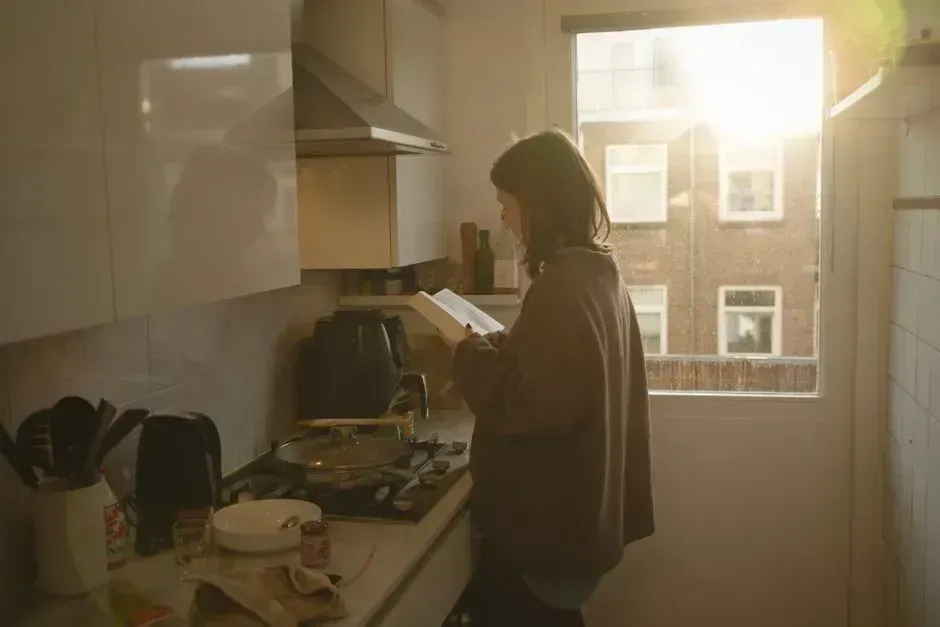
When a recipe carries someone’s memory, the stakes of getting it “right” can feel disproportionately high. A slightly overcooked roast or a cake that doesn’t rise properly can trigger a wave of guilt that has nothing to do with the food itself and everything to do with grief.
Culinary anthropologists have pointed out that food is one of the most powerful carriers of memory precisely because it engages taste, smell, and touch simultaneously. That intensity is a gift, but it also means failed attempts at inherited dishes can feel like a small failure of connection rather than a simple kitchen mishap.
Not every recipe deserves to be preserved exactly as written
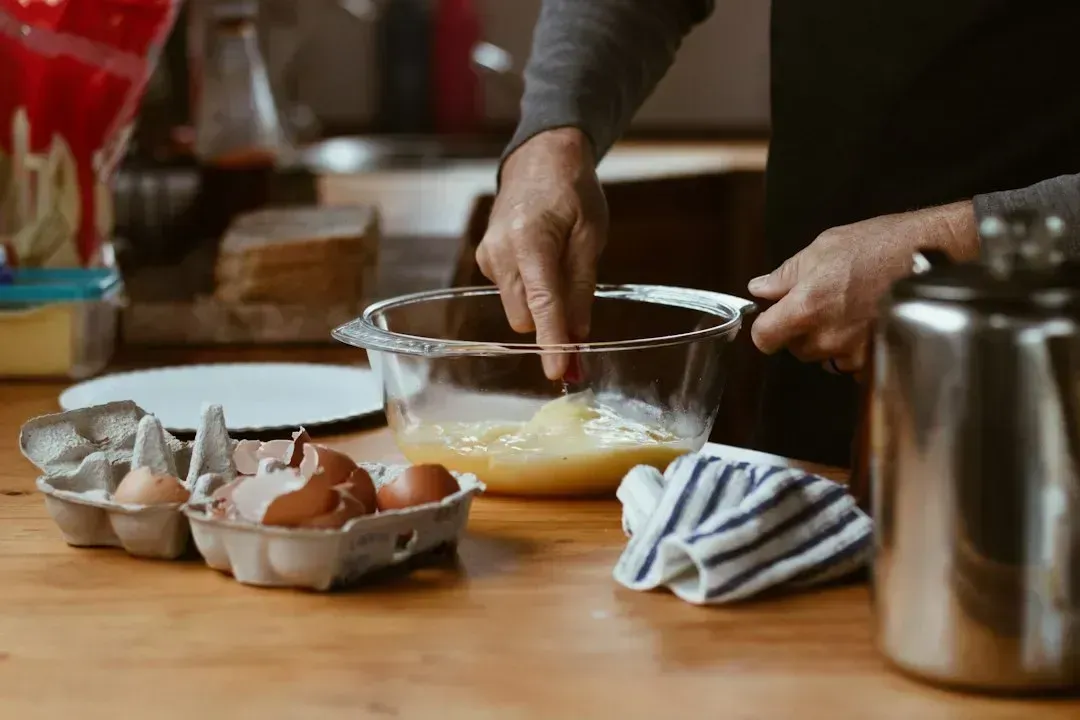
There’s an unspoken pressure to treat inherited recipes as sacred texts that must never be altered. In reality, many family recipes were themselves adaptations of adaptations, shaped by rationing, regional scarcity, or whatever the local market carried that week.
Treating a recipe as untouchable can actually work against the spirit of how it was created in the first place. Cooks throughout history have modified dishes out of necessity and creativity, and there’s a reasonable argument that keeping a recipe alive sometimes means letting it evolve again.
Written recipes often skip the sensory cues that mattered most
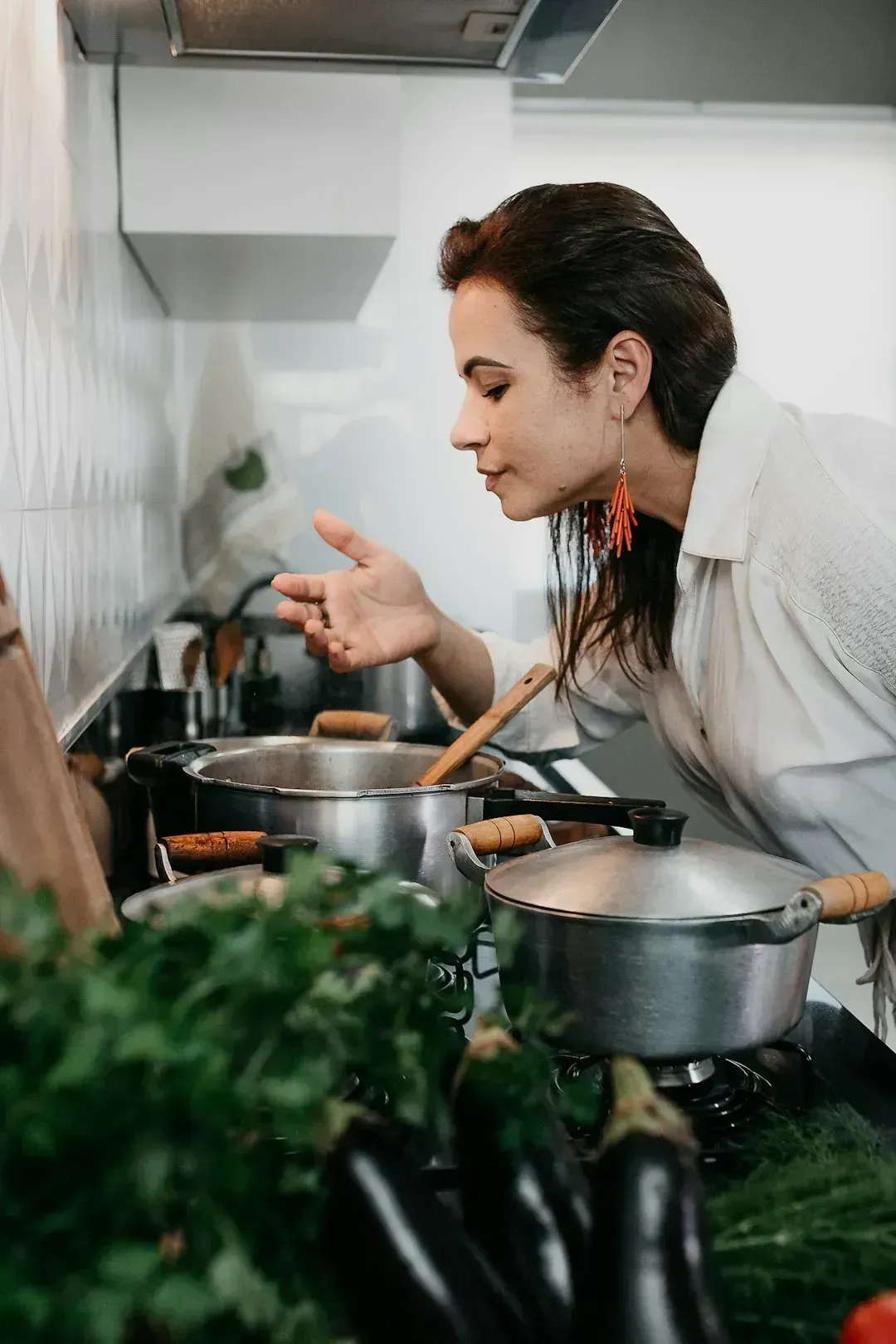
Ask anyone who learned to cook by standing next to a relative in the kitchen, and they’ll usually mention smell, sound, or color as the real signals, not a timer. The recipe card rarely captures “when it smells slightly nutty” or “when the edges start to pull away,” because those cues were taught in person, not in writing.
This is one reason cooking shows and modern recipe videos emphasize visual and sensory description so heavily. Written text alone has historically struggled to convey the experiential knowledge that skilled home cooks relied on for decades.
Family recipes can carry uncomfortable history too
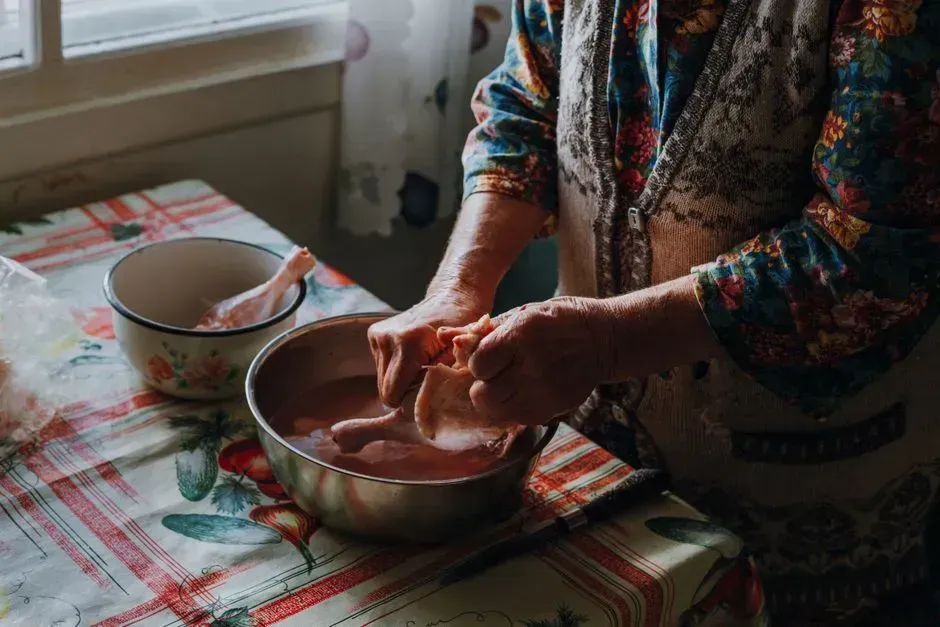
Some inherited dishes trace back to periods of hardship, migration, or scarcity, and the recipe itself can be a quiet artifact of that difficulty. A stew stretched with extra water during wartime rationing, or a dessert made without sugar because sugar wasn’t available, tells a story that isn’t always mentioned when the dish is served today.
Food historians studying immigrant and working class culinary traditions have noted that these adaptations were often driven by necessity rather than preference. Understanding that context can change how a family views a dish that’s been passed down purely as a comfort food.
Digitizing old recipes comes with its own challenges
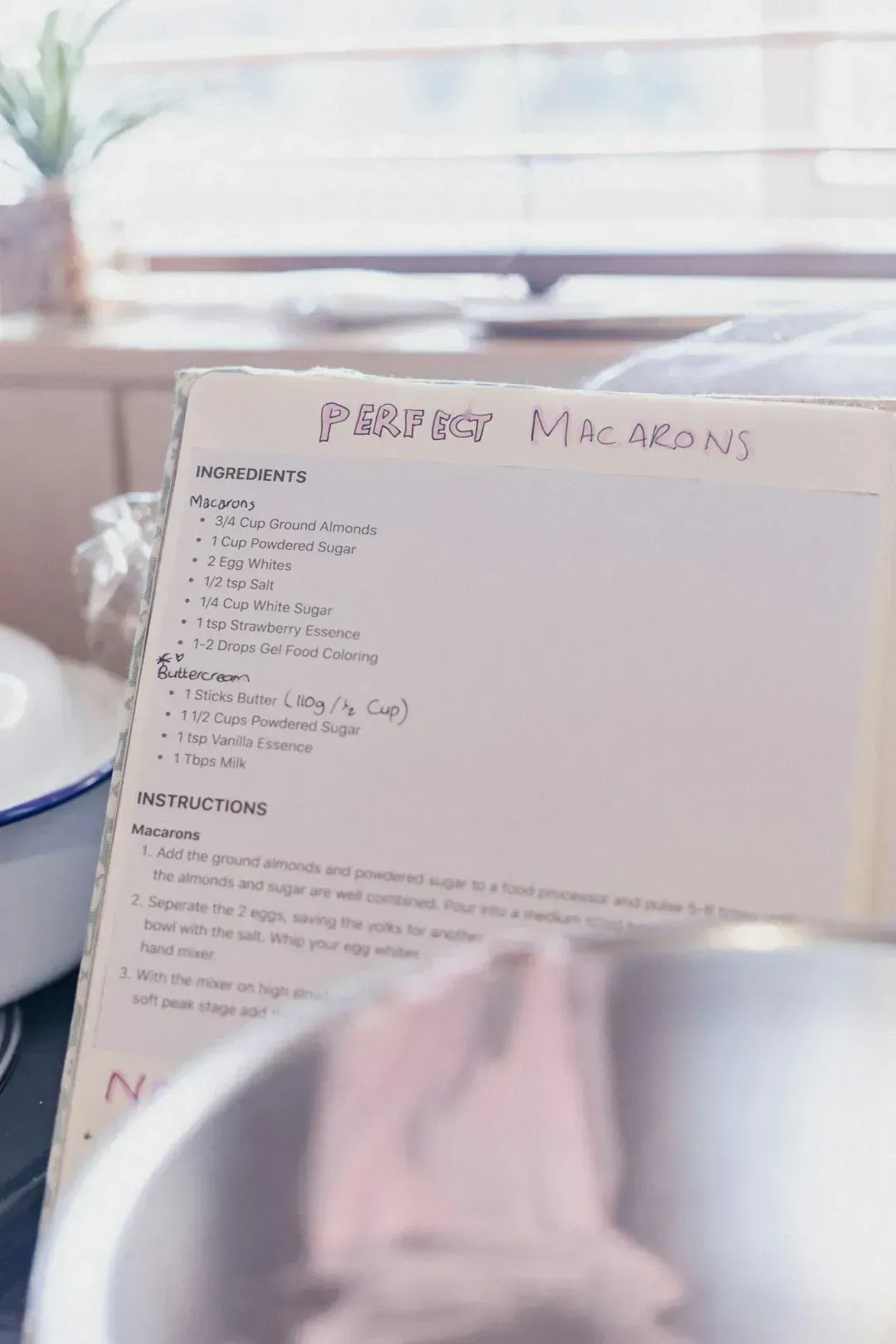
Many families have tried to solve the fragility of handwritten recipe cards by scanning or transcribing them, which is sensible for preservation but can strip away important context. A stain on the corner of a card, a handwritten note in the margin, or a substitution scribbled in later ink often carries information that a clean digital copy loses entirely.
Archivists who work with personal and family collections generally recommend preserving the original physical document alongside any digital copy, precisely because the physical object holds details that transcription can erase. The smudge from decades of use is, in its own way, part of the recipe.
Recreating a dish rarely recreates the original experience
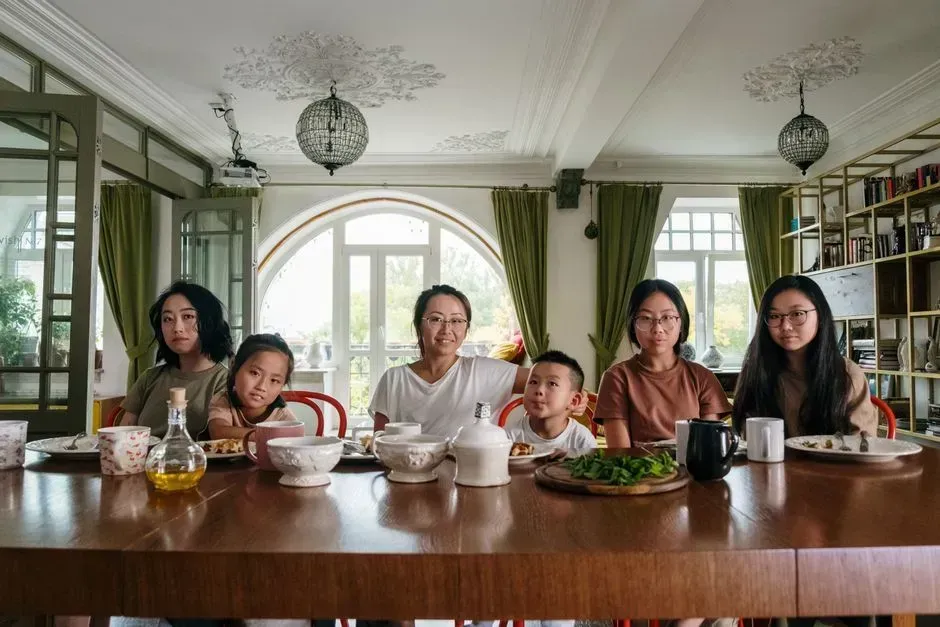
Even a technically accurate recreation of an inherited recipe usually falls short of matching the emotional experience tied to the original. Part of that is the ingredients and technique gap already mentioned, but a large part is simply that the original moment, the kitchen, the people present, the specific occasion, cannot be reproduced through food alone.
This doesn’t make the effort pointless. It just resets expectations. A recreated dish can honor a memory without being expected to fully resurrect it, and accepting that distinction tends to make the process far less discouraging.
The real value often isn’t the recipe itself
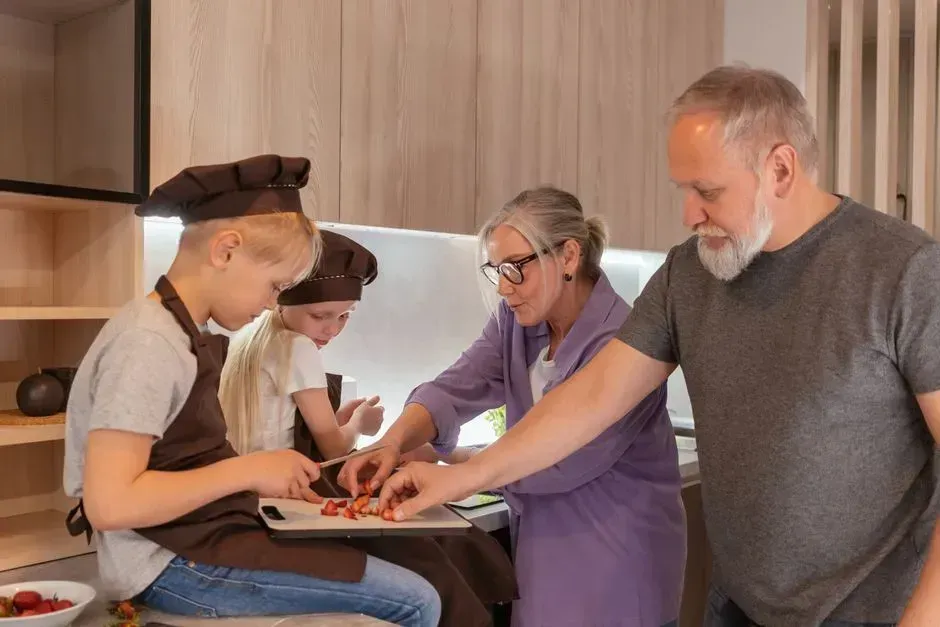
After working through the inaccuracies, ingredient changes, and emotional pressure, many people land on a similar realization: the recipe was never really about precision. It was a container for something else, time spent together, a specific kitchen, a particular relative’s way of doing things.
That reframing tends to be the most useful outcome of the whole process. The dish matters less as a fixed formula and more as a living connection that each generation gets to interpret, adjust, and pass along in their own imperfect way.



Leave a Reply