
Most of us assume the math is simple. A carton of eggs costs a couple of dollars, so breakfast at home has to be cheaper than breakfast out. For scrambled eggs and toast, that’s usually true.
The picture changes once a dish needs a long ingredient list and you’re only feeding one or two people. Grocery prices have also shifted in 2026, with eggs cheaper and beef pricier. Here are eight breakfasts where a diner plate can come out close to your home cost, or even ahead of it, once you count everything you’d have to buy. I can’t verify menu prices for every diner, so treat these as cases where the odds favor eating out, not guarantees.
Steak and Eggs
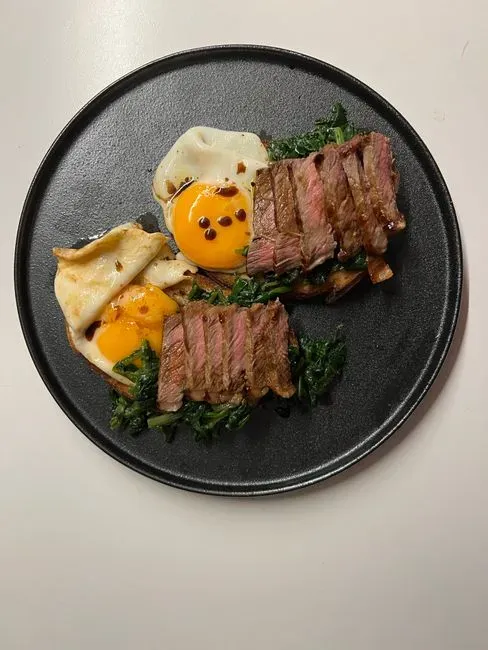
The eggs are the cheap part. The steak is the problem. USDA forecasts beef and veal prices to rise 9.8% in 2026, and beef is the item most likely to blow up a home breakfast budget.
A diner buys cuts in bulk and trims them for one plate. At home you buy a full steak, and it’s often a bigger one than you need at 8 a.m. If you’d normally split a steak between two people, the per person cost narrows the gap, though it rarely erases it.
Eggs Benedict
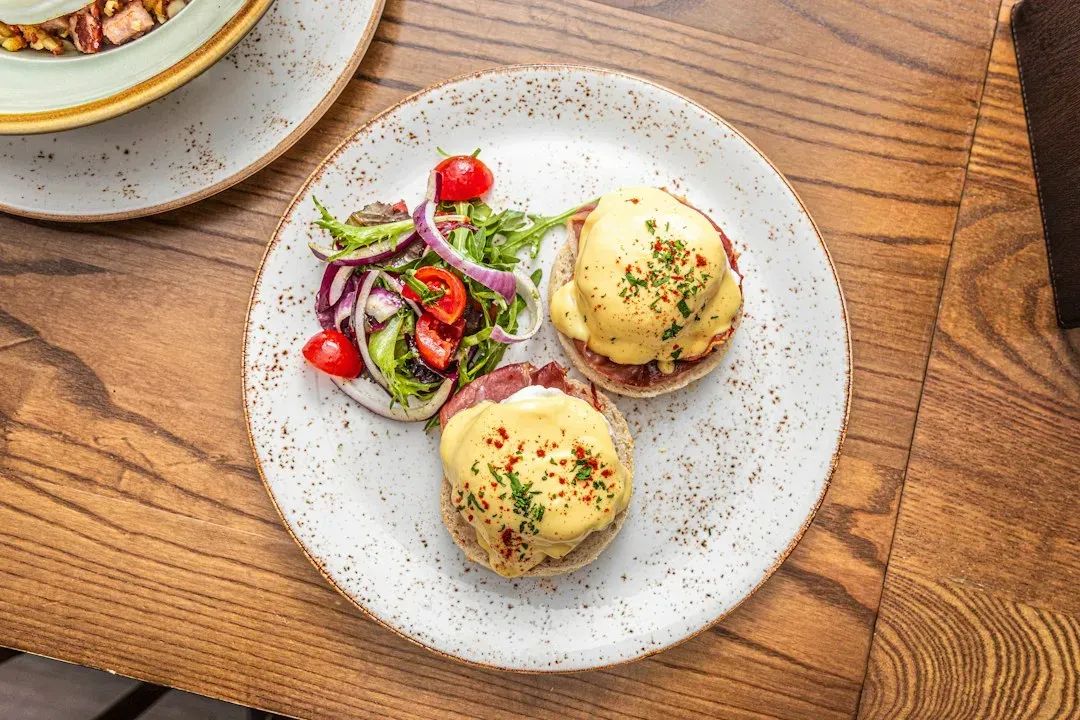
Benedict looks like eggs on toast, but it isn’t. You need English muffins, ham or Canadian bacon, butter, lemon, and enough eggs for both the poaching and the hollandaise. Most of those items get bought in quantities far larger than one serving.
Eggs themselves are affordable right now. BLS data for July 2026 put eggs at $2.19 per dozen. Still, the leftover muffins and half a lemon add up, and a sauce that breaks means starting over. A diner absorbs those failures so you don’t.
Denver Omelet
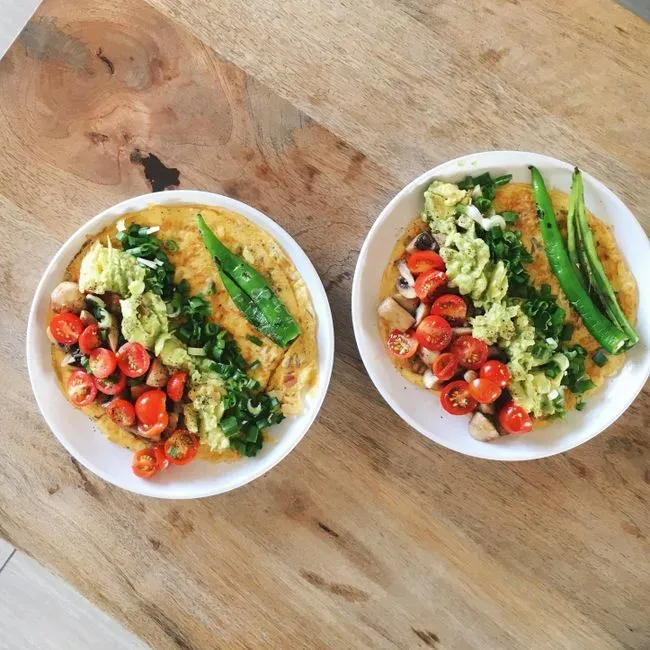
A good Denver omelet uses ham, peppers, onions, cheese, and three eggs. Buying each of those for a single breakfast leaves you with partial bags and packages you’ll need to use quickly. If they go unused, the real cost of that omelet climbs.
Diners get around this because peppers and onions are used across dozens of orders a day. Nothing sits in the fridge until it wilts. For a household that doesn’t cook with those vegetables often, waste can quietly double the per omelet price.
Pancake Stack With Bacon
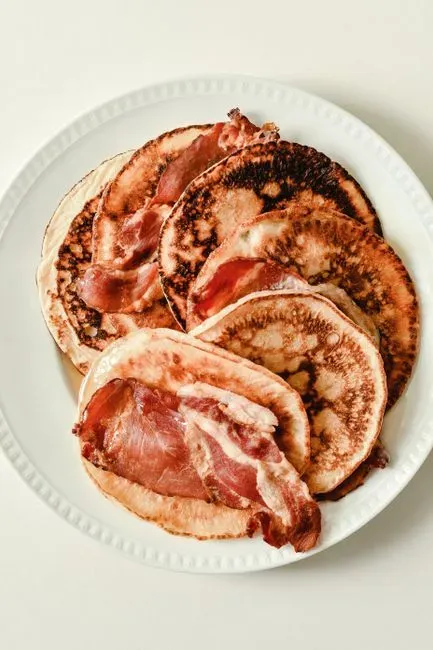
Pancakes from scratch are cheap in theory. Flour, baking powder, milk, egg, and butter cost little per serving. However, milk averaged $4.31 per gallon in July 2026, and syrup and bacon can change the total quickly.
The real problem is scale. A gallon of milk and a full pack of bacon are more than one person will use in a morning. If the rest goes unused, the cheap batter turns into an expensive plate, and the diner version starts to look competitive.
Biscuits and Gravy
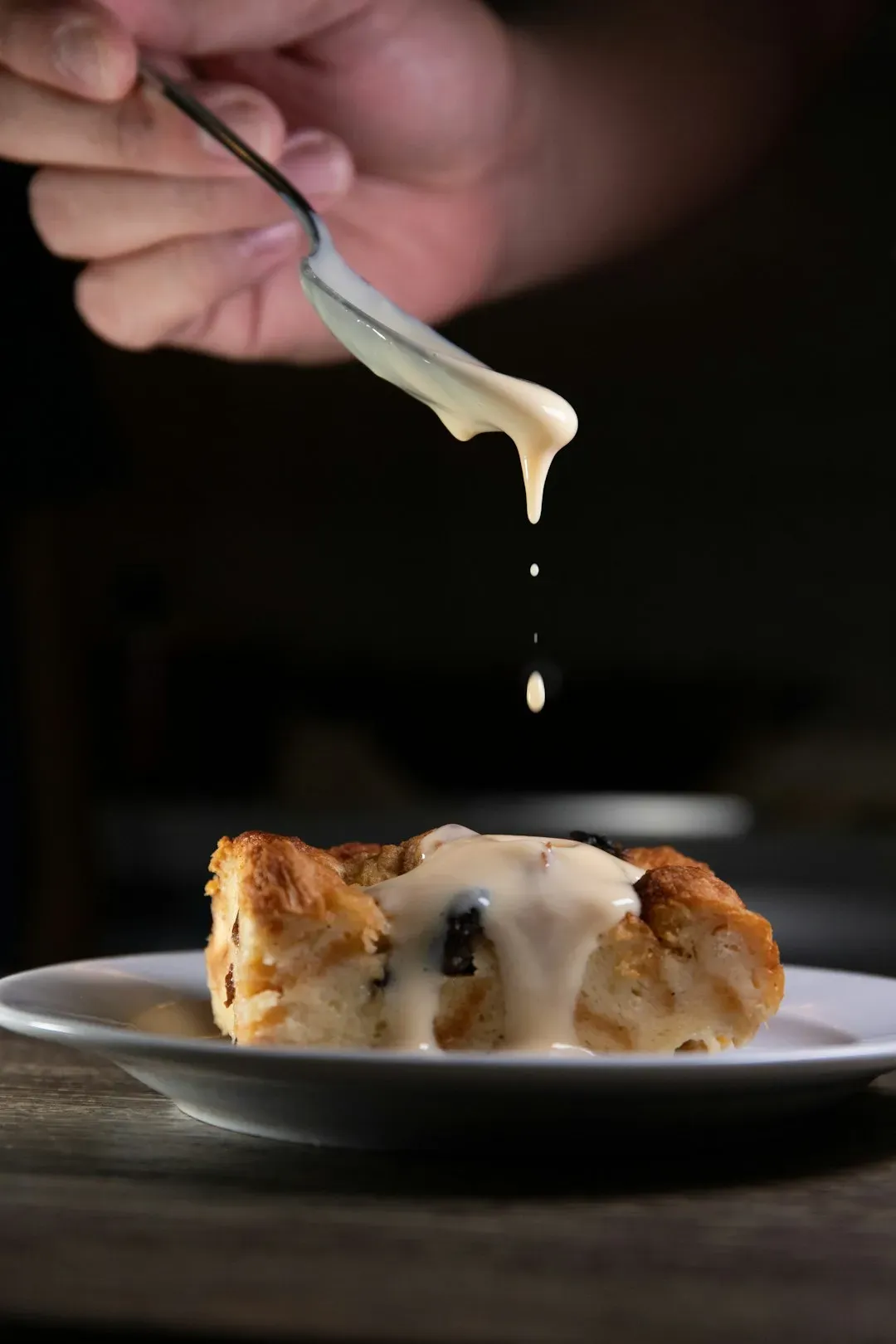
This one needs flour, fat, milk, and breakfast sausage, plus seasoning. Nothing is exotic, but it’s a lot of stuff for a dish that’s mostly gone in ten minutes. Making biscuits from scratch also takes time that many people don’t have on a weekday.
Diners make gravy in large batches, which is where their advantage comes from. Cooking a big pot costs little more than a small one, so the per plate cost drops. At home, you’re paying full price for a small pan.
Chicken and Waffles
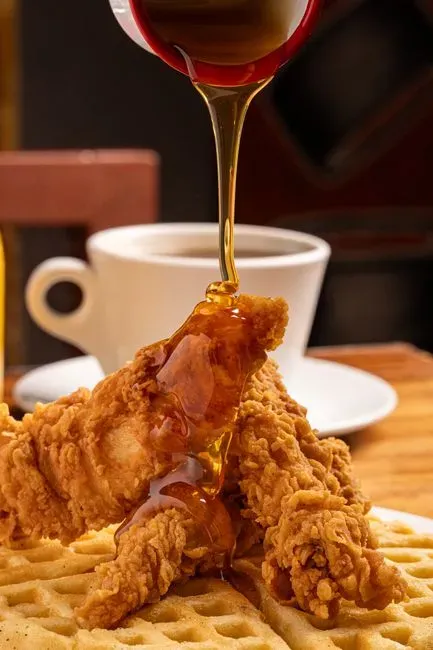
It sounds like a brunch splurge, and the shopping list backs that up. You need chicken, a batter or breading, oil for frying, and a waffle mix or ingredients. Boneless chicken breast averaged $4.15 per pound in July 2026, which is fine on its own, but frying oil and breading push the cost up.
Deep frying at home is also wasteful for one portion. You buy a bottle of oil, use some, and the rest sits around. A diner fryer runs all day, so the cost gets spread across many orders.
Huevos Rancheros
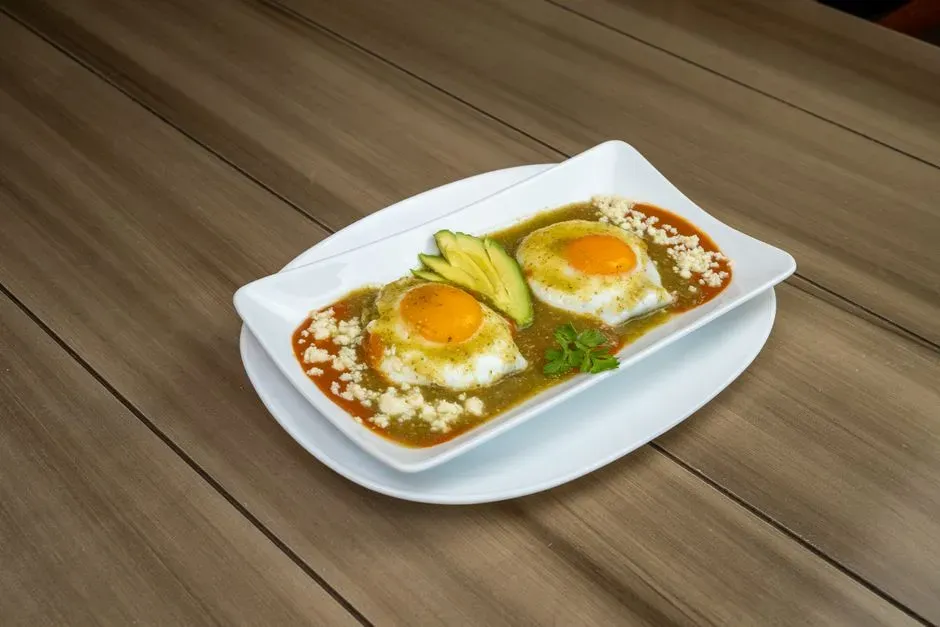
The dish combines tortillas, beans, salsa, cheese, eggs, and often avocado or crema. Each part is inexpensive alone. Together they mean buying five or six packages for one meal.
If you cook Mexican food regularly, your pantry probably covers most of it and home wins easily. If you don’t, you’ll pay for ingredients you may not touch again before they expire. That is the case where a diner plate makes financial sense.
French Toast With Fruit
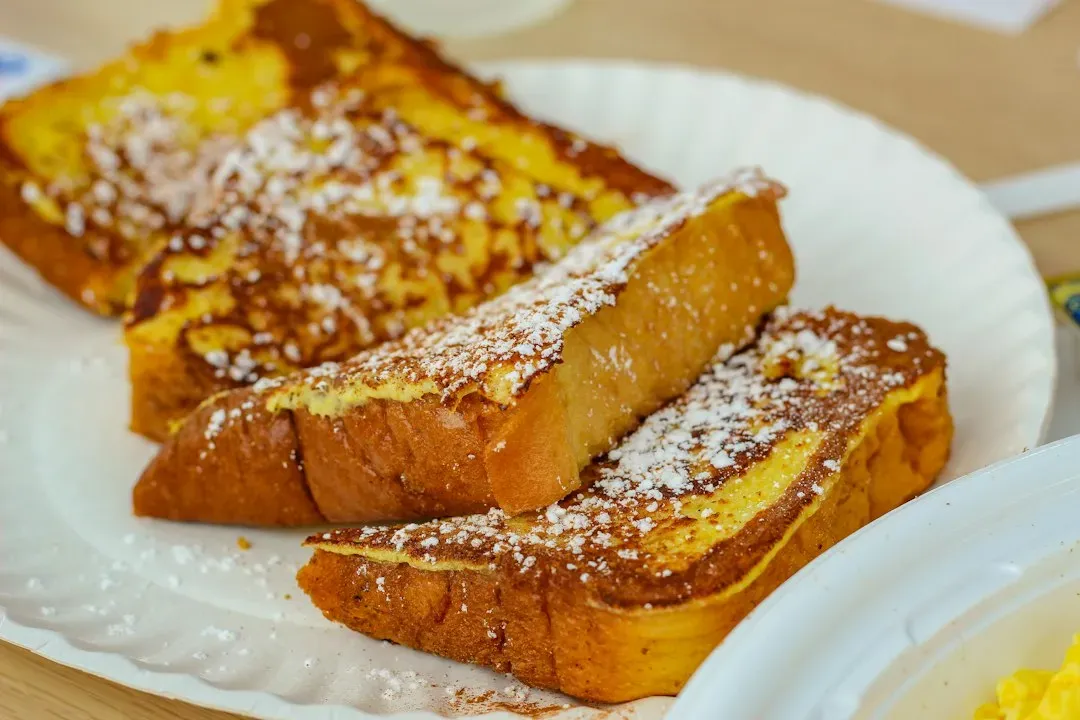
French toast starts with bread, eggs, milk, cinnamon, and vanilla. Good versions call for thick bakery bread, which costs more than a standard loaf. Add berries and syrup, and the shopping bill grows.
Restaurants are also feeling price pressure. USDA forecasts food away from home prices up 3.6% in 2026, compared with 2.5% for food at home. So the gap isn’t closing in favor of eating out, but for ingredient heavy dishes like this one, it can still hold.
How to Check Your Own Numbers

Price the full list, then divide by the number of servings you’ll actually finish before anything spoils. That last part matters more than the sticker price. Ingredients that expire before you use them are part of the cost.
Also compare against what you’d order, including tax and tip. For simple breakfasts, cooking at home wins clearly, especially with eggs relatively cheap. For the complicated plates above, a diner is worth pricing out before you assume otherwise.


Leave a Reply