
Most first visits to Italy follow a familiar line: Rome, Florence, Venice, and home again. It makes sense, since those cities hold some of the most famous art and architecture in Europe. They also hold the longest queues.
Italy is dense with smaller cities that have their own cathedrals, piazzas, and kitchens, and many of them sit only a short train ride from the big names. Seven of them are worth a look if you’d like more room to wander.
Lucca, Tuscany’s Walled Retreat
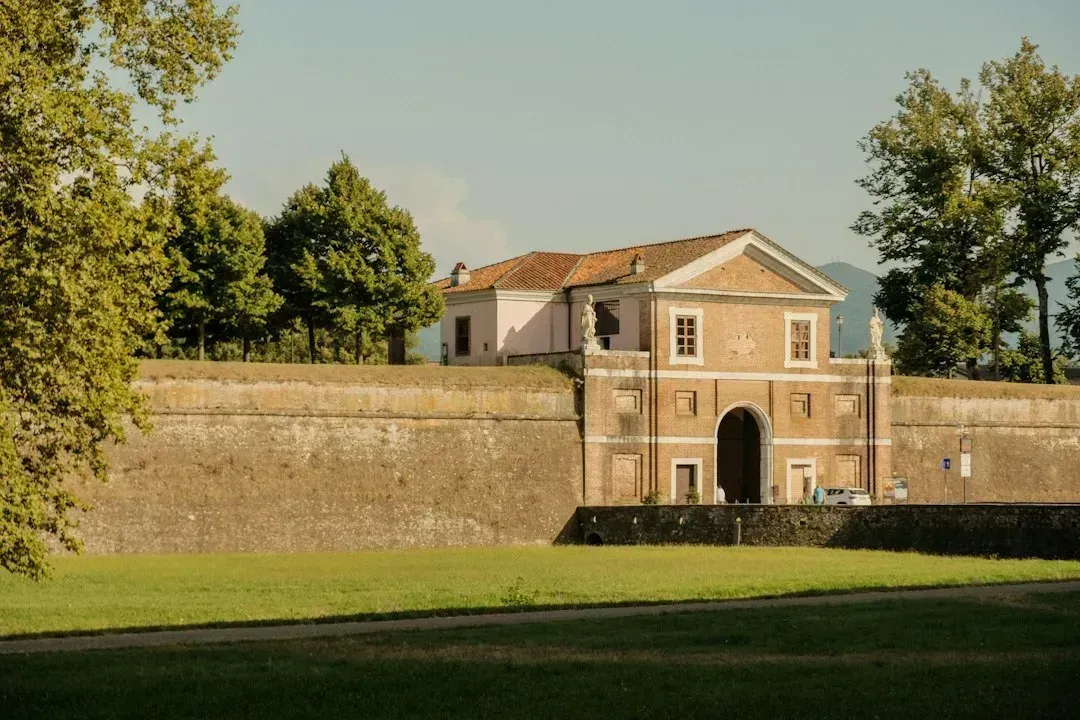
Lucca is still enclosed by Renaissance walls, which run for about four kilometers around the historic center. The wide tops of those walls are planted with trees and used as a public promenade. Locals walk, jog, and cycle up there, and rental bikes are easy to find.
Inside, the streets follow an older Roman layout. Piazza dell’Anfiteatro is oval because it was built on the footprint of a Roman amphitheater. It’s a good spot for a slow lunch, and you’re in Tuscany without the crowds of Florence.
Urbino, a Renaissance Court on a Hill
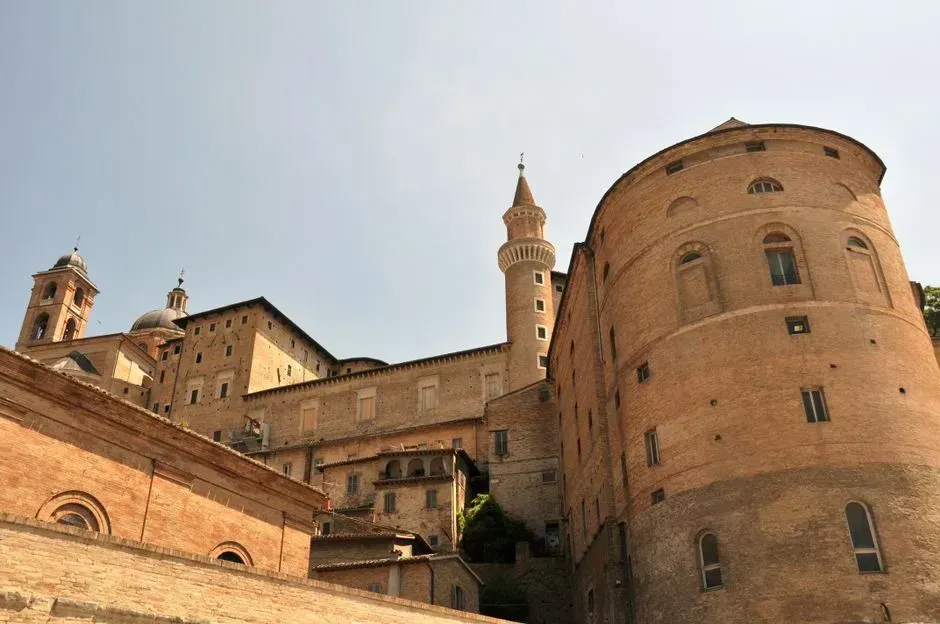
Urbino sits in the Marche region, and its historic center is a UNESCO World Heritage Site, inscribed in 1998. The Palazzo Ducale dominates the town. It was the seat of the Montefeltro dukes and now houses the National Gallery of the Marche.
The painter Raphael was born here, and you can visit the house associated with his family. The town is also home to a university, so the steep lanes feel lived in rather than staged. Wear good shoes, because the hills are real.
Ravenna and Its Glittering Mosaics
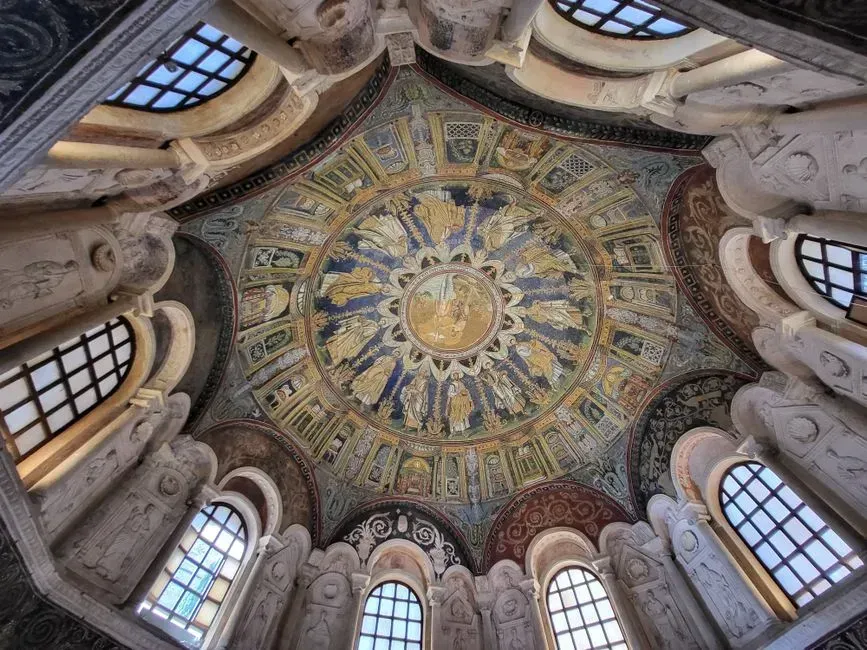
Ravenna in Emilia Romagna was once a capital of the Western Roman Empire. Eight of its early Christian monuments are on the UNESCO World Heritage list. The mosaics inside the Basilica of San Vitale and the Mausoleum of Galla Placidia are the main reason to come.
The city is flat and compact, so a bicycle is a natural way to get between sites. Many of the monuments can be seen with a combined ticket. Dante is buried here too, in a small tomb near the center.
Lecce, the Baroque Jewel of Puglia
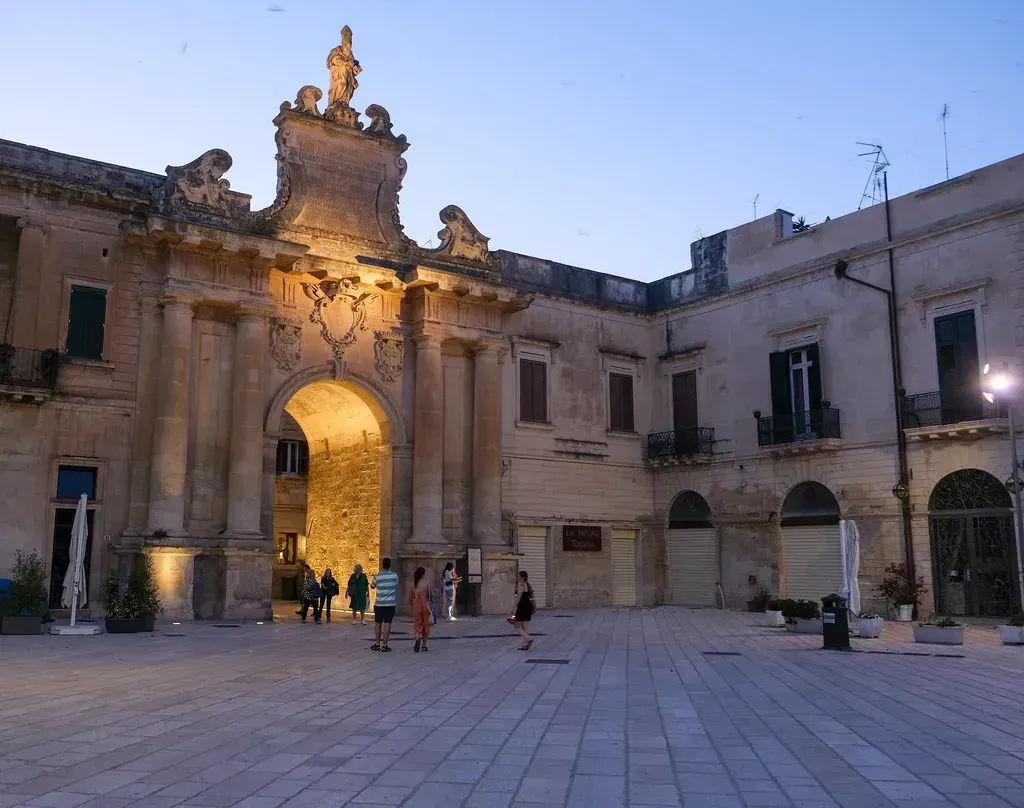
Lecce is often nicknamed the Florence of the South, mostly because of its baroque buildings. They’re carved from a soft local limestone that turns a warm honey color in the afternoon light. The facade of the Basilica di Santa Croce is the best example, covered in dense, almost playful stonework.
Lecce also has a Roman amphitheater partly exposed in Piazza Sant’Oronzo. Puglia gets plenty of visitors, but most head to the coast. Lecce’s old town is easy to cover on foot in a day or two.
Matera and the Cave Districts of the Sassi
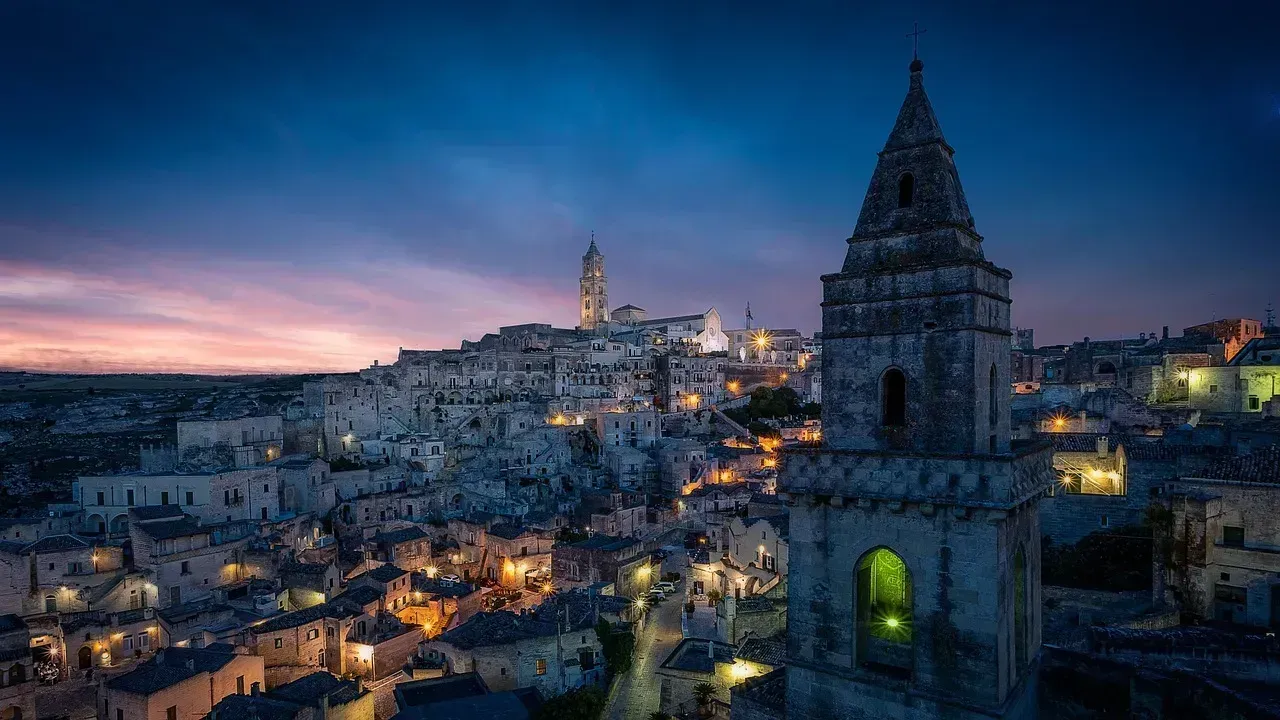
Matera in Basilicata is known for the Sassi, neighborhoods of dwellings dug into the rock of a ravine. UNESCO recognized them in 1993. The city was also a European Capital of Culture in 2019, which brought new attention and new hotels.
Many of the cave houses now serve as guesthouses, restaurants, and small museums. Rock churches with faded frescoes lie across the ravine, and you can reach them on foot with a local guide. Sunrise and early evening are the calmer hours for the viewpoints.
Trieste, Where Italy Meets Central Europe
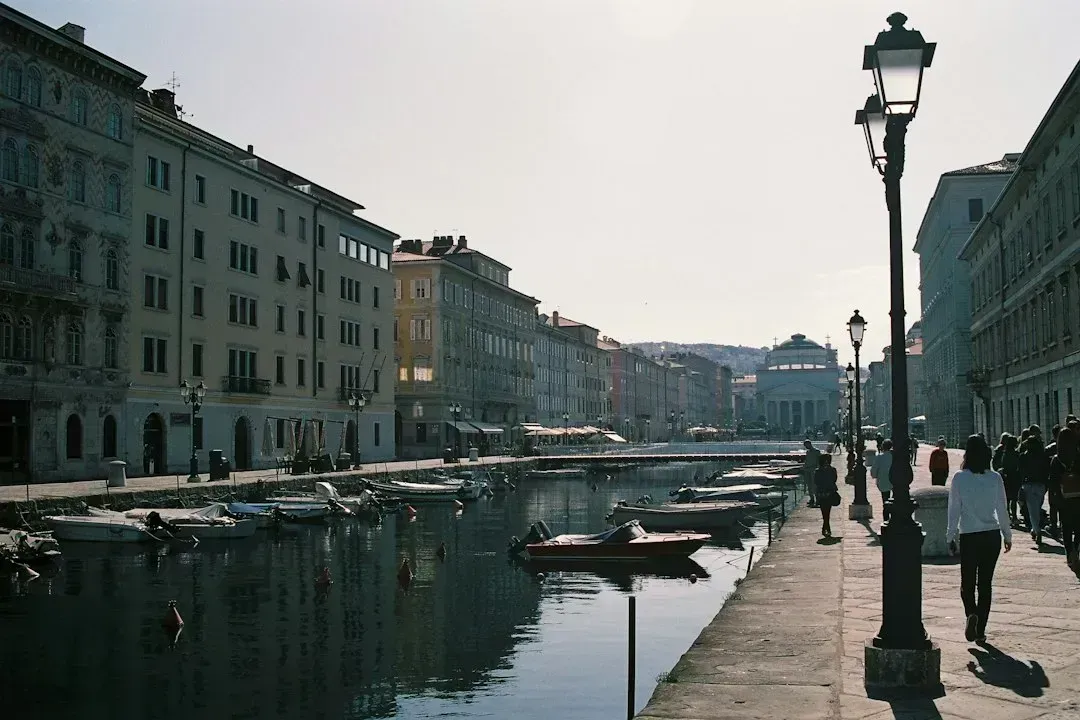
Trieste sits on the northeastern edge of the country, close to Slovenia. For a long time it was the main port of the Habsburg Empire, and you can see that in its grand, Viennese style architecture. Piazza Unità d’Italia opens straight onto the Adriatic, which makes it unusually large and airy for an Italian square.
The city is serious about coffee, and historic cafés such as Caffè San Marco keep the tradition going. Miramare Castle, a short ride along the coast, was built for Archduke Maximilian of Austria. Trieste tends to feel more reflective than touristy.
Bergamo and the Hilltop Città Alta
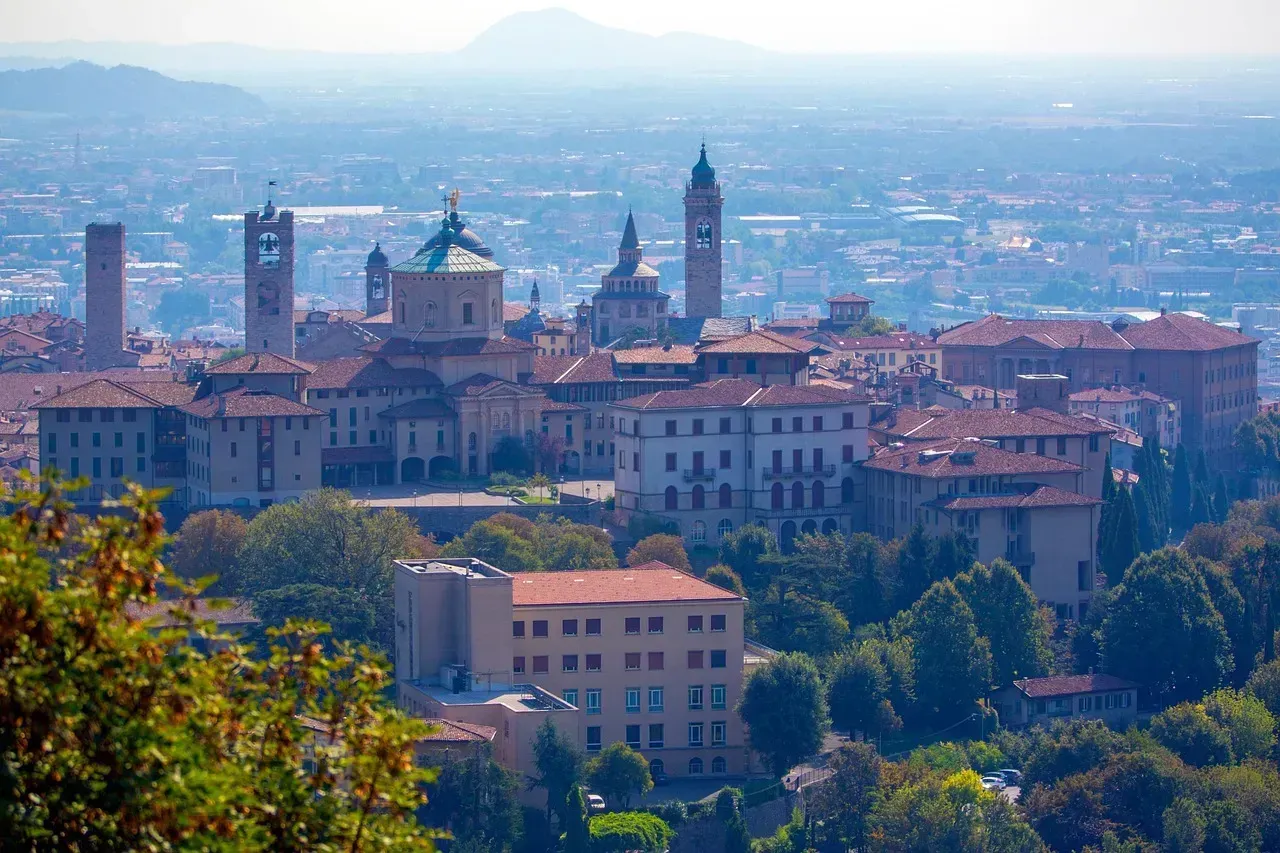
Bergamo is split into two parts: a modern lower town and the medieval Città Alta on the hill. A funicular connects them, and the ride takes only a few minutes. The upper town is enclosed by Venetian walls, which UNESCO added to its World Heritage list in 2017 as part of a wider group of Venetian defensive works.
Piazza Vecchia and the Colleoni Chapel are the highlights of the old center. The city is also handy because it has an airport, Orio al Serio, with many European connections. Milan is not far, so Bergamo works as a calm alternative base in Lombardy.
Practical Notes for Linking These Cities
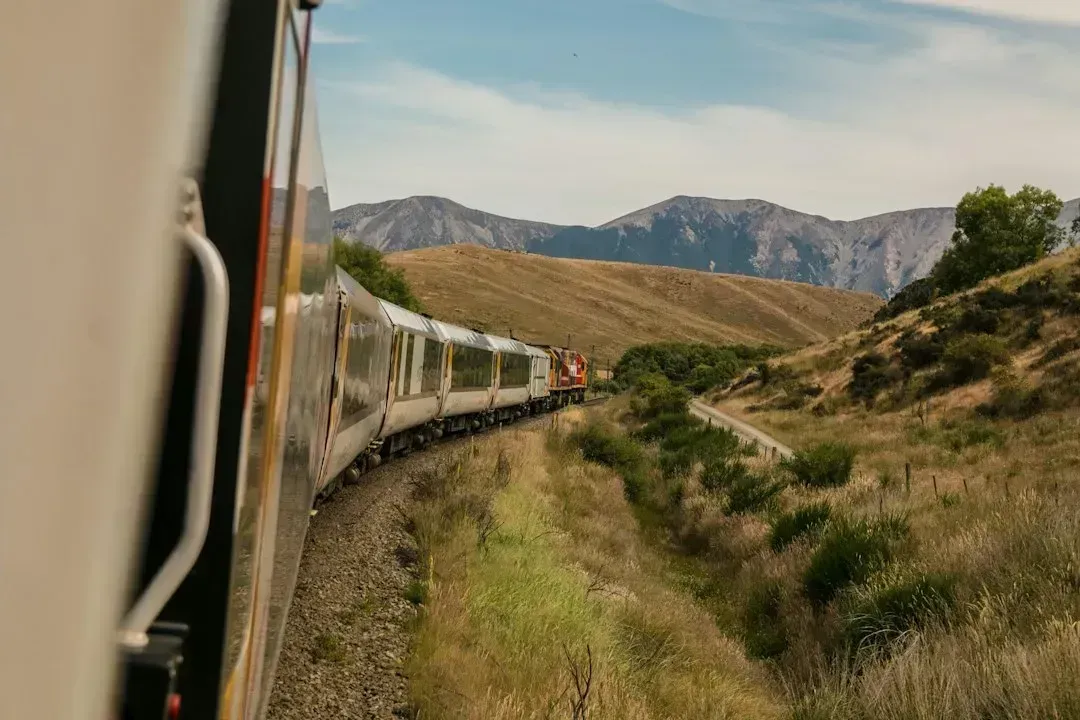
Several of these places are simple to reach by rail. Lucca has direct regional trains to Pisa and Florence, and Ravenna connects to Bologna by regional train. Bergamo links to Milan by both train and bus.
Matera has no direct rail connection to the main national network, so buses or a rental car from Bari are the usual choices. Lecce has its own station on the line down through Puglia. Trieste has a mainline station in the center, with services toward Venice.


Leave a Reply