
1. Saying please and thank you without prompting

It sounds almost too simple to matter, but etiquette professionals consistently name this as the clearest baseline signal of manners. People who say please and thank you without being reminded tend to be perceived as more considerate and easier to work with, according to etiquette coaches who train corporate clients on workplace communication.
The habit matters because it acknowledges another person’s effort, even in routine exchanges like a barista handing over coffee or a colleague forwarding an email. Coaches note that the words lose their value when they feel forced or delayed, so the timing and sincerity behind them count just as much as saying them at all.
2. Making eye contact during conversation

Sustained, natural eye contact signals attentiveness and respect, and etiquette experts frequently list it as one of the first things they coach clients to improve. It shows the other person that they have your full focus, not a fraction of it split between them and a phone screen.
That said, coaches are careful to distinguish attentive eye contact from staring, which can feel intense or uncomfortable. The general guidance is to hold eye contact for a few seconds at a time, breaking away naturally rather than fixating, which keeps the interaction warm instead of unsettling.
3. Putting phones away during meals
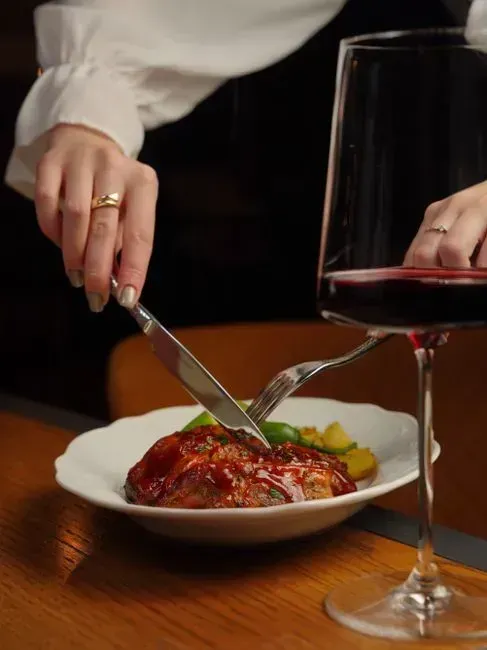
Few habits get more attention from etiquette coaches than phone behavior at the table. Keeping a phone off the table and out of sight during meals, whether at home or in a restaurant, is widely cited as a modern marker of respect for the people present.
This habit has grown more significant as phone use has become nearly constant in daily life. Coaches who work with families and professionals alike often describe phone-free meals as one of the simplest ways to signal that the people in the room matter more than notifications.
4. Waiting to be seated or served before eating

At shared meals, particularly in group or formal settings, etiquette coaches point to the practice of waiting until everyone is served before beginning to eat as a small but telling gesture. It reflects patience and an awareness that a meal is a shared experience, not just individual sustenance.
This habit shows up across cultures in slightly different forms, but the underlying principle stays consistent: eating in sync with others, rather than diving in first, communicates consideration. Coaches often note that hosts appreciate this gesture more than guests realize, since it shows attentiveness to the rhythm of the meal.
5. Introducing people properly

Knowing how to introduce two people, using names clearly and adding a small piece of context, is a skill etiquette coaches teach repeatedly in professional settings. A proper introduction helps both parties feel acknowledged and gives them something to build a conversation on, rather than leaving them to awkwardly figure out who’s who.
Coaches often suggest including a brief detail, such as how you know the person or what they do, since this small addition eases the pressure of a first exchange. Skipping introductions entirely, or mumbling names quickly, is frequently flagged as a subtle breach of social awareness.
6. Sending timely thank-you notes
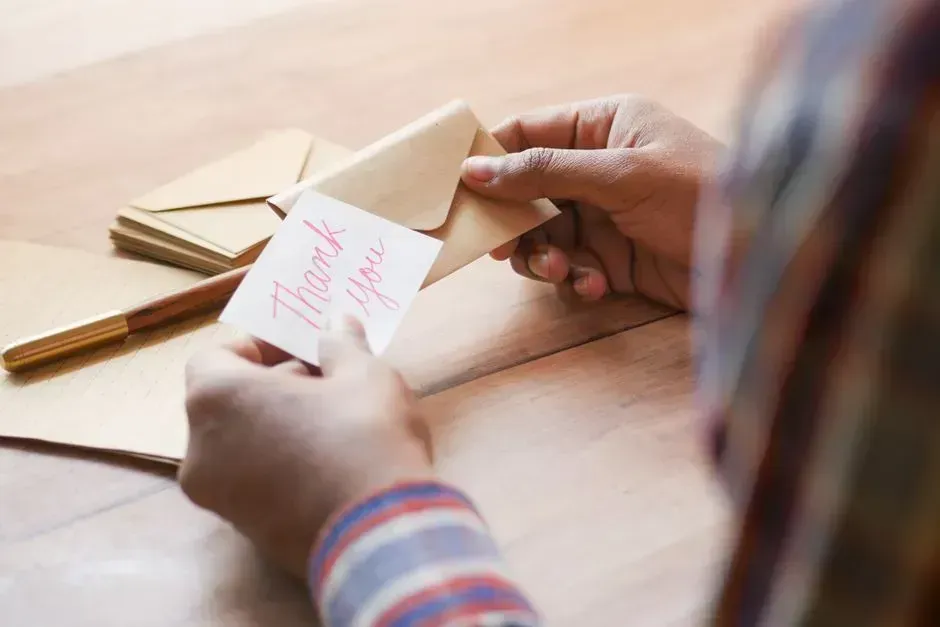
Handwritten or digital, a prompt thank-you note after a gift, interview, or favor remains one of the most cited etiquette habits among professional coaches. Sending it within a few days, rather than weeks later, is considered part of what makes the gesture meaningful rather than an afterthought.
In professional contexts, especially after job interviews, etiquette experts often stress that a well-timed thank-you note can meaningfully shape how a candidate is remembered. It doesn’t need to be lengthy; brevity paired with specificity tends to leave the best impression.
7. Chewing with your mouth closed

This one sounds almost too basic to mention, yet etiquette coaches say table manners like chewing quietly and with a closed mouth remain one of the most immediate, if unspoken, judgments people make about someone’s upbringing and self-awareness. It’s a small physical habit that carries outsized social weight.
Coaches who train clients for business dinners or formal events often spend real time on this detail precisely because it’s so easy to overlook under stress or distraction. The goal isn’t perfection but consistent, unconscious care, so the habit holds up even when someone isn’t actively thinking about it.
8. Letting others finish speaking
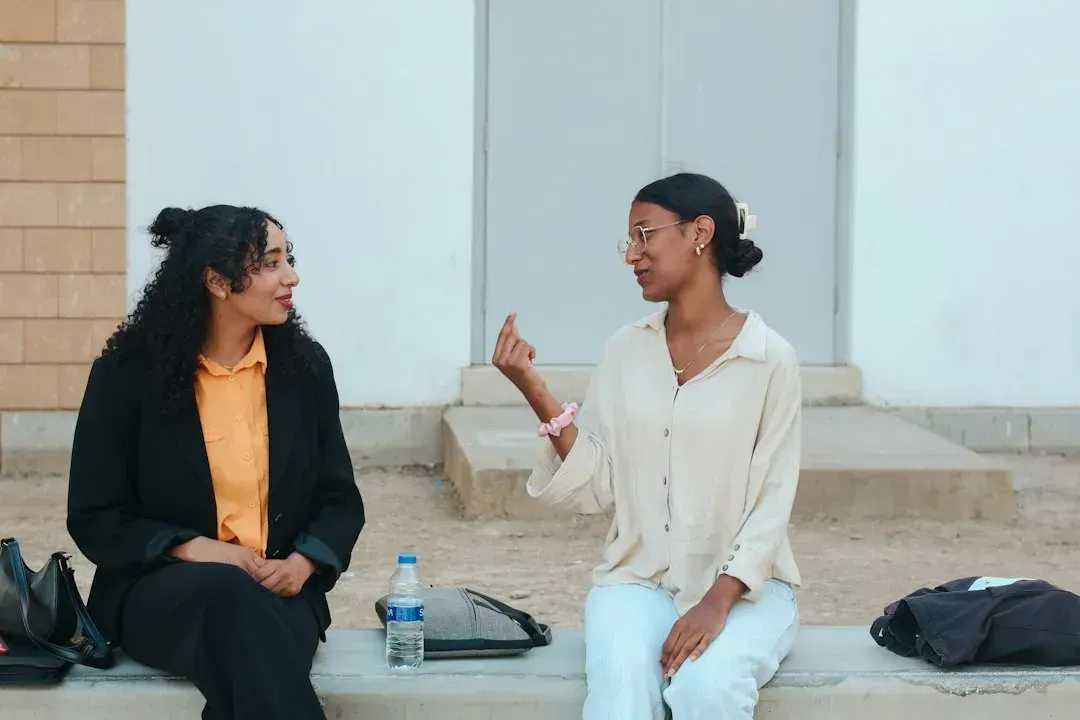
Interrupting is one of the fastest ways to undercut an otherwise polished impression, and etiquette coaches regularly identify the habit of letting others finish their thought as a marker of emotional intelligence as much as manners. It signals patience and genuine interest in what someone has to say.
This habit becomes especially visible in group settings, meetings, or family discussions where multiple people want airtime. Coaches often coach clients to consciously pause for a beat before responding, which naturally reduces the urge to talk over someone mid-sentence.
9. Holding doors and small acts of physical courtesy
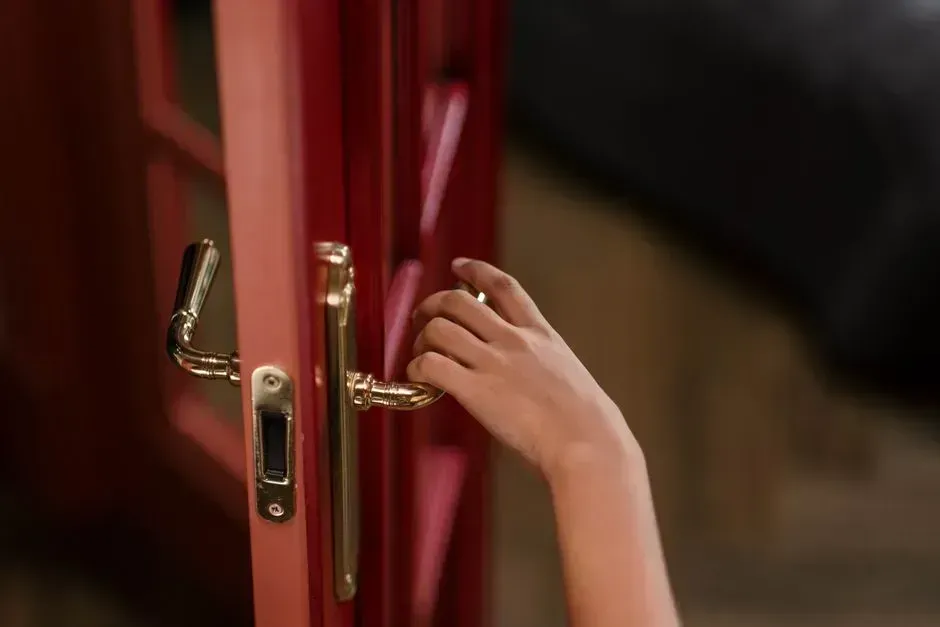
Holding a door, letting someone exit an elevator first, or stepping aside on a narrow sidewalk are small physical courtesies that etiquette coaches say still carry weight, even in a fast-paced, distracted culture. These gestures cost almost nothing but register clearly to the person on the receiving end.
What makes this habit stand out, according to coaches, is that it’s entirely voluntary and easy to skip without consequence. Doing it consistently, rather than only when convenient, is often what separates habitual good manners from occasional politeness.
10. Responding to messages within a reasonable time

In an era of instant communication, etiquette coaches increasingly frame timely responses to texts, emails, and invitations as a contemporary form of good manners. Leaving people waiting without acknowledgment, even briefly, can read as dismissive, regardless of intent.
This doesn’t mean answering every message immediately. Coaches generally suggest a short acknowledgment when a full response will take time, since it respects the sender’s effort without demanding instant availability.
11. Dressing appropriately for the occasion

Etiquette experts often describe dressing suitably for a setting, whether a job interview, wedding, or casual dinner, as a quiet form of respect toward hosts and fellow guests. It shows that someone paid attention to the context rather than defaulting to whatever was easiest.
This habit isn’t about following strict dress codes for their own sake. Coaches tend to frame it as reading the room correctly, which reflects social awareness just as much as fashion sense.
12. Apologizing sincerely and specifically

A genuine apology, one that names the specific mistake rather than offering a vague “sorry,” is frequently listed by etiquette coaches as a hallmark of maturity and good manners. It requires a small amount of humility, which is exactly why it stands out.
Coaches often note that people remember how someone handles a mistake far more than the mistake itself. A specific, timely apology tends to repair trust faster than a generic one, making it one of the more consequential habits on this list despite how rarely it comes up in casual conversation about manners.




Leave a Reply