
Most people walk into a first date hoping the conversation will just flow. Usually it does, until one question lands a little too heavily and the table goes quiet.
There’s no universal rulebook, and context matters a great deal. Still, some subjects tend to raise the temperature early, before two people have built any trust. Here are ten worth handling carefully.
Your Ex and What Went Wrong

Talking about a former partner is the classic first-date stumble. Even a mild comment can come across as unresolved feelings or lingering blame. Your date may start wondering how you’ll describe them one day.
A brief, neutral mention is fine if it comes up naturally. Something like a simple note that the relationship ended and you’ve moved on usually works. Going into details about betrayals or arguments tends to shift the mood fast.
Detailed Past Relationship Counts

Questions about how many people someone has dated or slept with can feel like a quiz with no right answer. Whatever the number, the asker may form a judgment, and the answerer may feel judged. It rarely adds useful information this early.
If you’re curious about relationship experience, you can ask about what someone learned from past relationships instead. That invites a story rather than a score. The tone stays warmer, and you’ll often learn more.
Salary, Debt, and Net Worth

Money is personal, and many people treat it as private until trust is established. Asking directly about income or debt can feel like an audit. It can also hint that you’re sizing someone up as a prospect.
Talking about money values in general terms is safer. Mentioning whether you like to travel, save, or splurge on food gives a sense of priorities without exposing figures. Specific numbers can wait for much later.
Marriage and Kids Timelines

Wanting marriage or children is a legitimate compatibility question, and some people prefer to ask early. Yet bringing it up as a demand in the first hour can feel like pressure. It may make your date feel like they’re auditioning for a role.
If it matters to you, a light and honest mention often lands better than a checklist. Saying what you hope for in life, and then listening, keeps it a conversation. Pressing for a timeline usually backfires.
Hot-Button Politics
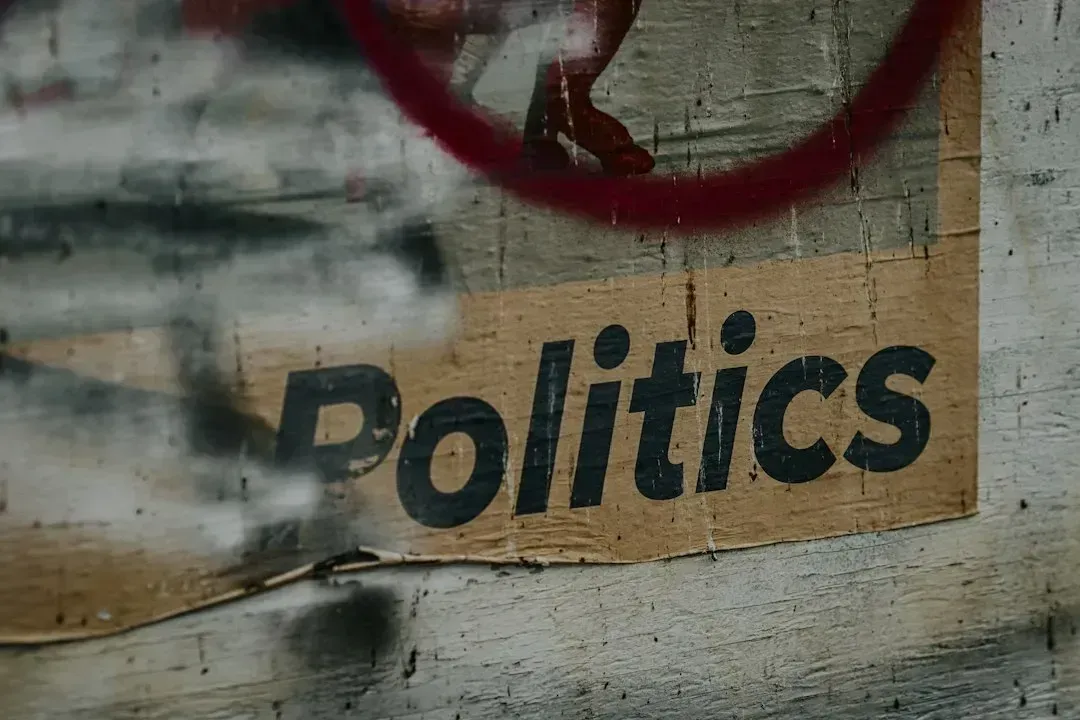
Politics can reveal values, which is why people are tempted to raise it. It can also turn into a debate in minutes, especially on divisive issues. A first date isn’t ideal for a heated argument over things neither person can settle at dinner.
Some people do want to know early whether their views align, and that’s reasonable. Asking what issues matter to them, with real curiosity, is gentler than testing for agreement. Letting the other person set the depth helps a lot.
Religion and Spiritual Beliefs

Faith is deeply tied to identity, so casual remarks can sting. Jokes about belief or disbelief may be taken far more seriously than intended. A date who feels dismissed rarely relaxes afterward.
It doesn’t have to be avoided entirely, particularly if faith is central to your life. Sharing your own practice or lack of one, without commentary on theirs, keeps it respectful. Curiosity works better than critique.
Health Problems and Medical History

Long accounts of illnesses, medications, or procedures can feel heavy for a first meeting. Not because health doesn’t matter, but because intimate details feel premature to many people. The listener may not know how to respond.
Share what you’re comfortable with, and consider that disclosure is a choice, not an obligation. If something affects plans, such as a dietary need, mention it simply. The rest can unfold as you get closer.
Complaints About Work or Life

Everyone has a rough job or a bad week. Still, a date that becomes a venting session can leave the other person feeling like a therapist. Constant negativity also tends to shape how you’re perceived.
Mentioning a frustration briefly is human and even relatable. The trick is balance, pairing it with something you enjoy or want to change. That shows perspective rather than just irritation.
Criticizing Their Looks, Habits, or Choices

Teasing can feel playful to the person doing it and personal to the person receiving it. Comments about appearance, food choices, or hobbies can land as judgment, even when meant kindly. Without familiarity, your date can’t read your intent.
Compliments are a safer way to show interest, especially ones about something they chose, like a story or a sense of humor. Keep the humor aimed at situations, or at yourself. Banter works best once you’ve built some rapport.
Where This Is Going Too Soon

Asking whether the date is “going well” or what the two of you are, before it’s over, adds weight. Talking about exclusivity, future trips, or meeting family can feel rushed. It puts someone on the spot at a moment meant for getting acquainted.
Let the evening show you how things feel. If you’re interested, say so simply and suggest seeing each other again. That’s honest without demanding a commitment.




Leave a Reply