
Most people walk into a grocery store with good intentions. They grab what looks familiar, reach for what’s on sale, and toss in a few things that seem harmless enough. The problem is that the modern supermarket is a very well-designed environment, and a surprising number of products on those shelves carry a much heavier health cost than their packaging suggests.
Today, roughly seven in ten foods on US grocery store shelves are ultraprocessed, making them difficult to avoid since they tend to be both cheap and convenient. That’s not a fringe statistic. It’s the actual makeup of what most Americans push home in a cart each week. Here are ten items nutritionists consistently flag as not worth the buy.
1. Ultraprocessed Deli Meats

Processed meat refers to any meat that has been preserved or undergone changes to its shape and flavor. This includes most of what you find behind the deli counter, as well as hot dogs, ham, bacon, and sausage. These options are often preserved using nitrates and nitrites, which can increase the risk of colorectal and stomach cancers. The WHO has weighed in on this as well.
Ultraprocessed meats have been classified by the WHO as a Group 1 carcinogen, a categorization shared with tobacco and asbestos, specifically for their link to colorectal cancer. Deli meats are also one of the main sources of sodium in the American diet. Six thin slices, roughly two ounces, can contain as much as half of the daily recommended sodium intake.
2. Sugary Breakfast Cereals
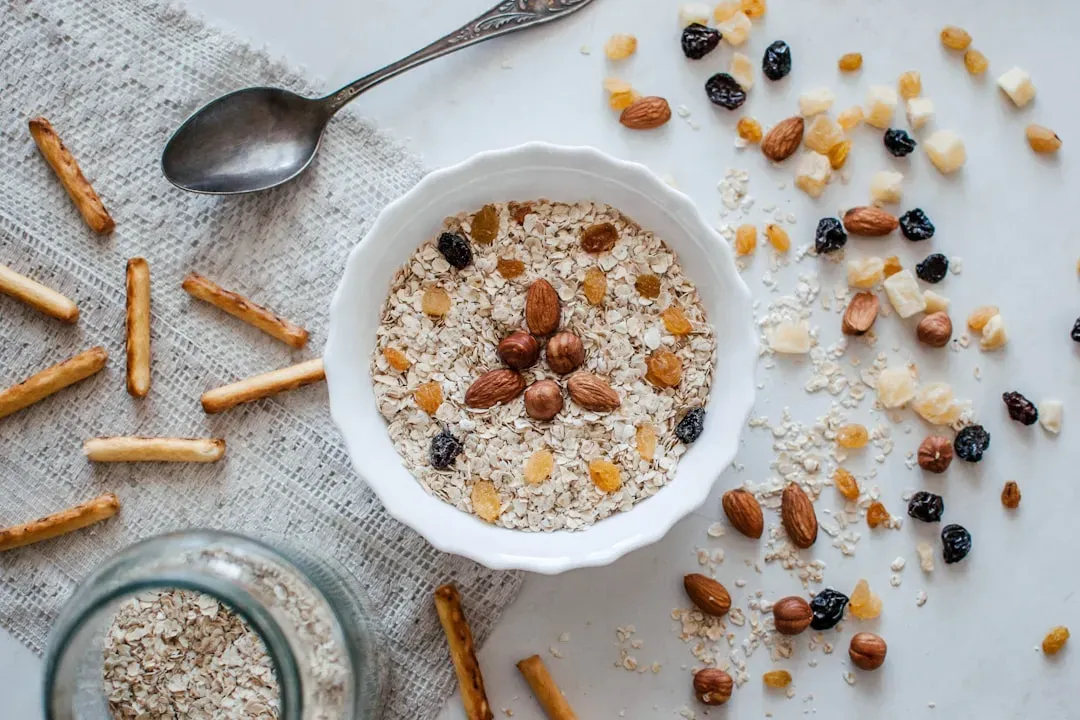
The Dietary Guidelines for Americans recommend that less than ten percent of total daily calories come from added sugars, yet added sugars currently account for more than thirteen percent of the average American’s calorie intake. Sweetened breakfast cereals are one of the biggest culprits. Advertisements for cereal were among the most likely food categories to feature products high in added sugars, with the vast majority of cereal ads promoting products that contain them.
Some popular cereals marketed as wholesome choices carry a significant amount of added sugar per serving, contributing to excess calorie intake and increasing the risk of heart disease and elevated blood sugar levels, according to nutrition experts. The fiber content in many of these products is also minimal, which means blood sugar can spike quickly after eating a bowl.
3. Flavored and Fruit-on-the-Bottom Yogurts
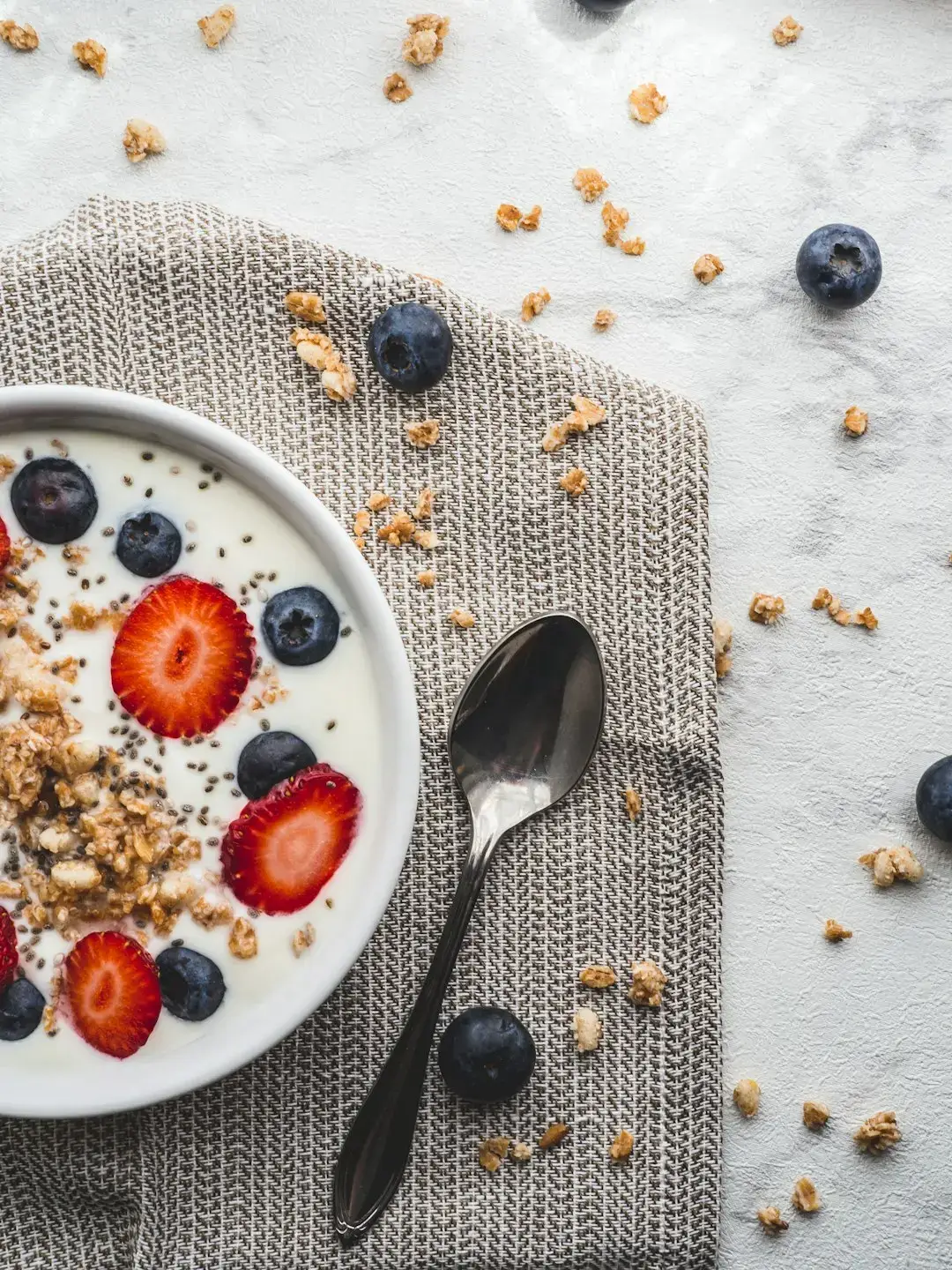
Yogurt earns a reputation as a health food, and plain versions genuinely deserve it. The flavored variety is a different story. While yogurt naturally contains the milk sugar lactose, food companies also add sugar to further sweeten the product, and in many cases, sugar-sweetened fruits are added at the bottom. That distinction matters more than most shoppers realize at the checkout.
Although all yogurt contains naturally occurring sugars, dietitians recommend limiting added sugar to no more than four grams per serving. As a general rule of thumb, nutritionists advise avoiding any yogurt with more than ten grams of added sugar. Many popular flavored yogurts exceed that threshold considerably, making them closer to a dessert than a health-conscious snack.
4. Energy Drinks
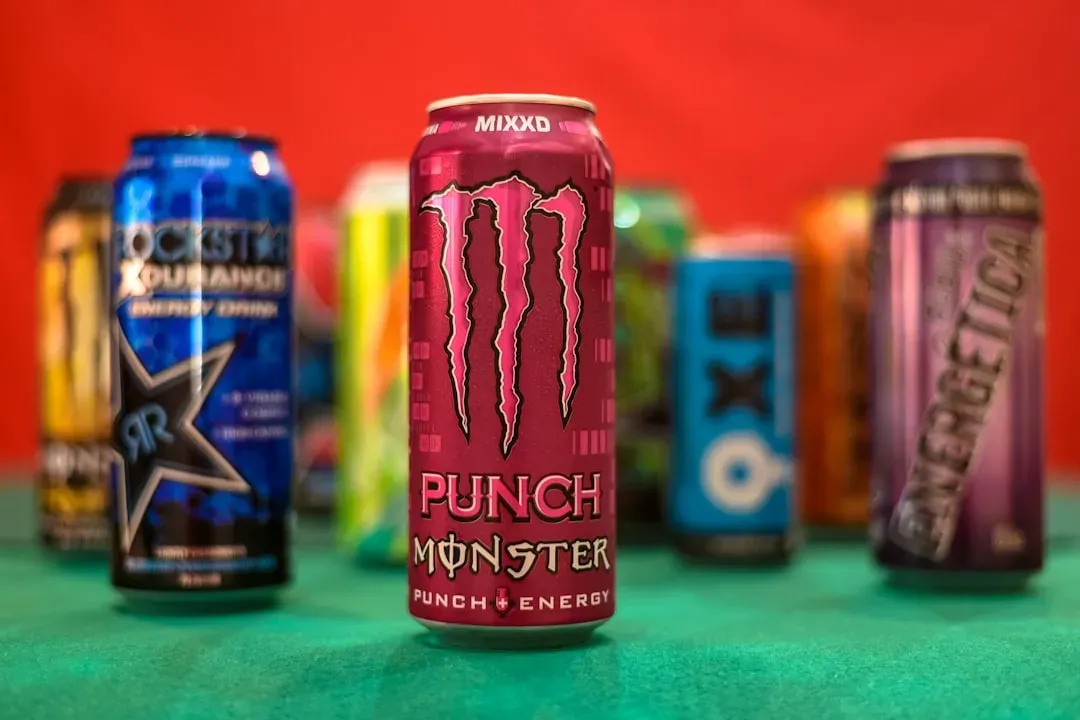
Energy drinks are another item nutritionists strongly advise against, due to their high caffeine, sugar, and artificial ingredient content, all of which can impact heart health and sleep. The marketing around these cans is effective, often leaning on athletic imagery and claims of mental focus that the actual nutritional profile does not support.
Energy drinks may promise a quick boost, but they come with a crash soon after and contain a lot of chemicals and not much real nutrition. For anyone already getting adequate sleep and eating reasonably well, these drinks offer nothing that food and water can’t provide, and they come with real trade-offs in the process.
5. Regular and Diet Sodas
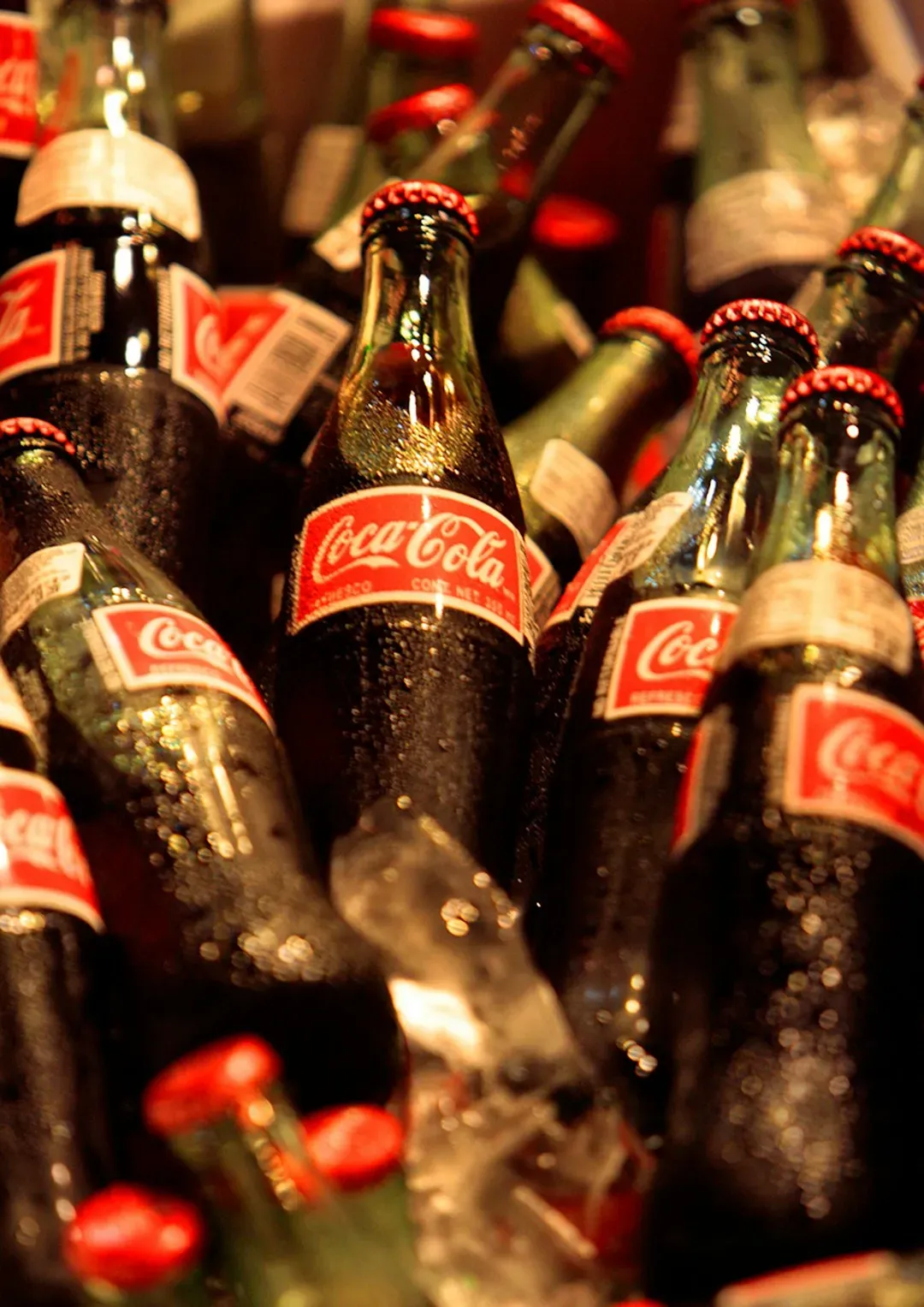
Regular soda consumption has been linked to an increased risk of health complications including diabetes, heart disease, and liver cancer. The sugar content in a standard bottle can be staggering, sometimes exceeding more than double the daily recommended limit in a single serving. Reaching for the diet version doesn’t solve the problem either.
Regular soda is best avoided for its high sugar content, while diet soda raises its own concerns because artificial sweeteners can affect metabolism. Low-calorie sweeteners and sugar alcohols are used to reduce added sugar intake, but there are ongoing concerns about their long-term health impacts, especially for children. Replacing both with water remains the most straightforward swap a person can make.
6. Ultra-Processed Protein Bars
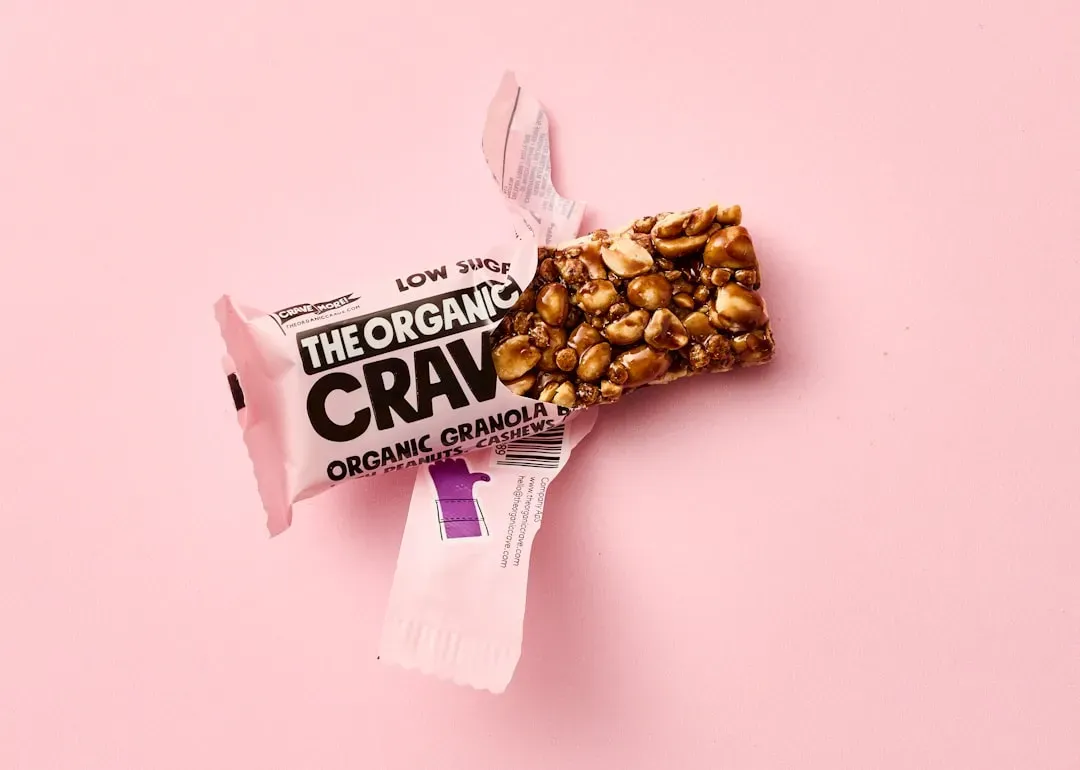
Nutritionists across the board agree that ultra-processed protein bars and shakes should be avoided, especially those made with artificial sweeteners and inflammatory ingredients. These products sit in a peculiar marketing zone, branded as fitness and health items despite ingredient lists that look more like industrial formulas. Flipping over the packaging often tells the real story.
Ultra-processed foods in general, including many protein bars, contain a long list of additives such as stabilizers, preservatives, and thickeners. None of these ingredients are found in fresh whole foods, and they make processed options far less nutritious and potentially harmful to gut microbiota. For most people, whole food sources of protein are a straightforward and far less complicated alternative.
7. Instant Noodles and Ramen Packets
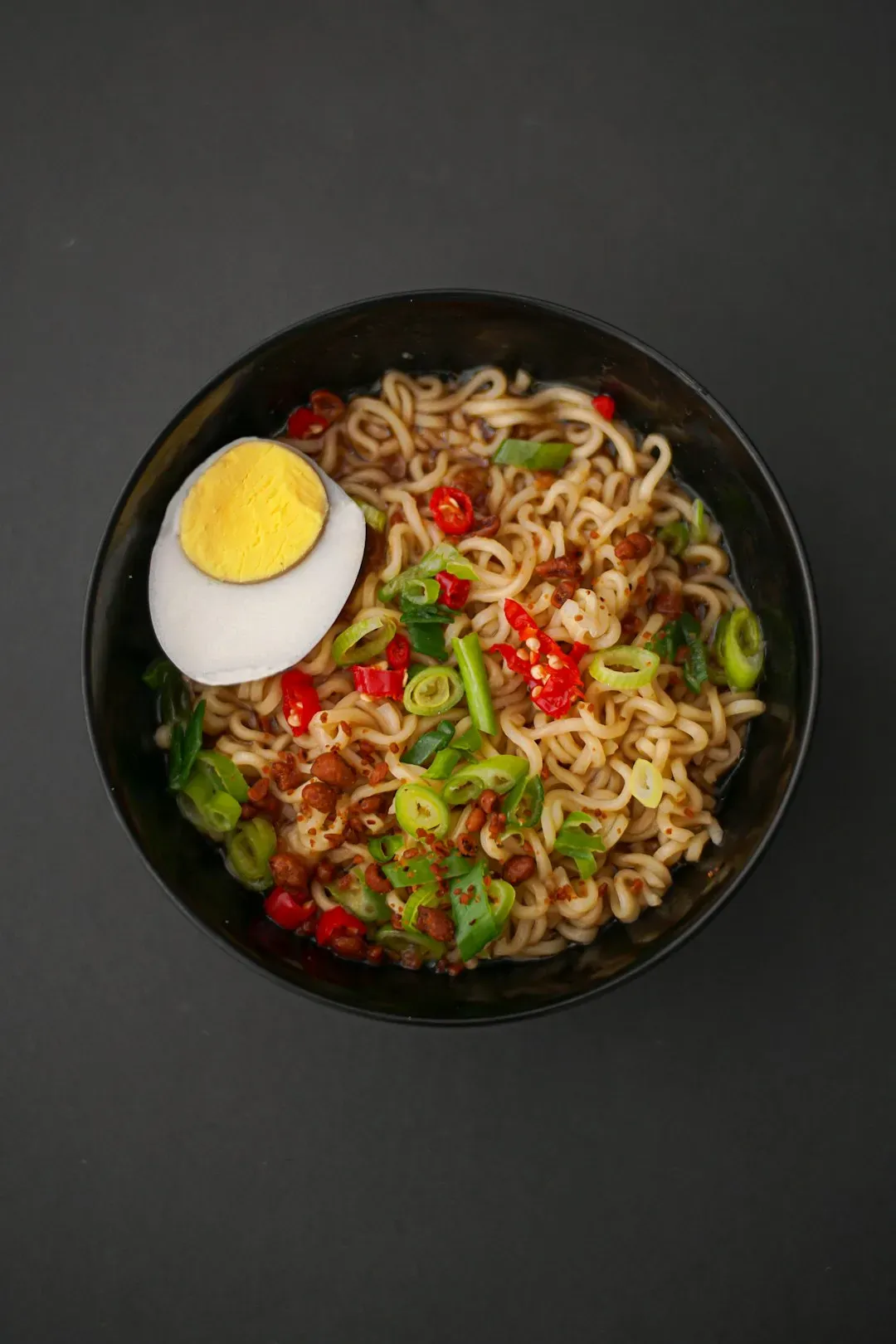
Few grocery items offer as stark a contrast between convenience and nutritional value as the instant noodle packet. Instant noodles are among the clearest examples of ultraprocessed foods, containing a long list of ingredients, chemical additives, and little to no whole food components. The sodium content alone puts them in a category worth taking seriously.
Ultra-processed foods are associated with worse diet quality and a growing list of adverse health outcomes. A 2024 umbrella review of 45 meta-analyses involving nearly ten million people found that diets high in ultraprocessed foods are linked to 32 health conditions, including obesity, type 2 diabetes, various cancers, gastrointestinal disorders, anxiety, depression, and all-cause mortality. Instant noodles, eaten regularly, fit squarely into that risk profile.
8. Packaged Snack Cakes and Pastries

The snack cake aisle delivers a combination that nutritionists consistently highlight as problematic: refined flour, added sugar, partially hydrogenated oils, and a shelf life that can stretch for months. The core message from dietary guidelines is to eat more whole foods and fewer highly processed, sugary items. Packaged cakes and pastries sit at the extreme end of what that guidance warns against.
Studies have shown that eating just ten percent more calories a day from ultraprocessed food may be associated with a significantly higher risk of cardiovascular disease-related death, a greater chance of obesity, and a higher probability of developing type 2 diabetes. The risk of cognitive decline and stroke also rises, as does the chance of developing certain cancers. Occasional indulgence is one thing. Making these a pantry staple is where the evidence gets concerning.
9. Frozen Pizzas and Ready-to-Heat Meals

Frozen pizza and ready-to-eat meals are classic examples of ultraprocessed foods, characterized by long ingredient lists, chemical additives, and little to no whole food content. Their convenience is real, especially on a weeknight, but the nutritional trade-offs are difficult to ignore when you look at how regularly they replace actual cooking in many households.
New data from the Centers for Disease Control and Prevention shows that more than half of the calories adults consumed daily on average came from ultraprocessed foods between 2021 and 2023. Frozen pizza and heat-and-eat meals are a significant piece of that share. Canned vegetables, frozen fruit, and ground chicken, by contrast, are lightly processed but retain their nutritional value, making them far smarter choices when time is the main constraint.
10. Vegetable and Fruit Snack Chips (Imposters)
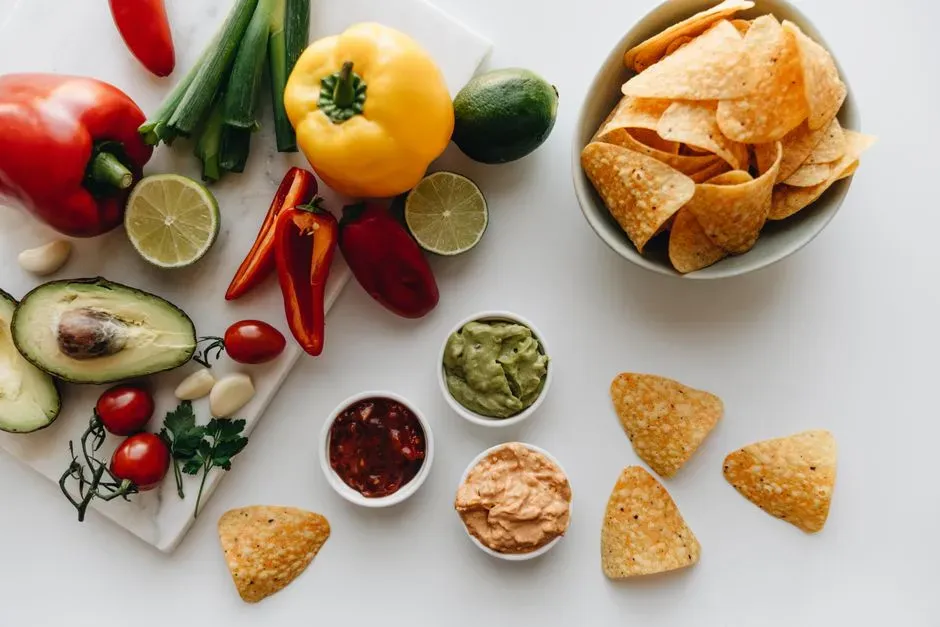
Products labeled with words like “veggie straws,” “fruit crisps,” or “garden chips” tend to create what nutrition researchers call a health halo effect. The packaging suggests something close to a vegetable. The actual product is usually something much closer to a standard chip. This is one of the more deceptive packaging patterns in the grocery store. The first two ingredients in several leading veggie snack brands are potato starch and potato flour. While a serving of actual vegetables supplies a fraction of the calories and virtually no sodium, a full serving of these snacks can deliver 130 calories and over 200 milligrams of sodium.
Reading the nutrition labels and ingredient lists on products before buying them, and looking specifically for foods that have only a few pronounceable and recognizable ingredients, is one of the most practical tools shoppers have. When a snack needs a wellness-sounding name to justify itself, that name is doing a lot more work than the food inside the bag. Plain nuts, fresh fruit, or air-popped popcorn will always be the more honest alternative.
The throughline connecting all ten of these items is the same: heavy processing, additives that don’t belong in a home kitchen, and marketing language designed to obscure rather than inform. Nearly seventy percent of foods on US grocery store shelves are highly processed, which means navigating the store well takes a bit of deliberate attention. The perimeter, where whole foods tend to live, is still the most reliable starting point.




Leave a Reply