
Walk into a well-designed home and you’ll notice something almost immediately: certain spaces just feel elevated. The walls have character, the floors look polished, the lighting seems deliberate. Most people assume that kind of result requires a serious budget. Often, it doesn’t.
The gap between what looks expensive and what actually costs a fortune is wider than most homeowners realize. In just the first quarter of 2024 alone, homeowners spent hundreds of billions on renovations, yet the real value often comes from smaller upgrades, the ones that punch above their price tag and can quietly raise property value. Here are twelve features that consistently fool the eye without emptying the wallet.
Luxury Vinyl Plank Flooring
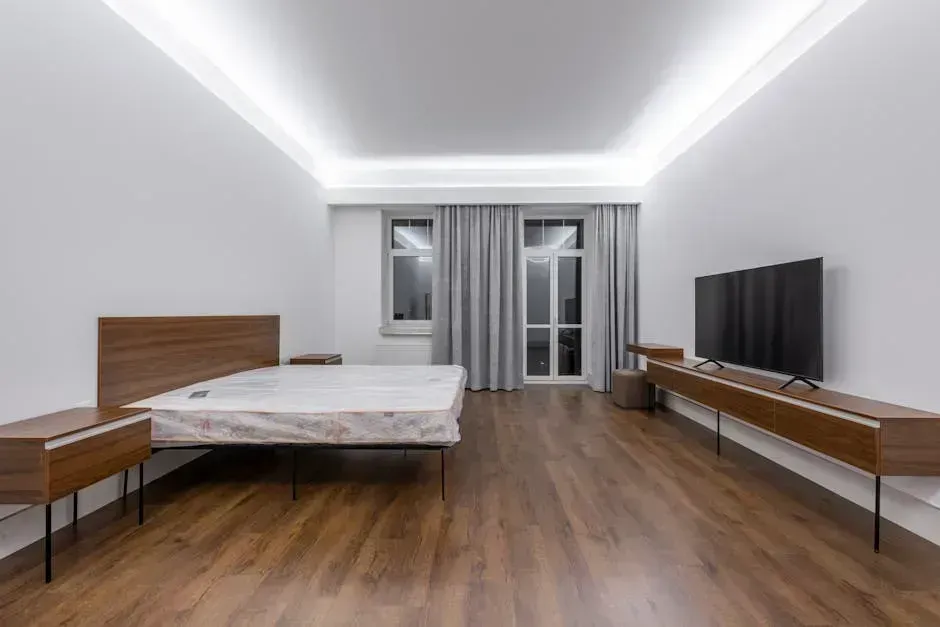
Luxury vinyl plank, or LVP, mimics the look of natural wood while offering durability and water resistance. The visual result is nearly indistinguishable from genuine hardwood, especially in wider plank formats that are currently among the most popular styles. LVP is highly affordable, waterproof, and available in countless designs, making it a big flooring trend heading into the mid-2020s.
Luxury vinyl plank costs between roughly two and five dollars per square foot for materials in 2025, with most homeowners paying between three and a half to nine dollars per square foot installed. Luxury vinyl flooring can last anywhere from twenty to fifty years when properly maintained. For anyone still assuming vinyl means cheap and flimsy, the product line has genuinely changed.
Board and Batten Accent Walls
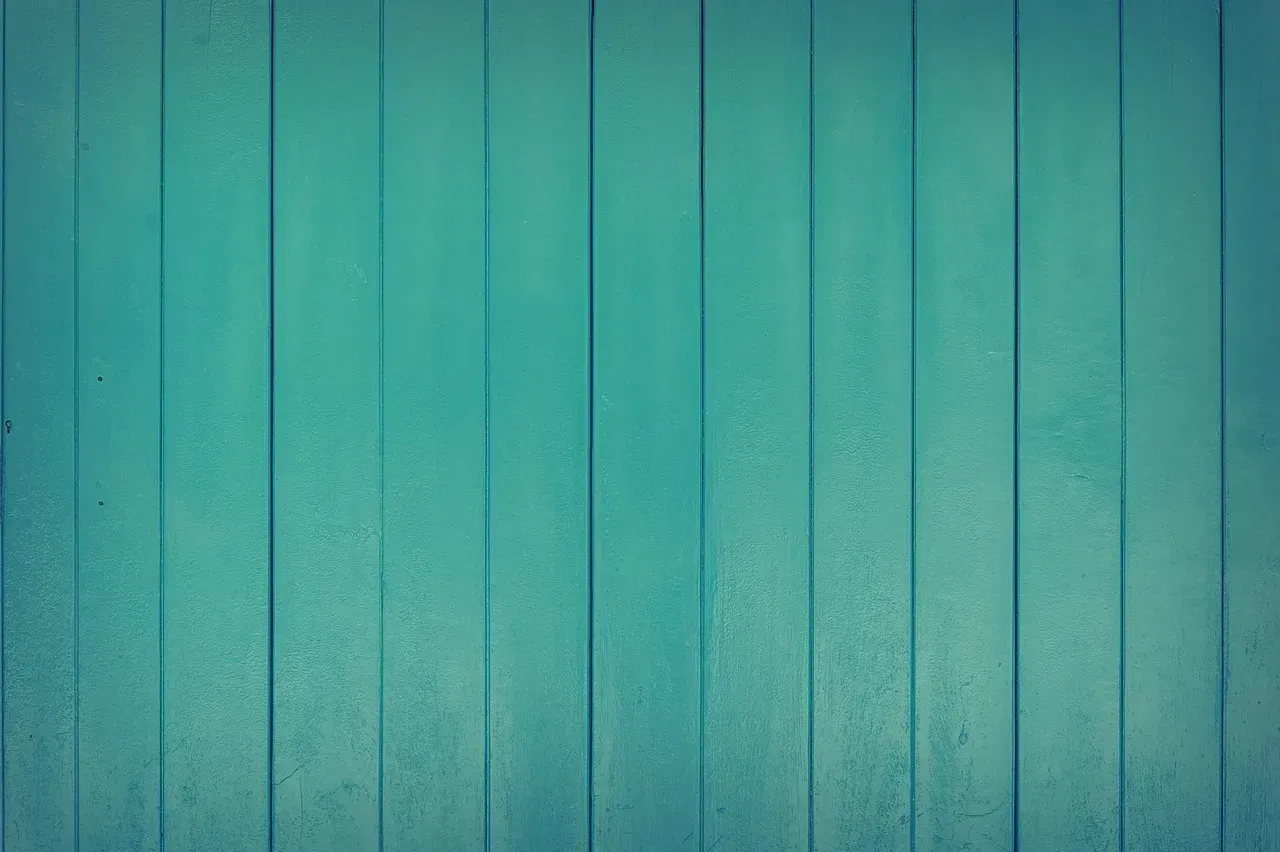
The classic board and batten style involves installing vertical battens at regular intervals over a flat surface, creating a traditional wainscoting or full-wall treatment, and modern interpretations have expanded to include horizontal layouts, grid patterns, and even custom geometric designs. The result looks like something out of a high-end renovation magazine. Most homeowners choose board and batten for accent walls because it offers a perfect balance of visual impact and practicality, transforming plain surfaces into architectural features without structural changes or extensive renovations.
According to data from home service marketplaces, a simple DIY board and batten wall can cost as little as a hundred dollars in materials. Some homeowners report completing a full ten-foot wall for around eighty-four dollars total, including boards, caulk, and a gallon of paint. The time investment is a weekend. The visual payoff lasts for years.
A New Front Door
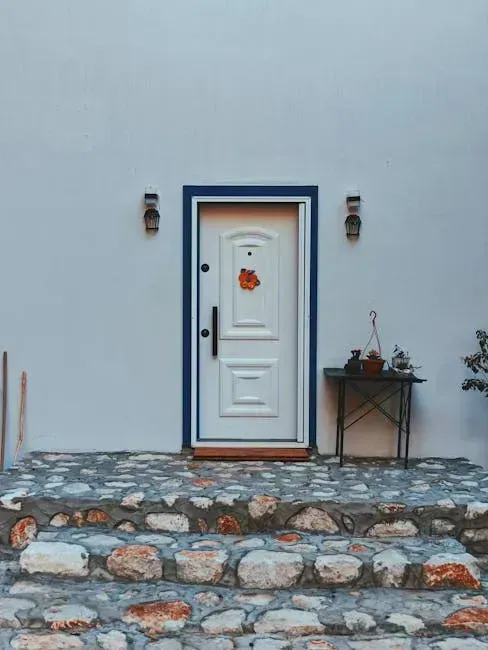
The front door is one of those details people notice before they even step inside, and a tired or dated door does real damage to a home’s first impression. The good news is that replacing it doesn’t require a major spend. The entry door is one of the first things a potential buyer sees, and the average cost of replacing a front door with a steel door and dual-pane half-glass panel sits at around two thousand three hundred dollars, with an average resale value of more than four thousand dollars.
Upgrading an entrance with a new front door can give a home an instant facelift and may offer a return on investment of a hundred percent or more, depending on the material quality and the scope of the project. Even for homeowners not planning to sell, simply painting an existing door a bold, intentional color with new hardware delivers a dramatic visual lift for under a hundred dollars.
Smart Thermostats and Lighting
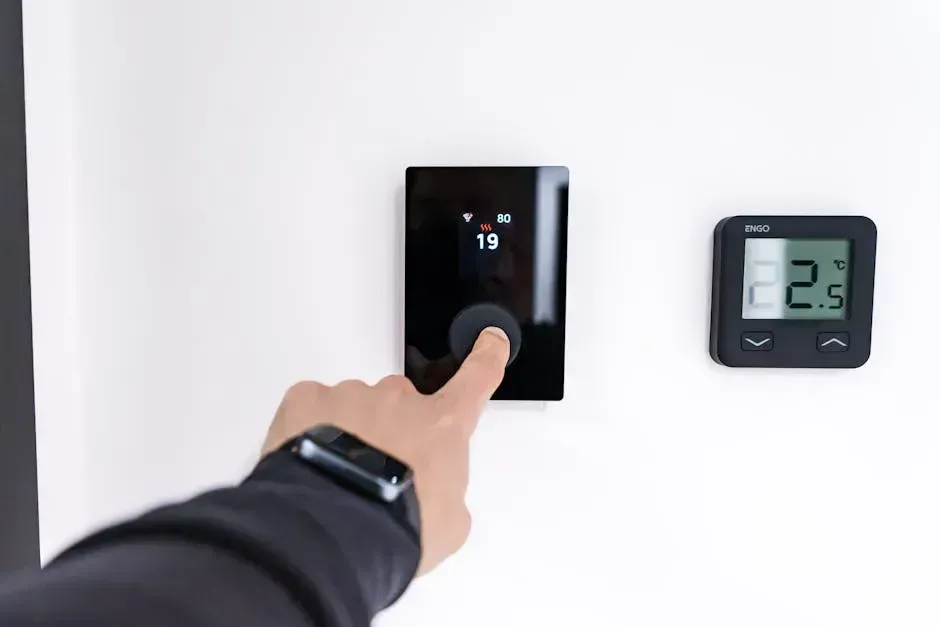
Smart thermostats and lights are popular and relatively easy additions that can save money on energy bills, and tens of millions of North American households have already adopted them. They create an undeniable sense of a modern, thoughtfully outfitted home, the kind that buyers increasingly expect. Devices like Nest allow homeowners to control heating remotely, increasing energy efficiency, while smart lighting enables control through apps or voice commands, creating a more customizable living space.
According to Zillow Group data, a significant share of younger buyers rate smart home technology as highly important in their home search. Zillow’s features-that-sell analysis found that LED lighting is associated with a measurable sale premium. For what typically amounts to a few hundred dollars in equipment, the perceived upgrade to a home’s modernity is substantial.
A Fresh Garage Door
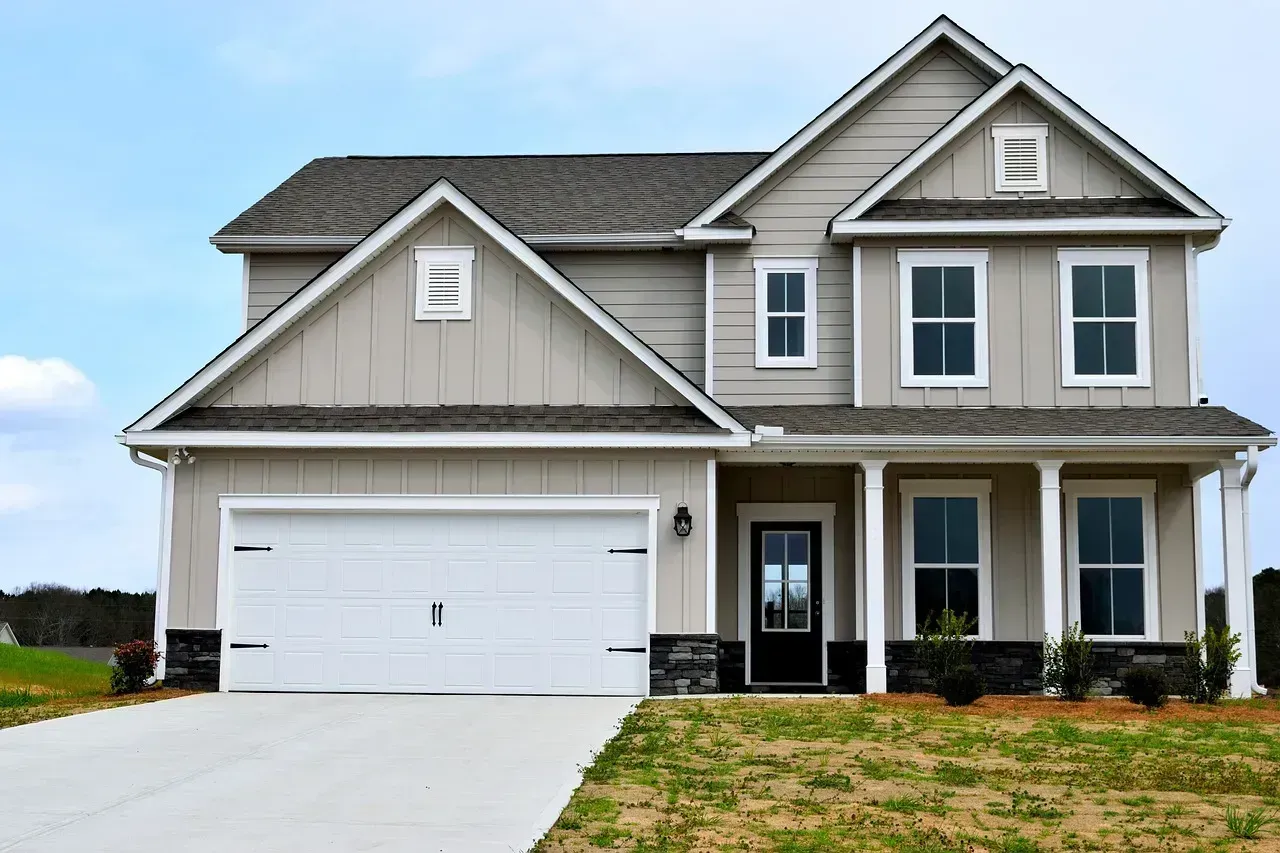
It’s one of the most unglamorous upgrades imaginable, yet the data behind garage door replacements is consistently impressive. With an average return on investment exceeding a hundred percent in recent years, replacing an outdated garage door is a smart investment for boosting curb appeal, with a new two-car garage door costing between one thousand and three thousand five hundred dollars on average, including installation. It’s the kind of change that transforms the entire face of a home.
The national trend for new garage doors is a four-section steel door with foam insulation and insulated glass windows across the top panel, with project costs averaging around four thousand five hundred dollars. Replacing a garage door may not be the most exciting house update, but it yields some of the highest returns at resale, after all, garage doors are one of the most prominent parts of a house façade.
Wainscoting or Beadboard Wallpaper
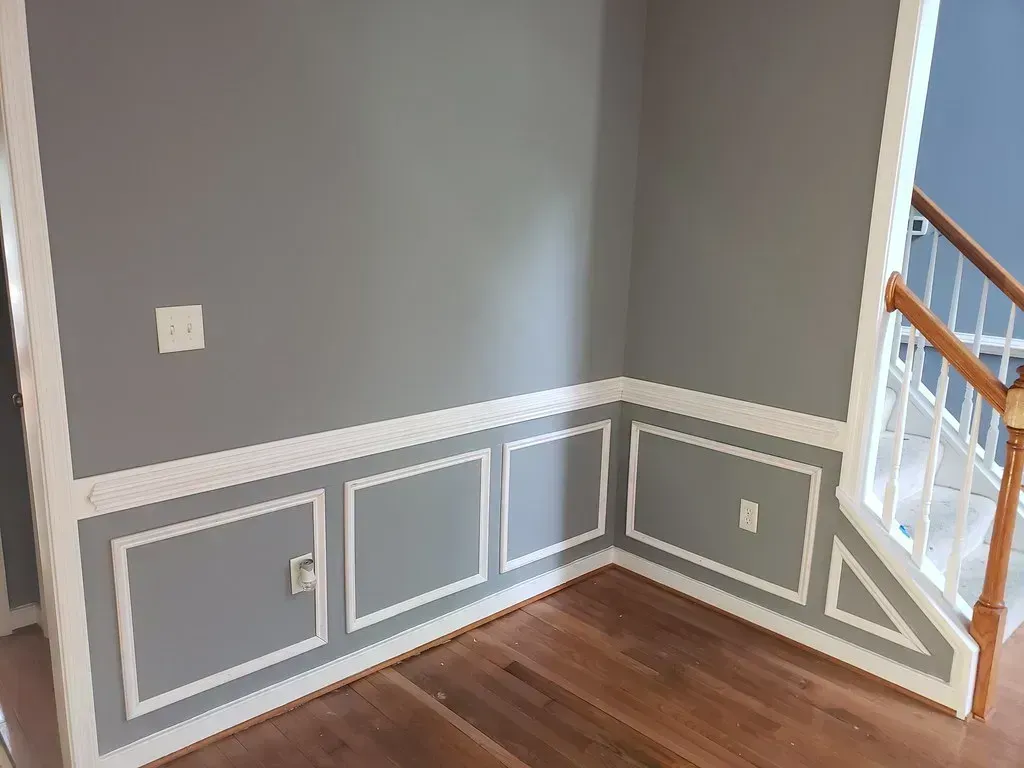
Traditional wainscoting carries a reputation for being a premium, labor-intensive finish. If you’re looking to elevate builder-grade walls, wainscoting is a terrific way to create charm and character, and while various types exist including board and batten and picture frame molding, beadboard wallpaper offers a nearly identical look at a fraction of the price. It’s a distinction most visitors won’t notice or question.
The other major advantages of beadboard wallpaper are that you can install it yourself, it doesn’t require power tools, and you don’t have to remove any trim or baseboards beforehand. Applying chair rail molding along the top of the wallpaper hides the transition cleanly, and painting it in a contrasting hue or the same color in a different sheen gives the whole wall a genuinely custom appearance.
Updated Cabinet Hardware
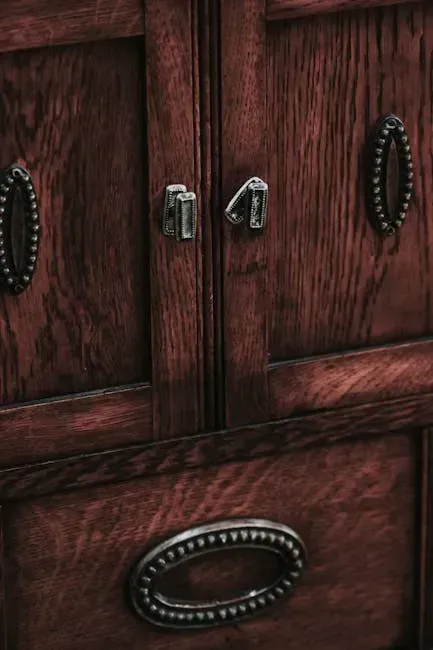
Kitchens age fast, and the culprit is often the hardware. Old, mismatched pulls and knobs telegraph every year a kitchen hasn’t been touched. Swapping them out is one of the fastest high-impact changes available to any homeowner. Brass has re-emerged as on-trend for lighting fixtures, cabinet pulls, and faucets, and it’s also being mixed alongside other metal finishes like matte black, chrome, or brushed nickel.
Running the same material or finish from one surface to another instantly reads as custom, and using porcelain or quartz instead of natural stone keeps costs in check. The same logic applies to hardware: a consistent finish across all cabinet pulls, drawer handles, and faucets creates the kind of cohesive, deliberate look that reads as high-end. Individual pulls typically cost between two and fifteen dollars per piece, making an entire kitchen transformation achievable for well under two hundred dollars.
Floating Shelves
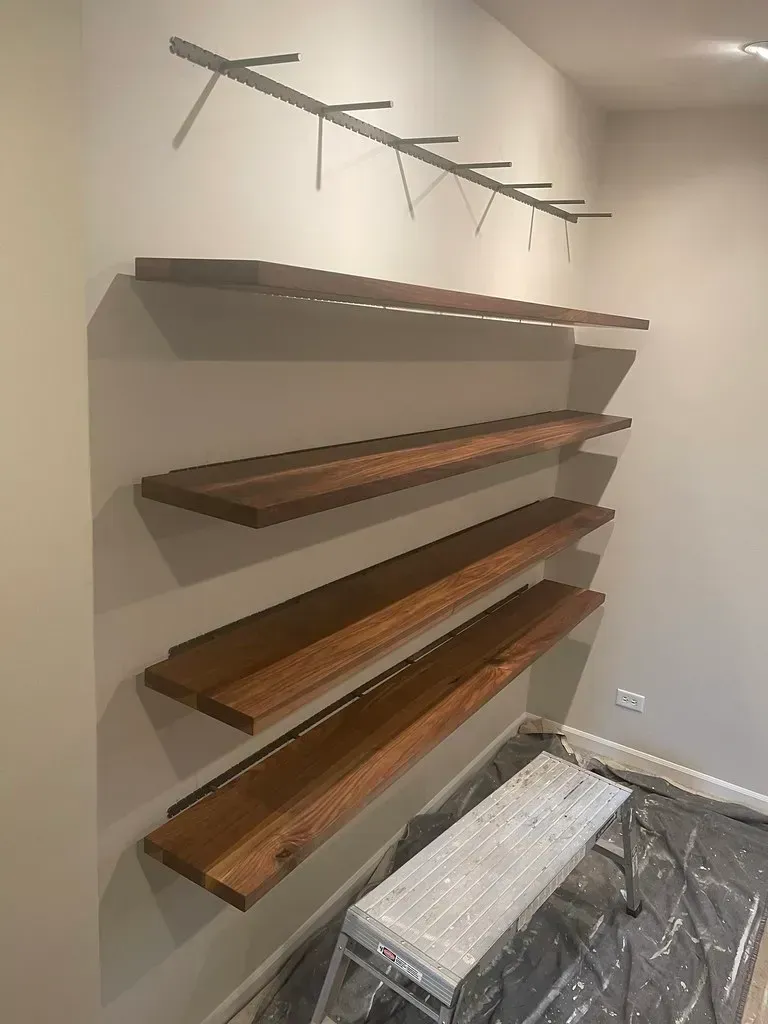
Floating shelves hit the sweet spot between design and function, looking sharp and holding what matters, useful in bathrooms, kitchens, and bedrooms, with a decent pair running between fifteen and thirty dollars and delivering a payoff far greater than the price. In a living room, a well-styled set of floating shelves can anchor an entire wall and eliminate the need for bulky bookcases or entertainment centers. The minimal, clean appearance is directly associated with higher-end interior design.
Mount them securely, match them to the room’s look, and use them to showcase what you actually want people to see. No brackets, no bulk, just clean, smart design. The key to making them look intentional rather than improvised is restraint: fewer, better-curated objects displayed on fewer shelves will always read as more expensive than clutter.
New Window Treatments
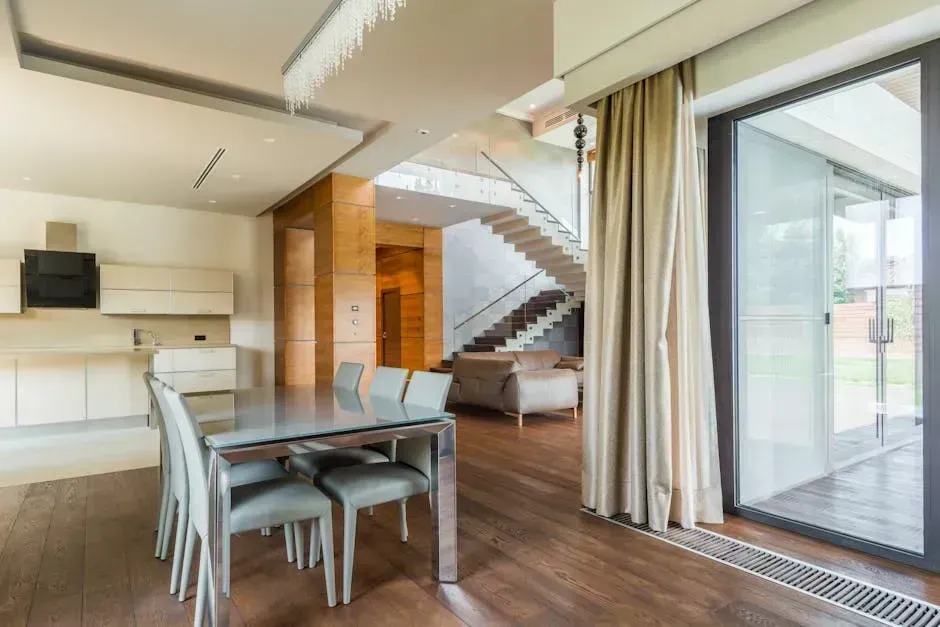
Few things date a room as quickly as the wrong window treatments. Drooping blinds or faded curtains pull everything else down with them. New window treatments can make a room feel warmer, brighter, and considerably more put-together, with airy curtains or Roman shades offering a modern look that doesn’t block out all the natural light. The effect of floor-to-ceiling curtain panels, in particular, is striking: they make ceilings appear taller and rooms feel larger.
Some major homebuilders have committed to the indoor-outdoor connectivity trend for 2025, focusing on the number, size, and location of windows to improve the relationship between interior and exterior spaces, including windows that extend to the floor. Mimicking that scale with well-hung, long curtain panels is a budget-friendly way to achieve the same sense of height and openness, often for under a hundred dollars per window.
Landscaping and Curb Appeal Details
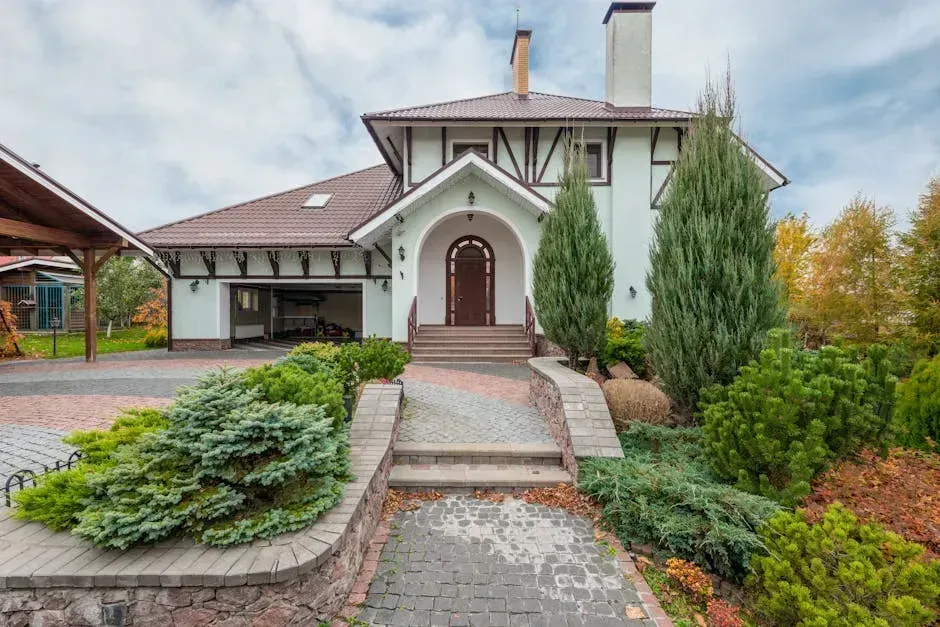
An attractive, well-maintained yard can increase a home’s perceived value by roughly five to fifteen percent or more, depending on location and design. The investment required to reach that threshold is often far lower than homeowners expect. Small details like a new mailbox, light fixtures, solar-powered path lights, or a new house number sign can make a significant difference.
Landscaping to improve curb appeal can cost anywhere from around eight hundred to just over two thousand dollars, and these types of projects can deliver a powerful return on investment of up to two hundred percent. A well-edged lawn, fresh mulch in the beds, and a handful of seasonal plants can make a home look substantially more expensive than its neighbors with very modest spending.




Leave a Reply