
History textbooks have a way of narrowing the past down to a neat sequence of wars, treaties, and famous names. That curated version is useful, but it leaves out a vast, stranger layer of events that actually happened. Some of those missing stories are funny, others are unsettling, and a few are so improbable they sound like fiction until you check the sources.
What follows is a collection of fourteen verified episodes from the historical record. None are household names. All of them are real.
1. The Dancing Plague of 1518
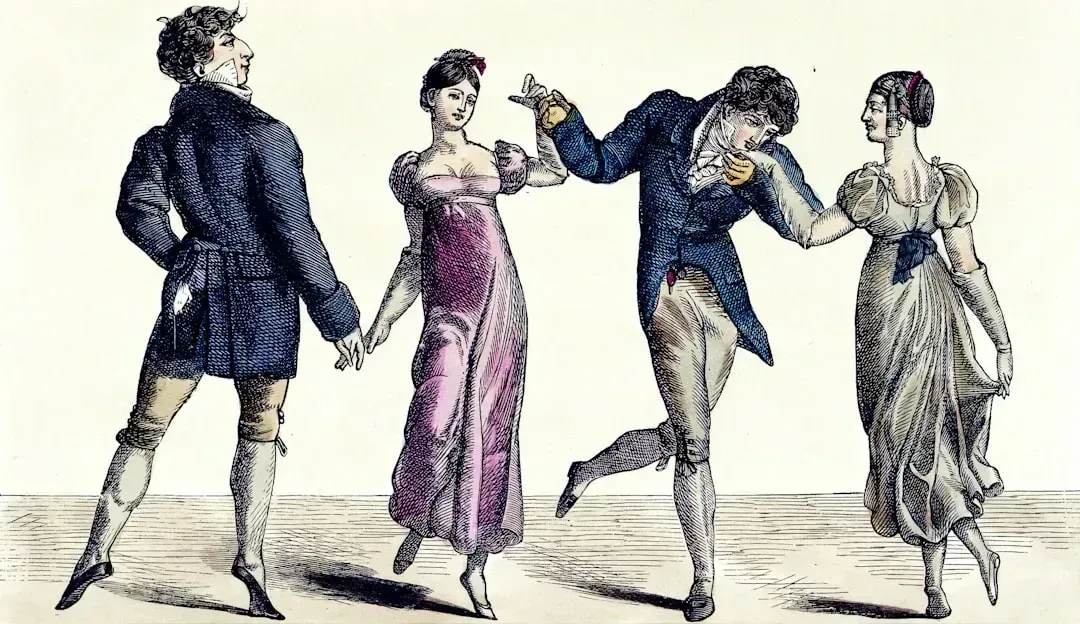
In July 1518, a woman in Strasbourg named Frau Troffea began dancing uncontrollably, continuing for days despite exhaustion and bloody feet. The compulsion spread. Within weeks, hundreds of people in the city were caught in the same uncontrollable movement, unable to stop even as their bodies gave out.
Historian John Waller, one of the foremost experts on the subject, argues that the event was an instance of mass hysteria triggered by extreme stress from poverty, disease, and starvation in Strasbourg at the time. He believes the region’s strong belief in St. Vitus, a saint said to curse sinners with dancing mania, created an “environment of belief” that enabled the collective psychosis.
2. The Cadaver Synod of 897 AD
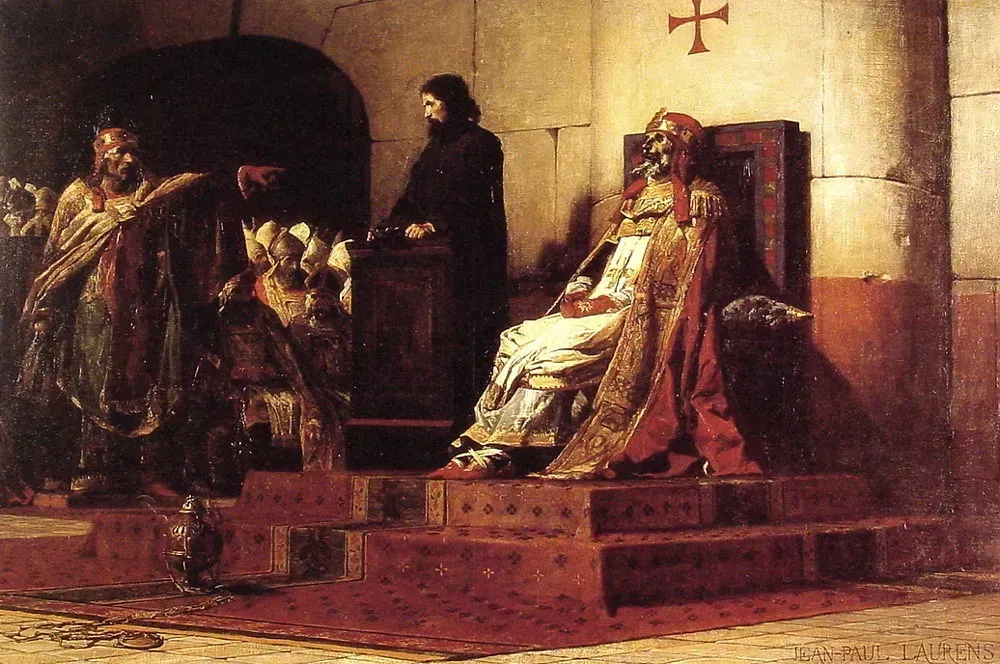
In one of history’s strangest trials, the corpse of a pope was put on trial in Rome. After Pope Formosus died in 896, his successor, Stephen VI, exhumed the body in January 897. The rotting corpse was propped on a throne in a church and accused of “usurping the papacy,” with a deacon assigned to answer for the dead man.
The silent corpse was found guilty. Stephen VI annulled all of Formosus’s acts as pope, cut off three fingers from the hand that had given blessings, and threw the body into the Tiber River. This bizarre trial reflects the intense factionalism of 9th-century papal politics.
3. The Boston Molasses Flood of 1919
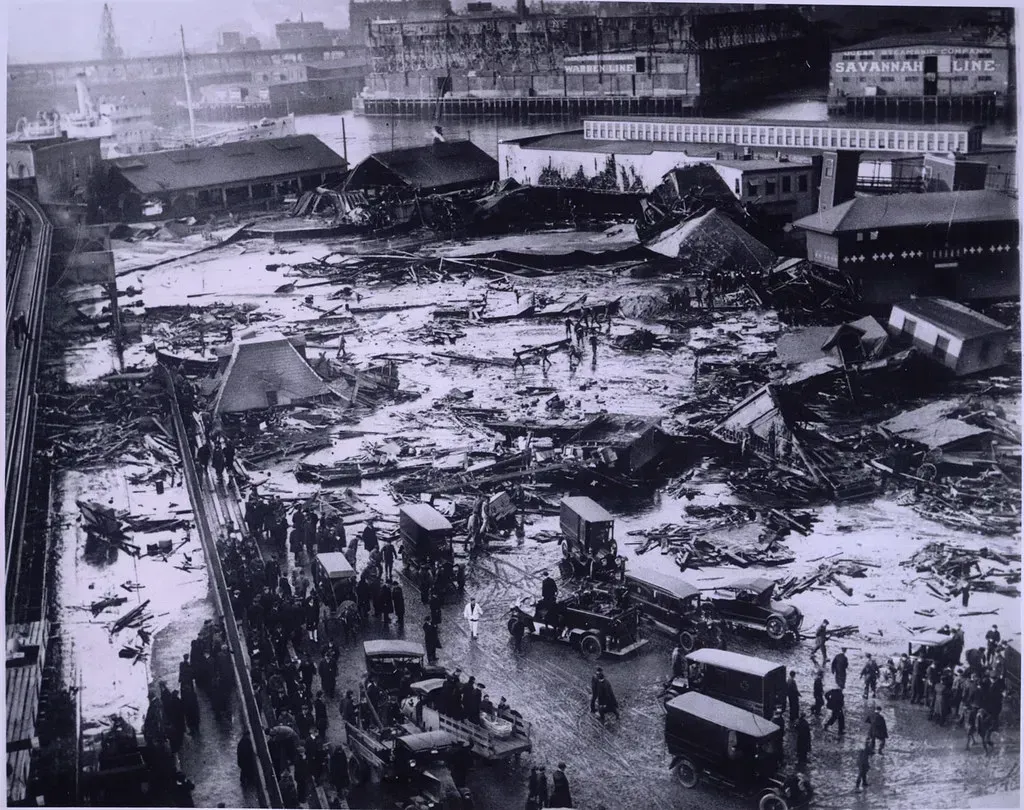
At approximately 12:30 pm on January 15, 1919, a molasses storage tank burst in Boston’s North End, releasing a wave estimated to be 15 to 40 feet high and roughly 160 feet wide. Traveling at approximately 35 miles per hour, it destroyed several city blocks, leveling buildings and damaging automobiles.
Although help arrived quickly, the hardening molasses made rescue efforts difficult. In the end, 21 people were killed, many of whom suffocated by the syrup, and approximately 150 were injured. Clean-up efforts lasted for weeks, and Boston reportedly continued to smell like molasses for years afterward.
4. Wojtek the Bear, Corporal of the Polish Army
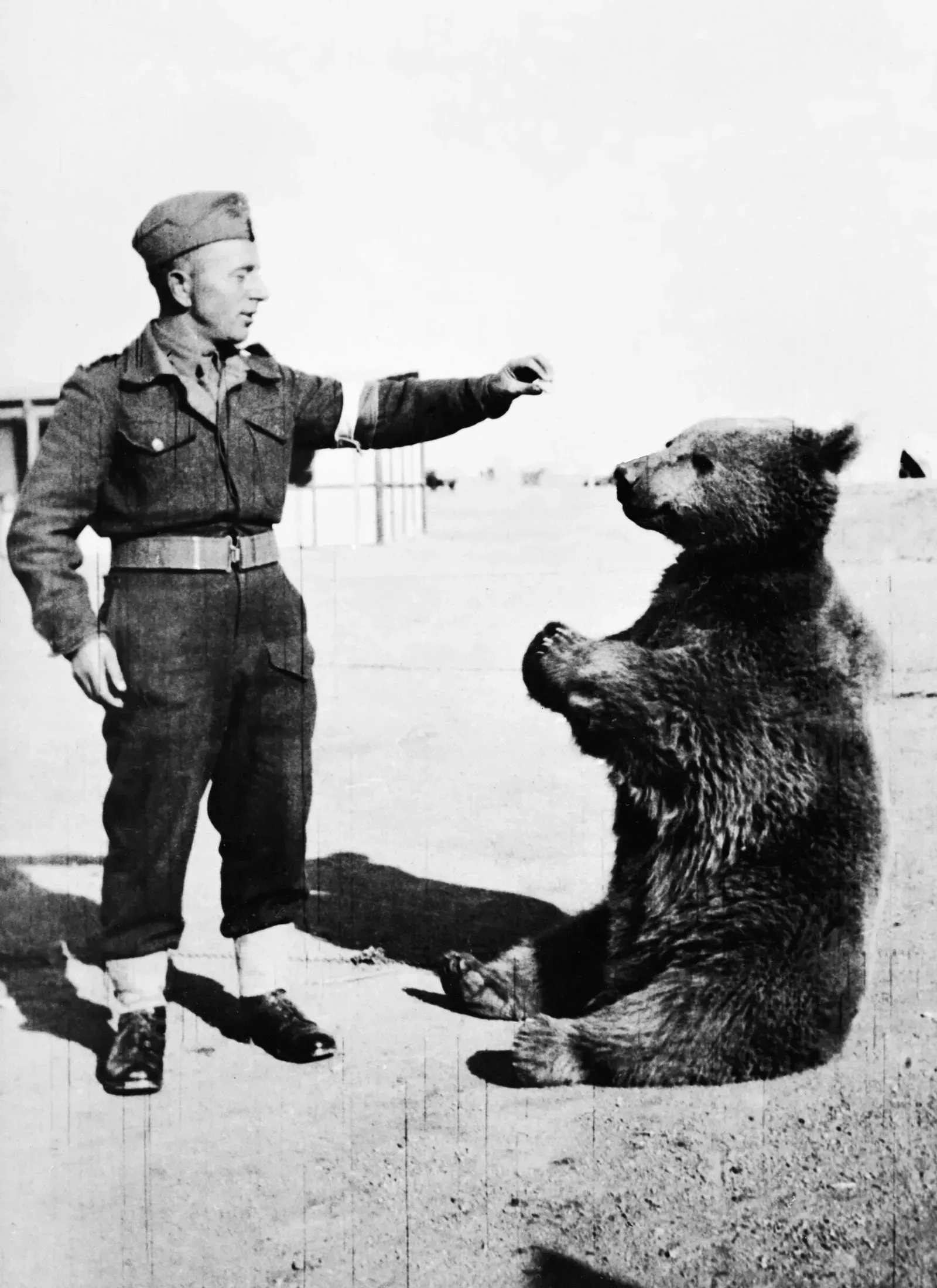
Polish soldiers acquired Wojtek, a bear cub, from a shepherd near Hamedan, Iran, during World War II. He accompanied the 2nd Polish Corps to Italy, serving under the 22nd Artillery Supply Company. In 1944, during the Battle of Monte Cassino, Wojtek imitated his human comrades and carried ammunition crates. He was promoted from private to corporal and became a celebrity with visiting Allied generals.
Regulations for the British transport ship that was to carry the corps to Italy forbade mascot and pet animals. To get around this restriction, Wojtek was officially drafted into the Polish Army as a private and listed among the soldiers of the 22nd Artillery Supply Company. As an enlisted soldier with his own paybook, rank, and serial number, he lived with the other men in tents. Wojtek died in Edinburgh Zoo in 1963.
5. The Great Emu War of Australia, 1932
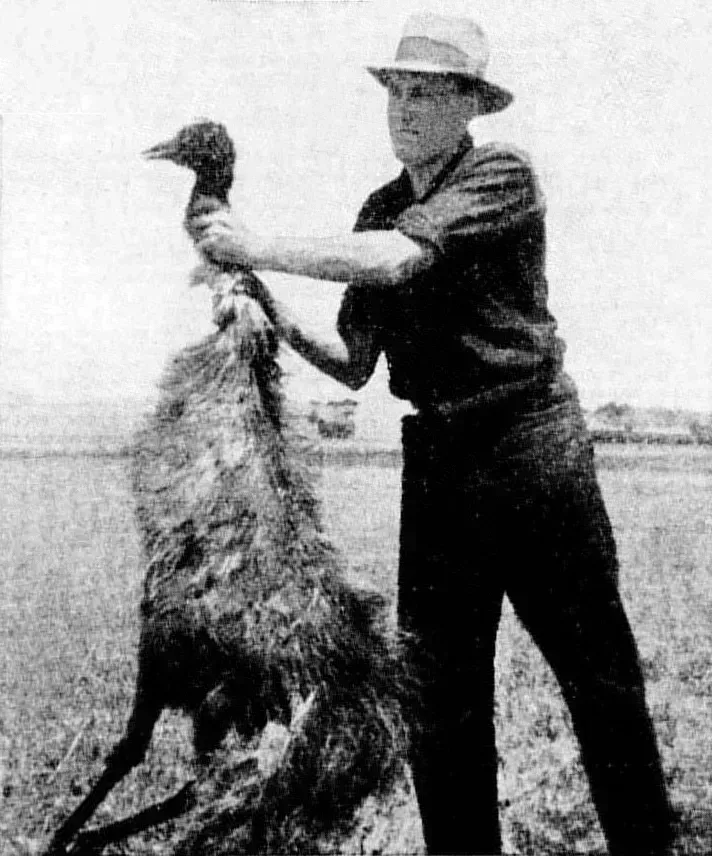
In 1932, Australia launched an actual military operation against emus, which were invading farmland in Western Australia. Soldiers armed with machine guns struggled to control the bird population, but the emus outmaneuvered them. Despite thousands of rounds fired, the emus won.
During the Great Depression, farmers in Western Australia had been encouraged to grow wheat. Unfortunately, this attracted migrating emus. The large, flightless birds devastated the crops and became a regular nuisance, leading authorities to deploy a small group of soldiers armed with automatic weapons to deal with them. The campaign became a humiliation that military commanders quietly preferred not to discuss.
6. The 1904 Olympic Marathon That Nobody Won Cleanly
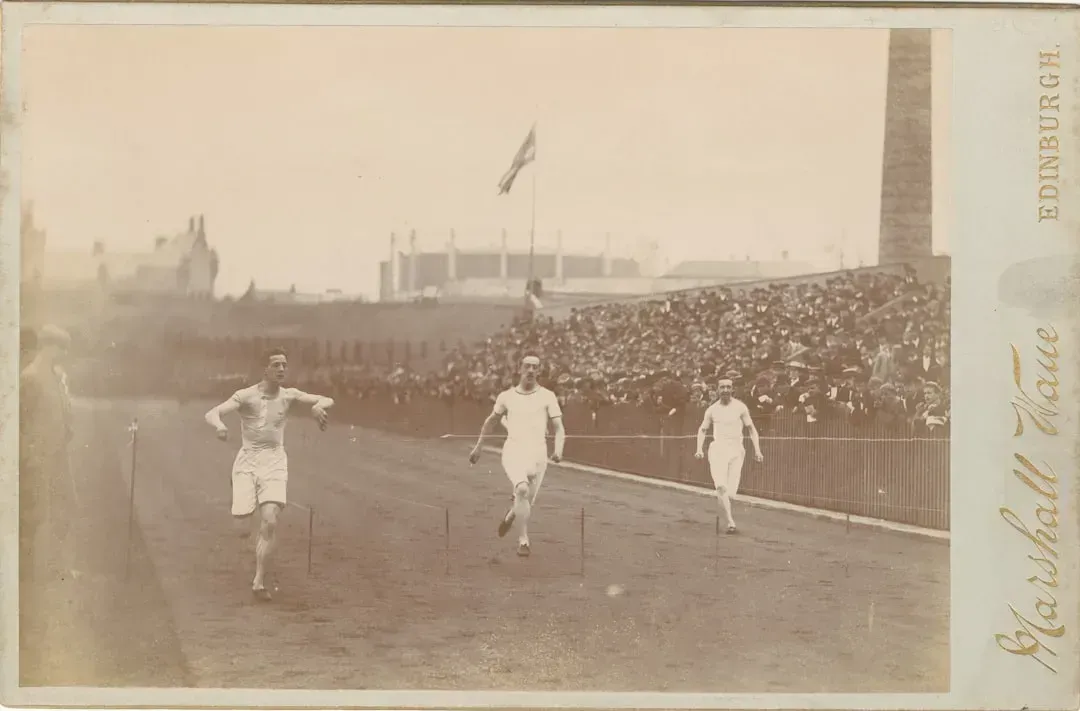
The 1904 Olympic Marathon in St. Louis is infamous for being one of the most disorganized and bizarre races in Olympic history. The marathon course featured only one water station, creating severe dehydration risks for the runners. The first man to cross the finish line, Fred Lorz, was disqualified after it was discovered he had ridden part of the course in a car. The eventual winner, Thomas Hicks, completed the race with the help of strychnine and brandy, administered by his trainers to keep him going.
The chaos didn’t stop there. Many runners resorted to stealing food from spectators and even taking naps along the course to endure the sweltering heat and dusty roads. This race has become a legendary example of early Olympic mismanagement, highlighting the growing pains of organizing such a massive international event.
7. The Piltdown Man Hoax That Fooled Science for Decades
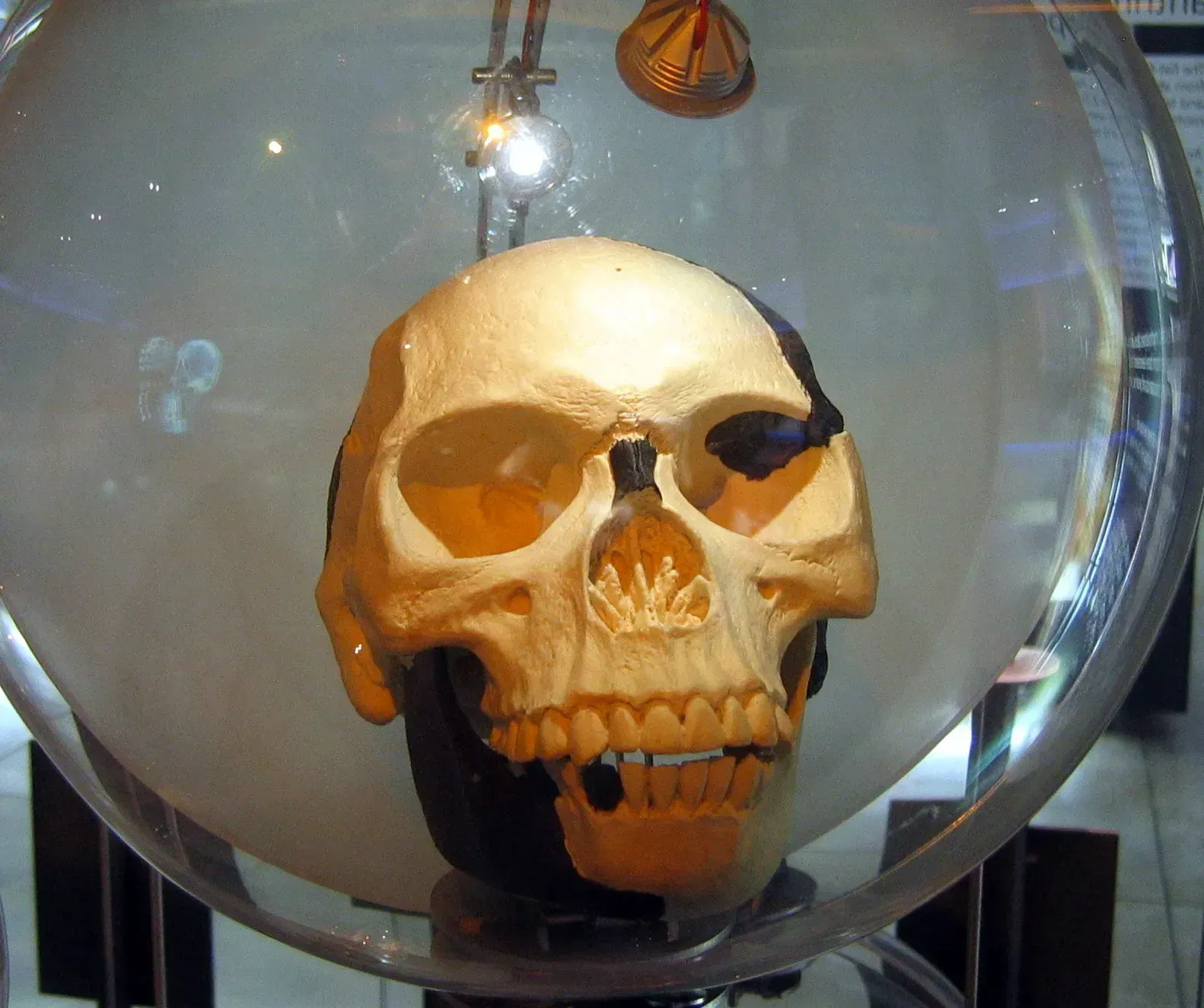
In 1912, one of the most notorious scientific hoaxes in history was perpetrated with the discovery of the so-called Piltdown Man. The fossil, presented as the “missing link” between apes and humans, was actually a composite of a human skull and an orangutan jawbone, carefully constructed to deceive the scientific community. For over 40 years, this fraudulent fossil misled researchers and influenced theories about human evolution, until advanced testing methods in the 1950s revealed the truth.
The Piltdown Man hoax had a profound impact on the field of paleoanthropology, highlighting the importance of scientific skepticism and rigorous verification. It served as a cautionary tale about the potential for deception and the influence of preconceived notions on scientific research. Whoever planted the hoax was never definitively identified.
8. The Great Moon Hoax of 1835
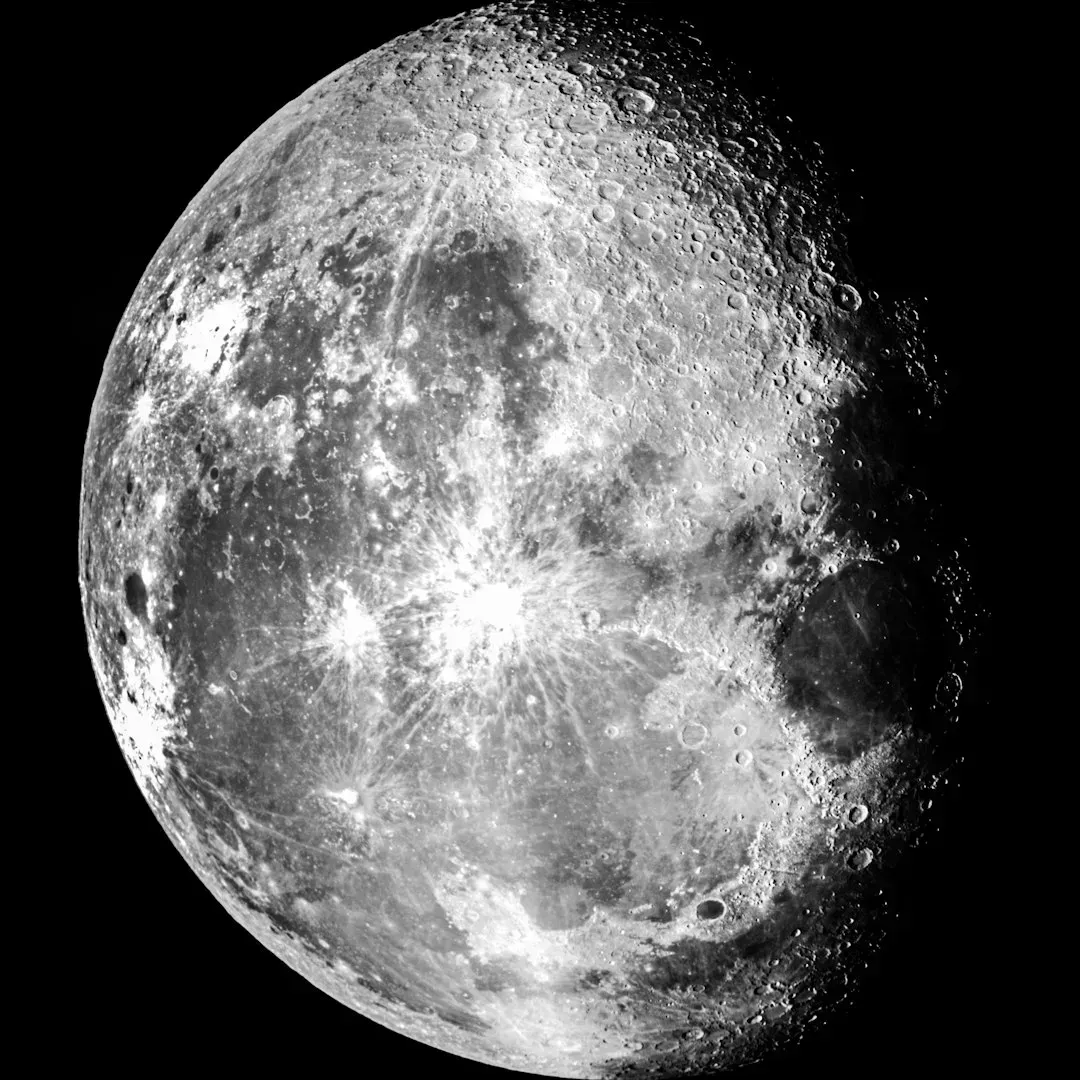
In 1835, the New York Sun published a series of articles claiming that life had been discovered on the moon. These articles described fantastical creatures and landscapes, capturing the imagination of the public. Despite the absurdity of the claims, many readers were convinced of their truth. The hoax was eventually exposed, but it left a lasting impact on the world of journalism and public perception.
The Sun specifically published fake reports claiming astronomers had observed bat-people on the moon. Readers were enthralled. The hoax boosted sales and exposed media gullibility, highlighting early tabloid sensationalism that’s rarely remembered in modern discussions of journalism history.
9. King Charles VI of France Believed He Was Made of Glass
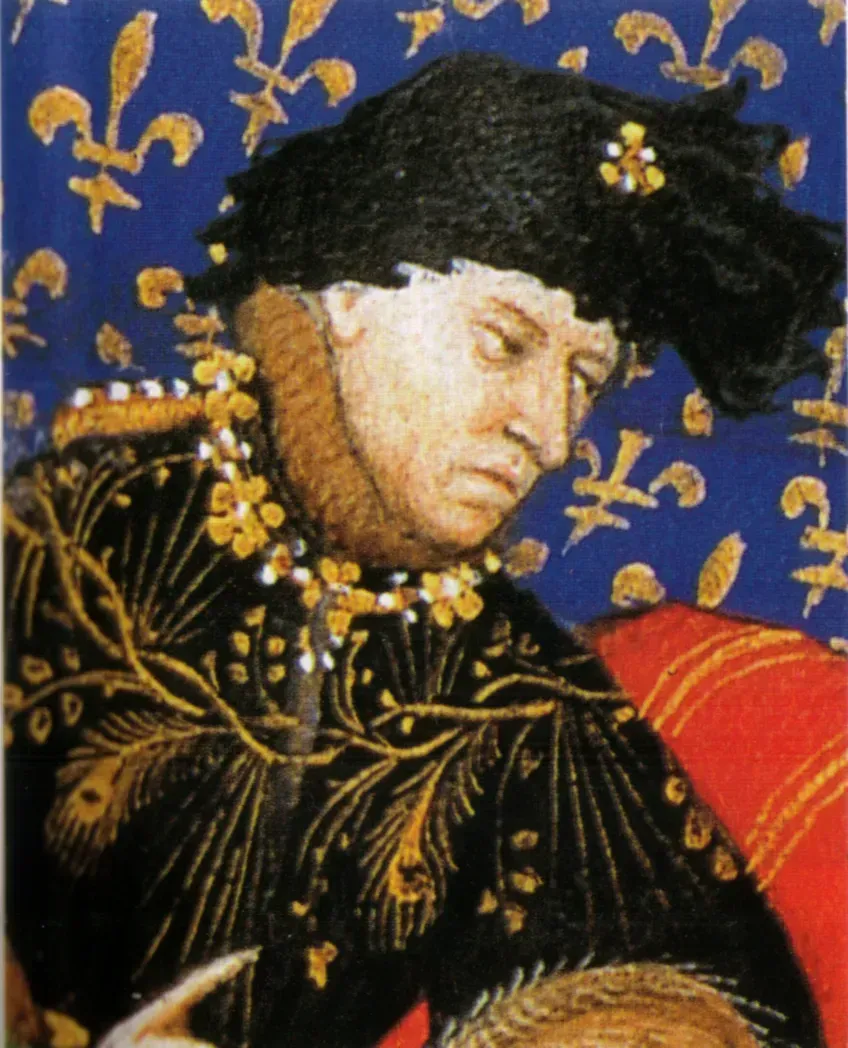
Medieval French King Charles VI suffered from a condition known as the “glass delusion,” whereby he believed he was made of glass and could quite literally shatter if not careful. The condition was not uncommon in Europe between the 15th and 17th centuries. Charles would often refuse to be touched by anyone for fear of shattering. He put iron rods in his clothes to protect himself from falling and breaking.
Charles VI reigned from 1380 to 1422, and his mental episodes became increasingly severe over time. His court developed elaborate protocols to manage his delusion, and the episodes sometimes lasted for months. Historians now believe he likely suffered from schizophrenia or a related psychotic disorder, though a definitive diagnosis across seven centuries is, of course, impossible.
10. The Erfurt Latrine Disaster of 1184
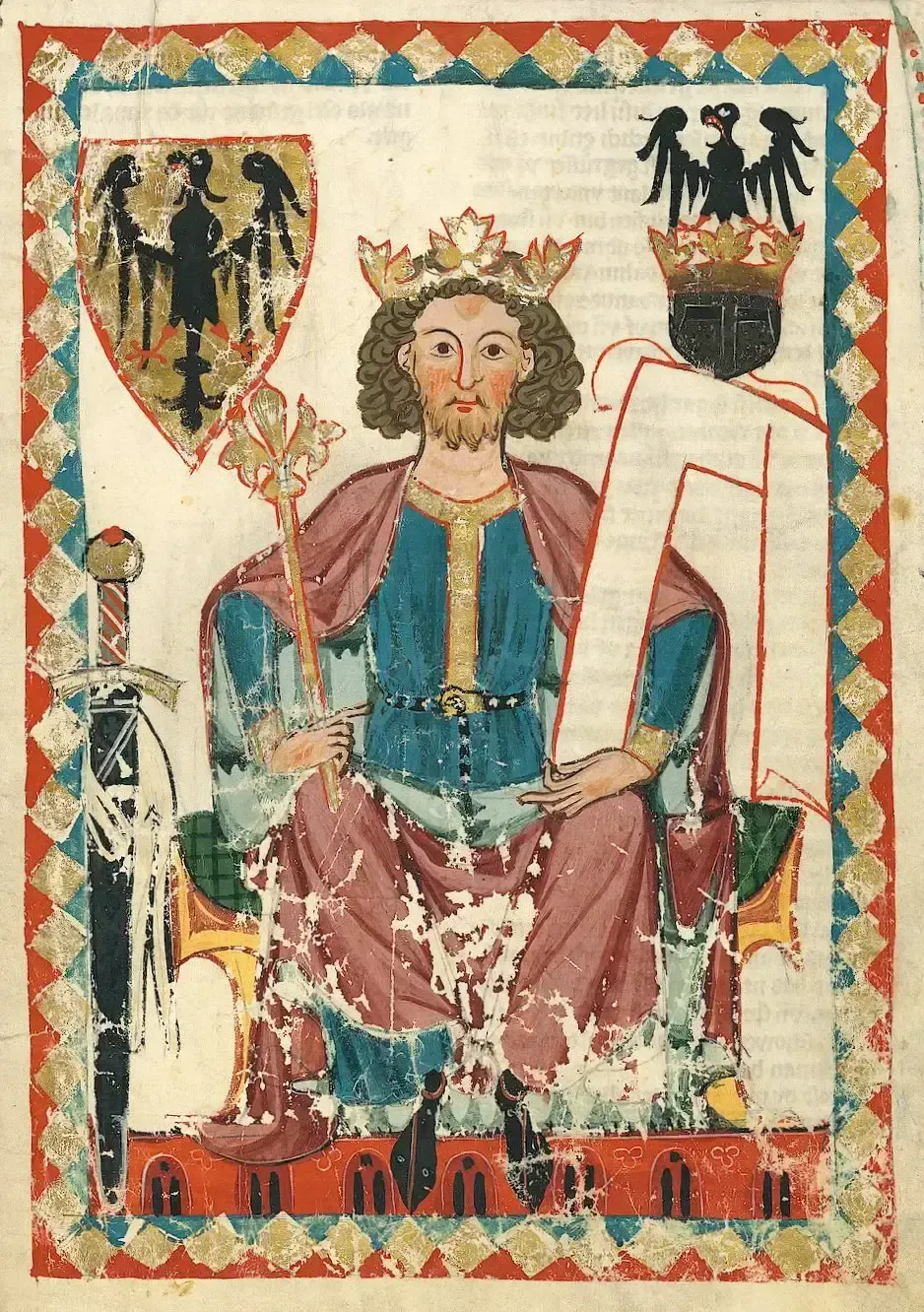
In 1184, a grand royal assembly in Erfurt, Germany, turned into a nightmarish tragedy when the weight of the gathered nobles caused the wooden floor to collapse. This catastrophic failure sent dozens of high-ranking officials plummeting into a latrine cesspit below. Around 60 nobles met a gruesome fate, drowning in liquid excrement.
The Erfurt Latrine Disaster remains a macabre yet fascinating episode in history, illustrating the unpredictability and danger of life in the Middle Ages. It serves as a grim reminder of how architectural and engineering shortcomings could result in horrific accidents with far-reaching consequences. Holy Roman Emperor Frederick Barbarossa, who had organized the assembly, reportedly survived by staying in an adjoining room.
11. Benjamin Franklin and John Adams Quarreled Over a Bedroom Window

Two U.S. founding fathers, Benjamin Franklin and John Adams, reportedly quarreled over a window while sharing a bed. In fall 1776, traveling to Staten Island for negotiations, they stayed at a crowded inn in New Jersey. Franklin liked sleeping with the window open, while Adams feared night drafts.
Adams recorded the incident in his own diary, making this one of the better-documented minor episodes involving two giants of American history. Franklin, ever the scientist, apparently launched into a lecture on the theory of colds while Adams drifted off to sleep. Franklin won the window battle. The story reminds us that human history is not just wars and dynasties but also filled with humor, absurdity, and life’s everyday surprises.




Leave a Reply