
Most of us have a vague sense that we own too much stuff. The closets that won’t close, the kitchen drawers that require a firm hip-check, the garage that hasn’t seen an actual car in years. It’s a familiar picture, and it turns out the data backs it up completely.
The average American home contains around 300,000 items. Roughly more than half of Americans feel overwhelmed by the amount of clutter they have, yet nearly four in five have no idea what to do about it. The good news is that clutter doesn’t usually come from everywhere at once. It tends to pile up in very specific, very predictable categories. Here are the seven most common ones.
1. Clothes You Haven’t Worn in Over a Year
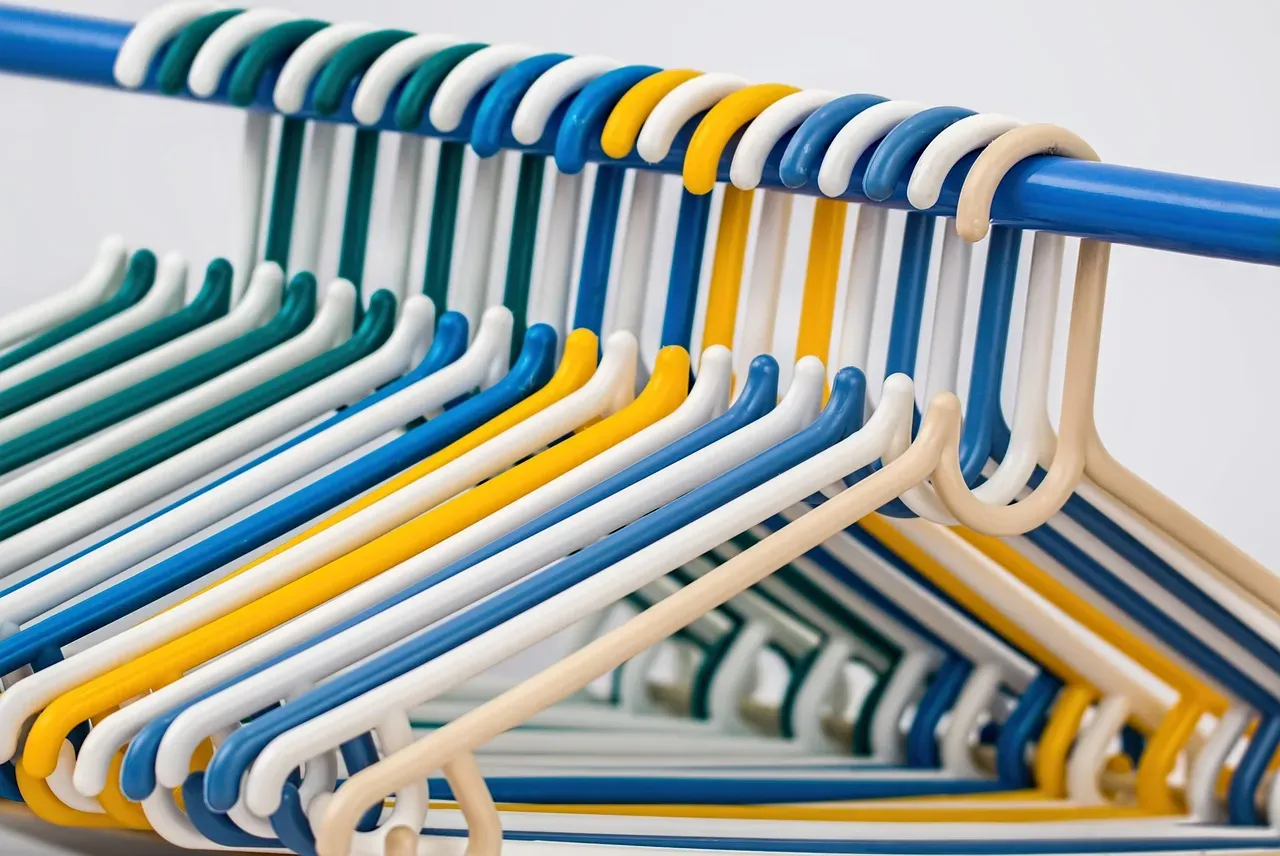
The closet is where good intentions go to collect dust. The average American woman owns around 30 outfits, one for every day of the month. Back in 1930, that figure was just nine. More is rarely better when it comes to a wardrobe, and the math on what actually gets used is pretty sobering.
It’s estimated that roughly four out of five pieces of clothing in the average closet are only worn about one fifth of the time. A 2024 Garson and Shaw industry report found that the average American adult keeps 6.2 unworn items in their wardrobe, representing approximately 1.6 billion never-used garments nationwide. That’s a staggering amount of fabric just hanging there, taking up space and making it harder to find the things you actually reach for every day.
2. Single-Use Kitchen Gadgets and Appliances
The kitchen is a magnet for impulse buys with bold promises. Pasta makers, quesadilla presses, bread machines, avocado mashers – they all seem useful at the point of purchase. Specialty appliances like soda streams, spaghetti makers, and bread machines are great if you actually use them, but a professional home organizer notes that these are almost always the first things purged because clients realize they have not and will not use the item the way they imagined.
One of the biggest pitfalls, according to appliance experts, is investing in kitchen appliances without properly considering the size of your home. Oversized stand mixers, bulky air fryers, or multiple single-use gadgets can quickly dominate countertops and cupboards, particularly in smaller kitchens. Prioritizing fewer, high-quality, versatile devices reduces clutter and addresses multiple cooking tasks more efficiently. A single multi-function appliance almost always beats a cabinet full of gadgets that each do one thing.
3. Children’s Toys

Parents know the feeling: toy boxes overflowing, living room floors impossible to cross without navigating a minefield of plastic. The scale of toy accumulation in American homes is genuinely striking. America is home to just 3.1 percent of the world’s children, yet they own roughly 40 percent of the toys purchased globally, according to research from UCLA.
A survey by the Toy Industry Association found that the average American child has 71 toys, but one fifth of households have more than 100, and more than ten percent of homes have over 200. British research found that the average 10-year-old owns 238 toys but plays with just 12 of them daily. The sheer volume of toys rarely translates to more engagement. It often means the opposite.
4. Paper Clutter, Junk Mail, and Old Documents
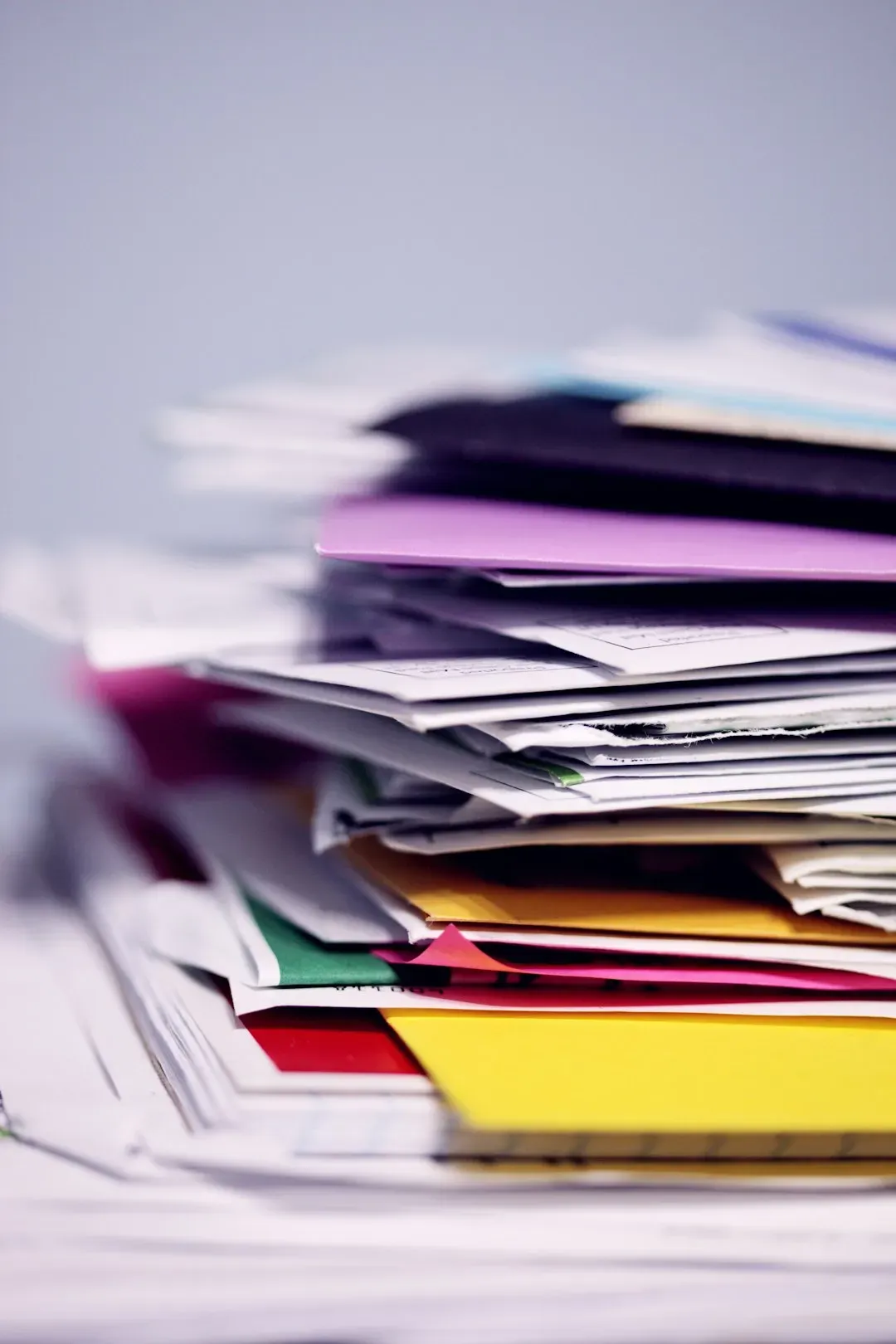
Paper is one of the most relentless forms of clutter because it arrives every single day without being invited. More than 100 billion pieces of junk mail are delivered in the United States annually, which works out to roughly 300 pieces per person per year. That steady drip of catalogs, credit card offers, and flyers has nowhere to go except your kitchen counter, your desk, or eventually a pile in the corner you’ve stopped looking at.
The average American spends about eight months of their life opening junk mail, time that could be better spent on more meaningful activities. Consumer research from Harris Interactive also reveals that around 23 percent of adults admit to paying their bills late and incurring late fees because they simply can’t find them. Paper clutter isn’t just an eyesore – it has real financial consequences when bills and important documents disappear into the pile.
5. Duplicate Tools and Household Items
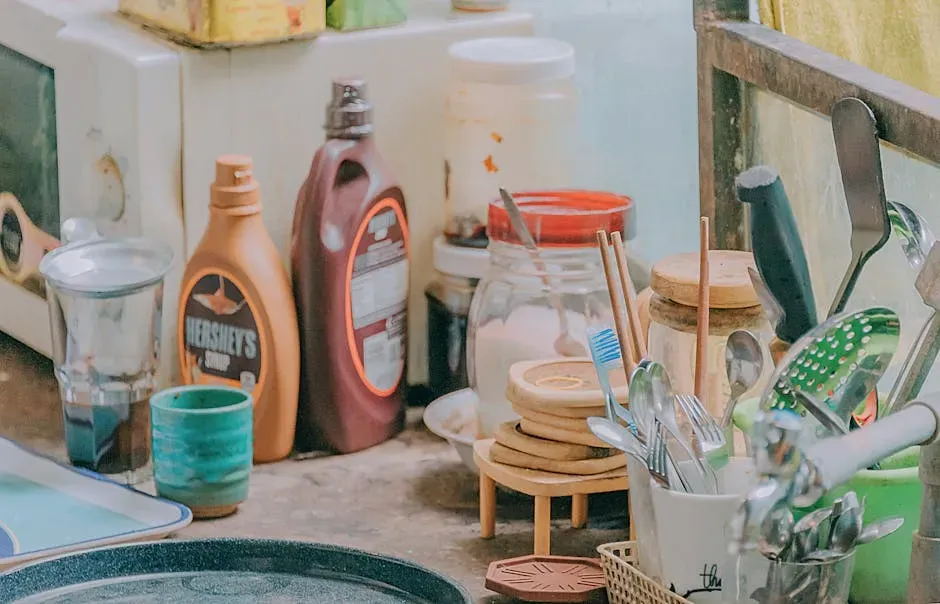
Most households have at least one junk drawer. Many have several. And inside those drawers, you’ll typically find multiples of the same items: three tape measures, two sets of Allen keys, five pairs of scissors scattered across different rooms. Research suggests that roughly four in ten people have bought a duplicate item because they simply forgot they already owned it. It’s one of the quieter ways clutter compounds itself over time.
Recent consumer research found that Americans lose about five items per month and spend nearly 17 hours per year searching for misplaced belongings. The top five items people misplace in their homes regularly are shoes, keys, TV remotes, phones, and glasses – which are, not coincidentally, things most people own in excess. When you can’t find something, the easiest fix feels like buying another one. That cycle is a direct engine of clutter.
6. Sentimental Items You Feel Obligated to Keep

This one is emotionally the most complicated, which is exactly why it tends to accumulate the most. Inherited furniture that doesn’t fit the space, old gifts from people you’ve lost touch with, childhood memorabilia that fills entire storage boxes. Most homes have an average of 300,000 items, and many of those items have some sort of emotional value to those that live in the home. That emotional weight makes them the hardest category to confront.
Research using structural equation modelling has found that home clutter predicts more negative affect, lower life satisfaction, and reduced mental well-being, with perceived home beauty acting as a mediating factor. The objects we keep out of obligation rather than genuine love can quietly chip away at how comfortable we feel in our own space. Keeping everything “just in case” someone asks about it eventually costs more than it gives.
7. Old Electronics and Broken Items Awaiting Repair
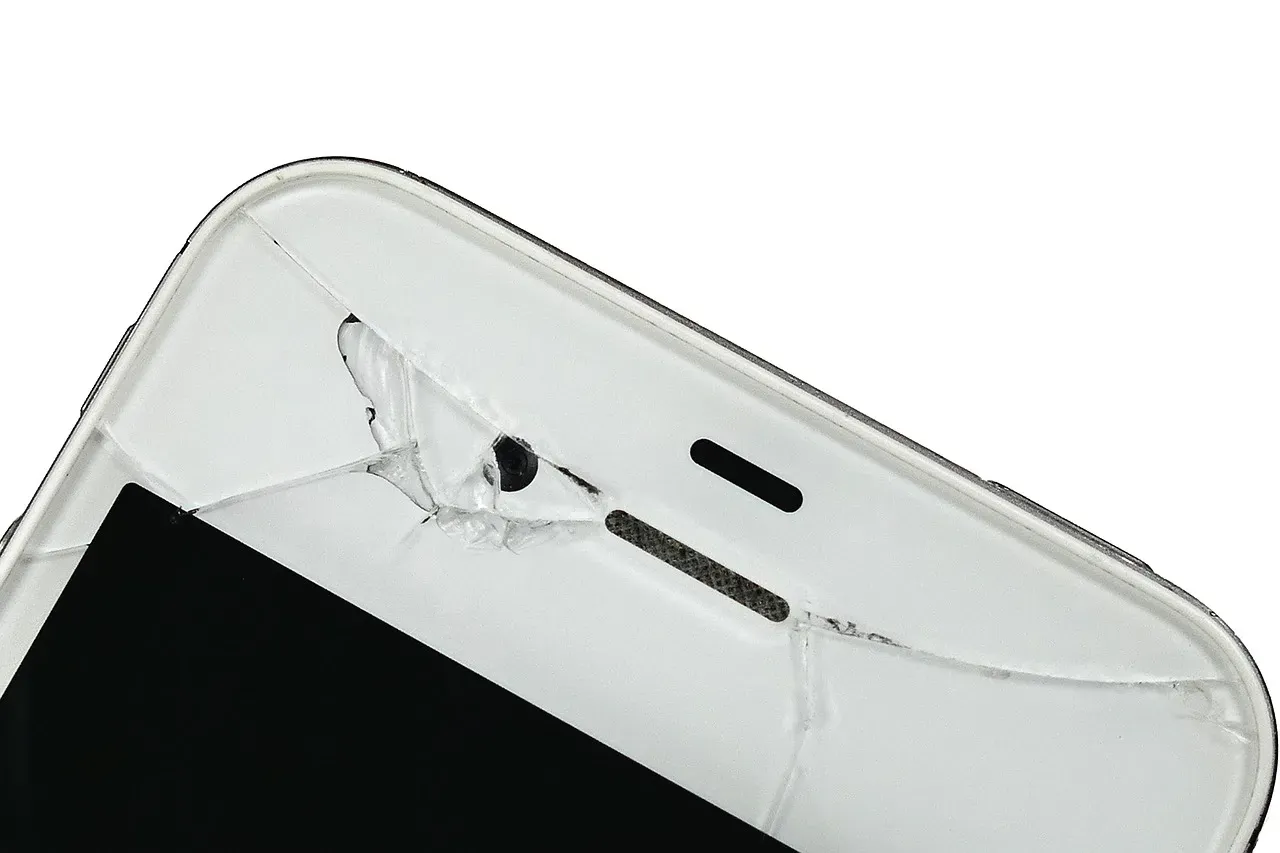
There’s a particular kind of clutter that lives in garages and spare rooms: the broken lamp you’ve been meaning to fix, the tablet with the cracked screen, the printer from several years ago that technically still works but nobody uses anymore. According to the U.S. Department of Energy, about one in four American households with a two-car garage can’t park even one car inside. Defunct electronics and “to be repaired” items are among the biggest contributors to that blocked-out space.
Clutter reduces the likelihood of home resale by roughly 10 percent, and organizing a home increases the likelihood of selling it up to 50 percent faster. Old tech that has passed its useful life doesn’t just crowd the shelves – it quietly depresses the value and appeal of your home. Most items set aside for repair wait indefinitely, and the honest move is usually to recycle them properly and reclaim the space they’ve been occupying for months or years.
The pattern across all seven of these categories is the same: things come in, but they rarely go out at the same rate. Research suggests that roughly 80 percent of the clutter in our homes is a result of disorganization, not a lack of space. That’s actually an encouraging finding. It means the solution isn’t a bigger house – it’s being more deliberate about what stays.





Leave a Reply