
Europe has long worn the crown of the world’s most beloved travel destination. The cobblestone streets, the ancient churches, the food, the wine. It all sounds impossibly perfect. Yet behind many of those glossy postcards, real crime data tells a strikingly different story – one that most travel blogs conveniently skip.
This summer, as millions of tourists pour into European cities, the gap between dream and reality has never been wider. Some cities are struggling with surging gang violence, record-breaking pickpocket rates, and neighborhoods that even locals are told to avoid. Before you pack your bags and book that Airbnb, there are things you really need to know. Let’s dive in.
1. Bradford, United Kingdom – Europe’s Undisputed Crime Capital
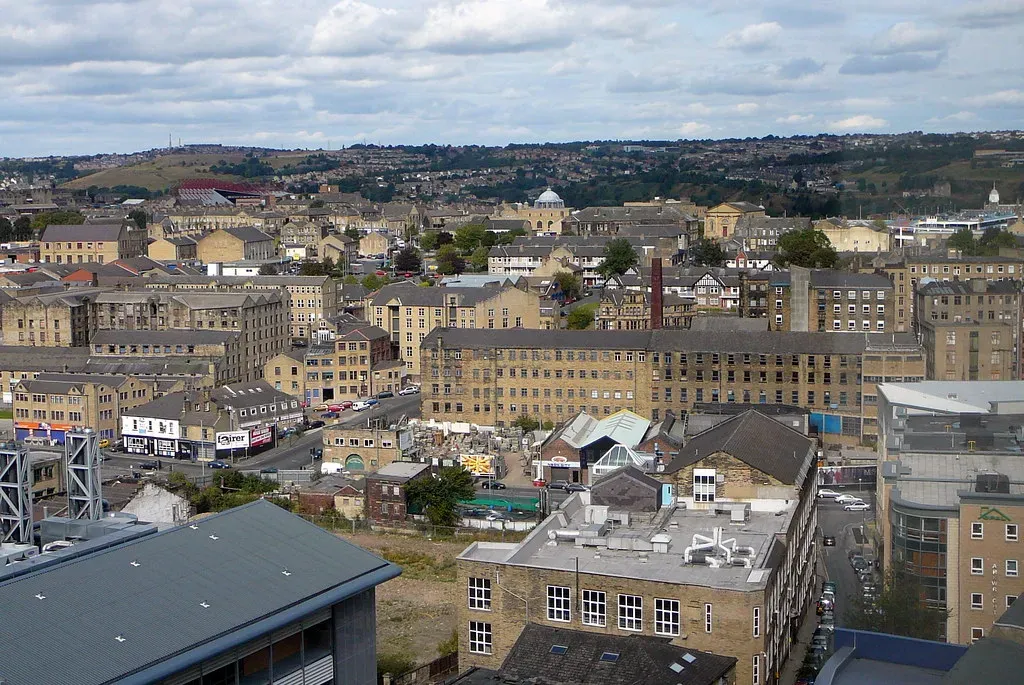
Most tourists skip Bradford entirely, assuming it has little to offer compared to London or Edinburgh. That assumption might actually work in their favor. Bradford holds a crime index of 67.1, placing it at the very top of Europe’s most dangerous cities in 2025. That is a staggering number, especially for a city that rarely appears on tourist itineraries.
According to Numbeo, Bradford has the highest crime index in Britain, with crime rates nearly 90 percent above the national average. Drug-related offenses and economic crimes are major contributors to its rising insecurity. The social fabric of the city has been under enormous pressure for years, and it shows.
In 2022, 32 people died from gang murders and drug-related violence. Drug-related homicides reached 49 in 2023. Though the number decreased in 2024 with 17 cases recorded by October, experts emphasize that the reason for the decline is not the effectiveness of the police, but a temporary lull between rival groups. Honestly, that is perhaps more alarming than the numbers themselves.
2. Marseille, France – Mediterranean Beauty, Gang War Backdrop
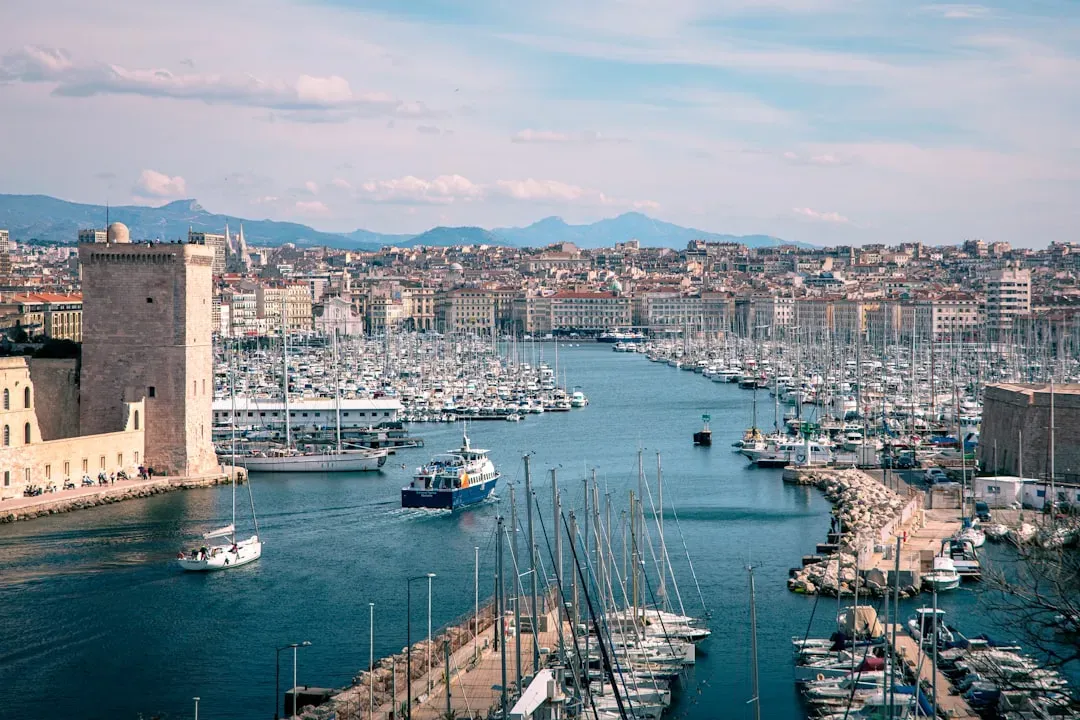
Marseille, the Mediterranean port city, is full of history, architecture, and diversity, but it also has serious problems with crime, especially drug trafficking and organized crime. The city has been a hub for criminal networks, leading to higher rates of violence in some areas. The northern districts, known as Quartiers Nord, are often mentioned as the most criminal, especially for drug and gang activity.
In 2022, 32 people died from gang murders and drug-related violence in the city. Drug-related homicides reached 49 in 2023. Though the number decreased in 2024, 17 cases were still recorded by October. That’s not a declining crisis. That’s a pause between rounds.
Euronews noted that the situation in Marseille was so significant that it had to be included on their list of EU cities ranked by shooting incidents, despite not being a capital city. The Numbeo current crime index puts Marseille at 67.0, the highest of any city in Europe according to real-time data from 2026. The beaches are beautiful. The risk is real.
3. Coventry, United Kingdom – High Crime Score, Wrong Kind of Fame
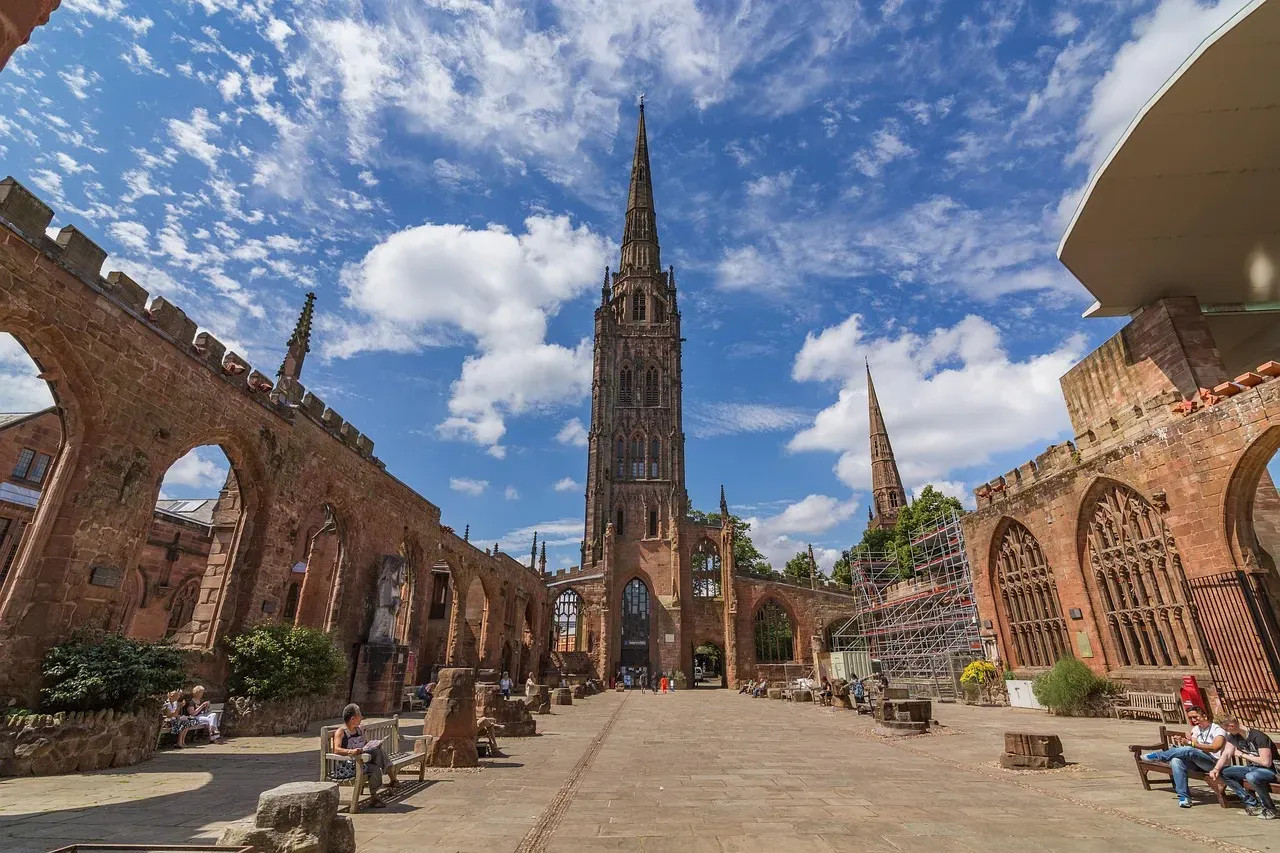
Coventry sits near the top of Europe’s risk list, with a crime index of around 66 out of 100. Locals report high levels of both violent and property crime. It’s a city that many outside the UK wouldn’t immediately flag as dangerous, which is precisely what makes it so surprising.
According to mid-2025 rankings, the top five most dangerous cities in Europe are Bradford, Marseille, Coventry, Birmingham, and Naples – and three of those top five are located in the United Kingdom. Think about that for a moment. Three out of five.
Gang violence, drug trafficking, and explosive devices used in gang wars have become strikingly common in this relatively small city of around 350,000 people. Tourists visiting during summer festivals should be aware that certain residential neighborhoods carry elevated risks, particularly after dark. This is one city where summer celebrations can mask real danger.
4. Birmingham, United Kingdom – Britain’s Second City, Second Biggest Problem
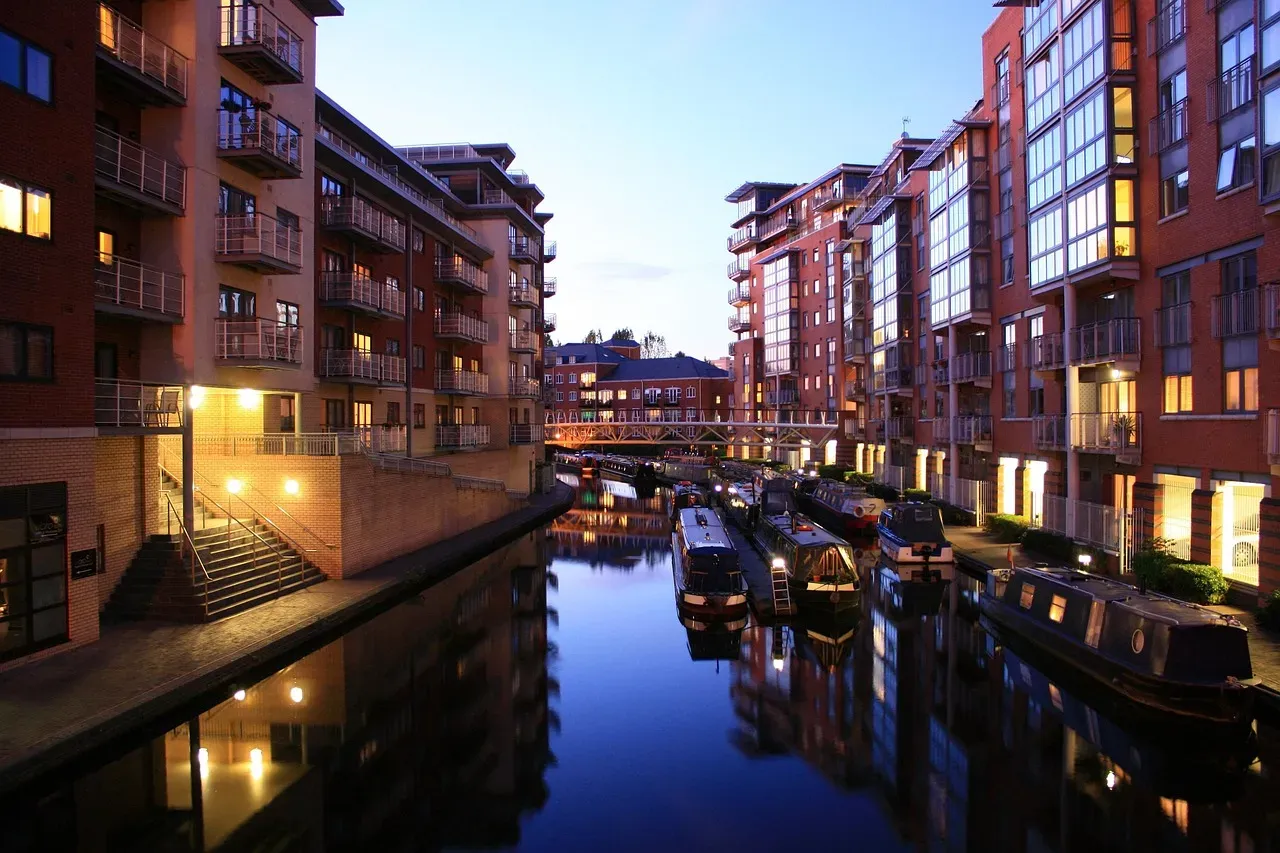
Birmingham is the UK’s second-largest city after London and was once a hub of the Industrial Revolution. Despite its high crime rate, it remains a popular tourist destination. The most common crimes are violent and sexual offenses, followed by theft, robberies, and car theft. Drug trafficking and street gangs are also persistent issues.
Alongside widespread drug use and violent crime, Birmingham’s recent economic struggles have worsened the situation. Following its declaration of bankruptcy in September 2023, rising poverty and an unstable job market have contributed to its high crime index. That context matters enormously. Economic collapse and rising crime are closely linked, like dominoes.
Dozens of individuals are arrested daily in Birmingham for carrying weapons. Key crime hotspots include the city centre, Chinatown, the Aston district, Bordesley Green, and the Old Market area. Studies have shown that around 42 percent of Birmingham’s inhabitants feel at risk in the city, partly due to the city’s knife crime problems. That’s nearly half the city living in a state of unease.
5. Naples, Italy – The Camorra’s Shadow Still Looms
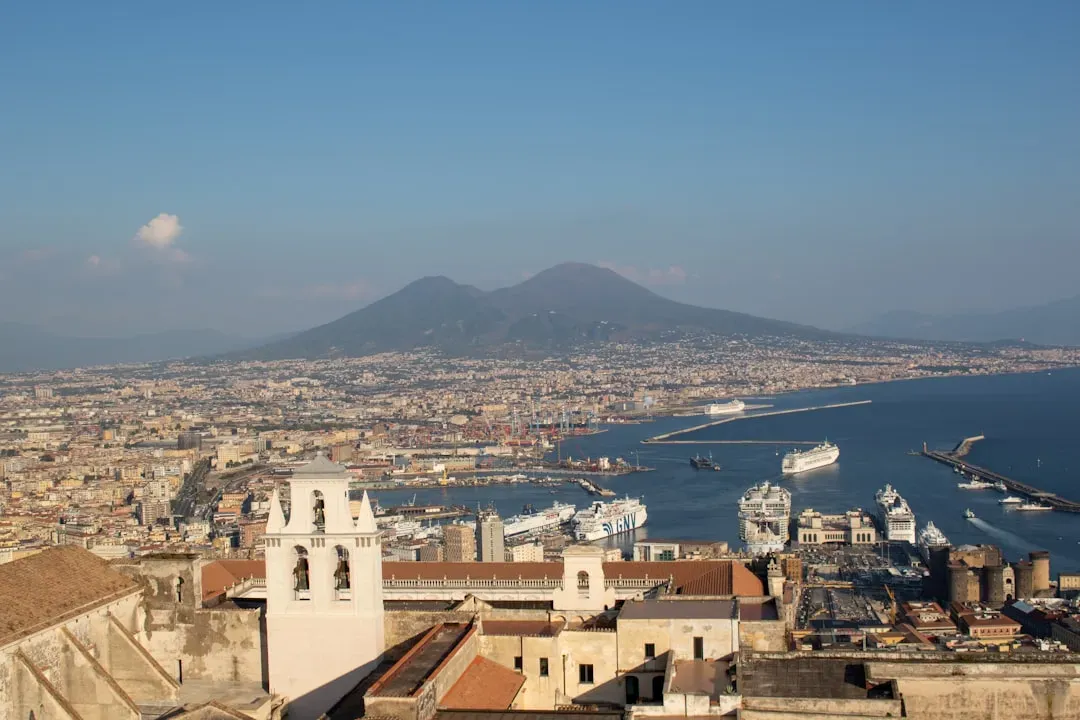
Naples, a city steeped in culture and the birthplace of pizza, also has significant crime problems. The presence of organized crime syndicates like the Camorra earns Naples a reputation for being one of the most dangerous cities in Europe. Petty theft and pickpocketing are common, especially in tourist areas like the historic center, Piazza Garibaldi, and around the Central Station.
The Camorra’s main businesses are drug trafficking, racketeering, counterfeiting, and money laundering. It is also not unusual for Camorra clans to infiltrate local politics. For tourists, the organized crime world largely stays out of sight. The petty crime world, however, does not.
The neighborhoods of Scampia and Secondigliano, both far from the historic centre, record the city’s highest rates of drug-related crime and are the only districts locals advise visitors to skip altogether. Pickpockets particularly target the Circumvesuviana commuter trains and busy Line 1 metro platforms, though a new police task force of 116 officers patrols carriages and stations through peak tourist hours. Keep your wits sharp and your bag in front.
6. Grenoble, France – Alpine Charm, Urban Crime
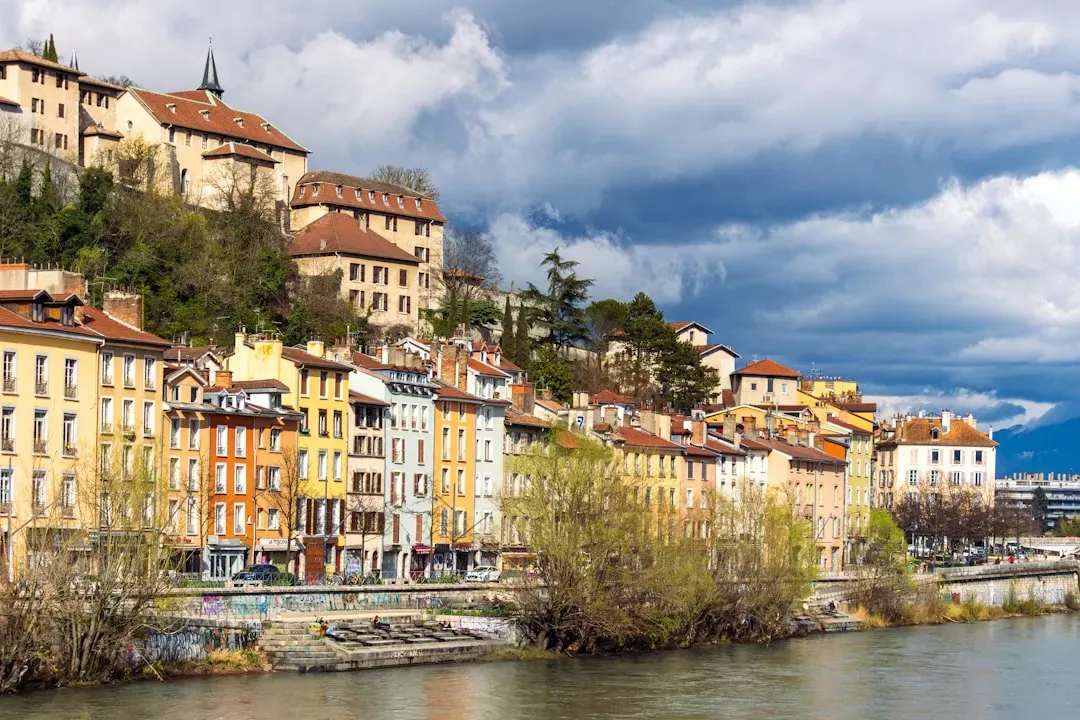
Grenoble, the capital of the Auvergne-Rhône-Alpes region in southeastern France, lies at the foot of the Alps. Named the French Silicon Valley in early 2024 and listed among France’s most desirable cities to live in, it has a deceptive shine. Common crimes include theft, robberies, and drug trafficking, with the latter fueled by proximity to Marseille.
The Numbeo index gives Grenoble a crime score of 62.9 as of 2026. In 2025, drug-related gang warfare has intensified in the city, with 19 shootings linked to rival cartels. This surge in violence is part of a wider trend across French cities and has deeply affected local communities, with innocent victims often caught in the crossfire.
Here’s the thing about Grenoble: it looks absolutely fine on a tourist brochure. The mountains, the cable cars, the historic old town. It is a city that looks perfectly reasonable on a tourist brochure, but the reality on certain streets after dark is a very different story. Plan your evenings carefully if you do visit.
7. Brussels, Belgium – The EU Capital With a Growing Crisis
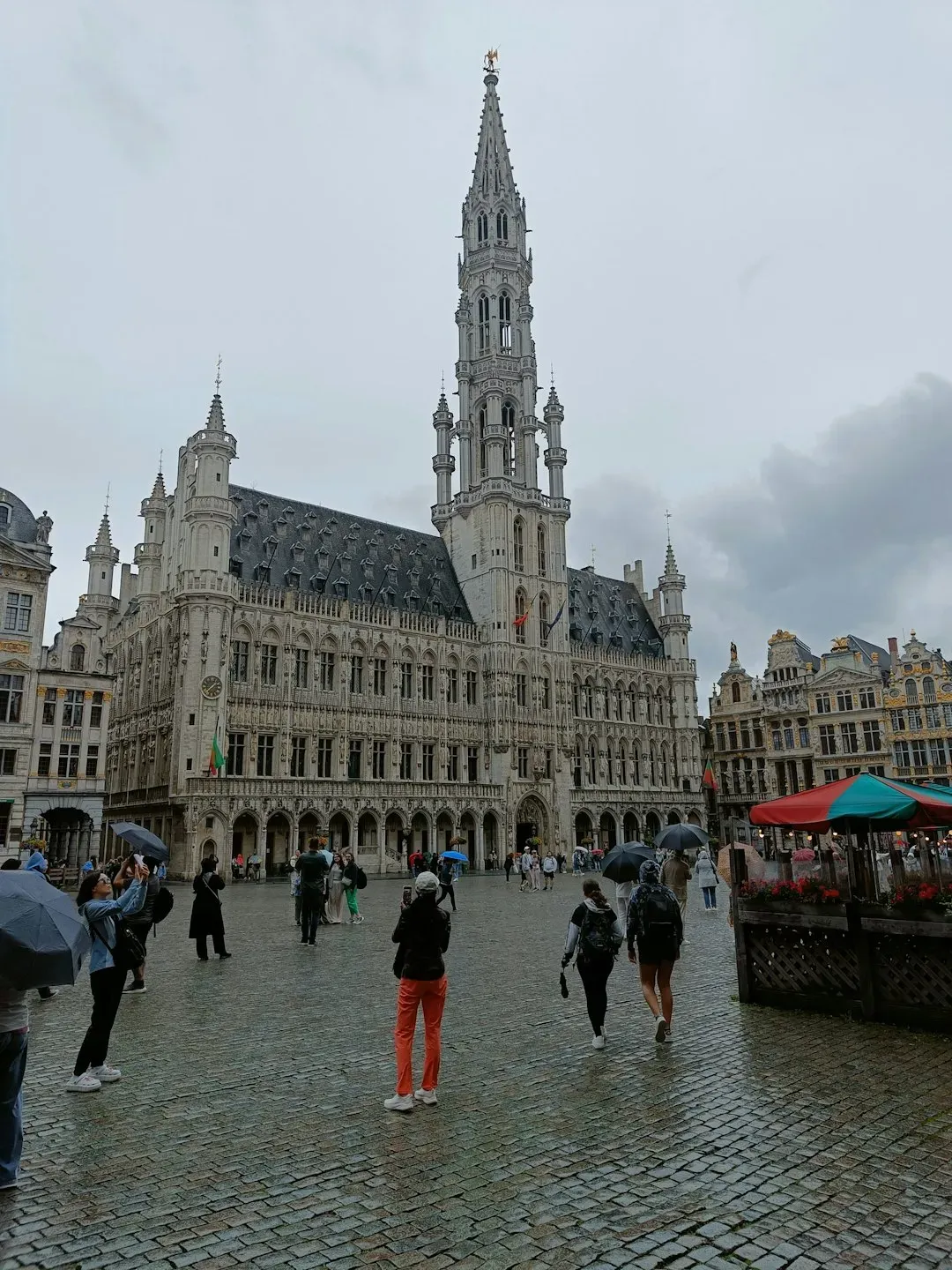
Belgium’s drug crisis has fueled murder rates in recent years, and Brussels now has the second highest murder rate in the European Union. The year 2025 saw the highest number of shootings in the history of the city, with 96 shootings recorded. That is not a statistic you expect to read about the capital of Europe.
In the pedestrian zone of central Brussels alone, over 3,100 thefts were recorded in just the first eight months of 2024. In public transportation, a staggering 69 percent of all robberies in Belgium in 2022 took place in Brussels. For a city its size, those numbers are genuinely alarming.
As drug-related gang violence escalated in Anderlecht and Molenbeek neighborhoods, shootings have become frequent in the Belgian capital. Up to mid-August 2025, the city recorded 57 shootings, 20 of them during the summer months. Brussels’ public prosecutor stated at a press conference that everyone is at risk in the city. Belgium’s Federal Interior Minister is now backing a proposal to put soldiers on patrol on the streets of Brussels to prevent crime. Soldiers. In Brussels. Let that sink in.
8. Paris, France – The City of Light and Light Fingers
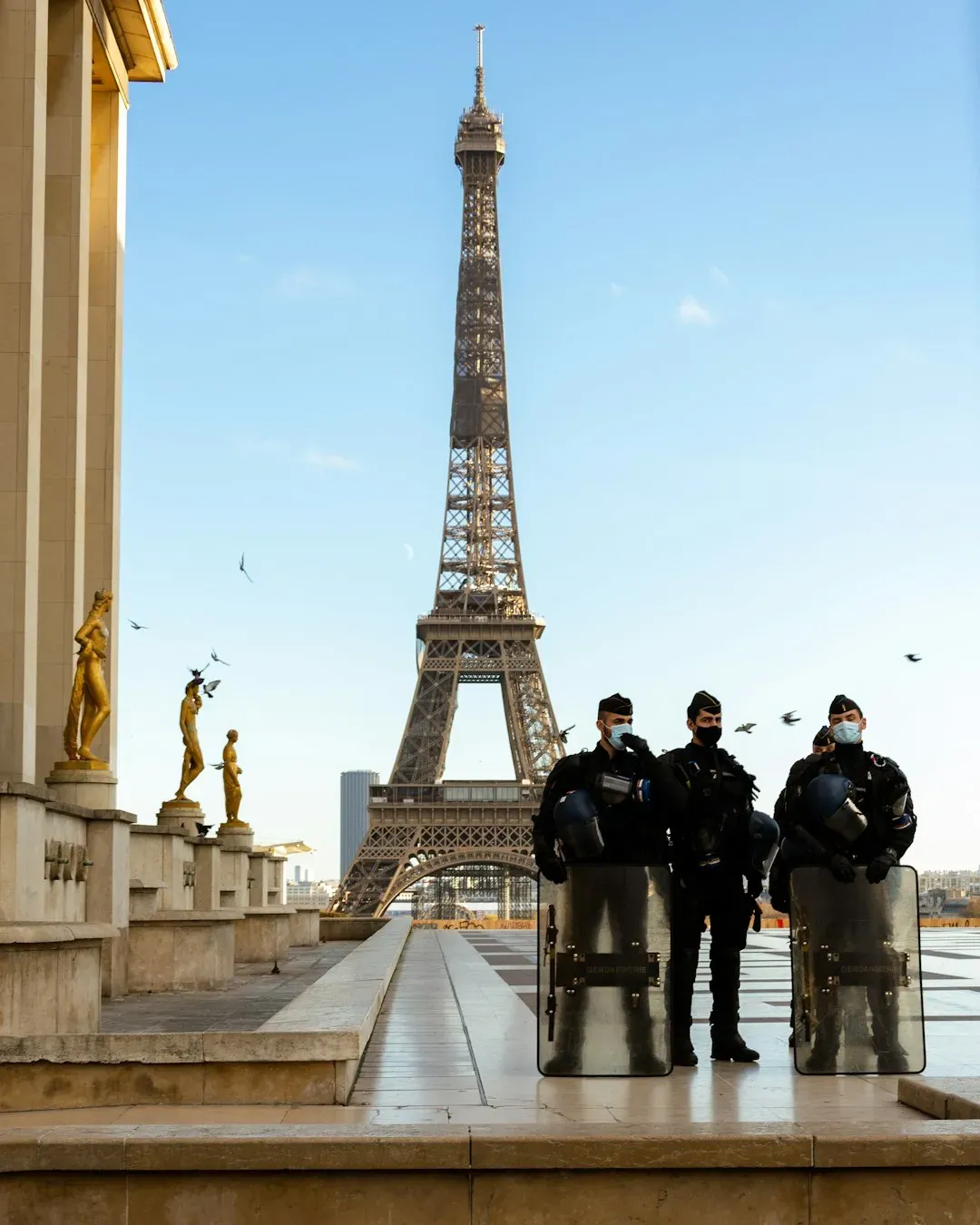
Paris is known as one of the pickpocket capitals of the world, with a crime index of 57.8. Property crimes like phone and wallet theft have increased massively in recent years. Local data shows the rate of increasing crime is around 73 percent above what the general crime rate baseline had previously suggested.
In 2025, there has been a notable uptick in scams, pickpocketing, and tourist-targeted thefts, especially around major attractions like the Eiffel Tower, Montmartre, and the Louvre. Organized groups often work in pairs or teams, using distractions like fake petitions to catch visitors off guard. It sounds almost theatrical. It is actually very effective.
The European Pickpocketing Index 2024 from Quotezone shows that by mentions of pickpocketing per million visitors, France leads with 251 mentions, second only to Italy. France tops the list of the least safe countries in Europe in 2025, despite being considered the world’s most popular travel destination. That contrast is, I think, one of the most jarring statistics in modern European travel.
9. Malmö, Sweden – Scandinavia’s Troubling Exception
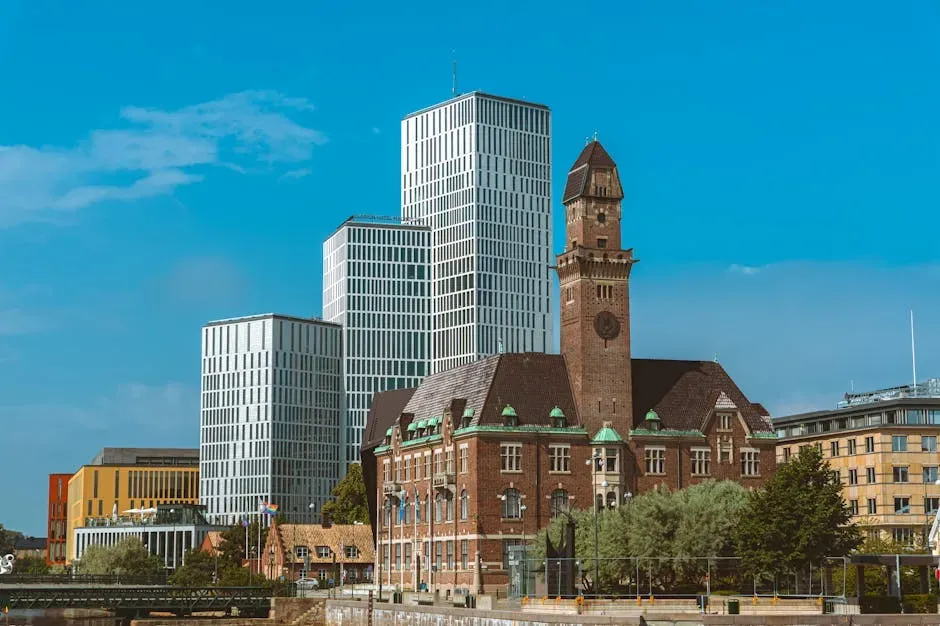
Even in 2025, Malmö is still surprising observers with its crime rate of 56.14 and a murder rate of 2.9 per 100,000 people. For many visitors, Sweden represents a kind of ideal – clean, safe, progressive. Malmö has shattered that assumption. It’s the city that forces you to reconsider every comfortable idea you had about Scandinavian safety.
In recent years, gang violence has become widespread in some European countries, with frequent machine gun attacks in Brussels and teen hitmen murders in Sweden making headlines. The teen hitmen element is particularly disturbing. The problem is systemic: gangs actively recruit teenagers to commit crimes, using not only weapons but also explosives.
I know it sounds almost unreal – Sweden, of all places. Yet the numbers are consistent across multiple sources and years. This radically changes the perception of Sweden as a safe country for living and tourism. Malmö is genuinely beautiful in summer. Go with eyes wide open.
10. Barcelona, Spain – Europe’s Pickpocket Playground
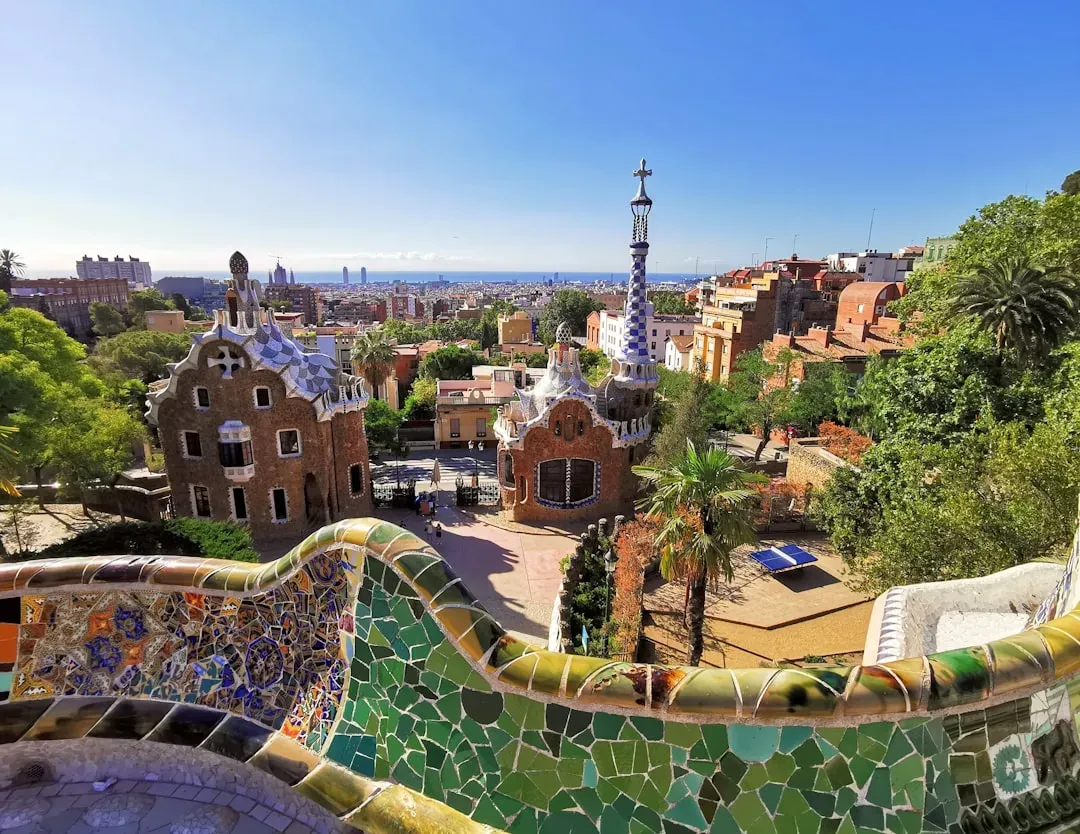
Barcelona sees theft account for roughly six in ten crimes in the city, and a large share occurs on streets and public transport, according to Catalan Interior Ministry 2024 data. Risk areas include La Rambla, La Boqueria market, the metro, and around the Sagrada Família. These are, of course, exactly where tourists spend most of their time.
Barcelona has seen a massive surge in tourism, with the city adding over 5.6 million overnight stays in the last few years, according to the European Commission, creating enormous crowds. This pressure on public spaces has made certain districts much more dangerous after dark. More tourists equals more opportunity for the people who prey on them. Simple math, uncomfortable reality.
A study by Compare the Market found that Paris follows Bangkok in pickpocketing and scam incidents, while Rome ranks seventh and Barcelona eleventh – both remaining consistently among the most targeted European destinations for tourists due to overcrowding and high traffic in their historic centers. There is also a growing movement of locals actively protesting against overtourism in the city, and travel guides now specifically flag several areas where tourists should be extremely careful. The locals are fed up too, which tells you something important.
A Final Word Before You Book That Flight

Let’s be real. None of these cities are war zones, and millions of tourists visit them every single year without incident. The point of this list is not to frighten, but to inform. Awareness is the most powerful tool any traveler has in their bag.
Europe is overall a safe destination, but some cities have higher crime rates, especially in areas with organized crime or high tourist traffic. Economic instability, high tourism, and rapid urbanization contribute to higher crime rates in certain areas. By knowing the risk areas in each city, you can take the necessary precautions to make a safe trip.
The data is clear, the trends are consistent, and the patterns repeat city after city: crowded tourist spots, public transport, and after-dark wandering in unfamiliar neighborhoods carry real risks. Stay alert, protect your valuables, and never let the beauty of a place make you forget that opportunistic crime thrives in exactly the moments when you’re looking the other way. Which of these cities surprised you the most? Tell us in the comments.





Leave a Reply