
Menus have always been living things. Dishes rise, dominate for a season or two, and then quietly disappear from the board. Sometimes a trend fades because tastes genuinely shift. Other times, the price just stops making sense, or diners simply move on to the next exciting thing. Either way, the graveyard of once-beloved restaurant staples is getting crowded.
What dazzles diners one year can quietly fade into irrelevance the next, and chefs across the country are watching it happen in real time. According to a Menu Matters survey of consumers, the overriding need heading into 2025 was simply a hunger for something new. That restlessness has left a handful of formerly iconic dishes stranded on menus nobody seems to want anymore.
The Plant-Based Burger
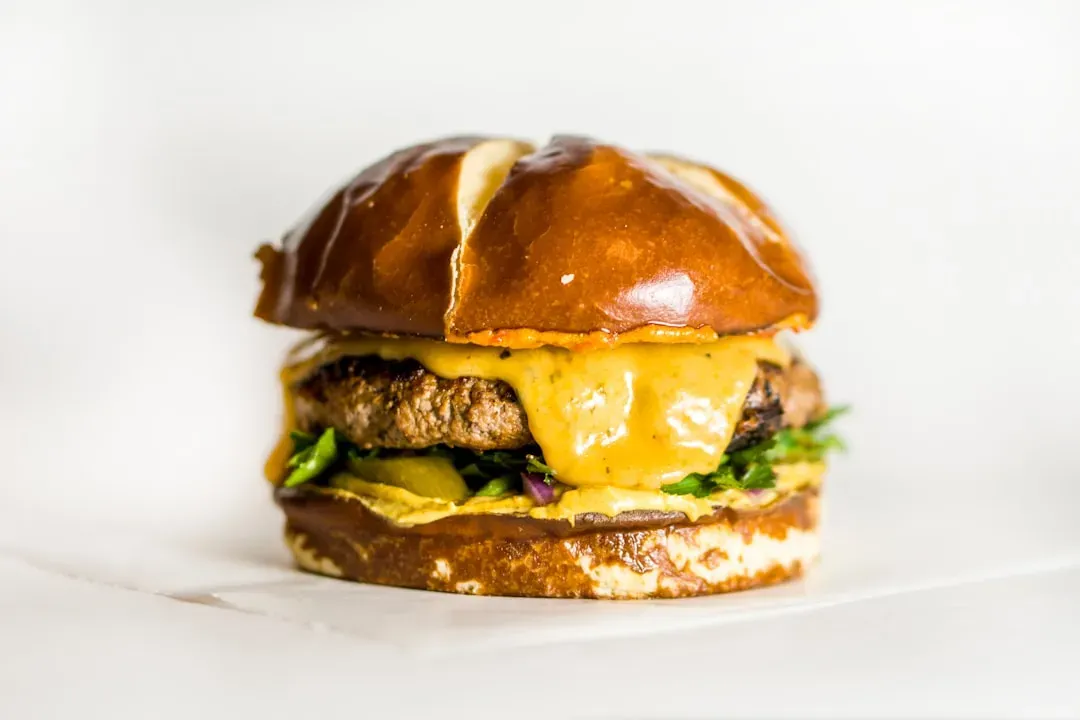
Few dishes captured the restaurant world’s imagination quite like the plant-based burger. For a few years, it felt completely unstoppable. Every major fast-food chain launched a version, independent bistros elevated it with artisan buns, and food media treated it like a revolution in progress.
According to SPINS data analyzed by the Good Food Institute, U.S. retail sales of most plant-based categories were down in 2024 against a backdrop of rising sales for conventional meat. Sales of plant-based meat and seafood specifically dropped roughly seven percent to $1.2 billion in 2024, with unit sales falling an even steeper eleven percent. Sales of refrigerated plant-based burgers, which were driving significant growth in the category a few years ago, continued their steep decline, dropping about a quarter year over year. The restaurant case for keeping them on the menu has become harder and harder to justify.
Truffle Fries
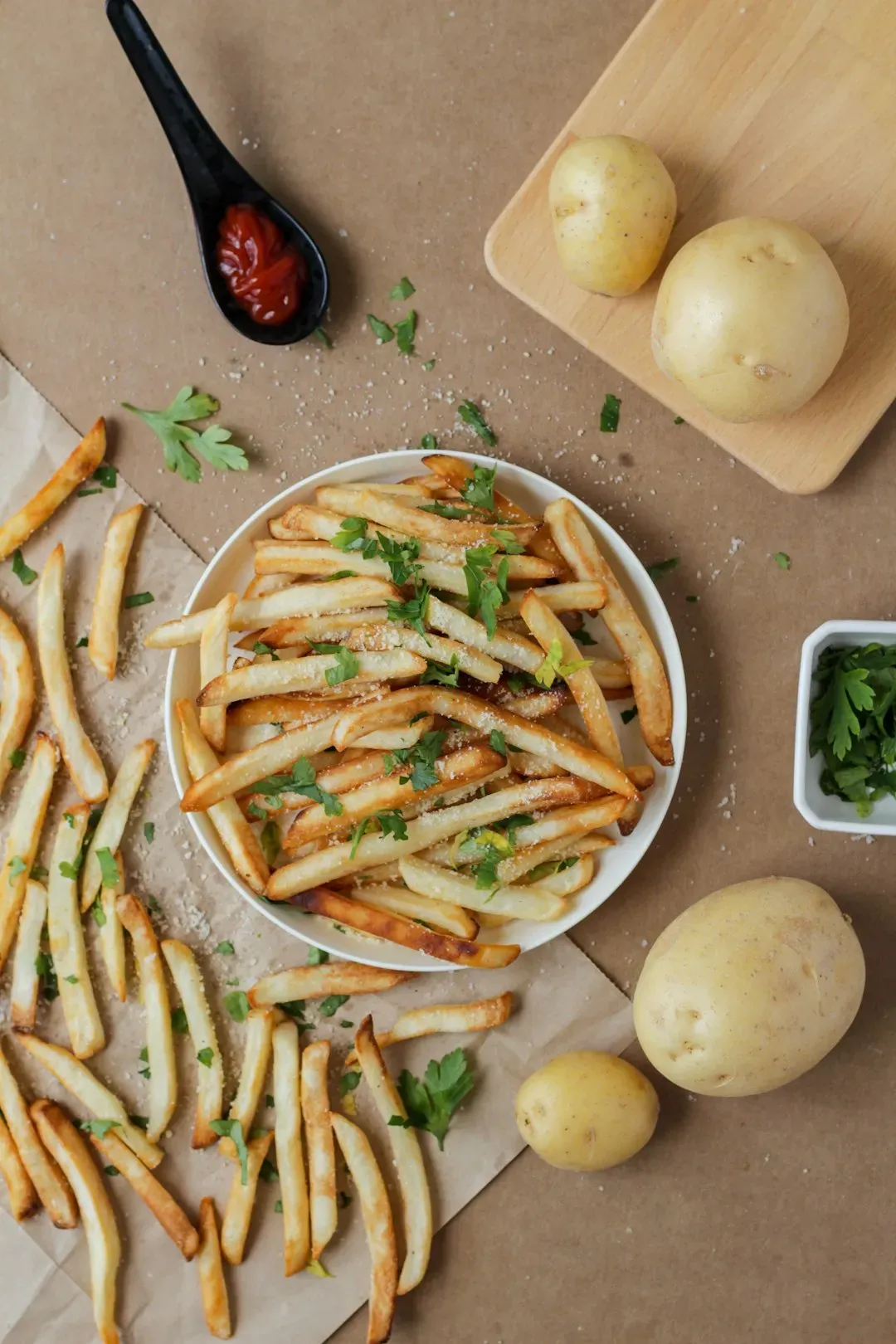
There was a point, somewhere around the early 2010s, when truffle fries felt genuinely exciting. They showed up on gastropub menus as a signal of sophistication, a way to make bar food feel like a splurge. Chefs stacked truffle-flavored everything onto menus: truffle mac, truffle aioli, truffle butter, truffle popcorn.
Mostly made from cheap oils and synthetic flavoring, truffle oil has little to do with real truffles and is best left to chain brewpubs and carnival food trucks. Diners eventually caught on. By 2025, the truffle-fries line item had become shorthand for a menu trying too hard, and food critics and diner alike were telling restaurants to leave their French fries alone and drop the truffle oil entirely.
The Kale Salad
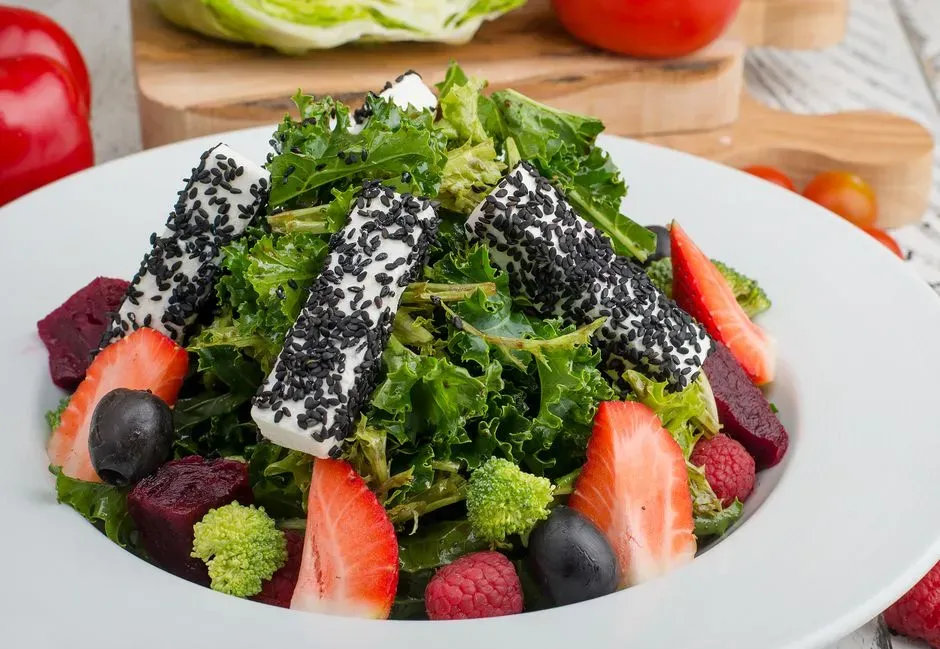
For years, kale was the poster vegetable of the health-conscious restaurant movement. It showed up in salads, smoothies, sides, and grain bowls with relentless enthusiasm. Now it signals menu fatigue more than culinary creativity. There’s nothing wrong with kale itself. The problem is overexposure.
Restaurants and home cooks are moving beyond the traditional kale and arugula and exploring hyper-local, lesser-known microgreens. The shift is partly about novelty, partly about a genuine desire to move past a decade of uninspired massaged-kale bowls that all tasted more or less the same. Kale will survive in kitchens, but its days as the centerpiece of a restaurant salad menu appear to be behind it.
The Multi-Course Tasting Menu
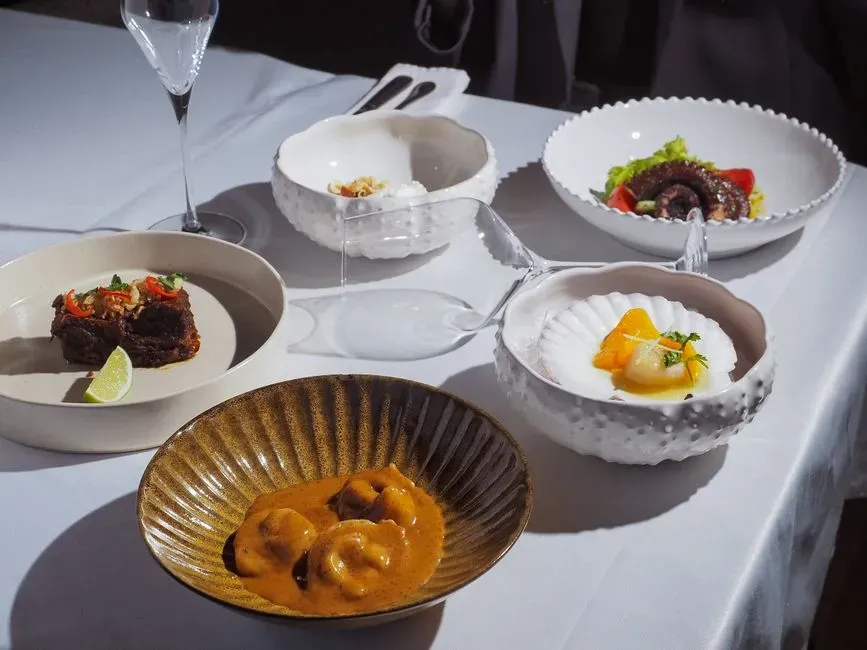
According to the U.S. Consumer Price Index, “food away from home” rose about six percent from January 2024 to September 2025, driven by rising labor, rent, and ingredient costs. That kind of inflation puts the lengthy, expensive tasting menu under particular pressure. What once felt like the pinnacle of fine dining now often feels tone-deaf in a cost-conscious era.
A sixteen-course dinner costing several hundred dollars per person is a harder sell when grocery bills feel punishing. On Eater’s Best New Restaurant list this year, only two of the fifteen restaurants solely offer a tasting menu. Three out of twenty listed by Bon Appétit are tasting-menu restaurants. The format isn’t extinct, but after sharp price hikes in 2025, the trend is reversing in 2026, with more affordable concepts and menus attracting wider audiences, and even fine dining chefs exploring more accessible offers.
Avocado Toast
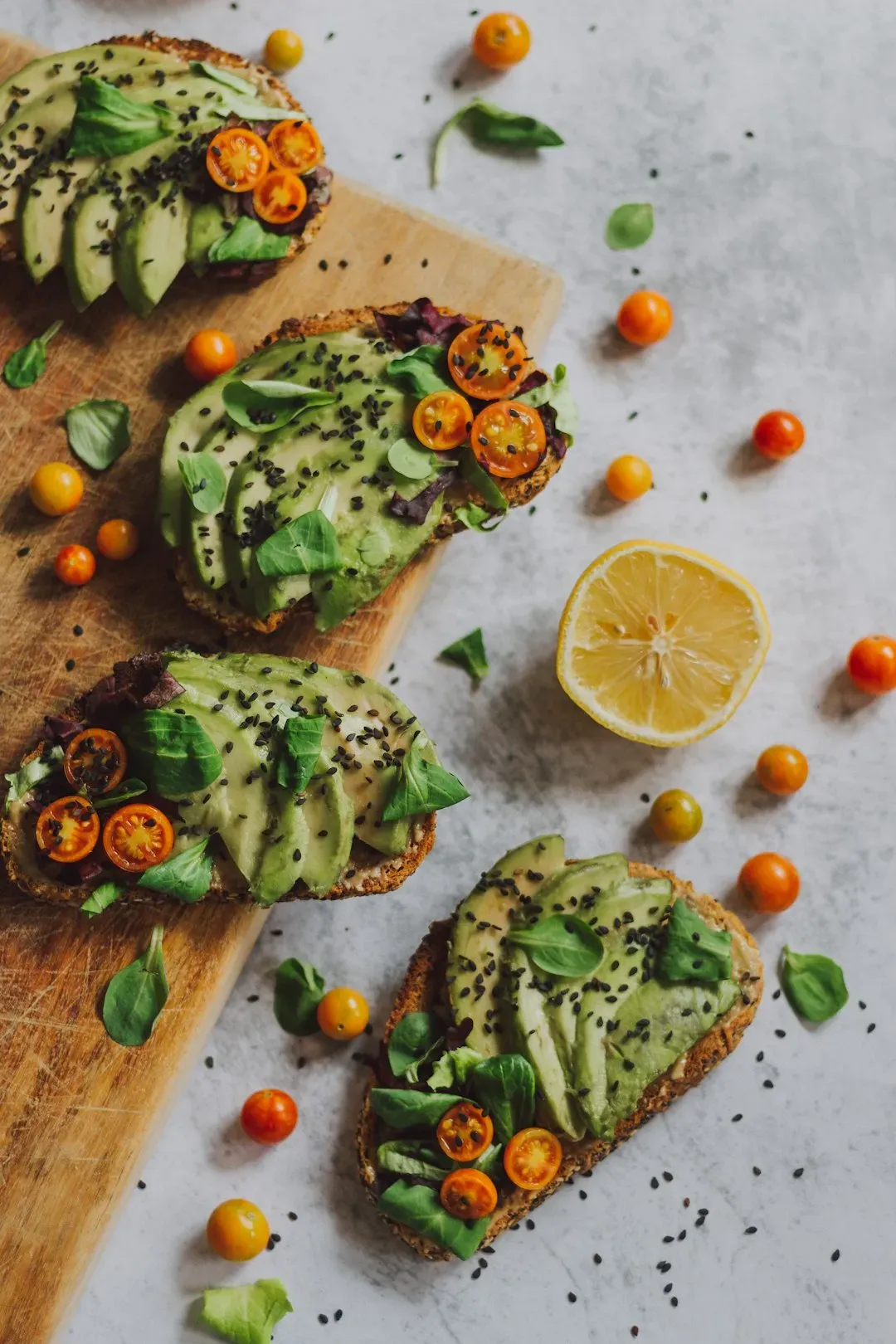
Avocado toast had a genuinely impressive run. It went from brunch curiosity to cultural symbol in what felt like eighteen months, and it pulled a certain type of casual cafe into profitability almost single-handedly. Restaurants charged twelve to sixteen dollars for smashed avocado on bread, and people paid it without complaint.
The backlash built slowly, then all at once. By the mid-2020s, avocado toast had become a cultural punchline as much as a menu item. Consumers are demanding value in return for the hard-earned money they spend at restaurants, and according to Technomic’s 2025 annual outlook, nearly three quarters of consumers wish more restaurants would offer value meals. Paying a premium for a dish that takes minutes to assemble at home stopped feeling justified for a growing number of diners.
The Wedge Salad
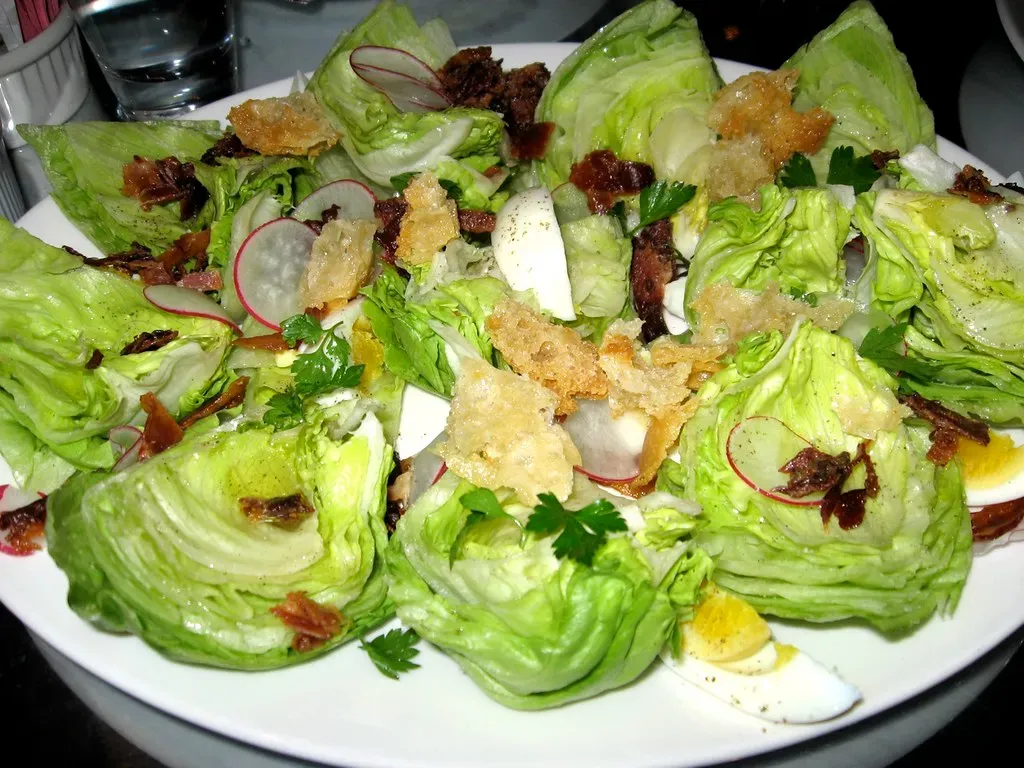
The wedge salad enjoyed a long revival as steakhouses leaned into retro Americana. A quarter head of iceberg, blue cheese dressing, bacon, and cherry tomatoes. Simple, cold, theatrical in its way. For a while, it worked. Restaurants dressed it up with premium crumbles and aged dressings and charged accordingly.
Diners in 2025 and 2026 are increasingly unwilling to pay steakhouse prices for something that requires zero cooking skill. Eating out is fun, but sometimes the price on the menu doesn’t match what you’re actually getting. Restaurants often charge extra for certain items simply because of presentation, trendiness, or the atmosphere. The wedge salad is a perfect example of all three combined. That transparency has made it a harder sell with each passing year.
Cauliflower Everything
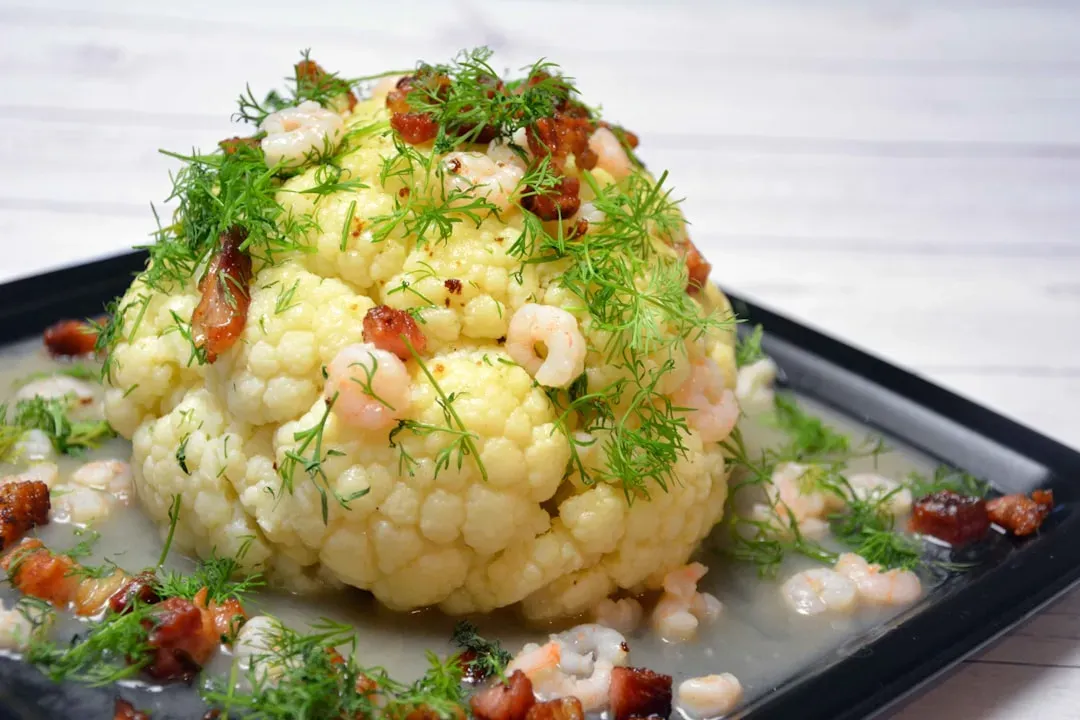
Somewhere around 2016, cauliflower went from forgettable vegetable to the Swiss Army knife of health-forward menus. Cauliflower steaks, cauliflower rice, cauliflower pizza crust, cauliflower buffalo wings. It was the era of low-carb enthusiasm and plant-forward cooking, and cauliflower was the blank canvas chefs reached for constantly.
The problem was that cauliflower, however prepared, still tastes like cauliflower. Diners tolerated the substitution when alternatives were few, but as restaurant menus matured and more genuinely satisfying plant-based preparations arrived, the cauliflower-as-everything concept quietly faded. There’s a broader shift toward whole-food protein sources like beans and nuts instead of processed mock meats and vegetable stand-ins, and cauliflower’s moment as an impersonator has largely passed.
The Smash Cake Dessert

Tableside smash cakes, chocolate-covered domes melting under hot caramel, and desserts designed first for the phone camera and second for the palate had a strong run through the late 2010s and into the early 2020s. Instagram and the early wave of food content on social platforms made them irresistible for restaurants looking for shareable moments.
According to a Menu Matters survey of consumers, the overriding need heading into 2025 was simply for something new, and theatrical novelty desserts no longer feel new. Instagrammable restaurant backgrounds and gimmick presentations are super cute, but on their way out. Diners grew wise to the trade-off: spectacle in place of substance rarely delivers twice.
Quinoa Bowls
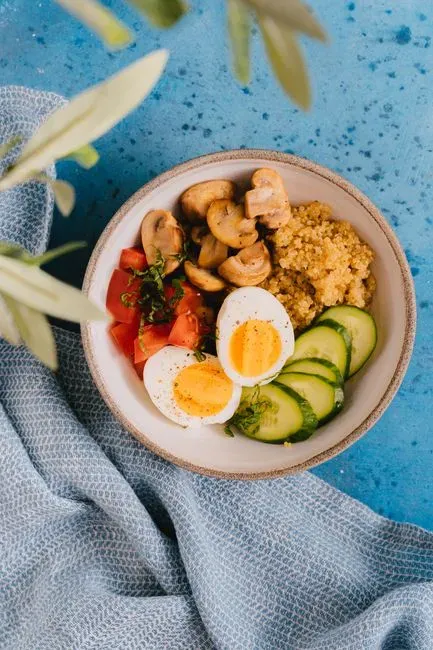
Quinoa arrived on restaurant menus in the early 2010s trailing a cloud of superfood credentials. It was protein-rich, gluten-free, and felt genuinely virtuous. Grain bowls built around quinoa became the default healthy lunch option at a generation of fast-casual spots, and for a while, that was enough.
The grain bowl concept hasn’t disappeared, but quinoa specifically has lost its premium billing. In Menu Matters’ survey of consumers, the one overriding need for 2025 was simply “just give me something new,” with nostalgia and comfort branded as so 2024, and close to two-fifths of consumers feeling optimistic and actively looking for more newness on menus. Quinoa now reads as the beige wallpaper of the health-food era: functional, inoffensive, and almost entirely invisible in the current dining conversation.
The Loaded Nachos Platter
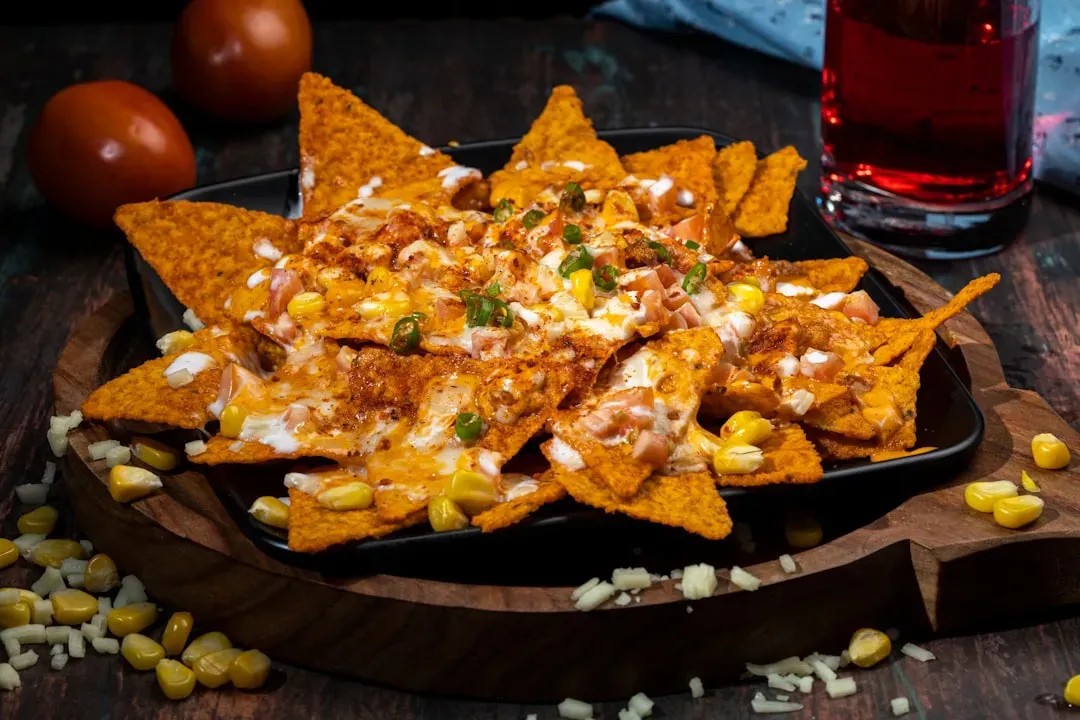
Loaded nachos spent decades as the undisputed champion of bar-and-grill starters. A mountain of chips, cheese, jalapeños, sour cream, and guacamole, sized for a table of four and priced like a second entrée. They were reliable, crowd-pleasing, and almost impossible to ruin. Casual dining chains built entire happy-hour programs around them.
The emphasis on value meals was a major trend in 2024 and 2025, as lower-income consumers began to reduce their restaurant spending, and consumers will likely continue to pull back on spending in 2026. A shared starter priced north of twenty dollars no longer feels like a deal, and diners increasingly opt for dishes where every dollar spent feels intentional. The loaded nacho platter hasn’t vanished entirely, but its grip on the table has loosened considerably as menus streamline and customers get more selective about where their money goes.
Taste, value, and novelty have always governed what survives on a menu and what gets quietly retired. The dishes above weren’t bad, exactly. Most of them were genuinely popular at the right moment. What changed is the moment itself. In 2026, restaurants are backed into a financial corner, with turbulent trade policies raising food costs just as many diners are already tightening their discretionary spending, forcing operators to get creative to keep sales healthy. In that environment, menu real estate is precious, and only the dishes earning their keep will make it to next season’s print run.



Leave a Reply