
American food is far more than burgers, fries, and barbecue. The country is a culinary mosaic woven from immigrant traditions, local ingredients, and historical influences, and from the windswept coasts of New England to the bayous of Louisiana, every region has hidden gems that rarely travel beyond state lines yet define local identity. Some of these dishes have been feeding families for generations without ever making it onto a national menu or a food magazine cover.
All across the United States, generations have perfected dishes that speak to the local soil, the immigrant influence, and sometimes pure necessity. These aren’t fleeting Instagram fads, but the kind of eats you’ll still find in mom-and-pop diners, at church fundraisers, and served in hole-in-the-wall cafes that haven’t changed their menu in decades. Here are ten of the most compelling ones worth seeking out.
1. Goetta (Cincinnati, Ohio)
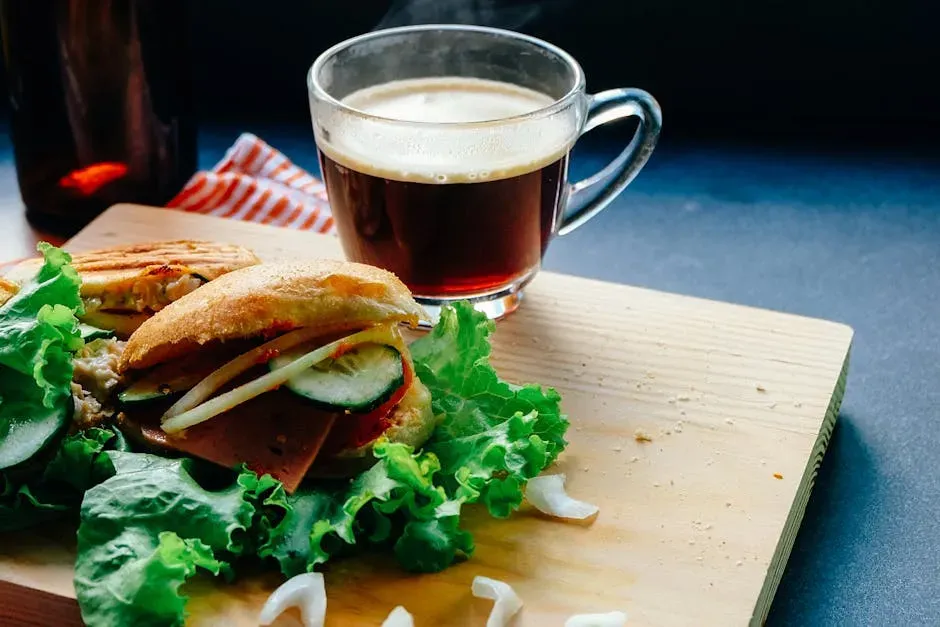
Goetta is a mixture of ground meat, steel-cut oats, and spices that Cincinnati has been frying up since German immigrants brought the recipe over in the 19th century. It’s pronounced “get-uh,” and locals are passionate enough about it to hold an annual Goettafest. The oats give it a texture that’s simultaneously crispy and tender when pan-fried, creating something that’s part sausage patty, part savory oatcake.
This sausage-like loaf blends ground pork and beef with steel-cut oats and spices, then gets sliced and fried until crisp on the outside and soft within. Brought over by German immigrants in the 19th century, goetta was a frugal way to stretch meat while delivering a hearty, flavorful meal. Cincinnatians slice it thick and serve it alongside eggs, or get creative with goetta burgers and sandwiches.
2. Scrapple (Pennsylvania and Delaware)
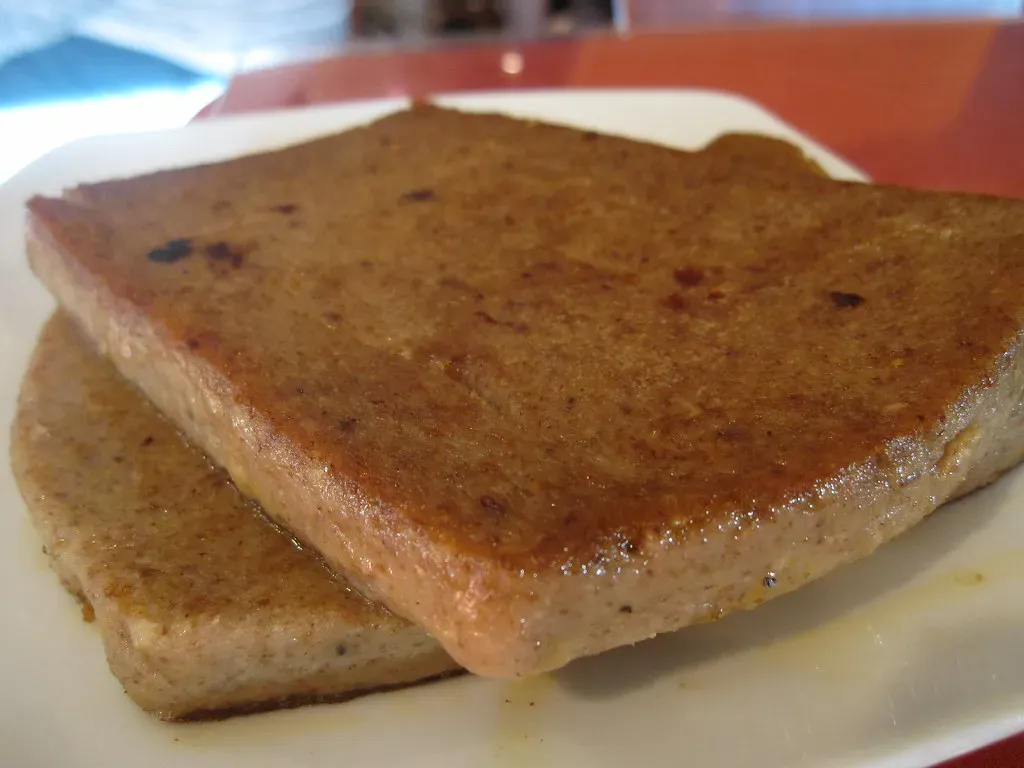
Scrapple is what happens when Pennsylvania Dutch settlers decided that absolutely nothing from a pig should go to waste. It’s a loaf made from pork scraps, cornmeal, and spices, then sliced and fried until crispy. The texture is distinctive: crispy on the outside, soft and almost pâté-like inside.
Philadelphians and Delawareans grow up eating it alongside eggs, though the rest of the country largely treats it with deep suspicion. German immigrants brought this traditional dish made of pork scraps to the United States, and different pockets of settlers all developed their own flavor. Each dish consists of the leftover parts of the pig, boiled with some sort of binder, then pressed and baked in a loaf pan, and the loaf is sliced and fried, usually as a breakfast food.
3. Kool-Aid Pickles (Mississippi Delta)
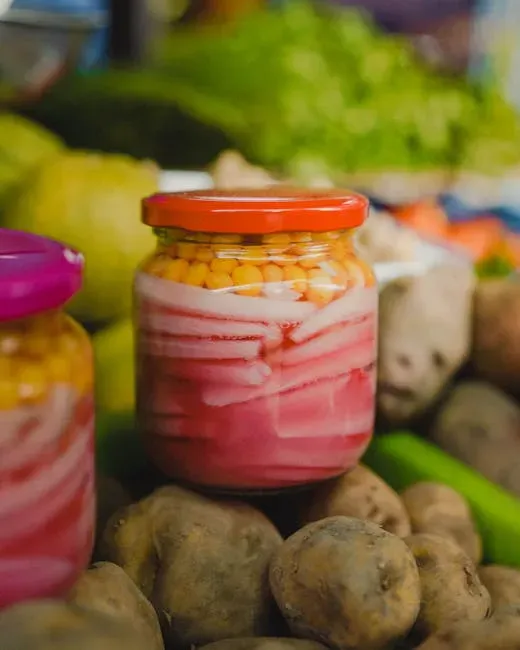
These are exactly what they sound like: pickles soaked in Kool-Aid. Found in the Delta region of Mississippi, they sometimes go by the name “Koolickles.” The cherry flavor is traditional, but locals choose whatever color Kool-Aid they like. The result is a startlingly vivid, sweet-tart snack that has been a fixture at corner stores and school events in the region for decades.
The combination sounds improbable until you actually taste one. The brine from the pickle mingles with the sugary drink mix to create something genuinely hard to categorize. It’s sweet, sour, salty, and deeply regional all at once – the kind of food that makes perfect sense once you’ve grown up with it.
4. Natchitoches Meat Pie (Louisiana)
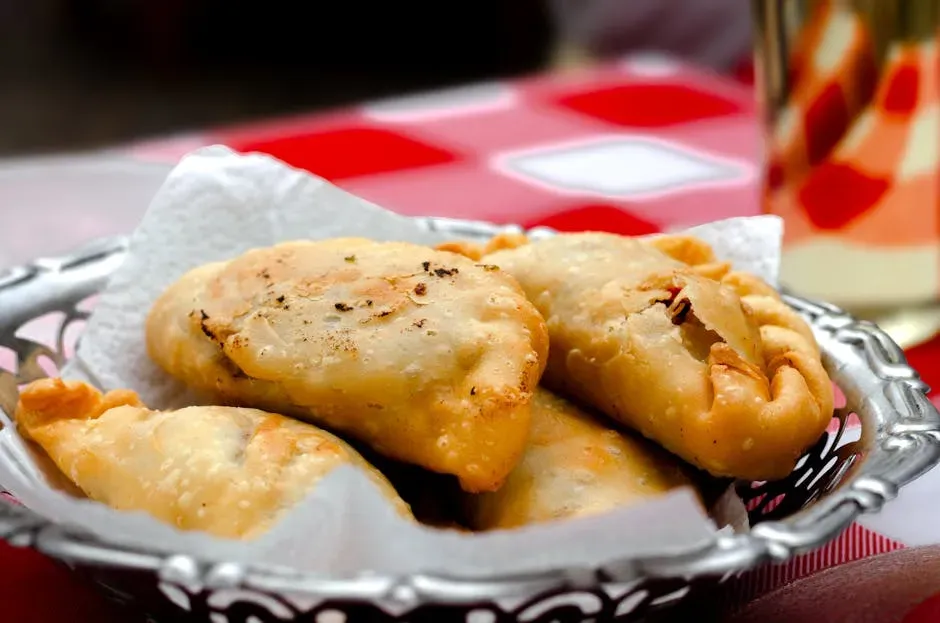
The meat pie is filled with a blend of ground beef, pork, peppers, onions, and garlic, then folded into a pastry shell and fried until golden brown. The recipe reflects the influence of Spanish empanadas, adapted by French and Creole settlers in the 18th century. By the 1960s, it became so beloved that the town began holding the annual Natchitoches Meat Pie Festival. Crisp outside and juicy inside, it perfectly embodies Louisiana’s passion for soulful, spiced comfort food.
Natchitoches is one of the oldest European settlements in the Louisiana Purchase territory, and its meat pie has been a local staple for over two centuries. Unlike most fried pastries, it skews savory and deeply seasoned rather than rich or heavy. You won’t find it on many menus outside of central Louisiana, which makes stumbling across one feel like a genuine discovery.
5. Runza (Nebraska)
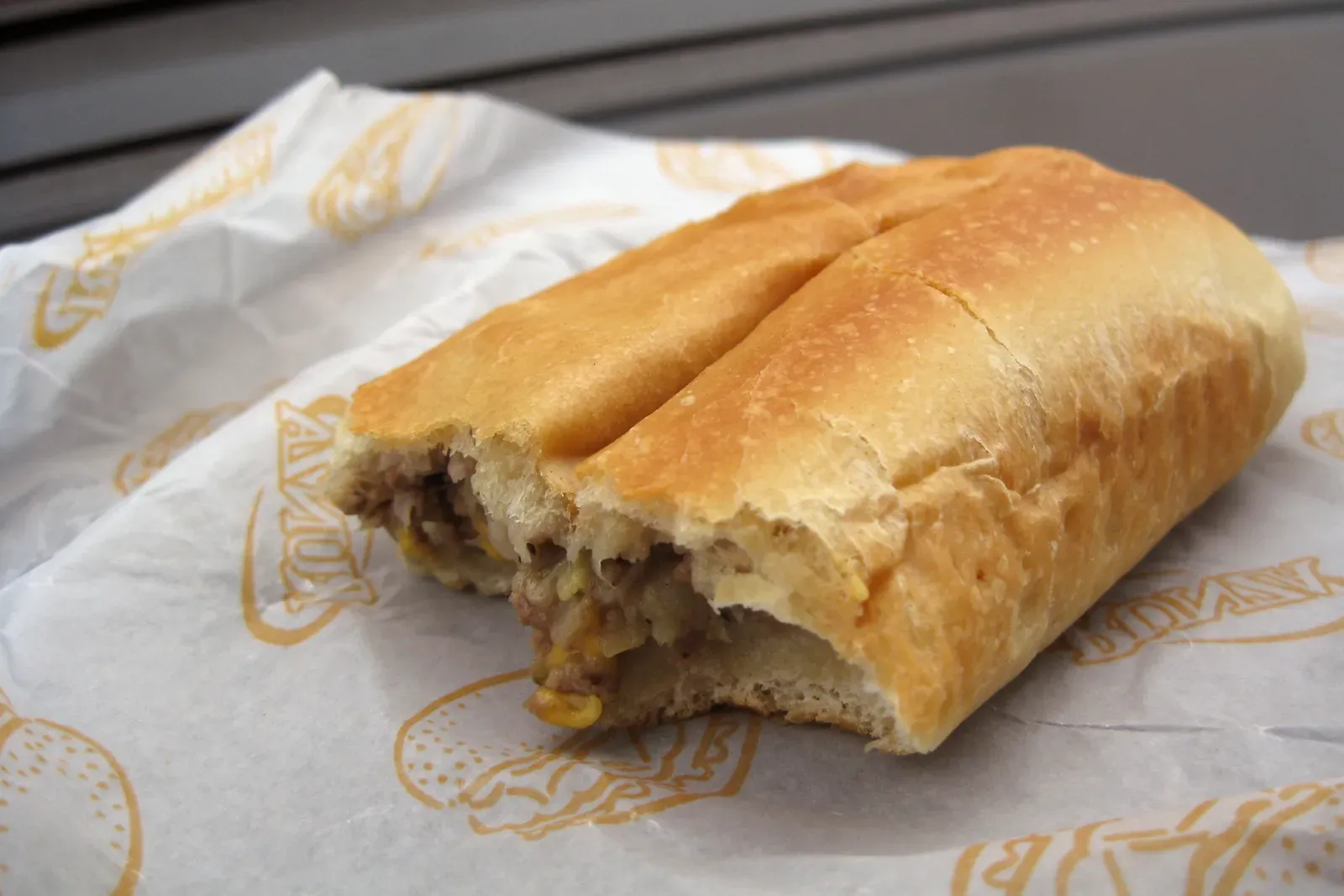
Nebraska’s state snack is the runza, a rectangular pocket of yeast dough stuffed with seasoned ground beef, cabbage, and onions. German-Russian immigrants brought this handheld meal to the Great Plains, where it became so beloved that an entire fast-food chain bears its name. The beauty of the runza is its portability and balanced flavors, with the sweet, slightly tangy cabbage cutting through the savory beef, all wrapped in soft, golden bread.
Nebraskans eat them at football games, after school, and whenever they need portable comfort. Think of it as a cousin of Eastern European filled breads, but evolved over generations on the Great Plains into something unmistakably Midwestern. Outside of Nebraska, finding a proper runza is almost impossible, which is part of what gives it such a devoted following among locals.
6. Burgoo (Kentucky)
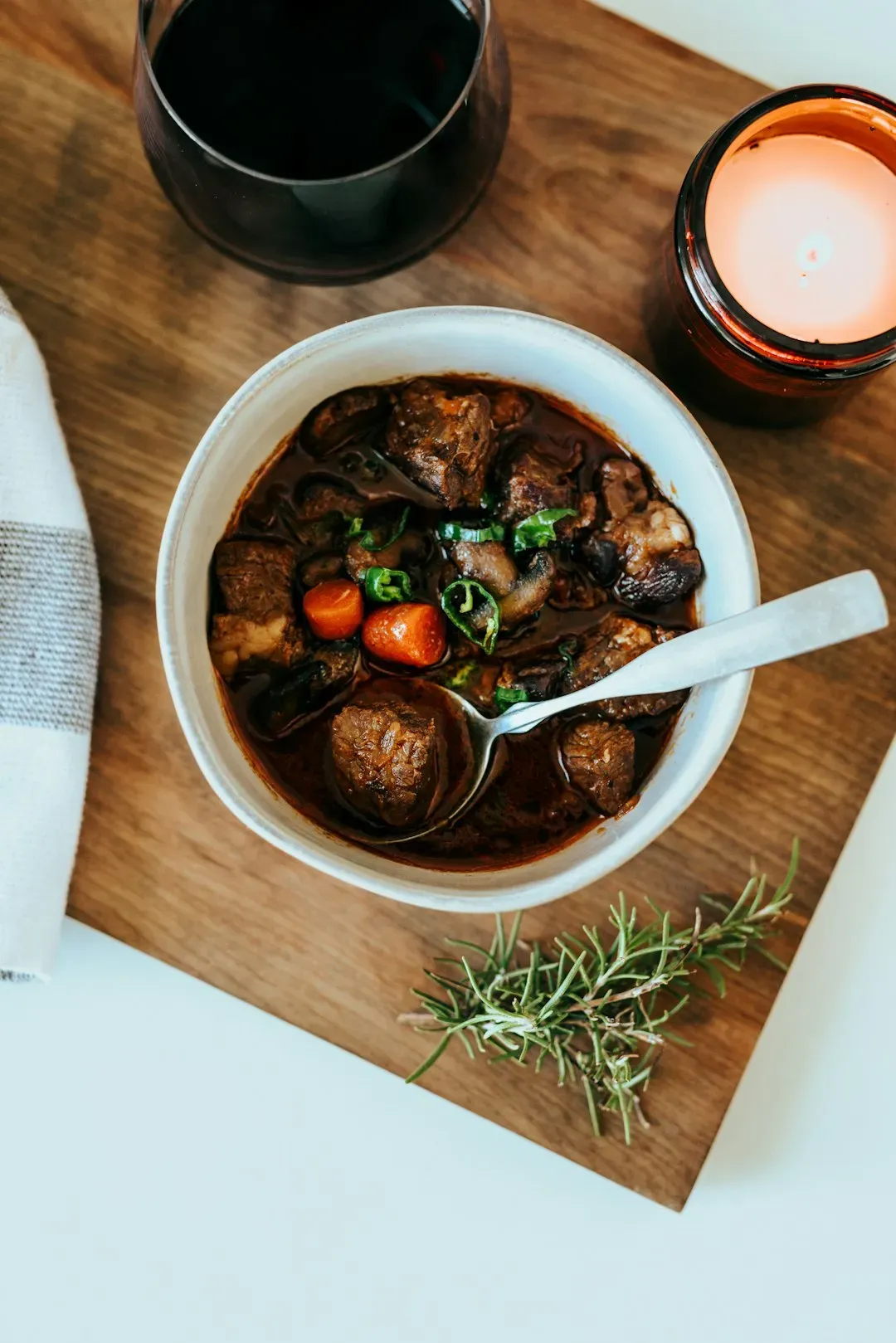
Burgoo is serious social food, cooked in enormous quantities for church gatherings, Derby parties, and political rallies. The cooking process takes hours, sometimes overnight, until everything breaks down into a thick, hearty mixture that’s more texture than individual ingredients. Traditional recipes include mutton, pork, chicken, and whatever vegetables are available, all slow-cooked together in large iron kettles.
The dish has roots going back to the Civil War era, when it was fed to large groups on the move. Today it remains tied to Kentucky’s identity in a very specific way: it shows up at the Kentucky Derby, at county fairs, and at community fundraisers where it’s ladled out by the bowl to crowds. It’s communal food in the truest sense, and its flavor depends entirely on the cook and the day.
7. Slugburger (Corinth, Mississippi)
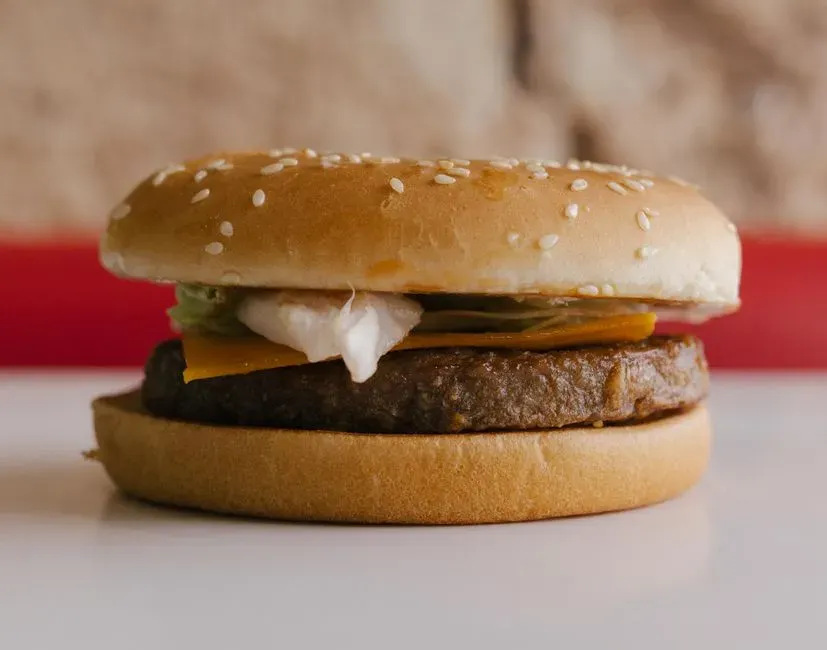
Mississippi’s slugburger has nothing to do with garden pests and everything to do with Depression-era ingenuity. When meat was expensive, cooks in Corinth stretched ground beef by mixing it with flour, potato flakes, or even cornmeal before forming patties and deep-frying them. Today, this crispy, slightly bready burger remains a regional treasure, especially during the annual Slugburger Festival. The extenders give it a unique texture: crunchier outside, denser inside than a regular burger.
The name likely comes from the old slang term for a coin – a “slug” – since the burgers originally sold for just a few cents each. That Depression-era origin story is baked into every bite. The slugburger never tried to become a national phenomenon, and somehow that’s exactly why it’s still special in northeast Mississippi a century later.
8. Charleston Red Rice (South Carolina)
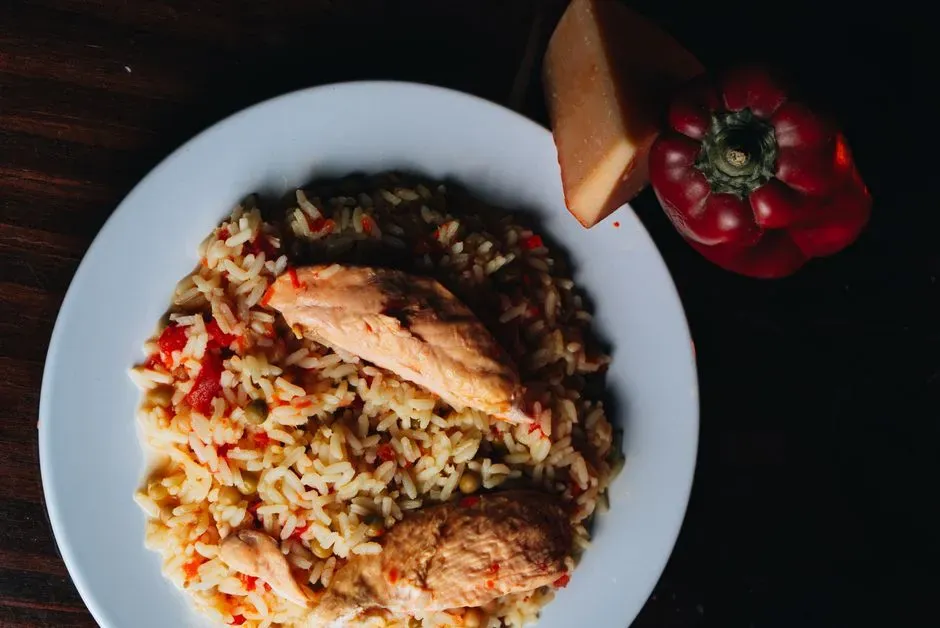
Deeply rooted in the Gullah-Geechee heritage of the Carolinas, Charleston red rice dates back to the rice-growing plantations of the 18th century. It combines white rice simmered with tomatoes, smoked sausage or bacon, onions, and peppers to create a richly flavored, brick-red dish. Its resemblance to West African jollof rice isn’t accidental; it’s a direct reflection of African influence in Southern cuisine.
What makes this dish so quietly significant is its cultural continuity. The Gullah-Geechee people, descendants of West African enslaved people who settled along the South Carolina and Georgia coastlines, preserved culinary traditions that mainstream American food culture largely overlooked. Charleston red rice is one of those traditions, and it carries that history in every grain.
9. Akutaq (Alaska)
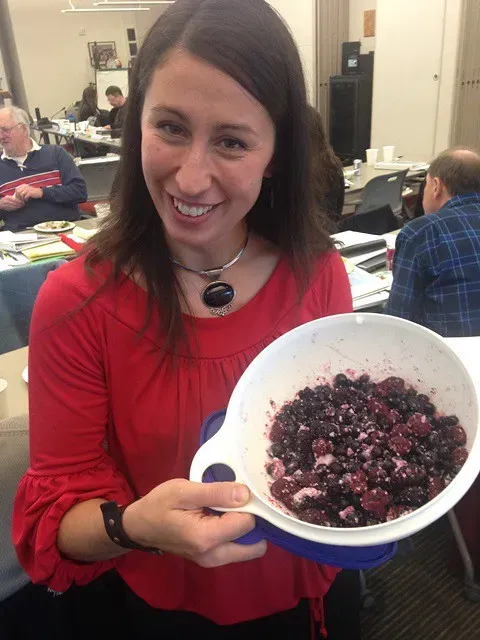
Also sometimes called Alaskan ice cream, akutaq is a Yup’ik word that means “something mixed.” It’s a dish that mixes some kind of fat, traditionally reindeer, seal, or polar bear, with fresh berries and snow to make an ice cream-like mixture. Native Alaskans have been eating it with the traditional recipe for thousands of years. Nowadays, vegetable shortening is often used and sugar is added to make it more dessert-like.
Akutaq is one of those foods that evolved entirely out of its environment. In a landscape where calories and warmth matter enormously, combining fat with wild-harvested berries was both practical and delicious. The modern version is milder and sweeter, but the older preparations are still made in remote communities, keeping an ancient Arctic tradition very much alive.
10. Chicken Bog (South Carolina)
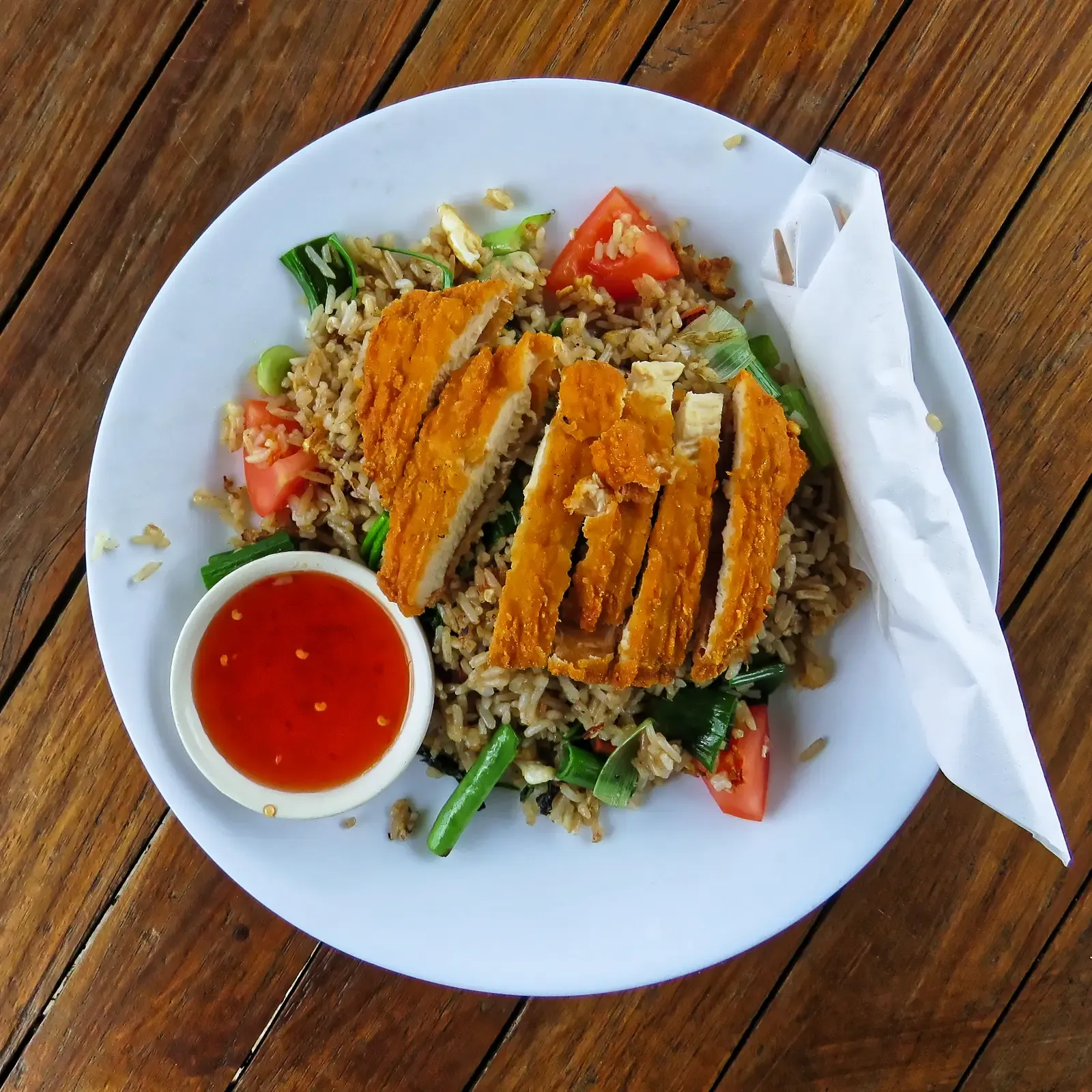
Chicken bog is a one-pot dish of chicken, rice, sausage, and spices cooked together until the rice absorbs all the flavorful liquid. The “bog” refers to the thick, creamy consistency, though no actual wetlands are harmed in the making. This dish turns up at family reunions, church suppers, and fundraisers throughout the Pee Dee region of South Carolina. It’s essentially a drier, heartier cousin of chicken and rice, with smoked sausage adding a smoky punch.
Chicken bog doesn’t look like much in a photograph, which might explain why it has never gone national. But within the Pee Dee region, it’s the kind of dish that anchors big gatherings, cooked in enormous batches and served with little fanfare. The simplicity is the whole point. Every household has its own version, its own ratio of rice to chicken, its own choice of sausage – and that variation is what keeps it rooted to the people who make it.
What’s striking about all ten of these foods is how little they’ve changed. Each region tells its own story through food, with cuisines often rooted in what the land provides and what families passed down across generations. These dishes weren’t engineered for a menu trend. They were kept alive by communities that valued them quietly, which is exactly what makes them worth tracking down.

Leave a Reply