
Buffet workers see things that most diners never think twice about. They refill the trays, clear the plates, and watch the entire dining room from a vantage point most customers don’t consider. Their perspective on what happens at the serving line is, to put it mildly, illuminating.
Some of what they witness is simply a matter of habit. Other behaviors are genuinely concerning from a food safety standpoint. Either way, the staff behind those chafing dishes have a running mental list of things they wish people would just stop doing. Here it is.
1. Grabbing Food with Your Bare Hands
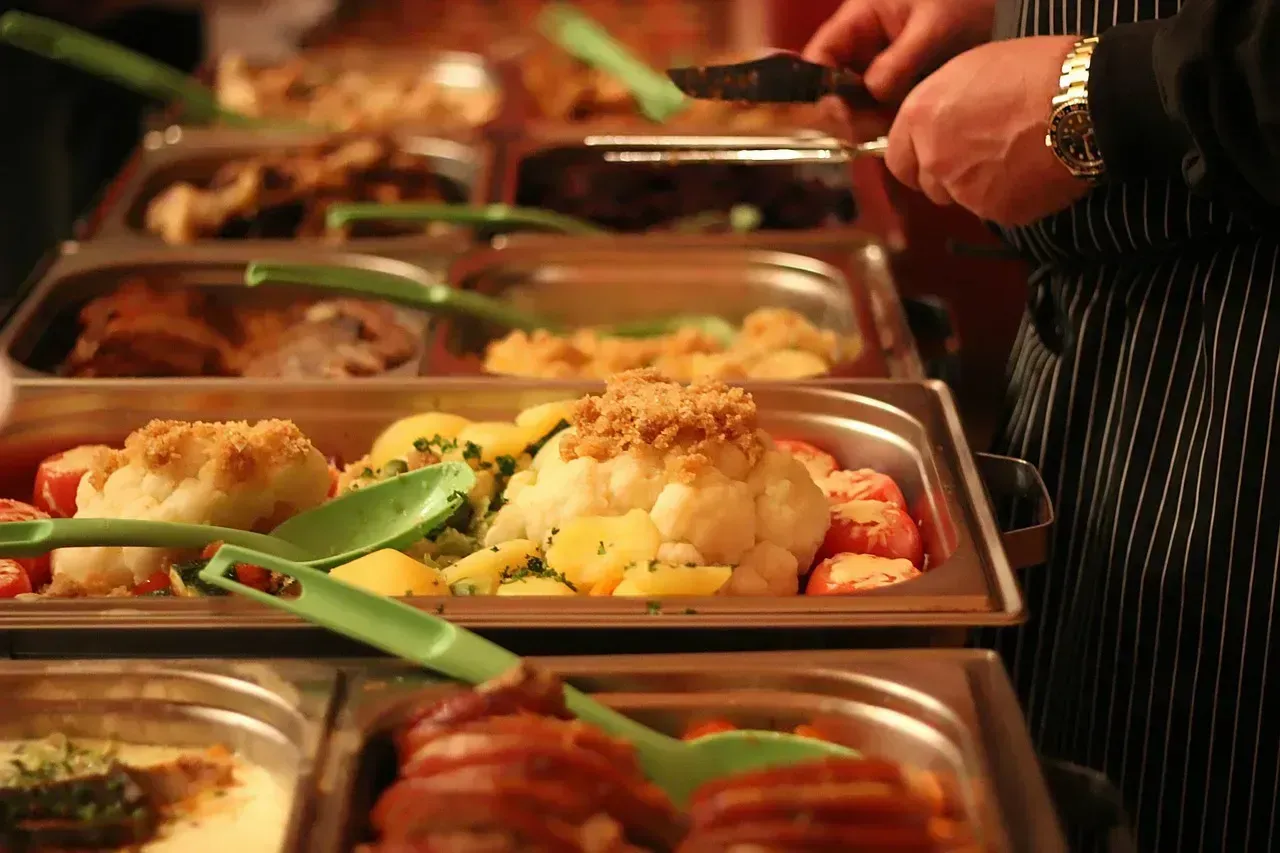
One of the most basic rules at a buffet is to use tongs and other utensils, not hands, to pick up food. Workers see this violated constantly. After reading through hundreds of anecdotes from buffet workers, people picking up food from the buffet with their hands seems to be far more widespread than most diners would imagine.
Imagine seeing a delectable dish waiting at the buffet line, only for a person ahead of you to grab one with their bare hands. It’s off-putting, and it makes you wonder what else on your plate has been touched. Each dish has its own serving utensils for a reason, so use them and refrain from touching any food or the food-facing ends of the utensils with your hands. It really isn’t complicated, yet it remains one of the most common complaints workers share.
2. Bringing Back a Dirty Plate for More Food
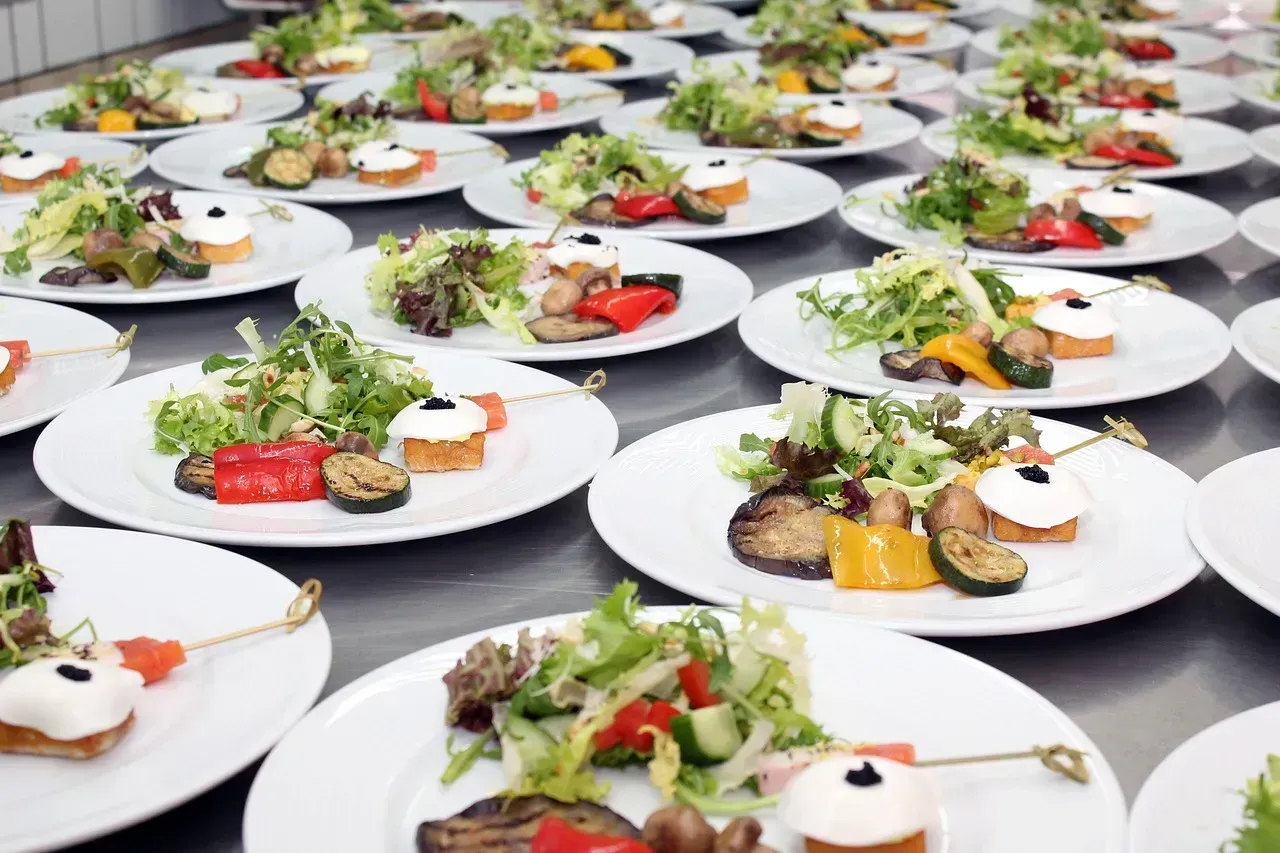
Many states actually have laws about plates and buffets. The law requires that every time a patron goes back to the buffet for more food, they must ditch the used plate and grab a clean one. Your hands carry plenty of germs, and your saliva is on a plate once you’ve eaten from it. Bringing it back to the buffet line means serving utensils are picking up the germs from your hand and saliva off that plate.
Buffets can spread germs easily, and one of the most common ways is by using a dirty plate to get more food. As you eat, your utensils and plate become contaminated with your saliva. If you take that plate back for more food, you might touch the serving utensils to the plate, spreading far more of yourself around than you realize. Workers notice this constantly, and it’s one of the clearest signs that customers don’t fully understand what they’re doing.
3. Mixing Up the Serving Utensils
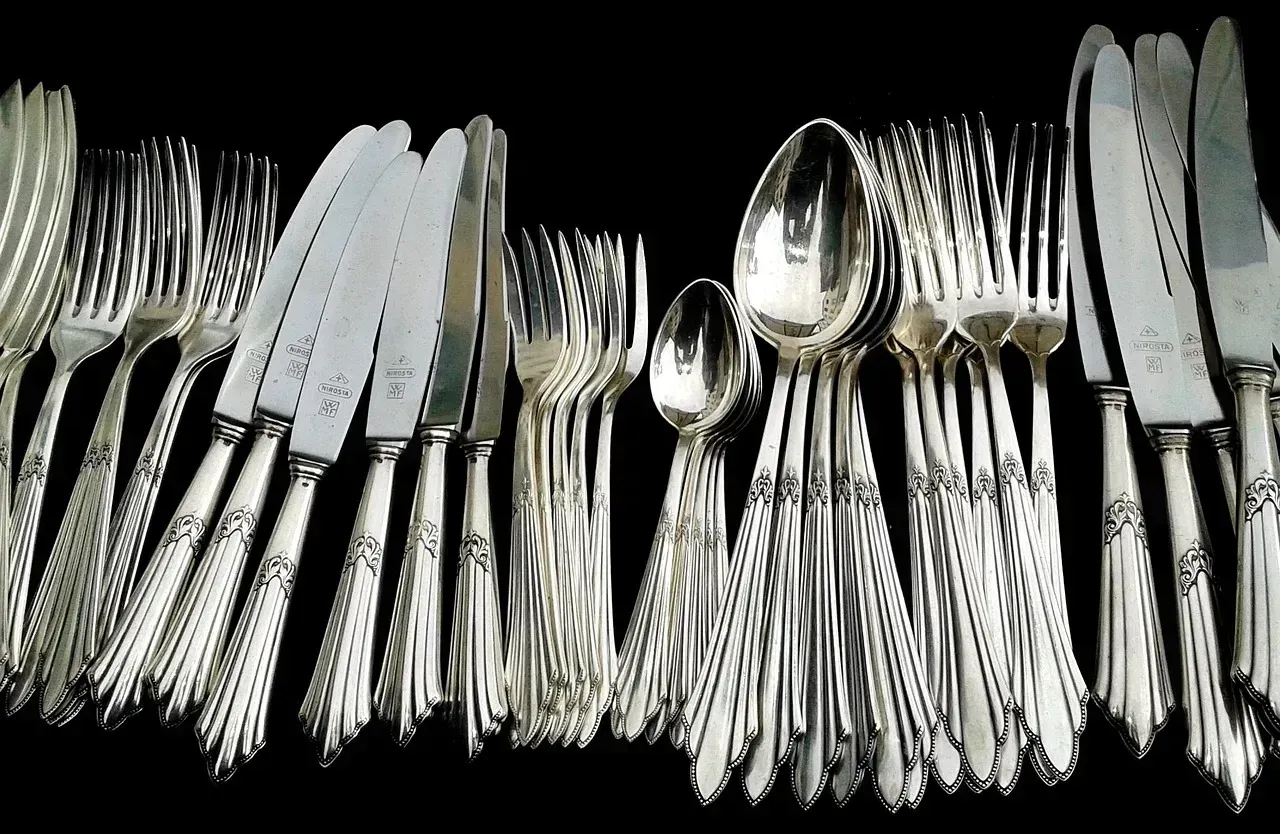
There are several reasons people switch serving utensils at a buffet, but even with the best intentions, it’s not safe etiquette. With so many people sensitive to certain ingredients, it’s important that serving utensils are used only for their intended purpose. Swapping utensils means potentially cross-contaminating foods, making them no longer safe for individuals with sensitivities. Known allergens include peanuts, wheat, fish, and eggs, and exposure to food containing these ingredients can cause life-threatening reactions in some people.
Use the serving utensil that is provided for each specific food item. Do not use one utensil to serve several food items. If one food item happens to be contaminated and others are not, and you use the same spoon for serving, then that cross-contaminates them all. For someone with a serious food allergy, that careless swap isn’t just messy. It can be genuinely dangerous.
4. Eating or Sampling Food While Standing in Line
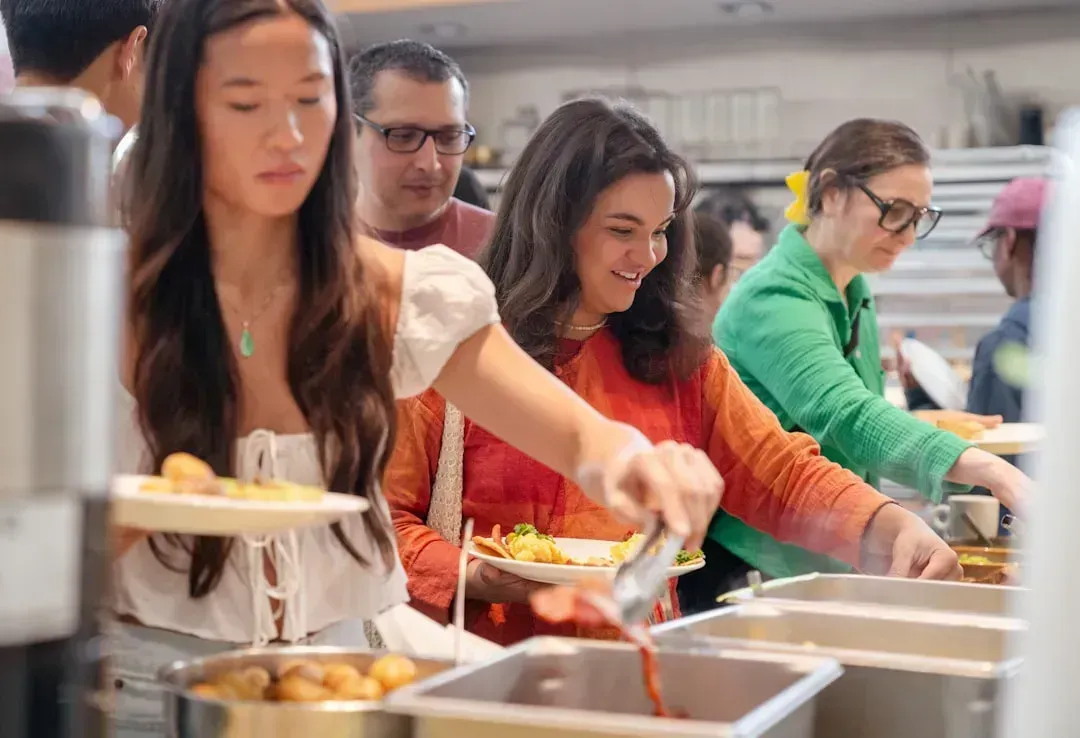
It is simply bad manners and poor etiquette to begin eating while you’re still in line at a buffet, because through the act of chewing, you could unwittingly spread germs and bacteria to other people in line, as well as their food, or the food that’s in the buffet chafing dishes. Workers see this more than you’d think.
It’s even worse form to sample items directly from the food bins without the item ever touching your plate, because you’re either using your hands or a dirty fork, which is unhygienic, or you’re using the serving utensils and bringing it to your mouth, which is like sharing a mouth-to-mouth exchange with every other person who uses them thereafter. If you’re unsure about a dish, take a small amount back to the table and try it there.
5. Sneezing or Coughing Over the Food
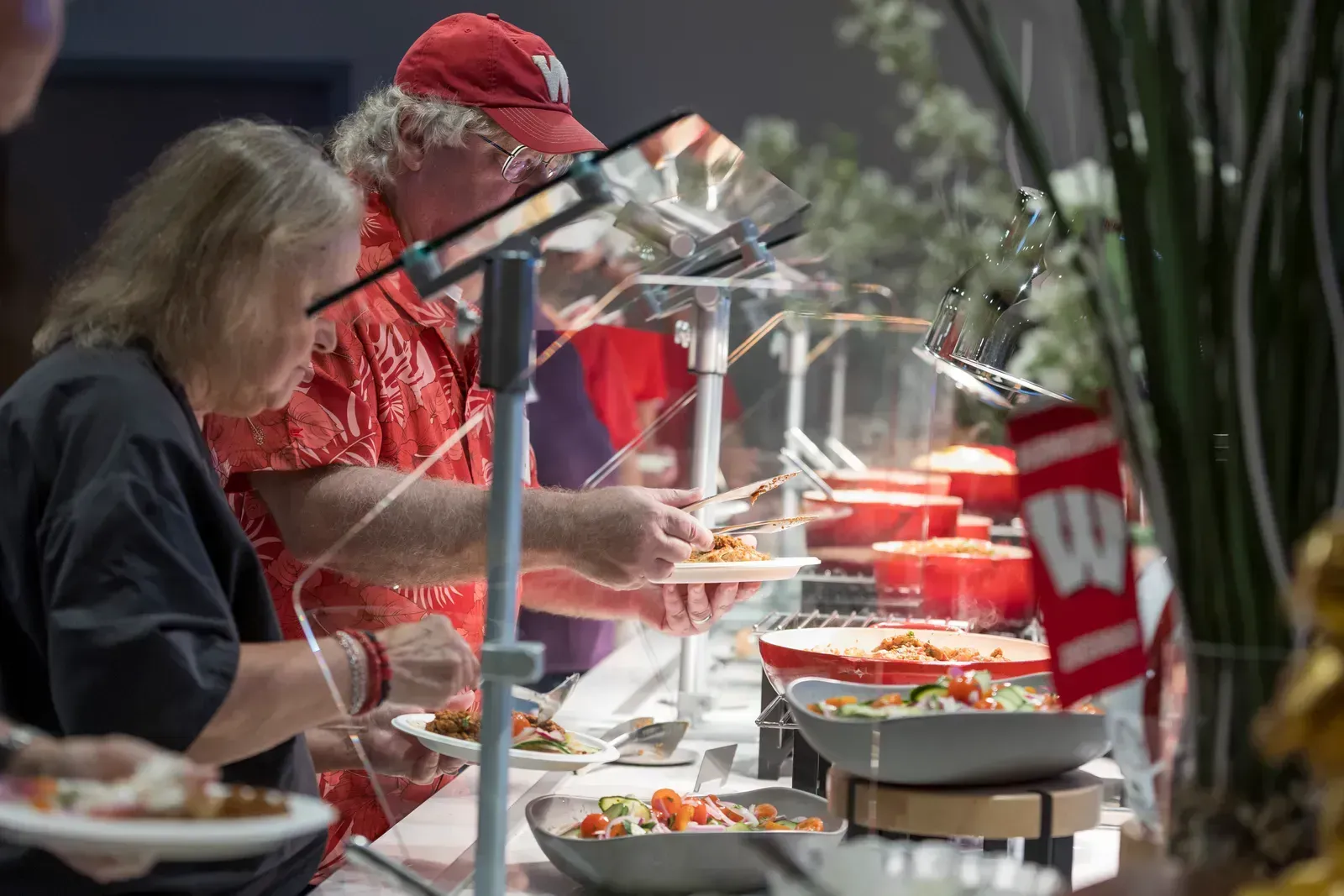
Good buffet restaurants have sneeze guards, which are plastic panels positioned to help stop folks sneezing, coughing, and heavy breathing over the buffet food. In fact, a lack of sneeze guards is one of the signs you’re at a subpar buffet. Even with sneeze guards, there’s always someone who manages to get around those guards and sneeze right on the communal food. Buffet workers have seen people lean under the sneeze guard and sneeze right onto the food.
If you have to sneeze or cough, try to step back away from the buffet line, or sneeze into your shoulder. If you can, remove yourself from the line and then return after you are done and have washed your hands again if necessary. The sneeze guard is a last line of defense, and you should always be actively attempting to get through the buffet line without spraying any saliva or germs. It exists to help, not to be sneezed on directly.
6. Piling Food Sky-High on a Single Plate
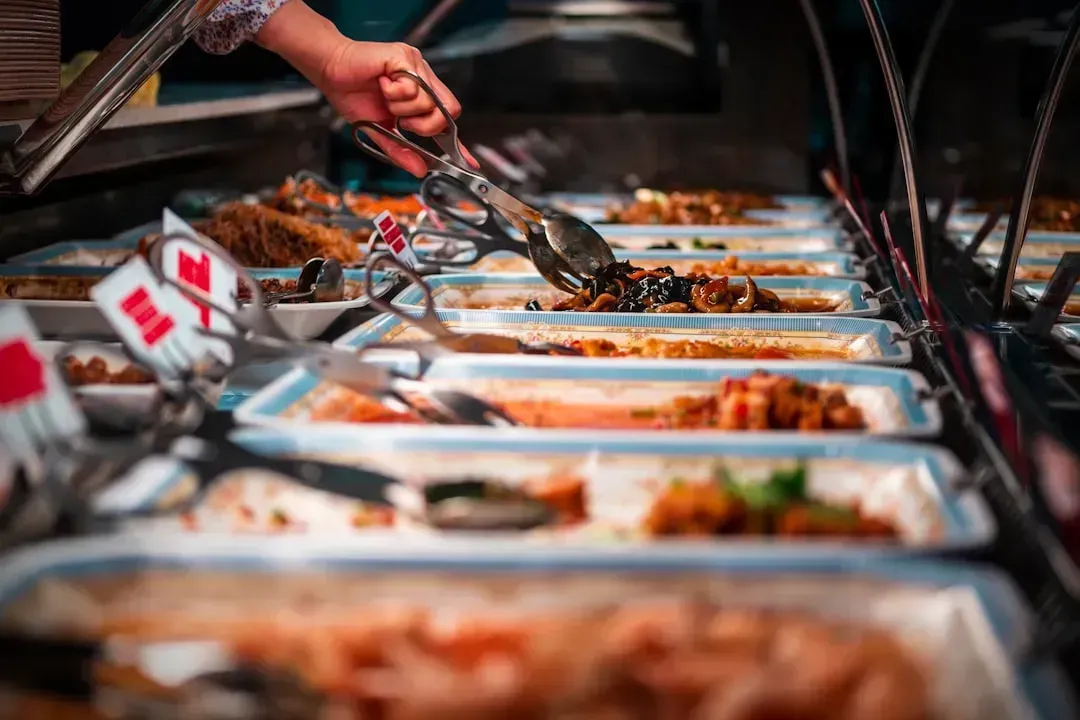
Yes, many buffets are technically all-you-can-eat, but remember, you can always make a second, third, or even fourth trip if you need to. There’s no real reason to pile a plate of food so high that it could potentially topple to the floor. Doing so not only poses a risk to yourself and others, but it can also cause foods to mix together on your plate, creating an unappetizing, chaotic mess. Rather than scooping mountains of food onto your dish, it’s better to practice proper portioning.
Put only the amount of food on your plate you think you’ll realistically eat, placing the food side-by-side rather than on top of one another. Not only does this make for a neater, easier-to-carry plate, but your modesty also does everyone else a favor by allowing folks a chance to enjoy certain foods before you take it all. This is especially important at certain times of the day when the buffet is at its busiest, and food often runs out quickly.
7. Wasting Enormous Amounts of Food
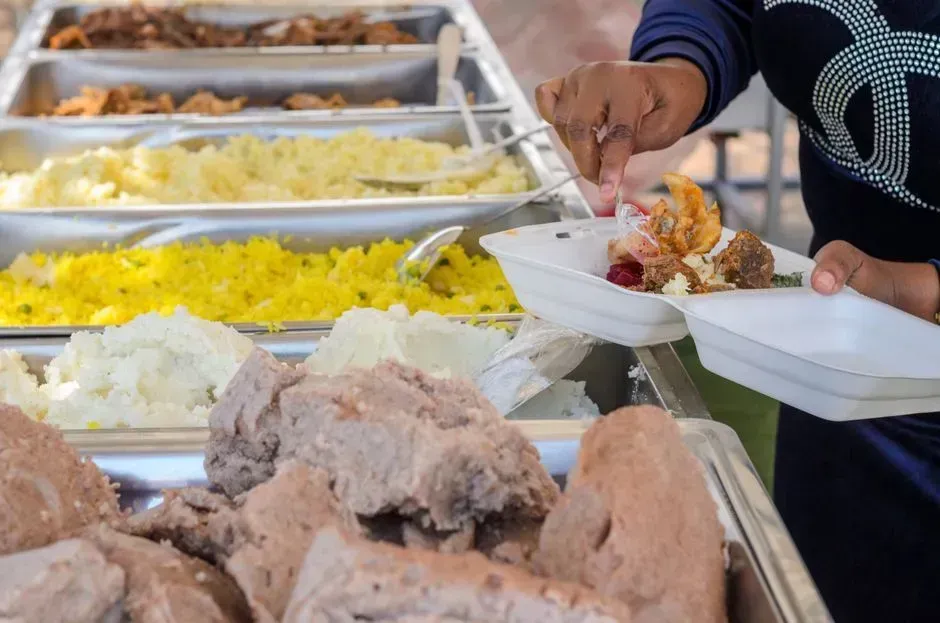
Sure, a buffet is all you can eat. But it shouldn’t be all you can throw away as well. Food waste is not only bad for the planet, it’s bad for the bottom line of the restaurant, which may have to raise prices if people keep throwing away large amounts of food. If you’re not sure if you’ll like something on the buffet, take just a little bit and try it before committing to a larger portion.
It’s usually best practice to finish your first plate before making a trip back to the buffet line. Leaving food on your plate increases the chances that the food won’t get finished, consequently leading to food waste. Workers are the ones left cleaning up those abandoned, overloaded plates, and it wears on them every shift.
8. Putting Food Back into the Serving Trays
Be sure to take what you touch. If you touch a bread roll, put it on your plate. Don’t change your mind and put it back. This sounds obvious, but it happens constantly. Even when using utensils, other people won’t appreciate you picking up items and then putting them back down. While you may want to inspect the food up close, it should be more than easy enough to do that while it’s still in the container. Not only can returning food cause cleanliness issues, but it also makes those behind you wait longer while you’re being picky with your selections.
Workers behind the kitchen door often notice this behavior and have to make judgment calls about whether an entire tray needs to be pulled and replaced. That creates extra work, extra waste, and delays for other diners. It’s the kind of thing that seems harmless in the moment but quietly causes a ripple effect through the entire operation.
9. Ignoring Unsupervised Children at the Buffet Line

Help children learn these rules as well. Always accompany a child to the buffet line to be sure they are using serving utensils, not eating while in the buffet line, or coughing on the food. Help children learn not to use their hands and fingers as serving and eating utensils at the buffet. This is one area where well-meaning parents often drop the ball simply by letting kids navigate the line alone.
Some children are short enough to have their faces directly under the sneeze guards, and they’re not exactly known for their thoughtful buffet behavior. Everyone touches the serving utensils in a buffet, and you don’t know where anyone’s hands have been. Workers don’t enjoy saying anything to families, but they see the aftermath every day. A little adult supervision at the serving line goes a long way.
10. Not Tipping or Acknowledging the Staff
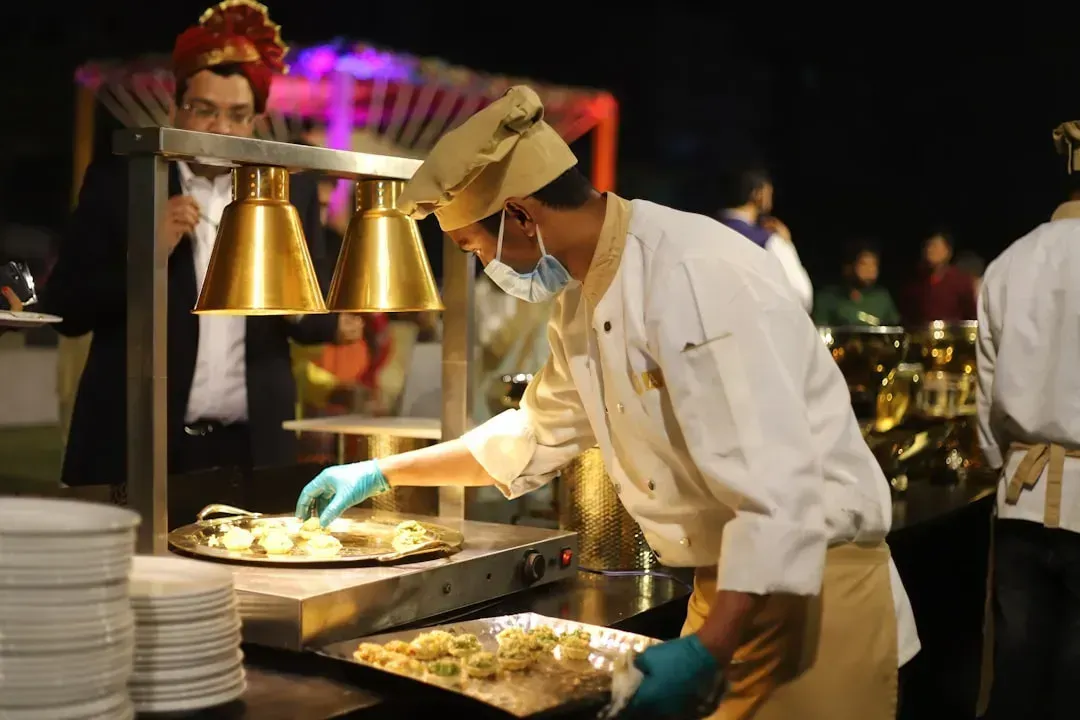
A buffet has a lot of moving parts, so there is typically more staff around than at a full-service spot. The service staff are working hard to communicate with each other to give the best service and experience possible, so please be appreciative of their efforts. This can be as simple as minding your manners and leaving a tip.
If you happen to come across a food item that needs refilling, ask the staff nicely about replenishing it. Once you are finished with your plates, set them to the side for a server to come collect. Buffet workers are clearing used dishes, wiping down surfaces, restocking trays, and keeping the whole floor running. It’s physical, relentless work, and a small gesture of acknowledgment or a modest tip means more than most diners realize.
None of these things require effort beyond basic awareness. Most buffet workers aren’t asking for perfection. They’re asking for the same consideration you’d extend to any shared public space: leave it in decent shape for the next person, and treat the people running it like the professionals they are.



Leave a Reply