
Most people walk into a restaurant hoping for a good meal. They scan the room, maybe glance at the décor, and reach for the menu. That menu, though, is telling you far more than what’s for dinner. Chefs and hospitality professionals have long understood that a menu is essentially a window into how a kitchen operates: its discipline, its priorities, and its standards.
The clues are there before a single dish hits your table. Chefs and food industry insiders often say the menu tells you everything about a restaurant before the food even arrives, and studies in hospitality management show that menu design and wording strongly correlate with food quality and kitchen practices. If you know what to look for, you can save yourself a disappointing, or even risky, dining experience.
1. A Menu That Spans Every Cuisine on Earth
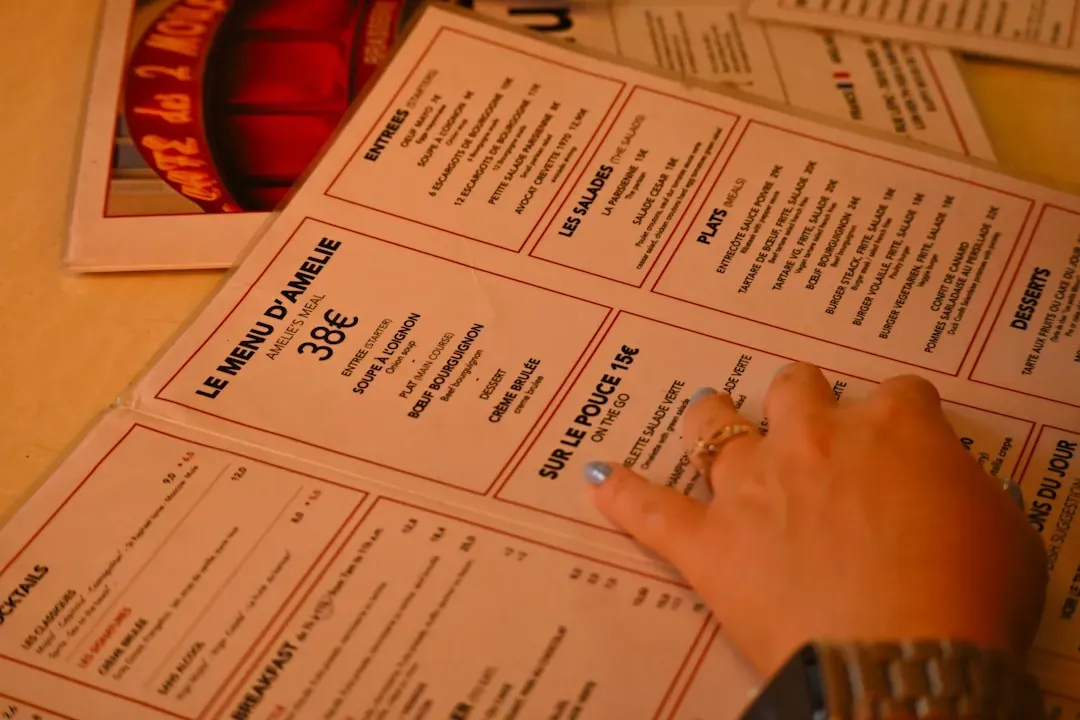
When a menu is twenty pages long and covers everything from sushi to pasta, it’s a major sign that the kitchen isn’t specializing in anything at all, and quality suffers because staff have to manage an impossible number of different ingredients and cooking styles simultaneously. The math simply doesn’t work in anyone’s favor.
An overloaded menu is also a red flag for food freshness and safety. If there are a hundred dishes, the last time someone ordered your particular meal might have been days ago, meaning it could be made with old ingredients that have been sitting in the back since then. Focused menus aren’t a limitation. They’re a quality signal.
2. Dirty, Sticky, or Visibly Worn Menus
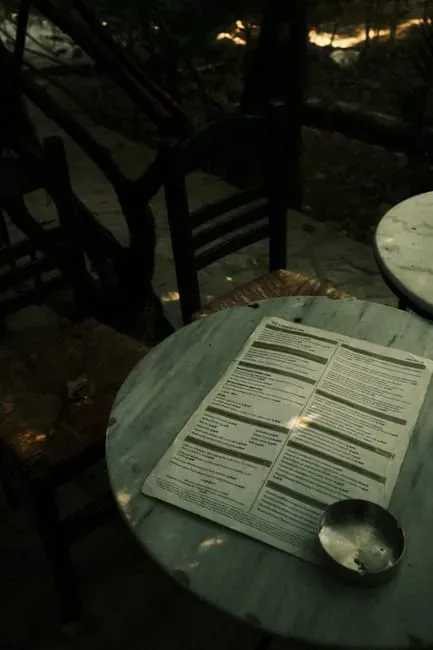
Menus with bread crumbs, food stains, and spilled sauces signal they’re not cleaned regularly, and if staff aren’t paying attention to this detail, they may be missing even bigger things. It’s the first physical object placed in your hands, and it sets the tone for everything that follows.
Menus that look clean can still carry plenty of bacteria, so a visibly stained or dirty menu falls into the same category as a restaurant that simply doesn’t care. If a restaurant can’t proofread or maintain its menu, it raises a serious question about kitchen standards, because attention to detail is foundational in cooking.
3. Overly Flowery Dish Names That Say Almost Nothing
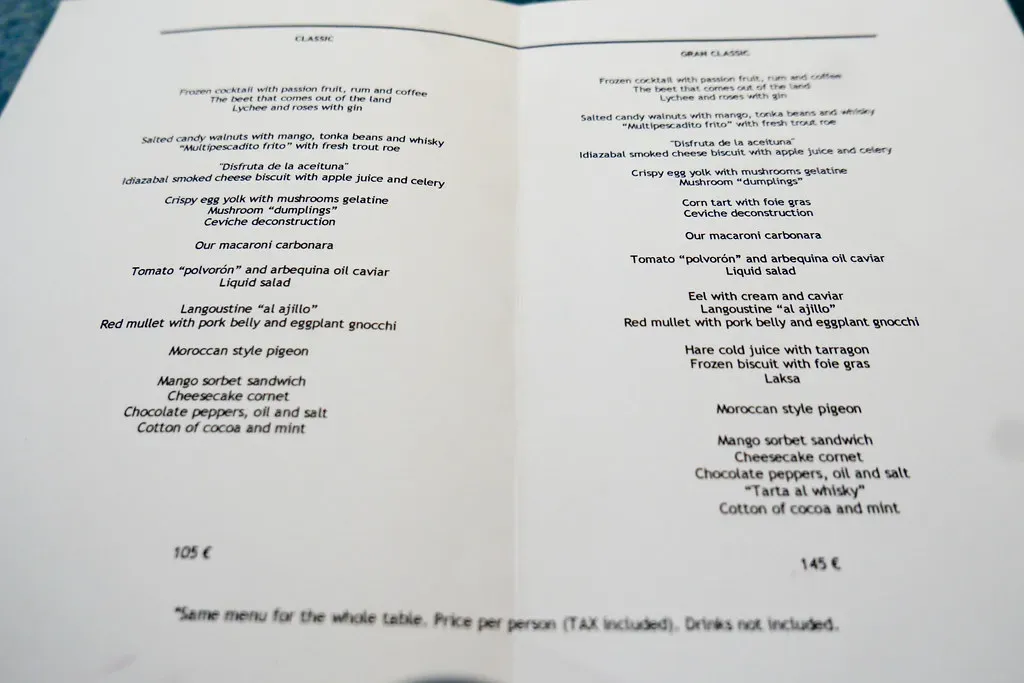
Some menus read like poetry, filled with long, fancy names that impress but reveal little about the dish itself. Chefs warn that complexity in naming often masks simplicity in execution, and it’s worth being cautious of long descriptions with vague details, multiple adjectives that fail to clarify ingredients, and names that prioritize creativity over informativeness.
Fancy words equal fancy prices, and chefs use descriptive language to make your mouth water without you realizing they’ll prepare food in a basic manner. A menu that can’t describe what’s actually in a dish in plain terms is, at best, evasive, and at worst, deliberately misleading.
4. No Seasonal Changes, Ever
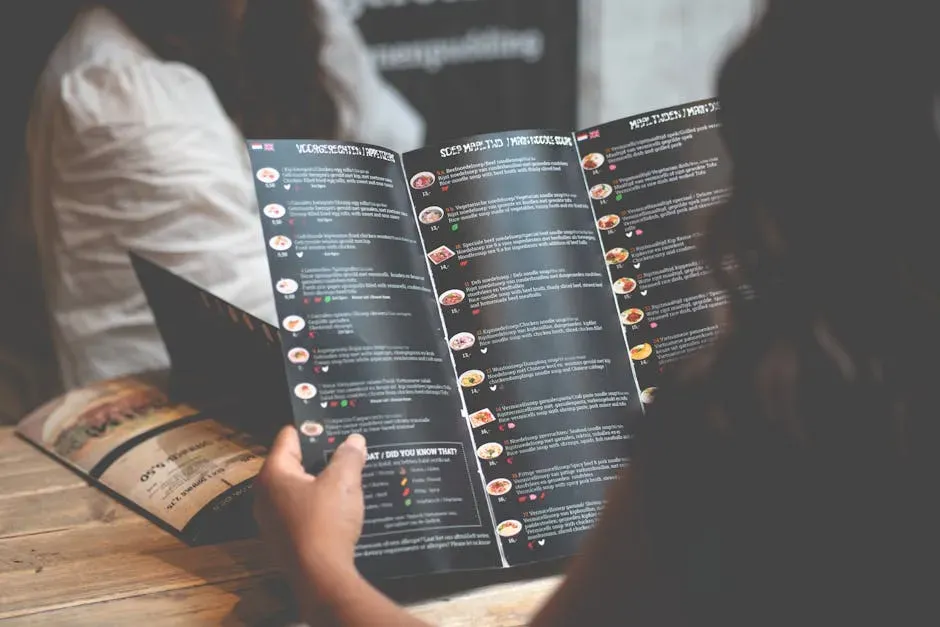
A static menu might seem stable, but it often signals stagnation. Great restaurants adapt to seasons because fresh ingredients change throughout the year. A kitchen that ignores the calendar is usually a kitchen that ignores freshness too.
A dynamic menu excites diners and also showcases the chef’s creativity and commitment to quality ingredients. When nothing on a menu has changed in years, the likely explanation isn’t loyalty to a beloved recipe. It’s a kitchen coasting on convenience, often relying on standardized or pre-prepared products that don’t require seasonal sourcing at all.
5. Photos of Every Dish in Plastic-Sleeved Pages
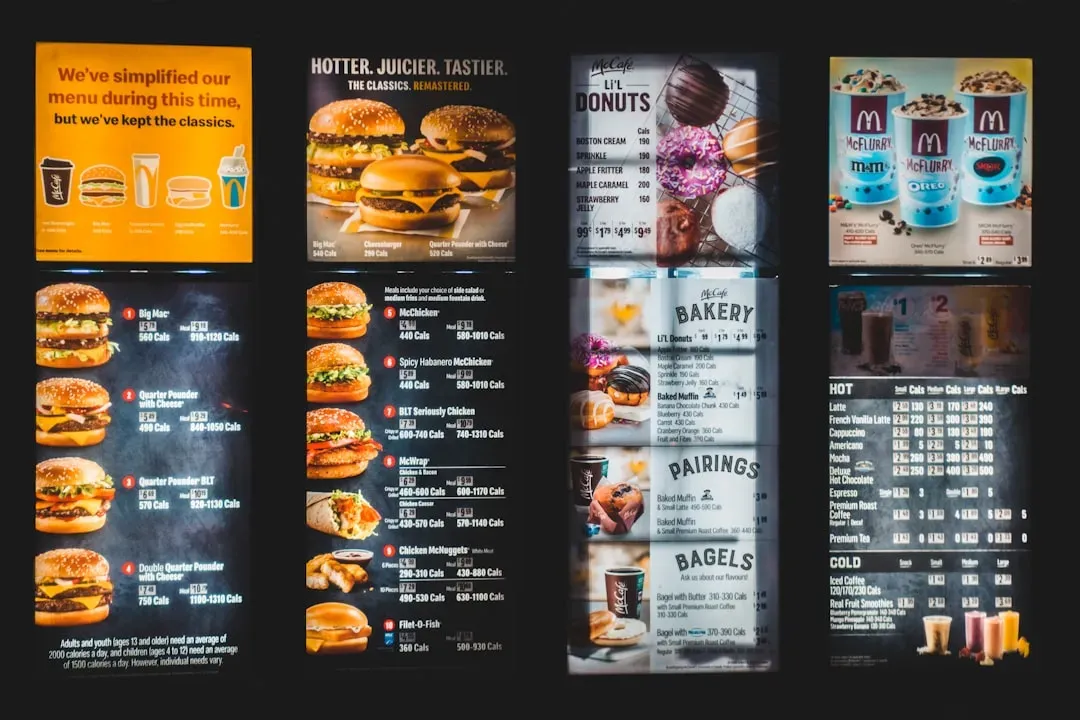
Unless you’re at a casual diner or a specialized ethnic spot, seeing glossy pictures of the entrees is usually a sign of a lower-quality establishment. High-quality restaurants prefer to let descriptions and service set expectations, and the actual plate rarely looks as vibrant or perfect as the professional photography used in plastic-sleeved menus.
There’s a reason most well-regarded restaurants use clean text layouts instead of photo spreads. The assumption built into a photo-heavy menu is that diners need to be sold on the food visually because the description alone won’t do it. That’s rarely a sign of confidence in what’s actually coming out of the kitchen.
6. No Allergen or Ingredient Information Available
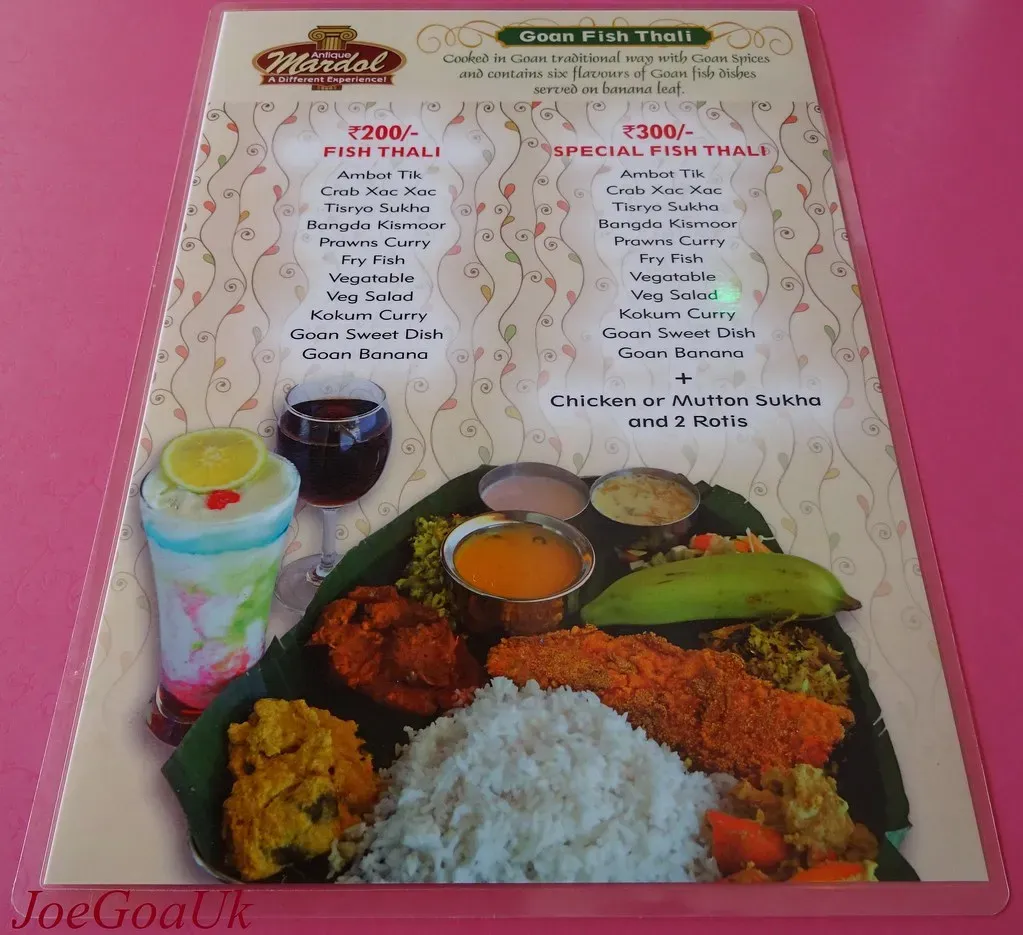
In a high-quality establishment, everything in the kitchen should be labeled, separated, and put away correctly. When that isn’t the case, it can lead to cross-contamination, with allergens mixing with other foods. If a restaurant is unsure about whether its dishes are gluten-free, that’s a red flag, indicating staff may not be adhering to proper food handling procedures.
Food allergies affect an estimated twenty-six million adults and six million children in the United States, and roughly one in four anaphylactic reactions to a food allergen occurs in restaurants, due at least in part to inadequate labeling. A menu that offers no transparency about ingredients, and a staff that can’t answer basic questions about them, isn’t just frustrating. It’s a genuine safety issue.
7. Vague or Unnamed “Daily Specials” for Seafood
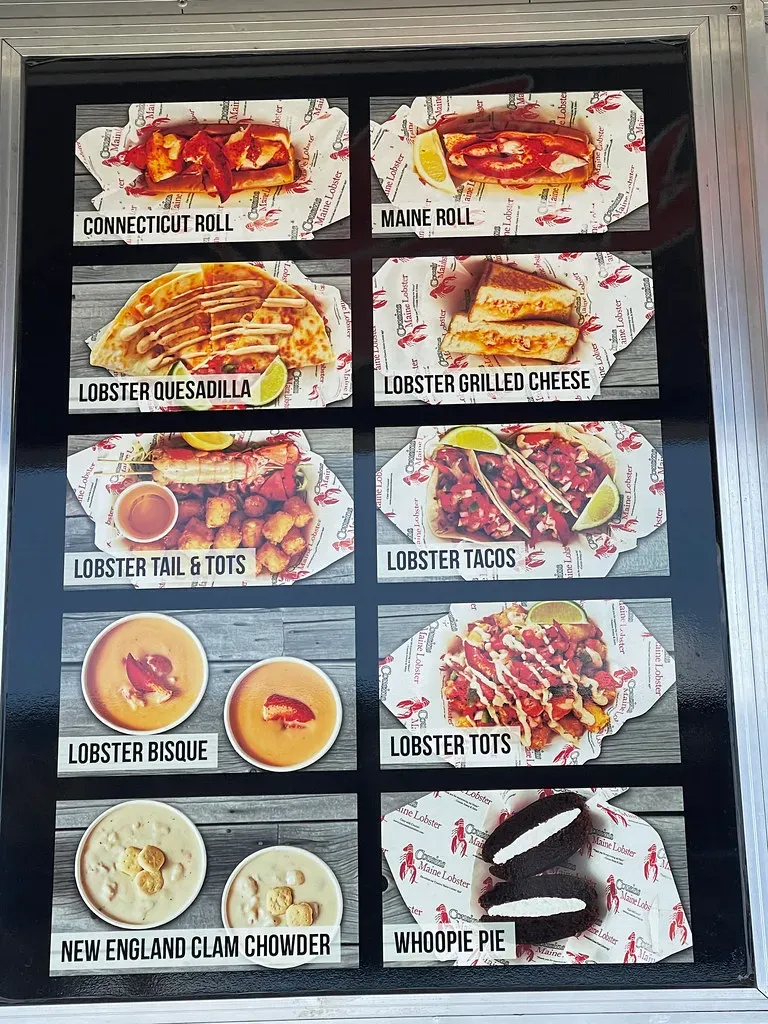
When a server can’t tell you the specific type of fish being served as the daily special, it’s a red flag regarding seafood freshness. Truly fresh fish usually comes with a name and a clear preparation style that changes based on what was available at the docks that morning. Skipping the mystery seafood is a reasonable call.
Around eight hundred foodborne outbreaks are reported to the CDC every year, and the majority of them happen in restaurants, outpacing all other food preparation settings. These outbreaks are often caused by improper food handling, poor hygiene practices, and inadequate cooking or storage temperatures. Seafood sits at the highest-risk end of that spectrum, and a kitchen that can’t name what it’s serving almost certainly hasn’t handled it as carefully as it should.
A menu is rarely just a list of dishes. It’s a reflection of how a kitchen thinks about food, how much it respects its guests, and how seriously it takes the craft of cooking. The next time something feels off before you’ve even ordered, trust that instinct. The menu usually earned it.

Leave a Reply