
Walk into a Starbucks in California today and the cup holding your iced latte looks noticeably different than it did two years ago. It’s not your imagination. Across the country, something is changing in how fast food chains think about the container sitting in your hand, and the shifts run much deeper than a seasonal design refresh or a new logo treatment.
The reasons span regulation, consumer health concerns, brand competition, and the growing financial reality of the beverage category. Some of it is driven by law. Some of it is driven by ambition. Nearly all of it is happening with very little fanfare, which is precisely what makes it worth paying attention to.
A Regulatory Wave That Cannot Be Ignored
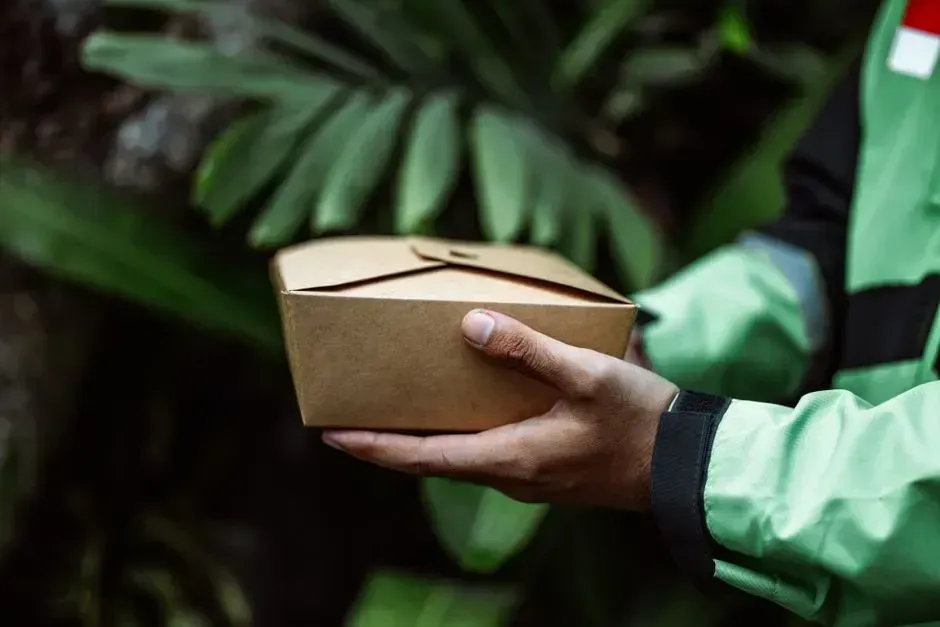
State-level restrictions in Minnesota, Illinois, Washington, Oregon, California, and New York have set new compliance thresholds for what can and cannot go into the packaging that touches your food and drink. These aren’t vague guidelines. They carry real teeth.
In February 2024, the U.S. FDA announced that PFAS used in grease-proofing agents for paper and paperboard food packaging are no longer being sold by manufacturers for food-contact use, completing a voluntary market phase-out and “eliminating the primary source of dietary exposure from authorized food-contact uses.” For major chains operating thousands of locations across multiple states, that kind of announcement triggers a supply chain overhaul almost overnight. PFAS bans in the U.S. are not harmonized nationally. Individual states set their own timelines and requirements, creating a compliance mosaic that companies must navigate carefully.
The PFAS Problem Goes Beyond Just Paper
PFAS, known as per- and polyfluoroalkyl substances, are a large family of fluorinated chemicals prized for oil and water repellency. They’ve been used in everything from stain-resistant textiles to grease-proof food wrappers. The problem is that PFAS are extremely persistent, earning them the nickname “forever chemicals,” and some are linked to health concerns.
Microplastics have been found in human testicles, dog testicles, and artery plaque, potentially linked to declining sperm counts and increased risk of heart attack, stroke, or death. That kind of research, increasingly picked up by mainstream media, has created real consumer unease. Nielsen surveys indicate that roughly three in five U.S. consumers would pay more for food packaged in certified PFAS-free, sustainable materials. For fast food brands that live and die by customer loyalty, those numbers matter.
Starbucks Makes Its Move With Compostable Cups
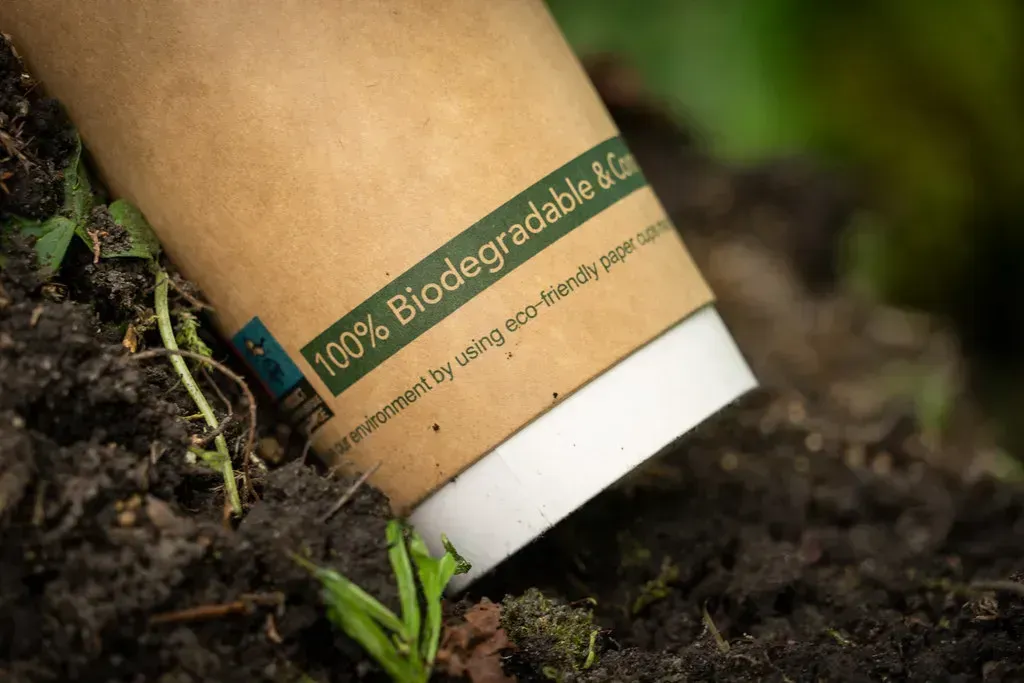
Starbucks is shaking things up with a new approach to its cold drink cups. Instead of the usual clear plastic, many locations are now serving iced drinks in compostable cups, a big step toward cutting down on plastic waste. The switch officially rolled out on February 11, 2025, across 14 states.
According to a December 2024 CBS News report, about six million cold Starbucks drinks are sold each day, adding up to about 2.2 billion plastic cups a year. The scale of that number alone explains why the company is so focused on the cup. It is hoped that modifying its cups and lids will help Starbucks achieve its new 2030 targets, including achieving 100% reusability, recyclability, or compostability, ensuring its packaging is sourced from 50% recycled materials, and utilizing 50% less virgin fossil fuel-derived materials in its packaging production.
McDonald’s Is Rethinking the Cup From the Ground Up
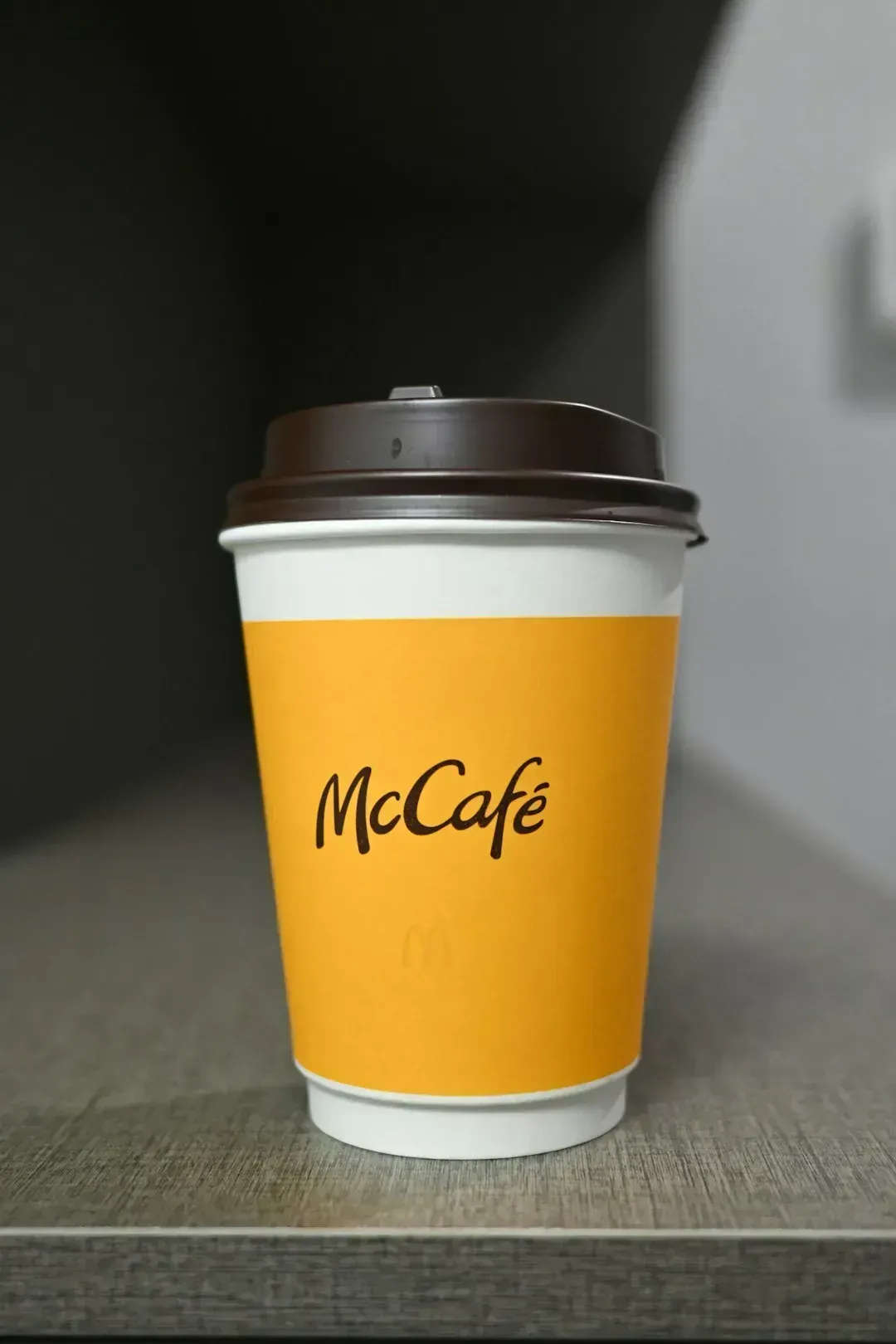
McDonald’s has a goal to source 100% of its primary guest packaging from renewable, recycled or certified materials. Its packaging is designed with recycling in mind, and the company is working with suppliers to improve it where possible. That commitment extends directly to drink cups, which represent a massive portion of the chain’s daily packaging footprint.
McDonald’s is removing or reducing plastic use by redesigning items such as switching to paper-based straws, deploying new McFlurry cups without plastic lids, and introducing salad boxes and cutlery made from renewable fiber. The chain has also worked with its suppliers to advance innovative molded fiber technologies to replace plastic lids and sundae ice cream cups. These changes may look incremental from the customer side of the counter, but they represent significant engineering and procurement shifts behind the scenes.
Reusable Cups Enter the Real World
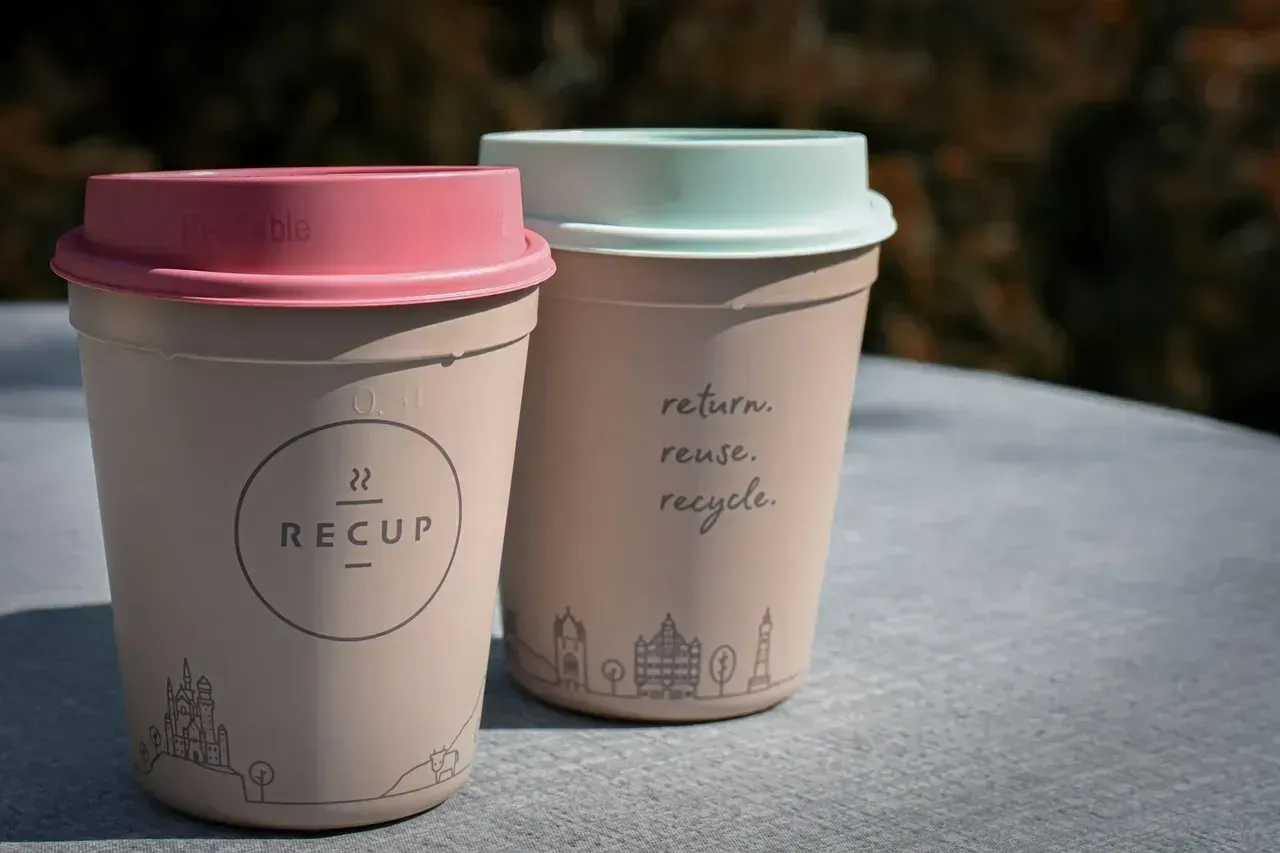
Starbucks, KFC, Dunkin’, Peet’s Coffee, Coca-Cola and Pepsi are among a group of companies collaborating on The Petaluma Reusable Cup Project, a first-of-its-kind test of a citywide reusable cup initiative in Petaluma, California. Starting in August 2024, more than 30 restaurants in the city ditched their single-use cups and provided customers with reusable cups at no cost.
In early fall 2024, a handful of chains including Dunkin’ Donuts, Burger King and KFC conducted a months-long test featuring reusable beverage cups in Petaluma, California. The study was designed to see how customers responded to using plastic renewable cups, instead of the familiar single-use ware. The fact that direct competitors are collaborating on shared infrastructure for reusable cups says something about how seriously the industry views this challenge. It isn’t treated as a competitive advantage. It’s treated as a shared problem.
Foam and Polystyrene Are Being Phased Out Across the Country
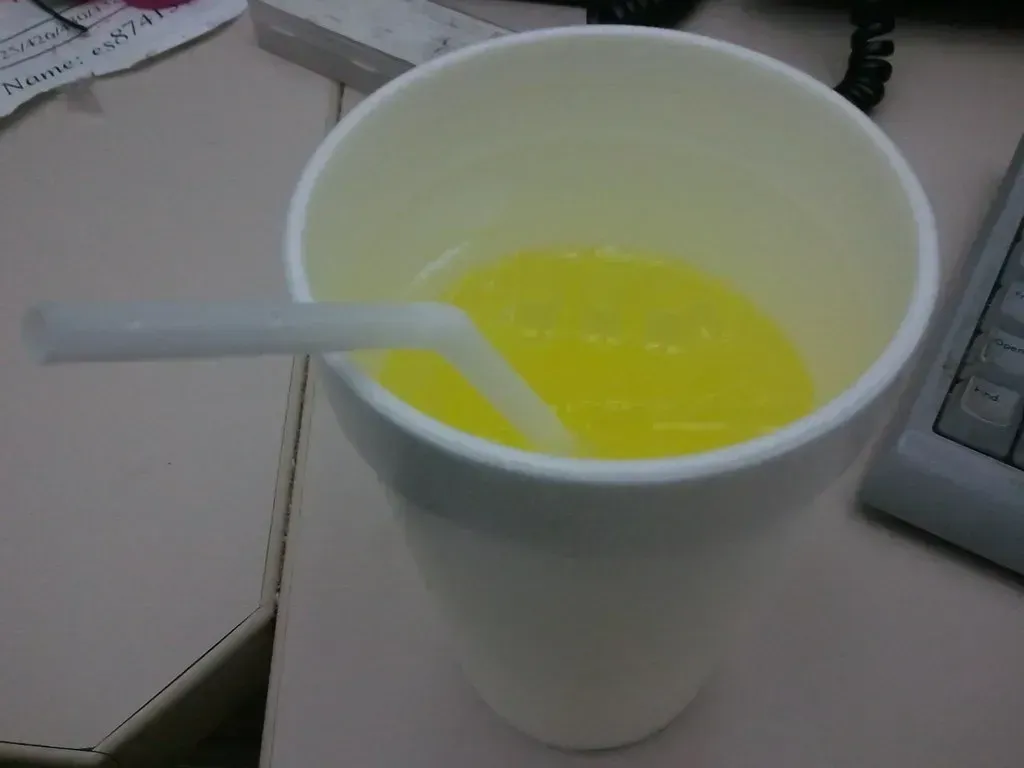
Multiple states including Washington, California, Delaware, Oregon, and Rhode Island have enacted bans that bar restaurants from purchasing and distributing foam products such as takeout containers, cups, and bowls. These bans don’t ask politely. They set deadlines, and non-compliance carries consequences for businesses operating at national scale.
From January 1, 2025, restaurants in Rhode Island may not serve food or drinks in polystyrene foam containers or provide plastic beverage stirrers. The bill also bans the sale of food packaging containing intentionally added PFAS, which came into effect on the same day. For chains that rely on standardized packaging systems nationwide, maintaining separate cup inventories for different state requirements adds real operational complexity. Redesigning a universal cup that meets the strictest standards everywhere is often the more practical solution.
The Beverage Boom Is Reshaping What Cups Need to Do
At the core of these trends is a long-term shift toward cold, premium drinks, often caffeinated and sugary, including refreshers, energy drinks, premium teas, cold brew coffees and a host of frozen and blended beverages. That shift changes what a cup actually needs to handle. A cold brew or a layered refresher drink has very different requirements than a fountain soda.
Consumer demands, specifically the desire for energy, photogenic drinks and impulse treats, have driven the category’s expansion over the last decade, and major fast food chains are testing new drinks and concepts. Photogenic is the key word here. Custom cups have become a powerful and cost-effective way to stand out in a competitive marketplace. In today’s digital world, an innovative custom cup can encourage consumers to share a picture online. A visually forgettable cup is now something of a missed opportunity.
Holiday Cups and Cup Design Have Become Marketing Weapons
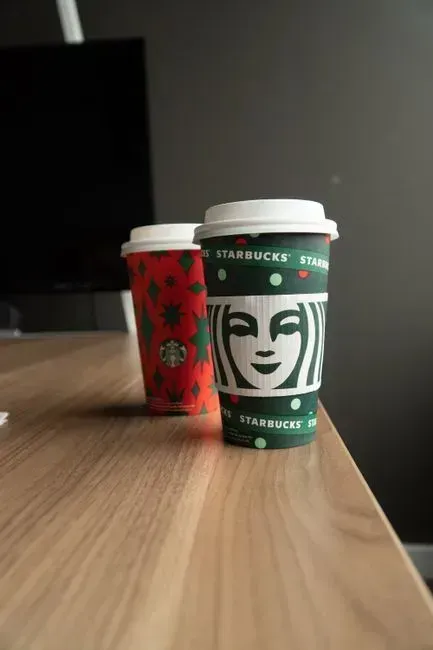
Beverages are an increasingly competitive menu category, with brands like 7 Brew, Dutch Bros and Taco Bell heating up the competition along with the old-guard players like Starbucks, Dunkin’ and Sonic. For the 2025 holiday season, chains competed as fiercely with cup designs as with the drinks that fill them.
Starbucks, 7 Brew, Dunkin’, Panera and others released seasonally themed cups that were promoted with as much marketing muscle as the holiday drinks they hold. That’s a meaningful signal. When a chain treats its cup artwork with the same seriousness as its new latte launch, the cup has graduated from packaging to product. Custom printed cups that feature innovative designs easily attract consumers’ attention and may also encourage customers to share images of the cup on social media.
The Supply Chain and Cost Story Is More Complicated Than It Looks
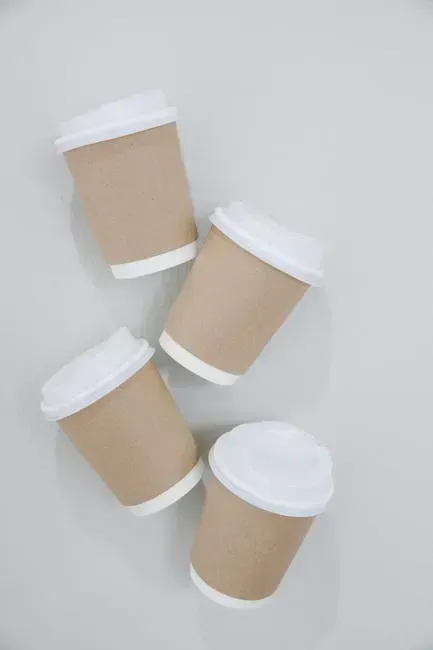
The global disposable cups market was valued at around 12.3 billion dollars in 2024 and is expected to reach 18 billion dollars by 2034, growing steadily over the forecast period. That growth reflects not just volume but also the premiumization of the cup itself. Sustainable materials cost more upfront, and the engineering required to make a compostable cup that won’t leak or collapse is genuinely difficult.
In November 2024, Berry Global launched recyclable polypropylene cups, which are ten to fifteen percent lighter than traditional polystyrene ones. Lighter cups mean lower shipping costs, a small gain that multiplies enormously across billions of units. The challenge with compostable cold cups typically lies in maintaining structural integrity and preventing leakage or condensation. Trials are designed to ensure new materials can perform at the same level as existing solutions. Getting a cup that is both sustainable and functional is harder than it sounds.
What Comes Next in the Cup Transition
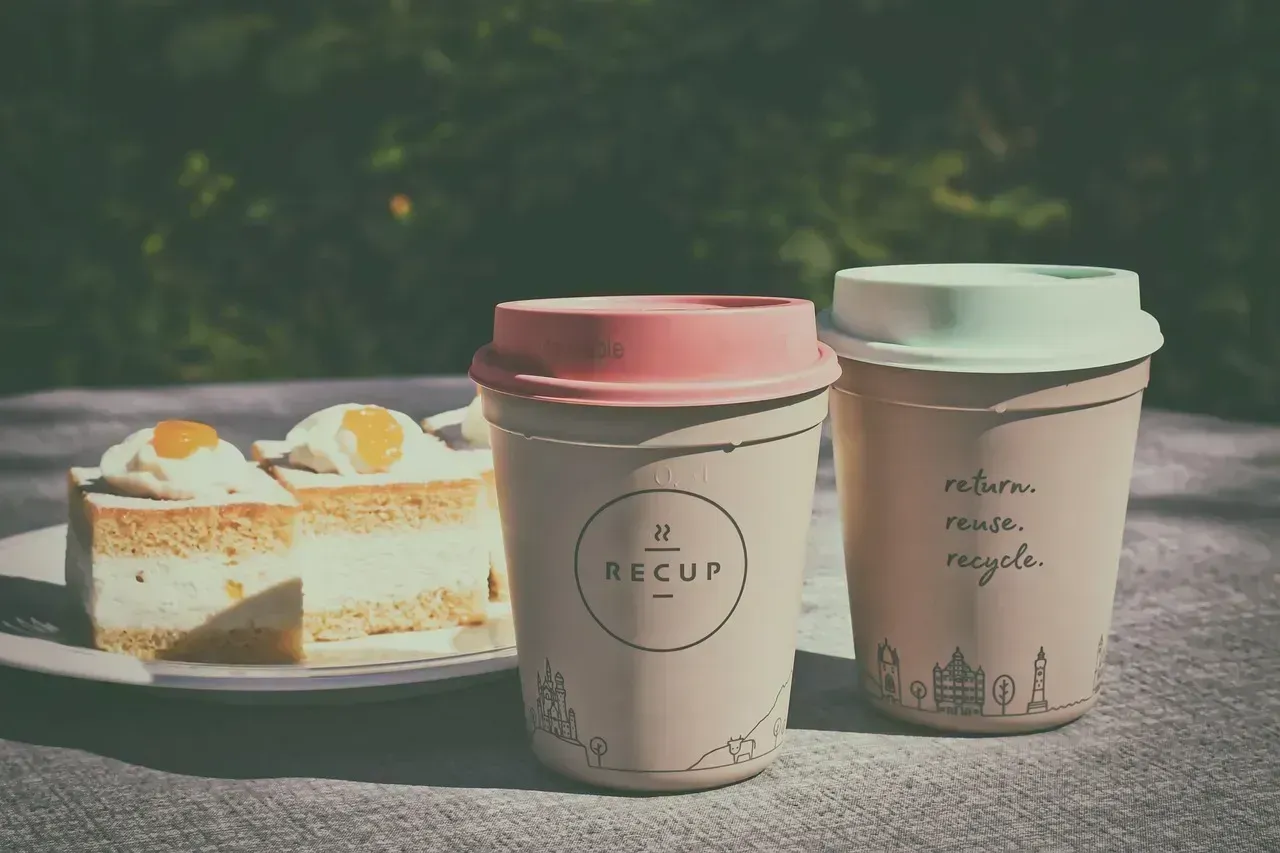
A restaurant and catering company based in Finland has been looking at alternatives, taking advantage of a new type of fast-food packaging that can be reused and recycled. Restel is using Sulapac material for cups in two Burger King outlets. Customers who are given the reusable cups can return them after use at designated areas in the restaurants. These kinds of pilots are becoming more common globally as chains search for models that can actually scale.
Advocacy and state networks forecast continued action on PFAS in consumer products through 2025 and 2026, with many bills continuing to move forward. That regulatory momentum is not slowing. In February 2025, Starbucks introduced fiber-based compostable cups for cold drinks in 14 U.S. states. This move aligns with its goal to make all packaging recyclable or reusable by 2030. The cup sitting in your hand at a drive-through is, quietly, at the center of one of the bigger packaging transformations the industry has ever attempted.
Leave a Reply