
Cooking at home is supposed to be the budget move. For plenty of everyday dinners, it is. Pasta, eggs, rice and beans, a simple sheet pan chicken: these cost very little per serving.
Some dishes flip that math. They call for long cooking times, a big pantry of specialty ingredients, or equipment most kitchens don’t have. Prices vary by city and restaurant, so treat this as a rule of thumb rather than a guarantee.
Ramen and Other Noodle Soups
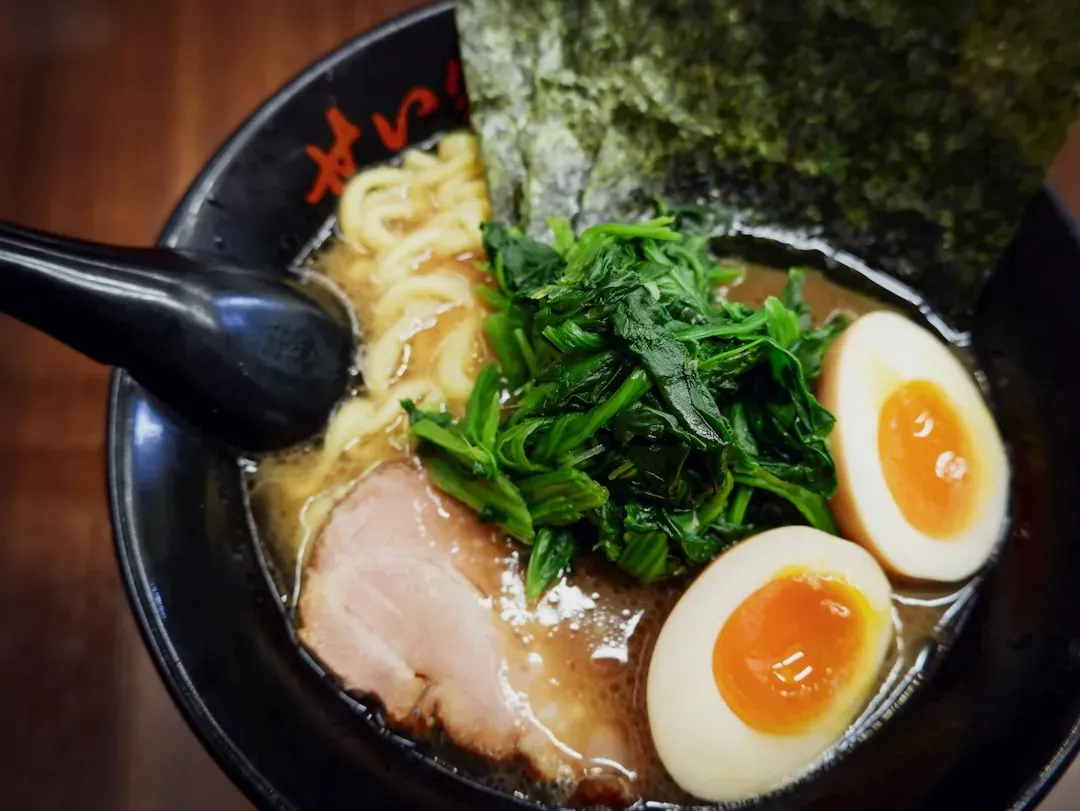
A proper ramen broth is a project. Pork bones, chicken carcasses, kombu and aromatics often simmer for many hours, sometimes overnight. Then you still need noodles, a seasoned egg, chashu and toppings.
Buying all of that for one bowl rarely makes sense. A restaurant spreads the cost of a giant stockpot across dozens of customers. Pho works the same way, with its charred aromatics, whole spices and long simmered beef bones, and a casual shop bowl can come in lower than the grocery bill for a single homemade batch.
Sushi and Sushi Rolls
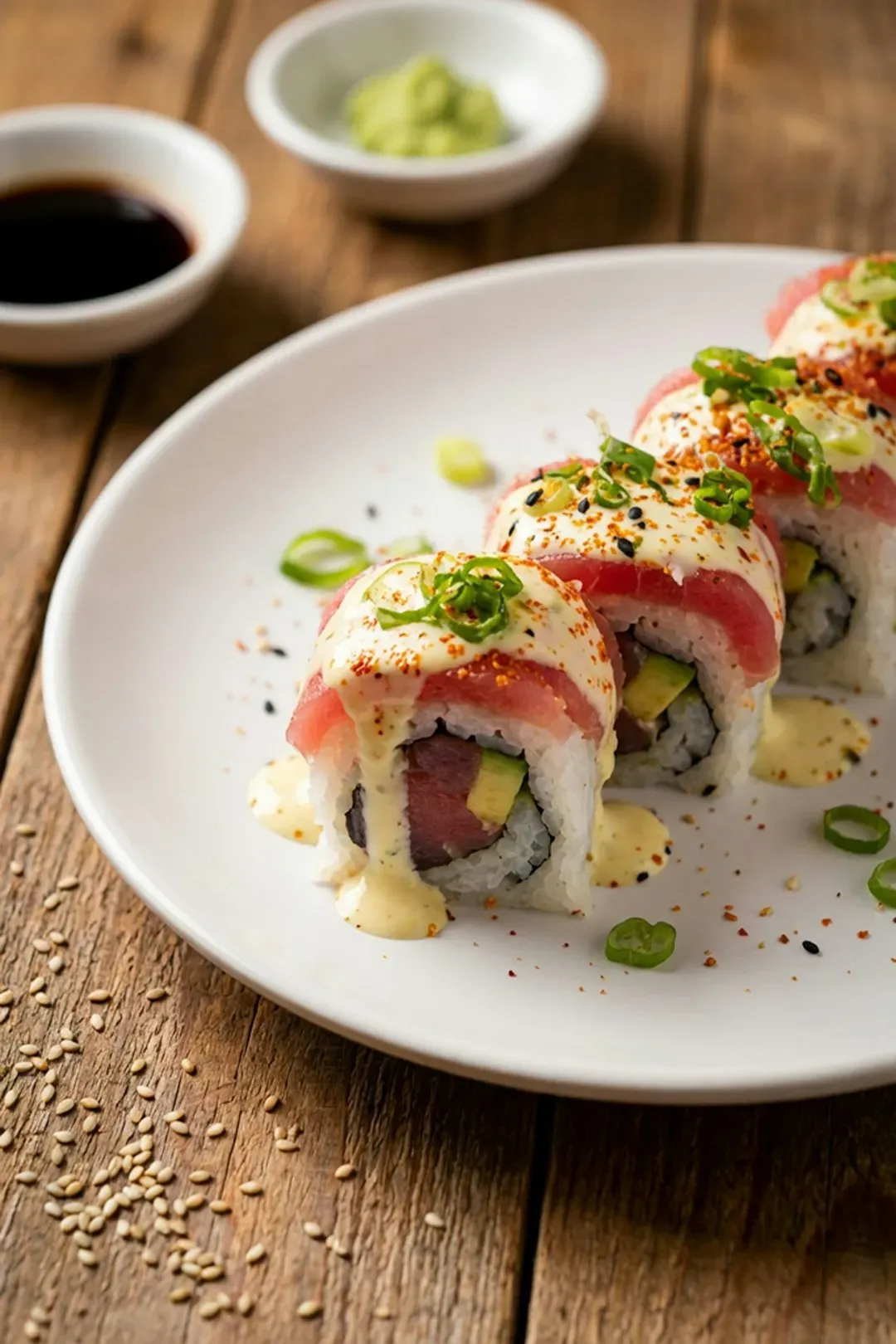
Sushi looks simple, yet the shopping list isn’t. You need sushi grade fish, short grain rice, rice vinegar, nori, and usually avocado, cucumber and sauces. Most of those items come in quantities far bigger than one dinner needs.
Restaurants buy fish in volume and use every part of what they purchase. A basic roll or a small combo plate often costs less than the raw fish alone would at a specialty fishmonger. Home sushi can be fun, but it seldom wins on price unless you’re feeding a crowd.
Indian Curry Dishes and Biryani
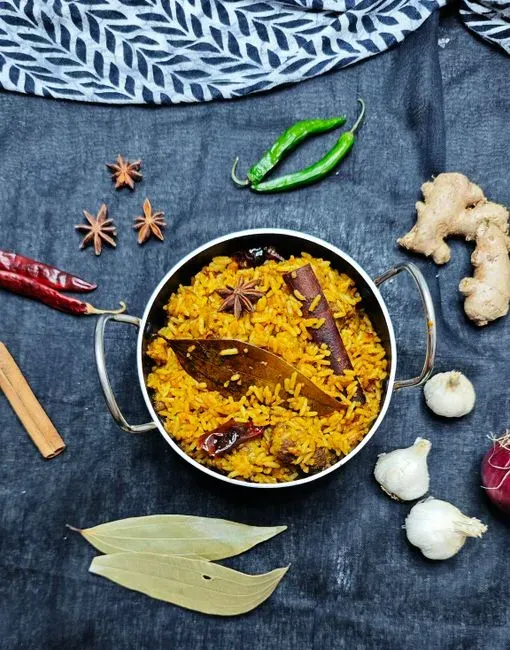
A good curry depends on layers of spices. Cumin, coriander, turmeric, cardamom, garam masala, fenugreek and chili each cost a few dollars, and most recipes use only a spoonful. If your spice rack is bare, the first batch is expensive.
Biryani adds saffron or other aromatics, basmati rice, yogurt and slow cooked meat. Many Indian restaurants offer lunch specials or buffets that bundle a curry, rice, bread and sometimes a side for a modest set price. Once you’ve bought the full spice kit, home cooking gets cheaper, but the starting hurdle is real.
Dim Sum
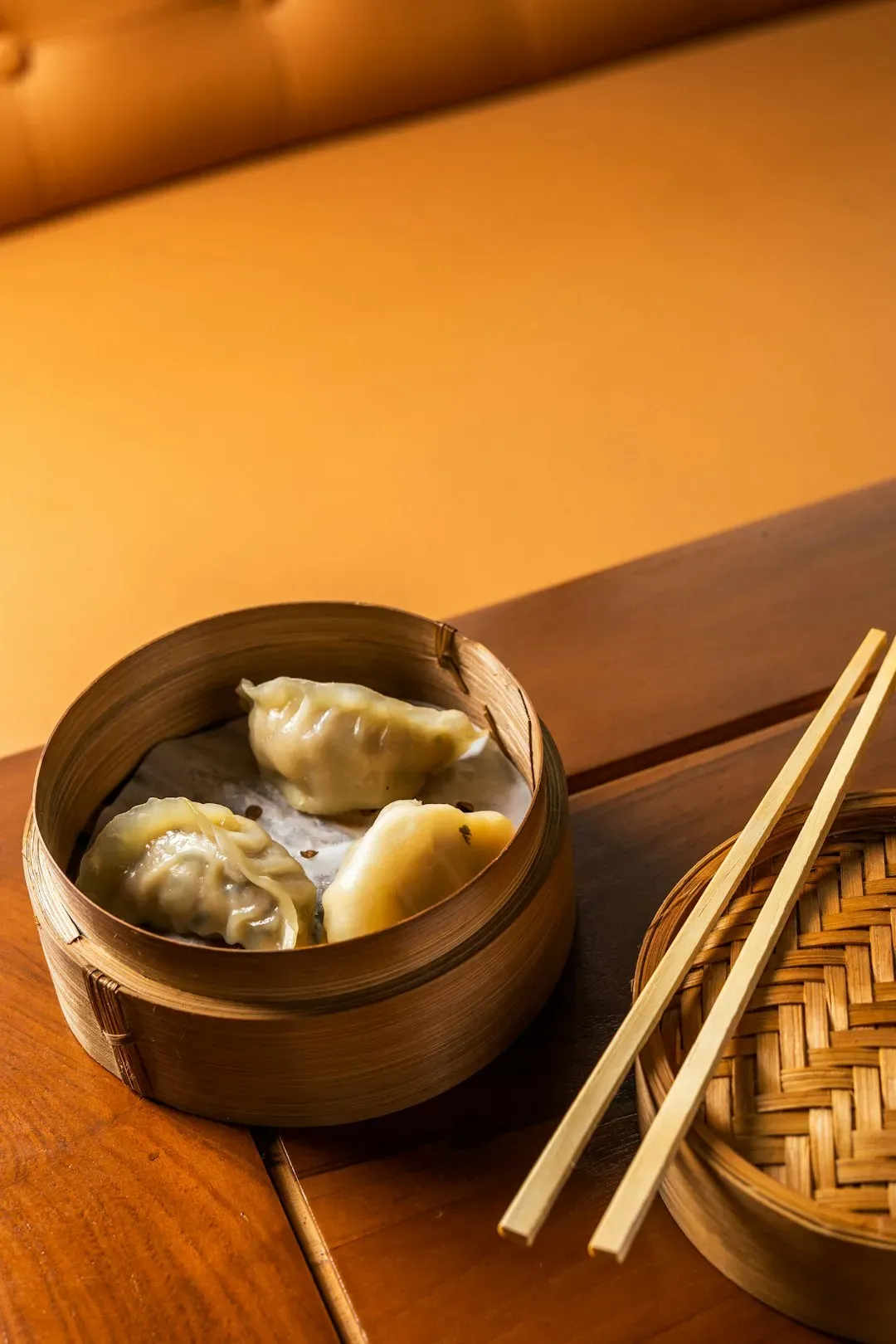
Dim sum is mostly labor. Wrappers must be rolled or sourced, fillings seasoned, and each dumpling folded and steamed by hand. A single order might include several different items, each with its own technique.
Making even three varieties at home can eat a whole afternoon. Meanwhile, a restaurant produces them in huge quantities with trained cooks, so a shared table of small plates can land at a reasonable price per person. Frozen dumplings from a store are cheaper still, though they’re a different experience.
Thai Curries and Specialty Dishes
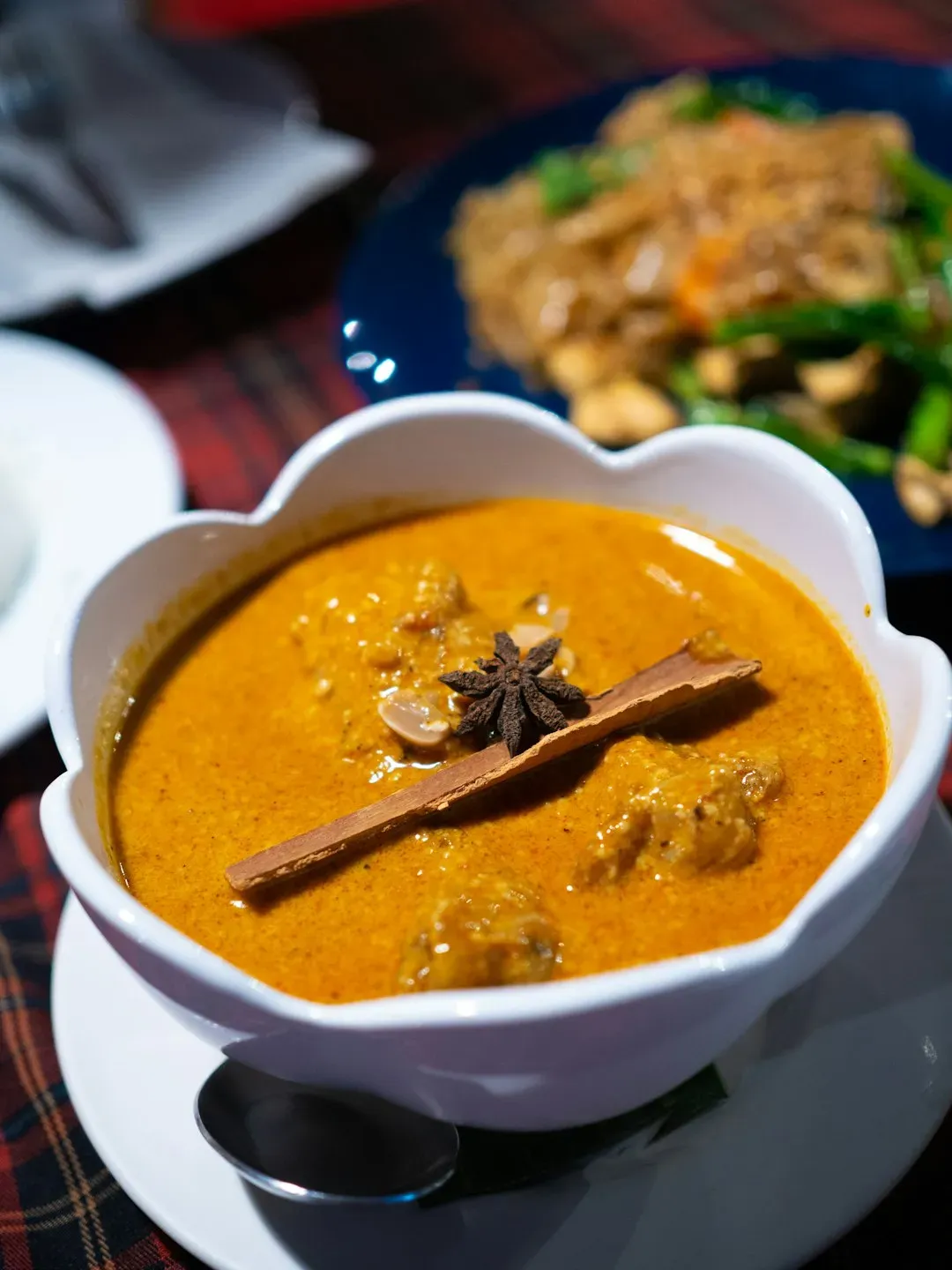
Thai cooking leans on fresh and uncommon ingredients such as lemongrass, galangal, makrut lime leaves, fish sauce and Thai basil. Many supermarkets stock them only in small packets, or not at all. Store bought curry paste helps, but coconut milk, protein and vegetables add up quickly.
Most of those ingredients spoil or sit unused after one recipe. A takeout curry with rice often costs about what you’d spend on the shopping alone. If you cook Thai food every week, the pantry investment pays off, but for an occasional craving, ordering out is hard to beat.
Barbecue Brisket and Pulled Pork
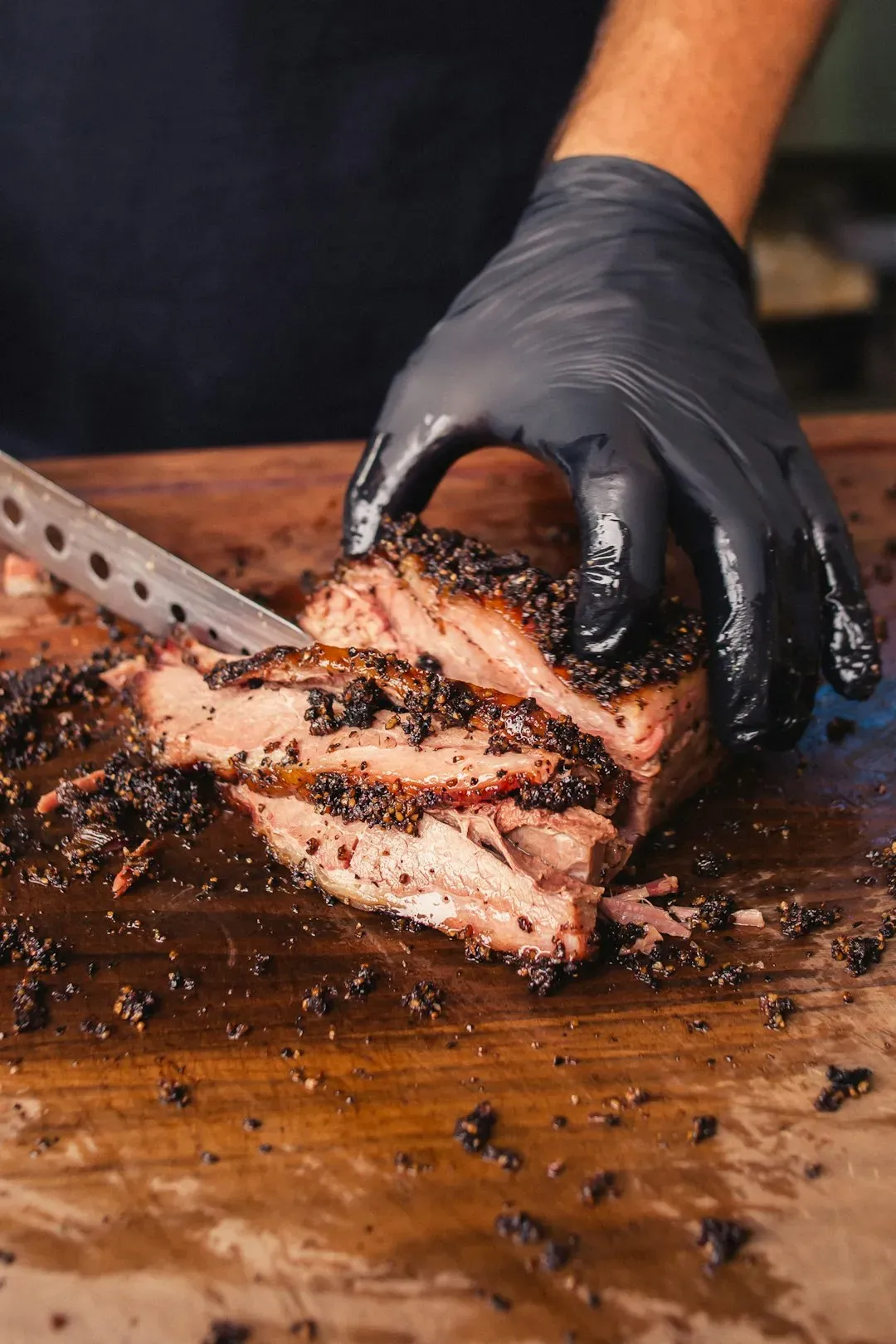
Smoked meat is expensive to make at home, and not only because of the cut. A whole brisket or pork shoulder is a large purchase, and smoking it takes many hours, plus wood or charcoal and a smoker or good grill. Mistakes with temperature can ruin the result.
Barbecue joints buy in bulk and run their smokers constantly. A sandwich or a half pound plate with a side lets you pay for exactly one serving. For a small household, avoiding a giant batch of leftovers is part of the savings.
Fried Chicken
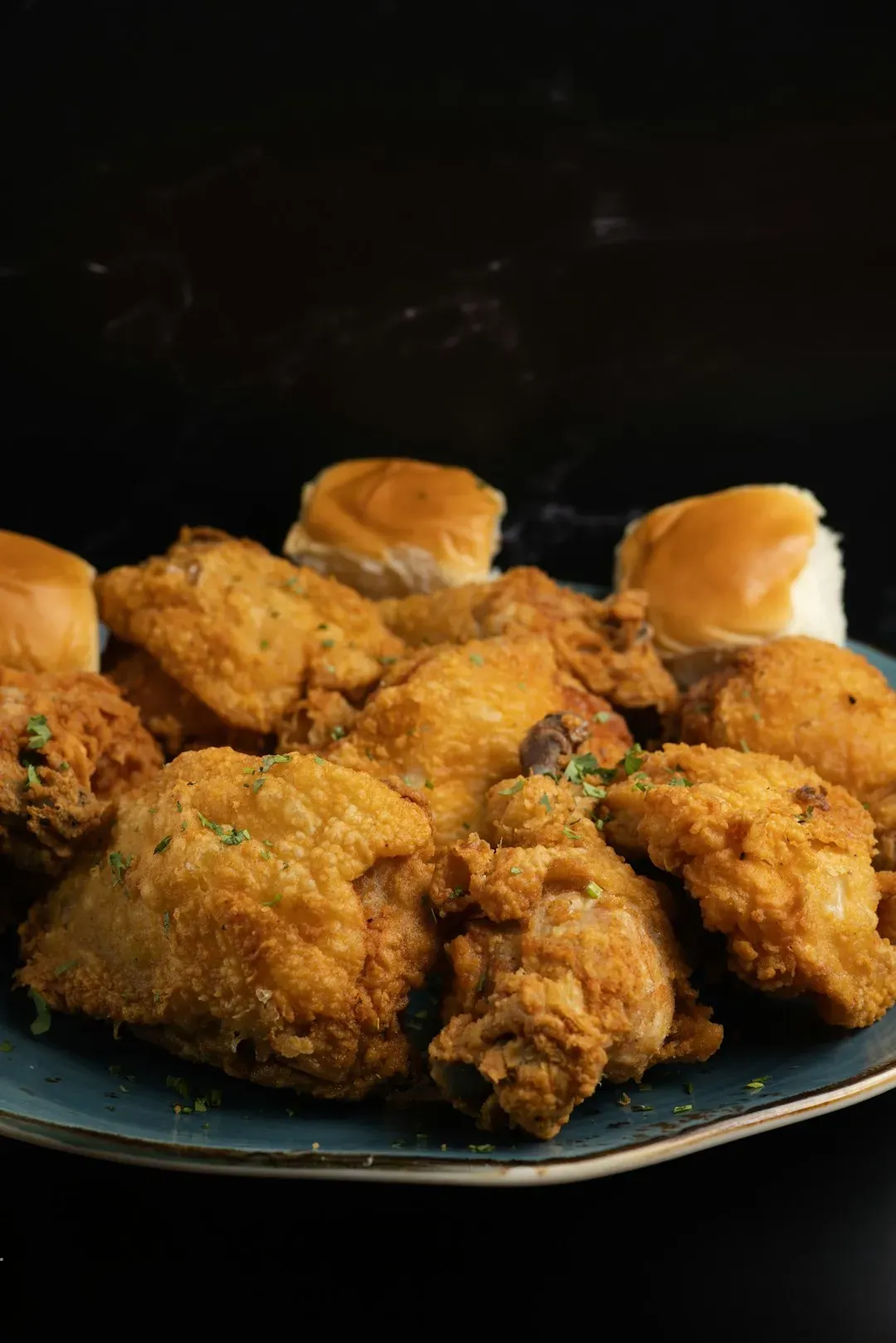
Frying chicken at home needs a lot of oil, often more than a quart for a decent pot. Add flour, buttermilk or brine, seasoning and a few pounds of chicken pieces, and the bill climbs. Used oil also has to be strained, stored or thrown away.
Chain and local restaurants often sell family meals with multiple pieces and sides at a fixed price. Because they buy oil and chicken wholesale, their cost per piece is lower than yours at retail. Cleanup is another cost you skip, even if it never shows up on a receipt.
Fish and Chips
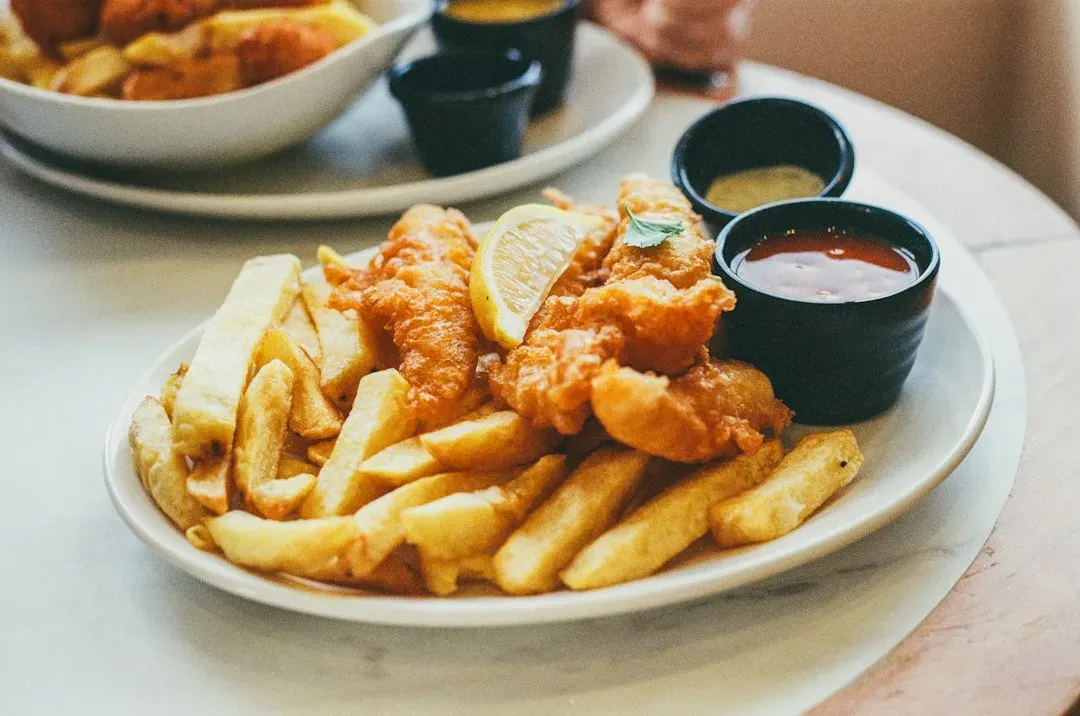
Fish and chips combines two things that are messy and costly to do at home. You need fresh white fish fillets, batter ingredients, potatoes, and a large amount of hot oil for two rounds of frying. Fish prices alone can be steep in many areas.
Pubs and seafood shops fry in volume, and their oil use is spread across many orders. A basket often costs about the same as the fillets at a fish counter. Home versions are tasty, but they rarely come in cheaper.
Bibimbap and Korean Side Dishes
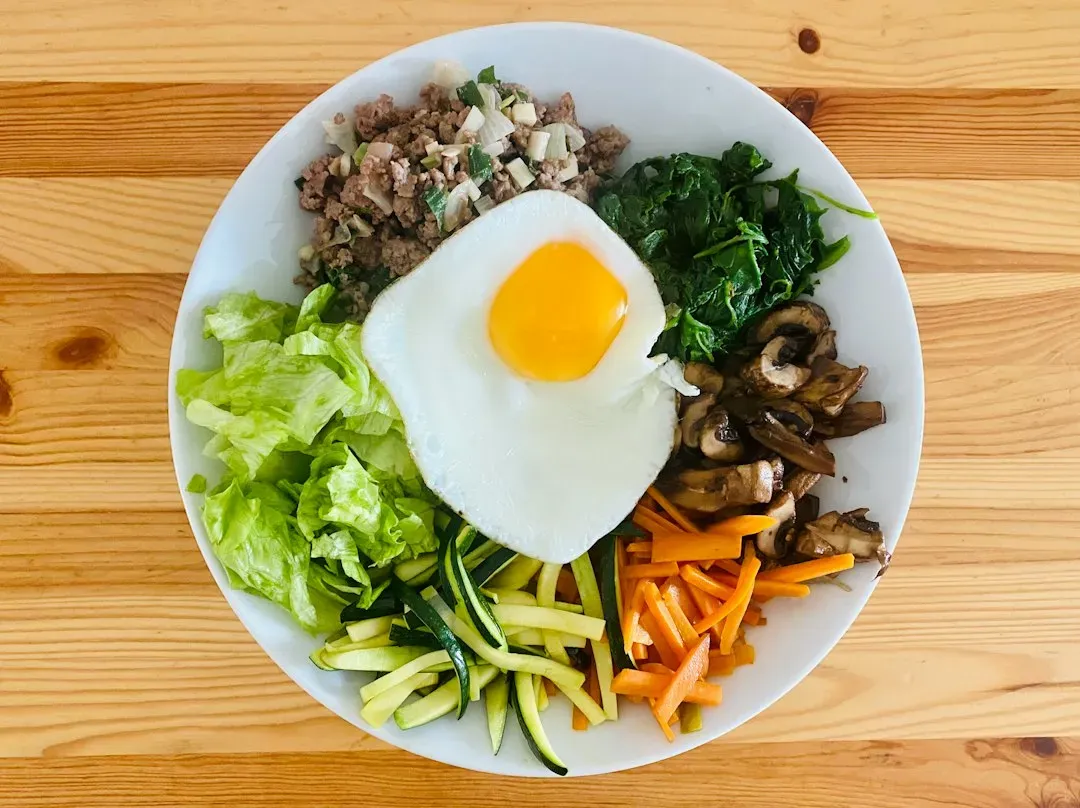
Bibimbap looks like a simple rice bowl, yet it needs several separately prepared toppings. Think sautéed spinach, seasoned bean sprouts, carrots, mushrooms, marinated beef, an egg and gochujang. Each component takes its own pan, time and ingredient.
Korean restaurants also tend to serve banchan, the small side dishes, with the meal. Making even a few of those at home requires extra shopping and prep. A single restaurant bowl often covers the equivalent of a dozen ingredients you’d otherwise buy whole.
Tamales
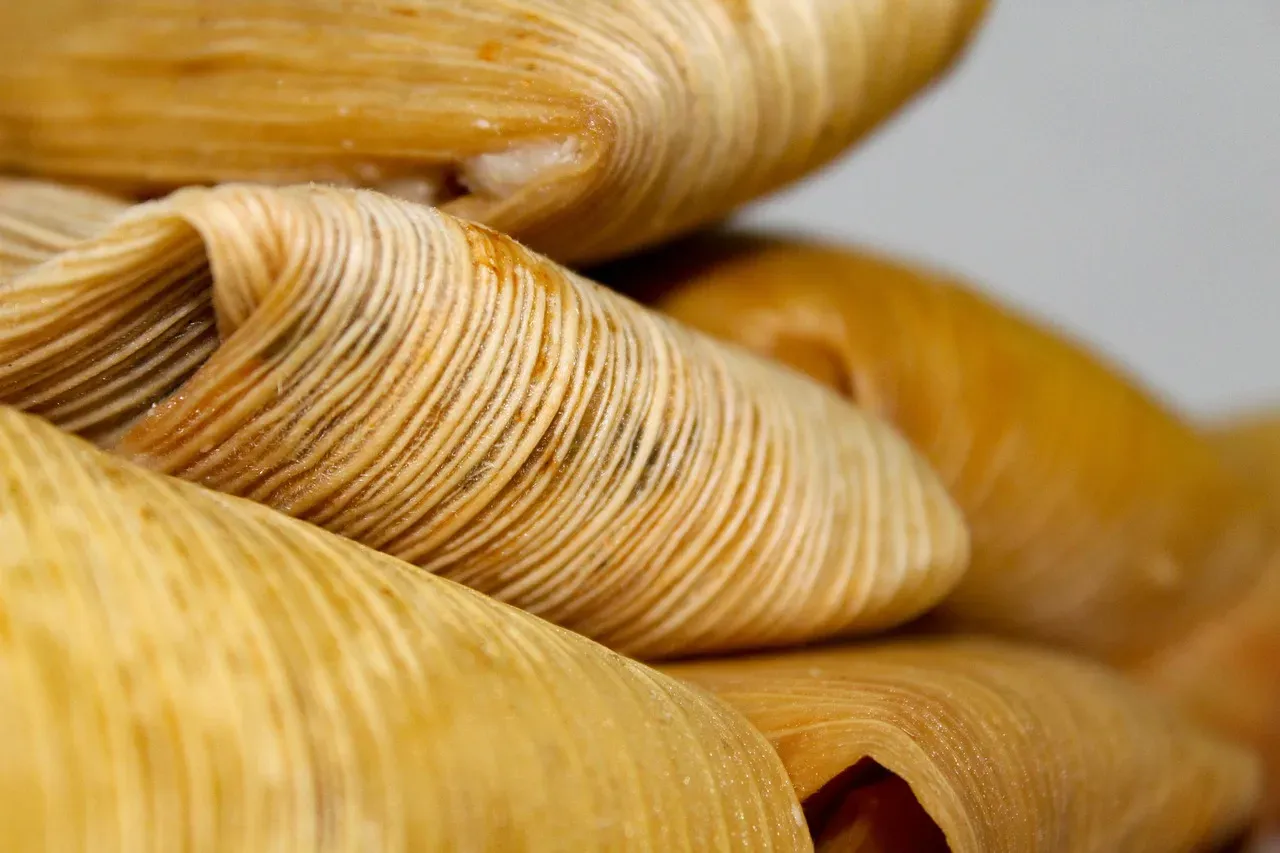
Tamales are famously a group effort. Masa must be mixed with fat and broth, fillings cooked, corn husks soaked, and every tamale assembled and steamed. A small batch is almost not worth the trouble, and a big batch takes hours.
Restaurants and local sellers make them by the dozen, so the price per tamale is usually low. Buying a few for dinner costs less than the ingredients and time of starting from scratch. If you do make them at home, it works best as a shared family tradition rather than a money saver.





Leave a Reply