
1. Full-Time RV Travel Across the Country
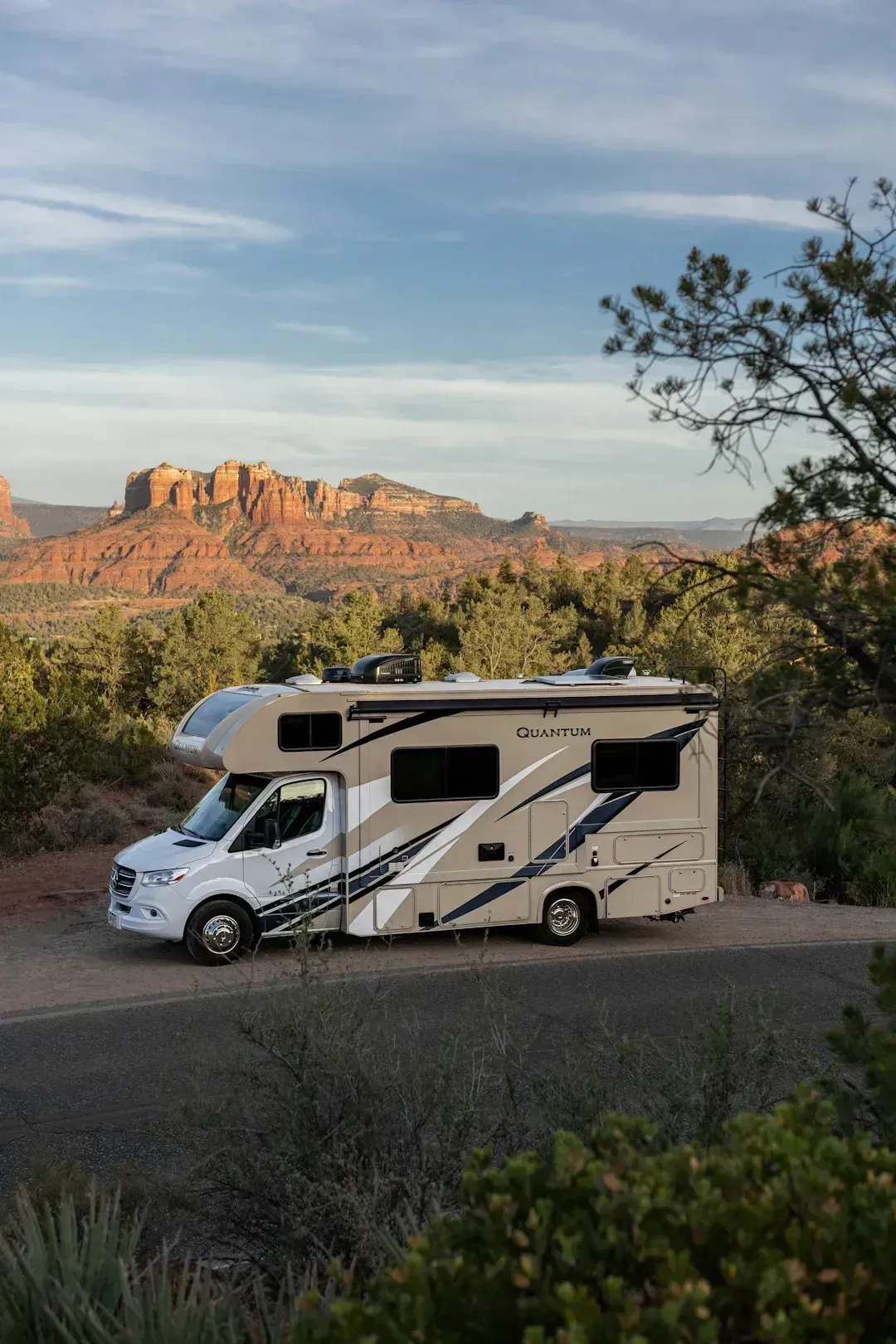
The image is familiar: selling the house, buying a rig, and chasing good weather from state to state with no mortgage weighing you down. The reality in 2026 is that full-time RV living can cost anywhere from $24,000 to $60,000 or more annually per couple, with most falling between $30,000 and $45,000. That range depends heavily on how often you move, since traveling RV living is significantly more expensive than staying put, with fuel, campsite fees, and maintenance easily pushing costs to $2,500 to $4,000 or more monthly.
The expense retirees underestimate most is repair costs. Many new full-timers budget only $100 a month and face financial trouble when an air conditioner fails for $2,500, a slide-out breaks for $1,800, or a roof develops a leak costing $3,000 or more. Health insurance adds another layer of complexity, since it’s one of the trickiest parts of full-time RV life because many employer-sponsored plans are network-restricted, meaning coverage may not extend outside your home state. Add financing costs, since interest rates on RV loans in 2026 are running higher than they were a few years ago, and the freedom fantasy starts to look like a second mortgage on wheels.
2. Buying the Boat You Always Wanted

A boat sitting at the dock looks like pure leisure, but the ownership math tells a different story. The industry’s long-standing guideline holds that annual maintenance for the boat costs 10 percent of the boat price on average, but you’ll also have to consider other costs like insurance, storage or mooring, fuel, registration, and repairs. For a modest fifty-thousand-dollar boat, that alone works out to roughly five thousand dollars a year before a single unexpected repair. And repairs come regularly. Collectively, new boat owners pay around five thousand to eight thousand dollars per year in maintenance costs, and that figure climbs fast with size. The true monthly cost of boat ownership can run two to three times what most first-time buyers expect once loan payments, insurance, marina storage, and depreciation are added together. Slip fees alone can be brutal in popular boating regions, where wet slips run thirty to fifty dollars per foot per month, meaning nine hundred to fifteen hundred dollars a month for a thirty-foot boat just to park it.
3. Joining a Country Club to Play Golf Every Day

Unlimited tee times and a built-in social circle sound like an ideal retirement, but the entry price has climbed sharply in recent years. From 2019 to 2022, median country club initiation fees rose from twenty-nine thousand dollars to fifty thousand dollars, a seventy-two percent increase. At the high end, initiation fees at America’s elite private golf clubs range from one hundred thousand dollars to over five hundred thousand dollars, and are rarely refundable.
Dues do not stop once you are in the door. Annual dues at top clubs run ten thousand to thirty thousand dollars or more and cover operations but not most individual services. On top of that, members regularly absorb thousands more each year in food and beverage minimums, caddie fees, locker rentals, equipment storage, guest fees, and special assessments for renovations, with food and beverage minimums alone reaching two thousand to ten thousand dollars annually. A club membership can be a wonderful part of retirement, but it functions more like a recurring luxury subscription than a one-time splurge.
4. A Second Home for Weekends and Grandkids

The vacation home dream usually starts with a happy memory from a rental somewhere beautiful, followed by the thought that owning would be cheaper than renting forever. In practice, buying a second home effectively doubles your housing expenses, and that’s before counting the extras that come with a property nobody lives in full time. Insurance is one of the quieter surprises, since homeowner’s insurance typically costs four dollars per one thousand dollars of home value, meaning a five hundred thousand dollar home runs about two thousand dollars annually, and that number jumps considerably if the home is ever rented out. Ongoing upkeep tends to be the part people forget to budget for. Second home buyers often underestimate and don’t plan for things like repairs, upkeep, home management services, security systems, decor, and furnishings. Financial advisers who work with second-home owners note that it’s often the cumulative effect of smaller, recurring expenses like electricity, heat, and internet that don’t feel significant individually but add up over time. Add a property manager for the months nobody visits, and the getaway retreat starts competing with the primary home’s budget.
5. Retiring Full Time at Sea on a Cruise Ship

Trading a house for a cabin and letting the ship handle meals, housekeeping, and entertainment has become a genuinely popular retirement idea, fueled by social media videos of retirees sailing between ports. The economics can work for some budgets, since you can live on a cruise ship for as little as twenty-eight thousand dollars a year, which for many retirees is more affordable than paying off a mortgage. But that number assumes disciplined, budget-conscious booking, and most people don’t sail that way.
Book more typical mid-range cruises instead, and the average person spends approximately two hundred eighty-six dollars per day aboard a cruise ship, which works out to a little more than one hundred four thousand dollars a year for a nomadic, ship-to-ship retiree. Over a full retirement that gap becomes enormous, since a twenty-year retirement spent living on a cruise ship this way costs an average of over two million dollars. Even the newer residential ship concepts carry steep price tags, with condo-style units starting at two thousand one hundred fifty-two dollars per person per month plus annual assessment fees that many buyers don’t fully price in until after they’ve committed.
6. Moving Abroad for a Lower Cost of Living

Retiring to a country where the dollar or euro stretches further is one of the oldest retirement dreams, and it genuinely does work for many people, especially in parts of Latin America and Southeast Asia where daily expenses run well below U.S. levels. The expenses that catch people off guard are rarely the everyday ones. Health insurance that doesn’t transfer internationally, currency swings that quietly erode a fixed pension, property laws that limit foreign ownership, and the cost of periodic flights home to see family all chip away at the savings that made the move attractive in the first place. Visa and residency requirements in many popular retirement destinations also come with minimum income thresholds, application fees, and renewal costs that need to be paid year after year, not just once. Add the expense of shipping belongings overseas, furnishing a new home from scratch, and hiring local legal help to navigate property purchases, and the first year or two abroad often costs far more than the brochure-style retirement calculators suggest. The dream still works for plenty of retirees, but it works best for those who budget for the paperwork and the exchange rate, not just the lower grocery bill.
7. Starting a Hobby Farm or Homestead

A few acres, some chickens, a vegetable garden, and a slower pace of life appeal to a specific kind of retiree who is tired of city living. What rarely makes it into the fantasy is how much infrastructure a working piece of land actually needs. Fencing, well and septic systems, a functional barn or coop, and equipment like tractors or tillers can easily run into the tens of thousands of dollars before the first tomato is harvested. Ongoing costs add up just as quickly. Feed prices, veterinary bills, equipment repairs, and property taxes on agricultural or rural land don’t pause because you’re retired and living on a fixed income. Many new hobby farmers also discover that the physical demands are considerable, which means hiring help for tasks they assumed they would handle themselves, adding labor costs on top of the land and equipment expenses that already stretched the budget.
8. Downsizing to a Tiny House or Minimalist Cottage
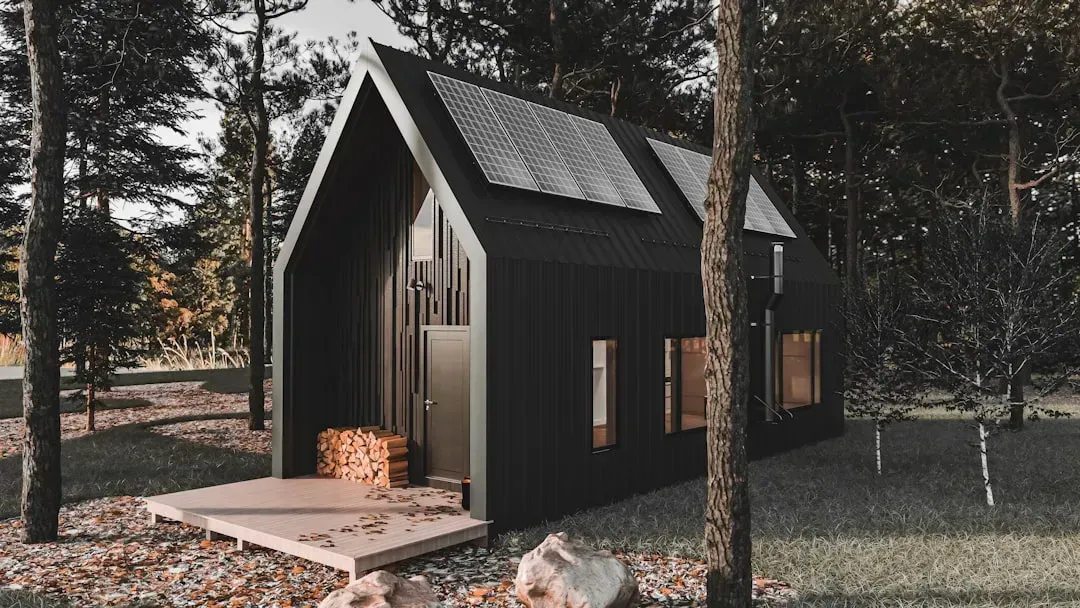
The tiny house movement promises a smaller footprint and a smaller bill, and for some retirees it delivers exactly that. The complication is that a true tiny house often needs to be custom built, and custom construction rarely comes cheap on a per-square-foot basis. Land, utility hookups, permitting, and septic or well installation frequently cost as much for a four-hundred-square-foot home as they would for a much larger conventional house, since those systems don’t shrink along with the living space. Storage is the other underestimated cost. Most downsizers end up paying for an offsite storage unit for years, or spending money building custom shelving and multipurpose furniture to compensate for lost square footage. Zoning restrictions in many municipalities also limit where tiny homes can legally be placed as a primary residence, which sometimes forces buyers into pricier land purchases just to stay compliant, quietly erasing much of the savings the smaller home was supposed to provide.
9. Helping Adult Children and Grandchildren Financially

Many retirees plan to help fund a grandchild’s education, cover a down payment for an adult child’s first home, or simply be available for emergencies once the working years are behind them. This is less a single purchase than an open-ended commitment, and it’s one of the hardest retirement expenses to budget precisely because it depends on other people’s circumstances. A modest one-time gift can quietly become a recurring pattern of support once family members know the help is available. The risk isn’t generosity itself but the absence of a firm limit. Retirees who set aside a specific, capped amount for family support tend to fare far better than those who respond to each request as it comes, since the latter approach can slowly drain retirement savings meant to last twenty or thirty years. Financial planners consistently point to this kind of open-ended family assistance as one of the least visible but most consequential retirement expenses, precisely because it rarely shows up in a spreadsheet until the balance is already lower than expected.
10. Launching a Passion-Project Business

Opening a small bakery, a bed and breakfast, a consulting practice, or a boutique shop is a common retirement goal for people who spent decades working for someone else and want one more chapter on their own terms. The appeal is real, but small businesses of any kind tend to lose money in their early years, and retirees often fund that gap directly out of retirement savings rather than reinvested profit, since there’s no longer a paycheck to fall back on. Licensing, insurance, inventory, marketing, and simply learning the operational side of a business all cost more than most first-time owners expect. The bigger risk for retirees specifically is time. A traditional career has decades to recover from a slow business launch or a rough first few years; a retirement nest egg does not have that runway. Money that goes into inventory, storefront leases, or equipment is money withdrawn from savings that also need to cover healthcare and daily living expenses for the rest of retirement, which means a struggling passion project can put far more at risk than it would for a younger entrepreneur with years of working life left to recover.
None of these ten dreams are bad ideas on their own. Each one has genuinely made retirement better for people who planned around the real numbers rather than the romanticized version. The common thread is simple: the sticker price is rarely the true price, and the gap between the two tends to show up quietly, one bill at a time, long after the decision has already been made.



Leave a Reply