
Stopping at Every Buc-ee’s, No Matter the Detour
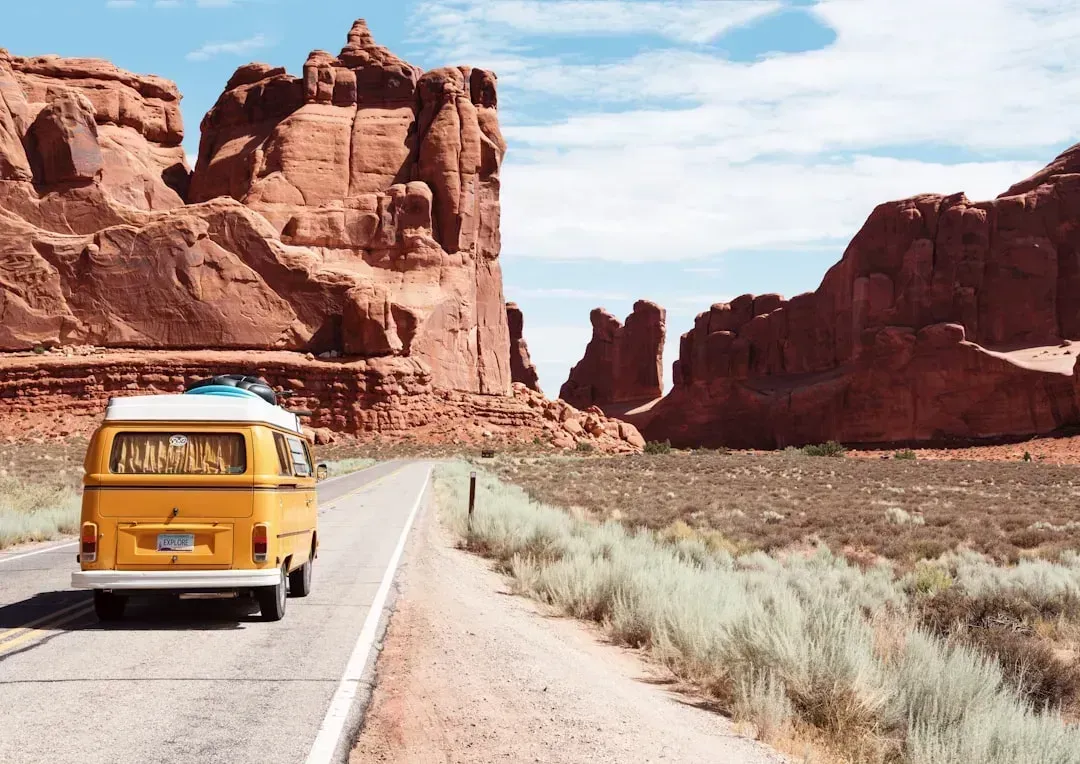
For a lot of Southern travelers, a road trip route isn’t planned around highways so much as it’s planned around Buc-ee’s locations. The Texas-based chain has expanded well beyond its home state in recent years, with new locations opening across states like Alabama, Florida, and Tennessee, and each one tends to draw a loyal crowd willing to go out of their way. People outside the region often assume it’s just a gas station, but regulars treat it more like a mandatory pilgrimage stop.
The appeal isn’t really about fuel prices, it’s about the sheer scale and the snacks. Beaver Nuggets, brisket sandwiches, and wall-to-wall bathroom stalls have turned these stops into a genuine cultural touchstone rather than a simple pit stop. Ask a Southerner why they drove twenty extra minutes for it, and they’ll likely just shrug like the answer should be obvious.
Bringing a Cooler Full of Food Instead of Stopping to Eat
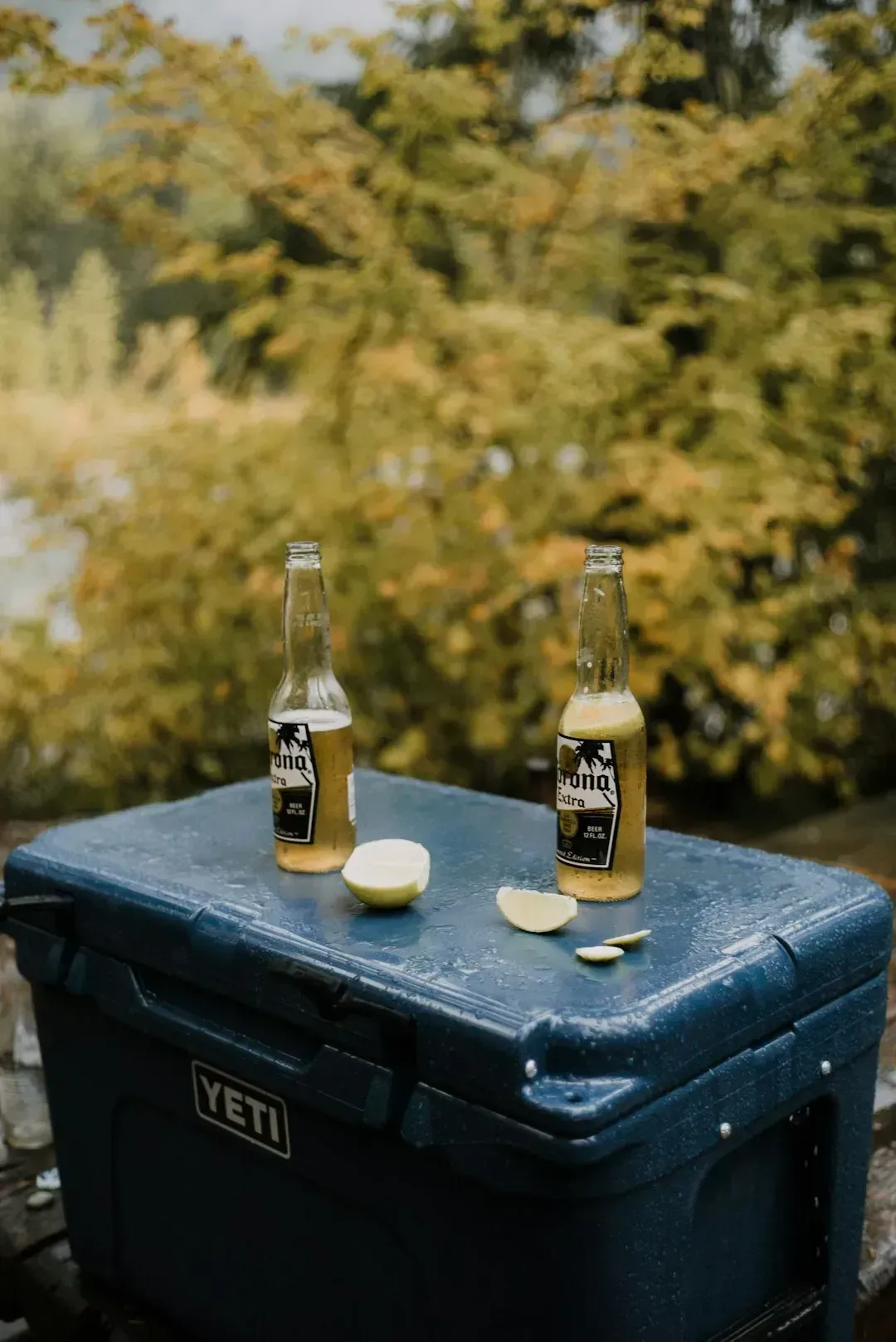
In much of the South, packing a cooler before a road trip is treated with the same seriousness as checking the oil. Fried chicken, boiled eggs, pimento cheese sandwiches, and homemade pound cake often make the cut, all packed with the assumption that stopping at a restaurant wastes both time and money. This habit tends to baffle travelers from other regions who see road trip food stops as part of the fun rather than something to avoid.
There’s also a practical logic behind it that goes back generations, particularly in rural areas where restaurant options along the highway used to be sparse. Even now, with fast food chains at nearly every exit, many Southern families keep the cooler tradition alive simply because it feels more like home. Eating gas station food is sometimes seen as a last resort rather than a choice.
Praying Before Leaving the Driveway
A quick prayer before pulling out of the driveway is common enough in Southern households that it barely registers as unusual to the people doing it. This is tied closely to the region’s religious culture, where the Pew Research Center has found the South remains the most religious region in the country by several measures, including church attendance and stated importance of religion in daily life. Asking for safe travels, even for a short trip to the grocery store, is treated as basic common sense rather than a formal ritual.
Visitors from more secular parts of the country are sometimes caught off guard by how automatic this is, especially when it happens mid-conversation without any real pause or announcement. It’s rarely performative, more of a quiet habit woven into daily life. For many families, skipping it would feel stranger than doing it.
Waving at Every Car That Lets You Merge
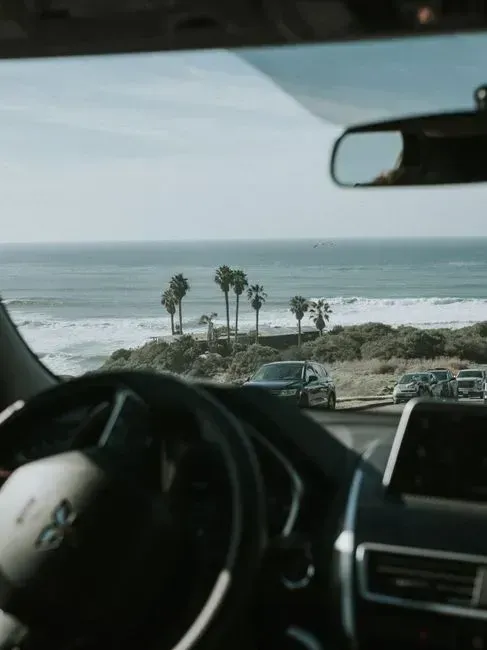
The two-finger wave off the steering wheel is practically reflexive on Southern highways, extended to strangers as a simple thank you for letting a car merge or pass. It’s such a small gesture that most Southerners don’t even think about it, yet drivers from bigger cities sometimes notice it immediately because it’s so different from what they’re used to. In places where traffic moves fast and courtesy waves aren’t the norm, this can come across as almost quaint.
The habit extends beyond highways too, showing up on rural roads where passing another car might mean a full wave rather than just a finger lift. It’s less about formal politeness and more about a general expectation that drivers acknowledge each other. Skipping the wave, especially in smaller towns, can occasionally read as a minor social slight.
Giving Directions Using Landmarks Instead of Street Names
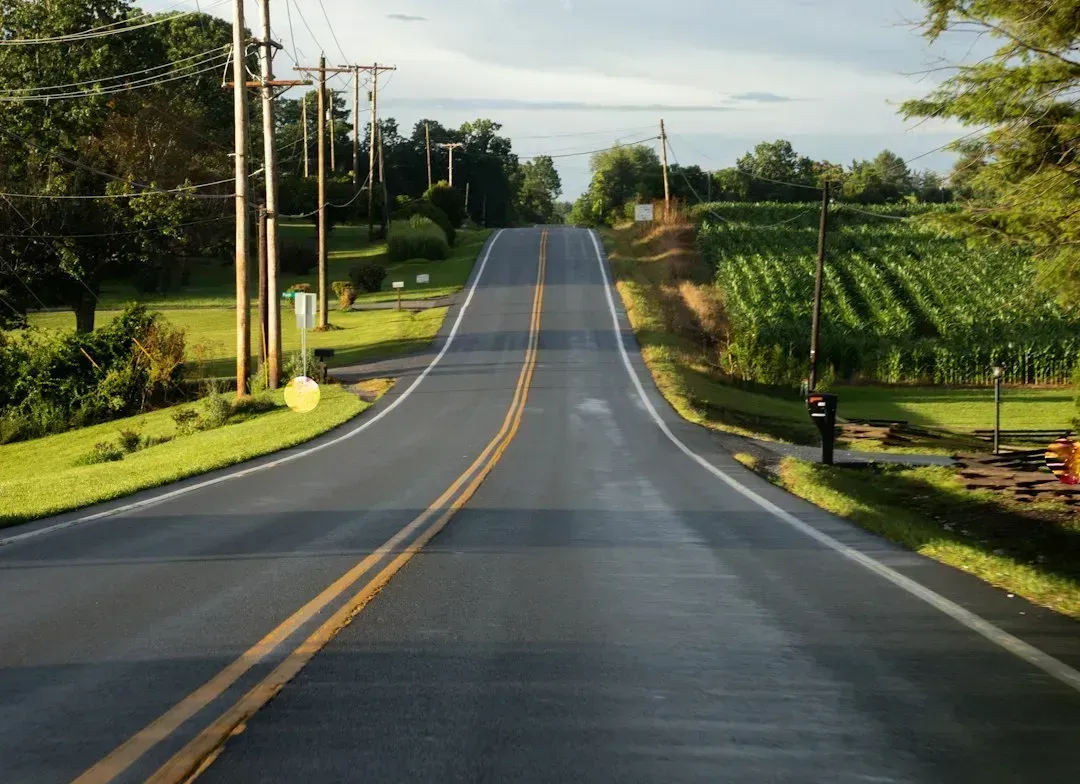
Ask someone in a small Southern town for directions, and there’s a good chance you’ll get something involving a church, an old gas station, or “the place where the Hardee’s used to be” rather than an actual street name. This isn’t laziness so much as a reflection of how many rural roads either lack clear signage or have names that locals simply never use in conversation. GPS has changed this somewhat, but plenty of longtime residents still default to landmark-based directions out of habit.
For visitors relying purely on digital navigation, this can create some confusion when a local tries to “help” by adding extra context that doesn’t match what’s on the screen. It’s usually well-intentioned, since locals genuinely believe landmarks are easier to follow than street names that change without warning. More often than not, the landmark method actually works, assuming you know what used to be there.
Timing the Trip Around Church, Not the Clock
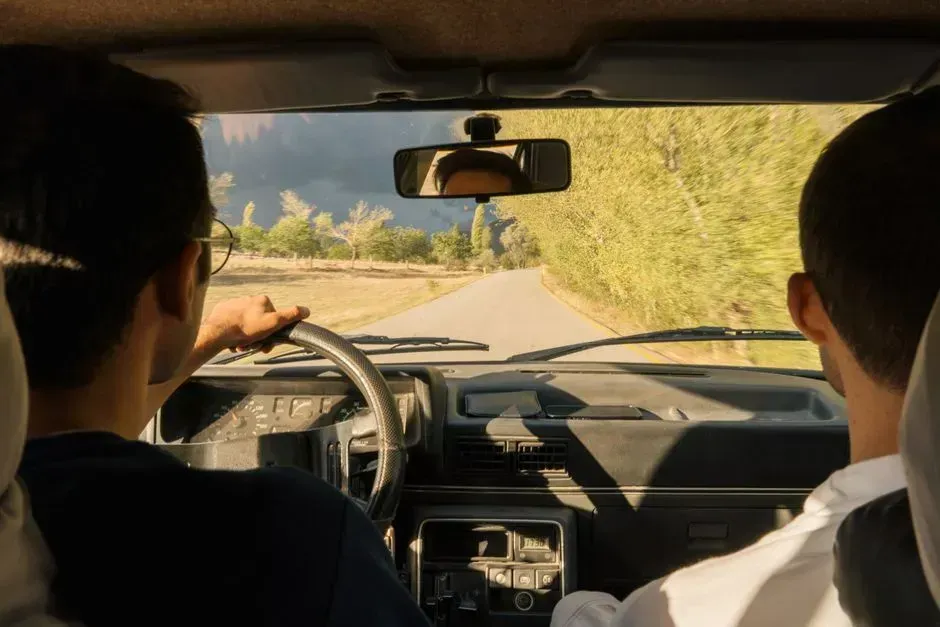
Road trip departure times in many Southern families revolve around Sunday morning service rather than simply picking a convenient hour. Leaving right after church lets is a familiar pattern, especially for shorter weekend trips, and it’s rarely questioned within the family. Outsiders sometimes find it odd that a road trip schedule bends around a specific religious commitment rather than the other way around.
This habit connects back to the broader pattern of church attendance shaping weekly routines across much of the region. It’s not unusual for extended family gatherings, cookouts, or road trips to be scheduled specifically to follow the noon service. For families who’ve always done it this way, building the whole day around church simply feels like the natural order of things.
Treating Gas Station Boiled Peanuts as a Legitimate Snack
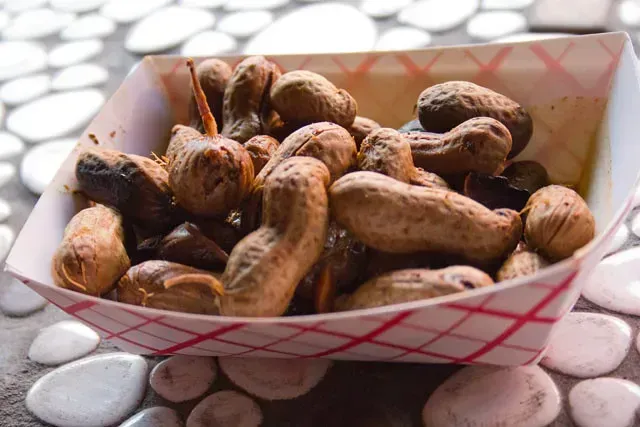
Boiled peanuts sold in gas stations and roadside stands are a normal road trip snack across much of the South, showing up in crockpots near the register in states like South Carolina, Georgia, and Louisiana. For newcomers, the idea of warm, salty peanuts served in a paper cup from a gas station can seem unusual, even slightly suspect. Locals, however, treat it as one of the more dependable snack options available on a long drive.
The tradition dates back generations, tied closely to the region’s peanut farming history, particularly in states where peanuts have long been a significant agricultural crop. Roadside stands selling them, sometimes out of the back of a truck, are still a common sight in rural areas. Skipping a boiled peanut stop on a long drive through certain parts of the South can feel like missing the point of the trip entirely.
Calling Every Soft Drink a “Coke”
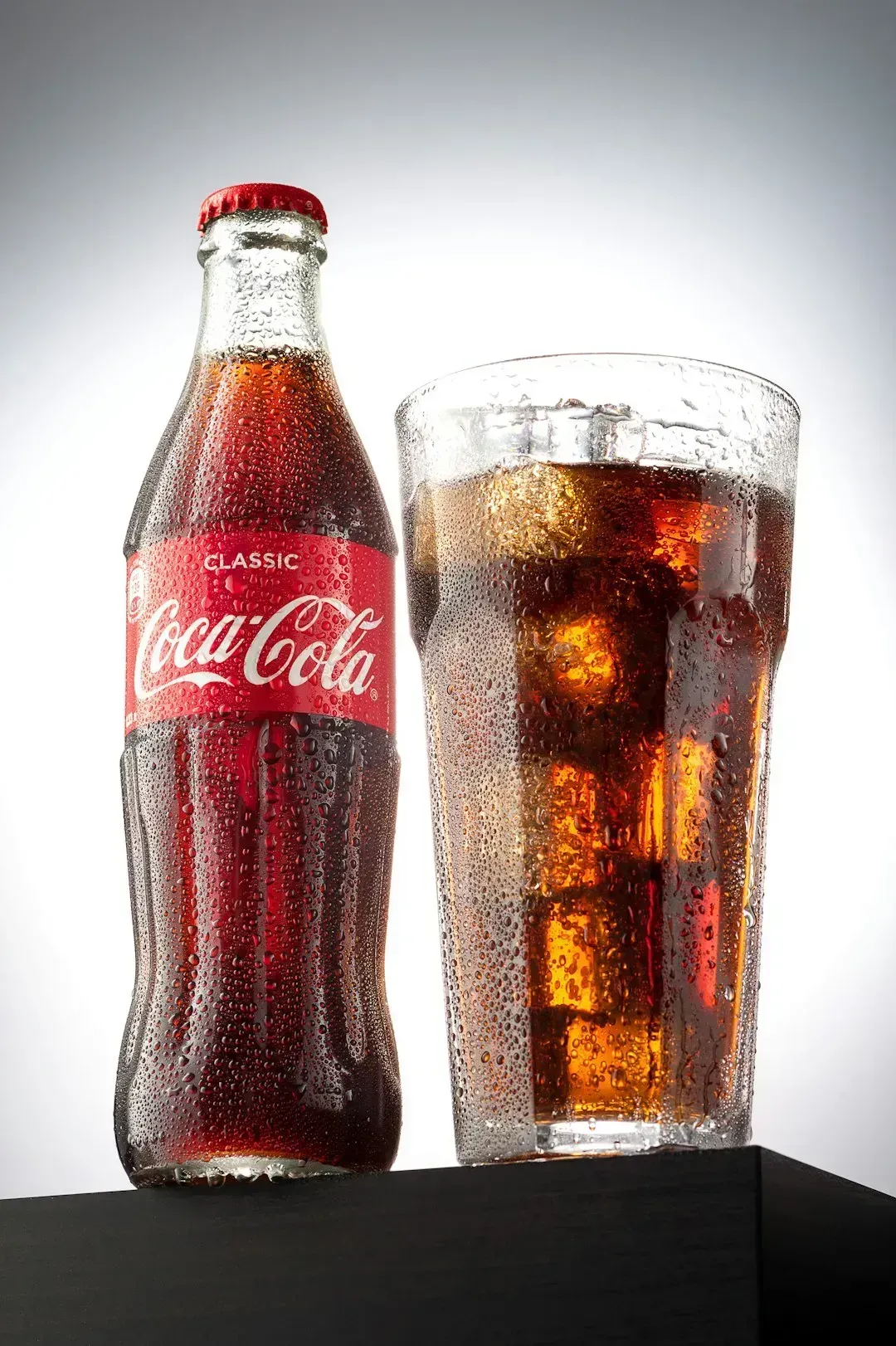
In much of the South, ordering a “Coke” doesn’t necessarily mean Coca-Cola specifically, it can mean any soft drink at all, including Sprite, root beer, or Dr Pepper. This regional dialect quirk has been documented extensively by linguists studying American speech patterns, and it tends to genuinely confuse road trip companions from other parts of the country who take the word literally. A waiter or gas station clerk asking “what kind of Coke do you want” makes perfect sense locally, even though it sounds contradictory to outsiders.
This habit carries over directly into road trip pit stops, where ordering “a Coke” at a diner might result in a follow-up question rather than an actual Coca-Cola showing up. Visitors sometimes assume it’s a mistake rather than a regional norm, especially in states like Georgia, Alabama, and Mississippi where the pattern is particularly strong. It’s a small linguistic habit, but it trips up more travelers than almost anything else on this list.
Judging Restaurant Stops by the Parking Lot, Not the Reviews
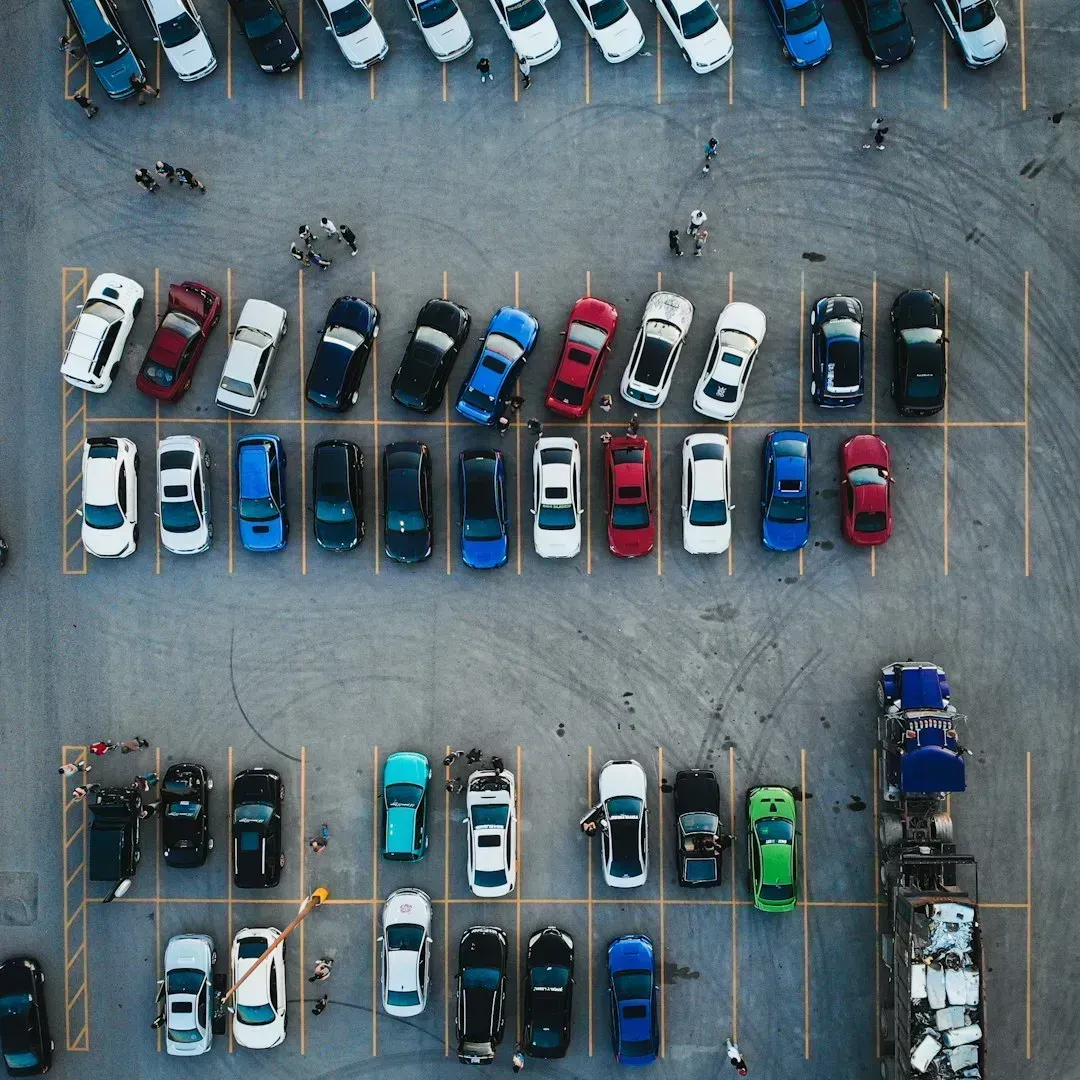
Rather than checking online reviews, many Southern road trippers judge a restaurant stop by how full the parking lot is, especially for barbecue joints and diners along rural highways. A packed lot at an odd hour is generally read as a strong sign the food is worth the stop, regardless of what a phone app might say. This habit predates smartphones entirely and still holds surprising weight even now that most travelers have instant access to ratings.
Out-of-towners relying on apps sometimes miss out on some genuinely well-regarded spots simply because they don’t show up prominently online, particularly in smaller towns with limited digital footprints. Locals tend to trust word of mouth and visible popularity over star ratings, viewing a busy lot as more reliable than a five-star review from someone passing through once. It’s an old habit, but one that still holds up more often than not on rural stretches of highway.
Referring to Any Nearby City as “Just Up the Road”
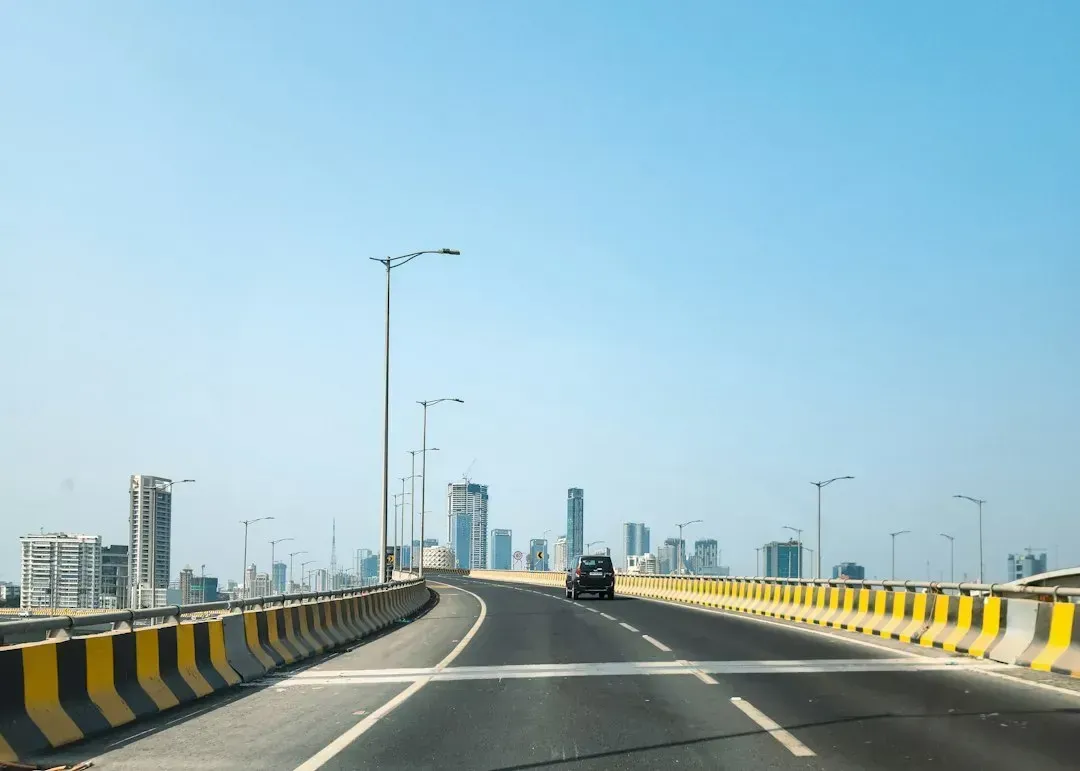
Distance gets described loosely in much of the South, where a city thirty or even sixty miles away might still get called “just up the road” without much hesitation. This tends to catch visitors off guard, especially those used to more precise mileage-based directions common in other parts of the country. What counts as “close” varies quite a bit depending on how rural the area is and how used locals are to longer drives between towns.
In states with large stretches of rural land, this kind of casual distance-speak is partly practical, since nearby actually can mean an hour or more without much traffic to slow things down. Visitors sometimes end up committing to trips that are far longer than they expected based on how casually the distance was described. Locals rarely see this as misleading, since to them, an hour on an open highway genuinely doesn’t feel that far.
Southern road trip culture tends to hold onto these small traditions even as travel habits shift elsewhere, and much of it comes down to a mix of history, geography, and a genuine sense of hospitality that shapes how people move through the region. What looks unusual from the outside is usually just a practical, long-standing way of doing things that’s stuck around because it still works.


Leave a Reply