
There’s a kind of quiet science that happens behind the counter at every fast food restaurant. Workers take hundreds of orders a day, and over time they start picking up on patterns – not just in what people order, but in how they order it. Tone, timing, eye contact, the number of modifications on a ticket: all of it adds up.
According to behavioral food expert Juliet Boghossian, food-related habits can genuinely reveal facets of an individual’s personality and behavioral tendencies. Fast food workers, whether they realize it or not, are front-row observers of exactly that every single shift.
1. Ordering the Exact Same Thing Every Visit
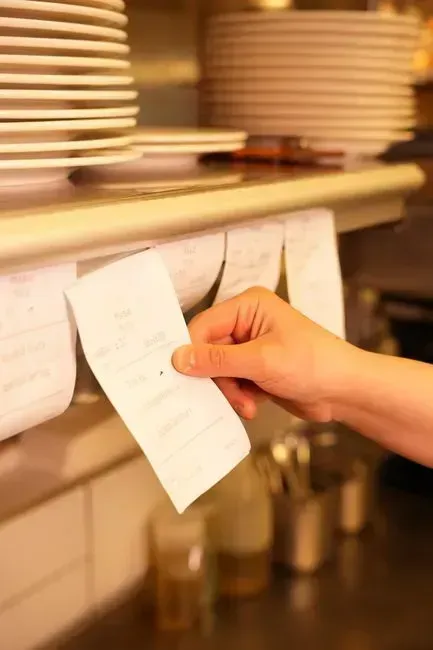
The world can be unpredictable, but dinner doesn’t have to be. People who order the same thing over and over often value consistency in other areas of their lives, too, and knowing exactly what they’ll get brings them comfort and control. Workers spot these regulars immediately. They’re calm, decisive, and rarely make eye contact with the menu board.
Our brains make roughly 35,000 decisions every day, and menu predictability eliminates one more decision from an already overwhelming list. Research from Cornell University suggests that reducing trivial decisions helps preserve cognitive resources for more important choices. The person who always gets the same combo isn’t boring. They’ve simply decided this particular decision isn’t worth spending energy on.
2. A Long List of Modifications
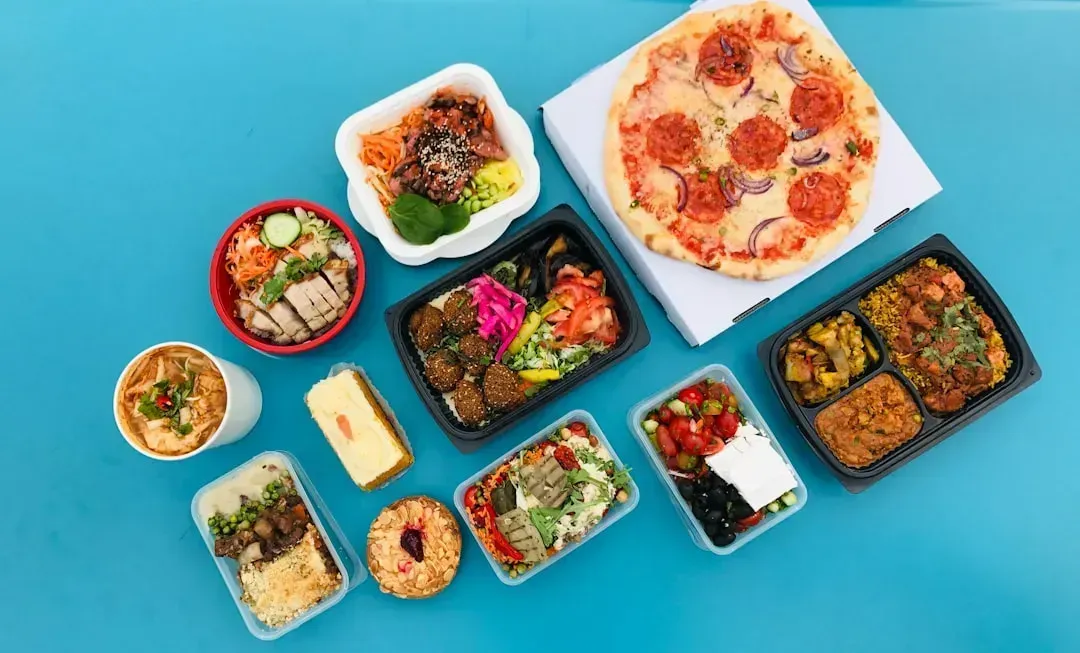
You can tell a lot about someone by the way they order food. Some people treat menus like an adventure. Others treat them like a negotiation. Customers who load up their order with substitutions – no onions, extra sauce on the side, the bun lightly toasted but not too much – are signaling something specific. They like control, and they’re not shy about exercising it.
This is a sign of food control behavior. Psychologically, it gives them a sense of safety and certainty, and they rarely experiment because the unknown feels uncomfortable. Workers who handle a heavily modified ticket aren’t annoyed so much as they’re quietly reading the room. A long list of changes usually means this customer knows exactly what they want in most areas of life.
3. Ordering Something Totally New or Limited Edition
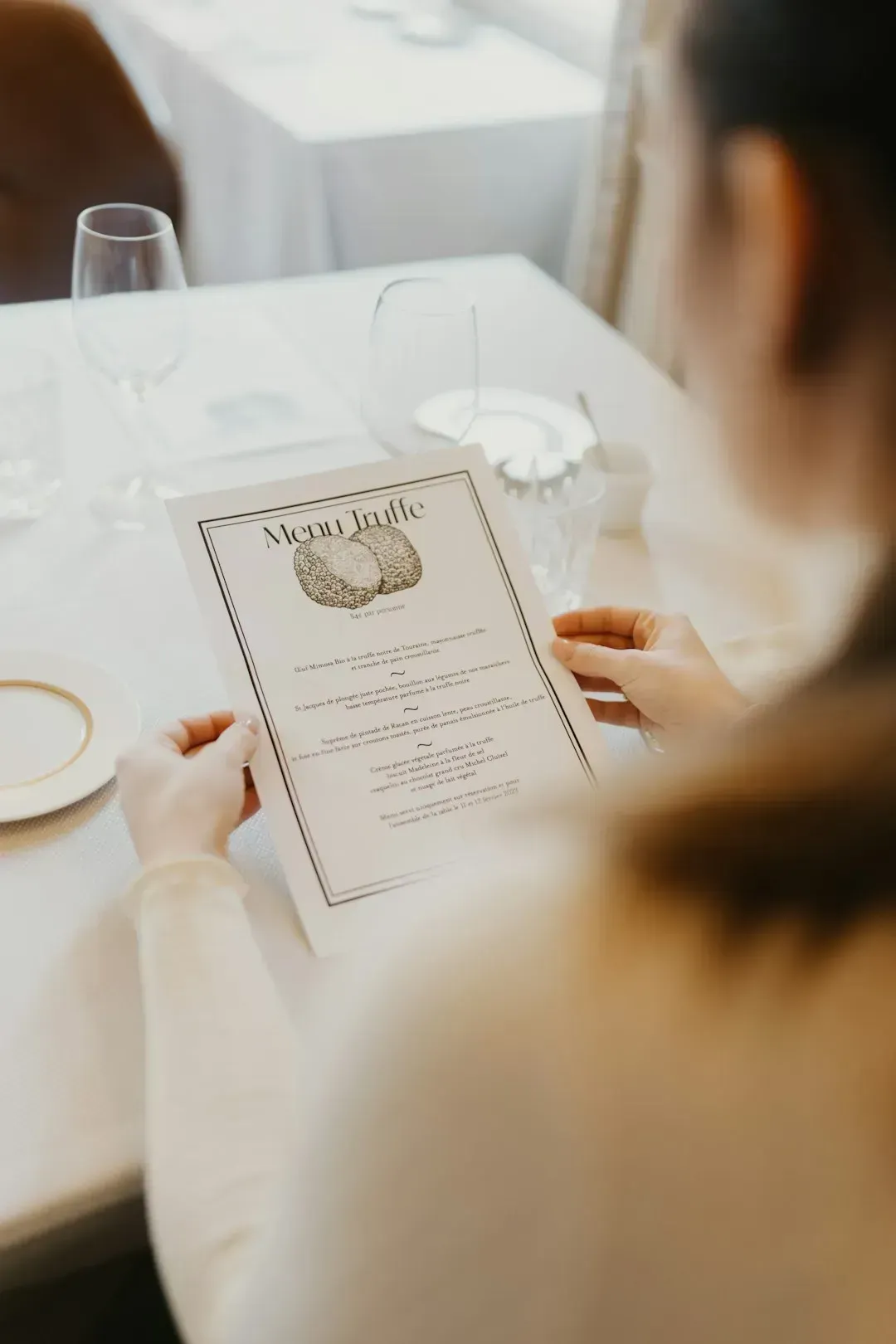
Consumers high in novelty-seeking are constantly on the lookout for new experiences. The fast-food industry regularly introduces limited-time menu items to entice adventurous eaters, and these special items create a sense of urgency and exclusivity that appeals to consumers who seek out new flavors and experiences. The customer who walks in and immediately asks about the new seasonal item is typically a different creature than the regulars.
Older Millennials are the most likely to claim they are adventurous eaters who love to try new food and appreciate innovative food ideas. Workers often notice these customers scan the menu board with genuine curiosity rather than impatience. They tend to be engaged, talkative, and comfortable making a choice on the spot, even if it’s something they’ve never tried before.
4. Extreme Indecision at the Counter
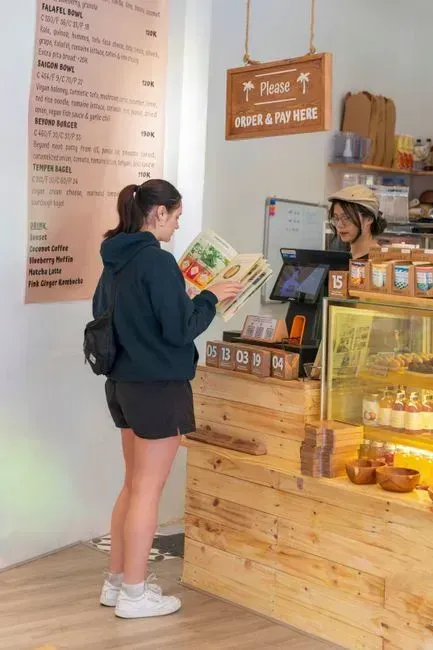
Few things reveal a customer’s inner state faster than watching someone freeze up at the register. They’ll scan the menu board repeatedly, mumble half a sentence, then change their mind twice before landing on something. It’s almost never about the food. Indecisive ordering is often tied to being an indecisive human being more broadly, where ordering food becomes another cause of genuine anxiety.
Workers who’ve been on the job for even a few months can spot the hesitator from three customers back. People who consistently struggle to pick a meal aren’t just creatures of habit gone wrong – they often share specific personality traits that shape how they navigate not just restaurants, but life itself. The choice of a burger shouldn’t feel like a commitment, but for some people, every decision carries a little extra weight.
5. How You Treat the Person Taking Your Order
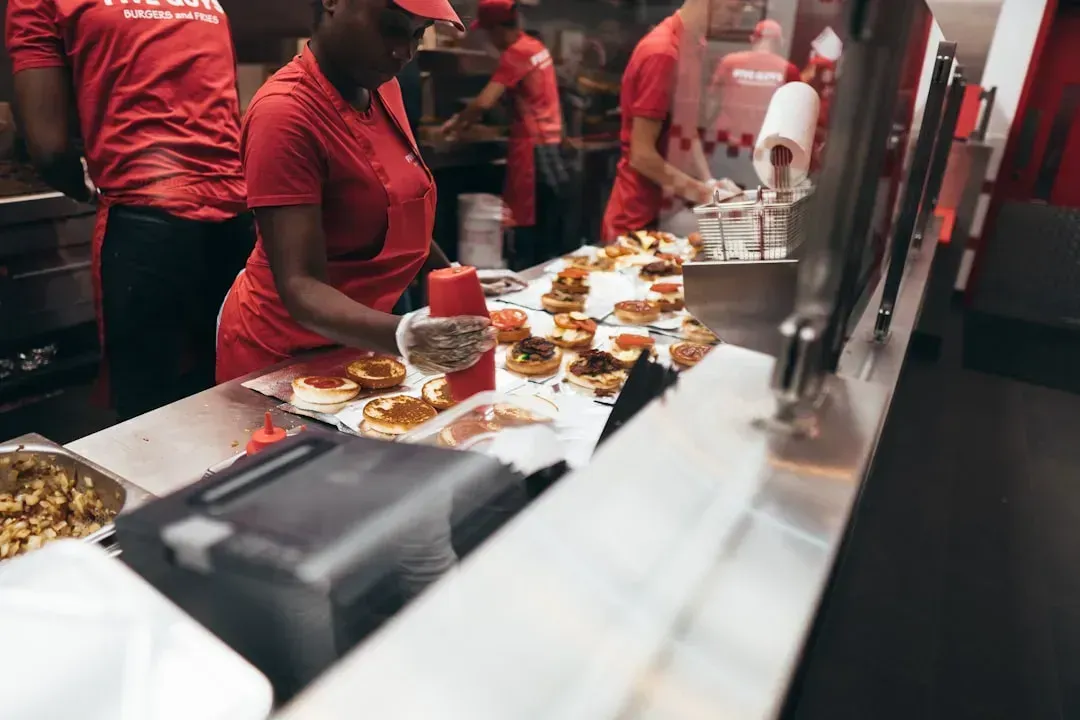
An average of nearly three quarters of fast food team members shared that they normally encounter multiple rude customers during an 8-hour shift. That’s a striking number, and it means workers become very attuned to tone very quickly. The customer who makes brief eye contact and says “please” genuinely stands out. Not because it’s rare, but because the contrast is so sharp.
Someone who speaks to a worker like a person rather than a function tends to be cooperative and socially aware in other settings too. Offering a kind compliment or simply asking how someone’s day is going signals a type of warmth that workers genuinely notice and appreciate. A little basic courtesy is one of the fastest personality reads there is.
6. Ordering a Noticeably “Healthy” Swap Without Mentioning It
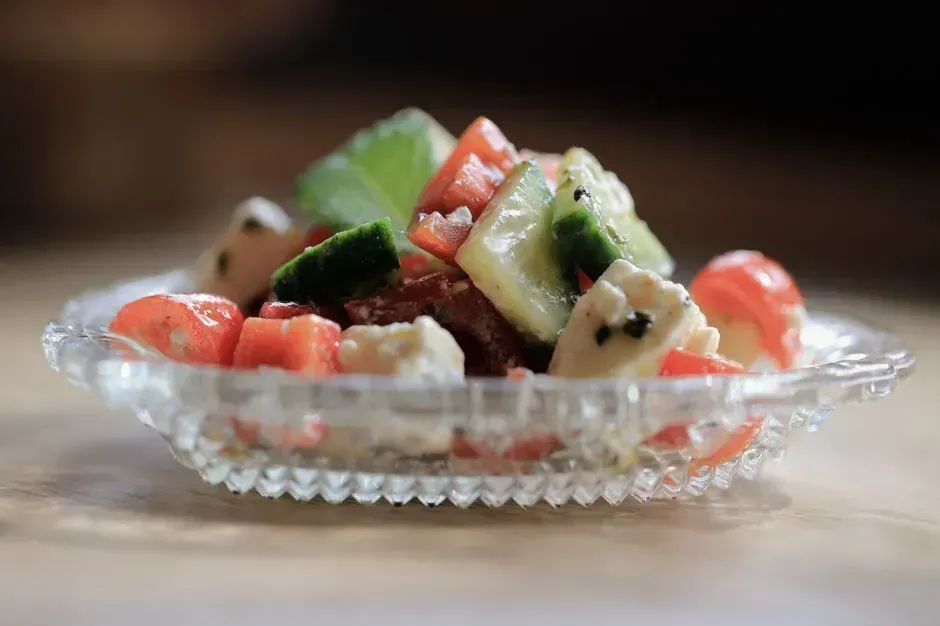
Customers who quietly swap fries for a side salad, or ask for grilled instead of fried, without any announcement or explanation, are telling a small but interesting story. They’ve already made the decision. There’s no drama about it, no need for validation. Workers notice that this type of customer tends to be quietly self-directed and secure in their choices.
Fast food and junk food are more than just convenient meals – they are cultural artifacts shaped by biology, emotion, and environment, and their appeal is engineered to satisfy ancient instincts while fitting seamlessly into modern routines. Choosing against that pull, without making it a statement, tends to reflect a certain kind of internal discipline. Workers aren’t judging the choice. They’re just noticing the confidence behind it.
7. Apologizing Repeatedly for Your Order
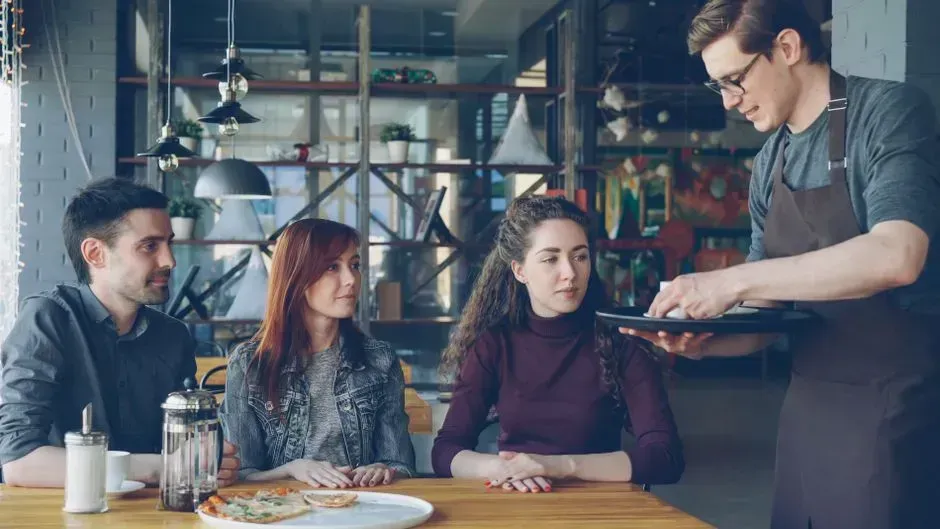
Some customers appear to feel ashamed about eating fast food or coming in so often, and they’ll apologize for what they see as “bad” behavior – even though the worker isn’t judging them for their dining choices. This pattern is surprisingly common. A customer will preface a perfectly normal order with “I know this is kind of a lot” or “sorry, this is going to be complicated” when it really isn’t.
There’s no real need to apologize for your order. You’re a paying customer, and that’s all the employees really care about. Still, workers pick up on the apologetic type almost instantly. It often suggests someone who worries more than necessary about how they’re being perceived, and who places a high value on not inconveniencing others, even in situations where they have every right to.
8. Asking Lots of Questions About the Menu
Just like the adventurous among us, the customer who questions staff on the details of the menu or asks about daily specials tends to be an open-minded and creative person. There’s a difference, though, between genuine curiosity and using questions as a stalling tactic. Workers learn to tell the difference fairly quickly. The curious customer is engaged and focused. The staller is still deciding.
Asking thoughtful questions about ingredients or preparation also tends to signal someone who pays attention to details across the board. The craving for specific information about food is not just about hunger – it can be about comfort, memory, and ritual. Workers often find these customers are some of the easiest to serve once they’ve landed on their order, because they commit fully once they’ve gathered what they need.
9. Ordering a Huge Meal for Yourself Without a Second Thought

There’s a particular confidence in the customer who walks up and orders a full meal, maybe two items, a large drink, and a dessert, completely unbothered. No hesitation, no explanation. Workers notice this immediately, and it’s not a negative observation. It reads as someone deeply comfortable in their own skin, unconcerned with how their choices look to strangers.
Away from the table, fast eaters and assertive orderers tend to be ambitious and goal-oriented, but they may also have a tendency toward impatience. The customer who orders boldly and decisively usually wants things done efficiently, too. They’re rarely the ones who linger or cause complications. They know what they want and they’re ready to move on – which, from a worker’s perspective, is actually a relief.
10. How You Handle Getting the Wrong Order
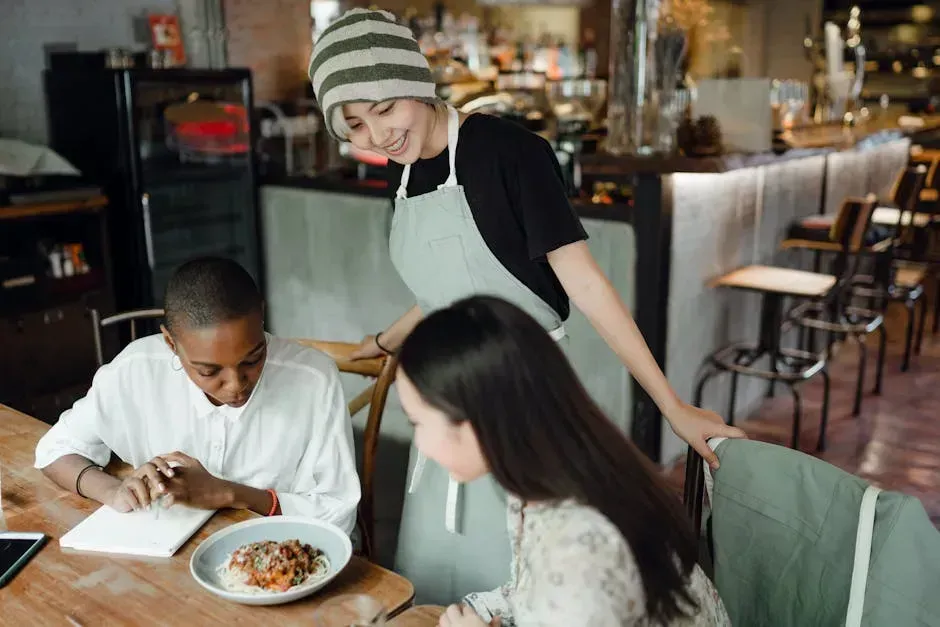
Nothing strips away the social performance faster than a mistake at the counter. How someone responds to finding a wrong item in their bag says more about their personality than almost anything else in the entire transaction. Some people handle it calmly. Others unravel immediately. Workers watch this unfold dozens of times a week.
Some workers admit that repeated negative interactions push them toward a more guarded mindset when approaching customers, though this doesn’t necessarily change how they treat people outwardly. The customer who takes a breath, explains the issue clearly, and waits with patience almost always gets a better result – and leaves a better impression. That calm, practical response isn’t just good manners. It’s a window into how that person deals with small setbacks everywhere else in their life, too.
Fast food workers aren’t profiling anyone. They’re just people doing a fast-paced job, surrounded by hundreds of brief human interactions every day. Over time, patterns emerge. The way you order says something real about you – not a verdict, just a glimpse. And more often than not, a little self-awareness at the counter is its own kind of personality reveal.

Leave a Reply