
Retirement math looks different depending on where you do it. A monthly budget that feels tight in many American or Western European cities can stretch much further in places with lower rents, cheaper fresh food and affordable local transport. That’s the reason so many retirees now look abroad.
Cheap isn’t the only measure, though. Visa rules, healthcare access, tax treatment and safety all shape whether a move works in practice. These eleven countries each offer a workable mix, and the details below come from their well documented residency programs and general living conditions. Rules change often, so check official government sources before committing.
Portugal

Portugal remains a favorite for retirees who want a mild climate, a relaxed pace and a European base. Many retirees apply for the D7 visa, which is built for people with steady passive income such as pensions or rental earnings. Living costs in smaller cities and the Algarve’s quieter towns are well below those of Lisbon.
The tax picture has shifted, so it’s worth being careful. Portugal’s earlier special regime for new residents ended for new applicants in 2024, and its replacement is aimed mainly at specific professions rather than pensioners. A local tax adviser can tell you how your pension would be treated.
Spain

Spain offers a deep food culture, strong public transport and a huge range of towns, from Mediterranean beach communities to inland cities where rents stay modest. Retirees from outside the EU commonly use the visa designed for residents who don’t plan to work in Spain. It generally requires proof of sufficient funds and private health insurance.
Costs vary a lot by region. Madrid, Barcelona and the most popular coastal areas are pricier, while places such as Valencia’s surrounding towns, Andalusia’s interior and parts of the north can feel much cheaper. Many retirees also like that the daily rhythm encourages walking, eating out and socializing.
Mexico

Mexico’s biggest advantage for North American retirees is proximity. Flights home are short, and many towns already have established expat communities. Temporary residency can be obtained by showing income or savings above a set level, and after several years it can lead to permanent residency.
Cities like Mérida, Oaxaca and Guanajuato are often mentioned for lower housing costs than the better known resort areas. Healthcare is a mix of private clinics and the public IMSS system, which residents can join voluntarily. Budgets in beach hubs and big cities run noticeably higher, so location matters.
Panama
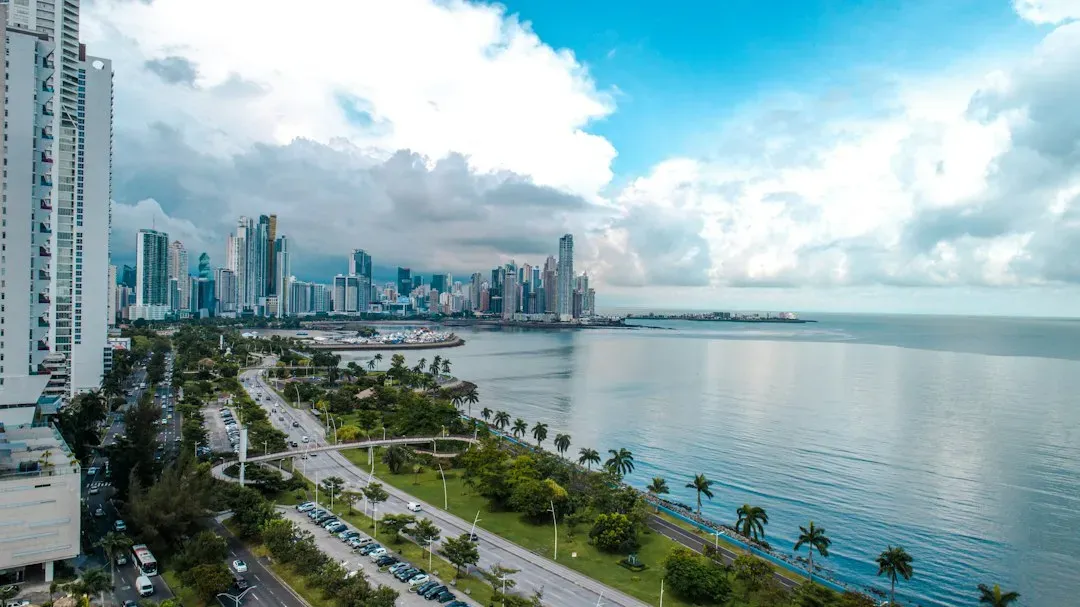
Panama has long courted retirees through its Pensionado program. It’s open to people who can show a lifetime pension of at least one thousand dollars a month. Approved holders get discounts on things like medical services, entertainment and some transport.
The country uses the US dollar, which removes currency risk for many Americans. Panama City is modern and costlier, whereas highland towns such as Boquete offer a cooler climate and lower expenses. Private healthcare in the capital is well regarded in the region.
Costa Rica
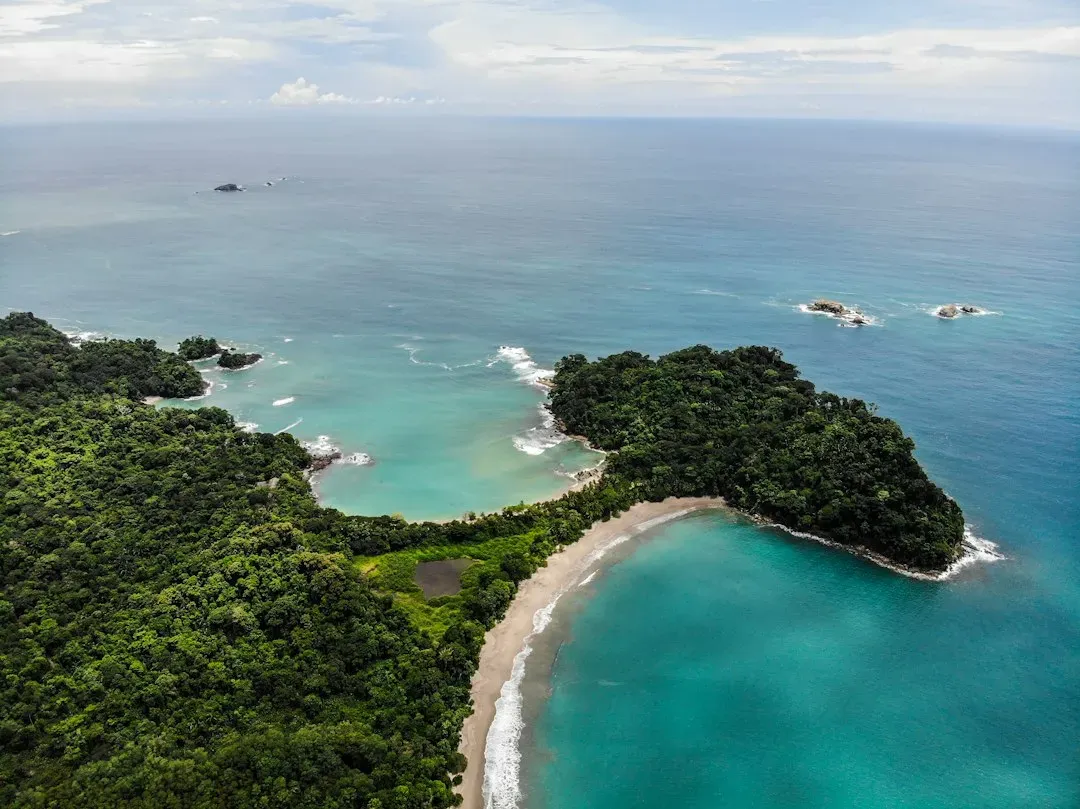
Costa Rica is known for its stability, nature and a healthcare system that draws many foreign residents. The pensionado route requires a permanent monthly pension of at least one thousand dollars. Residents can also join the public Caja healthcare system, usually with a contribution based on income.
It isn’t the cheapest place in Central America, and imported goods and cars can be expensive. Still, retirees who choose smaller towns, shop at local markets and avoid the priciest beach areas often keep costs manageable. The pace of life is slow, which suits many people.
Colombia
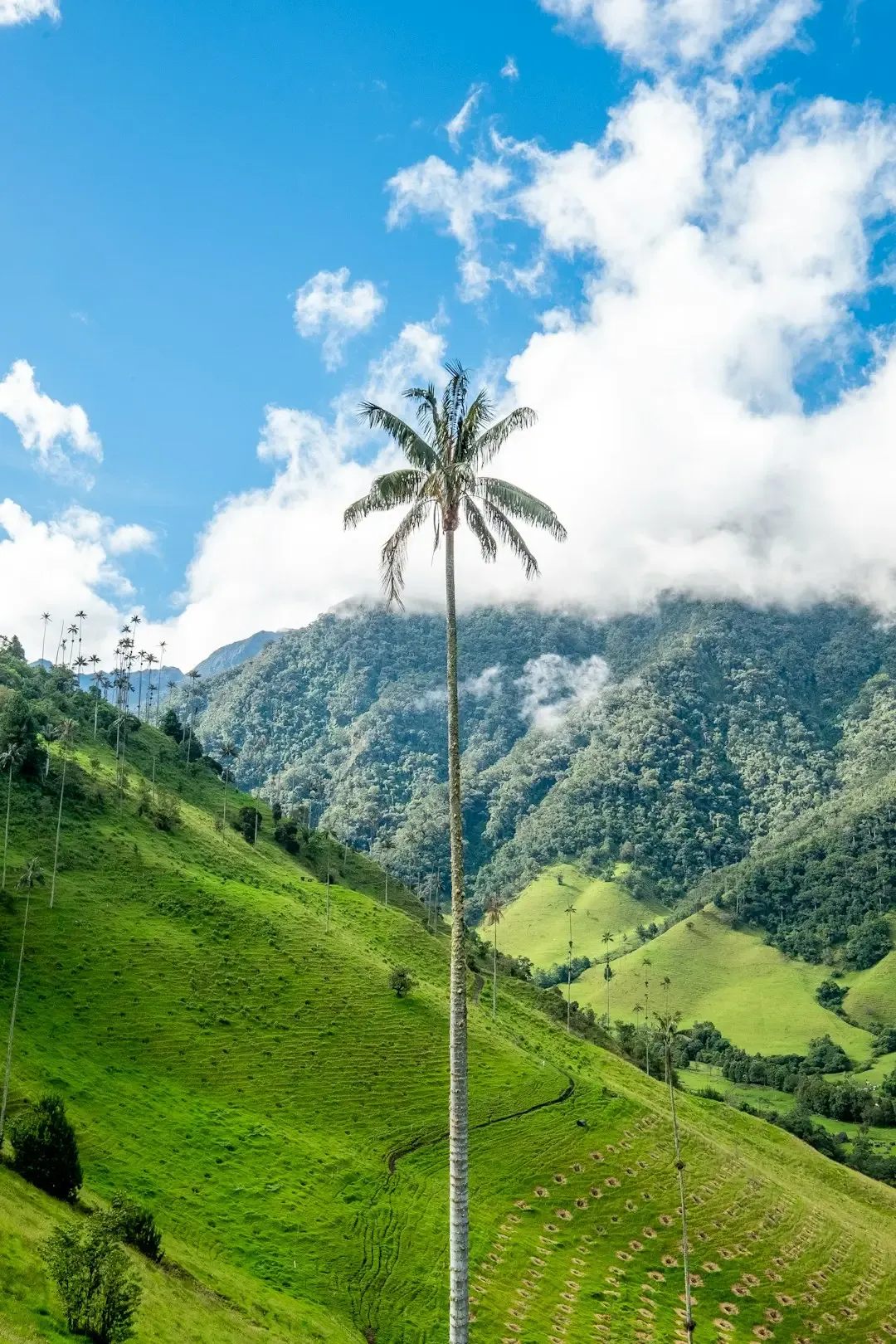
Colombia has become more popular with retirees thanks to its spring like climate in cities like Medellín and affordable day to day expenses. Its pensioner visa is tied to a pension that meets a set multiple of the country’s minimum wage. Rent, local food and domestic services tend to be considerably cheaper than in the United States.
Healthcare has a good reputation in major cities, and many residents enroll in the national system or buy private plans. Safety varies by neighborhood and region, so researching specific areas is wise. Many retirees spend a few months there on a trial run before settling.
Ecuador

Ecuador uses the US dollar and has long been attractive for its low housing costs and varied scenery. Cuenca, in the Andes, is the best known retiree hub, with colonial architecture and a sizable expat community. Residency for pensioners depends on showing a steady pension above a threshold linked to the national minimum wage.
Seniors in Ecuador can qualify for age based discounts on things like utilities, transport and some services. Altitude can be a concern for people with heart or breathing issues, so it’s smart to spend time there before buying property. Security conditions have been a concern in parts of the country, which makes checking current travel advisories important.
Thailand

Thailand draws retirees with warm weather, inexpensive street food and good private hospitals, especially in Bangkok, Chiang Mai and Phuket. People aged fifty or older can apply for a long stay retirement visa. It generally requires either a bank deposit of eight hundred thousand baht or a monthly income of sixty five thousand baht, or a combination of the two.
The visa needs renewing every year, and Thailand doesn’t offer an easy path to permanent residency for most retirees. Chiang Mai is often cited as a budget friendly choice, while island and resort areas cost more. Property ownership rules for foreigners are restrictive, so most retirees rent.
Malaysia

Malaysia combines low living costs with widely spoken English, modern infrastructure and good private healthcare. Its Malaysia My Second Home program, which was revised in 2024, offers long stay visas in several tiers with financial requirements. Check the current terms, since the program has been adjusted several times over the years.
Penang is popular for its food scene and relaxed pace, while Kuala Lumpur offers big city convenience at a fraction of what comparable cities cost elsewhere. The tropical climate is hot and humid year round, which won’t suit everyone. Many retirees like the mix of cultures and the ease of traveling around Southeast Asia from there.
Vietnam

Vietnam is among the more affordable options in Asia, particularly in cities like Da Nang and Hanoi. Fresh food, local transport and domestic help are inexpensive, and coastal areas appeal to retirees who want beach access. The country doesn’t have a dedicated retirement visa, so many foreigners rely on extendable tourist visas or other long stay arrangements.
That visa uncertainty is the main drawback, and rules can shift. Healthcare in major cities is improving, with international clinics serving expats, though quality varies elsewhere. Retirees often start with an extended trial stay before committing to a long term arrangement.
The Philippines

The Philippines runs a program built specifically for older foreigners, the Special Resident Retiree’s Visa. It lets approved applicants live in the country long term, with requirements that depend on age and whether they receive a pension. A required deposit is part of the process, so confirm current amounts with the Philippine Retirement Authority.
English is widely spoken, which makes daily life and paperwork easier. Cities like Cebu and Dumaguete are often mentioned for lower costs and a slower pace than Manila. Typhoon season and uneven healthcare outside major cities are worth weighing before you decide.





Leave a Reply