
There’s a quiet but notable shift happening in how baby boomers spend their money. As more members of this generation move fully into retirement, the expenses that once felt routine or even expected are getting a second look. Some are being trimmed. Others dropped entirely. The calculus has changed, driven by fixed incomes, hard-won perspective, and a simple question that gets easier to ask the older you get: is this actually worth it?
Boomers are the most conservative generation when it comes to discretionary spending. In early 2025, only roughly one in five intended to splurge, making them the least indulgent generation, and they showed a notably higher inclination than any other age group to reduce non-essential expenditures. That restraint isn’t accidental. It reflects decades of financial experience and a clearer sense of what actually adds value to daily life. Here are eleven everyday expenses boomers have quietly decided they can live without.
1. Cable TV

Hundreds of channels, nothing to watch. Many boomers are ditching expensive cable bundles in favor of cheaper, more flexible options, having realized they were paying for a bloated service they barely used. Cutting the cord gave them more control over both their time and their spending. The numbers back this up. The shift has been driven largely by cost concerns and changing viewing habits, with nearly nine out of ten consumers who left cable citing the high cost of traditional pay TV as a major factor.
Older viewers watch more television than any other demographic, and in recent years they’ve shown a growing preference for streaming, with free, no-subscription platforms leading that preference. According to a Nielsen report, viewing time on YouTube among adults over 65 increased by more than double compared to two years prior. American boomers have also enthusiastically embraced free ad-supported services like Pluto, Roku, and Tubi, unlike other age groups who tend to dislike advertising interruptions.
2. Brand-Name Prescription Drugs

With prescription drug prices rising at more than twice the rate of inflation, many seniors are turning to generics. According to the Food and Drug Administration, generics offer the same effectiveness but cost somewhere between thirty and eighty-five percent less than brand-name versions. For retirees managing healthcare on a fixed income, that gap is too wide to ignore.
Underestimating the ongoing cost of staying healthy can become a serious threat to retirement plans. Healthcare costs have risen by a staggering amount over the years, with total insurance premiums surging by well over three times their 1999 levels by 2024, compared to much more modest growth in worker earnings. Switching to generics where possible is one of the more practical ways boomers are fighting back against that trend without compromising their care.
3. New Cars
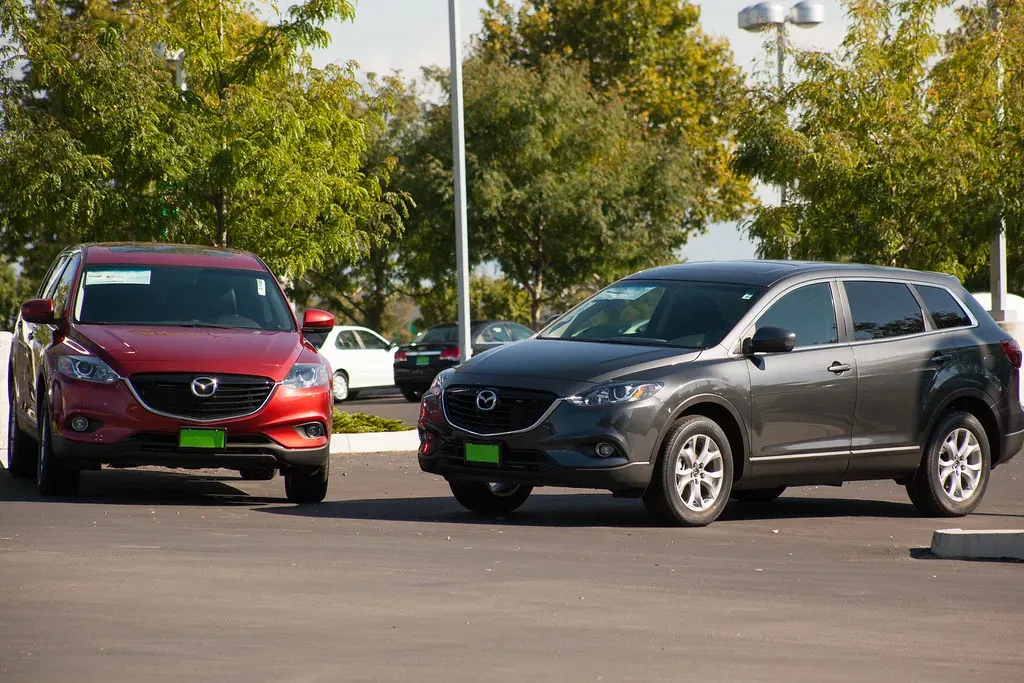
On average, new cars depreciate roughly sixty percent in five years, according to Kelley Blue Book, which makes buying new a questionable investment for those on a fixed budget. Boomers increasingly keep their vehicles longer and opt for certified pre-owned models, which retain value better and often come with warranties. The logic is hard to argue with.
The shine on a new car wears off fast, and so does the value. The second you leave the dealership, that brand-new car starts losing money. Many retired boomers say lightly used vehicles get the job done just as well, without the inflated cost, and for something meant to get you from point A to point B, buying new is simply a poor trade-off.
4. Extended Warranties
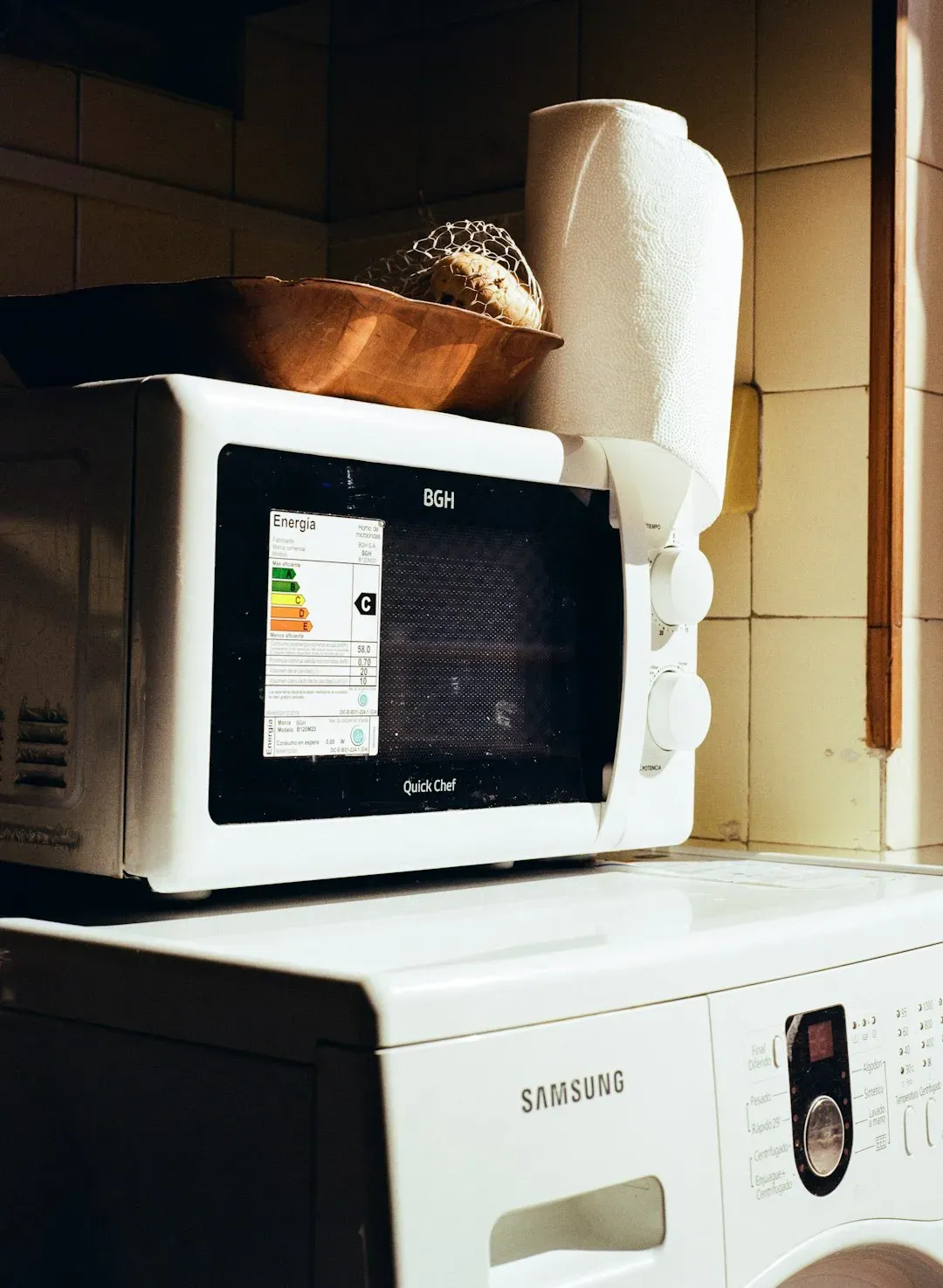
Research from Northwestern University’s Kellogg School of Management found that only about twelve percent of consumers actually use extended warranties, and repair costs often end up being lower than the warranty price. Most modern appliances and electronics already include manufacturer guarantees that cover major issues. Boomers have started doing that math and coming up short on the warranty side.
Boomers note that most extended warranties come with fine print, denied claims, and customer service headaches. Instead of paying extra upfront, many have started setting aside small savings for future repairs, staying in control rather than relying on a plan that rarely delivers on its promise. It’s a simpler strategy, and one that tends to actually work.
5. Frequent Dining Out

Since 2020, dining out costs have surged by nearly a quarter, with menu prices still rising, according to the Bureau of Labor Statistics. Instead of paying a premium, many retirees opt for home-cooked meals, not just to save money but also to enjoy the social aspect of cooking with family and friends.
Many boomers grew up in a different culinary environment where eating at restaurants wasn’t a common practice. The restaurant scene has exploded in recent decades, but the financial weight of dining out, combined with that shift in culture, makes boomers with frugal tendencies less likely to eat out more than necessary. Cooking at home has become less of a compromise and more of a genuine preference.
6. Landline Phones

According to the National Center for Health Statistics, well over seventy percent of U.S. households have ditched their landlines, relying instead on mobile phones for unlimited talk and text. With major telecom providers phasing out landline infrastructure, many older adults find it less practical, especially given the extra fees that often come with keeping one.
This is one case where boomers have quietly moved on without much fanfare. The landline was a fixture of the households they raised their families in, but it’s become an unnecessary line item. Mobile plans now offer everything a landline once did, typically at lower cost and with considerably more flexibility. Holding on to both rarely makes sense on paper.
7. Daily Coffee Shop Visits
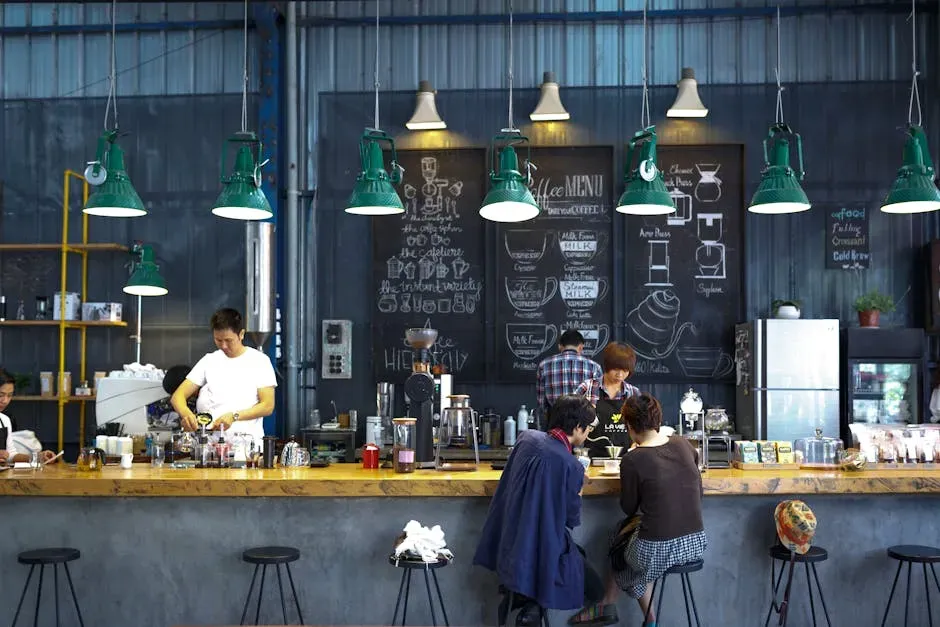
An eight-dollar-or-more latte might be part of younger generations’ daily ritual, but boomers tend to prefer brewing coffee at home, saving that extra spending for something more substantial. Data from 2025 shows that everyday splurges like grabbing a coffee showed more restrained growth than other categories, possibly an early sign of cost-consciousness or a shift toward cheaper options, with coffee chain spending edging up only modestly across the general population.
Boomers generally didn’t grow up with coffee shops as a daily habit. The ritualization of the morning café stop is a relatively recent cultural development, and surveys show that boomers and seniors spend more of their personal income on groceries and household essentials than any other generation, leaving less appetite for discretionary daily purchases like premium coffee. Making a good pot at home feels less like a sacrifice and more like common sense.
8. Fast Fashion and Trendy Clothing

The expense of luxury or trendy clothing items seems to rarely be worth it to older shoppers. A February 2025 report found that more than half of baby boomers prioritized clothing purchase options based on discount availability and value when shopping online. They look for functionality and form over style and branding.
Boomers don’t dress to impress, they dress to feel good. A large majority say comfort is the key factor in their clothing choices. Compared to younger generations, boomers place less importance on clothing as self-expression, and their preferences strongly favor durability, functionality, and timeless design over trendy alternatives. That’s not a compromise. For most of them, it’s simply a more honest way to shop.
9. Unused Gym Memberships
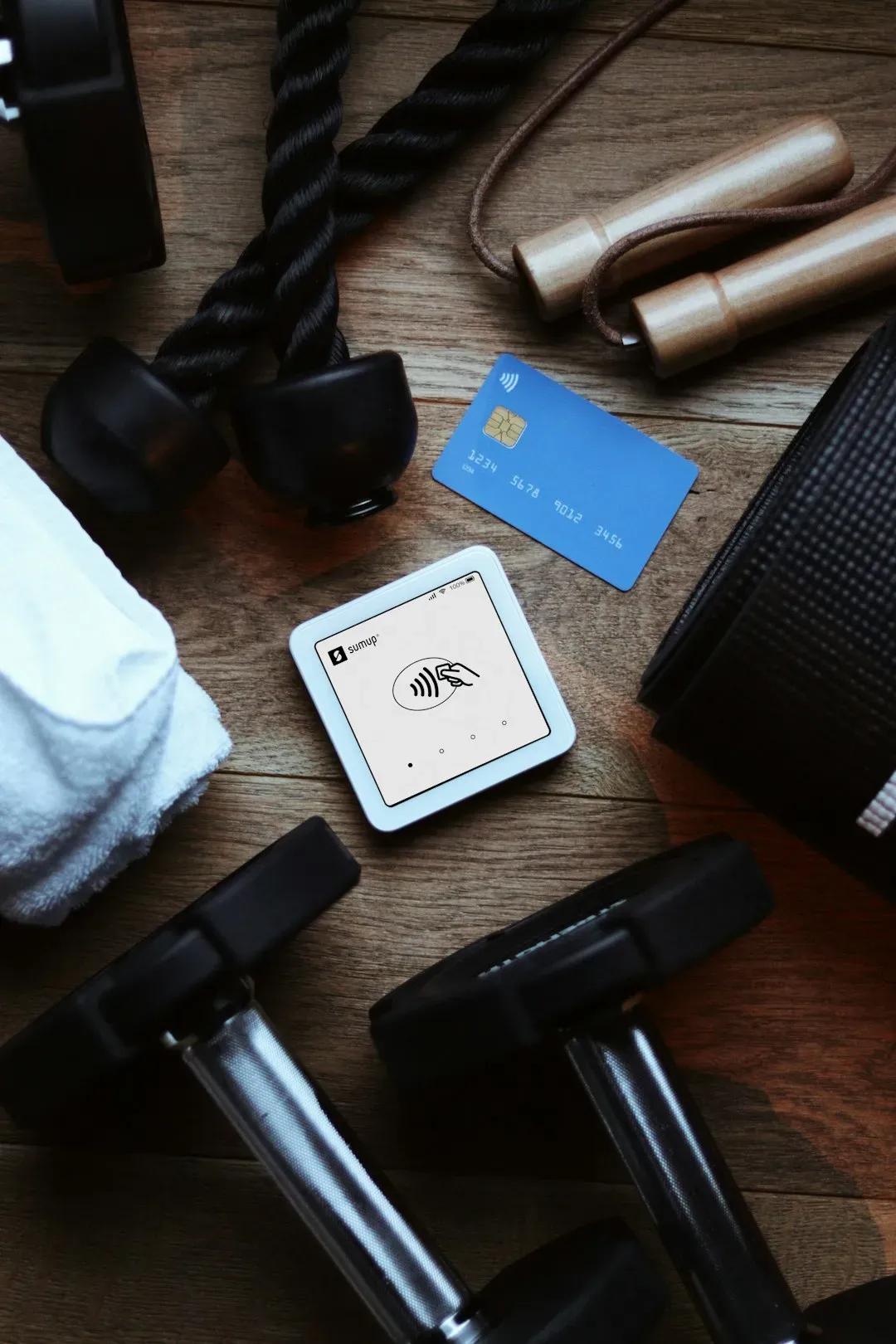
Boomers are becoming more mindful of wasted spending, especially on unused memberships. Research shows that around two-thirds of gym sign-ups go entirely unused. More retirees are cutting excess costs and keeping only what they actually use. A monthly fee for a facility you visit twice a year is one of the cleaner examples of money quietly disappearing.
Younger generations are far more likely to use fitness facilities, with roughly three in four Gen Z and Millennial respondents doing so, compared to only about four in ten boomers. That gap reflects a genuine difference in fitness habits, not just financial caution. Many boomers have found that walking, swimming, or following free online routines suits both their lifestyle and their budget better than a formal gym contract.
10. High-Interest Credit Card Spending
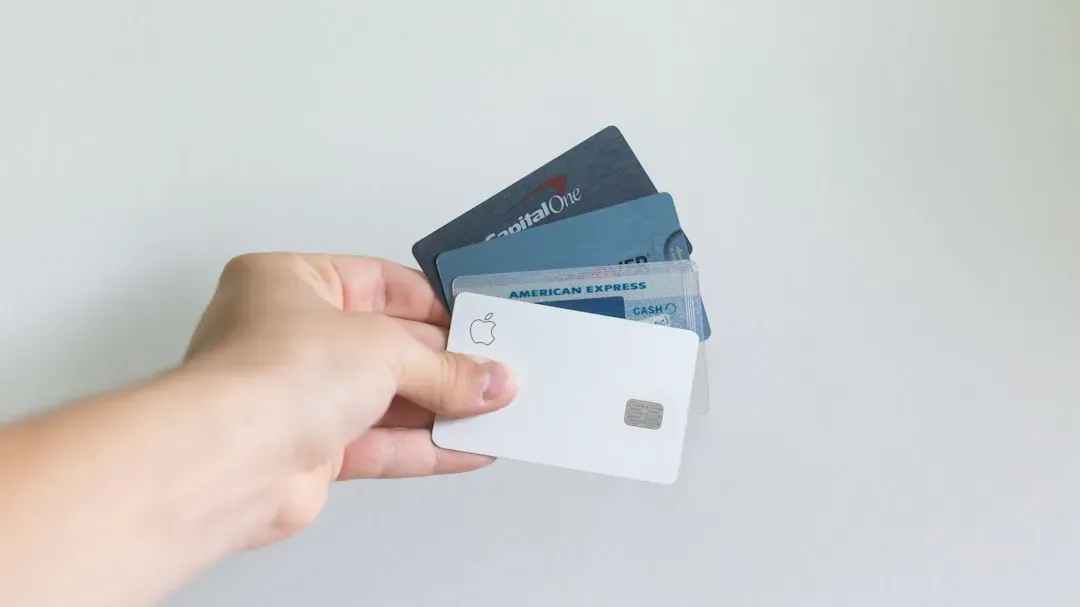
Credit card interest rates have put a real strain on those living on fixed incomes. Many boomers now prioritize paying off debt or ditch credit cards altogether in favor of debit or cash, a strategy that helps safeguard retirement savings for more essential and strategic expenses.
In fact, more than one in five baby boomers said their top financial goal was paying off credit card debt. For boomers, money represents a combination of security and freedom, and the feeling of financial security is paramount, with nearly a third reporting they feel completely financially secure, the highest of any generation. Carrying high-interest balances undermines exactly that sense of security, which is why eliminating them has become a priority rather than an afterthought.
11. Print Newspaper Subscriptions

Many retirees who once relied on daily print deliveries now find online news sources faster and cheaper. The Pew Research Center reports that U.S. weekday print newspaper circulation has dropped by more than half since 2000. Boomers, who were once among the most loyal print subscribers, have largely followed that trend, particularly as digital editions improved in quality.
This one carries a quiet nostalgia that the others don’t. The morning paper was a genuine ritual for millions of boomer households. Giving it up isn’t really about disliking the news, it’s about recognizing that the same information is available at a fraction of the cost, often in a more convenient format. Despite being less concerned about their personal financial situations than other generations, many boomers changed their spending habits in response to economic conditions, with around seventy percent of boomer consumers taking action on non-essential spending. The print subscription, it turns out, was one of the easier calls to make.
What ties these eleven choices together isn’t frugality for its own sake. It’s a quieter form of financial clarity that tends to come with age and experience. Boomers have had decades to figure out what actually improves their lives and what was just habit dressed up as necessity. That’s a distinction worth paying attention to, regardless of what generation you belong to.




Leave a Reply