
There’s a quiet shift that happens somewhere in your thirties or forties. The things that once felt like must-haves start collecting dust, gathering guilt, or simply stop making any financial sense. It’s not really about getting older. It’s about getting clearer on what actually matters versus what you bought because you thought it should matter.
Some of this is driven by changing priorities. Older adults tend to focus less on competitive goals and instead prioritize personal meaning, time with family, and positive life experiences. When that shift happens, certain purchases start looking a lot less necessary. These seven are among the most common ones people quietly stop justifying.
1. Logo-Heavy Designer Clothes and Accessories
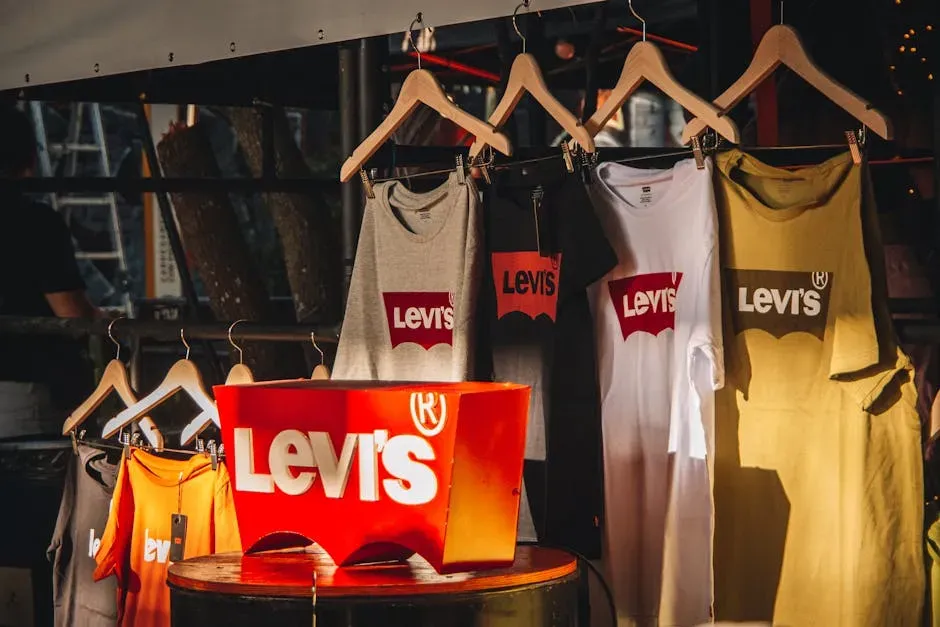
There’s a reason younger shoppers go through a phase of wanting the biggest, most recognizable logo on everything they own. It signals belonging, status, aspiration. The problem is that logos age poorly, and so does the impulse behind them. A survey by WGSN found that over sixty percent of respondents prefer clothing without large logos, pointing to a clear move toward more discreet fashion choices.
Modern consumers are increasingly drawn to pieces that feel timeless rather than attention-seeking. Clean lines, neutral tones, and subtle details are replacing oversized logos. , the appeal of walking around as a brand’s advertisement fades fast. Research suggests that prominent logo displays often backfire, making brands seem inauthentic and less desirable. Quality and personal expression tend to win out once people stop needing external validation from a monogram.
2. Unused Gym Memberships
Few purchases carry quite the same cocktail of hope and guilt as a gym membership that never gets used. People sign up with the best intentions, usually in January, and the routine quietly disappears by spring. An estimated sixty-seven percent of gym members rarely or never use their memberships, and approximately $1.3 billion is wasted annually on unused gym memberships in the U.S.
The average monthly gym membership fee was $69 in 2024, up from $65 in 2023, according to the Health and Fitness Association. That’s over $800 a year for a place you might visit twice in January and never again. After a certain point, people figure out that fitness is something they can build around their actual life, not around a facility they don’t enjoy going to. Many gyms require formal cancellation processes, which can discourage users from ending memberships, creating a situation where people continue paying simply to avoid the inconvenience of canceling properly.
3. Stacks of Streaming Subscriptions
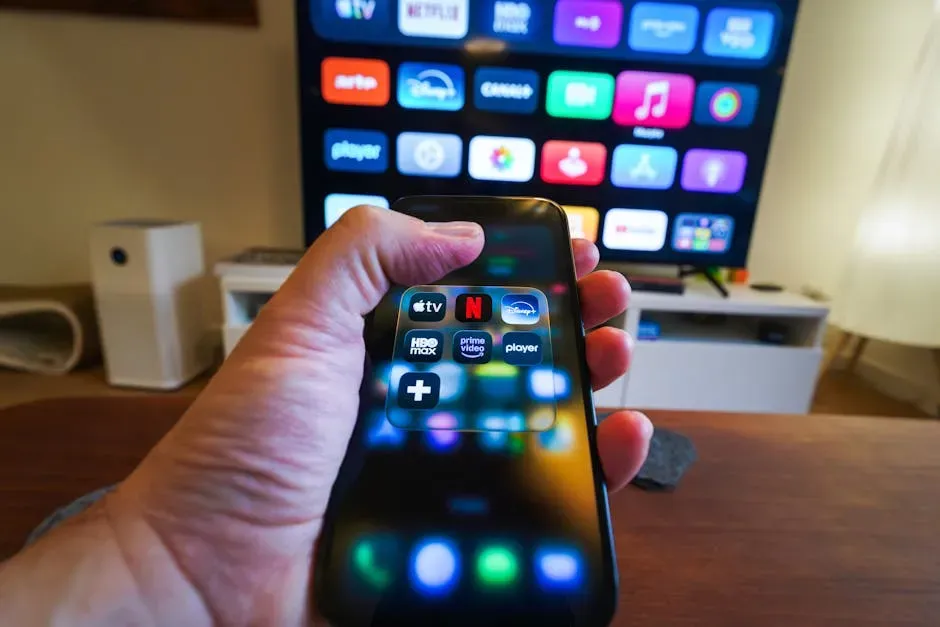
Streaming services are easy to accumulate and nearly invisible to cancel. One service leads to another leads to another, and before long you’re paying for four platforms and watching content on maybe one of them. U.S. consumers subscribe to an average of four video streaming services and spend a total of about $69 a month on these according to Deloitte, which adds up to more than $800 a year just on streaming.
A study in 2025 found that eighty percent of U.S. adults had at least one subscription in the past year, and on average those with a subscription pay $90 per month. In that same study, the average person was found to spend more than $200 on unused subscriptions every year. Younger people tend to cycle through platforms based on whatever show is trending. Older viewers tend to be more deliberate, and eventually the math catches up. Streaming platforms offer convenience and variety, but subscribing to multiple services can quickly become expensive, and users often forget to cancel those they no longer watch regularly.
4. Fast Fashion Hauls
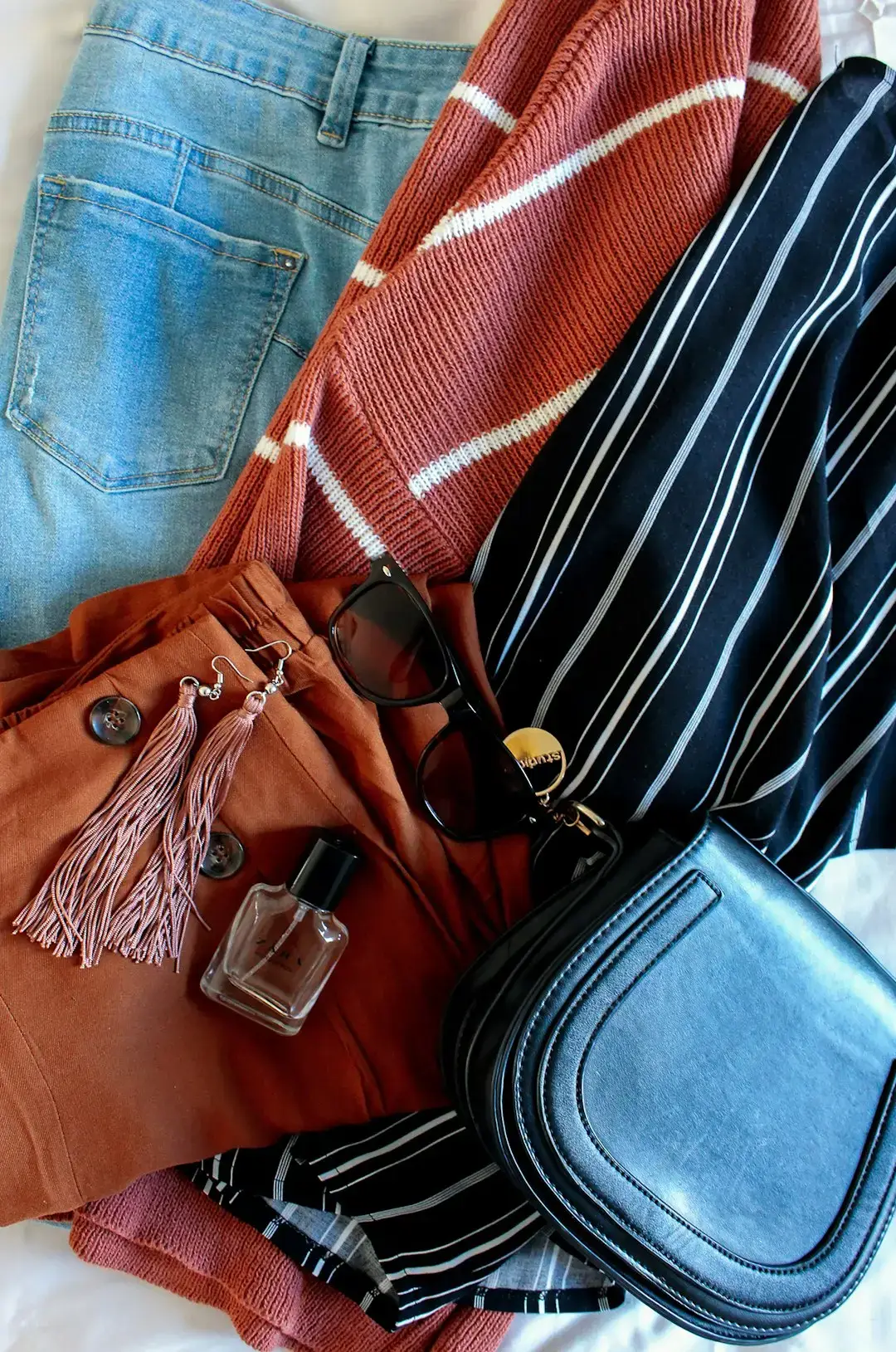
Fast fashion has a very specific moment in life where it makes sense. You’re young, your style is still evolving, your budget is tight, and you want variety. The clothing is cheap enough to feel harmless. Then something changes. Shoppers increasingly scrutinize purchases and prioritize function over fleeting trends. Gone are the days of trusting algorithmic shopping recommendations and brand loyalty at face value, as consumers are increasingly choosing products for durability, performance, and long-term value.
The appeal of buying ten things for the price of one solid piece eventually wears thin, sometimes literally. The most common spending regrets among Americans include spending money they should be saving, spending too much, and making too many impulse purchases, with the majority admitting they overspend on online shopping and clothing. , most people realize they’d rather have a handful of things they actually like wearing than a closet full of things that pill after three washes. The haul mindset gets replaced by something quieter and more considered.
5. Trendy Kitchen Gadgets and Single-Use Appliances

The pasta maker, the juicer, the spiralizer, the waffle iron with the specific shape you used once for a brunch party in 2019. These things accumulate at an astonishing rate, especially in the decade or so when cooking feels like an identity project. Seventy-eight percent of Americans make purchases they immediately regret, and thirty-eight percent say they often know their purchases are reckless but make them anyway.
Kitchen gadgets are uniquely good at exploiting optimism. You buy them imagining a version of yourself who makes fresh juice every morning or homemade pasta every Sunday. Consumers increasingly seek intentional, value-driven purchases, favoring authenticity and curated experiences over impulsive, algorithmic buys. At some point the cabinet space becomes more valuable than the gadget, and the realization sets in that a good knife, a decent pan, and a reliable pot handle most of what needs to be cooked. Simplicity turns out to be the most useful kitchen tool of all.
6. Fancy Work Wardrobes for Office Life That No Longer Exists
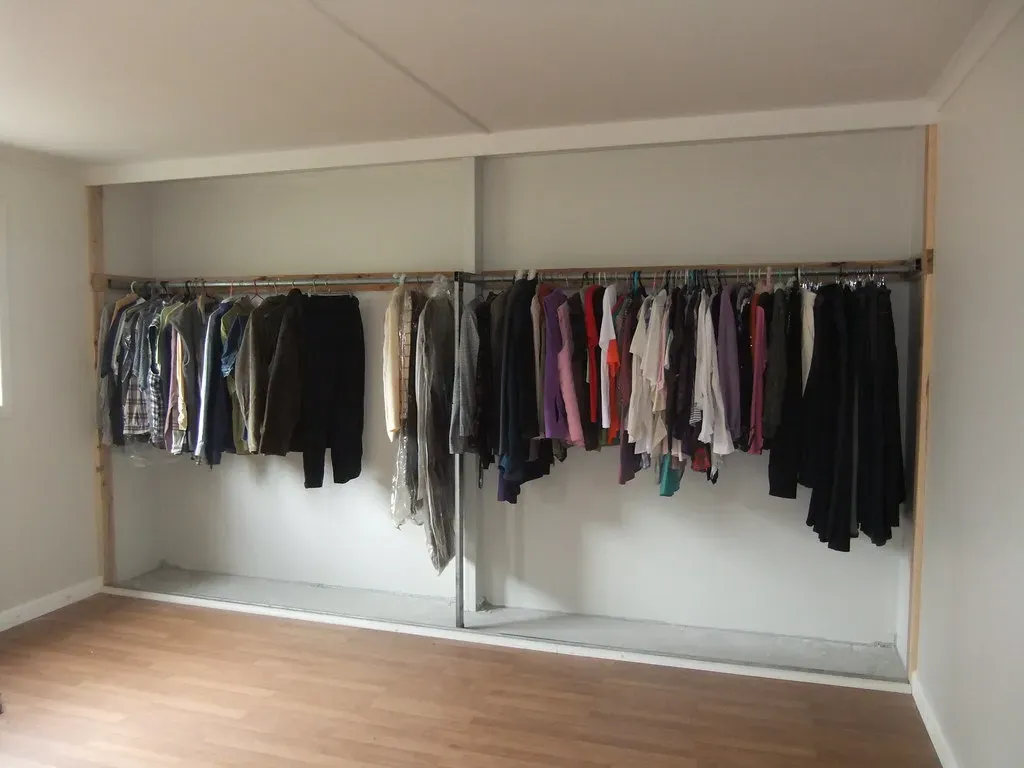
For years, the professional wardrobe was practically a ritual investment. Every few seasons, another round of blazers, pressed shirts, and formal shoes. Then the nature of work shifted substantially, and a lot of those purchases stopped making sense overnight. If you’re heading to the office, you’re likely spending what’s needed to look sharp at your job, but in retirement or remote work, you won’t need too many pressed shirts or high heels as your wallet gets a break from updating your work wardrobe.
Clothing is often considered a work-related expense that should decrease when household members retire. Households with older reference persons have the fewest earners, which partly explains why they also spend the least on clothing, with clothing accounting for the smallest share of the budget among older age groups. Even for people still working, hybrid and remote setups have permanently reduced how much formal attire gets worn in a week. Consumers who say they expect to change their behaviors often cite cutting back spending on nonessential items, with baby boomers saying they were most likely to cut back on nonessential spending significantly more than the average across age groups.
7. Impulse Buys Driven by Social Media Trends

Social media has become a remarkably efficient machine for creating desire for things you didn’t know you wanted forty-eight hours ago. For younger consumers especially, the scroll-to-purchase pipeline is short and emotionally charged. Online advertising was the wasteful spending trigger for roughly sixty-two percent of Gen Z respondents, while sales and discounts drove boomers and Gen X to overspend more than advertising did.
Millennials and Gen Z are more likely to feel buyer’s remorse than older generations, especially after making unplanned purchases, with over half of millennials and half of Gen Z saying they regret most of their impulse purchases, compared to just forty-one percent of boomers. , the urgency that social media manufactures starts to feel more transparent and less compelling. Research shows that consumers are no longer passive participants and are responding to external challenges with sharpened awareness of technical and marketing mechanisms and overconsumption’s financial impact. That sharpened awareness is what makes the impulse buy feel pointless before it even arrives at the door.
What’s interesting about all seven of these purchases is that none of them were ever really about the object itself. They were about signaling, belonging, aspiring, or simply keeping pace with an idea of who you were supposed to be at a given moment. When that moment passes, the purchase loses its logic. The things that tend to last are the ones that were never about impressing anyone in the first place.



Leave a Reply