
Walk through any American grocery store and the shelves look ordinary enough. Yet food rules differ a lot from one country to the next, and an item that passes without comment in a US supermarket can be banned, limited, or carry a warning label elsewhere.
The reasons vary. Some restrictions come from health concerns, others from a cautious European approach to risk, and a few from trade disputes that have dragged on for decades. This list covers eleven examples, and several of them are changing as US regulators and states revisit older approvals.
Pork and Beef Raised With Ractopamine
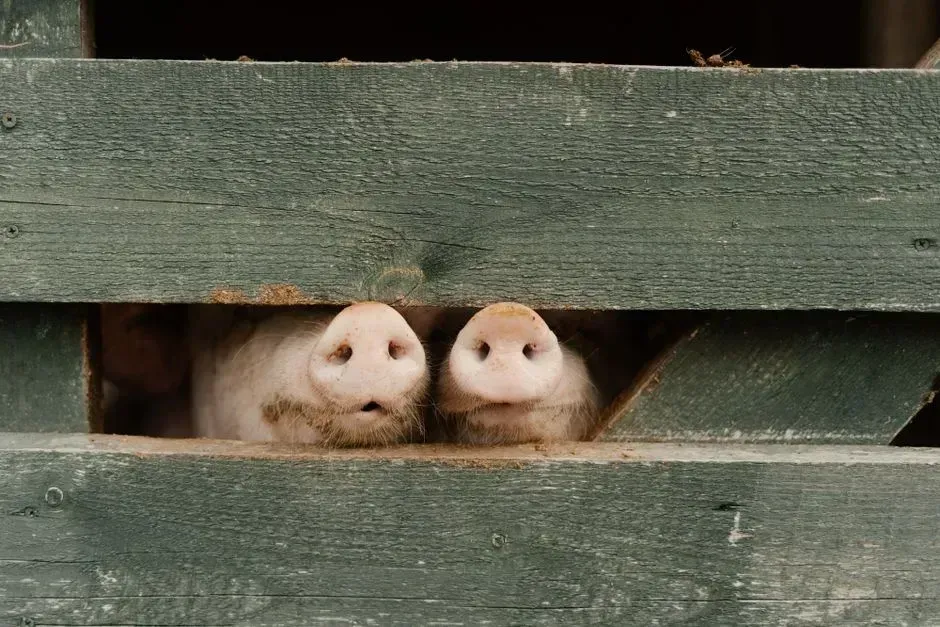
Ractopamine is a feed additive that helps pigs and cattle build lean muscle. The US allows it. The European Union, China, and Russia do not, and many other countries prohibit meat from animals fed the drug.
Codex Alimentarius, the international food standards body, adopted residue limits for ractopamine in 2012 after a close and contested vote. That decision did not change the bans in place in many countries. It remains a recurring sticking point in pork trade talks.
Chicken Treated With Antimicrobial Washes
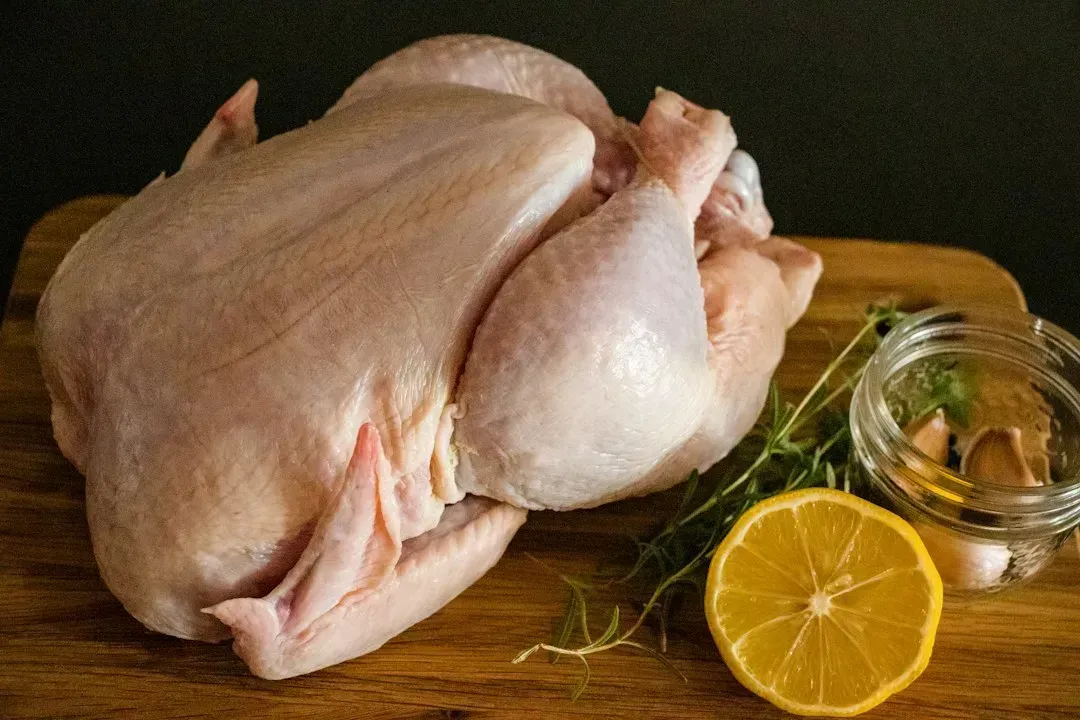
US poultry plants commonly rinse carcasses with antimicrobial solutions to cut down on bacteria such as Salmonella. Peracetic acid is the most widely used today, though chlorine based rinses have also been part of the picture. The EU has long refused to allow carcasses treated with substances other than water.
European regulators generally favor controlling contamination at every step from farm to slaughterhouse. American regulators accept end of line washes as one tool among several. The difference has kept US chicken out of EU markets for years.
Beef From Cattle Given Growth Hormones

In the US, beef producers can use several hormones to speed up growth, including estradiol, progesterone, testosterone, zeranol, trenbolone acetate, and melengestrol acetate. The European Union has banned the use of growth hormones in meat production since the late 1980s. It also restricts imports of beef produced that way.
That dispute led to a long running trade fight with the US. A limited arrangement now lets certain hormone free American beef enter the EU under a quota. Most ordinary supermarket beef in the US still falls outside it.
Milk From Cows Given rBST
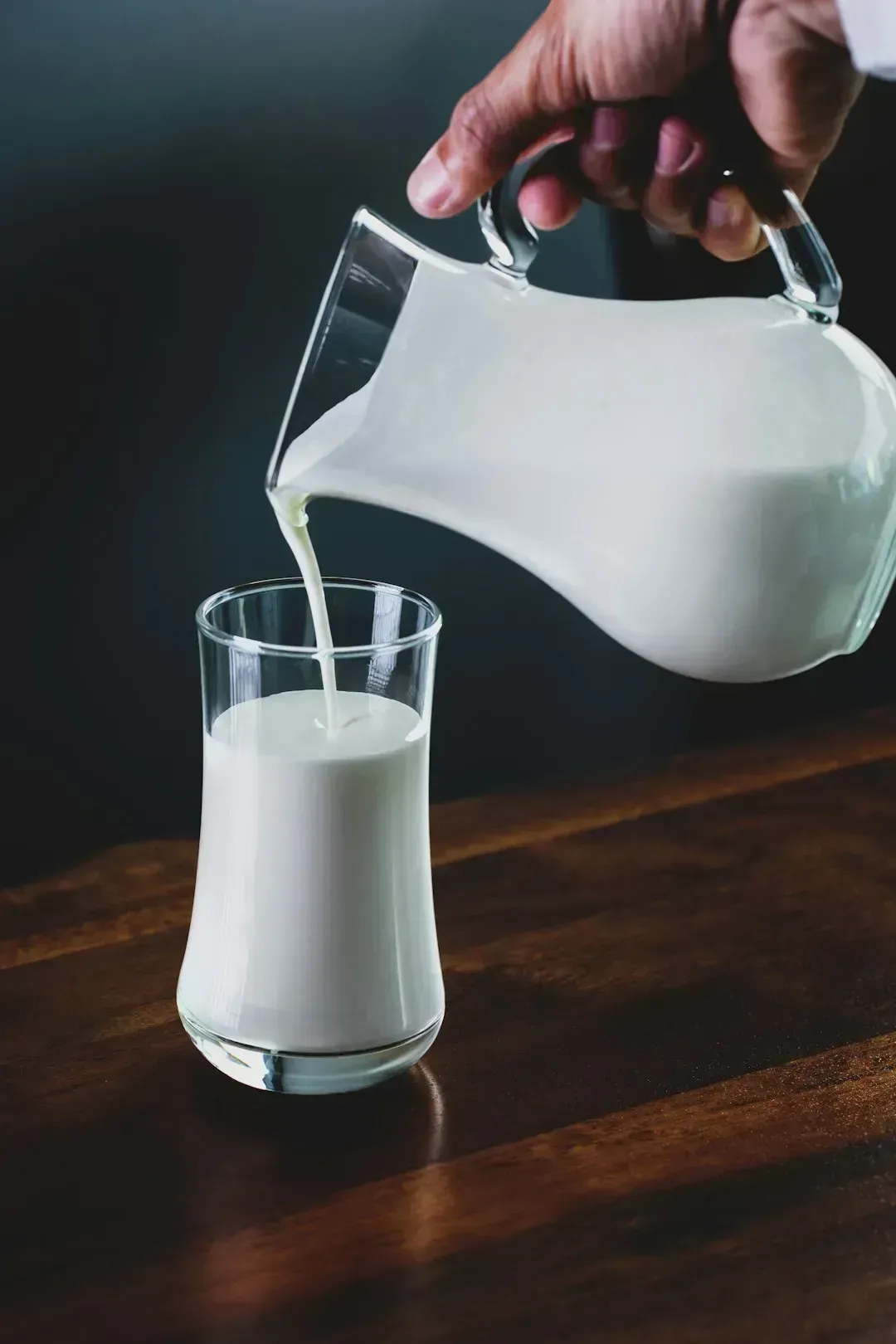
Recombinant bovine somatotropin, also called rBST or rBGH, is a synthetic hormone that raises milk output in dairy cows. The FDA approved it in 1993. The EU and Canada do not permit its use.
The FDA has maintained that milk from treated cows is safe to drink. Consumer pushback has still shaped the market, and many American dairy brands now advertise that they don’t use the hormone. You’ll often see that claim on labels, usually with a note that no significant difference has been found in the milk.
Citrus Sodas With Brominated Vegetable Oil
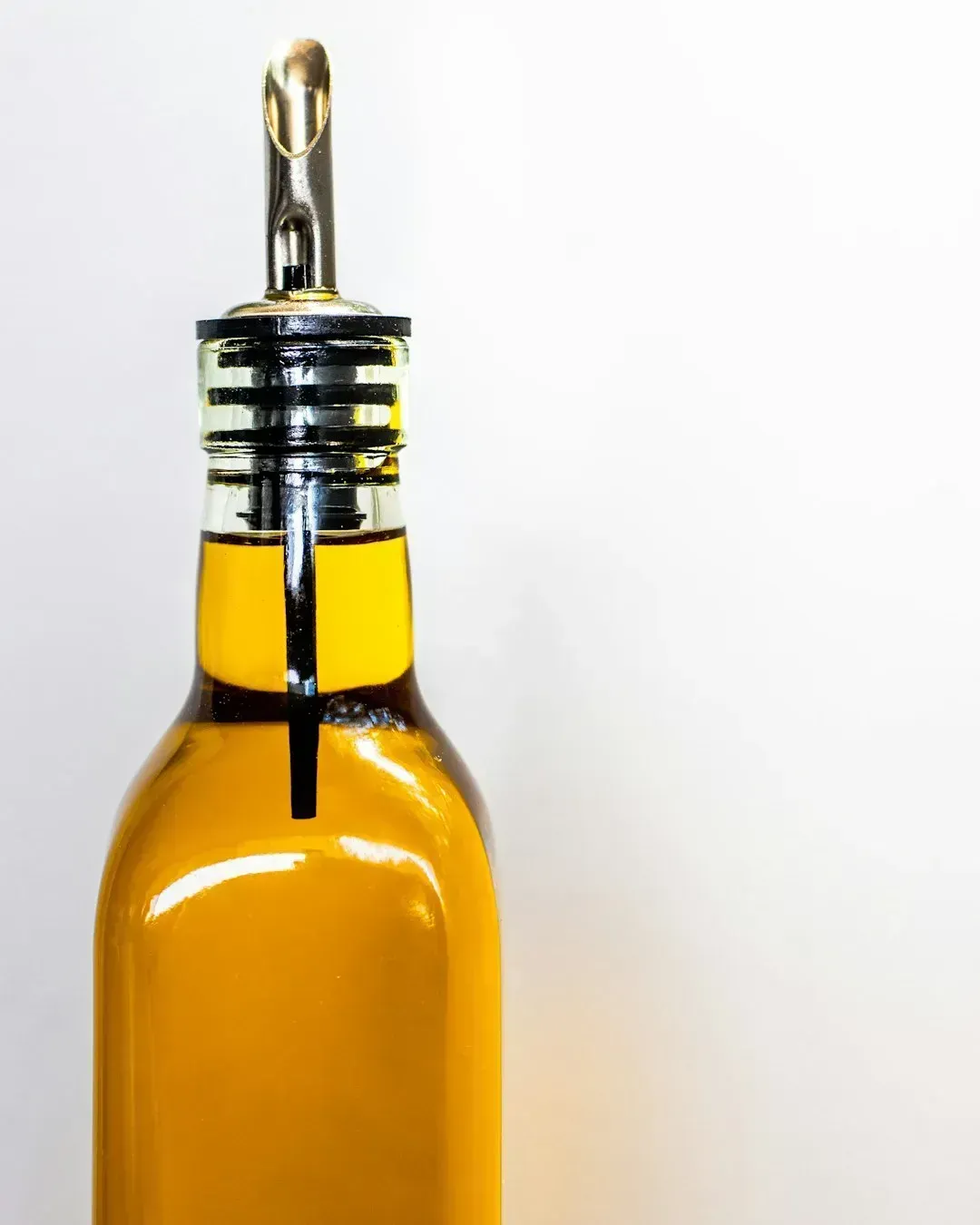
Brominated vegetable oil, or BVO, was used for decades to keep flavor oils evenly mixed in some fruit flavored drinks. It was already banned in the EU and Japan. The FDA moved to revoke its authorization in 2024, with a compliance date later that year.
Most major beverage makers had reformulated by then. The case is a useful example of how a longstanding ingredient can disappear from the US market after years of pressure. It also shows regulators abroad often moved first.
Bread Made With Potassium Bromate

Potassium bromate is a flour improver that helps dough rise higher and gives bread a firmer texture. It’s banned in the EU, the UK, Canada, and several other countries. Federal US rules still allow it, with conditions on its use.
California passed a law banning it in food, with the ban taking effect in 2027. Many national bakeries have already dropped it. Smaller producers and some restaurant breads may still use it, so reading ingredient lists matters.
Red Dye No. 3 in Candy and Baked Goods
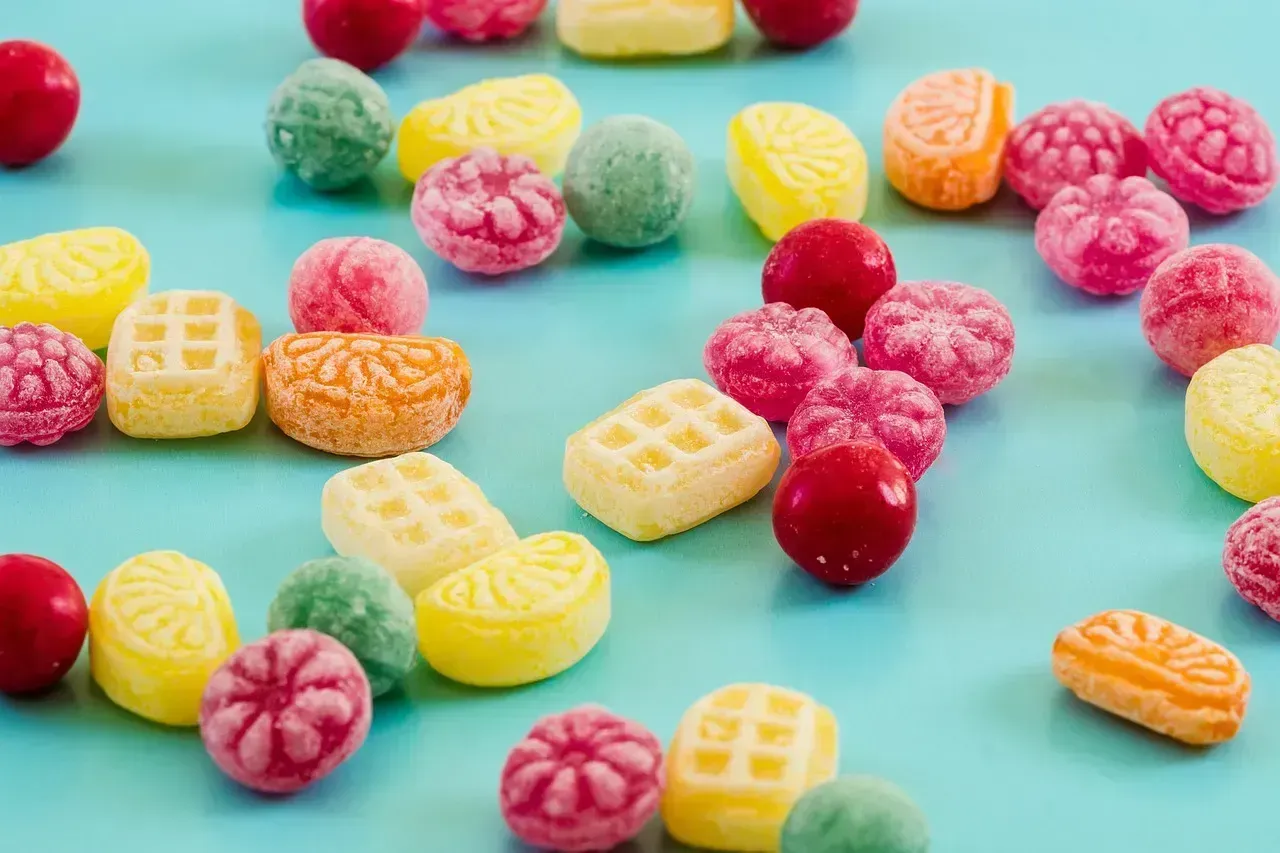
Red Dye No. 3, also known as erythrosine, gives candy, cake decorations, and some drinks a bright cherry color. The US banned it in cosmetics decades ago, and the EU limits its use to a narrow range of products such as cocktail cherries. In January 2025, the FDA revoked its authorization for food and ingested drugs.
Manufacturers have until January 2027 to remove it from food. That means some products on shelves in 2026 may still contain it. Check the label for FD&C Red No. 3 or erythrosine.
Flour Treated With Azodicarbonamide
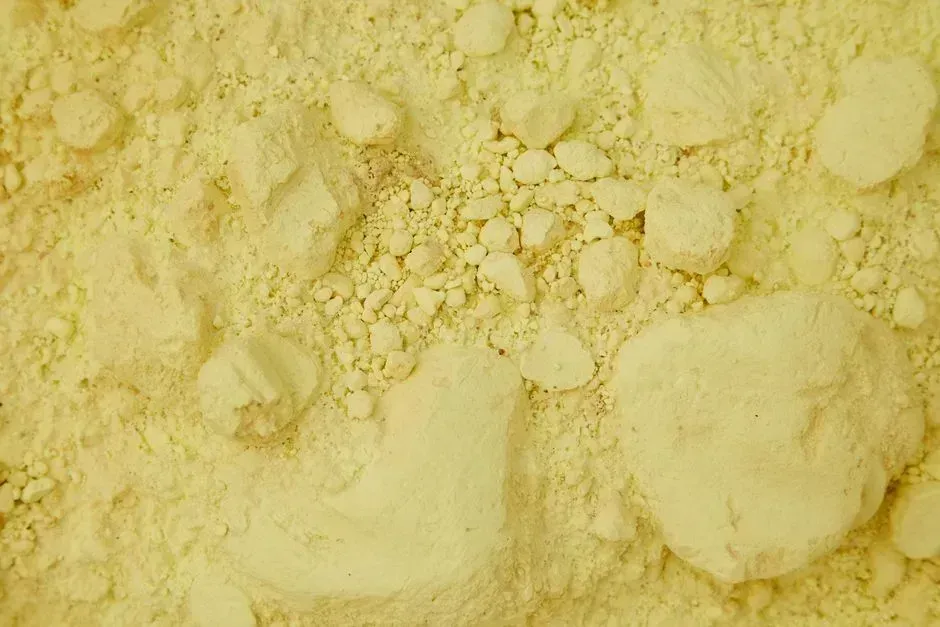
Azodicarbonamide, often shortened to ADA, is a dough conditioner used to strengthen bread and bun dough. It is not allowed as a food additive in the EU or Australia. The FDA permits it in flour at a capped level.
The additive drew wide public attention in 2014 when Subway said it would stop using it in its bread. Many big brands followed with their own changes. It still turns up in some commercial buns and packaged breads.
Candy and Frosting With Titanium Dioxide
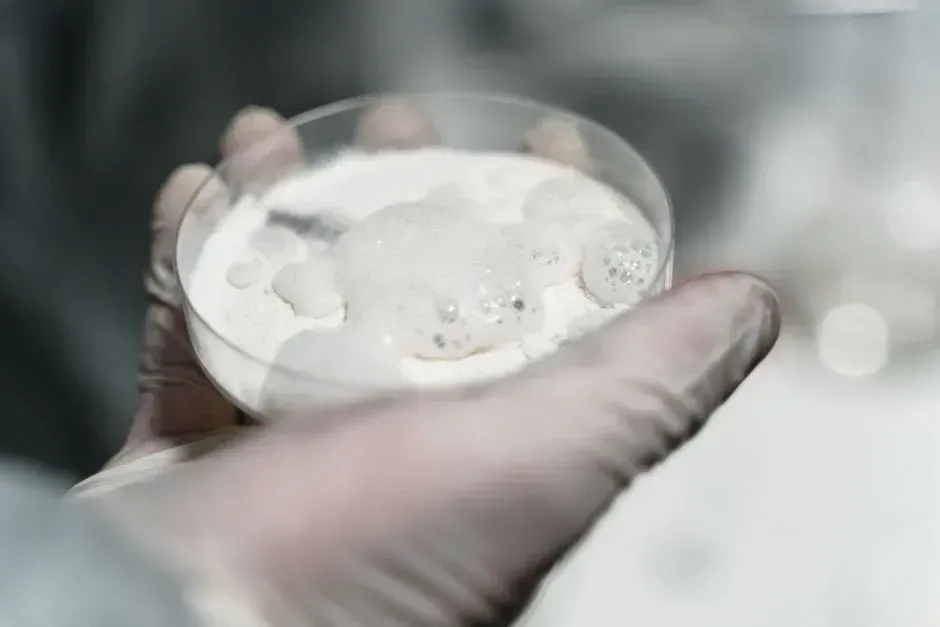
Titanium dioxide is a white pigment used to brighten and whiten products such as icing, candy coatings, and some creamers. The European Union banned it as a food additive in 2022 after its food safety authority said it could no longer rule out concerns about genotoxicity. The US still allows it as a color additive within set limits.
The FDA has been asked to review its safety, and the issue remains under discussion. Meanwhile, some food companies have reformulated voluntarily. Shoppers can spot it on labels as titanium dioxide or, in Europe, E171.
Washed and Refrigerated Supermarket Eggs
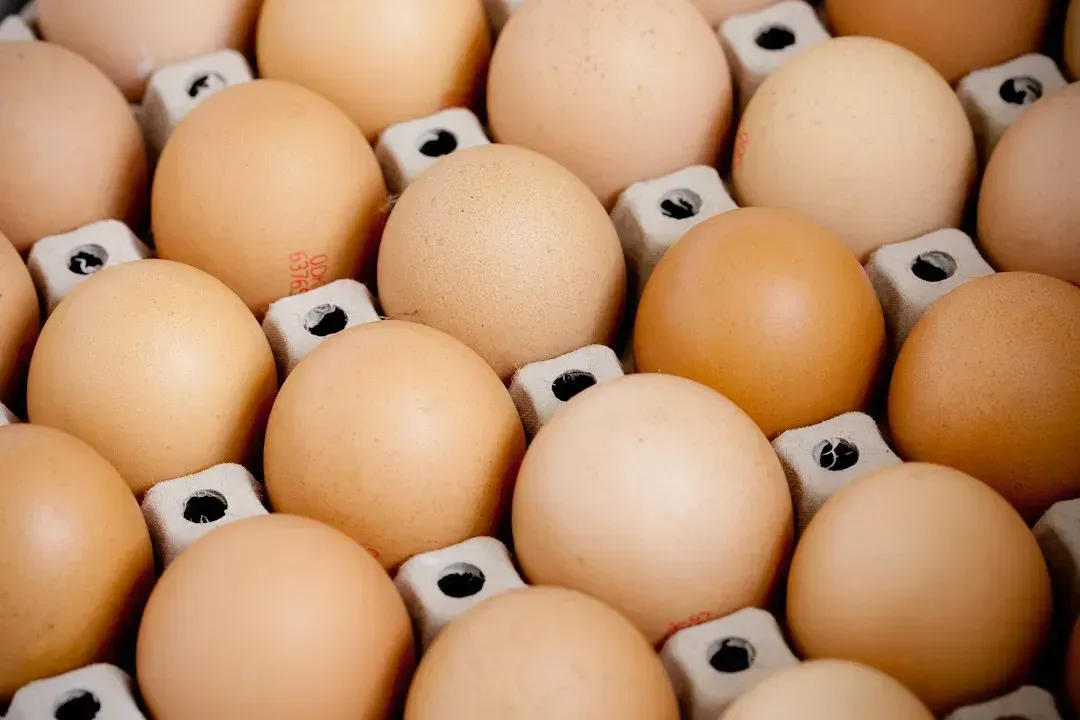
This one isn’t a ban on the egg itself but on the way it is handled. In the US, commercial eggs are washed and sanitized, then kept refrigerated, which is why they sit in a cold case. In the EU, top grade eggs generally can’t be washed, and they’re usually sold at room temperature.
The two systems aim at the same target, which is Salmonella control. The US approach removes contaminants from the shell but also strips a natural protective coating, so refrigeration becomes necessary. European producers rely more on vaccinating hens and strict farm hygiene.
Foods Colored With Yellow 5, Yellow 6, and Red 40
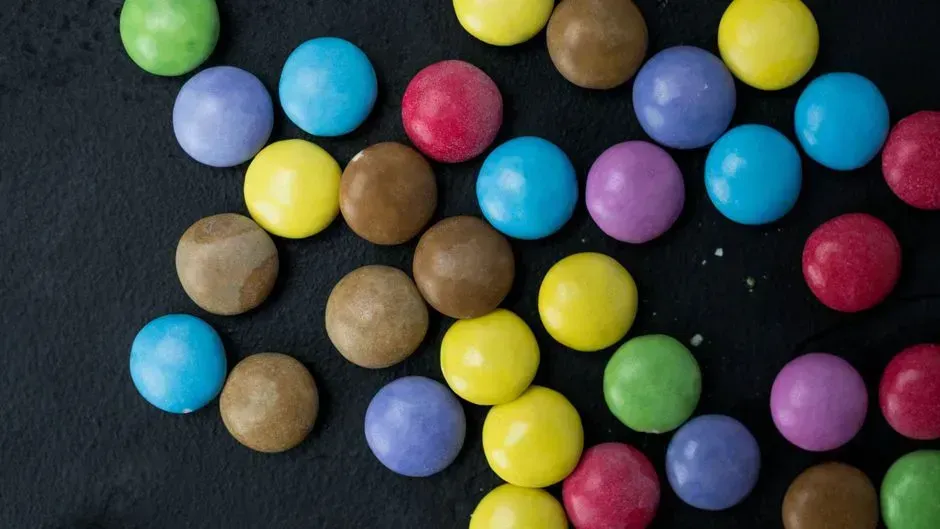
Synthetic dyes such as Yellow 5, Yellow 6, and Red 40 are common in cereals, snacks, and drinks in the US. The EU doesn’t ban them outright. It does require a warning on foods containing certain dyes, stating they may affect activity and attention in children.
That rule has led many European brands to use natural colorings instead. In the US, the FDA announced in 2025 a plan to work with industry to phase out petroleum based dyes, largely on a voluntary basis. Some states have also moved to limit dyes in school meals, so the picture is shifting.



Leave a Reply