
There’s a common assumption that once someone crosses into serious wealth, spending caution disappears entirely. Yet financial advisors who work with high net worth clients describe a different pattern. The people who actually keep their money tend to share a quiet skepticism about certain purchases, regardless of how large their bank balance grows.
This isn’t about frugality for its own sake. It’s about a specific kind of financial discipline that separates lasting wealth from money that gets spent down. The items on this list keep showing up as things the truly wealthy avoid, even when they could easily afford them.
1. Extended Warranties on Everyday Purchases

Extended warranties carry notoriously high markups, and wealthy individuals tend to understand the math behind them better than most shoppers. Consumer Reports and other financial watchdogs have long noted that these plans are profitable primarily for retailers and insurers, not for the buyer. People with significant assets often self-insure instead, treating occasional repair costs as a rounding error rather than a risk worth paying to offload.
This mindset extends to electronics, appliances, and even vehicles. Rather than paying extra for a service contract, financially secure people typically set aside their own reserve funds. It’s a subtle but telling difference between reacting to fear of loss and simply absorbing small setbacks as part of normal life.
2. Depreciating Luxury Cars Bought New
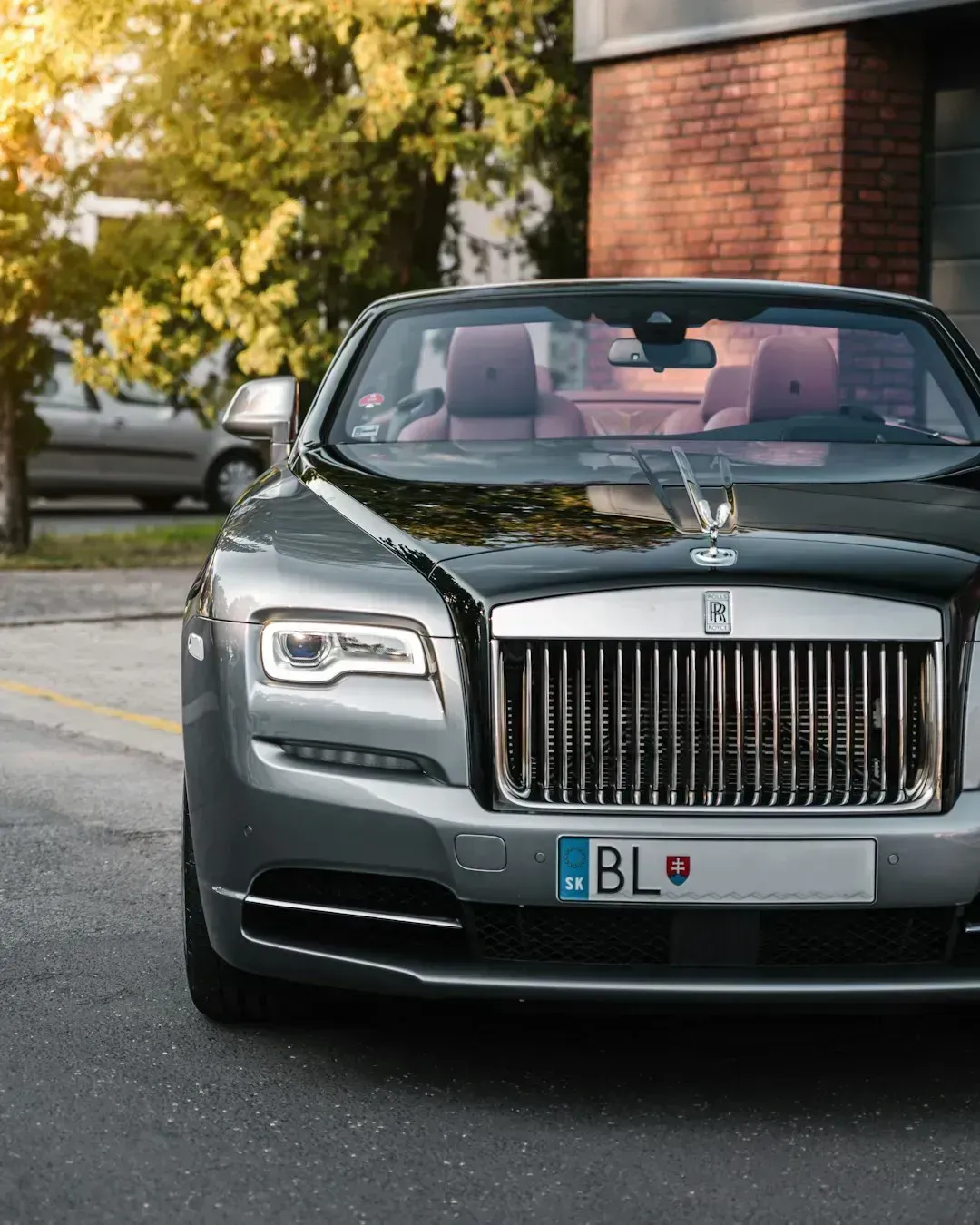
New cars lose a substantial portion of their value within the first few years, often somewhere around 20 percent in year one alone according to data from Kelley Blue Book and Edmunds. Genuinely wealthy people, especially those who built rather than inherited their money, are often surprisingly practical about vehicles. Many opt for slightly used luxury models, leasing arrangements, or simply drive a reliable car longer than expected.
This isn’t universal, of course, some do buy new supercars as a hobby or status marker. But among self-made millionaires studied in research like Thomas Stanley’s work on affluent spending habits, a consistent theme emerges: cars are transportation, not identity, and paying a premium for something that sheds value immediately rarely makes sense to them.
3. Timeshares

Timeshares remain one of the most criticized purchases in personal finance circles, and wealthy consumers are particularly wary of them. The resale market for timeshares is famously weak, with many owners unable to sell their interest for even a fraction of what they originally paid. Annual maintenance fees also climb steadily, often outpacing inflation, which erodes any perceived savings over time.
People with real financial flexibility usually prefer simply booking whatever accommodation suits them each trip. There’s no long-term obligation, no fixed week, and no fighting with a resale market that barely functions. The flexibility of paying as you go tends to appeal more than a locked-in vacation commitment.
4. Whole Life Insurance as an Investment Vehicle

Whole life insurance gets marketed heavily as a dual-purpose investment and protection tool, but financially sophisticated buyers often steer clear of it for that purpose. The fees embedded in these policies can be substantial, and the actual investment returns frequently lag behind what a diversified portfolio of index funds or other assets could generate over the same period. Wealthy individuals typically separate insurance from investing entirely, buying term life coverage if they need protection at all and putting growth-oriented money elsewhere.
This distinction matters because insurance salespeople have financial incentive to bundle these products together. People who’ve built real wealth, or who work closely with fee-only financial planners, tend to recognize that mixing insurance and investment usually benefits the seller more than the buyer.
5. The Newest Smartphone Every Single Year
It might seem like a small thing, but plenty of financially secure people skip the yearly phone upgrade cycle entirely. Apple and Samsung release new flagship models annually, yet the year-over-year improvements are often incremental rather than transformative. Wealthy individuals who think in terms of long-term value frequently keep phones for three or four years, replacing them only when they genuinely stop functioning well.
This habit reflects a broader pattern, wealth doesn’t automatically create a desire to chase every new release. Many affluent people describe technology as a tool rather than a status symbol, which removes the emotional pull toward constant upgrading that drives so much consumer spending.
6. Overpriced Designer Items Purely for Logos

There’s a difference between buying quality craftsmanship and paying a premium purely for visible branding, and genuinely wealthy people often lean toward the former. Items covered in obvious logos can actually signal new money or insecurity about status rather than established wealth, a pattern noted repeatedly in books like The Millionaire Next Door. Many self-made affluent individuals prefer understated, well-made goods that don’t announce themselves loudly.
This doesn’t mean luxury brands are avoided altogether. It means the purchase decision usually centers on material quality, durability, and fit rather than the size or visibility of a logo. Quiet luxury, as it’s often called, tends to be the preferred aesthetic among people who don’t need to prove anything with their wardrobe.
7. High-Interest Consumer Debt

Credit card debt carrying double-digit interest rates is something wealthy individuals almost universally avoid, and for good reason. Average credit card APRs have hovered well above 20 percent in recent years according to Federal Reserve data, making carried balances extraordinarily expensive compared to virtually any investment return. People with financial discipline pay balances in full each month, treating credit cards purely as a payment convenience rather than a borrowing tool.
This habit isn’t just about having enough cash on hand, though that helps. It reflects a broader aversion to paying for the privilege of delayed payment when the interest cost so dramatically outweighs any benefit. Debt used strategically for appreciating assets is one thing, debt used to fund lifestyle spending is another entirely.
8. Lottery Tickets and Scratch-Off Games
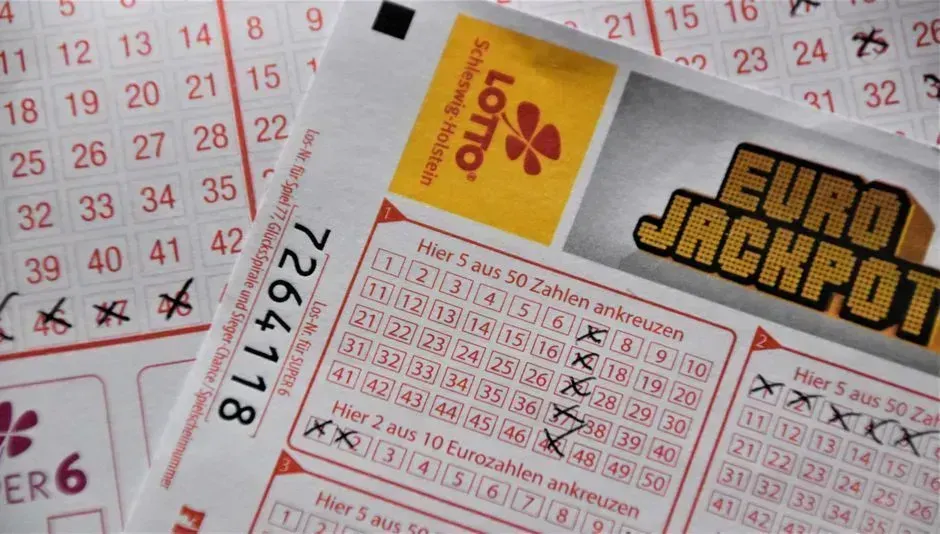
Lottery participation skews heavily toward lower income households, a pattern documented repeatedly by researchers studying gambling behavior in the United States. Wealthy individuals tend to understand the odds involved, which are often worse than one in several million for major jackpots, and see little rational appeal in the trade-off. Money that could compound in an investment account instead gets treated as a near-guaranteed loss when spent on tickets.
This isn’t necessarily about moral judgment toward people who play. It’s simply a difference in how probability and expected value get weighed. For someone focused on long-term wealth preservation, a purchase with such lopsided odds rarely earns a place in the budget, no matter how small the ticket price seems.
9. Oversized Homes They Don’t Actually Need

It’s a common assumption that more money automatically means a bigger house, yet plenty of wealthy people deliberately choose homes that are comfortably sized rather than maximally large. Larger homes come with proportionally larger property tax bills, higher utility costs, more maintenance, and often more furniture and upkeep expenses that compound over years. Some of the most financially secure people interviewed in various wealth studies describe intentionally staying in the same modest home for decades even as their net worth climbed.
This pattern shows up frequently among self-made millionaires rather than those who inherited wealth or work in highly visible industries. A smaller footprint often means fewer ongoing obligations, which frees up capital for investments that actually grow rather than assets that mostly just cost money to maintain.
10. Rapidly Depreciating Recreational Toys Bought on Impulse

Jet skis, ATVs, and similar recreational vehicles are notorious for losing value fast while requiring ongoing storage, maintenance, and insurance costs. Genuinely wealthy people who do enjoy these activities often rent or borrow rather than buy outright, especially for occasional use. The math rarely favors ownership when usage is infrequent, since the fixed costs of storage and upkeep can exceed what a few rental days would cost annually.
This calculation extends to boats as well, where industry data has long shown that maintenance and dockage fees can rival or exceed the purchase price over a decade of ownership. Wealthy buyers who do purchase such items tend to do so only when usage is frequent enough to justify the fixed costs, treating the decision as a genuine cost-benefit exercise rather than an impulse buy.
11. Anything Bought Purely to Impress Other People
Perhaps the most consistent theme across research on affluent spending habits is a resistance to purchases made solely for external validation. Thomas Stanley’s decades of research into self-made millionaires found repeatedly that genuine wealth correlates more with restrained, purposeful spending than with visible extravagance. People who’ve actually built lasting financial security tend to ask whether a purchase serves their own life and goals, not whether it will impress a neighbor, colleague, or stranger on social media.
This principle ties together many of the other items on this list. Skipping the flashy car, the logo-covered bag, or the oversized house isn’t necessarily about denial or discipline for its own sake. It’s about recognizing that impressing others rarely builds anything lasting, while capital that stays invested and working tends to compound quietly in the background, which is often exactly how sustained wealth gets built in the first place.




Leave a Reply