
Becoming a father changes everything. Most men know this intellectually, on some level, before the baby arrives. What they don’t quite expect is the quiet grief that follows. Not grief in the dramatic sense, but a low-level, ongoing reckoning with parts of life that have quietly slipped away.
The transition to fatherhood represents one of the most significant changes in a man’s life and brings many challenges. The joy is real. So is the loss. What’s rarely spoken about is that both can exist at the same time, and acknowledging the second doesn’t diminish the first.
1. The Old Version of Himself
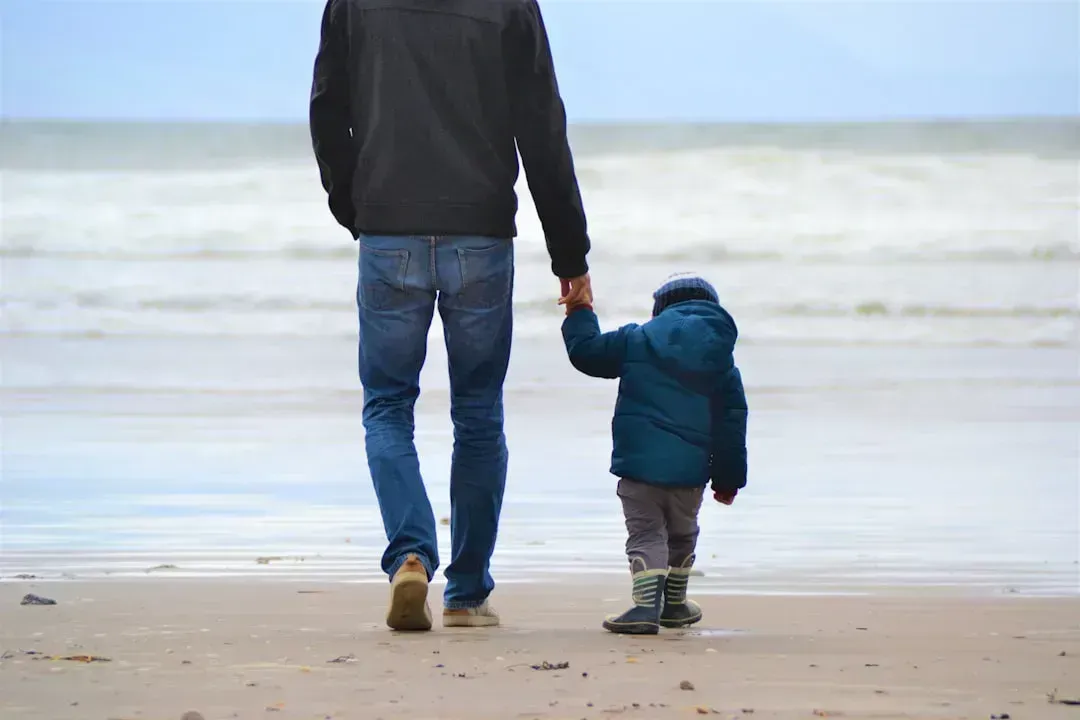
Fatherhood can cause men to question their identity. They may struggle with who they were before becoming a dad versus who they are now. The guy who had a clear sense of his own personality, interests, and place in the world finds himself starting from scratch in some fundamental ways. It’s disorienting, even when everything is going well.
Identity shifts occur as men transition from their pre-fatherhood identity to incorporating this new role into their sense of self. Many fathers struggle with questions about who they are beyond their provider role, how fatherhood fits with their career ambitions, and whether they’re measuring up to their own expectations or those imposed by society. That internal questioning rarely announces itself loudly. It just settles in, quietly, over months.
2. Unstructured Time

The birth of a child can be a joyous occasion, but it can also bring a loss of independence and freedom. For men who built their sense of self around what they did with free time, whether that was working on creative projects, training, travelling, or simply doing nothing on a Saturday morning, the sudden absence of that space hits harder than expected.
The sense of loss of control, loss of independence, and loss of freedom can feel like nothing experienced before. No longer do partners dictate when they eat, sleep, shower, clean, relax, or make plans. It’s not that fathers resent their children for this. It’s that no one really warned them just how total the surrender of personal time would be.
3. Deep, Easy Friendships
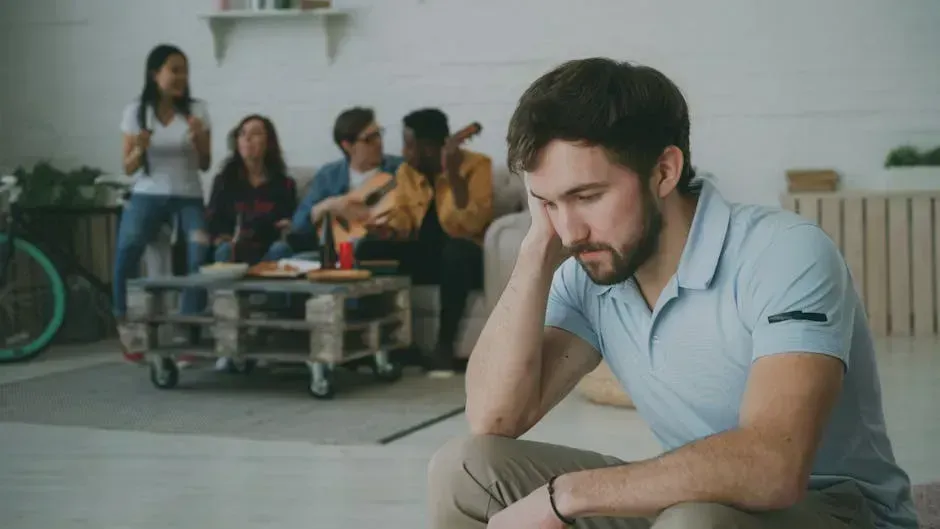
Cultural norms often place men in the role of provider, which can lead to social withdrawal or isolation, especially if a father is working long hours or feels unable to open up emotionally. This can be intensified if friendships change or diminish due to new family responsibilities. The friendships most men built over years don’t disappear overnight. They just slowly stop being maintained, and eventually the closeness fades.
Maintaining friendships from before fatherhood helps men preserve aspects of their identity beyond their parenting role. The trouble is that this takes conscious effort at a time when most new fathers have almost nothing left in the tank. Many men look up after a year or two and realize they haven’t had a real conversation with a close friend in months.
4. Spontaneity
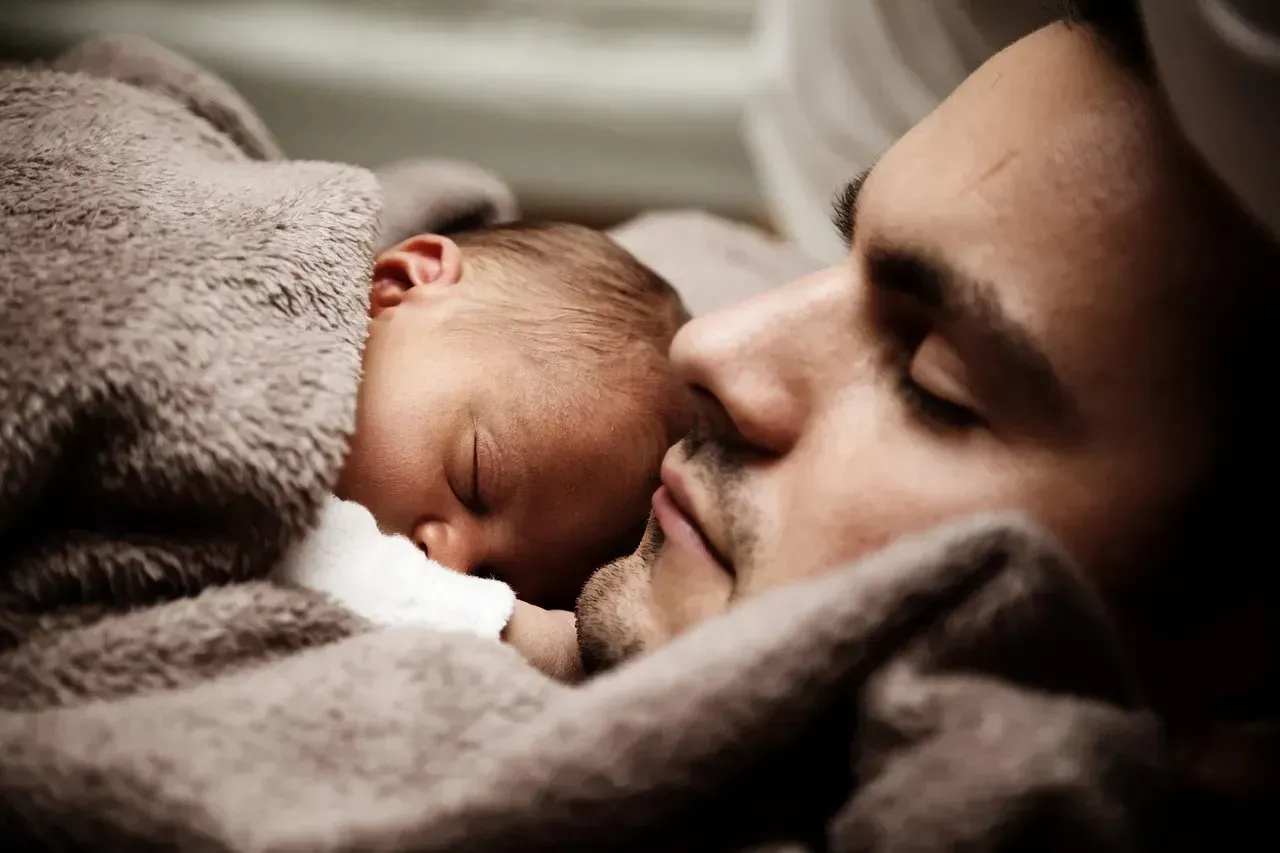
Fatherhood runs on schedules. Nap times, feed times, school drop-offs, bedtime routines. The spontaneous life, the last-minute weekend trip, the impromptu evening out, the ability to just decide to do something and do it, quietly disappears. The postnatal period is often accompanied by changes in self-identity, social roles, and interpersonal relationships, alongside financial pressures, as well as disruptions to sleep, physical activity, and other lifestyle behaviours.
For men who found meaning and energy in the unplanned, the shift to a highly structured daily life can feel claustrophobic at first. Most adapt. Still, the adjustment takes longer than anyone tends to admit, and the longing for a looser, freer rhythm lingers for a good while.
5. Intimacy With Their Partner

Many fathers struggle with the change and sometimes loss of their romantic relationship with their partner. The overwhelming demands that came with becoming a father, such as exhaustion and new parenting responsibilities, left little time for leisure and intimacy. The transition created a division between some couples that led to poor emotional wellbeing for fathers.
Around two thirds of couples report a significant decline in relationship satisfaction in the first three years after having a baby. You love your baby, and you love your partner, but you’ve never felt so far from each other. The closeness you once had has been replaced by tension and practical conversations about whose turn it is to change the diaper. You feel like roommates or co-workers, not a couple. A quiet loneliness has set in. Men rarely know how to name this feeling, let alone talk about it.
6. Sleep, and the Clarity That Comes With It
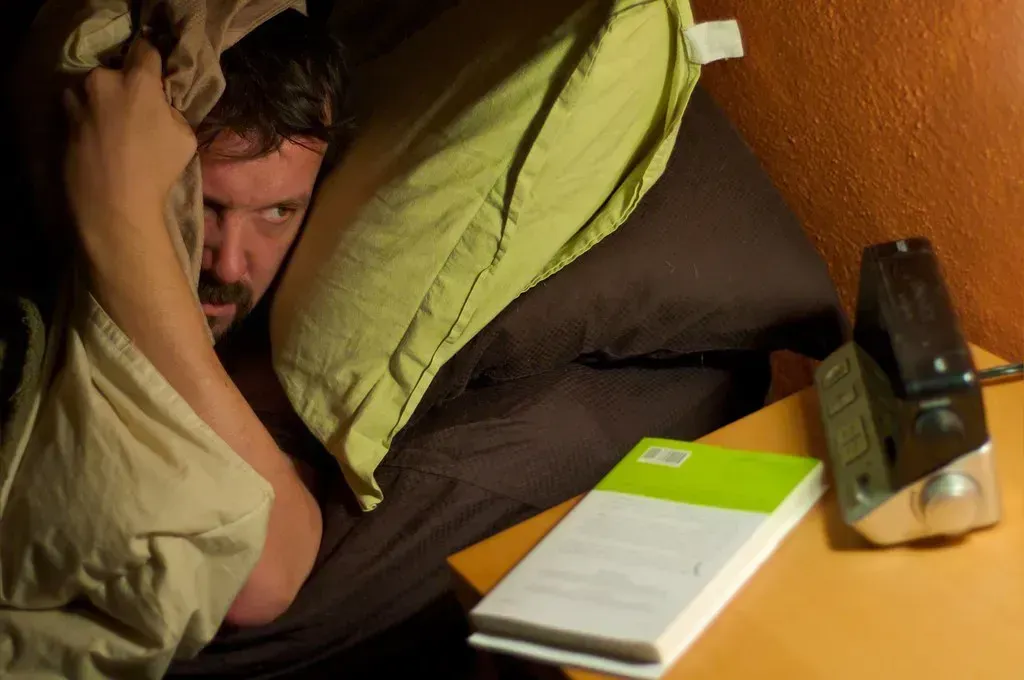
Chronic sleep loss affects brain chemistry in ways that mirror depression, regardless of who gave birth. Fathers often experience night wakings for feeding support, diaper changes, or soothing, altered sleep architecture with reduced REM sleep and frequent disruptions, cumulative sleep debt that can exceed fifty hours in the first three months, and cognitive impairments affecting concentration, decision-making, and emotional regulation.
Nighttime feedings, irregular schedules, and the demands of caring for a newborn can significantly disrupt sleep, which is closely tied to mood regulation. The insidious part is that severe sleep deprivation distorts everything, including a man’s ability to assess how badly he’s doing. Men also often underestimate just how sleep deprived they are. That gap between reality and perception is where a lot of silent suffering happens.
7. Career Ambitions They Set Aside
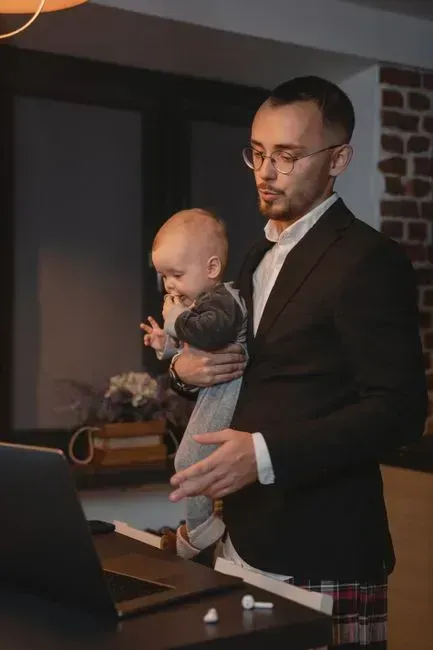
Returning to work can present barriers for fathers, preventing them from a more active parenting role. Work has been associated with fathers feeling disconnected. The struggle to balance occupational demands may be detrimental to a father’s self-esteem and identity. The ambitions don’t vanish entirely, but they get quietly shelved. The promotion chased for years, the career pivot that seemed so achievable before, the side project that once felt exciting: all of it moves to the back burner.
For many men, the transition to fatherhood brings added responsibility and pressure to fulfill traditional provider roles. These demands can clash with modern economic realities, causing stress and a sense of inadequacy. A man may feel he no longer has permission to take professional risks. The weight of being someone else’s security net changes the way he makes decisions, often permanently.
8. Emotional Permission to Show Struggle
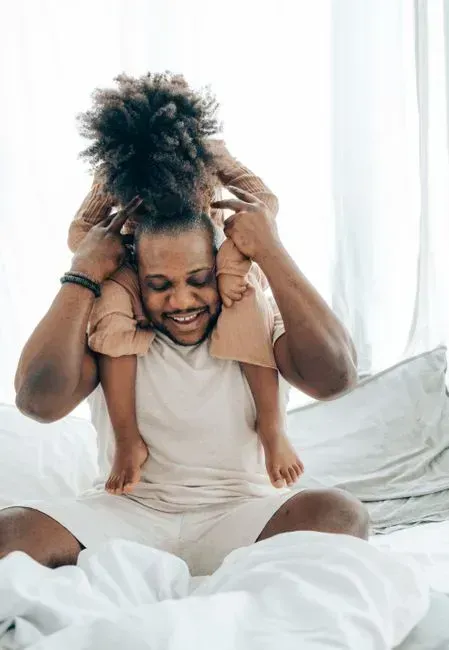
Many fathers express not wanting to admit any emotional struggles within the transition, believing that as a dad, you should not show weakness. This isn’t just an individual quirk. It’s a deeply embedded social norm that most men absorbed long before they ever became fathers. The result is a lot of quiet suffering dressed up as stoicism.
Men might not always feel they have permission to talk about their mental health, but internalizing stress and fear can take a toll over time. The strain to meet the demands of being a provider, partner, and caregiver can become overpowering. New fathers may find themselves entangled in conflicting emotions, which can foster sentiments of isolation and frustration. Needing support while feeling you have no right to ask for it is an exhausting place to be.
9. A Sense of Being Unprepared

Men without children often report being uncertain about what future fatherhood is likely to entail in terms of both pragmatic functions and emotional adjustment. Men with children often report having entered fatherhood lacking critical insights into their partner’s and children’s needs and into the extent of psychological upheaval the new role would entail. Most men receive very little preparation. The focus of prenatal care, conversations, and cultural attention is, understandably, on the mother and the baby.
Fathers felt “unwanted and alienated,” being considered a “passenger” in the transition to fatherhood. Fathers also felt there wasn’t enough tailored information or antenatal support that addressed their needs. Being caught off guard by the sheer emotional scale of becoming a parent is something many fathers silently carry, sometimes with a background hum of shame about not being more ready.
10. Mental and Emotional Stability
Current estimates suggest approximately eight percent of fathers experience paternal postpartum depression, compared to thirteen percent of new mothers. Symptoms often look different from maternal PPD and include irritability, withdrawal, and increased substance use rather than overt sadness, which is why it frequently goes unrecognized. A lot of fathers who are genuinely struggling simply don’t recognise their own symptoms for what they are.
Although fathers may not undergo the significant biological changes that mothers do during pregnancy and after childbirth, they are susceptible to similar mental health triggers: a profound identity shift, stress, sleep deprivation, and the potential for witnessing birth trauma. Fathers may struggle silently, and untreated depression can affect not only their own wellbeing but also the emotional development of their child and the dynamics of the family unit.
11. The Life They’d Quietly Imagined for Themselves

The transition to fatherhood is a vulnerable period of life, with wide-ranging emotions spanning from positive emotions such as fatherly love and a sense of mastery, to challenging emotions such as feeling excluded, jealous, and exhausted. Somewhere beneath the exhaustion, many fathers are also quietly mourning a version of their future that will no longer happen. The extended travel. The career reinvention. The unfettered years in their thirties. Not regret exactly, but a kind of quiet goodbye.
Even planned and deeply wanted fatherhood can feel emotionally complex. The transition to fatherhood can be challenging for many men and brings great emotional changes. These changes occur over time and help to form fathers’ identities. Letting go of the life imagined is not a failure of love for the life actually lived. It’s simply the real, human cost of a genuinely profound transformation, one most men navigate without a map and without being asked how they’re doing.



Leave a Reply