
There’s a particular kind of clarity that comes with age. It’s not dramatic. It creeps up quietly, usually somewhere between your late twenties and your mid-forties, when you find yourself genuinely appreciating something you once took completely for granted. Not a sports car or a penthouse. Something simpler. A slow morning. A meal cooked at home. An afternoon with nothing scheduled at all.
These aren’t things we were ever told to value. Nobody sits a teenager down and says, “cherish your uninterrupted sleep.” Yet here we are, wishing someone had. The list below covers eleven of those everyday gifts that most of us only recognized as luxuries once they became harder to come by.
1. A Full Night of Uninterrupted Sleep

As a child or teenager, sleep feels automatic, almost inconvenient. There’s always something more interesting to do than go to bed. It’s only after years of early alarms, late work nights, newborns, anxiety, and creaking joints that sleep earns its true reputation. With busy lives, crowded schedules, and a never-ending list of responsibilities, sleep can start to feel like a luxury – and feeling tired all the time can quietly become normalized.
Most adults should aim to get seven or more hours of uninterrupted sleep each night. That sounds simple enough, until life makes it genuinely difficult. During sleep, the body repairs tissues, strengthens the immune system, and processes emotions. A lack of quality sleep can lead to chronic health issues, including heart disease, diabetes, and obesity. Few things feel more decadent at forty than waking up naturally, without an alarm, fully rested.
2. Time That Belongs to Nobody Else

Free time in childhood is so abundant that boredom becomes a legitimate complaint. You fill Saturday afternoons with absolutely nothing and think nothing of it. Then adulthood arrives with its obligations, its schedules, and its background hum of things that need doing. Suddenly, a free afternoon with no demands feels almost transgressive.
On days in which people spent more time alone, they felt less stress and greater autonomy satisfaction: volitional, authentic, and free from pressure. Research published in Scientific Reports confirmed this across a 21-day diary study of adults. These benefits were cumulative; those who spent more time alone across the span of the study were less stressed and more autonomy satisfied overall. Unstructured time isn’t wasted time. It just took most of us a decade or two to figure that out.
3. Home-Cooked Meals
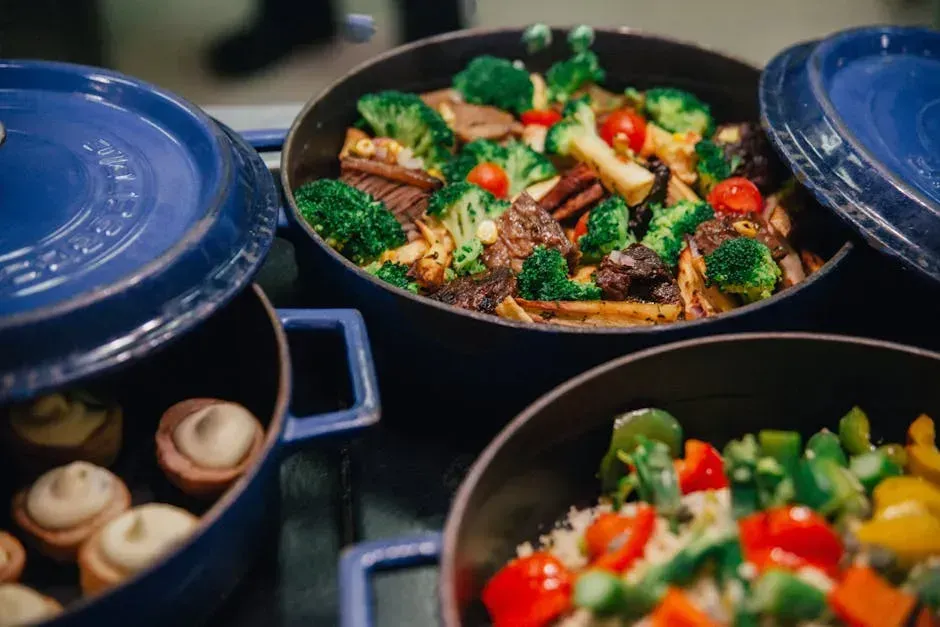
Growing up, a home-cooked dinner was just dinner. Something that appeared on the table, that you may or may not have appreciated, before running off to do something else. It’s only after years of takeout containers and reheated lunches that the quiet effort behind a home-cooked meal becomes visible. Home cooking is associated with numerous health benefits, including a reduced risk of type 2 diabetes and other chronic diseases. People who cook at home eat higher quality food, consume fewer calories, spend less money on food, and have less weight gain over time than those who dine out and eat prepared foods on a regular basis.
The social dimension matters just as much as the nutritional one. Food brings people together, and cooking at home is a great way to unite your family over the dining table. Everyone loves a home-cooked meal, even moody teenagers or picky eaters. Eating home-cooked meals more frequently was associated with greater adherence to DASH and Mediterranean diets, greater fruit and vegetable intakes, and higher plasma vitamin C. All that, from something that used to feel like just an obligation.
4. The Luxury of Boredom

Boredom was once the enemy. As kids, we couldn’t tolerate it. As adults, we would pay for it. The constant connectivity of modern life has made genuine, phone-free boredom nearly impossible to access, and research is beginning to suggest that’s actually a problem. By filling every second, every space, every pause in your life to avoid boredom, you might be missing out on opportunities for your brain to think more freely.
Small sessions of low-stimulus unstructured time can be beneficial when feeling overwhelmed or when working through a creative project. Knowing how to manage boredom without relying on external stimuli is an important skill. The brain needs idle time to wander, to make unexpected connections, to simply reset. That restless childhood feeling of “there’s nothing to do” turns out to have been good for us all along.
5. A Dependable, Patient Friendship

When you’re young, friendships seem effortless and endlessly replaceable. You make new ones constantly, at school, at parties, through proximity. It takes years to understand what it actually costs to build a friendship that survives distance, disagreement, and change. The friend who still picks up the phone after months of silence, who doesn’t require maintenance to remain close, is genuinely rare.
That kind of friendship doesn’t announce itself as special. It just exists, quietly, until one day you realize most of your acquaintances have been replaced by obligations and that this one person has stayed through all of it. You can’t manufacture it or fast-track it. It’s earned slowly, which is precisely what makes it a luxury.
6. A Slow, Unscheduled Morning

The Saturday mornings of childhood. No alarm. No agenda. Sunlight coming through the curtains at whatever time it wanted. Back then, those mornings were simply the weekend. In adult life, they become something to plan for, protect, and occasionally grieve the loss of. The slow morning, it turns out, is one of the great underappreciated pleasures of being alive.
There’s genuine psychological value here. Studies show that getting enough sleep can improve your mood and mental function, reduce stress and anxiety, regulate your blood sugar, help you maintain a healthy weight, and improve your heart health and metabolism. Waking without urgency is one of the simplest ways to begin all of that. It’s not laziness. It’s maintenance.
7. Physical Health You Didn’t Have to Work For

In your teens, your body bounces back from almost anything. A bad week of eating, a few nights of poor sleep, a weekend of pure recklessness, and you’re fine by Monday. You don’t notice this at the time because you’re not comparing it to anything. You only realize what you had once the recovery starts taking longer and the effort required to feel good increases year by year.
Good health in youth is something most of us spent rather than saved. Poor sleep affects everything from immune strength and heart health to memory, mood, and even weight management. The same is true for poor diet and chronic stress. By the time many people start actively investing in their health, they’re already making up for a decade of not needing to. The effortless version was the luxury.
8. Solitude That Actually Feels Restorative

There’s a difference between being alone and being lonely. Most people don’t fully grasp that distinction until they’ve experienced both. Chosen solitude, the kind where you close a door and exhale and feel genuinely restored by silence, is something many adults actively seek and rarely find enough of. Children have it constantly and call it boring.
Solitude can increase life satisfaction, promote emotion regulation, and reduce stress. Research from Oregon State University found that activities that provide less complete forms of solitude, like reading in a café or listening to music while commuting, are more likely to restore energy and enhance social connectedness than intense, complete isolation. Even small doses of quiet time, deliberately chosen, carry real value that most people only start protecting once it becomes scarce.
9. The Patience of People Who Loved You Unconditionally

Parents, grandparents, and other caregivers absorb an enormous amount of thoughtlessness from the children they love. Not out of weakness, but out of a kind of bottomless patience that is genuinely extraordinary when you step back and consider it. Children don’t see it as extraordinary. They see it as normal because it’s all they’ve ever known.
It usually takes a few decades, sometimes parenthood itself, to understand the scale of what was being offered. The willingness to show up consistently, to love without condition, to forgive carelessly inflicted hurt: these are not common qualities in the wider world. Finding them again in adult relationships is rare enough to feel like an unexpected gift.
10. Not Having to Worry About Money

Childhood financial security, when it exists, is invisible to the people most protected by it. Kids don’t notice that the rent is paid, that the fridge is stocked, that the electricity stays on. There’s no awareness of what it costs to maintain ordinary stability, or what it feels like when that stability is threatened. That awareness comes later, usually all at once.
Even relative financial ease in adulthood, not wealth but simply the absence of immediate crisis, is something that takes on a different quality once you’ve known stress around money. Cooking dinners at home may be an effective strategy to reduce the consumption of empty calories and improve diet quality within the budget. Financial breathing room, like so many quiet luxuries, tends to be most visible in its absence. The lucky ones figure that out before they lose it.
11. The Experience of Being Genuinely Present

Children exist almost entirely in the present moment. They’re not planning the week ahead or reviewing past conversations for hidden meaning. They’re just there, fully absorbed in whatever is happening right now. That quality of attention, of full presence without the overlay of anxiety or self-consciousness, is something most adults spend years and considerable effort trying to recapture.
Mindfulness has become an entire industry partly because presence has become so difficult to access naturally. Research has shown that solitude creates a quiet space for self-reflection, self-evaluation, and concentration. The irony is that what we now practice as a skill was simply how we existed before distraction and obligation became the defaults. Being truly present, without effort, without an app or a practice or a retreat, was the original luxury. Most of us just didn’t know to call it that.
The things on this list cost nothing and were freely available for years. They didn’t feel precious because they weren’t scarce. That’s the quiet trick of a true luxury: you rarely recognize it while you have it. The recognition comes later, often quietly, often in the middle of an ordinary Tuesday when something small is missing and you suddenly know exactly what it was.




Leave a Reply