
Most of us move through our days with a quiet confidence that we’ve figured out the basics. Brush your teeth. Stretch before exercising. Stay warm so you don’t catch a cold. These feel like settled knowledge, the kind of thing your parents taught you and their parents taught them. The trouble is, a surprisingly large share of our most automatic daily habits are built on either outdated guidance or flat-out myth.
Science has a way of quietly dismantling the obvious. Some of the corrections are small and easy to implement. Others require you to unlearn something you’ve done tens of thousands of times. Either way, the research is worth knowing.
1. Rinsing After Brushing Your Teeth
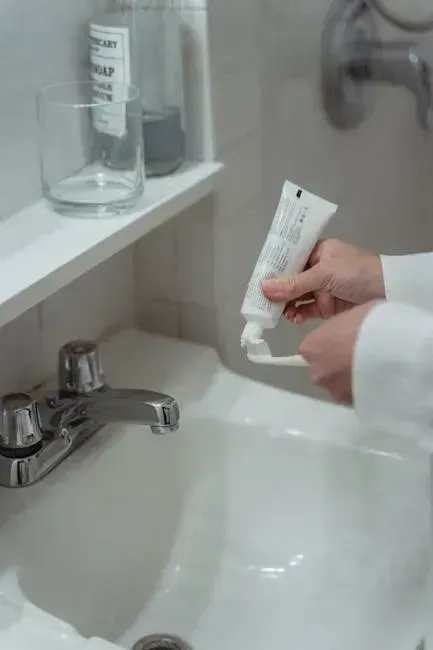
It feels like the natural end to brushing: spit, then rinse with a big gulp of water. It’s satisfying, it clears the foamy toothpaste, and almost everyone does it. The problem is that it actively works against you. Once you’ve brushed, rinsing your mouth with water washes away the fluoride, and breaking that habit can reduce tooth decay by up to roughly a quarter.
Most of the real benefit from brushing comes from the toothpaste itself. The key ingredient is fluoride, which evidence shows prevents tooth decay by replacing lost minerals in teeth and making them stronger. Rinsing it all away the moment you’re done is a bit like applying sunscreen and then toweling it off. The guidance from dental researchers is simple: spit, then leave it.
2. Brushing Your Teeth Right After Eating
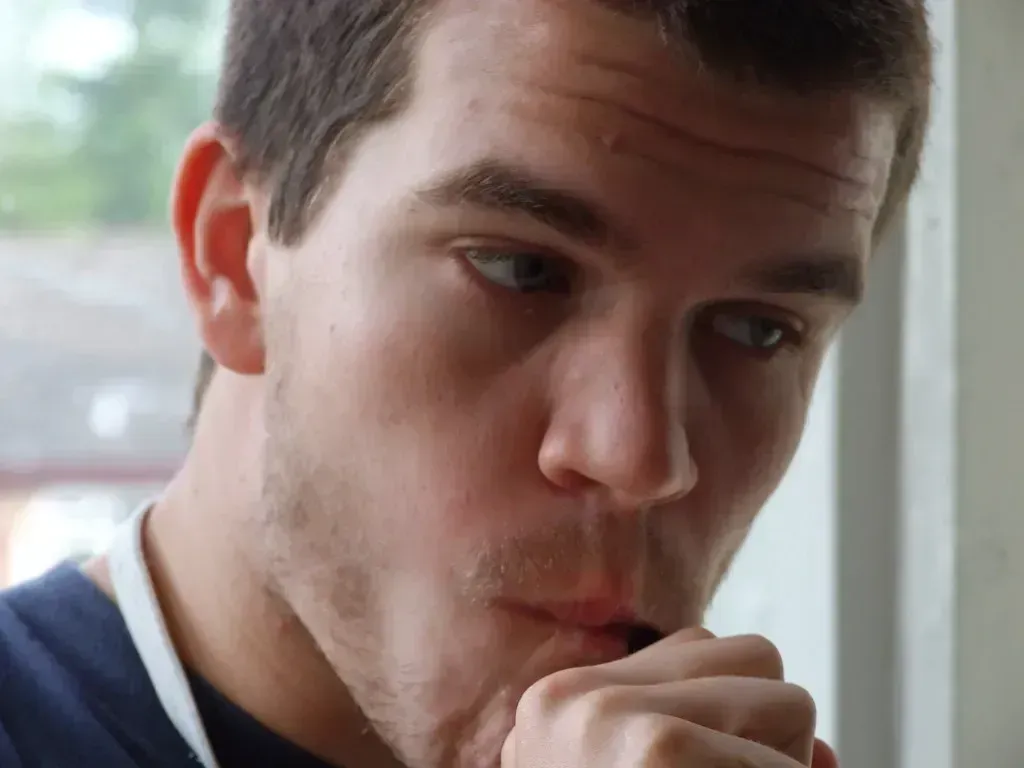
Many people reach for their toothbrush immediately after breakfast, thinking they’re being thorough. In reality, the timing couldn’t be worse. Brushing immediately after a meal can actually damage your teeth. After eating or drinking, especially acidic foods, the mouth becomes acidic and enamel temporarily softens. Brushing during this window can accelerate enamel erosion and tooth sensitivity, which is why experts recommend waiting at least 30 to 60 minutes before brushing.
When looking to protect tooth enamel, brushing right after waking up in the morning may actually be better than brushing after breakfast. While you sleep, plaque-causing bacteria in the mouth multiply. Washing those bacteria out with fluoride toothpaste rids your teeth of plaque and bacteria, and also coats tooth enamel with a protective barrier against the acid in your food. A glass of water after eating is the smarter move while you wait.
3. Static Stretching Before Exercise

The image is familiar: someone bent over touching their toes in a parking lot before a run, or pulling a foot up behind them before a workout. It looks responsible. It looks like preparation. It isn’t. Research shows that static stretching, holding a muscle in a stretched position for an extended time, can actually impair performance before physical activity, leading to a temporary drop in muscle strength, reaction speed, and stability, and in intense workouts may even increase the risk of injury.
The reason is that both muscles and the nervous system enter a state of relaxation, which isn’t compatible with activities that require power, speed, or explosiveness. In contrast, dynamic warmups involving controlled movements that mimic the type of activity to follow, such as joint rotations, light steps, or gentle jumps, prepare the muscles, tendons, and nervous system more effectively and safely. Save the deep stretching for after your workout, when muscles are warm and pliable.
4. Going Outside in the Cold Causes Colds

This one has been repeated so often by so many generations of parents that it feels like biology. Step outside without a coat, catch a cold. It’s wrong. Being outside in chilly weather doesn’t directly cause colds or the flu. Viruses, not temperature, cause these illnesses. Cold weather can indirectly increase your risk because people spend more time indoors in close contact, making it easier for viruses to spread.
Viruses cause colds, not the temperature outside. Winter simply makes it easier for viruses to spread because people spend more time indoors breathing the same air, and the dry atmosphere helps viruses survive longer. The good news is that this also clarifies the actual defense: frequent handwashing and keeping surfaces clean matter far more than bundling up before stepping outside.
5. Thinking Willpower Is the Key to Better Habits

When people try to change their behavior and fail, the story they usually tell themselves is simple: they just didn’t want it enough. They lacked discipline. If only they had more willpower. Research suggests this framing is fundamentally mistaken. Research shows that people who are more successful at achieving long-term goals exert less willpower in their day-to-day lives. This makes sense because, over time, willpower fades and habits prevail.
Research from Duke University shows that habits drive roughly two in five of our daily behaviors, and habit researcher Wendy Wood’s daily experience study suggests the number could be even higher, reaching approximately 43 percent. The real lever for lasting change isn’t forcing yourself harder. Changing habits begins with the environments that support them, and research shows that leveraging the cues that trigger habits in the first place can be incredibly effective.
6. Mouth Breathing as a Default

Most people don’t think much about how they breathe. They just breathe. The mouth is right there, easy and available, and for a lot of people it becomes the default, especially during exercise. It turns out the nose is significantly better suited for the job. Breathing through the nose rather than the mouth is recommended where possible, because the nose warms and humidifies incoming air more effectively than the mouth does.
Inhalation of cold, dry air through the mouth often irritates the airways, and this can happen even in individuals with healthy lungs, especially when the air is particularly cold and dry and the amount of air breathed in and out increases during exercise outdoors. Beyond temperature and exercise, nasal breathing filters particles and keeps airway tissues better hydrated. It’s a simple mechanical advantage most of us routinely ignore.
7. Misreading What Actually Drives Our Own Behavior

When you ask people why they do the things they do, you usually get a story about intentions, moods, and deliberate choices. The evidence suggests people are often wrong about their own motivations. When researchers asked coffee drinkers what drives their coffee consumption, they estimated that tiredness was about twice as important as habit. The actual results starkly diverged from participants’ explanations. While they were somewhat more likely to drink coffee when tired, habit was an equally strong influence. In other words, people wildly overestimated the role of tiredness and underestimated the role of habit.
Two-thirds of our everyday behaviors are habits. Yet most of us walk around convinced we’re making reasoned choices moment to moment. Habits happen when automatic responses outweigh our ability to consciously control them. Good and bad habits are two sides of the same coin, both arising when automatic responses overpower goal-directed control, and by understanding this dynamic, we can start to use it to our advantage. The first step is simply accepting that we know ourselves a little less well than we think we do.
None of these corrections require major life overhauls. Most of them just ask you to pause for a moment before doing what you’ve always done automatically. That pause, it turns out, is harder than it sounds when so much of what we do runs quietly on autopilot.




Leave a Reply