
Walk down any pet store aisle and you’ll notice how quickly a small bag of dog treats can cost as much as a decent lunch. Many of those treats are also packed with ingredients you may not recognize. Making your own at home is cheaper, and you control exactly what goes into each batch.
The recipes below rely on pantry staples and simple steps. Treats should make up only a small part of a dog’s daily calories, and the American Kennel Club generally suggests keeping them to about ten percent. Always check with your vet before introducing new foods, especially if your dog has allergies or a health condition.
Classic Peanut Butter Biscuits
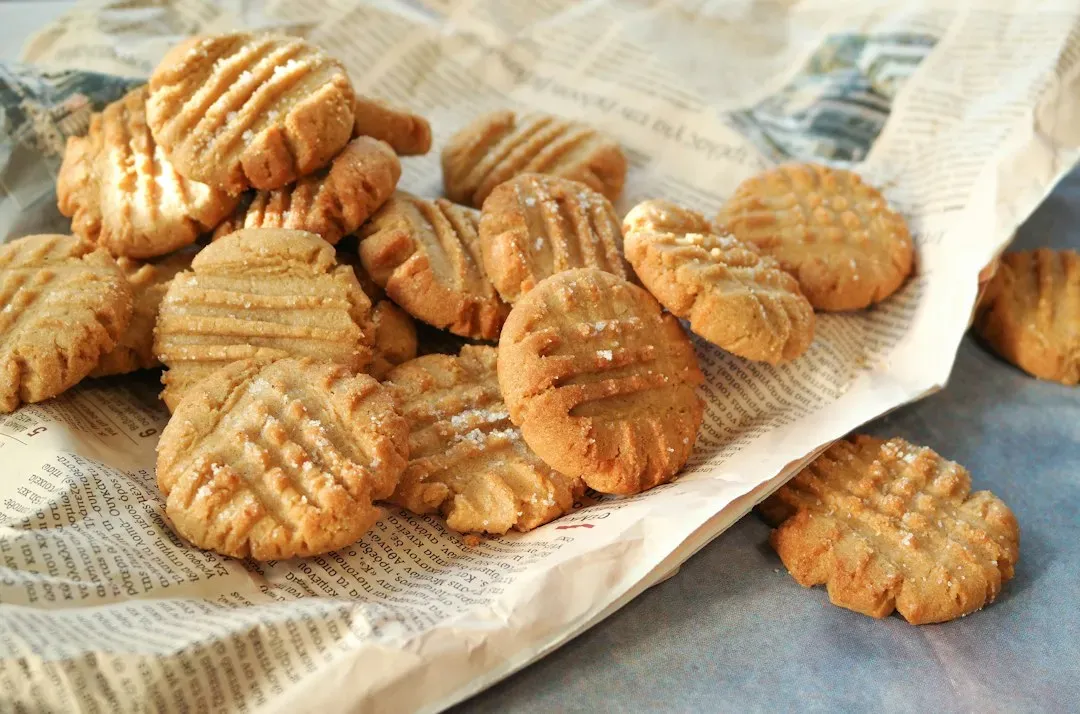
Mix whole wheat flour, an egg, water, and peanut butter into a stiff dough, then roll it out and cut shapes. Bake at about 350°F for roughly 20 minutes, until firm. It’s the recipe most people start with, and for good reason.
Check the label on your peanut butter before you start. Xylitol, a sweetener sometimes added to nut butters, is toxic to dogs, and the ASPCA warns about it directly. Choose a plain variety with just peanuts, or peanuts and a little salt.
Two Ingredient Pumpkin Bites
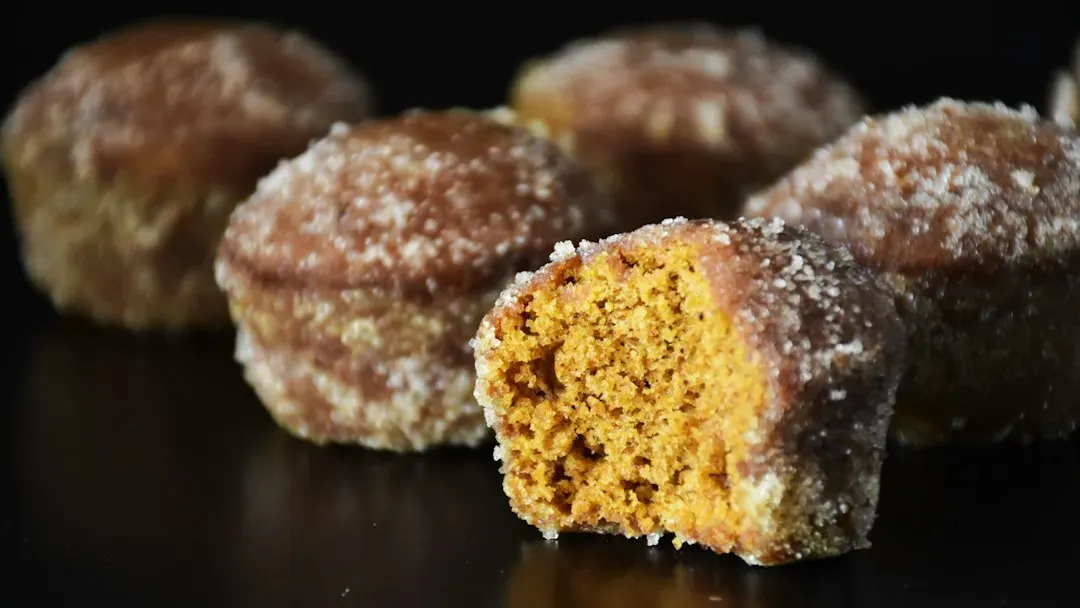
Combine plain canned pumpkin with flour, then scoop small balls onto a baking sheet and bake until dry on the outside. You can stretch a single can across several batches, which keeps the cost low. Freeze any leftover pumpkin in an ice cube tray so it doesn’t go to waste.
Be sure to buy pure pumpkin, not pie filling, which contains sugar and spices. Veterinary sources commonly note that plain pumpkin is a good source of fiber and may help with mild digestive upset in small amounts. Keep portions modest, since too much fiber can cause its own problems.
Sweet Potato Chews
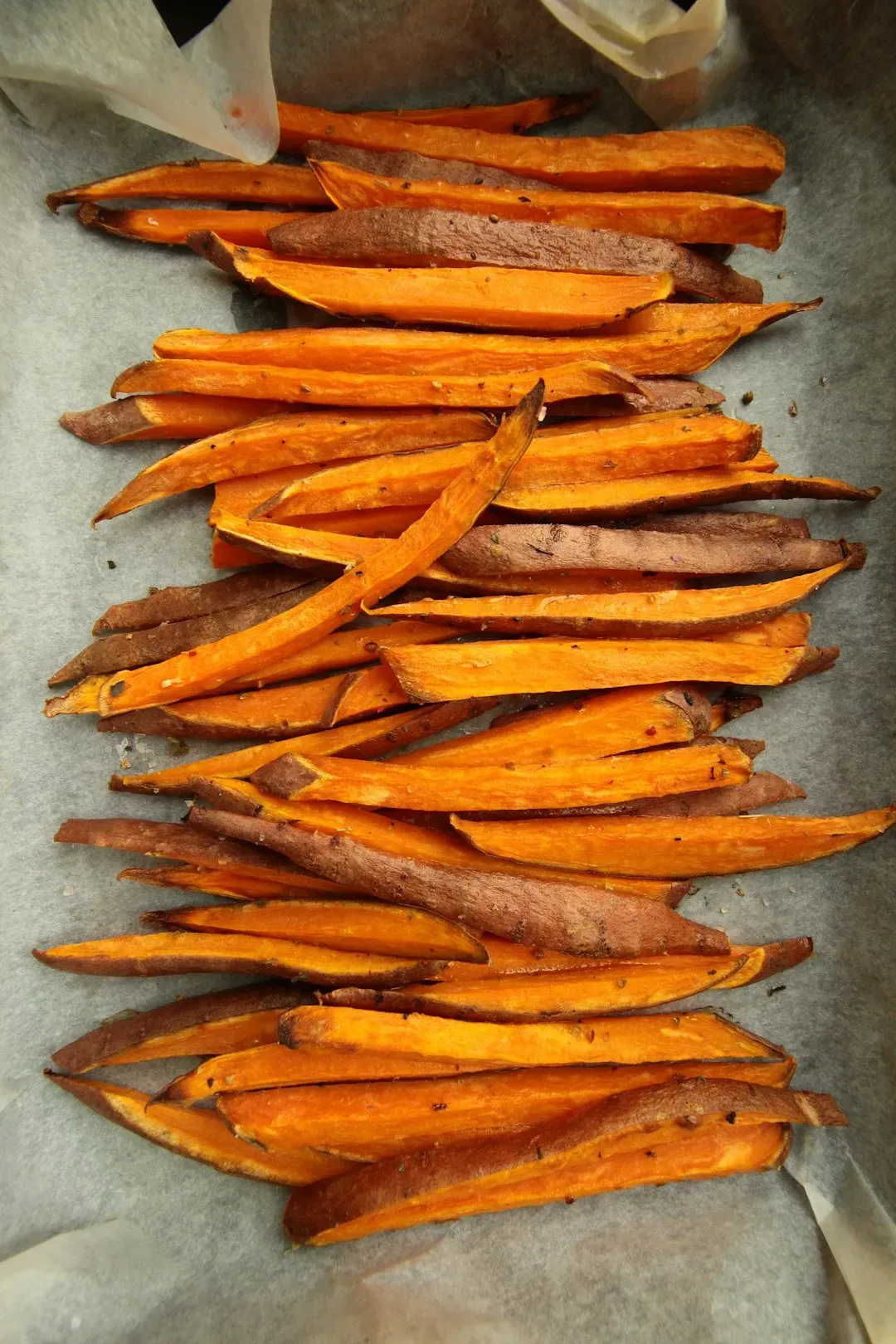
Slice a sweet potato lengthwise into thin strips, about a quarter inch thick, and bake at a low temperature for a couple of hours. The result is chewy and naturally sweet, much like the pricey store versions. One potato can yield a generous handful of chews.
Sweet potatoes provide fiber and vitamins, and they’re a common ingredient in commercial dog foods. Cook them fully and serve them plain, with no butter, salt, or seasoning. Let them cool completely before handing them over.
Banana and Oat Cookies
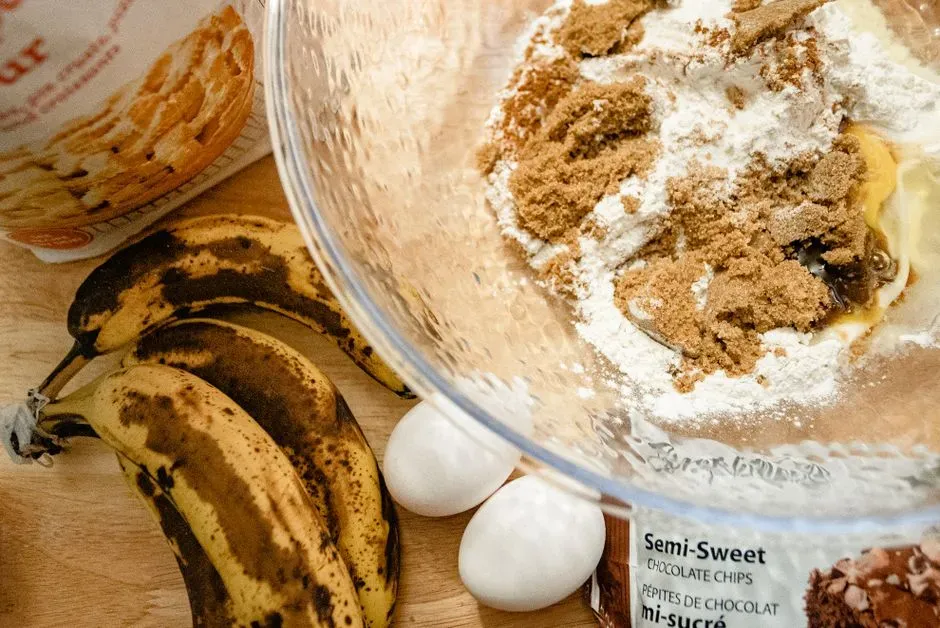
Mash a ripe banana and stir in rolled oats until the mixture holds together. Spoon small mounds onto a lined tray and bake until lightly golden. Overripe bananas that you’d otherwise throw out work perfectly here.
Oats are a gentle grain for many dogs, and bananas offer potassium. They’re also fairly high in sugar, so these are best as an occasional reward. Smaller dogs especially should get just a piece or two.
Apple and Cinnamon Crunchies
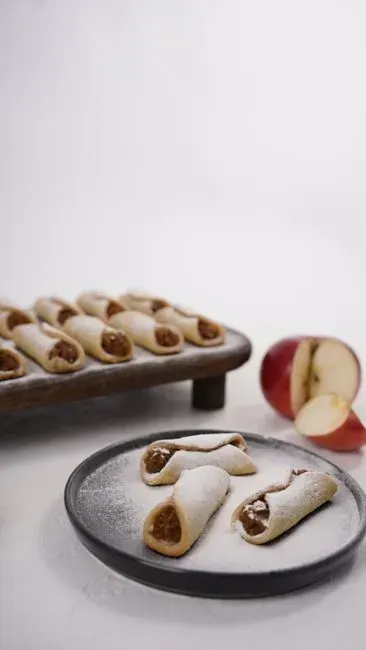
Grate an apple, then fold it into a dough of oat flour, an egg, and a pinch of cinnamon. Bake until crisp. The grated apple adds moisture so you won’t need much liquid.
Always remove the core and seeds, because apple seeds contain small amounts of compounds your dog shouldn’t eat regularly. Cinnamon is considered safe for dogs in small quantities, according to the ASPCA, but a pinch is plenty. Skip nutmeg entirely, since it can be harmful.
Carrot and Cheese Muffins
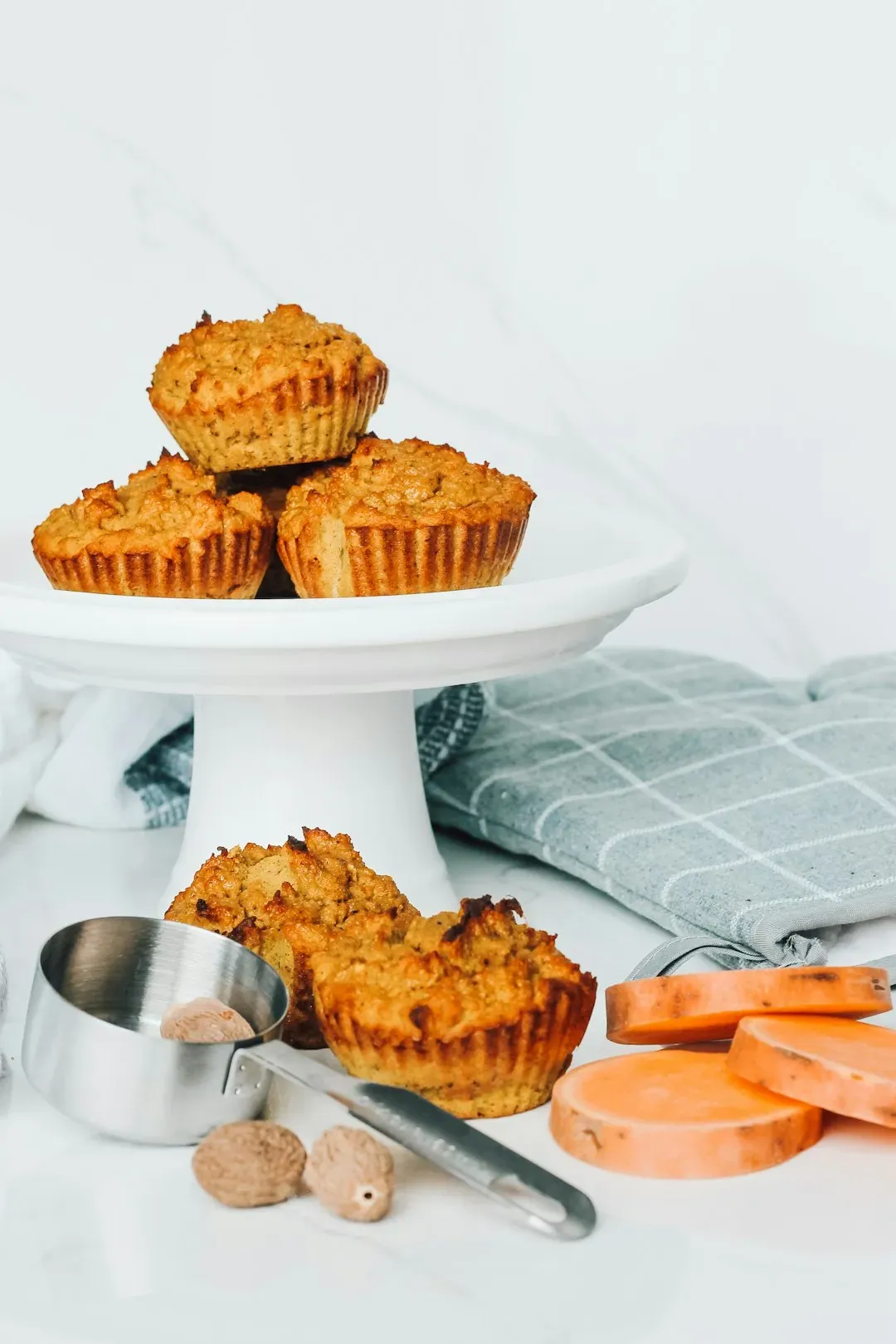
Bake a mini muffin batter made from flour, grated carrot, an egg, and a spoonful of shredded cheese. Using a mini muffin tin gives you bite-sized portions that are easy to count out. They freeze well, too.
Cheese works nicely as a flavor booster, but some dogs are lactose sensitive. Use only a small amount, and watch how your dog reacts the first time. Carrots add crunch and vitamin A at very little cost.
Chicken and Rice Bites
Cook plain rice and shredded chicken, then mash them together with an egg and bake in small clumps. This is a good option when you have leftovers from a family dinner, as long as they’re unseasoned. Cooked chicken makes these treats especially appealing to picky eaters.
Never include onion, garlic, or heavy seasonings, which are harmful to dogs. Make sure the chicken has no bones and is cooked all the way through. Store these in the fridge and use them within a few days, since they contain fresh meat.
Frozen Yogurt Drops
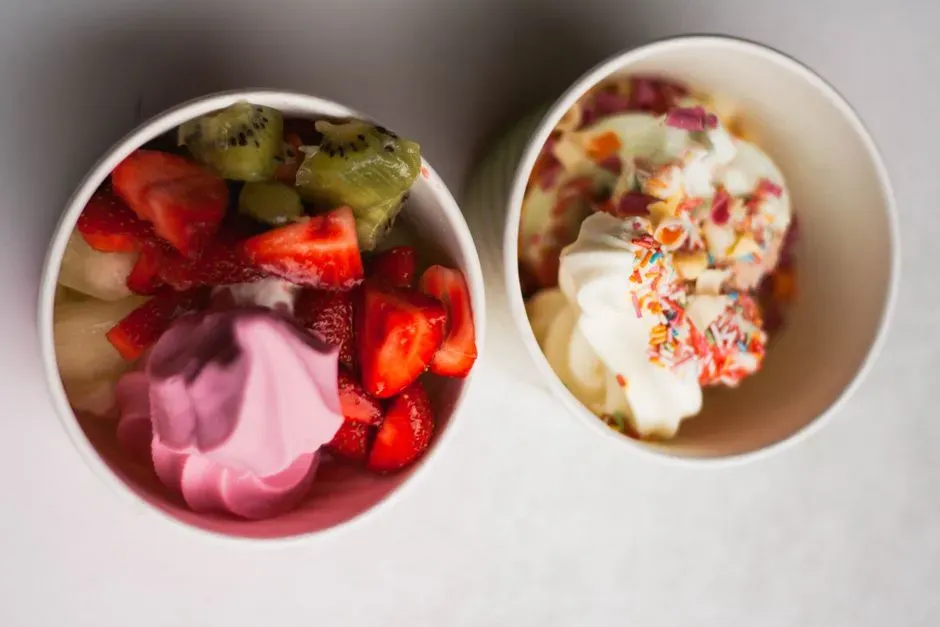
Spoon plain, unsweetened yogurt into a silicone mold or onto parchment, then freeze until solid. A swirl of mashed blueberries or a little peanut butter adds variety. No oven needed, which makes these a favorite in summer.
Pick yogurt without artificial sweeteners, and avoid any labeled sugar free unless you’ve verified the ingredients, since xylitol can hide there. Many dogs tolerate small amounts of plain yogurt well. Introduce it slowly if your dog has a sensitive stomach.
Blueberry Oat Bars
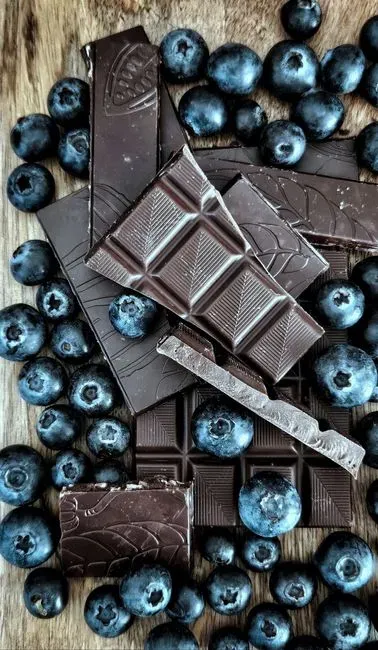
Blend oats into flour, mix in mashed blueberries and an egg, then press the dough into a pan and bake. Once cooled, cut it into small squares. A single pint of berries goes a long way here.
Blueberries are a safe, low-calorie fruit for dogs, and many owners use them as a training reward on their own. Frozen berries work just as well and are often cheaper out of season. Cut the bars small so portion sizes stay reasonable.
Homemade Liver Training Treats
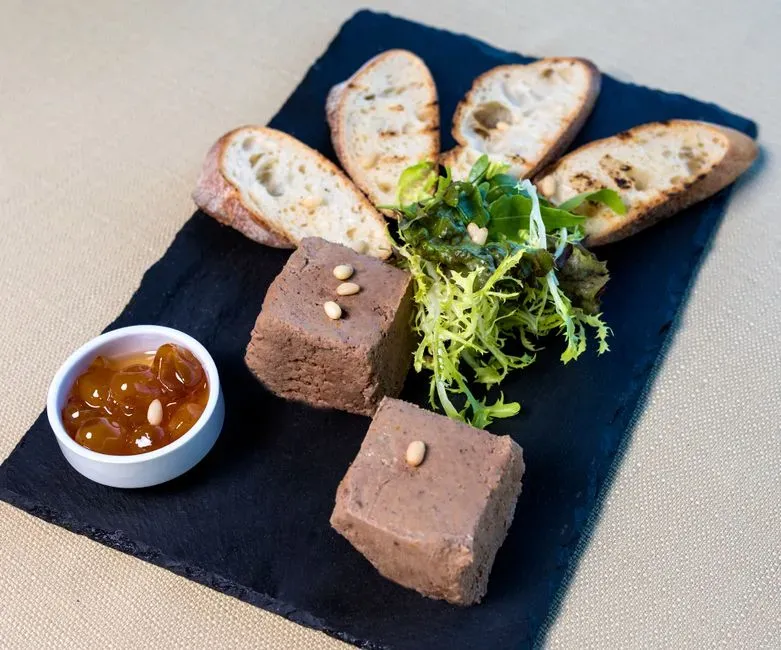
Puree cooked liver with flour and an egg, spread the mixture thinly on a baking sheet, and bake until firm. Cut it into tiny squares once cool. The strong smell is a hit with dogs, so a very small piece goes a long way during training.
Liver is rich in vitamin A, and too much over time can cause problems. Treat this recipe as an occasional high value reward, not a daily snack. Keep the batches small and freeze extra portions.
Sardine Crackers
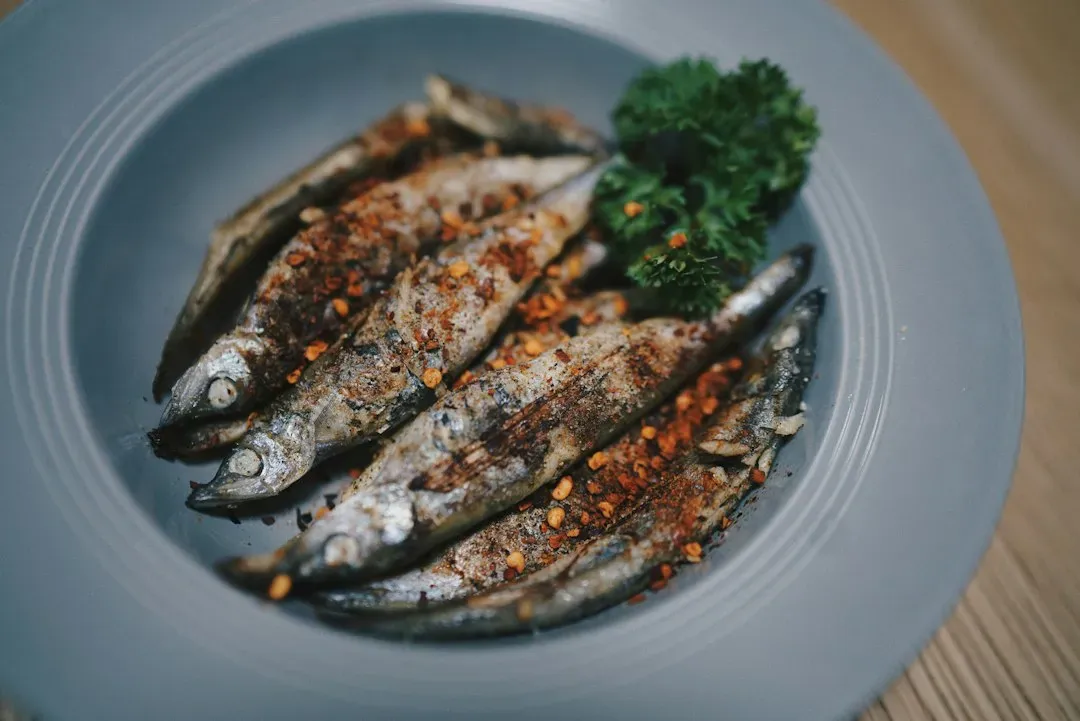
Mash canned sardines packed in water, with no added salt, into a simple flour and egg dough. Roll it thin and bake until crisp. Sardines are inexpensive, and a single tin can make a big batch.
Fish provides omega-3 fatty acids, which are often discussed in veterinary nutrition for skin and coat health. Avoid sardines packed in oil with seasonings or heavy salt. These do smell strong while baking, so open a window.
Pumpkin and Peanut Butter Frozen Pops
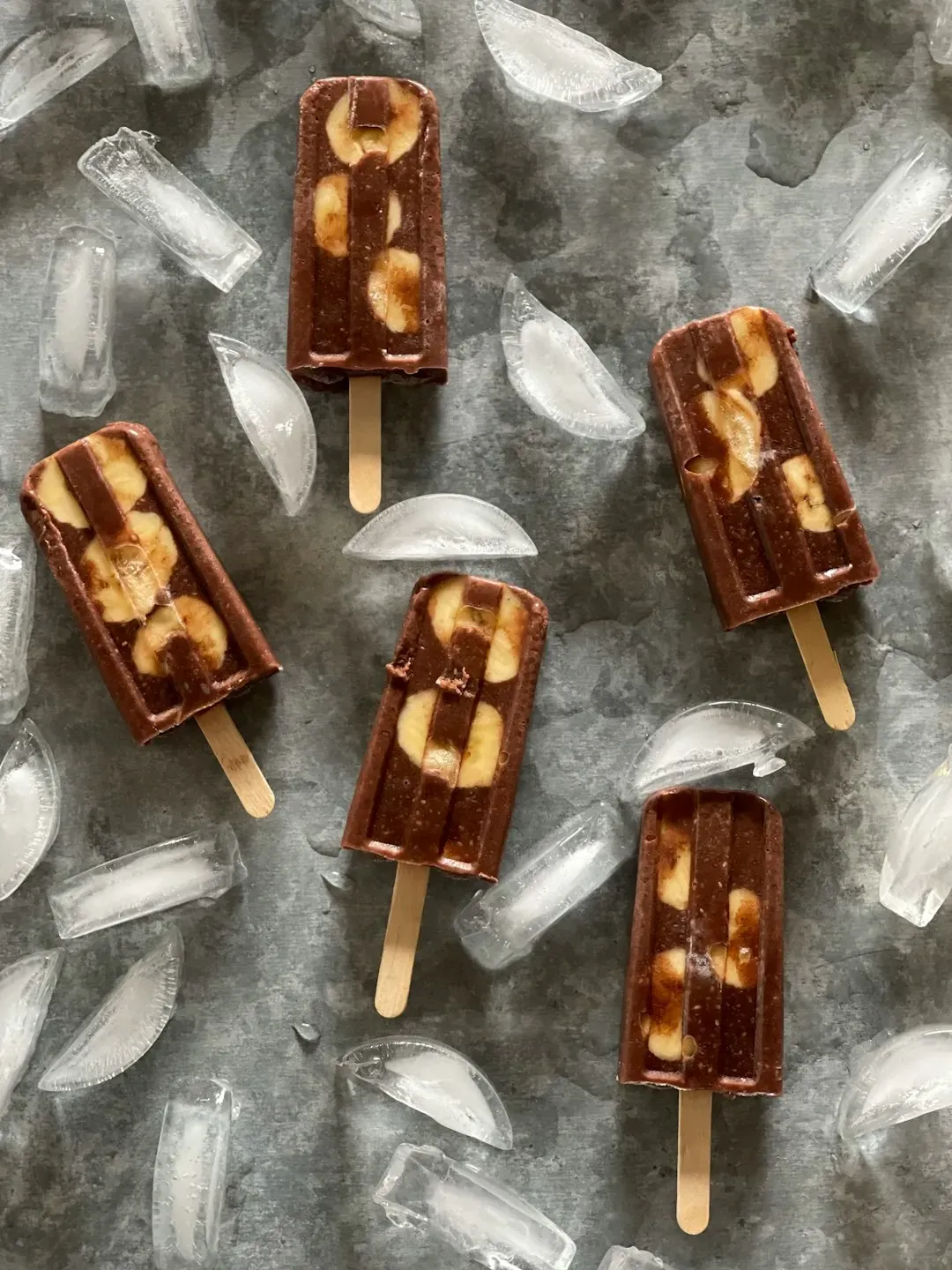
Stir together plain pumpkin, a spoonful of peanut butter, and a splash of water or unsalted broth. Pour it into small molds and freeze overnight. It’s a mess-free way to cool a dog off on a hot day.
This combines two of the cheapest ingredients in this list, so the cost per treat is tiny. Use xylitol free peanut butter and plain pumpkin once again. Serve one pop at a time, and keep an eye on your dog while they enjoy it.
Store baked treats in an airtight container for about a week, or freeze them for longer storage. Treats made with fresh meat or dairy should stay refrigerated or frozen. When in doubt, make smaller batches and share them with your dog’s friends.

Leave a Reply