
There’s something quietly compelling about a candy bar that no longer exists. Unlike a discontinued car model or a shuttered restaurant, a lost candy bar carries a very specific kind of nostalgia, one tied to a particular age, a particular afternoon, a particular version of yourself. Food historians continue to document these disappeared delights because they represent changing American appetites and business strategies, with each discontinued bar telling a story of innovation, marketing missteps, corporate mergers, or simply being ahead of or behind the times.
Amazingly, roughly two thirds of candy bars currently in production have been around for over 60 years, but more brands are being discontinued than ever as companies merge, are purchased by private equity, or go out of business. What follows are twelve bars that collectors and food historians still actively trace today, each with its own story of rise, fall, and lasting fascination.
1. The Marathon Bar (1973–1981)
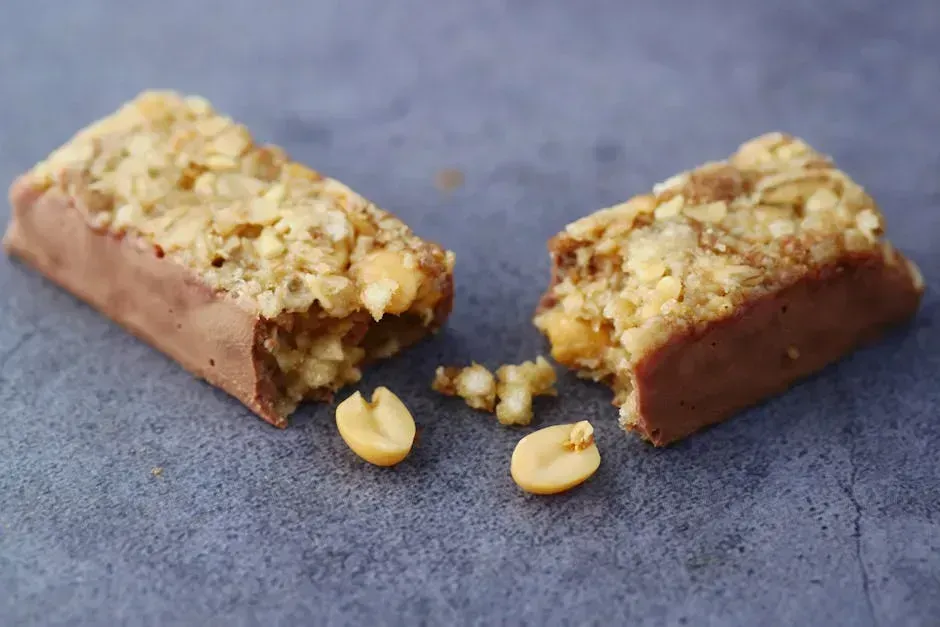
Mars Inc. launched the Marathon Bar as an eight-inch braided caramel bar covered in chocolate, with red wrapper and cowboy-themed TV ads emphasizing to consumers just how long it would take to chew through it. The packaging was labeled with ruler marks, a sneaky little marketing technique that basically said “look how big this candy bar is,” and due to its abnormal size, it usually had its own display, making it even more memorable and appealing.
In 1981, after an eight-year run, the braided caramel bar was retired, and it remains one of the most requested discontinued candy bars of all time. The Marathon bar still has its own cult following that hopes one day the bar will make a comeback. Original wrappers from the bar routinely surface on collector marketplaces, where condition and rarity drive the price.
2. The Seven Up Bar (1930s–1979)
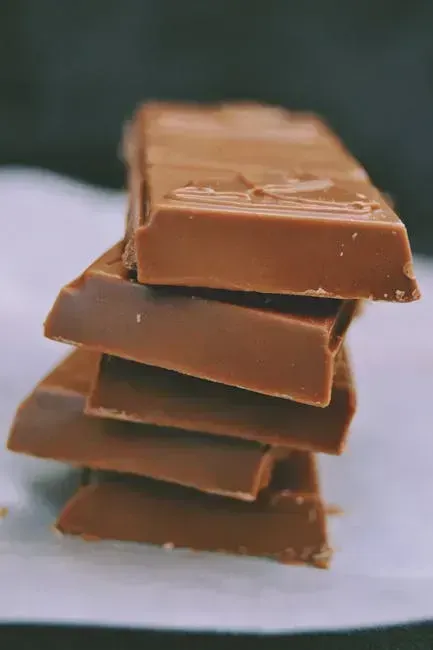
The Seven Up Bar was a creamy milk chocolate bar with seven different sections that broke off in a snap, filled with mint, nougat, butterscotch, fudge, coconut, buttercream, and caramel. The first Seven Up Bar came out sometime in the 1930s, originally by Trudeau Candy, until Pearson’s bought the St. Paul-based company in 1951 and added the candy bar to its repertoire, slightly changing the filling flavors to go with the times.
High manufacturing costs and trademark disputes with 7 Up soda ultimately forced the candy’s discontinuation after nearly 50 years. The oil crisis led to increased production costs, making it expensive to produce a candy bar with so many different components, and it faced competition from simpler, easier-to-produce options that dominated the market. Collectors today specifically prize examples of original Pearson’s-era wrappers, which show the distinct sectioned design.
3. The Caravelle Bar (1965–late 1970s)
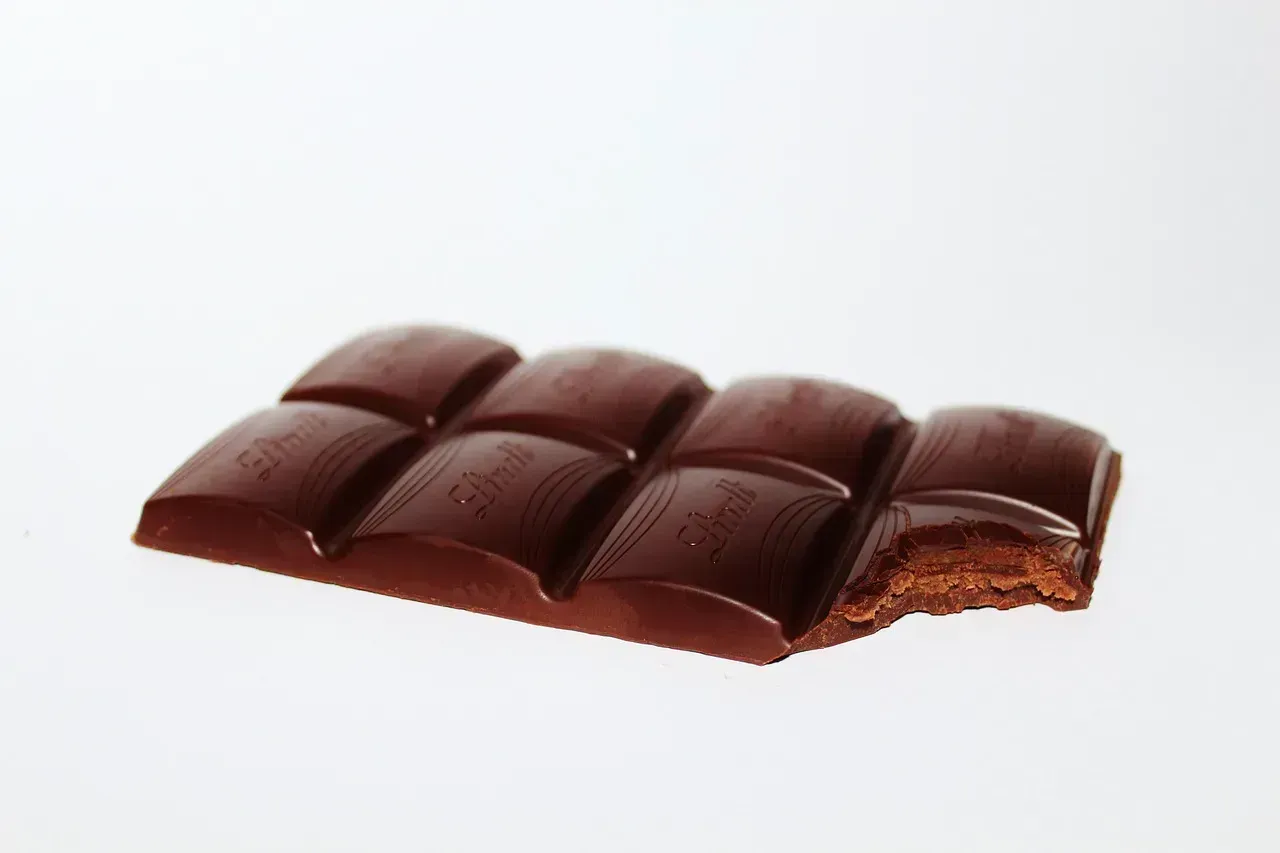
Gone but not forgotten, the Caravelle bar was introduced in 1965 by the Peter Paul Candy Company to compete with Nestlé’s popular 100 Grand bar, featuring a smooth layer of caramel and crispy puffed rice enrobed in milk chocolate. Some candy historians consider it the most underrated bar of its era, sophisticated enough for adults but fun enough for kids.
The Caravelle bar was discontinued after Peter Paul merged with Cadbury Schweppes in 1978. What makes Caravelle particularly appealing to collectors is the “what if” factor – a bar widely considered superior to the rival it was designed to beat, erased entirely by corporate consolidation rather than consumer rejection. That particular kind of unfairness has a way of keeping interest alive for decades.
4. The Sky Bar (1938–2018)
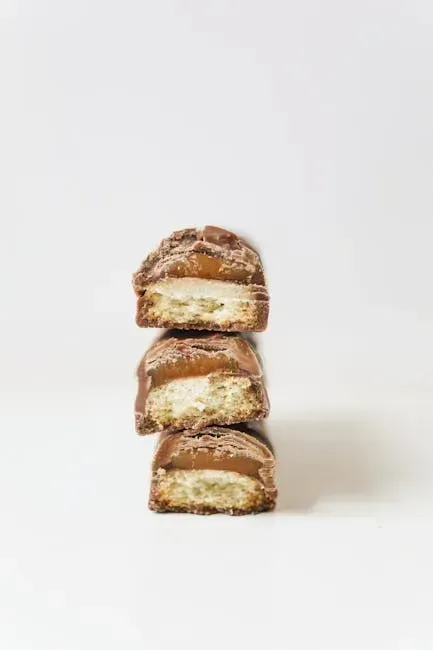
The Sky Bar was launched in 1938 by Necco and had four molded chocolate pockets with different fillings – caramel, vanilla, peanut, and fudge – and enjoyed a long run as a New England favorite, before being discontinued when Necco went out of business in 2018. Its design was ingenious: four distinct sections meant you could savor different flavors or combine them for a flavor explosion, and each section was clearly marked, creating anticipation with every bite.
What makes this bar particularly valuable to collectors is its regional significance and the dramatic way it disappeared – when NECCO’s closure was announced, devoted fans rushed to stores to buy remaining stock. An eighty-year run ended not with a slow fade but with a sudden collapse, which tends to crystallize nostalgia very quickly. Vintage Sky Bar packaging from different decades now documents the bar’s long and steady evolution.
5. The Reggie! Bar (1978–1981)
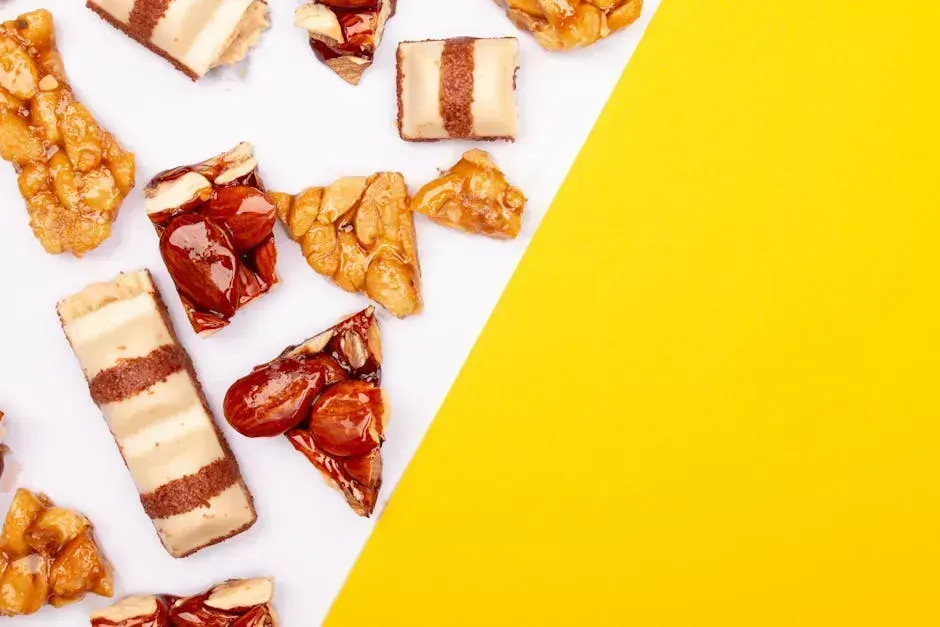
On April 13, 1978, opening day at Yankee Stadium, the New York Yankees gave away thousands of Reggie! bars to fans, who naturally tossed them onto the field after star outfielder Reggie Jackson homered in his first at-bat, with the grounds crew needing several minutes to clear them away. The Curtiss Candy Co., also known for developing the Baby Ruth bar, created the Reggie! bar, which featured chocolate, peanuts, and a caramel center.
According to Jackson himself, the bar generated more than eleven million dollars in revenue from the New York area alone in its first year. The Reggie Bar lasted just three years before Jackson left for the California Angels and Curtiss’ parent company, Standard Brands, merged with Nabisco. The bar’s collector value is inseparable from its cultural moment – few candy bars have ever made national news quite so spectacularly on their debut day.
6. PB Max (1989–1994)
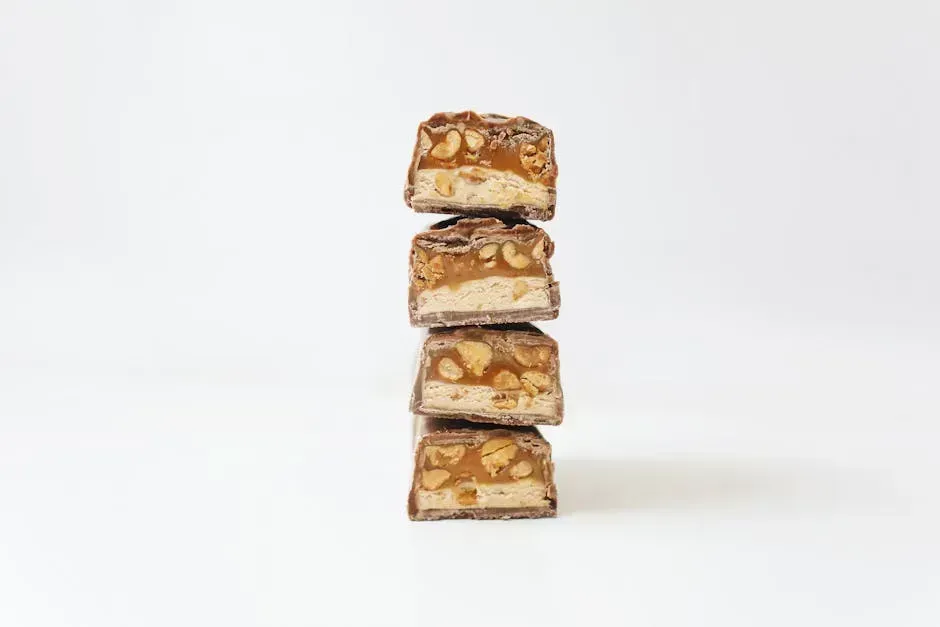
PB Max is a discontinued candy bar made in the United States by Mars, launched in 1989 or 1990, made of creamy peanut butter over a square-shaped whole grain cookie, enrobed in milk chocolate with crunchy round cookie pieces. According to former Mars executive Alfred Poe, PB Max was discontinued due to the Mars family’s distaste for peanut butter, despite fifty million dollars in sales.
The Mars brothers had been raised in England, where peanut butter was actively despised – while American kids grew up on peanut butter and jelly sandwiches, the Mars boys developed very different palate preferences. Despite the fact that PB Max has not been available for some time, fans are apparently not able to let go, with a Change.org petition launched in 2014 to restore the snack, though it garnered only modest support before being closed. Few stories in candy history feel quite as baffling or as genuinely maddening to collectors.
7. The Milkshake Candy Bar (1927–1990s)
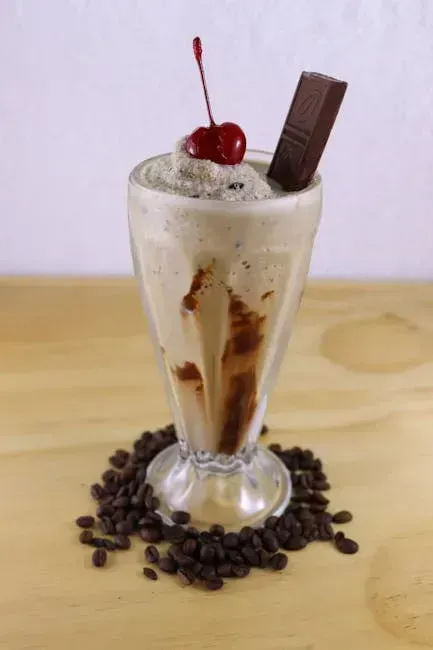
The Milkshake Candy Bar, introduced in 1927 by the Hollywood Candy Company, was a unique confection featuring a malt-flavored nougat center coated in milk chocolate, popular for its distinctive taste that evoked the creamy and indulgent flavors of a classic milkshake. The malt-flavored nougat center covered in milk chocolate lasted nearly seventy years before corporate buyouts ended production, and many consumers remembered buying it from drive-in theater freezers.
The Milkshake Candy Bar’s fate was sealed by a series of ownership changes, and it was ultimately discontinued in the early 1980s, marking the end of this unique and nostalgic treat. Food historians value the bar as a marker of mid-century American snack culture, when malt-flavored everything was in vogue and drive-in theaters were a social institution. Original wrappers from across its long production run tell the story of how American packaging design evolved over half a century.
8. The Wonka Bar (2005–2010)
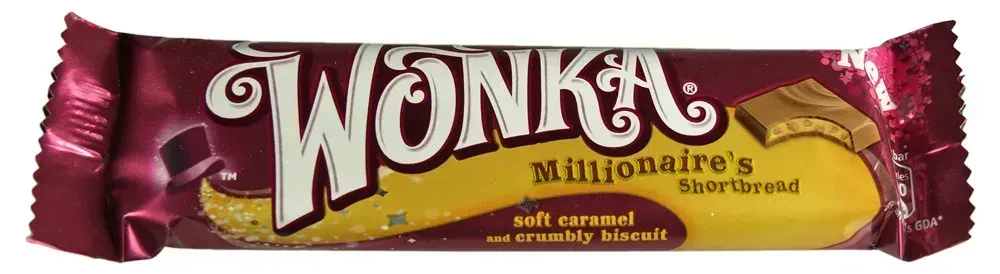
Nestlé Wonka Bars first arrived in 2005, with the release coinciding with the Tim Burton and Johnny Depp version of the childhood classic that hit cinemas the same year, and the bars were made from milk chocolate and graham crackers in the same wide, rectangular shape as the Wonka Bars portrayed in the films. Despite initial appeal, the Wonka Bar struggled to maintain its popularity, and declining sales ultimately led Nestlé to discontinue the product.
The rights to the Wonka brand were later sold to Ferrero in 2018, but the iconic chocolate bar has yet to make a successful comeback. Despite resurging interest in Willy Wonka created by the most recent movie, these discontinued candy bars have yet to make a comeback. Collectors are particularly drawn to sealed, mint-condition examples that still carry the original golden ticket promotional packaging from the 2005 release, which tied into a real prize sweepstakes.
9. Bar None (1987–1997)
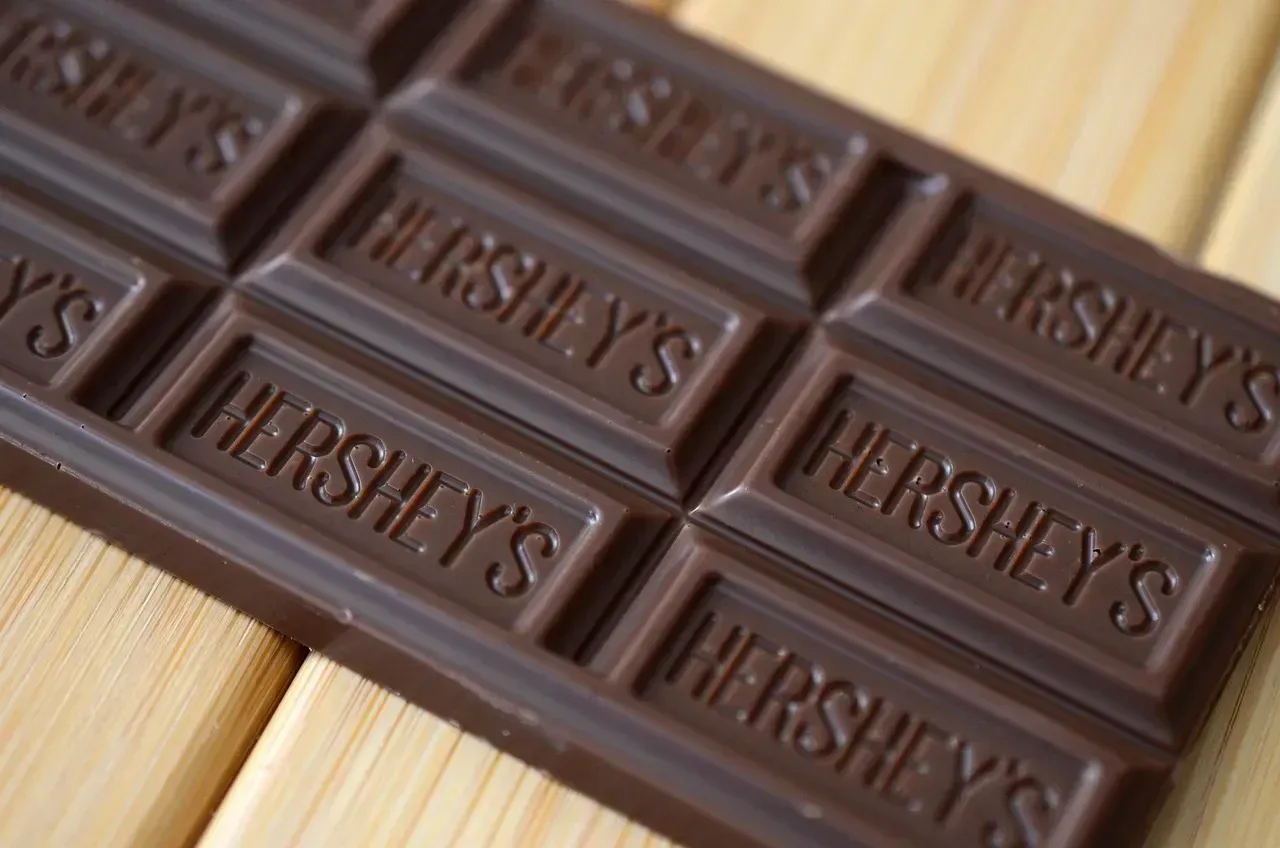
Bar None layered wafers and Hershey chocolate topped with peanuts, but a controversial 1992 reformulation added caramel sticks, and the change backfired, leading Hershey to discontinue the bar in 1997. The original version had built a loyal following throughout the late 1980s, and when Hershey altered the recipe, many of those original fans felt the bar they loved had already vanished before the formal discontinuation.
The Iconic Candy Company revived the original formula in 2019, though the revival attracted limited distribution and did not reach the shelf presence the original once held. Collectors who track the bar’s history now specifically hunt for pre-1992 wrappers, which represent the original formula that earned the bar its reputation. The reformulation story has become a minor cautionary tale among food historians who study how corporate tinkering can undo consumer loyalty.
10. The Choco’Lite Bar (1972–early 1980s)
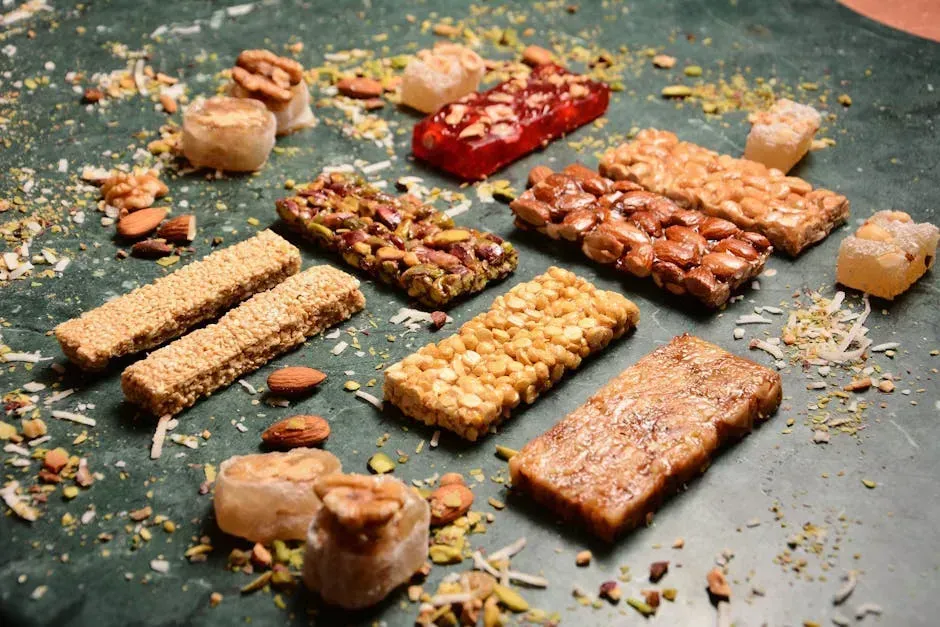
Nestlé was quick to the late-seventies diet culture trend with the Choco’Lite bar in 1972, a light milk chocolate bar with crispy bites and tiny pockets of air throughout that gave it a unique texture, with the wrapper changing often across its production run. The aerated chocolate concept was genuinely novel for American consumers at the time, and the bar found an audience that appreciated its lighter feel without sacrificing the chocolate experience.
When it first came out, it apparently did almost as well as Butterfingers, which makes its eventual disappearance all the more puzzling to historians who study the era. The bar’s packaging across its various wrapper iterations has become a collector category in itself, with some designs significantly rarer than others. Food historians point to it as an early example of “better for you” candy marketing, a strategy that would dominate the industry decades later.
11. Oh Henry! (1920s–2019)
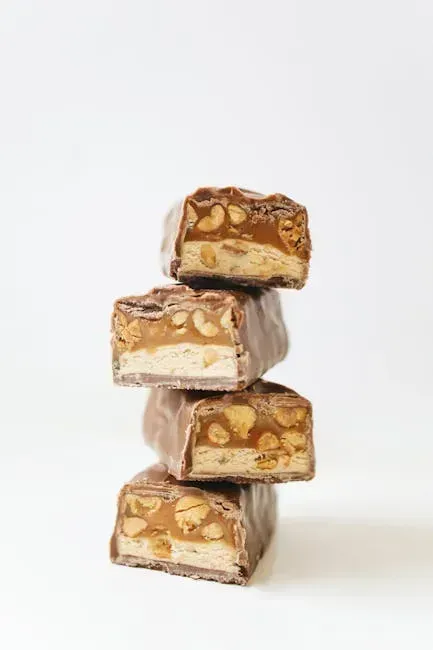
Oh Henry! combined peanuts, caramel, and fudge covered in chocolate, and while it was chewier than Snickers and maintained steady sales, Nestlé sold the rights to Ferrero in 2018, and the new owners discontinued production in 2019 without announcement, ending its nearly hundred-year run. The bar had survived the Great Depression, World War II rationing, and decades of shifting consumer tastes – only to vanish almost without notice during a corporate handover.
In 2018, Nestlé sold the rights to Ferrara Pan, and the bars have disappeared from the shelves, although the product has not been formally discontinued in official brand communications, leaving its status technically ambiguous. That ambiguity has only added to collector interest, since the bar’s future remains genuinely uncertain. Historians regard Oh Henry! as one of the most quietly significant losses in American confectionery, a bar old enough to have outlasted every era it passed through – until the one that finally got it.
12. The Krackel Bar (1938–1997)
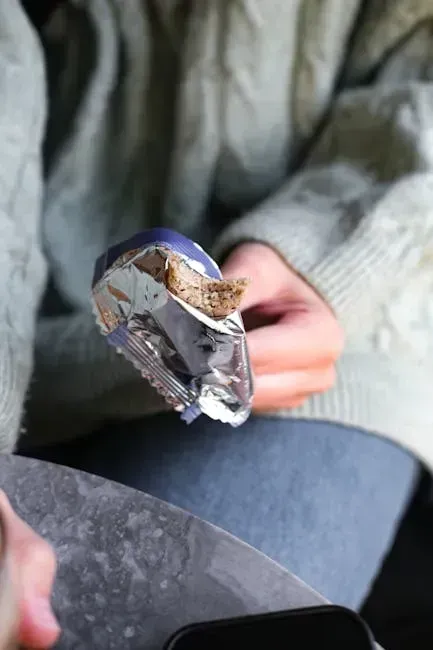
The Krackel bar is a classic Hershey’s creation first introduced in 1938, known for its signature combination of smooth milk chocolate and crispy puffed rice, sold as a full-sized bar until 1997, when it became available only as one of the four varieties of Hershey’s Miniatures. Hershey briefly reintroduced full-size Krackel bars in 2014, much to the delight of fans, but it was discontinued soon after.
The packaging from these bars often becomes more valuable than the candy itself ever was, with complete wrappers commanding premium prices from serious collectors. The Krackel’s case is particularly interesting to food historians because the bar technically still exists in miniature form, creating an unusual half-life – present enough to be tasted, absent enough to be mourned. Full-size wrappers from the bar’s decades of production, especially those from the 1940s and 1950s, are among the most consistently sought-after pieces in vintage candy wrapper collecting.
Discontinued candy bars occupy a strange, specific space in cultural memory. They’re too small to make headlines when they vanish, too personal to be forgotten by the people who loved them. What food historians have come to understand is that these wrappers, recipes, and marketing campaigns are genuine primary sources – evidence of what people wanted, what companies gambled on, and what the economics of sugar and chocolate looked like in any given decade. The search for them continues not just out of nostalgia, but out of something that looks a lot like genuine historical curiosity.


Leave a Reply