
Ask people from the Northwoods what they remember about visiting a grandmother’s house, and the answer is usually a smell before it’s a face. It might be browned butter, simmering broth or a pie cooling on a windowsill. Northern Wisconsin kitchens were shaped by long winters, big families and a steady mix of Scandinavian, Finnish, German, Polish, Cornish and Native traditions.
No single list can speak for every household, and recipes changed from one town to the next. Still, certain dishes turn up again and again in local cookbooks, church suppers and regional food history. These twelve are among the most common.
Venison Roast and Stew
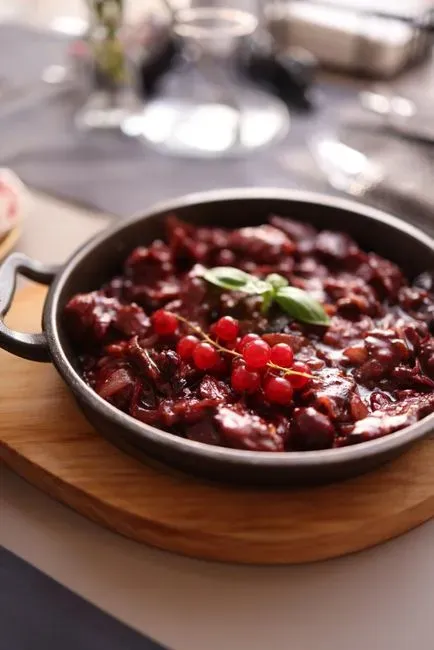
Deer hunting is a major seasonal tradition across Wisconsin, and the Northwoods is no exception. Many families have long relied on venison as a household staple, so it’s no surprise it showed up on the table for guests. Slow cooking suited the lean meat well.
A typical version was braised with onions, carrots and potatoes until it fell apart. Some cooks soaked the meat in buttermilk or used a splash of vinegar to mellow the gamey flavor. Served with bread to mop up the gravy, it made a filling meal after a cold day outdoors.
Booyah
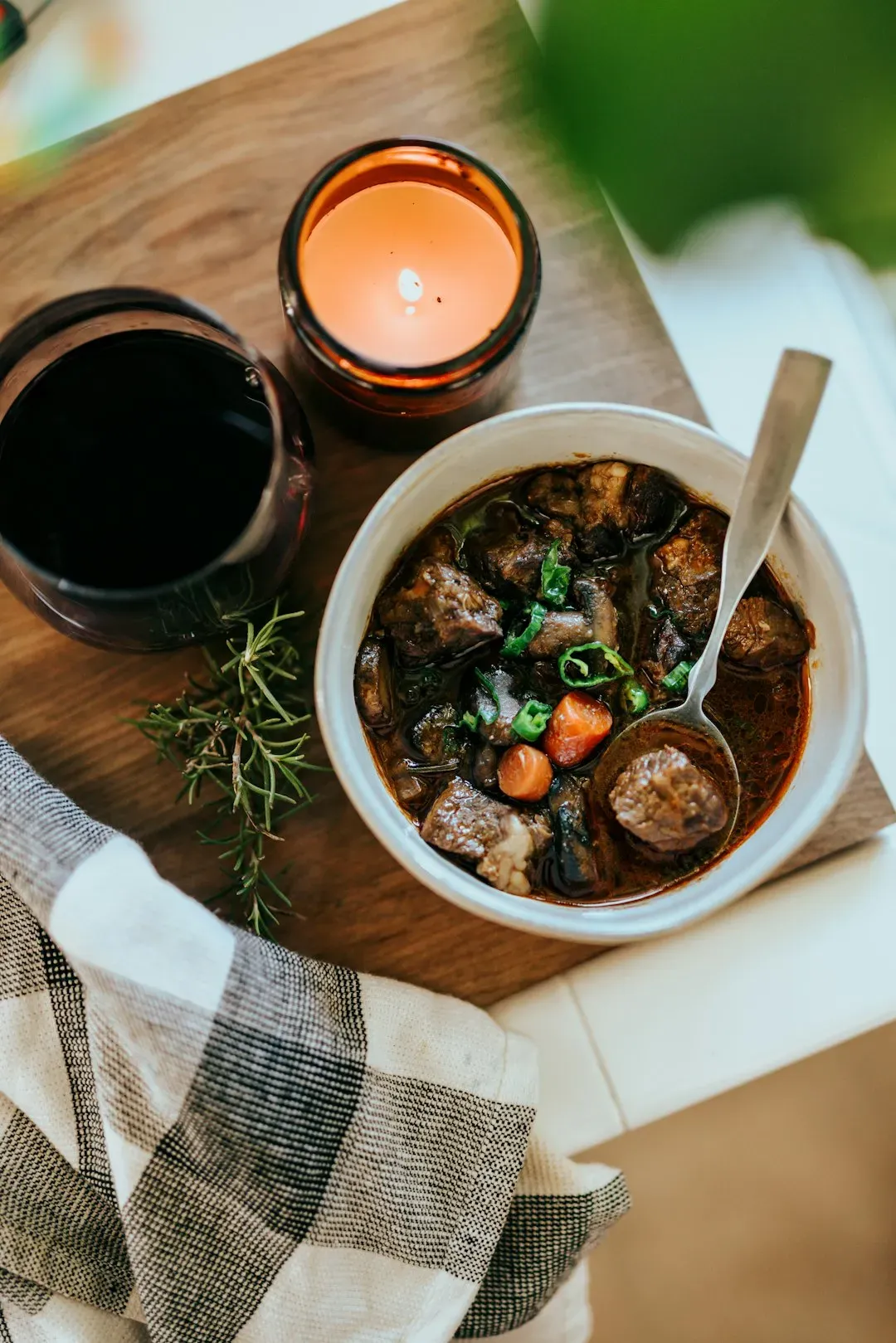
Booyah is a thick stew with a strong home base in northeastern Wisconsin, especially around Green Bay. Traditionally it’s cooked in huge kettles for church picnics, fundraisers and family gatherings. The name itself is debated, and several origin stories circulate.
Recipes vary, but chicken or beef, root vegetables, tomatoes and cabbage are common ingredients. A grandmother cooking for company might make a smaller pot on the stove, then send guests home with a container. It’s the kind of dish that improves after a night in the fridge.
Cornish Pasties
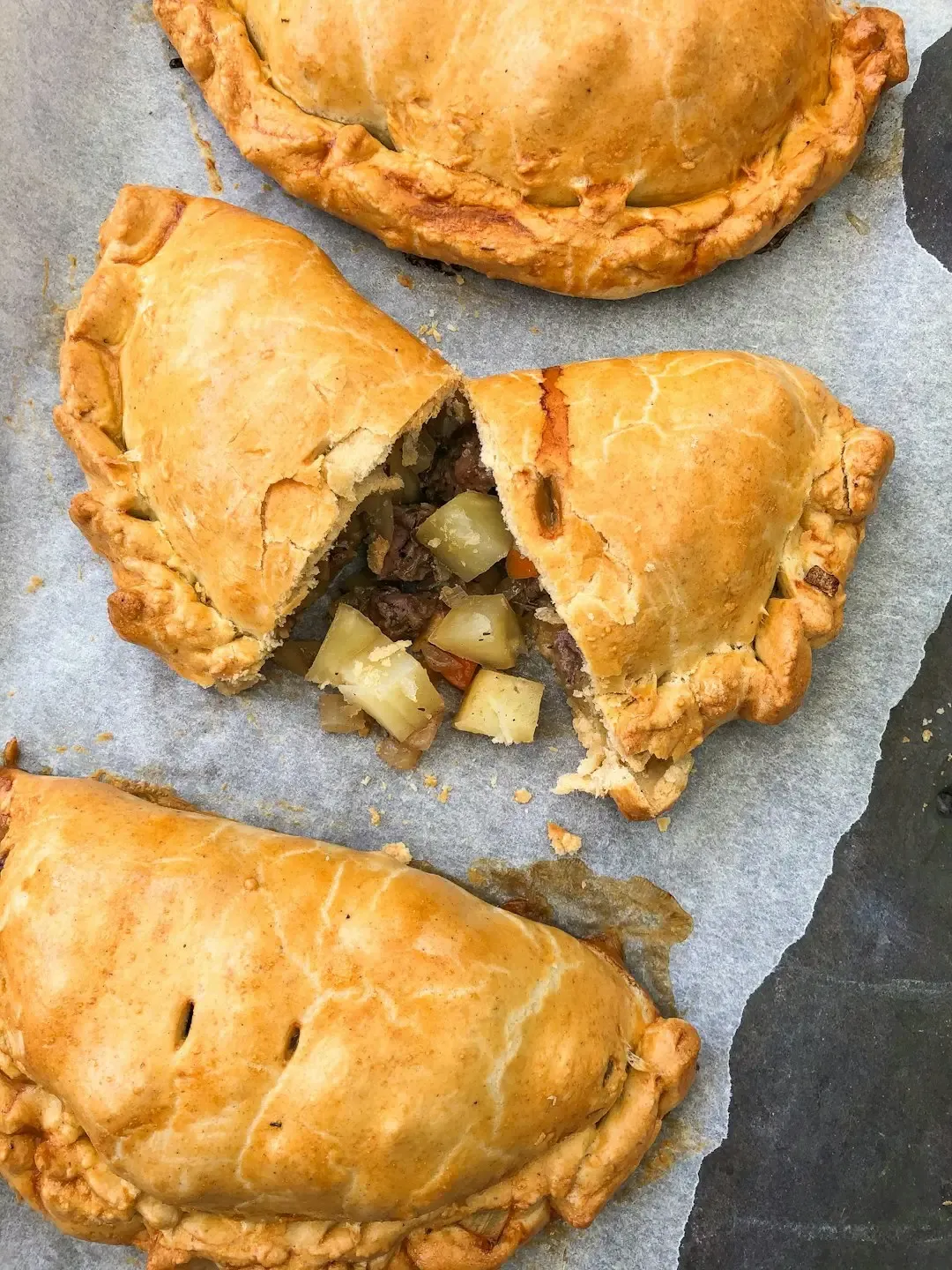
Pasties came to the upper Midwest with Cornish miners who worked the iron and copper ranges. Northern Wisconsin towns near the Michigan border, such as Hurley, kept the tradition alive. The hand pie was practical, portable and hearty enough for a full shift underground.
The filling is usually diced beef, potato, onion and rutabaga, wrapped in a sturdy crust. Some families insisted on rutabaga, while others swapped in carrots. A grandmother might serve one with ketchup or gravy, and the argument over which is correct has never really been settled.
Door County Fish Boil
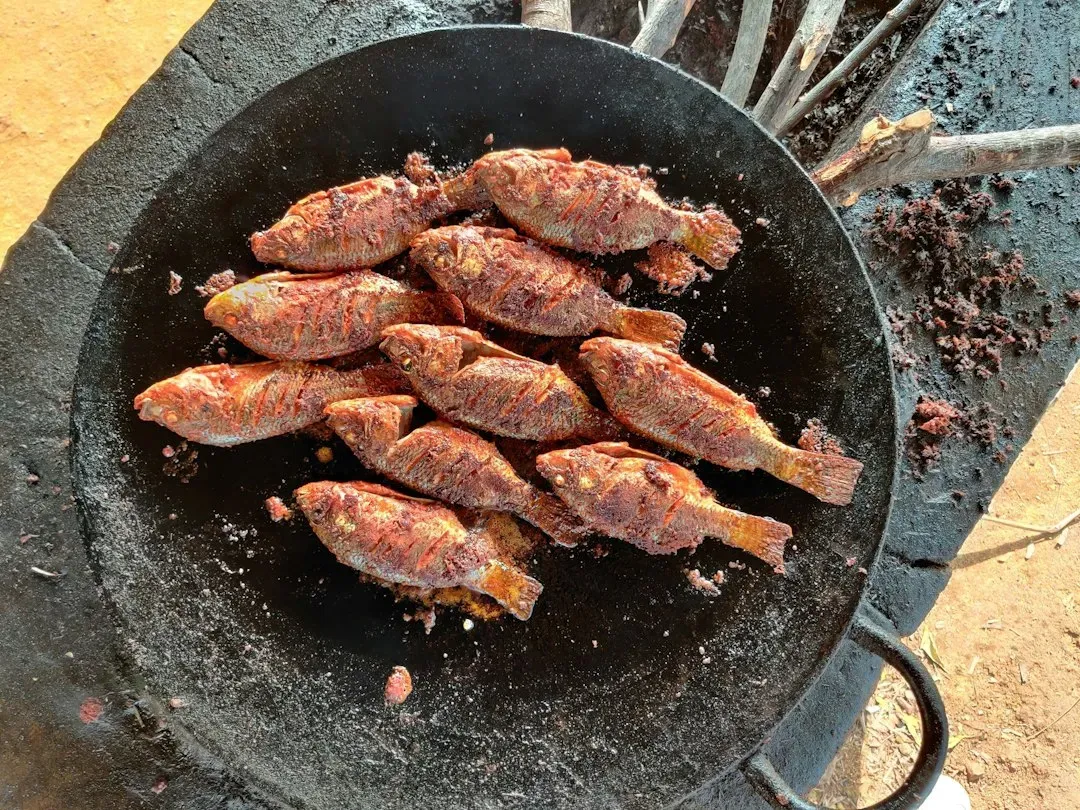
The fish boil is tied closely to Door County, where Scandinavian settlers and local fishing communities developed it as a way to feed large groups. Whitefish, red potatoes and onions are cooked in a big kettle over an open fire. Near the end, a splash of kerosene or fuel is tossed on the flames to make the pot boil over and carry off the fish oils.
It’s often considered more of an event than a meal, which made it a natural way to welcome company. Melted butter and lemon wedges go alongside, and cherry pie is a common finish in the area. At home, a grandmother might simply boil the fish and potatoes on the stove and skip the theatrics.
Pan Fried Walleye and Perch
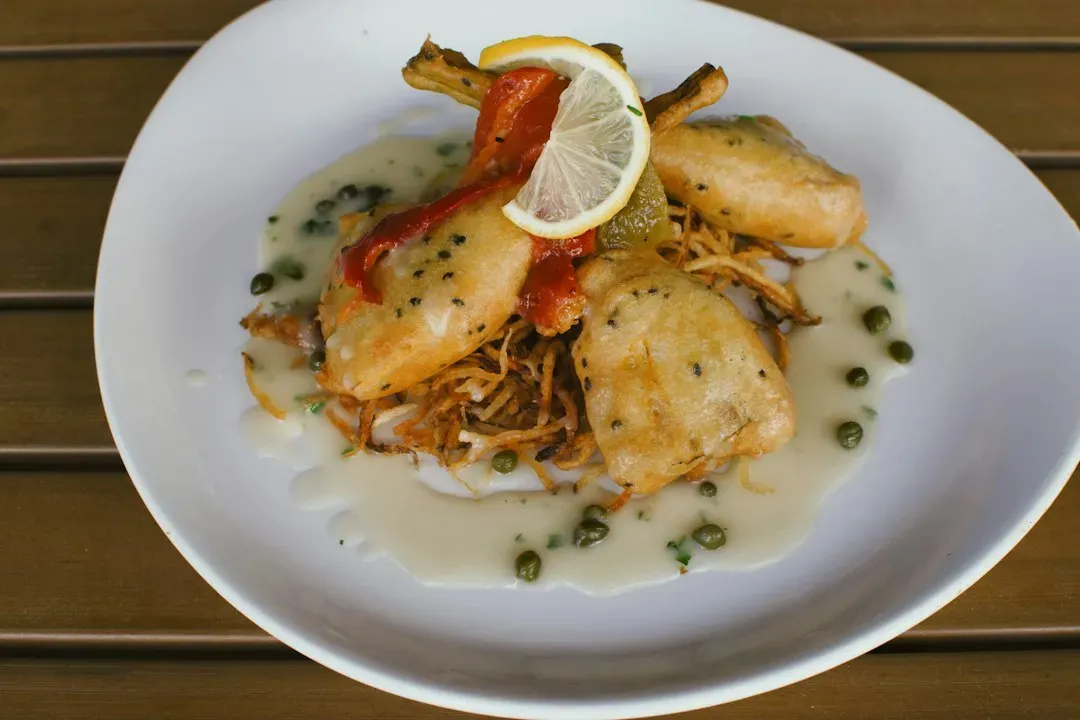
With thousands of lakes across the state, freshwater fish were a dependable guest dinner. Walleye is widely loved in Wisconsin, and perch is a regular on fish fry menus. Both were often caught by family members, which made the meal feel personal.
The usual method was a light coating of flour or crushed crackers, then frying in butter or oil until golden. Lemon, tartar sauce and rye bread were typical companions. Fridays were an especially common time for it, since Catholic fish traditions shaped Wisconsin eating habits.
Lefse With Butter and Sugar
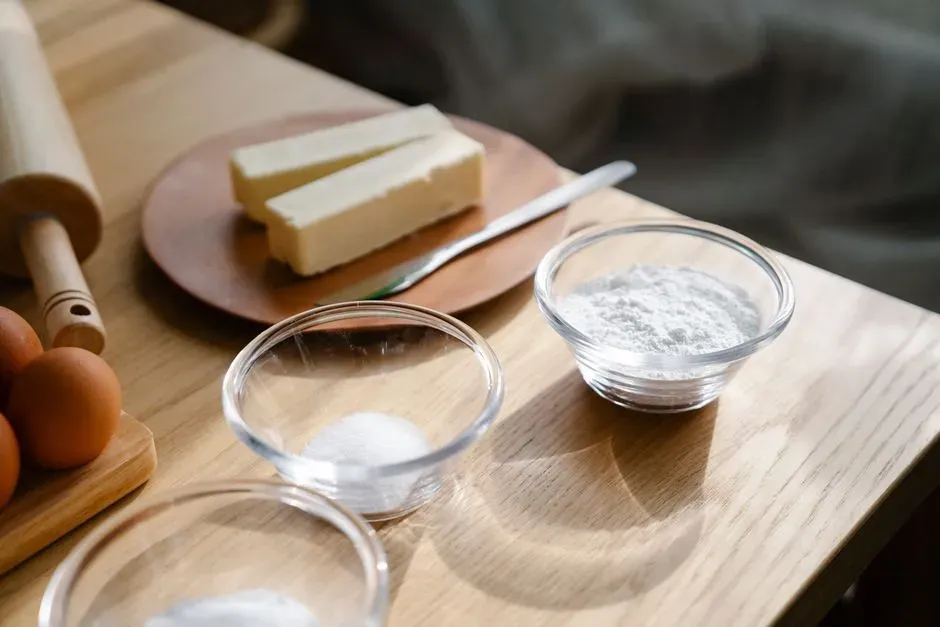
Lefse is a soft Norwegian flatbread made from potatoes, flour and often cream or butter. Norwegian immigrants brought it to the Midwest, and it remains a holiday favorite in many Wisconsin and Minnesota households. It’s rolled very thin and cooked on a griddle.
Most grandmothers served it simply, spread with butter and sprinkled with sugar, then rolled up. Some guests preferred it alongside meat or with jam. Making it takes practice, so a stack of lefse on the table said something about the cook’s patience.
Tater Tot Hotdish
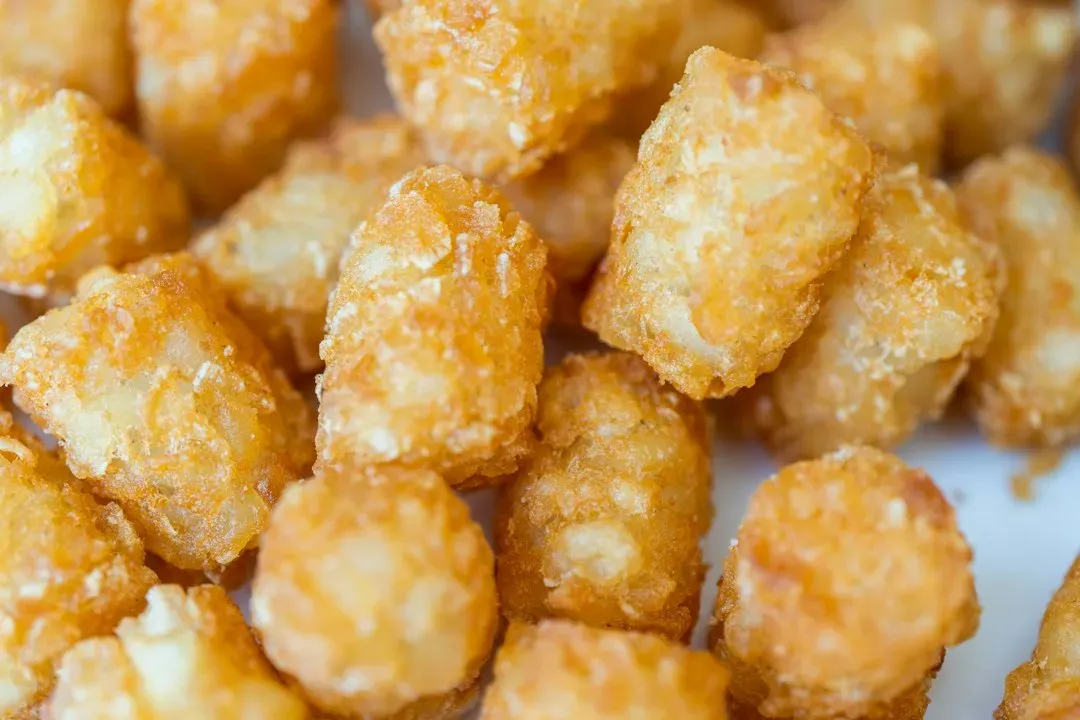
Hotdish is the Upper Midwest word for a casserole, and the tater tot version is probably the best known. Ground beef, vegetables and a creamy soup base are baked under a layer of potato nuggets. It became popular in the mid twentieth century, when canned soups and frozen foods filled home pantries.
It’s not fancy, though it was dependable for feeding a crowd on short notice. Many cooks added green beans or corn, and a few preferred cheese on top. If a neighbor dropped by, there was usually enough to stretch.
Swedish Style Meatballs
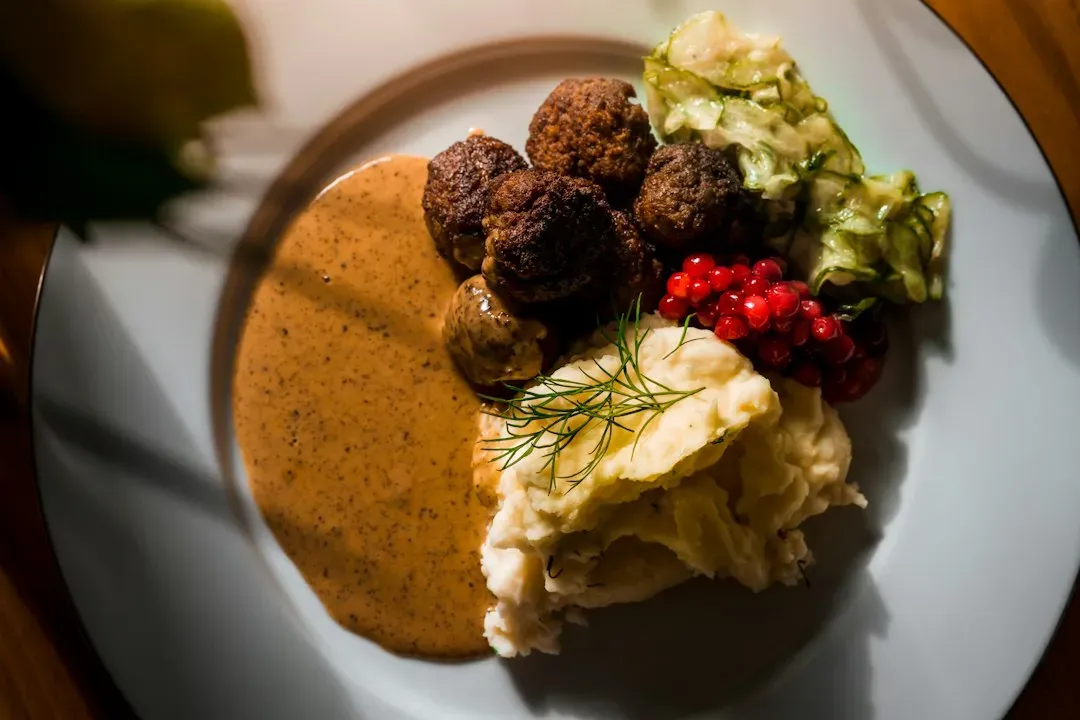
Scandinavian heritage runs deep in parts of northern Wisconsin, and meatballs were a common celebration dish. They were usually made from a mix of beef and pork, seasoned gently with allspice or nutmeg. A creamy gravy tied everything together.
Served over egg noodles or with boiled potatoes, they worked for holiday gatherings and ordinary Sunday visits alike. Lingonberry or cranberry sauce often sat on the side. Smaller meatballs also appeared at open houses and graduation parties.
Wild Rice Soup and Casserole
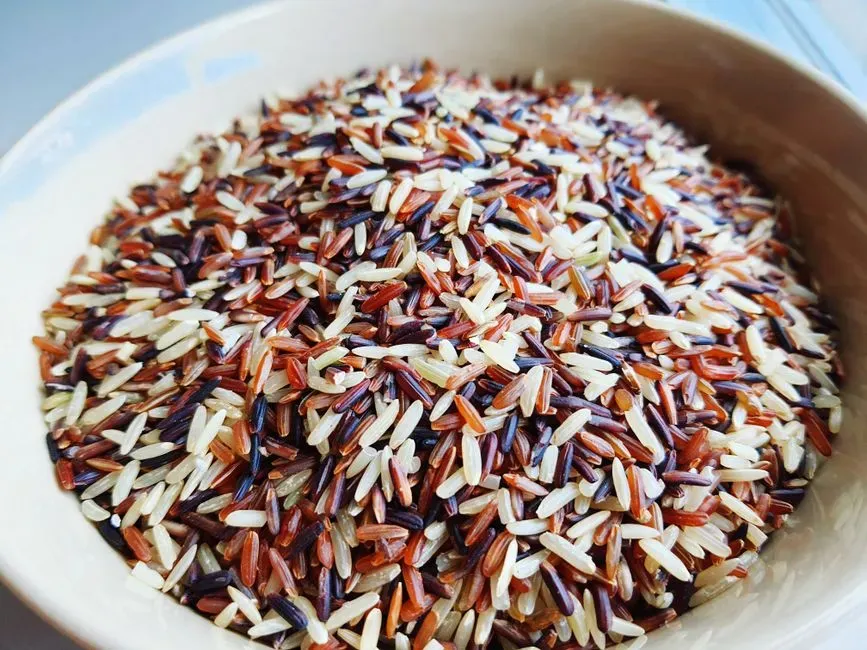
Wild rice, or manoomin, is a culturally important food for the Ojibwe people, who have harvested it from northern Wisconsin waters for generations. Over time, it also worked its way into many local kitchens. Despite its name, it’s actually a grass seed rather than a true rice.
Cooks used it in creamy soups with chicken, mushrooms and cream, or baked it into casseroles. Its nutty, chewy texture made even plain dishes feel special. A pot of wild rice soup was a warm welcome for winter guests.
Finnish Pulla and Cardamom Bread
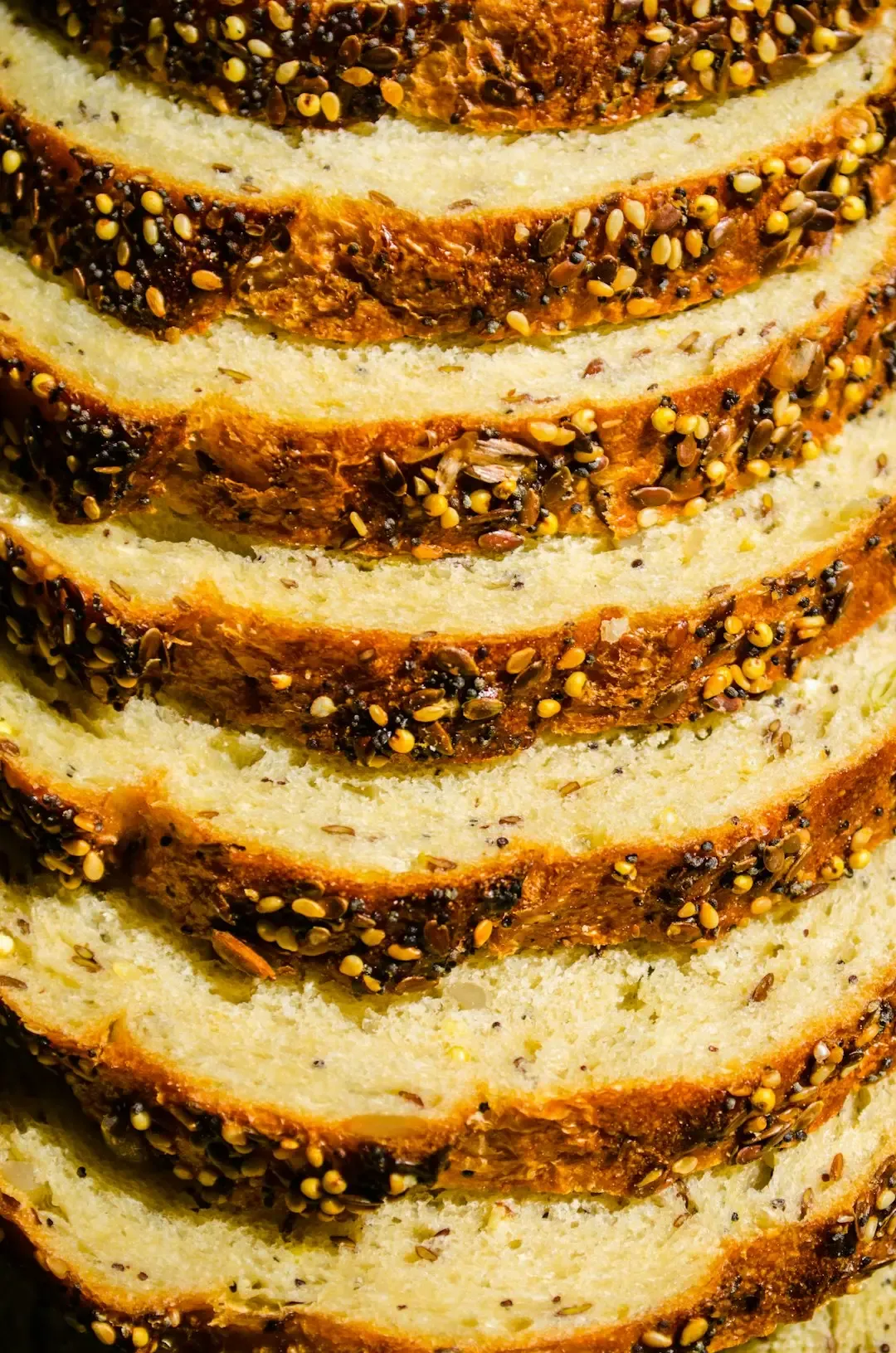
Finnish immigrants settled in parts of northern Wisconsin, including the Lake Superior shoreline, and brought their baking traditions with them. Pulla, sometimes called nisu, is a lightly sweet braided bread flavored with cardamom. The spice gives it a distinctive fragrance that fills a house.
It was usually served with strong coffee, a pairing that suited afternoon visits. Slices came with butter, and extra loaves were often wrapped up for guests to carry home. A braided loaf on the counter meant company was either expected or very welcome.
Cranberry Relish and Cranberry Bread
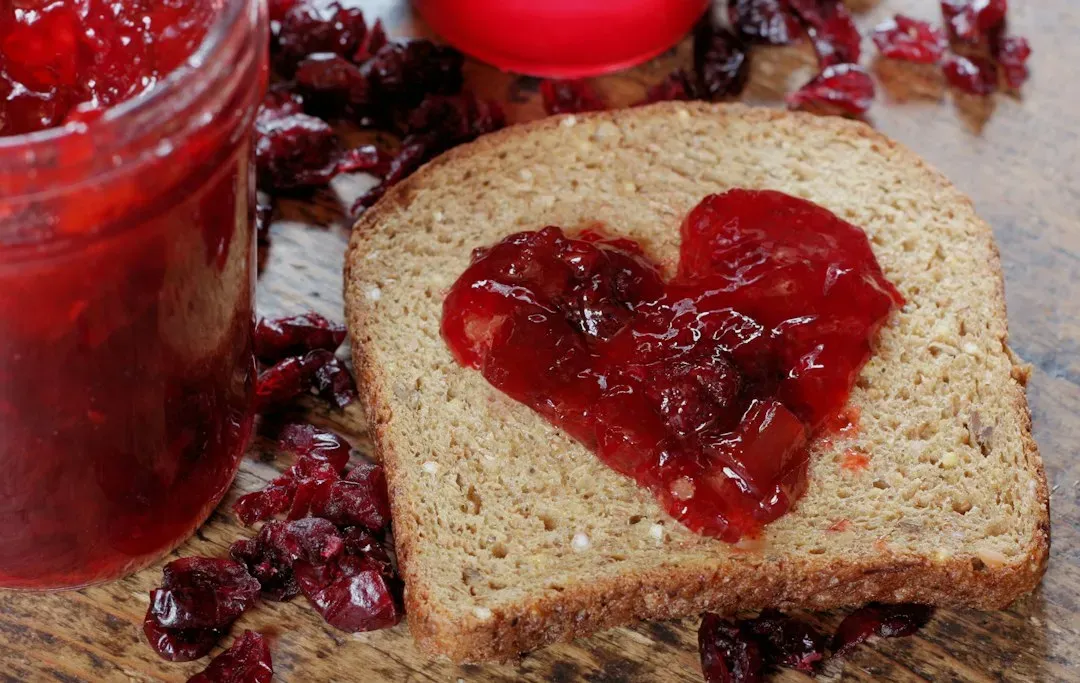
Wisconsin is the top cranberry producing state in the country, and central and northern marshes are part of that story. Grandmothers used the tart berries in relishes, sauces and quick breads, especially around the holidays. Fresh relish often combined cranberries with orange and sugar.
Cranberry bread, studded with berries and sometimes nuts, was a sliceable treat for unexpected visitors. It kept well and could be made ahead in loaf pans. Many families still associate the sharp, bright flavor with Thanksgiving and Christmas tables.
Wild Blueberry Pie
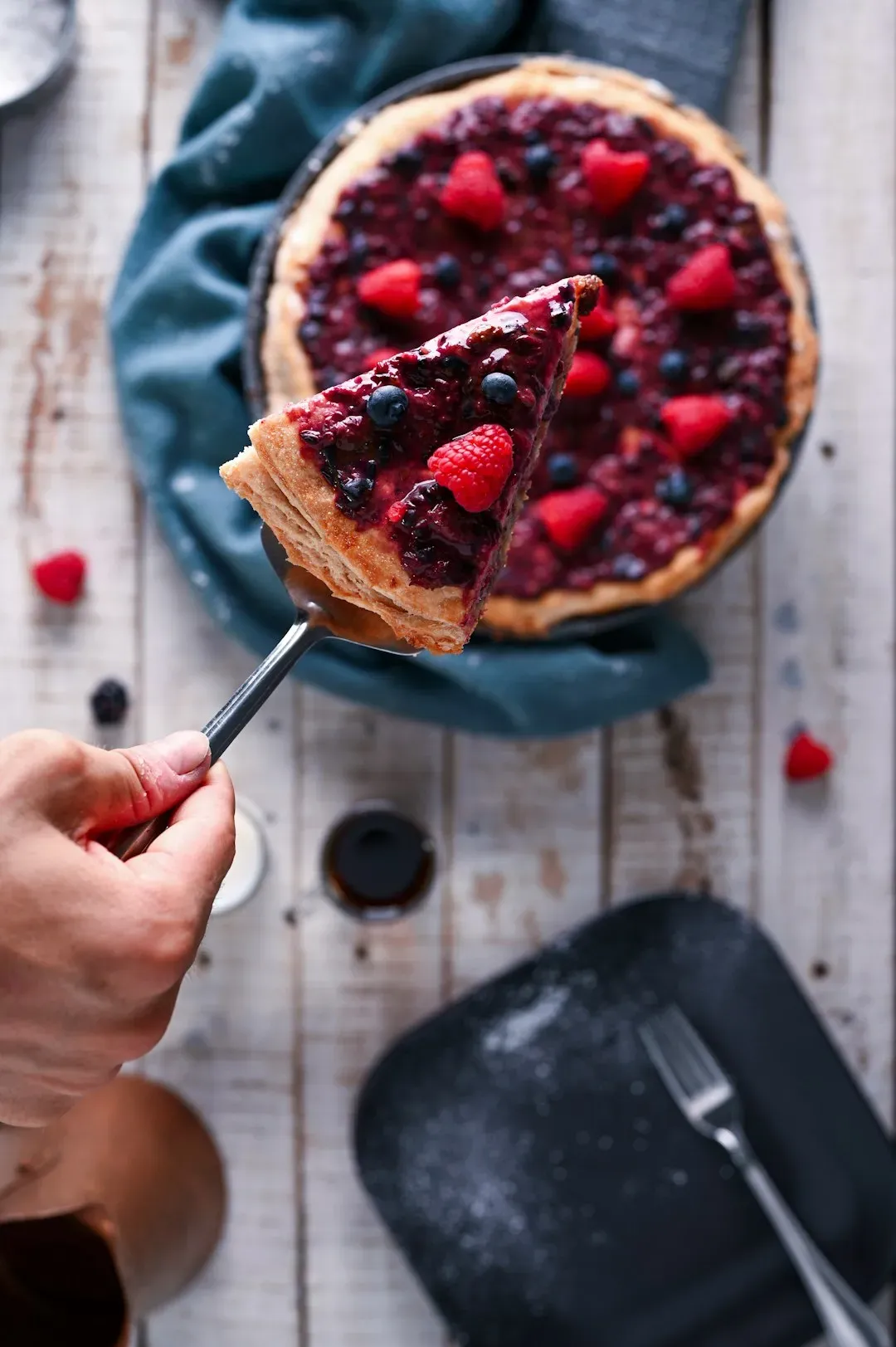
Wild blueberries grow in parts of northern Wisconsin, and picking them in summer is a longtime tradition. Smaller and more intensely flavored than cultivated ones, they were often frozen so a pie could be made in winter. A homemade crust, usually with lard or butter, was a point of pride.
A slice of pie was often the final gesture of hospitality, offered whether or not anyone said they were hungry. Some cooks served it plain, while others added a scoop of vanilla ice cream or a wedge of sharp cheddar. Either way, it ended the visit on a sweet and familiar note.

Leave a Reply