
There’s a particular kind of kitchen knowledge that doesn’t live in cookbooks. It lives in the memory of watching a grandmother work flour into fat without measuring, or a grandfather standing over a stovetop on a Tuesday evening making something filling out of almost nothing. These recipes weren’t impressive by today’s standards. They were practical, frugal, and deeply tied to a time when feeding a household well meant stretching every ingredient as far as it could go.
It makes sense that older generations approached recipes differently. Before people had widespread access to the internet, cooking knowledge was shared through handwritten recipes and family cookbooks, which reinforced the idea that there was one correct way to make a dish. Family recipes endure for some, with about 45 percent of both Gen Z and millennials claiming to have replicated heirloom dishes – yet certain recipes are fading with each passing year. Here are twelve of the most notable ones.
Welsh Rarebit

Welsh rarebit is essentially a sophisticated cheese sauce made with sharp cheddar, beer or ale, mustard, and spices, poured generously over toasted bread. It was a popular quick meal in American homes and taverns from the late 1800s through the mid-1900s, offering an economical way to turn simple ingredients into something special and filling. Despite its modest ingredient list, the preparation demanded attention and a degree of care that set it apart from simply melting a cheese slice.
As grilled cheese sandwiches became the go-to cheese-and-bread comfort food, Welsh rarebit gradually disappeared, and few modern Americans have even heard of it, let alone tasted this once-beloved cheesy creation. The elaborate preparation process couldn’t compete with slapping cheese between bread slices and throwing it in a pan. Convenience won, and Welsh rarebit lost. It’s a small but telling example of how shortcut culture quietly erases craftsmanship from the table.
Creamed Chipped Beef on Toast
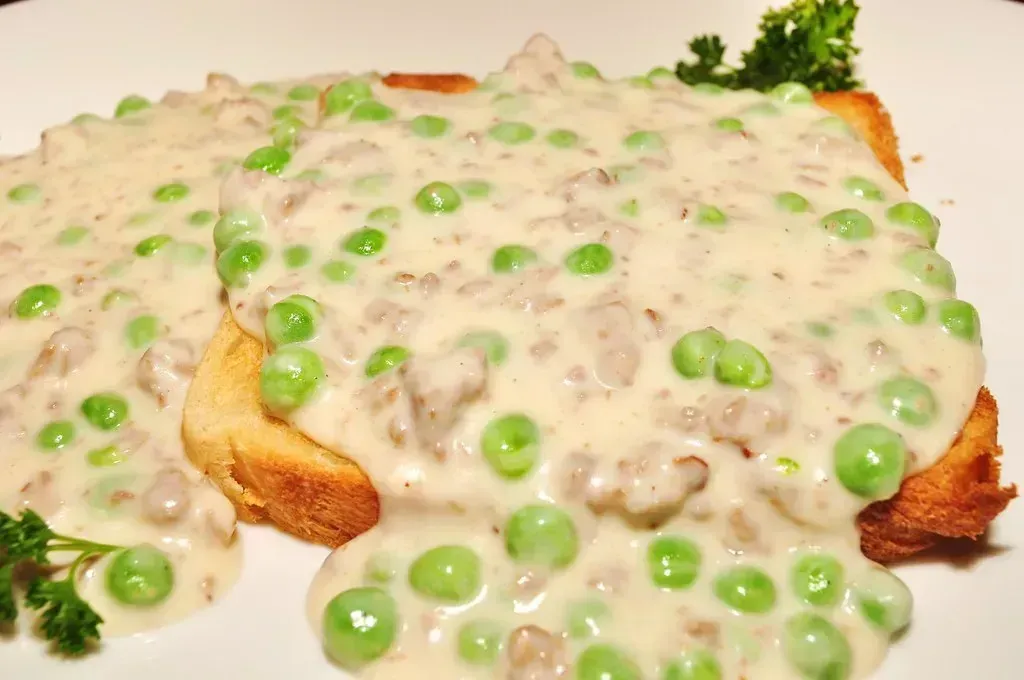
Creamed chipped beef combined dried, salted beef in a thick white béchamel sauce, served over toast for a filling breakfast or dinner. World War II veterans brought their taste for this dish home, making it popular in the 1940s and 50s. The meal was cheap, quick, and packed with protein, perfect for feeding large families on tight budgets. For many households in the early twentieth century, it was a weekday staple that asked very little of the pantry.
Modern tastes find the salty, creamy combination unappealing, and dried beef has become hard to find in stores. This once-common comfort food has nearly disappeared except in the memories of older generations. The texture doesn’t photograph well and the flavor profile doesn’t translate easily to younger palates raised on global spice profiles and fresh produce. It’s not that the dish was ever truly bad – it just belongs to a different set of expectations about what a meal should be.
Chicken à la King
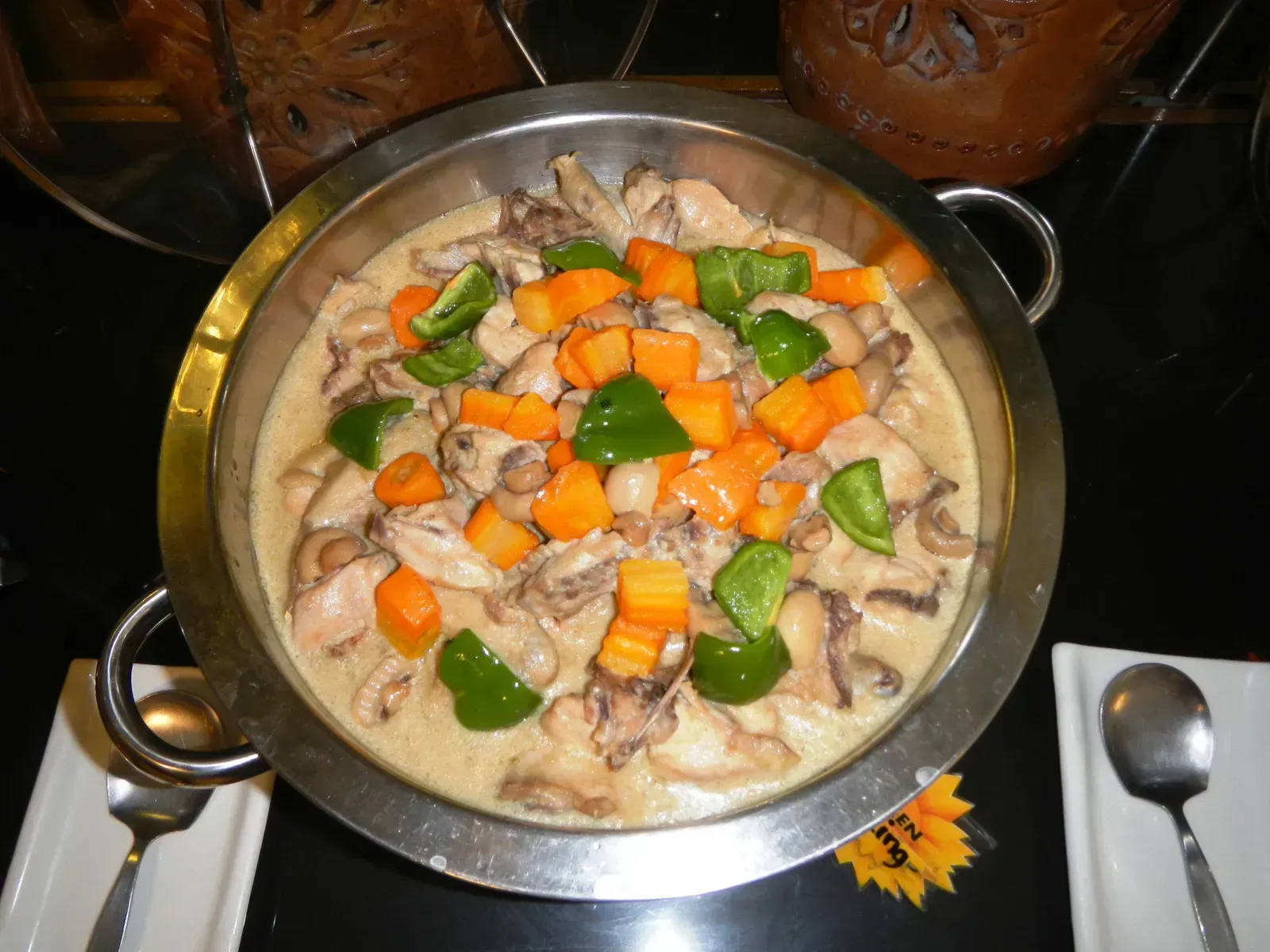
Chicken à la King traces back as far as the late 19th century, with an air of mystery regarding both its initial creation and name. Regardless of origin, the dish found rapid success soon after inception, with the earliest printed recipes appearing by 1896 and circulating in newspapers by the early 1900s. For the first several decades of the 20th century, chicken à la king endured as a luxurious creation, with some cooks shaving truffles into the mix while others simmered the poultry in elegant broths.
Chicken à la King featured diced chicken in a thick cream sauce with mushrooms, peppers, and pimentos, typically served over toast, rice, or puff pastry shells. The dish supposedly originated in the late 1800s, though its exact creator remains disputed. It became especially popular in the mid-1900s as a quick, elegant meal option. Today, the notion of ladling creamy chicken sauce over toast points at a family dinner feels quaintly formal, and millennials have largely moved on to sheet-pan dinners and grain bowls that feel more aligned with current eating habits.
Savory Aspic and Gelatin Molds
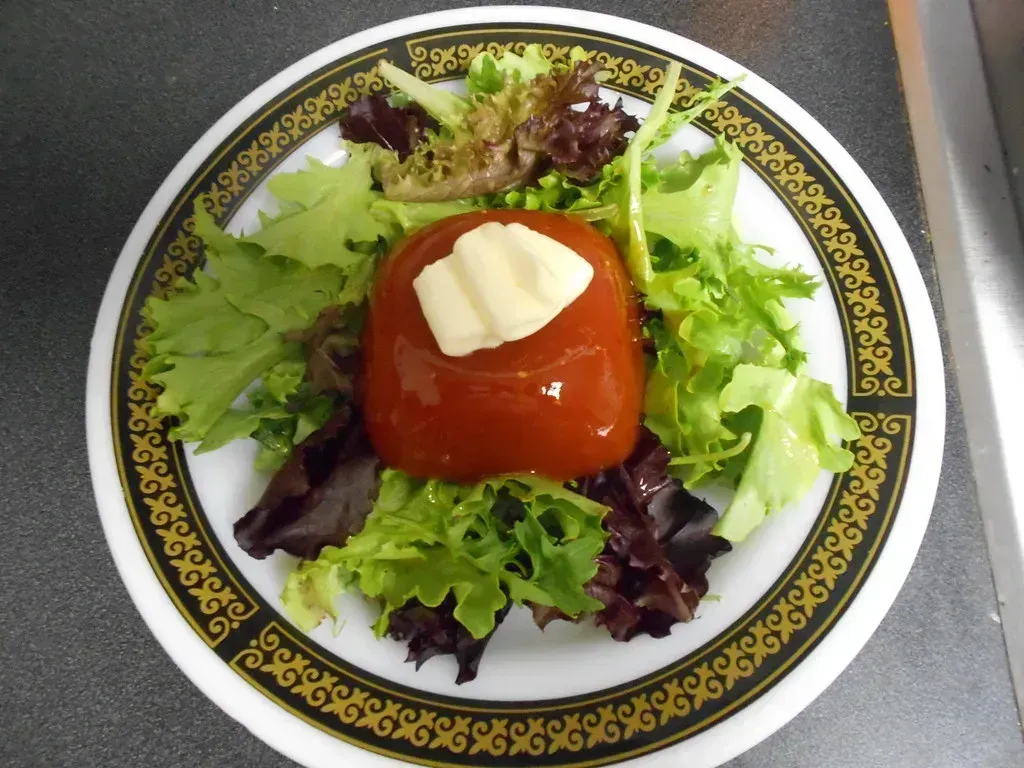
If it could be suspended in gelatin, Americans in the 1950s and 60s would put it there – vegetables, fruits, even seafood. Jell-O salads came in countless varieties, from lime gelatin with shredded carrots to strawberry with bananas and nuts. These wiggly creations were considered sophisticated and modern, perfect for showing off at gatherings. At the height of their popularity, these molds appeared at church potlucks, holiday tables, and ladies’ luncheons across the country.
Aspic salads, made with gelatin encasing meats, vegetables, or eggs, declined sharply by the 1980s as food historians note that the dish fell out of favor as Americans learned more about foodborne illness risks from improperly chilled gelatin molds. The dish fell out of favor as tastes changed and people began associating gelatin more with desserts than savory foods. Today, younger generations find the concept strange, but their grandparents remember it as a sophisticated side dish.
Baked Rice Pudding from Scratch
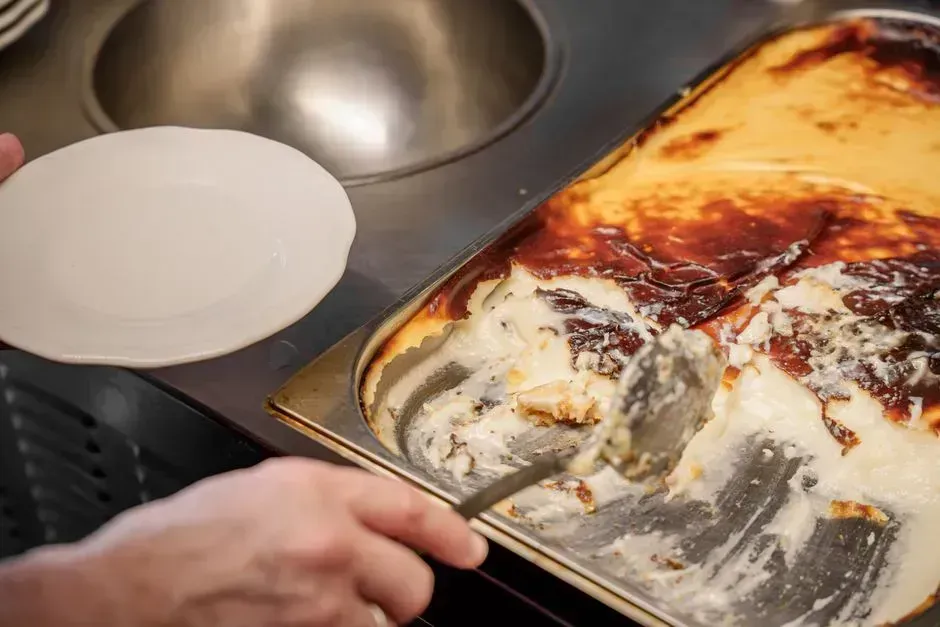
A comforting, timeless dessert, baked rice pudding dates back to the early 1900s. Once a dish for British royalty, it became a cherished, affordable treat for many households. In the early 1900s, homemakers prized recipes that were easy to make, required little supervision, and could be baked while tending to other household chores. The recipe asked for little more than rice, milk, sugar, and a grating of nutmeg – but it required time, and that was rarely in short supply a century ago.
Unlike modern instant puddings or quick stovetop versions, older methods relied on slow, gentle baking to develop deep flavors and an irresistibly soft texture. In the 20th century, rice pudding became so cheap and easy that it became a staple in schools and hospitals, and people gradually started to think of it as awfully plain. That association with institutional cooking stuck, and by the time millennials were setting up their own kitchens, baked rice pudding had become one of those recipes that nobody makes anymore but almost everyone feels vaguely nostalgic about.
Steamed Suet Pudding
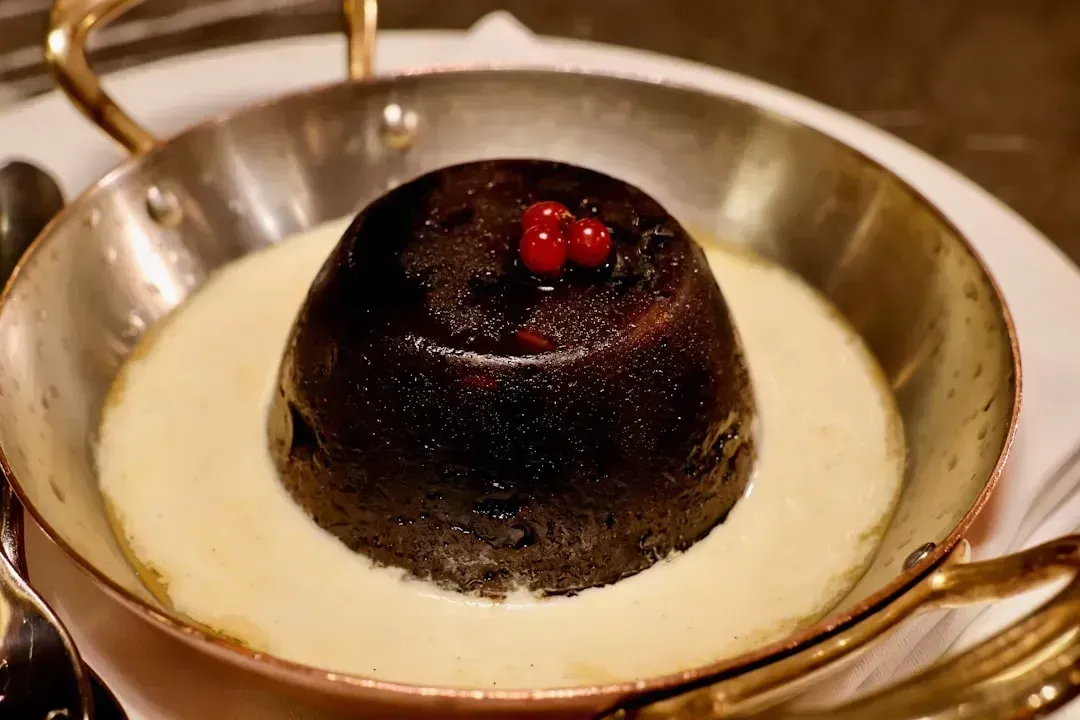
Suet pudding, made with animal fat, was commonly prepared in a cloth or pudding basin and boiled or steamed. This dish was hearty, making it a popular option among the working classes. The simplest version consisted of suet, flour, and water, but variations often included fruit or spices. In early twentieth century homes, a steamed pudding could sit over a low heat for most of the afternoon while the household went about its day, ready to serve with custard or golden syrup by evening.
Finding beef suet in a modern supermarket is already a small challenge in itself. Meat pudding was a cherished part of early 20th century family cooking, made from beef and beef suet combined into a suet dough, lined into a basin with the meat dusted in flour and gravy powder, and seasoned simply with salt and pepper. The patience required to steam a pudding for several hours simply doesn’t fit comfortably into a millennial lifestyle shaped by 30-minute meals and meal prep Sundays.
Chicken Pudding
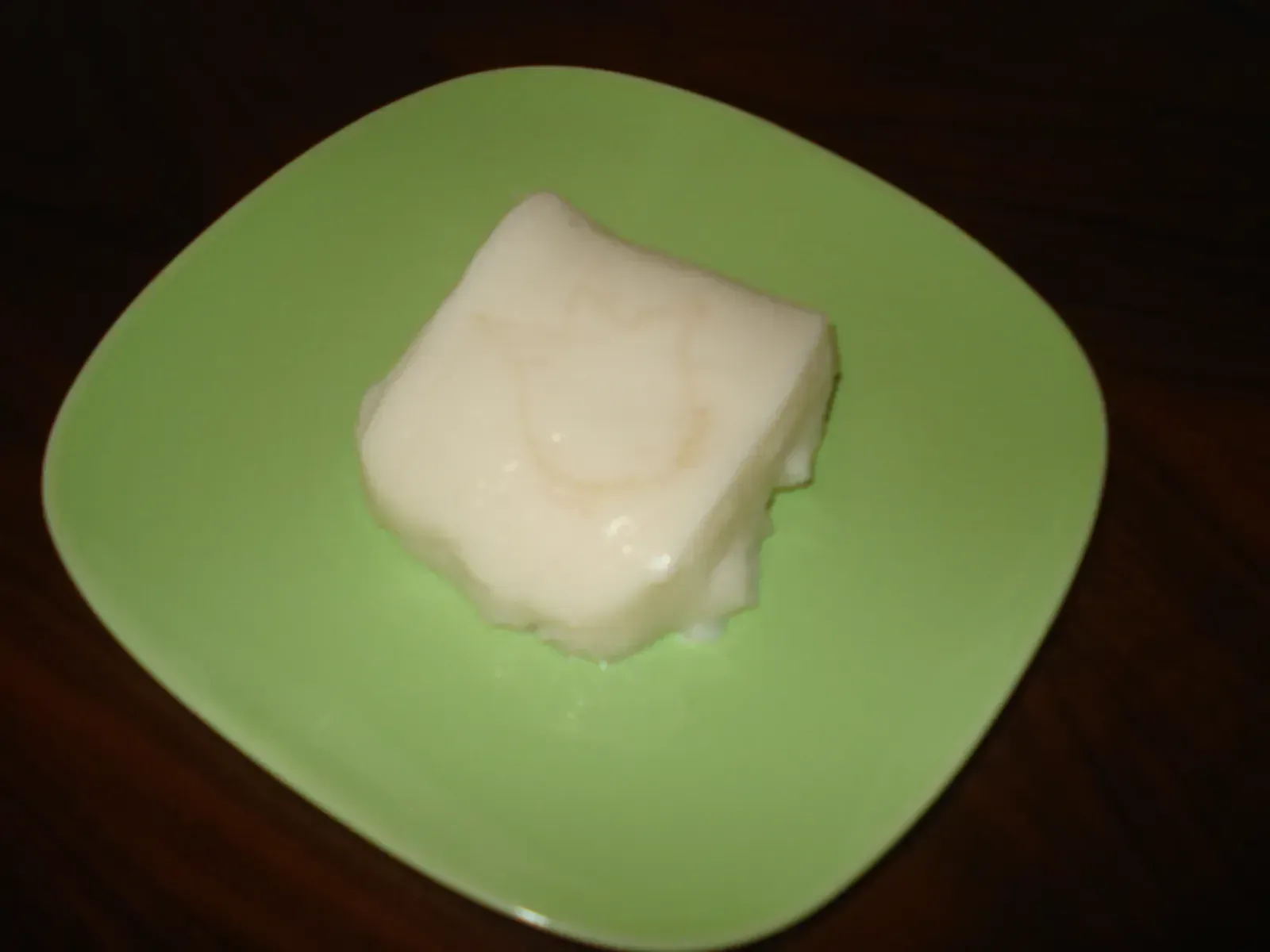
Particularly loved in Virginia, a savory recipe called chicken pudding was popular at the start of the 20th century. Imagine the textures of quiche and cake combined, and it’s similar to this dish of chicken pieces baked in batter with herbs. Imagine it covered in gravy and it still sounds strangely appetising. It occupied a curious middle ground between a main course and a baked pudding, relying on simple technique and patience rather than fancy ingredients.
A dish that had been in America’s cooking repertoire since long before the turn of the century, chicken pudding was still holding steady into the 1900s. Its slow decline likely came as convenience cooking took hold and lighter chicken preparations, such as roasted breast or stir-fry, became the new default. The idea of baking chicken into a batter-based pudding simply doesn’t register in a generation whose relationship with the word “pudding” is almost entirely about dessert.
Mock Turtle Soup
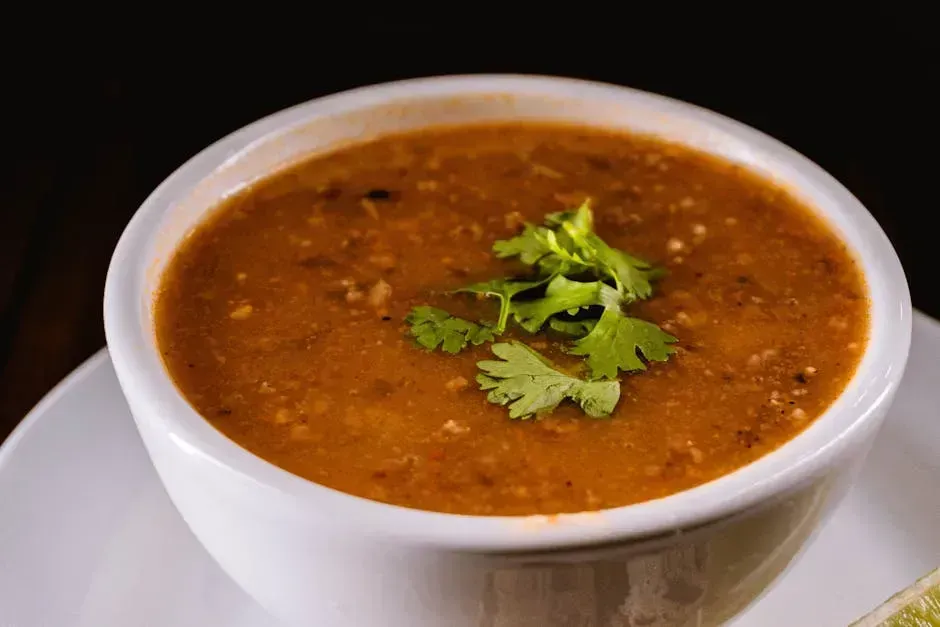
The taste for turtle was largely due to the variety of flavors the meat provided; different parts of the animal resemble the flavors and textures of other meats, such as veal, goat, beef, and pork. The solution to keep up with demand was mock turtle soup, which became available in the mid-18th century. Recipes for this mock version settled on calf’s head as the cut of meat that most closely resembled the texture and tastiness of turtle.
Mock turtle soup remained popular well into the 20th century and even garnered a place on grocery shelves when Heinz and Campbell’s endeavored to produce canned varieties, which were eventually discontinued. The original may have fallen from favor due to the time-consuming preparation required to properly prepare a calf’s head; hours of toil couldn’t compete with the midcentury penchant for convenient and pre-packaged meals. Today, the thought of sourcing a calf’s head at a neighborhood grocery store is almost comically remote.
Ambrosia Salad
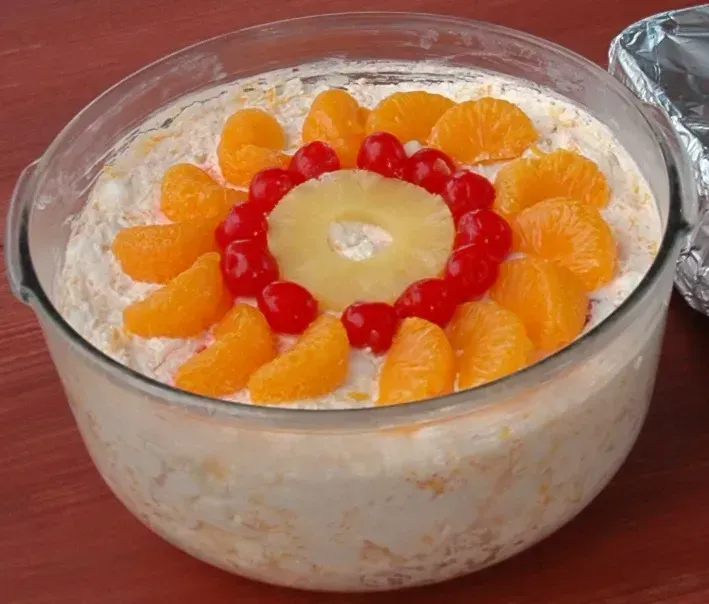
In the early 20th century, ambrosia was nothing like the white, fluffy, fruit salad-dessert hybrid we see at potlucks today. It was light and refreshing, simply orange slices and coconut layered in a dish with sugar. However, over the years Southern cooks took the recipe and gave it their individual family twist, which is how ingredients such as maraschino cherries, nuts, raisins, Cool Whip, and marshmallows crept in.
Ambrosia, a fruit salad traditionally made with pineapple, coconut, marshmallows, and cherries, often bound with whipped cream or yogurt, has seen a decline as modern palates tend to favor less sugary options and fresher, less processed fruit components. Named after the food of the Greek gods, this sweet concoction was a must-have at every holiday gathering and church potluck from the early 1900s through the 1980s. It has essentially been retired from millennial kitchens, surviving mostly at grandparents’ holiday tables and the occasional nostalgia-driven recipe post online.
Tuna Noodle Casserole
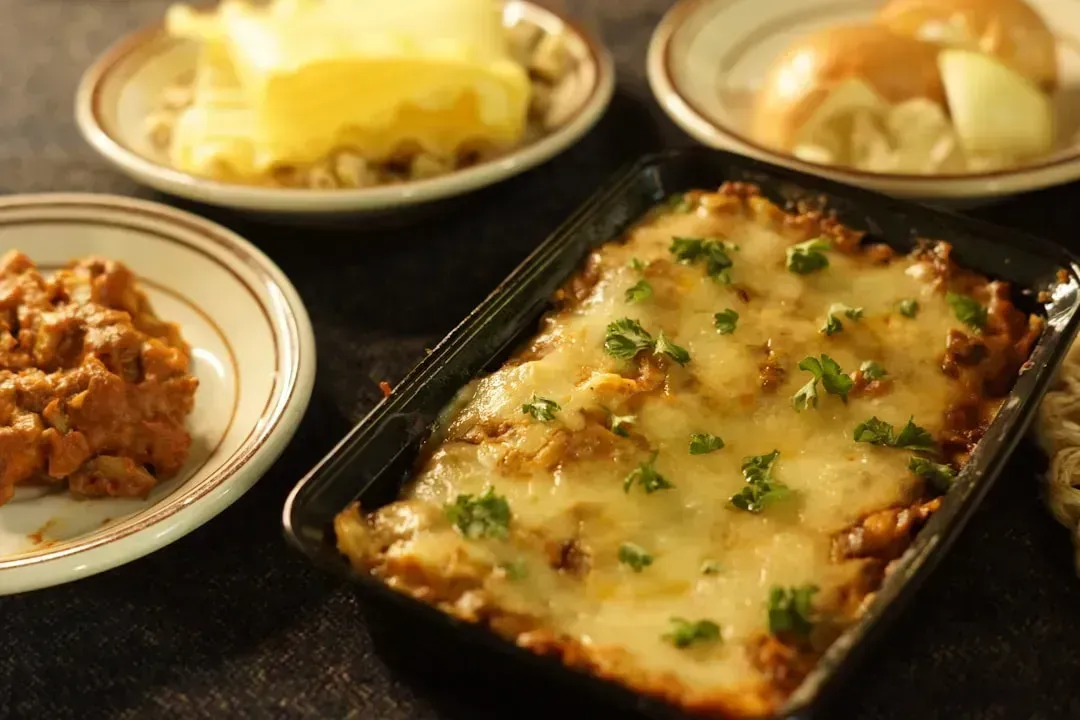
The dish combined canned tuna, egg noodles, cream of mushroom soup, frozen peas, and a crunchy topping of crushed potato chips or breadcrumbs. While it remains a nostalgic dish for many Americans who grew up with it as a staple on their dinner tables, younger generations view it as the epitome of everything wrong with processed food culture. The heavy reliance on canned soup and the somewhat mushy texture just don’t cut it anymore when fresh ingredients are readily available year-round.
Taste is only part of the rejection. Younger consumers are more attentive to sodium levels, ultra-processed ingredients, and the environmental questions surrounding mass seafood production. An easy, fortifying, relatively hands-off meal, it hasn’t disappeared from the 21st century diet completely, but many factors may be contributing to its ever-receding popularity. The casserole format itself, baked, beige, and built for leftovers, struggles to compete with the visual and dietary expectations of a generation that discovers recipes through social media.
Depression-Era “Poor Man’s Cake”
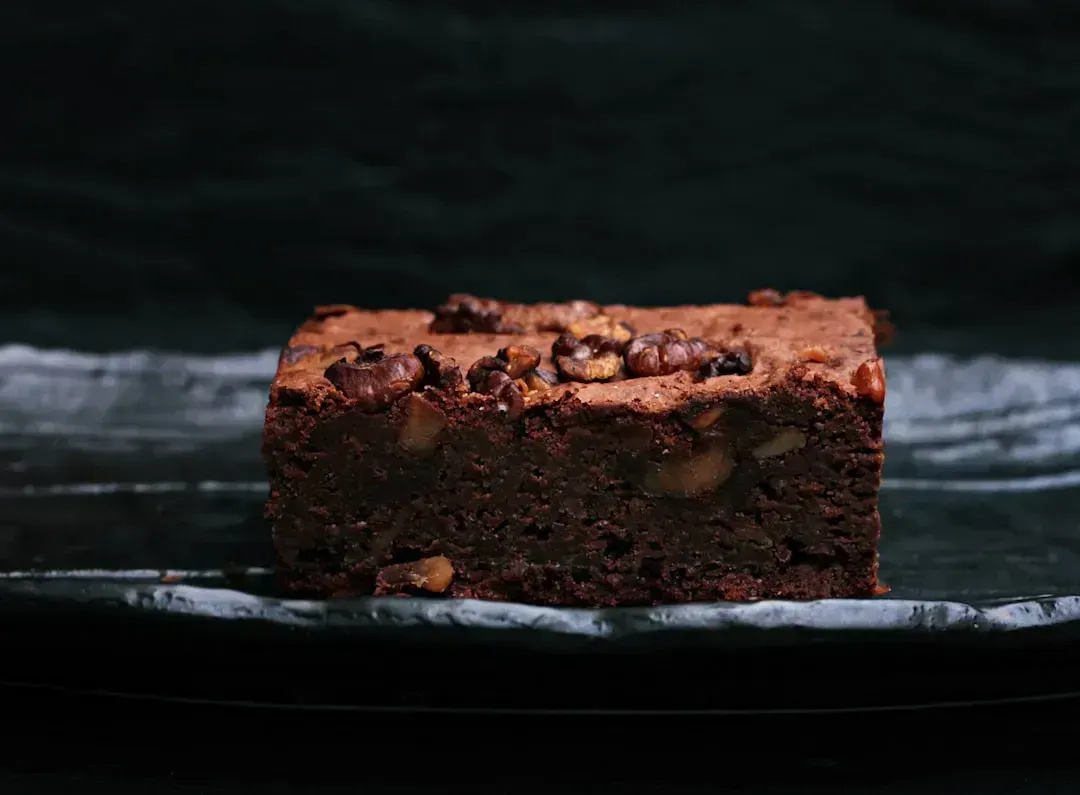
Traditionally, Poor Man’s Cake is made of brown sugar, hot water, a bit of shortening, flour, and raisins. It was one of many recipes born from necessity during the lean years of the early twentieth century, when families needed something sweet for the table but couldn’t afford eggs or butter consistently. The 1930s were known for meals that could stretch a dollar. Food was rationed, stretched, and savored. These recipes got families through the Great Depression.
Homestyle comfort foods such as casseroles, pot pies, and simple baked goods were often passed down through families and became staples in American homes. Poor Man’s Cake represents a category of recipes that existed entirely as a response to hardship. Without that hardship as context, the recipe loses its logic. Millennials navigating a different kind of financial stress – rising rents, student debt, food delivery apps – don’t gravitate toward a plain eggless cake as comfort. The emotional memory that made the recipe meaningful simply didn’t transfer between generations.
Old-Fashioned Scalloped Potatoes with Ham
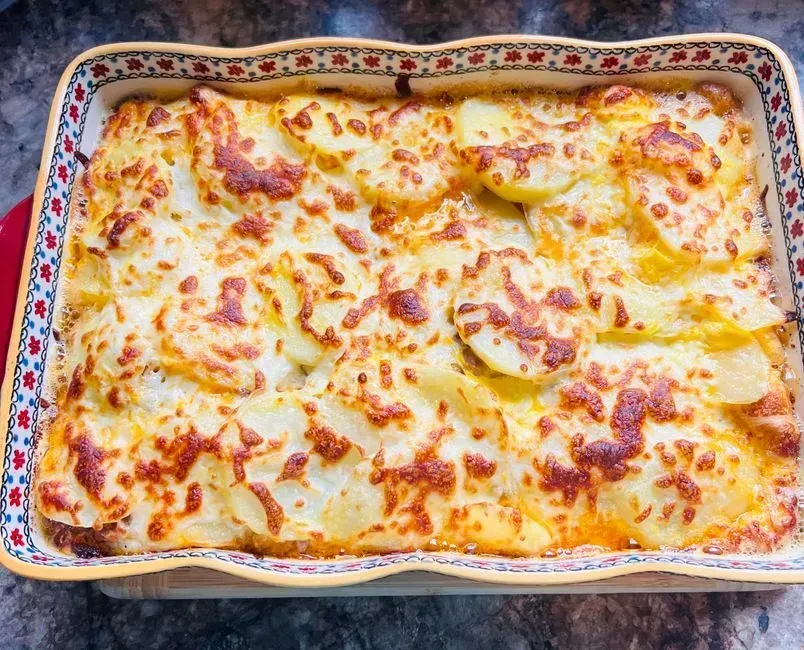
Scalloped potatoes were the prolific side dish of the 1920s. When combined with leftover ham and baked slowly in a cream sauce, they became a full one-dish meal that could feed a large family on very little. During the early decades of the 20th century, Americans’ food reflected the great diversity of people living in the country, and what people ate depended primarily on who they were, where they lived, and how much money they had. Scalloped potatoes with ham threaded through nearly all of those categories because the ingredients were universally affordable and forgiving.
Only about 6 percent of millennials identify as highly skilled cooks, compared to roughly 15 percent of their baby boomer counterparts, as indicated by a Culinary Visions survey. A dish that requires careful layering, a patient béchamel, and an hour in the oven at exactly the right temperature isn’t one that naturally survives a generation with less kitchen confidence and less unstructured time at home. The recipe isn’t gone entirely – it still shows up at Easter and Thanksgiving – but the idea of making it on a weeknight for the family, which is exactly how earlier generations used it, has quietly faded from practice.
What these twelve recipes share is something beyond their ingredients. They were built for a specific kind of life: large households, more time at the stove, a pantry stocked for necessity rather than variety, and a direct line of instruction from one generation to the next. As those conditions changed, millennials came up in a radically different kitchen environment, where travel, media, and increasingly diverse restaurant scenes expanded their understanding of what flavors were accessible at home. Cultural curiosity around global cuisines played a huge role in shaping what ingredients and seasonings made their way into everyday cooking. The old recipes weren’t rejected on principle. They were simply never passed on in a form that made sense for the kitchens and lives that followed.





Leave a Reply