
Most people have had at least one encounter that left them quietly stunned. Someone cuts in line without a word. A dinner companion stares at their phone through an entire meal. A coworker takes credit, borrows freely, and never once says thank you. These moments feel jarring not because the world is inherently rude, but because most of us were raised with at least some sense of social consideration.
Data from the Associated Press–NORC Center for Public Affairs Research shows that roughly three quarters of Americans believe manners and behavior have deteriorated over recent decades, which helps explain why so many adults carry these gaps into their everyday lives. Bad manners are often rooted in a basic misunderstanding of how to present yourself around other people, and those raised in households that didn’t emphasize respect may genuinely struggle to see beyond themselves. Here are twelve of the clearest signs.
1. They Interrupt Constantly and Without Apology

When someone talks over others, it creates an environment where open, balanced communication becomes impossible, and people grow hesitant to share their thoughts, feeling they won’t be heard or respected. Interrupting is more than a conversational quirk. It signals a fundamental belief that what the speaker wants to say matters more than what anyone else is currently saying.
People who were never taught proper etiquette might constantly interrupt, disregard others’ opinions, or dominate the entire conversation. This could be a sign that they were never taught the crucial skill of active listening. Active listening involves giving the other person your full attention, acknowledging their points of view, and responding appropriately. It shows respect for the other person’s thoughts and feelings. If someone lacks this basic etiquette, it’s likely they missed out on learning this vital social skill in their early years.
2. They Never Say “Please” or “Thank You”

A study from Social Psychology Quarterly found that the number of people regularly using “please” and “thank you” in conversations is steadily decreasing. Whether it’s rising narcissism in our status-driven society or a general aura of entitlement, people don’t seem to care about this basic level of consideration anymore. The absence of those two small phrases hits harder than it looks.
Kids who grow up without learning these words become adults who bark orders at waitstaff and never acknowledge when someone holds a door. Good manners go beyond just saying “please” and “thank you” – they also involve having a grateful mindset and thinking about other people’s needs. When someone skips both the words and the mindset, it tends to color every interaction they have.
3. They’re Chronically Late and Don’t Acknowledge It
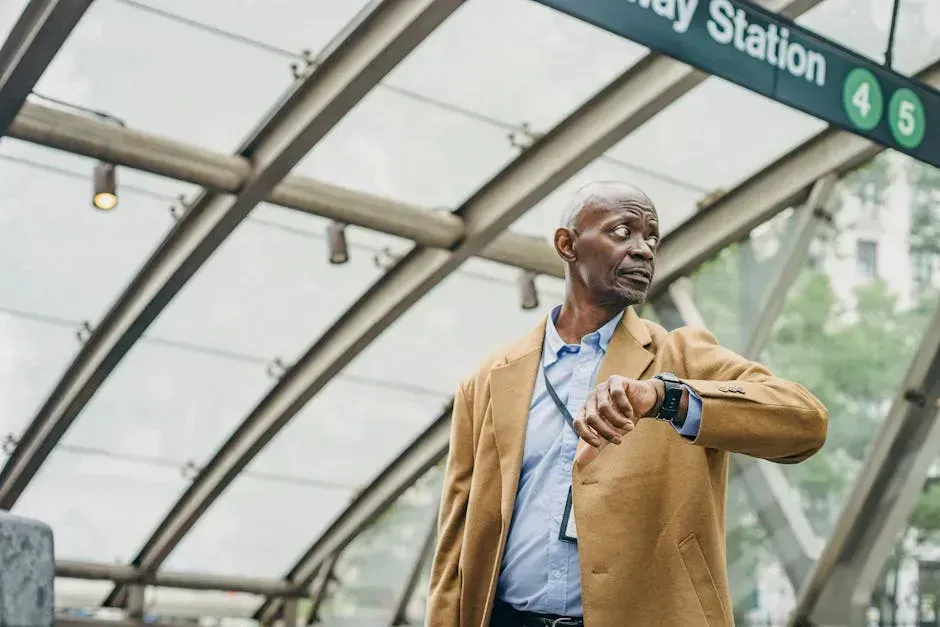
Being late is often seen as disrespectful, as it disregards other people’s time and schedules. Someone who is frequently late may not realize the inconvenience they cause, or may simply not value punctuality. The lateness itself is one problem. The silence surrounding it is another entirely.
People raised with good manners understand that when they’re late, they apologize and acknowledge the inconvenience. They don’t stroll in twenty minutes late like it’s no big deal while everyone else has been waiting. Punctuality is a form of respect for other people’s time. If someone wasn’t taught the importance of this respect during their upbringing, they might genuinely struggle with being on time.
4. They Ignore Service Workers

You’ll notice it with servers, cashiers, and receptionists. They’ll be all smiles with friends, but when the barista hands them a coffee? Nothing. True manners show up when there’s no pressure to perform. If someone thanks their coworker for covering a shift but forgets to thank the janitor holding the door open, that’s the real tell.
Treating service workers as invisible is one of the most reliable indicators that someone was never taught how respect actually works. Knowing how to display respect through action stands in stark contrast to bad manners used by people who were not taught how to behave growing up. Manners aren’t reserved for people who can return the favor. That’s the whole point of them.
5. They Don’t Acknowledge When They’ve Caused an Inconvenience
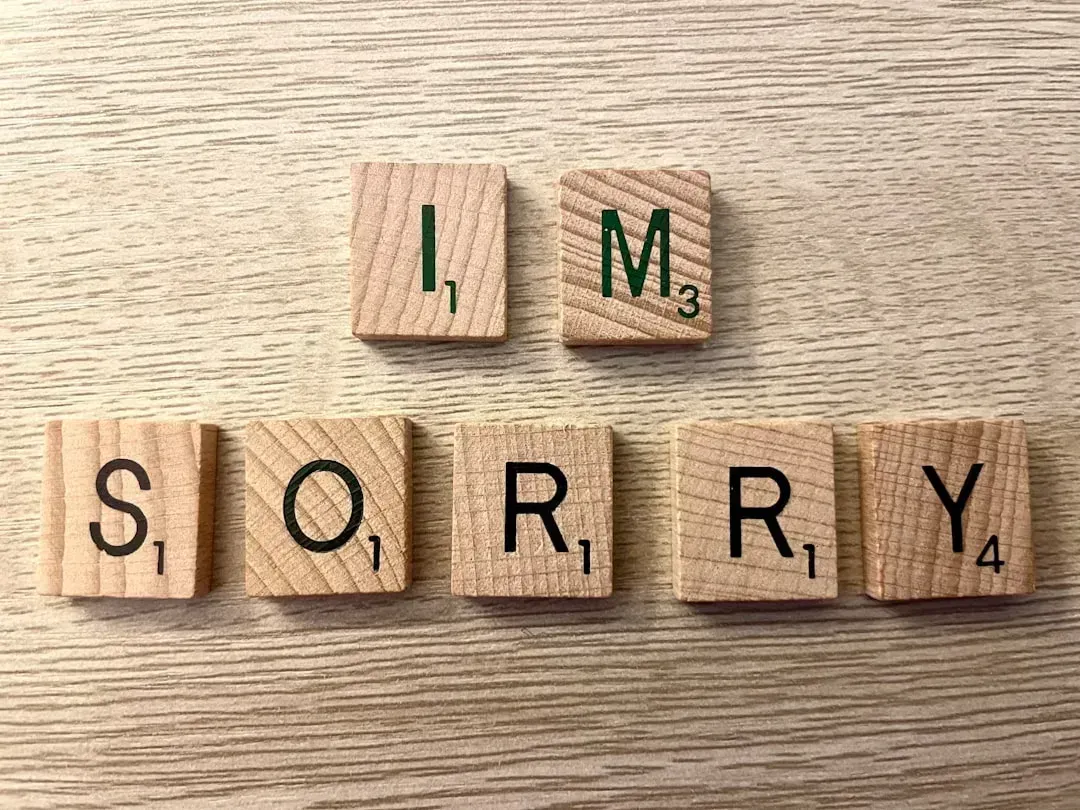
Data from civility and etiquette surveys in the U.S. shows that failing to say “sorry” or “excuse me” after causing inconvenience is one of the most commonly reported rude behaviors, and many people say it makes them feel disrespected and less close to the offender. It’s a small omission with a surprisingly large social cost.
People raised with zero manners are quick to tell others they’re wrong, without looking at their own fallibility. Often, they also shift blame onto others, because the feeling of making a mistake is too uncomfortable to accept. Not saying sorry when it’s warranted isn’t just poor etiquette. It reflects a deeper unwillingness to acknowledge that other people are affected by your actions.
6. They Invade Personal Space Without Awareness
Someone who constantly invades your personal bubble, standing too close or touching without invitation, may be a sign that they were never taught about maintaining a respectful distance. Respecting personal space is a fundamental aspect of good manners, and those who fail to comprehend this might not have had the benefit of learning basic social etiquette during their childhood years. This lack of understanding can often lead to uncomfortable interactions in adulthood.
According to psychology professor Michael Graziano, our brain’s perception of personal space is often a buffer against people crossing boundaries and being invasive. We feel uncomfortable when people invade our spaces because we’re hardwired to protect ourselves. People who don’t have the manners to appreciate and respect physical space can sabotage communication and healthy relationships, sometimes without even having the self-awareness to realize they’re doing so.
7. They Use Their Phone During Conversations
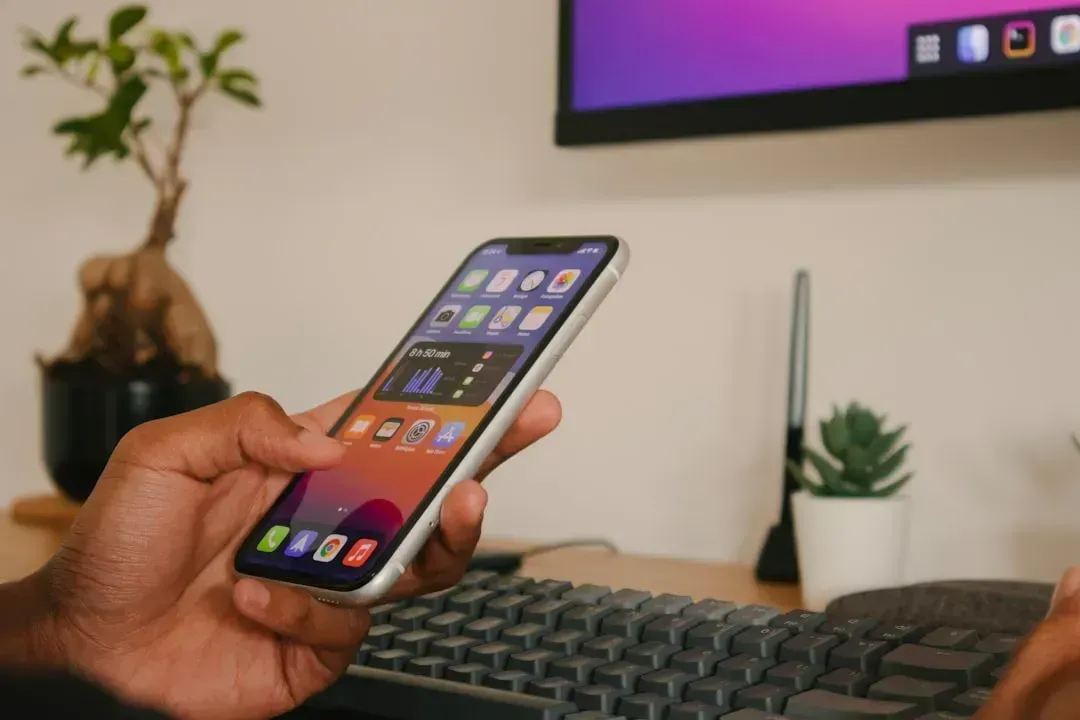
This behavior, now called “phubbing” (phone snubbing), has become epidemic. Research shows it “negatively affects intimacy and closeness in romantic partnerships.” The effect extends well beyond romantic contexts. Reaching for your phone mid-conversation sends a clear message, whether you intend it or not.
Someone who does this was likely never taught that giving another person your undivided attention is a basic sign of respect. You can tell a lot about someone by what they do and how they do it, especially as it pertains to their demeanor. Because if someone was raised with poor manners, their behavior in small moments will usually expose their inattentiveness. The phone stays on the table because no one told them it shouldn’t.
8. They Don’t Clean Up After Themselves in Shared Spaces

Whether it’s leaving dirty dishes in the sink at work, trashing a hotel room, or walking away from a restaurant table like it’s someone else’s problem, this behavior reveals a lack of basic courtesy. People raised with manners know that if you make a mess, you clean it. Simple as that.
It’s one thing to leave a half-empty coffee mug on the table when you’re rushing out the door in the morning, but it’s something else altogether to let things pile up. It’s possible that people with bad manners who don’t clean up after themselves have parents who never taught them the value of doing so. Shared spaces require shared responsibility, and some people were simply never shown that.
9. They Dominate Every Conversation

In conversations, selfish motives often urge people to seek the spotlight. Whether it’s bragging about goals and accomplishments, interrupting someone while they’re speaking, or trading true active listening for a pause while waiting to speak, these habits harm real conversation. While it might seem like a subtle shift, active listening makes people feel valued, but being with someone who’s only waiting to speak can feel like a competition. The art of simply supporting and letting someone else speak is a lost cause in many spaces.
Status drives modern culture, whether it’s defined by material things, money, or time. Many people have been socialized into seeking and prioritizing status above all else. So it’s not surprising that basic manners like humility in conversations are slowly disappearing. Someone who was never taught to listen genuinely doesn’t know what they’re taking from the people around them.
10. They Speak Inappropriately for the Setting

Proper manners include knowing what’s appropriate to say in different contexts. Someone who regularly uses inappropriate language, makes off-color jokes, or brings up uncomfortable topics can make others feel uneasy. These social missteps often indicate a lack of understanding of social norms or an unwillingness to respect others’ feelings.
Understanding context and adapting your language accordingly is Manners 101. People who can’t switch between casual and formal speech weren’t taught that different situations call for different behavior. It’s not about being prudish – it’s about reading the room and showing respect for the setting and the people in it. Someone who makes the same jokes at a funeral as they do at a bar simply missed that lesson entirely.
11. They Take Without Giving Back

People who lack manners often take from others – from money, to emotional support, and material things – without ever saying “please” or “thank you” and never returning the favor. They’re quick to leverage their connections and other people’s skills, kindness, and support, but hardly ever offer the same kind of help to others. It’s one of the fastest ways that people with manners notice someone wasn’t raised right, because they somehow make relationships transactional without ever offering anything in return.
Manners also reflect the way we consider others and their feelings. Someone who never asks how others are doing or shows no concern for their well-being can appear indifferent. This lack of empathy can lead to feelings of disconnection, as people naturally gravitate toward those who show a genuine interest in their lives. When emotional care and empathy are lacking, it becomes challenging to form strong, supportive relationships.
12. They Blame Others Instead of Owning Their Mistakes

According to a study published in Personality and Social Psychology Bulletin, accepting responsibility for transgressions is connected to how people view personality overall. Researchers found that people’s beliefs on personality can affect the likelihood of them accepting responsibility for being wrong. Those who were never taught accountability tend to see mistakes as threats rather than normal human moments.
When someone is criticized, the brain interprets it as a threat, triggering a fight-or-flight response. This reaction is even more pronounced in individuals who were not taught how to handle criticism constructively during their formative years. Such people often react defensively to feedback, viewing it as an attack rather than useful information. This defensive reaction can manifest in various ways, from lashing out verbally to completely shutting down. Owning a mistake gracefully is itself a form of manners, and it’s one that has to be modeled early to really stick.
Having bad manners doesn’t make someone a bad person. It just means they weren’t taught certain behavioral touch points. Manners are more than just polite words or gestures – they’re the foundation of respectful behavior. They reflect how we value others and ourselves. Recognizing these patterns, whether in yourself or someone else, is the first step toward something better. It’s never too late to learn. People in their fifties have finally understood why their relationships kept failing, made changes, and transformed how they interact with the world. Sometimes all it takes is someone caring enough to gently point out what should have been taught much earlier.



Leave a Reply