
Most of us treat our wallets like a portable filing cabinet, stuffing them with cards, notes, receipts, and things we picked up “just in case.” It feels harmless. It usually isn’t. A record $12.5 billion was stolen through scams and fraud in a recent year, up 25 percent from the year before, based on reports to the Federal Trade Commission. Within that category, the top type by far was credit cards, and on average, older adults lost the most money.
After 50, the stakes around what you carry daily shift considerably. Retirement savings, Medicare details, and a lifetime’s worth of established credit are all on the line. A stolen wallet that held only a debit card and a driver’s license is a nuisance. One packed with the wrong items can upend your financial life for years. Here are sixteen things worth removing today.
1. Your Social Security Card
Your Social Security number is the holy grail for identity thieves. It’s the key that unlocks access to your entire financial life, and carrying your Social Security card puts you at unnecessary risk if your wallet is ever lost or stolen. Most daily errands don’t require it. A driver’s license covers the overwhelming majority of situations where proof of identity is needed.
With your Social Security number, thieves can easily file taxes on your behalf, open a line of credit in your name, receive medical attention, or even commit crimes using your information. Store the card in a locked safe at home and only bring it when a specific appointment genuinely requires the physical document.
2. Blank Checks
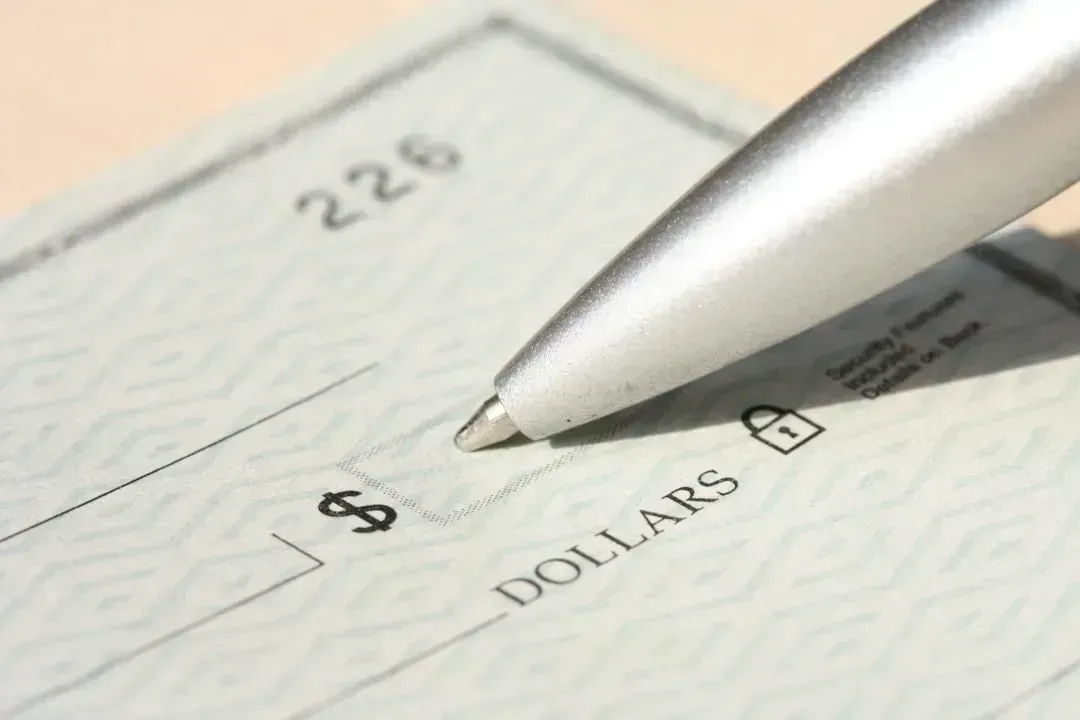
In the wrong hands, a blank check could be used to quickly drain money from your bank account. Even if the stolen check isn’t used, it contains your bank account and routing numbers, making it a target for electronic withdrawals. Many people carry one “just in case,” which is exactly the kind of habit that benefits thieves rather than the cardholder.
That blank check will also likely have your home address and perhaps your telephone number, and some people have even added their Social Security numbers to checks, which is another strict no-no. If you think you might need a check somewhere specific, bring only that one check and leave the rest of the checkbook at home.
3. Your Medicare Card
Medicare cards were redesigned years ago to remove Social Security numbers from them, which was a meaningful improvement. Your Medicare number, however, is unique to you and should be closely guarded and never shared with anyone who contacts you unexpectedly. Carrying the physical card daily means a lost wallet could hand someone a direct line into your healthcare identity.
Criminals may pretend to be a Medicare representative and ask Medicare recipients to share their data, which they then use for fraud. Keep a photo of your Medicare card on a secure, password-protected phone instead, and bring the physical card only when you have an actual medical appointment scheduled.
4. Written Passwords and PINs
About two thirds of people write their passwords down on a piece of paper, according to a Pew Research Center survey, but keeping a running list of passwords, PINs, and alarm codes in a wallet is just asking for trouble. This habit might feel like a practical memory aid. To a thief, it’s a complete access package handed over for free.
It might seem convenient to carry a list of your usernames and passwords, but this is a massive security risk. If your wallet falls into the wrong hands, a thief will have access to all your online accounts. Keep your passwords secure and memorized, or use a password manager app. Both Android and Apple devices now offer built-in password managers that are both reliable and free to use.
5. Your Passport
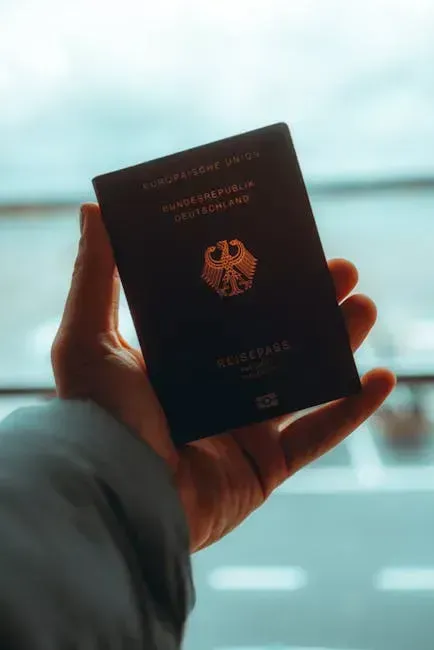
Your passport contains a wealth of personal information, including your full name, date of birth, and passport number. Carrying it puts you at real risk of identity theft if it’s lost or stolen. People over 50 who travel frequently often develop the habit of carrying their passport everywhere as a backup ID, but this adds far more risk than convenience.
Unless you are crossing national borders, your passport should stay in a safe deposit box or another secure place. Even when traveling abroad, it’s good practice to make a copy of your passport and leave the real one locked in a hotel safe. A driver’s license or state ID covers nearly every domestic situation where identification is required.
6. Multiple Credit Cards
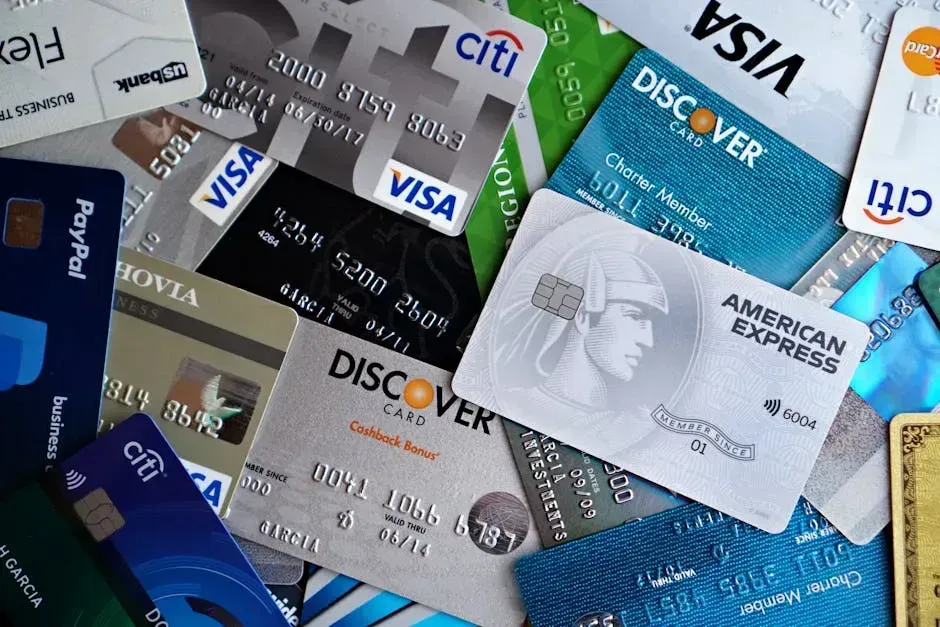
You may have a credit card for a favorite department store, another for air miles, another for hotel points, and the list goes on. Having that many cards isn’t a good idea; security experts recommend capping it at two or three to avoid amplifying identity theft risk. The more cards packed into one place, the more damage a single theft event can cause.
Excess credit, membership, or gift cards add weight and bulk, making the wallet less practical and more prone to wear or damage. A wallet overflowing with cards also makes it harder to detect if one is missing, slowing your response time in case of theft. Stick to one credit card and one debit card for daily use and keep the rest secured at home.
7. Old or Expired Cards
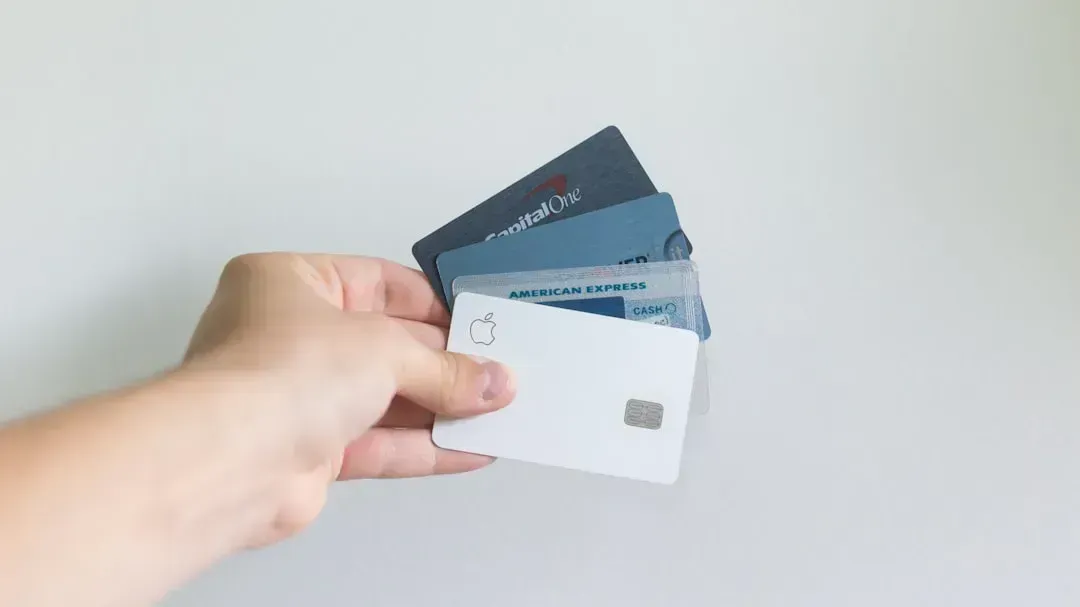
Expired credit or debit cards are more than useless pieces of plastic. They create confusion during purchases and can be exploited by fraudsters who salvage old numbers to attempt unauthorized transactions online. Storing expired cards also makes it harder to notice when your active cards are missing, delaying fraud detection.
Keeping expired cards inside your wallet adds unnecessary bulk, reducing comfort and increasing wear on active cards. Instead, collect expired cards in a secure drawer or shred them to prevent anyone from accessing the magnetic strip or printed numbers. Making this a monthly habit takes about two minutes and genuinely matters.
8. Store Receipts
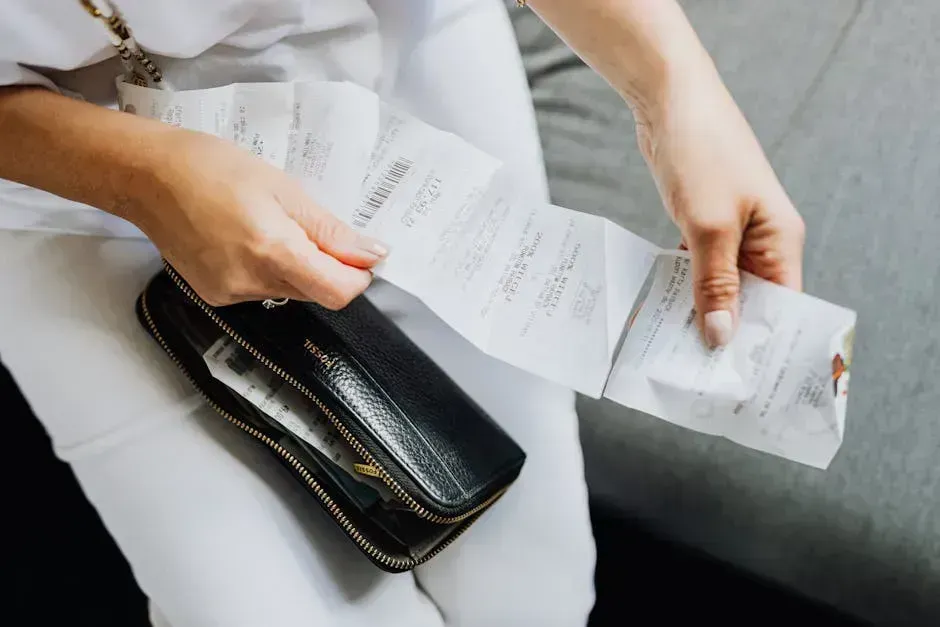
While businesses are not allowed to print more than the last five digits of a credit card number on paper receipts, skilled thieves can use those last five digits and the merchant information on receipts to attempt phishing for the remaining card numbers, often alongside a full name printed from the card used. What looks like a harmless slip of paper carries more information than most people realize.
Remove receipts from your wallet daily and shred them. If you need to retain receipts for possible returns or warranties, ask the merchant to skip the paper and send you a digital receipt instead. Most major retailers offer this option, and it eliminates both the bulk and the security risk in one step.
9. Spare House or Car Keys
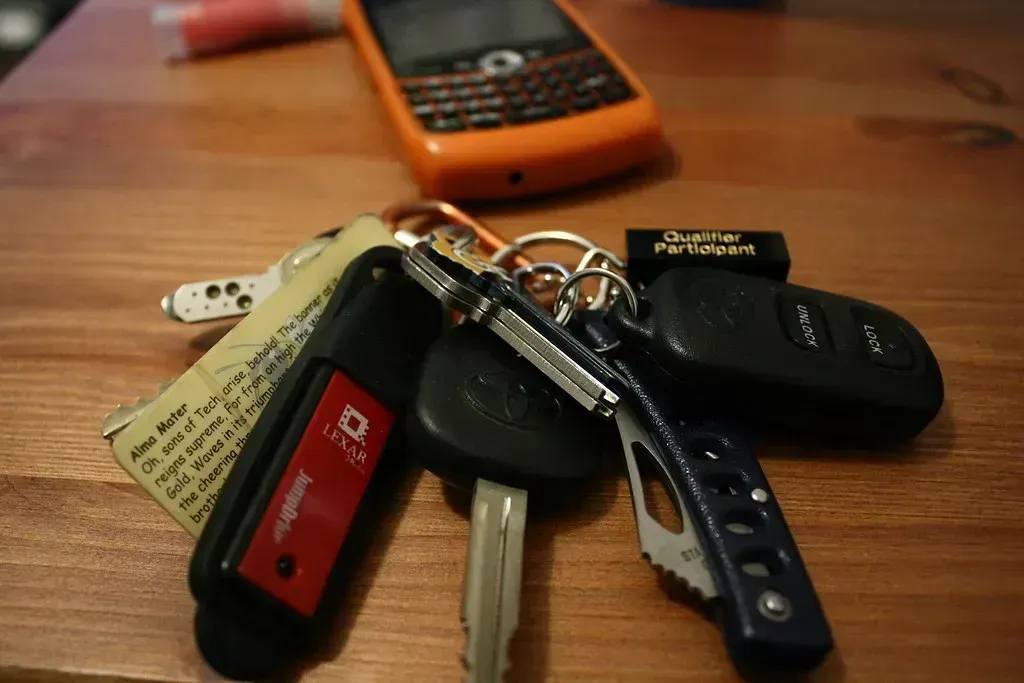
It’s important to have a spare set of keys for your car and home in case of a lockout, but not necessary to have them on your person. Extra keys should be in the hands of someone you trust. In the event your wallet is stolen, you could be handing over total access to these pieces of personal property. A stolen wallet with keys and an ID that includes your address is a particularly dangerous combination.
Spare house keys are among the items to never keep in a wallet because they could be an invitation to crooks to steal more. Give a trusted neighbor or family member a copy of your key instead, and keep a locksmith’s number stored in your phone for genuine emergencies.
10. Birth Certificate
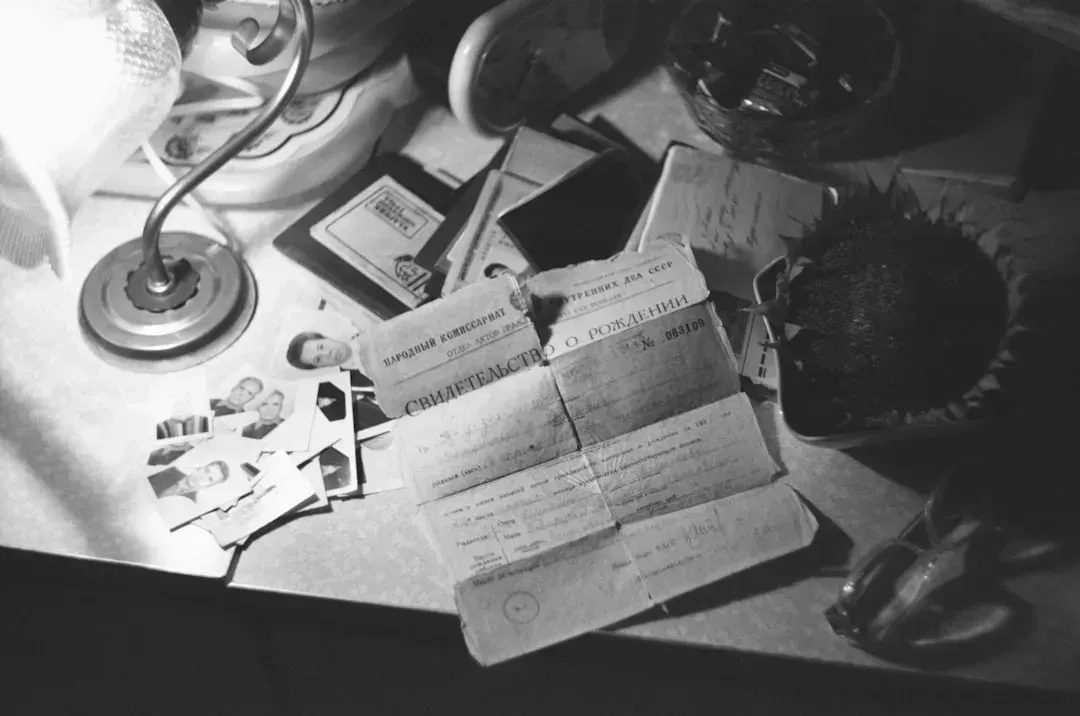
Birth certificates are tempting to carry for convenience, but their loss can cause long-term headaches. Identity documents provide thieves with the information required for credit fraud, identity theft, and even impersonation. If daily access is not necessary, these items should stay in a safe at home. A birth certificate sitting in a wallet is rarely used and almost never needed on a routine errand.
After 50, many people carry their birth certificate out of habit formed during years when it seemed like official paperwork might come up at any moment. The reality is that it belongs in a fireproof safe or a safe deposit box. Identity theft involving sensitive, personally identifiable information can have long-lasting effects, and thieves may wait months or even years to use the information, or they might sell it on the dark web.
11. Health Insurance Cards You Don’t Use Regularly
Carrying every health insurance card you’ve ever been issued adds risk without adding value. Three health insurance cards, two dental cards, and a mystery card you’re not even sure about is a declutter situation. Retain only what you’re currently using regularly. Everything else is just extra bulk and potential information waiting to be exploited by identity thieves.
The smarter approach is to carry only the single insurance card you need for the current month or season, whether that’s your primary medical card or a dental card before a specific appointment. Keep a digital photo of the others in a secure, password-protected app on your phone. That way the information is accessible if needed, but not physically at risk.
12. Large Amounts of Cash
Carrying large sums of cash feels convenient but transforms a wallet into an instant target. Pickpockets and opportunistic criminals gravitate toward thick wallets bulging with bills, increasing the likelihood of theft. After 50, many people carry more cash than they need out of a longstanding habit or a preference for not using cards at small businesses.
Rolling with a big wad of cash in your wallet could make you a tempting target for thieves. Instead, consider keeping a slim stash of five and ten-dollar bills for emergencies only. Unlike stolen credit cards, cash cannot be frozen, cancelled, or refunded by your bank. What you carry is what you can lose permanently.
13. Gift Cards
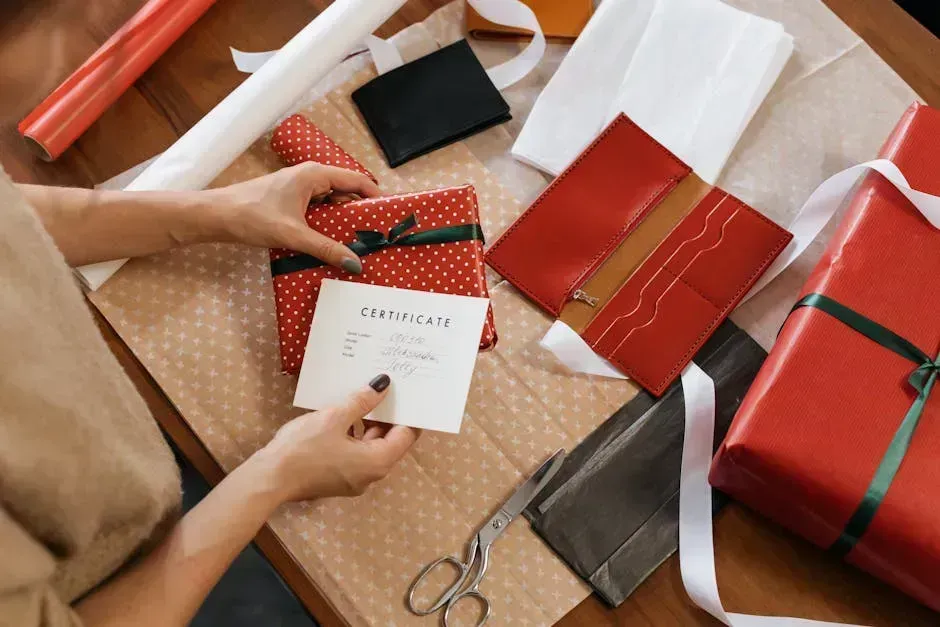
Gift cards feel like free money, so people tend to stow them in their wallets and promptly forget about them. The problem is that they carry real monetary value with zero fraud protection in most cases. If a physical gift card is stolen, the balance typically disappears with no way to recover it, unlike a credit or debit card that can be cancelled quickly.
To manage gift cards more safely, consider using a gift card app. With some of these apps, you can scan and upload gift cards to a digital wallet so that when you shop, they can be conveniently accessed from one central spot. Some retail stores also allow you to save gift card information on their apps or websites after logging in. Going digital keeps the value protected even if your physical wallet goes missing.
14. A List of Account Numbers
Checks and deposit slips are among the items experts flag as things to never keep in a wallet. These items may have more information on them than you think, including your name, address, bank name, routing number, and account number. These details could be used nefariously if obtained by a fraudster. The same logic extends to any handwritten list of account numbers, even if it looks like a random series of digits to you.
Some people keep a “reference card” in their wallet with their various account numbers written out for convenience. It’s worth asking whether that convenience outweighs the risk. A single sheet of account information is, from a thief’s perspective, a cheat sheet for draining multiple financial accounts. Store that information in a locked home document or a secure digital vault instead.
15. Cryptocurrency Seed Phrases
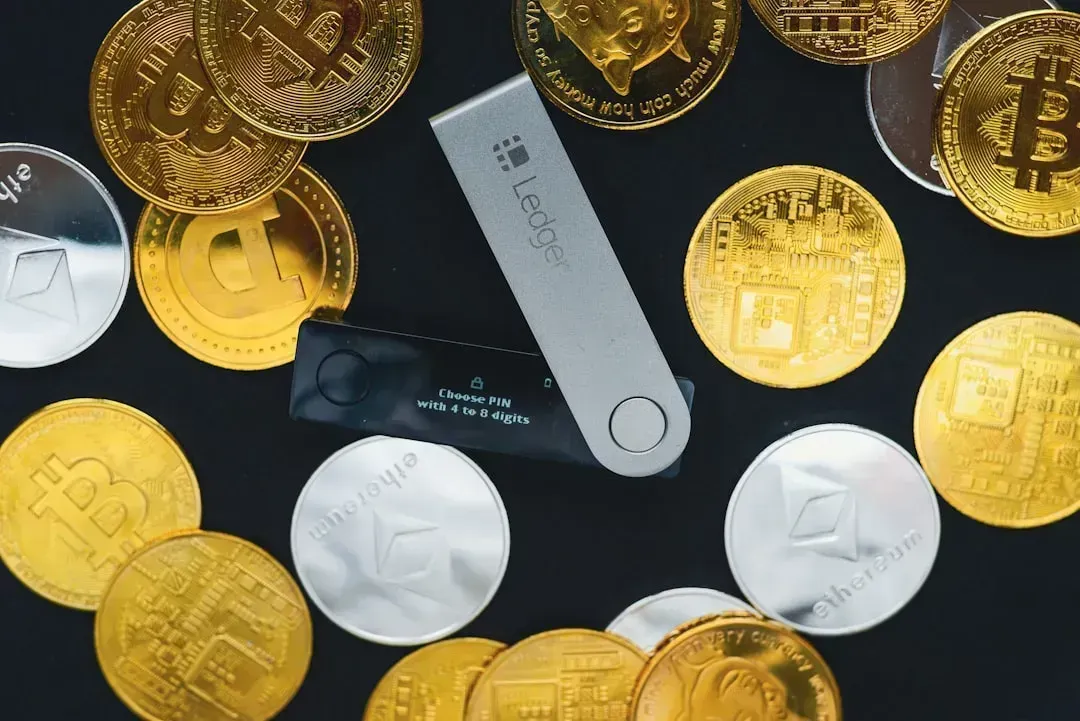
Some people keep the seed phrase, a sequence of 12 or 24 words that a crypto investor needs to access or recover cryptocurrency, in their actual wallets. Criminals can use it to wipe out your wealth entirely. As cryptocurrency ownership among people over 50 has grown steadily, so has the habit of writing down seed phrases on paper for safekeeping. The wallet is one of the worst possible places for it.
A seed phrase written on a piece of paper in your back pocket is only as safe as that pocket. Anyone who finds or steals your wallet gains full, irreversible access to your crypto holdings. Unlike a bank account, there is no customer service line to call and no regulatory body that can reverse the transaction. Store seed phrases in a purpose-built metal backup device or a secured fireproof safe, never in a wallet.
16. Your Full Medical History or Medication List

Carrying appointment cards, a note with your blood type, and a medication list in your wallet is carrying a walking medical record in your back pocket. That information has no business there. Keep it digital or home-based. Identity theft is not just about your credit anymore, it’s about health information too. Medical identity theft, where someone uses your details to receive care or prescription drugs, has become a growing category of fraud targeting older adults.
If you genuinely need emergency medical information accessible at all times, consider a dedicated medical ID bracelet or a properly secured digital health profile through your phone’s emergency settings, which allow first responders to view critical health data without unlocking the device. That’s a far safer alternative than a paper list tucked into a wallet that could be anywhere by the time you actually need it.
The common thread through all sixteen of these items is the same: the convenience of having them nearby is almost never worth the risk they introduce. Because most fraud goes unreported, the FTC estimates the real losses experienced by older adults in 2024 may be as much as $81.5 billion. A leaner wallet isn’t about minimalism for its own sake. It’s about making sure that if something goes wrong, the damage stays manageable rather than life-altering.


Leave a Reply